Author: laomopublic@gmail.com

  • How a Fan Filter Unit Works in a Cleanroom

    How a Fan Filter Unit Works in a Cleanroom

    A Fan Filter Unit (FFU) pulls air through special filters. These filters take out particles and keep your cleanroom safe. Many people pick these units for new cleanrooms. More than 46% now use FFUs for air cleaning. FFUs help you follow strict ISO rules by lowering dust and other bad things. In places like drug and chip factories, FFUs also use smart tech. This tech helps watch and fix the units in real time.

    Key Takeaways

    • Fan Filter Units clean air in cleanrooms very well. They use many filters to take out bad particles. This helps meet strict air quality rules.

    • It is important to do regular maintenance. Check pre-filters every three months. Change HEPA or ULPA filters every six to twelve months. This keeps the air clean and safe.

    • FFUs are flexible and can be changed easily. You can add or remove units as needed. This helps when cleanroom needs change. You do not need big changes to the room.

    • New FFUs have motors that save energy. They can use up to 70% less energy. This saves a lot of money over time.

    • FFUs must be installed and set up the right way. Put the units in smart places for good airflow. This helps stop contamination.

    What Exactly Is a Fan Filter Unit (FFU)?

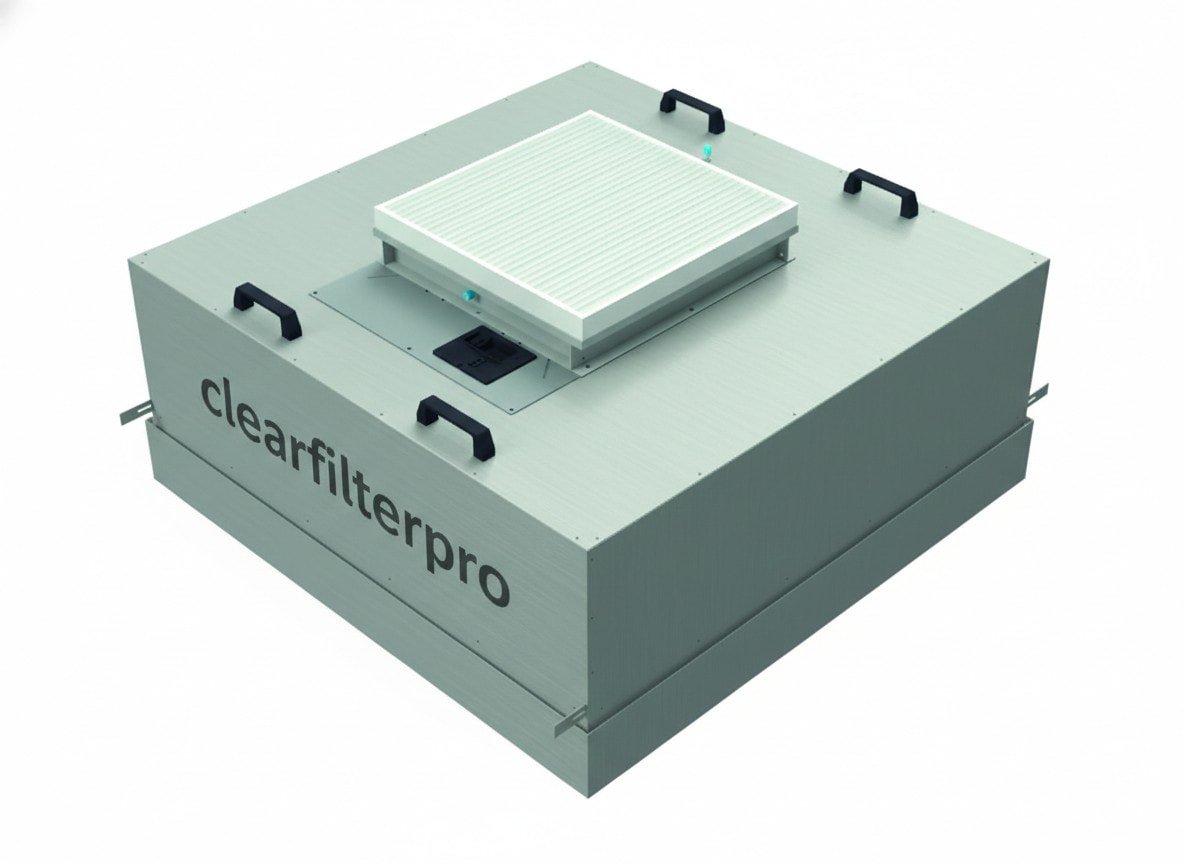
    A Fan Filter Unit (FFU) is a self-contained module that integrates a variable-speed fan with a HEPA or ULPA filter to deliver laminar, particle-free airflow to a defined area. Commonly ceiling-mounted in cleanrooms and mini-environments, it provides localized ISO-class air without central ducting, enabling scalable contamination control and rapid deployment.

    fan filter unit (ffu)

    FFU Definition and Main Parts

    A fan filter unit (ffu) helps keep cleanroom air safe. It is a machine with a motor and a filter. The unit pulls air in and cleans it. It takes out bad particles and sends out clean air. You see fan filter units in labs and chip factories. They help meet tough air rules.

    A fan filter unit (ffu) has many key parts. Each part does something important:

    1. Outer shell: This part shapes air and keeps pressure steady.

    2. Metal protective net: It stops static and keeps you safe.

    3. Primary filter: It catches big debris before the main filter.

    4. Motor: EC or AC motors control speed and save power.

    5. Impeller: It moves air and helps get rid of dust.

    6. Air flow balancing device: This part spreads air across the room.

    7. Air duct connecting parts: These link the unit to air ducts.

    8. Mini pleat HEPA filter: It traps tiny bits and helps filter better.

    9. Control unit: You use this to set options and check alarms.

    A fan filter unit (ffu) lasts about 5 to 7 years. It is a good choice for long-term use.

    Tip: Check the control unit often. This helps you find problems early and keeps your cleanroom safe.

    FFU vs. Other Cleanroom Filtration

    You might wonder how a fan filter unit (ffu) is different from other systems. The main difference is how you set them up and use them. Fan filter units work alone. You can add or take away units when you need. Central systems, like air handling units, need more planning and expert help.

    Here is a table that shows the differences:

    Feature

    Fan Filter Units (FFUs)

    Air Handling Units (AHUs)

    Connection

    Independent units

    Centralized system

    Efficiency

    99.99% (HEPA), 99.9995% (ULPA)

    Varies

    Modularity

    Easy to customize

    Less modular

    Maintenance

    Simple replacement

    Needs certified contractor

    Application flexibility

    Easy to scale

    Needs reconfiguration

    You get more choices with a fan filter unit (ffu). You can add more units to grow. Maintenance is also easier and faster.

    How Do Fan Filter Units Work in a Cleanroom Environment?

    Fan Filter Units (FFUs) work in a cleanroom environment by using an integrated fan to draw return air (or make-up air) into a ceiling-mounted module and push it through a high-efficiency HEPA/ULPA filter, delivering uniform, low-turbulence “clean” airflow into the controlled space. This constant, filtered supply helps dilute and sweep airborne particles away from critical zones while maintaining pressure differentials.

    Air Intake and Pre-Filter

    The air intake is where everything starts. The fan filter unit pulls air from the room or outside. The first filter is called the pre-filter. It catches big things like dust, pet hair, dander, fungus, and mold. This step keeps the main filter safe. It also helps stop bad stuff from getting into the cleanroom. You will see better air right away because the pre-filter blocks most large debris.

    Tip: Always look at the pre-filter when you check the unit. A clean pre-filter helps the fan filter unit work better. It also keeps the air free from particles.

    Main Filtration (HEPA/ULPA)

    After the pre-filter, the air goes to the main filter. This is where hepa or ulpa filters work. These filters catch very tiny particles that can cause problems. HEPA filters trap 99.97% of particles at 0.3 microns. ULPA filters trap 99.999% of particles at 0.12 microns. Using the right filter makes the air cleaner and the unit work better.

    Filter Type

    Filtration Efficiency

    Particle Size

    HEPA

    99.97%

    ≥0.3 microns

    ULPA

    99.9995%

    ≥0.12 microns

    You should change hepa filters every 6 to 12 months. Change ulpa filters every 3 to 6 months. This keeps the filters strong and stops bad particles from getting in. Your cleanroom stays safe from even the smallest things in the air.

    Fan and Airflow Distribution

    The fan inside the unit pushes clean air back into the room. The air spreads out evenly everywhere. This is important for keeping the whole cleanroom safe. You do not want spots where dust can build up. The fan helps keep the air clean all the time.

    Mechanism

    Purpose

    Clean, filtered air is evenly distributed back into the cleanroom.

    Ensures uniform airflow distribution throughout the cleanroom, minimizing turbulence and particle movement.

    Good airflow helps the cleanroom meet strict rules. The fan filter unit is also quiet. Most units make noise between 40 and 63 dBA. This means you can work in a comfortable place.

    Integration with Ceiling Grid

    You put the fan filter unit in the ceiling grid. Most cleanrooms use T-grid or walkable ceilings. T-grid ceilings are light and easy to change. You can move or add units if you need more. Walkable ceilings let workers fix things above the ceiling. Every unit must fit tight in the grid. This stops gaps that could let in dirty air.

    You connect the unit to the power for the fan and controls. Many units work with building systems. You can check fan speed, filter pressure, and when to do maintenance from one spot. Some units can change speed to save energy and give the right airflow.

    A modular setup lets you add more units as your cleanroom grows. This keeps the air clean and the unit working well. Fixed units give better sealing and last longer.

    Note: Always work with HVAC and electrical teams when you install units. Good teamwork makes sure the cleanroom works well and stays safe.

    Step-by-Step Operation of FFU Installation

    Here are the steps to put in and take care of a fan filter unit:

    1. Look at the cleanroom and pick the best spots for each unit.

    2. Get tools like screwdrivers, drills, sealant, and safety gear.

    3. Clean the room before you start.

    4. Unpack and check each unit for damage.

    5. Mark the ceiling where you will put the unit.

    6. Cut the ceiling to the right size.

    7. Put the unit in the ceiling and make it secure.

    8. Seal the edges and put on the filters.

    9. Check the unit and look for leaks.

    10. Change filters on time to keep the air clean.

    Doing these steps keeps your cleanroom safe and working well.

    Airflow Rates in ISO Class 5 Cleanrooms

    You need to know how much air moves in your cleanroom. In ISO Class 5 cleanrooms, units give 240 to 480 air changes every hour. The air moves at 40 to 80 feet per minute. You cover 35 to 70% of the ceiling with units to keep the air clean.

    ISO Class

    Air Changes Per Hour

    Average Airflow Velocity (ft/min)

    Ceiling Coverage

    ISO 5

    240-480

    40-80

    35-70%

    Following these rules helps you get even airflow and very clean air.

    What Benefits Do Fan Filter Units Provide in Cleanrooms?

    Fan filter units (FFUs) benefit cleanrooms by delivering localized, ceiling-mounted HEPA/ULPA filtration with consistent airflow, improving particle control and ISO-class stability. They offer modular scalability, faster installation than centralized HVAC, lower cross-contamination risk via zoning, and easier maintenance—often with better energy optimization through variable-speed fan control.

    fan filter unit (ffu) (1)

    Air Quality and Contamination Control

    You want your cleanroom to stay very clean. Fan filter units help by taking out particles from the air. These units use pre-filters and HEPA or ULPA filters. The filters catch dust, bacteria, and other bad things. You can trust them to keep your space safe and meet tough rules.

    • Air moves better in your cleanroom.

    • There are fewer particles in the important areas.

    • You get fewer problems with your products.

    • Smart fan filter units reach set airflow in 5 seconds. This gives you steady airflow.

    • Smart units keep airflow even, less than 5% difference. This is much better than old systems.

    Fan filter units clean and move all the air in your room. This helps stop heat from escaping and keeps your cleanroom working well.

    Modularity and Scalability

    You can change your cleanroom setup easily with fan filter units. These units let you add, remove, or move them when you need. You do not have to rebuild everything if you want to make your space bigger or different.

    • You can move benches or equipment and change ceiling grids.

    • You can put units over important spots to make them cleaner.

    • You can set up and use your cleanroom faster.

    • Fan filter units help you plan for changes in the future.

    This flexibility is a big reason people use ffus. You can make your cleanroom bigger or smaller fast. This saves you time and money.

    Energy Efficiency and Maintenance

    Fan filter units help you use less energy every day. New units use special motors called ECM. These motors use less power than old ones. You can use up to 40% less energy than old ducted systems. Some places save $180,000 each year by using better HEPA filters.

    • New EC motor fan filter units use only 0.15-0.25 watts per CFM. Old units use 0.35-0.55 watts per CFM.

    • You can cut power use by 50-70% over time.

    • Good airflow and speed control can save 35-40% energy.

    • You do not need to do maintenance as often with smart checks. This saves money.

    Check your fan filter units every three months. Keep extra parts ready and test the airflow often. Change filters when needed and make sure everything is sealed. This keeps your cleanroom safe and your machines working well.

    Choosing the Right FFU for Your Cleanroom

    fan filter unit (ffu) (2)

    Types of Fan Filter Units

    There are different types of fan filter units you can pick for your cleanroom. Most units come with a HEPA filter, a fan, and a control system all together. Some models, like the Pharmaseal Fan/Filter Ceiling Module, have better airflow control and are easy to fix from inside the room. You can pick standard units if you just need basic cleaning. HEPA units are good for high-level filtration. ULPA units are best for the strictest rules. Each type works for different jobs, like life sciences or making microchips.

    Type of FFU

    Typical Price Range

    Key Features

    Standard FFU

    $500 – $1,500

    Basic filtration, cost-effective

    HEPA FFU

    $1,000 – $3,000

    High efficiency, certified

    ULPA FFU

    $2,000 – $5,000

    Ultra-high filtration

    Selection Criteria (Size, Airflow, Filter Type)

    You need to make sure your fan filter unit matches your cleanroom. First, think about what you will use the room for and what ISO class you need. Figure out how much air needs to move each hour. Choose HEPA filters for most labs or medical rooms. Use ULPA filters for very clean places, like nanofabs or virus labs. Make sure the unit fits in your ceiling and is not too loud. Look for units that let you change the speed and use less energy. Always check test results before you buy a unit.

    • Size: Make sure the unit fits your ceiling.

    • Material: Pick what works for your space and budget.

    • Airflow: Most units give over 700 CFM; some go up to 1,000 CFM.

    • Filter: Pick the right one for how clean you need the air.

    • Motor: Check how strong it is and how long it lasts.

    • Noise: Choose a unit that keeps things quiet.

    Tip: Do not buy units without test results. This keeps your cleanroom safe.

    Installation and Integration Tips

    Plan where you put your units so air moves everywhere and there are no dead spots. Use ceiling grids that are easy to change. Make sure the ceiling can hold the weight of each unit. Use clip-on filters so you can change them fast. Press gaskets tight so air does not leak. Test the airflow and follow ISO 14644-3 rules. Put units less than one meter apart so air speed stays strong. Watch out for heat from machines and use air curtains if you need them. Check the filters often to keep airflow good.

    • Put units over all important spots.

    • Make sure supply and return air do not mix.

    • Use monitors to check how well things work over time.

    Note: Good planning and checking often help your fan filter units work their best.

    You can keep your cleanroom safe with the right fan filter unit. FFUs give strong filtration and steady airflow. They are easy to upgrade when needed. Think about these things before you choose:

    Factor

    Why It Matters

    Filtration Efficiency

    HEPA or ULPA filters match your air quality needs.

    Airflow Capacity

    Enough airflow keeps your space within standards.

    Energy Use

    EC motors lower costs and noise.

    Installation

    Simple setup saves time and money.

    • Test FFUs with trusted steps.

    • Ask experts for help with upgrades.

    • Pick units that fit your space and needs.

    FAQ

    How often should you change the filters in your fan filter unit?

    You should check the filters every three months. Replace the pre-filter when you see dust or dirt. Change the HEPA or ULPA filter every six to twelve months. Clean filters help keep the air safe.

    What is the best way to test the air quality in your cleanroom?

    You can use a particle counter to check the air. Place the device near the fan filter unit. Count the particles in the air. If you see too many, change the filter. Good air means fewer problems.

    Can you use fan filter units in any cleanroom size?

    You can use fan filter units in small or large cleanrooms. Add more units for bigger spaces. Each unit cleans the air in its area. You get better air control by placing units where you need clean air.

    Why does the air need to move in one direction in a cleanroom?

    Air moves in one direction to stop dust from settling. Laminar airflow pushes clean air down. You keep the air clean by stopping particles from mixing. This helps you meet ISO standards and keeps your products safe.

    What happens if the air in your cleanroom is not clean?

    Dirty air can cause problems with your products. You may see defects or contamination. You need clean air to protect your work. Fan filter units help you keep the air safe and meet strict rules.
  • How to Choose a Commercial Air Purifier in 2026

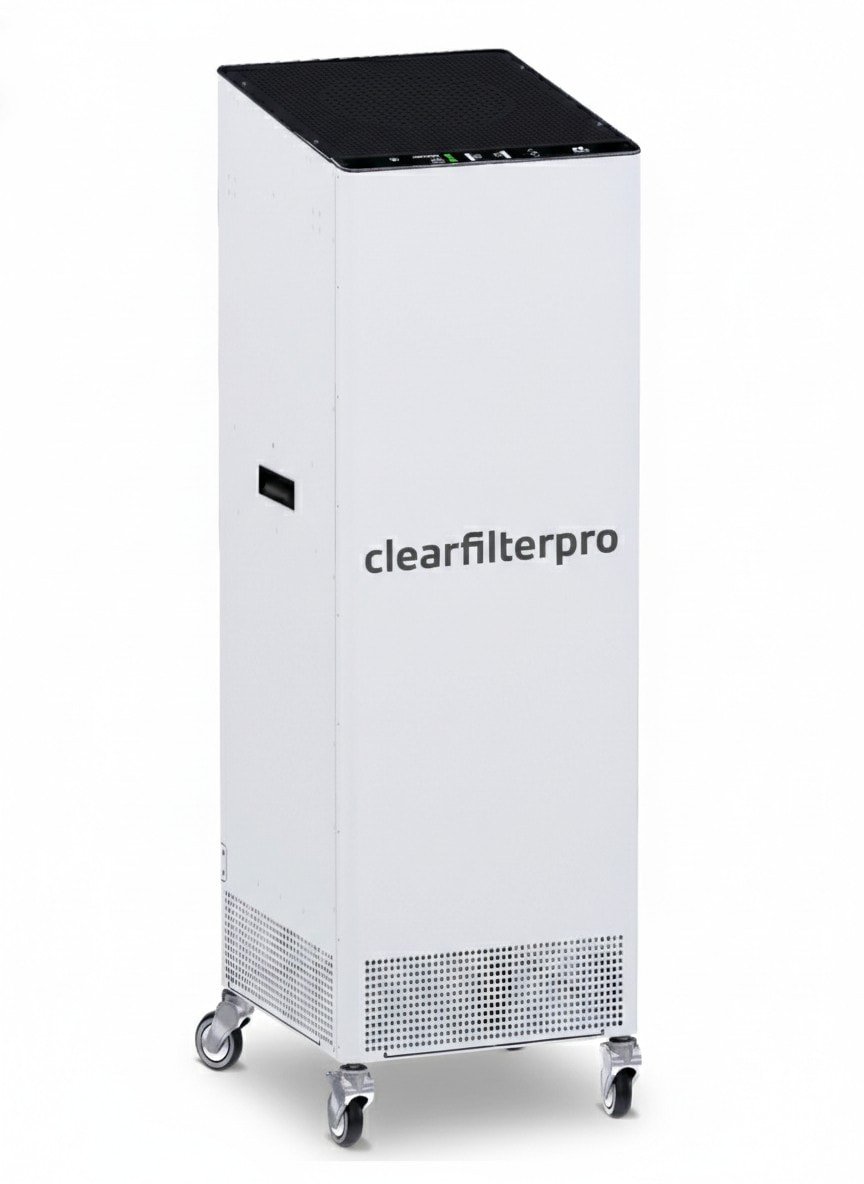
    How to Choose a Commercial Air Purifier in 2026

    When you pick a commercial air purifier in 2026, look at three main things: new technology, rules, and saving money. Groups like the EPA and OSHA now have tough indoor air quality rules, so you need to pick systems that have filters that really work. Many companies buy advanced features, like HEPA and IoT-enabled systems, because these choices save energy and help with health and safety.

    • The global air purifier market was worth USD 18.28 billion in 2025.

    • It is expected to reach USD 19.5 billion in 2026, which means many businesses want them.

    Key Takeaways

    • Measure your room to pick the right purifier. Make sure the Clean Air Delivery Rate (CADR) is at least two-thirds of your room size. This helps clean the air well.

    • Check how loud the purifier is. Pick quieter ones for work areas so people can focus. Put louder purifiers in places people do not use much.

    • Choose good filters for the pollutants in your room. Medical-grade HEPA filters catch tiny particles and make air better.

    • Find purifiers with indoor air quality (IAQ) displays. These show real-time air data and help you use your HVAC system well.

    • Think about how much the purifier will cost over time. Pick trusted brands and filters that last longer. This saves money on new parts and fixing.

    What Key Factors Matter When Choosing a Commercial Air Purifier in 2026?

    When choosing a commercial air purifier in 2026, key factors include filtration efficiency, airflow capacity, energy consumption, maintenance requirements, and smart technology integration. Ensuring compliance with updated air quality standards and selecting a unit with proven effectiveness against airborne pollutants are crucial considerations.

    commercial air purifier (1)

    Space Size and Purifier Capacity

    You need to pick a purifier that fits your space. First, measure how big your room is. The purifier should clean all of that area. Look at the Clean Air Delivery Rate (CADR). The CADR should be about two-thirds of your room size. For example, if your room is 150 square feet, you want a CADR of at least 100.

    Check how many air changes per hour (ACH) the purifier can do. Experts say you need 3 to 5 ACH. Use 3 ACH for normal rooms. Use 5 ACH for places like gyms or doctor offices. This helps keep the air clean and safe.

    • Measure your room before you buy.

    • Make sure the CADR matches your space.

    • Try to get 3 to 5 air changes each hour.

    Noise Level and Placement

    Noise can bother people in indoor spaces. Check the decibel (dB) rating before you buy. Some purifiers let you change the speed to lower noise. In quiet places, pick a low-noise or silent model.

    Tip: Put quiet purifiers where people work or meet. Put louder ones in storage rooms or hallways.

    • Always check how loud the purifier is.

    • Use settings to control the noise.

    • Place purifiers so they do not disturb people.

    Filter Quality and Pollutant Types

    The filter decides what the purifier can remove. In 2026, medical-grade filters are common. These filters catch tiny particles and many pollutants. Here is a table to show which filter works best for each pollutant:

    Filter Type

    Effectiveness in Removing Pollutants

    H14 Medical-Grade HEPA

    Captures very small things like smoke, mold, dust mites, bacteria, and some viruses.

    Activated Carbon Filter

    Removes gases like VOCs, cooking smells, smoke smells, formaldehyde, and chemical fumes.

    Austin Air HealthMate Plus

    Removes VOCs, nitrogen dioxide, and formaldehyde with its special filter.

    You might see other filters, like bag filters, compact filters, and panel filters. These can help your main filter last longer. Always pick the filter that matches the main pollutants in your space, like dust, allergens, smells, or chemical fumes.

    CADR and IAQ Display Features

    CADR shows how fast the purifier cleans the air. A higher CADR means quicker cleaning. Always check this number before you buy. Many purifiers in 2026 have indoor air quality (IAQ) displays. These sensors measure pollution and show live data.

    • IAQ displays help you know when the air is clean.

    • Real-time alerts tell you if pollution goes up.

    • IAQ sensor data helps you change your HVAC and save energy.

    Note: IAQ displays help with green building goals and keep your indoor air healthy.

    Cost-Effectiveness and Reliability

    You want a purifier that saves money over time. Look at the price and how much it costs to run. Some filters, like HEPA, last about 140 days if used 8 hours a day. After that, they still work pretty well. You do not need to change them often, so you save money.

    Pick brands that people trust. Some top brands in 2026 are Honeywell, LG Electronics, Austin Air, and IQAir. These brands make purifiers that last and work well.

    • Check how long filters last and their cost.

    • Choose trusted brands for long use.

    • Balance the price with savings over time.

    If you focus on these things, you can find the best commercial air purifier for your space. This helps you follow new air rules, protect health, and save money.

    Why Does Indoor Air Quality Matter in Commercial Spaces?

    Indoor air quality in commercial spaces affects health, productivity, energy efficiency, and regulatory compliance. Clean, well-ventilated air reduces illness, absenteeism, and liability, while controlling pollutants, humidity, and CO2 optimizes cognitive performance and comfort. Poor IAQ increases HVAC costs, complaints, and risks from pathogens, allergens, chemicals, and particulates.

    Health and Productivity Benefits

    People spend a lot of time at work indoors. The air inside can change how you feel each day. Breathing clean air helps you stay healthy and do your best. Bad air can make you feel sick or tired. You might get headaches or not feel well. When the air is clean, you can focus better. You also have more energy and feel happier.

    Here are some ways good indoor air helps you at work:

    • Clean air helps people get more work done.

    • Bad air can make you do less work by 6-9%.

    • Less pollution means people miss fewer days from being sick.

    • Better air can help you think better by 61%.

    • You feel happier and want to keep your job when you feel healthy.

    Indoor air quality is not just about feeling good. It keeps you healthy and helps your work do well.

    Regulatory Compliance and Standards

    Buildings must follow rules for indoor air quality. These rules keep everyone safe and healthy. Many groups make these rules for indoor air. Some states have even tougher rules than others.

    Organization

    Role in IAQ Standards

    OSHA

    Makes sure workers are safe from bad air.

    ASHRAE

    Sets rules for how much fresh air buildings need.

    EPA

    Gives advice and tips about indoor air problems.

    State/Local

    Some have rules that are stricter than the country’s.

    You can follow these rules by using commercial air purifiers. Air filters help catch dust and fumes in the air. You should check the air often and teach workers about air risks. You also need to follow rules like ANSI/ASHRAE 62.1 and 62.2 for air flow and UL 867 for safety. Doing these things keeps your air clean and people healthy.

    Note: Following air quality rules helps you avoid trouble and keeps your workplace safe for everyone.

    What Contaminants Do Commercial Air Purifiers Need to Handle?

    When you pick air purifiers for your business, you should know what contaminants are in your space. Many pollutants can hurt people and make work harder. There are three main types to think about: particulate matter, volatile organic compounds, and biological pollutants.

    commercial air purifier (2)

    Particulate Matter (PM2.5, PM10)

    Particulate matter is a common contaminant in places like offices and schools. These tiny bits float in the air and can get into your lungs. There are two main kinds:

    Type of Particulate Matter

    Health Risks

    PM10

    Can make eyes, nose, and throat feel sore. Breathing may be hard.

    PM2.5

    Can make heart and lung problems worse. May cause lung cancer or low birth weight.

    To get rid of particulate matter, use these solutions:

    • Get HEPA filters for your purifier.

    • Pick filters with high MERV ratings.

    • Change filters often and keep them clean.

    VOCs and Odors

    Volatile organic compounds, called VOCs, are chemicals that turn into gases. Some VOCs smell, but some do not. They come from things like paint, cleaning sprays, and machine exhaust. VOCs and smells can give you headaches or make you dizzy. They can also make breathing hard and your space less nice.

    To clean VOCs and odors, try these:

    Device Type

    CADR (m³/hour)

    VOC Reduction Rate

    Comparison to OH Radical Generator

    Activated Carbon Device

    72.10

    Much higher

    11 times better

    Activated carbon filters are good for removing VOCs and smells. They do not use chemicals, so they are safe and work well.

    Biological Pollutants

    Biological pollutants are things like mold, bacteria, and viruses. Bad airflow can make these build up inside. Mold can make mycotoxins that are very harmful.

    Recent studies show mold in buildings can float in the air and make mycotoxins that are easy to breathe in or swallow,” said Kevin Wood, Camfil USA Vice President Sales & Marketing. “These mycotoxins can go deep into your lungs and cause serious health problems.”

    You can use these solutions to remove biological pollutants:

    Technology

    Mechanism of Action

    Particle Size Capability

    HEPA Filters

    Traps particles in a mesh filter and catches bigger bits.

    Down to 0.3 µm

    UV Irradiation

    Breaks the DNA of germs so they cannot grow.

    Works on many germs

    HyperHEPA Filters

    Catches very tiny particles with great accuracy.

    Down to 0.003 µm

    Pick air purifiers that match the main contaminants in your space. This helps keep your air clean and your people healthy.

    How Do Air Purification Metrics and Technologies in 2026 Influence Selection?

    Air purification metrics and technologies in 2026 guide selection by quantifying “clean air” delivery for specific pollutants, room sizes, and risks. Buyers match CADR/eCADR, ACH targets, filtration classes (ISO 16890 ePM1, H13/H14 HEPA), gas-phase capacity, byproduct certifications (CARB, UL 2998), noise/energy, and lifecycle cost to choose the safest, most effective, and compliant option.

    commercial air purifier (3)

    Air Changes per Hour (ACH) and CADR

    When picking a purifier, look at ACH and CADR. ACH tells you how often the air gets cleaned each hour. Experts say five air changes per hour is best for health. Most buildings only get three air changes from their HVAC. Adding two more air changes makes the air cleaner. CADR shows how fast a purifier removes bad stuff from the air. You can use a formula to find the right system: ACH equals sixty times CFM divided by V. Hospitals and clinics have the cleanest air because they follow strict rules.
    • Five ACH keeps indoor air healthy.

    • Three ACH is normal, but five is better.

    • CADR helps you see which purifier works best.

    Filter Types and Medical-Grade Options

    You need to choose the right filter for your space. True HEPA filters catch almost all tiny particles. New filters like electrostatic and nanofiber types save energy and need less care. Ultraviolet germicidal irradiation and photocatalytic oxidation help remove germs and VOCs. Activated carbon filters last longer and work better for smells. Biological air filters use safe materials for the planet. Smart filters let you check how well they work right now.

    Filter Type

    Efficiency Rating

    Particle Size

    HEPA

    99.97%

    0.3 microns

    ULPA

    99.999%

    0.1 microns

    H13

    99.95%

    N/A

    H14

    99.995%

    N/A

    Bar chart comparing efficiency ratings of medical-grade filter types for commercial use in 2026

    Tip: True HEPA and ULPA filters help you meet tough air cleaning rules.
    Smart Features and System Integration

    Many purifiers in 2026 connect to building systems and IoT. You can check air quality on your phone. Smart features show you when to change filters and how much power you use. These systems help businesses save money and work better. Over half of new purifiers have smart connections. Central air quality control helps keep the air healthy and meet new rules.

    • Smart purifiers give you live air data.

    • System connections help clean air better.

    • IoT features help you save energy and manage filters.

    To pick the best air purifier, look at ACH, CADR, filters, and smart features. This helps make your space safer and cleaner for everyone.

    You can pick a good commercial air purifier by using easy steps. Start by measuring your room and see if the purifier can clean it. Then, look at how loud it is and how good the filter works. Put the purifier where most people spend time. Use smart features to check the air right away. Try using a checklist or a tool to compare different purifiers. Keep learning about new technology and rules. Ask experts or sellers for help that matches what you need.

    FAQ

    What is the best way to size a commercial air purifier for my space?

    You should measure your room’s square footage. Check the purifier’s CADR rating. Make sure the CADR matches at least two-thirds of your room size. This helps you get the right fit for clean air.

    How often should I change the filters?

    Most HEPA filters last about 140 days with daily use. You should check the manufacturer’s guide. Some smart purifiers send alerts when it is time to change filters.

    Can one purifier handle multiple rooms?

    One purifier works best in a single open space. If you have walls or doors, you need a separate unit for each room. This ensures every area gets clean air.

    Do smart features really help with air quality?

    Smart features let you track air quality in real time. You get alerts for filter changes and pollution spikes. These tools help you keep your air clean and save energy.

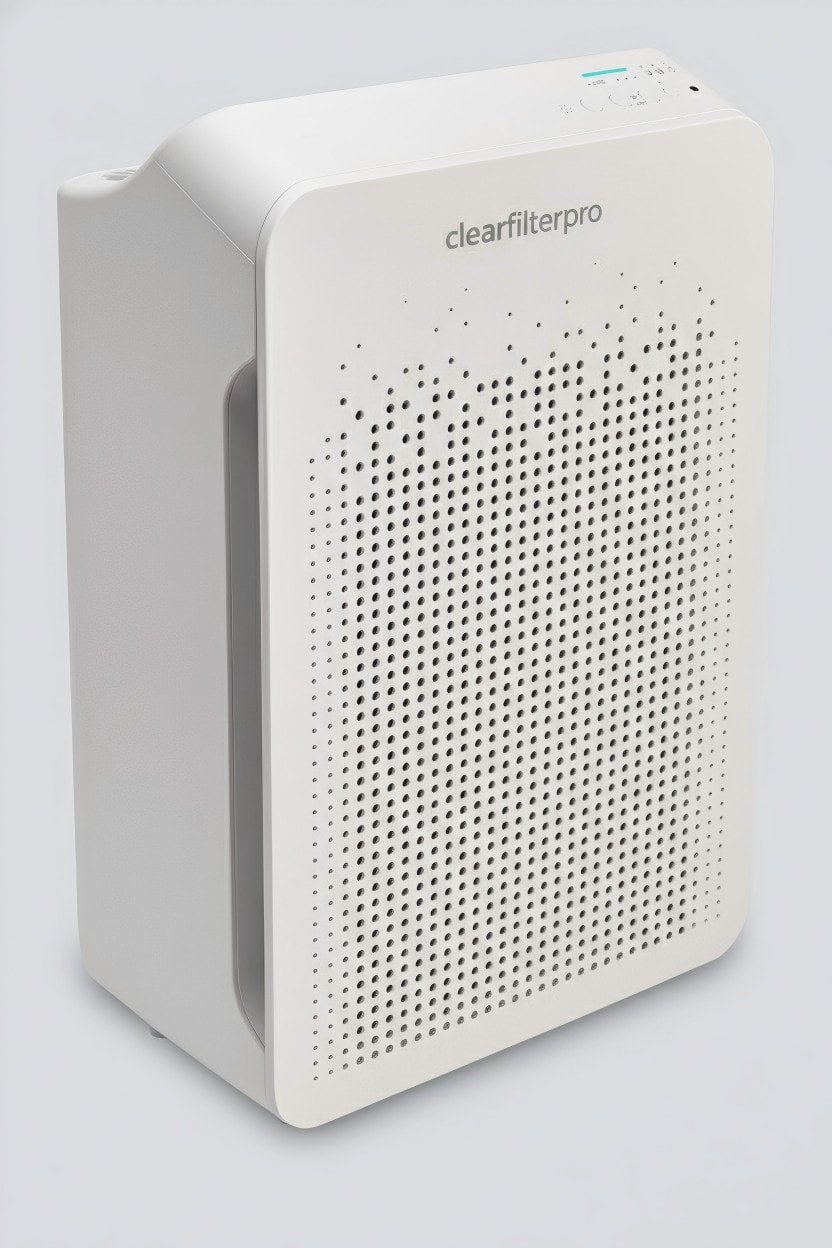
  • How does the Air Cleaner work?

    How does the Air Cleaner work?

    You use an air cleaner to take out bad particles from the air inside your home. The device uses a fan to pull in air. Then, it moves the air through air filters. These filters catch dust, pollen, and other dirty things. Some air cleaner models use electronic charges to grab even more particles. An air purifier also uses filters. Sometimes, it adds extra steps like activated carbon or UV light. When you use an air purifier, you see the air is cleaner. The filters catch many things that can cause allergies.

    Tip: Change your air filters on time so your air purifier keeps working well.

    Key Takeaways

    • Air cleaners have fans and filters. They take dust and pollen out of the air. Mechanical air cleaners have HEPA filters. These filters trap very small pieces. Electronic air cleaners use charges. They catch tiny things like smoke. HVAC-integrated air cleaners clean air in the whole house. Change air filters often. This helps your air cleaner work well.

    What Types of Air Cleaners Are Available?

    When you shop for an air cleaner, you see many choices. Each one cleans the air in a different way. It is important to know how each device works. This helps you pick the right one for your home.

    air cleaner (1)

    Mechanical Air Cleaners

    Mechanical air cleaners use filters to catch particles. Many air purifiers use this method. The device pulls air in and pushes it through a filter. The filter traps dust, pet dander, and pollen. HEPA filters are best for tiny particles. They can remove almost all particles as small as 0.3 microns. Look at the table below to see how well each filter works:

    Filter Type

    Efficiency (%)

    Particle Size (μm)

    Notes

    HEPA Filters

    ≥ 99.97

    0.3

    Captures most particles, but airflow can affect results.

    Non-HEPA Filters

    < 99.97

    0.3

    Sometimes work well if airflow is higher.

    In-room Air Cleaners

    30%-90

    Droplet nuclei

    Not as effective as HEPA filters alone.

    Mechanical filters are good for big particles. You must change filters often to keep your air cleaner working well.

    Electronic and Electrostatic Air Cleaners

    Electronic air cleaners use a charge to grab small particles. These devices make the particles stick to plates inside. Some air purifiers use this method. They are good for smoke, gas, and fine dust. Check the table below to see what each type removes:

    Type of Air Cleaner

    Pollutants Removed

    Limitations

    Electronic Air Cleaners

    Small particles

    Not good for large particles

    Electrostatic Precipitators

    Fine ash, dust, soot

    Not for home use

    Electrostatic Air Cleaners

    Smoke, pollen, dust down to 0.1 microns

    May create ozone, which can irritate lungs

    Electronic air cleaners cost more than mechanical ones. They are better at catching tiny particles.

    Note: Some electronic air cleaners can make ozone. You should check for this before you buy one.

    HVAC-Integrated Air Cleaners

    HVAC-integrated air cleaners work with your heating and cooling system. These systems clean the air in your whole house. You get clean air in every room. Most HVAC systems use mechanical or electronic filters. Make sure your system can use a new air cleaner before you install it.

    When you look at all the types, you see each one has a job. Mechanical air cleaners catch big particles. Electronic ones trap smaller things. HVAC-integrated systems clean the air everywhere in your home. Pick the one that fits your needs best.

    How Does an Air Purifier Function Compared to Other Air Cleaners?

    When you ask how an air purifier works, you want to know what happens inside. You also want to see how it is different from other air cleaners. The air purifier uses steps to change dirty air into clean air. You can look at the table below to see the main steps:

    Step

    Air Cleaners

    Air Purifiers

    Air Intake

    Uses a fan to pull in air and move it around.

    Pulls in air all the time for better cleaning.

    Filtration/Purification

    Uses filters or charges to catch dirty stuff.

    Uses many filters like HEPA, carbon, and UV to clean air.

    Air Release

    Sends clean air back into the room.

    Pushes out clean air to keep the room fresh.

    Air Filters and Filtration

    Air filters help catch particles and make indoor air better. Air purifiers use more than one filter to catch different things. The first filter, called a pre-filter, grabs big things like dust and pet hair. The next filter, often a HEPA filter, catches very small things. HEPA filters can catch almost all particles as small as 0.3 microns. They also catch many things smaller than 0.1 microns. Air purifiers use more filters than most other air cleaners. This way, they can remove dust, pollen, smoke, and even some germs.

    • Air purifiers have many filters for better cleaning.

    • HEPA filters catch almost all tiny particles down to 0.3 microns.

    • Some filters use activated carbon to catch smells and gases.

    You should check your filters often. Dirty filters do not work well. Clean filters help your air purifier work its best.

    Fan and Air Circulation

    The fan inside the air purifier pulls dirty air into the device. The fan pushes the air through the filters. Clean air comes out the other side. Fan speed changes how fast the air purifier cleans the room. High fan speeds move more air and clean faster. Low fan speeds are quieter and good for sleeping.

    • High fan speeds clean the air faster.

    • Medium speeds move air well without making too much dust.

    • Low speeds are quiet and good for night time.

    Room air purifiers work best in small places like bedrooms or offices. They clean the air where you need it most. HVAC-integrated air cleaners clean the air in the whole house. They keep the air good in every room. You should pick the right one for your space.

    Tip: Put your air purifier in the room you use the most for the best results.

    Sensors and Air Quality Detection

    Modern air purifiers use sensors to check the air. These sensors measure particles, gases, and humidity. Some sensors look for PM2.5 and PM10, which are tiny things that can hurt your lungs. Other sensors check for gases like CO₂, VOCs, and temperature.

    Type of Sensor

    Application

    Measured Parameters

    Indoor Sensors

    Checks indoor air quality

    CO₂, VOCs, Humidity

    Outdoor Sensors

    Checks outdoor air quality

    PM2.5, PM10, NO₂, CO

    Sensors help the air purifier change its speed. If the air gets dirty, the purifier works harder. When the air is clean, it slows down to save energy. You can see updates about your air quality. This helps you know when the air is safe.

    • Sensors watch for particles, gases, and humidity.

    • Air purifiers use this information to change how they work.

    • Many purifiers show air quality numbers on a screen.

    Now you know how an air purifier works. Air purifiers use fans, filters, and sensors to turn dirty air into clean air. You get better air and health when you use the right air purifier and keep it clean.

    What Pollutants Do Air Cleaners Remove and Through Which Filtration Stages?

    When you use an air purifier, you want to know what it takes out of your home. Air filters and filtration products work in steps. Each step catches different bad particles and common things that make air dirty. You can see how each part helps you breathe better air.

    air cleaner (2)

    Pre-Filter and HEPA Filter

    The first filter in most air purifiers is the pre-filter. This filter grabs big things like dust, pet hair, and pollen. You will see less dust on your stuff and fewer things that cause allergies in the air. The pre-filter also helps keep the main filters safe, so they last longer.

    After that, the HEPA filter does its job. This filter is very strong. HEPA filters can take out 99.9% of tiny things in the air that are 0.3 microns big. You get help against pollen, mould spores, smoke, and even some bacteria and viruses. The HEPA filter catches small things you cannot see but can still make you sick or give you allergies.

    • Pre-filters take out about 35% of dust and big particles.

    • HEPA filters catch almost all small things, like pollen, mould, and smoke.

    • Electrostatic filters can grab about 50% of dust.

    Tip: Change your air filters often. Clean filters help your air purifier work its best.

    Activated Carbon and Optional Technologies

    Some air purifiers use more than just regular filters. You might see activated carbon filters in many machines. This step catches smells and gases that HEPA filters miss. Activated carbon has a lot of tiny holes. It traps smelly things and VOCs inside these holes. You will notice a big change if you have pets, cook a lot, or live near busy roads.

    HEPA filters catch particles, but carbon filters take out smells and bad gases. This makes your air feel cleaner and safer. If you worry about chemical smells or smoke, pick an air purifier with activated carbon.

    Some air purifiers add extra steps for even better cleaning. UV-C light can kill bacteria, viruses, and mould spores. Photocatalytic technology breaks down VOCs and chemical toxins into smaller parts. These options help stop sickness and make your home healthier.

    Pollutant Type

    Removal Method

    Airborne bacteria

    UV-C light

    Viruses

    UV-C light

    Allergens

    UV-C light

    Odours

    UV-C light

    Volatile Organic Compounds

    Photocatalytic technology

    Airborne chemical toxins

    UV-C light

    • Photocatalytic technology uses UV light and special surfaces to break down VOCs.

    • Hydroxyl radicals from this process turn VOCs into water vapor and CO2.

    What Air Cleaners Remove

    You deal with many pollutants in your home every day. Air purifiers and filters help take out these common things:

    • Tobacco smoke

    • Gas and wood stoves

    • Pets and pests

    • Mould

    • Furniture and building materials

    Air purifiers go after many harmful particles and gases. You can expect your machine to remove:

    • Dust and pollen, which helps with allergies.

    • Mould spores, which can make it hard to breathe.

    • Smoke from cooking or tobacco, making your air cleaner.

    • Bacteria and viruses, lowering your chance of getting sick.

    • Smells from pets, food, and cleaning products.

    • VOCs from paint, furniture, and cleaning sprays.

    Filtration products work best when you use them in closed rooms with windows mostly shut. Studies show that air purifiers can cut indoor PM2.5 and PM0.2 by about 50%. They also lower PM10 by around 30%. Stand-alone air purifiers often remove more particles than central systems, especially in rooms where you use them most.

    Note: Air filters and filtration steps do not take out everything. You should still clean your home and try to stop air from getting dirty.

    You can trust air purifiers to help you fight pollen, mould, smoke, bacteria, viruses, spores, and VOCs. Each filter step helps make your air safer and fresher.

    Using and Maintaining Your Air Cleaner

    air cleaner (3)

    Operation Tips

    You get cleaner air by using your air purifier the right way. Put your air purifier in the room you use most. Make sure nothing blocks the vents on your device. Use more than one air purifier if your room is big. Pick a model that fits your room size. Check the clean air delivery rate before you buy. Portable air purifiers with HEPA filters work well for homes. Run your air purifier when you need clean air. This is important during allergy season or when you see more dust.

    Tip: Good airflow helps your air purifier work better and clean more particles.

    Cleaning and Replacing Air Filters

    Check your filters often to keep your air purifier working well. Dirty filters cannot catch dust or clean the air. Most companies say to check filters every month. If you have pets or allergies, change filters every 30 days. Always follow the instructions in your manual. Cleaning and replacing filters stops clogs, noise, and bad smells. Keep the vents clear for the best results.

    1. Look at filters every month for dust and dirt.

    2. Change filters every 30 days if you have pets or allergies.

    3. Clean the vents and area around your air purifier.

    Note: Changing filters often helps your air purifier last longer and keeps your air clean.

    Energy Use and Efficiency

    Air purifiers use about as much energy as small appliances. Most air purifiers use between 40 and 100 watts. Small ones may use only 10 watts. Big ones can use more than 100 watts. This is less than a refrigerator or vacuum cleaner. See the table below to compare energy use:

    Appliance

    Average Wattage

    LED light bulb

    10 watts

    Air purifier

    50 watts

    Laptop computers

    100 watts

    LED television

    100 watts

    Ceiling fan

    120 watts

    Desktop computer

    200 watts

    Dehumidifier

    250 watts

    Vacuum cleaner

    800 watts

    Toaster

    850 watts

    Microwave

    1,000 watts

    Clothes iron

    1,000 watts

    Refrigerator

    1,200 watts

    Bar chart comparing average wattage of air purifier and other household appliances

    Save energy by using your air purifier on low settings when the air is good. Turn off your air purifier when you do not need it.

    You use an air cleaner to trap dust, pollen, and tiny particles that can make you sick. This device helps you breathe easier, reduces allergy symptoms, and even boosts your focus at home or work. When you pick an air cleaner, check your room size, look for a high clean air delivery rate, and choose a model that does not make ozone.

    Remember: Clean or replace your filters often for the best results.

    • Air cleaners do not replace regular cleaning.

    • They work best with good airflow and proper care.

    FAQ

    How often should you change your air cleaner filter?

    You should check your filter every month. If you have pets or allergies, change it every 30 days. Clean filters help your air cleaner work better.

    Can you run your air purifier all day?

    Yes, you can run your air purifier all day. Most devices use little energy. Running it longer helps keep your air clean.

    Do air cleaners remove viruses and bacteria?

    Many air cleaners with HEPA filters or UV-C light can remove some viruses and bacteria. You should pick a model with these features for best results.

    Where should you place your air purifier?

    Put your air purifier in the room you use most. Keep it away from walls and furniture. Good airflow helps it clean the air faster.

  • Air Purifier Buying Guide

    Air Purifier Buying Guide

    You want the best air purifier for your needs, your space, and your budget. Clean air matters, especially when you spend so much time indoors. Many people feel confused by all the choices in the air purifier market. Why do most people buy an air purifier? Some want a cleaner environment. Others worry about health or struggle with allergies. Air purifiers help with all these issues. If you have pets, smoke, or dust, you will see a difference. This air purifier buying guide will help you cut through the noise and find the right fit. Good air filters and proper placement can make a big impact.

    Key Takeaways

    • Know why indoor air quality matters. Bad air can cause health problems. These include allergies, headaches, and trouble breathing.

    • Pick an air purifier that fits your room size. Make sure the Clean Air Delivery Rate (CADR) matches your needs. This helps clean the air well.

    • Find true HEPA filters. They trap very small particles and allergens. These filters are great for people with allergies and pet owners.

    • Think about noise when you pick an air purifier. A quiet one works best in bedrooms and work areas.

    • Take care of your air purifier often. Change filters when needed. Keep the unit clean so it works its best.

    What Should You Know Before Getting an Air Purifier?

    Before you start looking for an air purifier, it helps to know why this guide is important. If you care about the air in your house, you are not alone. Many people want better air inside, but all the choices can be confusing. This guide will help you focus on what matters for your health and comfort.

    air purifier (1)

    Why Indoor Air Quality Is Important

    You may not notice, but air inside can be much dirtier than outside. Things like cooking, cleaning, or opening windows can bring in dust and pollen. Bad air inside your home can cause more than sneezing or coughing. Studies show that poor air can lead to:

    Did you know? Research shows indoor air pollutants like radon can cause lung cancer. Thousands of people die from this each year in the U.S.

    Here’s a quick look at what you should know before buying an air purifier:

    Key Factor

    Description

    Improvement in air quality

    Air inside can be much dirtier than outside. Air purifiers help clean the air.

    Effectiveness of an air purifier

    These machines take out bad particles, dust, and allergens. This makes it easier to breathe.

    Lifetime of filters

    Some filters last a year. Others need to be changed every few months.

    Range of air purifiers

    Look for things like wheels, remote controls, and saving energy.

    Consumer Beliefs

    Many people worry about noise, if they need one in polluted places, and ionization effects.

    Who Should Use an Air Purifier

    You might ask if you really need an air purifier. The answer depends on your health and your home. People who get the most help include:

    • Anyone with allergies or asthma

    • Kids and babies, who are more sensitive to bad air

    • Older people, who may have better heart and lung health with clean air

    • People living where there is a lot of pollution or wildfire smoke

    • Pet owners who want less dander and fewer smells

    If you or your family have sneezing, coughing, or trouble breathing, an air purifier can help a lot. Even if you feel fine, using one can stop future problems and make the air better for everyone at home.

    What Key Factors Should You Consider When Choosing an Air Purifier?

    Choosing the right air purifier can feel overwhelming, but you can break it down into a few simple steps. Each factor below affects how well the device works and how happy you’ll be with it in your home or office.

    air purifier (2)

    Room Size and Coverage

    Start by measuring your room. Air purifiers work best when their coverage matches your space. If you pick a unit that’s too small, it won’t clean the air well. If it’s too big, you might waste money and energy.

    Here’s a quick guide to help you match your room size with the right air purifier:

    Room Size Category

    Recommended CADR Coverage

    Small Room (up to 200 sq ft)

    At least 133 CFM

    Medium Room (201-399 sq ft)

    CADR varies based on size

    Large Room (400 sq ft and above)

    CADR should be higher for efficiency

    • For a 150-square-foot room, look for a CADR of at least 100.

    • In an open area of 450 square feet, you need a CADR of at least 300.

    • CADR should be about two-thirds of your room’s square footage.

    • If your ceilings are high, you’ll need a higher CADR for the same space.

    If you want the best air purifiers for a large living room or office, always check the coverage area. This ensures the air purifier can handle the job and keep your air fresh.

    Filter Types (HEPA, Carbon, UV)

    The filter is the heart of any air purifier. Different filters target different problems:

    Feature

    HEPA Filters

    UV Systems

    Mechanism

    Physical trapping

    DNA/RNA damage

    Particle Size

    Size-dependent

    Size-independent

    Pathogen Control

    Traps microorganisms

    Prevents replication

    Initial Cost

    $1,000–$4,000 installed

    $400–$800 basic systems

    Maintenance

    Replace every 6–12 mo.

    Bulb every 12–15 mo.

    Energy Use

    More efficient

    Higher consumption

    Safety

    Minimal risks

    Needs pro installation

    • HEPA filters trap dust, pollen, and even virus-carrying aerosols. They can clear 90% of 0.3-micron particles in just a few minutes. These filters don’t kill germs, but they keep them out of your air.

    • True hepa filters are best for homes, especially if you have allergies or asthma.

    • Carbon filters remove odors and gases. If you have pets or cook a lot, you’ll want this type.

    • UV systems destroy germs by breaking their DNA. These are great for hospitals or places where killing germs is a must, but they use more energy and need careful setup.

    Tip: For most homes, a combination of true hepa filters and carbon filters gives you the best results.

    CADR and ACH Ratings

    You’ll see two important numbers when shopping for an air purifier: CADR and ACH.

    Note: Cadr ratings don’t cover every type of pollutant, like viruses or chemicals, but they’re still a great way to compare models.

    Noise Levels

    You want your air purifier to work quietly, especially if you use it in a bedroom or office. Noise levels can make a big difference in how comfortable you feel.

    Appliance

    Noise Level (dB)

    Rustling leaves

    10

    Whispering air purifier

    15 to 20

    Normal air purifier on low

    30 to 40

    Fridge

    50

    Normal conversation

    60

    Dishwasher

    55-70

    Vacuum cleaner

    80

    Lawn mower

    90

    Bar chart comparing noise levels of air purifiers and other household appliances

    If you work from home or need quiet at night, look for air purifiers with noise levels below 40 decibels. Some models run as quietly as a whisper, so you won’t even notice them.

    Energy Use and Maintenance

    Air purifiers run for hours, so energy use matters. Most models use between 20 and 100 watts. That means you’ll spend less than $50 a year on electricity for most units.

    Power Consumption (Watts)

    Annual Energy Use (kWh)

    Estimated Annual Cost ($)

    20

    175

    < $25

    30-100

    Varies

    < $50

    Pro Tip: Choose an air purifier with a lifetime warranty and high cumulative clean mass (CCM) for long-term savings and peace of mind.

    When you look at all these factors—room size, filter type, cadr ratings, ach, noise, and energy—you’ll find the air purifier that fits your needs and keeps your air healthy.

    Which Air Purifier Features Help Improve Indoor Air Quality?

    When you buy an air purifier, you want features that really help. Some features make it easier to breathe and keep your home safe. Let’s see which ones matter most.

    air purifier (3)

    Smart Features and Sensors

    Smart features make an air purifier much more useful. Many air purifiers now have sensors. These sensors check for dust, smoke, and gases all the time. The air purifier can change its speed and power by itself. It does this based on what the sensors find in your air. You can also use smart apps on your phone. These apps let you control the air purifier or set a timer. Some air purifiers even work with voice assistants like Alexa.

    Feature

    Contribution to Air Quality Management

    Air Quality Sensors

    Monitor pollutants like PM2.5, PM10, and VOCs in real-time.

    Smart Apps

    Enable remote control and detailed air quality reporting.

    Automation

    Adjust settings automatically based on air quality data.

    Voice Control

    Integrate with devices like Alexa for hands-free operation.

    Scheduling

    Program the purifier to operate at optimal times.

    Air purifiers with these features can lower PM2.5 and PM10 a lot. Some can cut these particles by up to 80% or 90%. In some homes, the air got as clean as the air outside in clean places.

    Filter Replacement Indicators

    You should not have to guess when to change filters. A filter replacement indicator makes this easy. This feature tells you when to put in new filters. If you forget to change filters, your air purifier will not work well. Most air purifiers with this feature keep track of how much you use them. They will let you know when it is time for new filters.

    Tip: Always reset the filter indicator after you put in new filters. This helps your air purifier work its best.

    Air Quality Monitors

    Air quality monitors show you what is in your air at home. Many air purifiers have built-in monitors. These monitors check for PM2.5 and other small things in the air. They give you updates right away, so you know if your air is clean. These monitors may not be as exact as lab tools, but they are good for seeing changes. Some popular monitors match lab equipment pretty well, with a score of 0.80 or higher.

    • You can trust these monitors to notice big changes in air quality.

    • Calibration can make them work better for your home.

    With these features, your air purifier does more than just blow air through a filter. It becomes a smart helper that keeps your air clean and your family healthy.

    How Do You Match the Right Air Purifier to Your Specific Needs?

    Choosing the right air purifier depends on what you want to fix in your home. Do you have allergies, pets, smoke, or just need cleaner air in a big or small space? Let’s break it down so you can find the best fit.

    air purifier (4)

    Allergies and Asthma

    If you or someone in your family deals with allergies and asthma, you want an air purifier that can trap even the smallest particles. Look for a model with a true HEPA filter. These filters catch up to 99.999995% of tiny things like pollen, dust, and pet dander. Clinical studies show that HEPA filters help people with asthma feel better, especially if they live with pets. You also want a purifier with a good CADR (clean air delivery rate) and quiet operation for all-day use.

    Health Need

    Essential Requirements

    Helpful Additional Features

    Allergies/Asthma

    True HEPA filtration, Adequate CADR, Quiet operation, Continuous operation

    Air quality sensors, Auto mode, Allergy UK Seal

    Tip: Air purifiers with air quality sensors and auto mode can adjust themselves, so you always get the cleanest air.

    Pets and Odors

    Pets bring joy, but they also bring dander and smells. You need an air purifier that can handle both. The best models use a three-stage system:

    1. Pre-filter: Catches pet hair and big dust.

    2. Activated carbon filter: Soaks up pet odors and gases.

    3. Main particle filter: Traps tiny dander and pollen.

    Activated carbon works by grabbing odors and stopping them from coming back into your room. Some brands, like the IQAir HealthPro Series, use special filters that catch even the smallest pet allergens.

    • Captures 99.9% of airborne particles, including pet dander.

    • Helps reduce pet allergies and keeps your home smelling fresh.

    • Designed for families and pets who want a cleaner space.

    Smoke and VOCs

    Smoke and chemicals (VOCs) can make your air unhealthy fast. If you live near wildfires or someone smokes indoors, pick an air purifier with a strong activated carbon filter and a HEPA or HyperHEPA filter. Some top choices include the IQAir HealthPro Plus and Alen BreatheSmart 75i. These models use lots of activated carbon to trap smoke and VOCs, making your air safer to breathe.

    • IQAir HealthPro Plus: Great for heavy smoke and chemicals.

    • Alen BreatheSmart 75i: Good for big rooms and comes with a lifetime warranty.

    • Alen 45i: Works well in smaller spaces and targets smoke.

    Large vs. Small Spaces

    The size of your room matters when picking an air purifier. For small rooms (up to 250 sq. ft.), choose a compact model that weighs less than 10 pounds. These are easy to move and fit well in bedrooms or offices. For bigger spaces, you need a purifier with a higher CADR and more power. Larger models clean the air faster and are often quieter and more energy-efficient.

    Note: Some energy-efficient models, like the Blue Pure 411, work well in small spaces but can be noisier than bigger units like the Winix, which balances quiet operation and efficiency.

    No matter your needs, matching the right air purifier to your space and lifestyle makes a big difference in how you feel every day.

    What Common Pitfalls Should You Avoid When Shopping for an Air Purifier?

    When you shop for an air purifier, you want clean air and good value. But the market has some traps. Let’s look at the most common mistakes and how you can avoid them.

    air purifier (5)

    Ozone Generators

    You might see some air purifiers that promise to remove air pollution using ozone. These are called ozone generators. They sound high-tech, but they can actually make your air less safe. Ozone can hurt your lungs and make asthma worse. Even short exposure can cause throat irritation and chest pain. Here’s what health agencies say:

    Health Effects

    Risk Factors

    Health Standards

    Decreases in lung function

    High ozone concentration

    FDA: max 0.05 ppm

    Aggravation of asthma

    Long exposure

    OSHA: max 0.10 ppm (8 hours)

    Throat irritation, chest pain

    Activities that raise breathing

    EPA: max 0.08 ppm (outdoor air)

    Inflammation of lung tissue

    Pre-existing lung diseases

    NIOSH: upper limit 0.10 ppm

    Tip: Always avoid ozone generators. Choose an air purifier that uses mechanical filters like HEPA or activated carbon. These do not add harmful ozone to your home.

    Unverified Claims

    Some brands make big promises about their air purifier. You might see words like “HEPA-type” or “HEPA-like.” These do not mean the same thing as “True HEPA” or “Medical-Grade HEPA.” Some companies say their product “kills 99.9% of viruses” without proof. Others call ozone “activated oxygen” to sound safe. Watch out for these tricks.

    • Look for certifications from groups like AHAM Verifide or Allergy UK.

    • Check if the air purifier lists the size of particles it can capture.

    • Read reviews and see if there is real research behind health claims.

    Note: Ionizers can move particles around but may not remove them. They can also create ozone as a byproduct.

    Overpaying for Extras

    You want the best air purifier for your money. Some models add features like heating, cooling, or fancy lights. These do not help with air pollution. You may pay more for things you do not need. The cost of replacement filters can also add up fast. Always check the total cost, not just the price tag.

    • Focus on what matters: true HEPA filtration, enough CADR for your room, and activated carbon for odors.

    • Look for energy star certified models. These save money on electricity and help the environment.

    • Read customer reviews to see if the air purifier works well in real homes.

    Pro Tip: Choose an energy star certified air purifier. You get better efficiency and lower bills.

    If you keep these tips in mind, you will avoid the most common mistakes. You will breathe easier and get the best value for your home.

    What Are the Step-by-Step Stages in Buying an Air Purifier?

    Ready to pick the right air purifier for your home? Here’s a simple checklist you can follow. These steps will help you avoid mistakes and make sure you get the best value for your money.

    air purifier

    Assess Your Space

    Start by looking at your room. You want your air purifier to match the space where you’ll use it most.

    • Measure the size of your room in square feet. This helps you find a model that can clean the air well.

    • Think about the layout. If you have a big, open room, you might need a more powerful air purifier or even two units.

    • Notice where you spend the most time. Bedrooms, living rooms, and kitchens often need the most help.

    • Check for airflow. Place your air purifier where air moves freely. Avoid corners or spots behind furniture.

    • Put the unit near pollution sources, like a litter box, kitchen, or smoking area, for better results.

    Tip: Give your air purifier at least 3-5 feet of space on all sides. This helps it pull in dirty air and push out clean air.

    Compare Features and Reviews

    Now, look at what each model offers. Not all air purifiers are the same. Some have features that make life easier.

    1. Check the Clean Air Delivery Rate (CADR): Pick a model with a CADR that matches at least two-thirds of your room’s size. This means it can clean the air quickly and well.

    2. Look for True HEPA Filters: True HEPA filters trap tiny particles like dust, pollen, and pet dander. Avoid “HEPA-type” or “HEPA-like” filters—they don’t work as well.

    3. See if it has Activated Carbon: If you want to get rid of odors or smoke, choose a model with an activated carbon filter.

    4. Check Noise Levels: If you want to use your air purifier in a bedroom or office, look for a quiet model. Many people prefer units that run under 40 decibels.

    5. Read Reviews: See what other people say. Reviews can tell you if a model is easy to use, reliable, and quiet. Look for comments about filter changes and customer service.

    6. Check Certifications: Look for trusted labels like AHAM Verifide or Energy Star. These show the air purifier meets safety and performance standards.

    Note: Some air purifiers can create ozone, which can be harmful. Always check the specs and avoid models that use ozone generators or ionizers.

    Set Your Budget

    You don’t have to spend a fortune to get clean air. Set a budget before you shop.

    • Basic air purifiers cost around $100 to $150. Some models, like the Taotronics AP-003, can be found for less, but prices may go up with third-party sellers.

    • Higher-end models with smart features or bigger coverage areas cost more.

    • Stick with well-known brands. They usually have better support and make it easier to find replacement filters.

    • Remember to check the cost of new filters. Some models need new filters every 6-12 months, and these costs can add up.

    • Think about energy use. An energy-efficient air purifier saves you money over time.

    Callout: The Winix A231 improved air quality by 95% in a 194 sq. ft. room. You don’t always need the most expensive model to get great results.

    Make Your Choice

    You’ve done your homework. Now, pick the air purifier that fits your needs.

    • Double-check that the model has true HEPA filtration, the right CADR, and activated carbon if you need odor control.

    • Make sure it’s quiet enough for your space.

    • Look at the annual cost for filters and energy. Choose a model that’s easy to maintain.

    • Avoid models that only say “HEPA-type” or “HEPA-like.” These don’t clean as well as true HEPA.

    • Stay away from ozone generators and ionizers. These can make your air less healthy.

    • Before you buy, read a few more reviews and check for certifications. This helps you avoid surprises.

    Pro Tip: Make a quick checklist before you buy. If the air purifier checks all your boxes, you’re ready to enjoy cleaner air.

    Quick Checklist for Buying an Air Purifier:

    1. Measure your room size.

    2. Match the CADR to your space.

    3. Choose a model with true HEPA and activated carbon (if needed).

    4. Check noise levels.

    5. Read reviews and look for certifications.

    6. Set your budget, including filter costs.

    7. Avoid ozone generators and “HEPA-type” models.

    8. Make your purchase and breathe easy!

    You can use this checklist every time you shop for an air purifier. It keeps things simple and helps you make a smart choice for your home and health.

    Tips to Maximize Air Purifier Performance

    You want your air purifier to work its best, right? Here are some simple tips that help you get the most out of your device every day.

    commercial air purifier (3)

    Best Placement Practices

    Where you put your air purifier matters a lot. If you stick it in a corner or behind a couch, it won’t clean the air as well. You should place your air purifier in an open spot, away from walls and big furniture. This helps air flow freely and lets the purifier catch more dust and allergens.

    • Put your air purifier in the room where you spend the most time.

    • Keep it at least a few feet away from walls or large objects.

    • Avoid placing it near windows or doors that open often.

    • Make sure nothing blocks the air intake or outlet.

    Tip: If you have pets, place your air purifier close to where they sleep or play. You’ll notice less pet hair and fewer smells.

    Regular Maintenance

    Your air purifier needs a little care to keep working well. Dirty filters slow it down and use more energy. You should check the filters every month. Some models have a light or indicator that tells you when it’s time to change them.

    Task

    How Often

    Why It Matters

    Clean pre-filter

    Every 2-4 weeks

    Keeps airflow strong

    Replace HEPA filter

    Every 6-12 months

    Traps tiny particles

    Wipe exterior

    Monthly

    Stops dust buildup

    If you keep up with maintenance, your air purifier will last longer and clean your air better.

    Monitoring Indoor Air Quality

    Many air purifiers come with smart features that help you track air quality. You can use built-in sensors or connect to an app on your phone. These tools show you when the air gets dirty and let you adjust settings fast.

    • Check the air quality display often.

    • Use auto mode if your air purifier has it. The device will change speed to match the air in your room.

    • Try connecting your air purifier to Wi-Fi for updates and tips.

    Note: Smart technology makes it easy to keep your air clean without guessing. You can relax and let your air purifier do the work.

    If you follow these tips, you’ll notice fresher air, fewer allergies, and a healthier home.

    Choosing the right air purifier makes a big difference in your home. You want an air purifier that fits your space and solves your main problems. Use the checklist to compare each air purifier and pick the one that matches your needs. Place your air purifier where it can work best. Clean or replace filters often. When you follow these steps, your air purifier will help you breathe easier every day. Remember, the right air purifier keeps your air fresh and your family healthy. 😊

    FAQ

    How often should you change the filter in your air purifier?

    Most filters need changing every 6 to 12 months. Some models have a light that tells you when it’s time. Check your manual for exact timing.

    Can you use an air purifier all day and night?

    Yes, you can run your air purifier 24/7. This keeps your air clean all the time. Just make sure to check the filter often.

    What is the difference between a portable air purifier and a whole-house air purifier?

    A portable air purifier cleans one room at a time. A whole-house air purifier connects to your HVAC system and cleans air in every room.

    Do air purifiers help with pet hair and odors?

    Air purifiers with HEPA and activated carbon filters trap pet hair and remove smells. Place the unit near where your pets spend time for best results.

    Will an air purifier remove cigarette smoke?

    Air purifiers with strong activated carbon filters can help reduce smoke and its smell. For heavy smoke, pick a model with a high CADR rating.

  • How Does a Liquid Filter Bag Work?

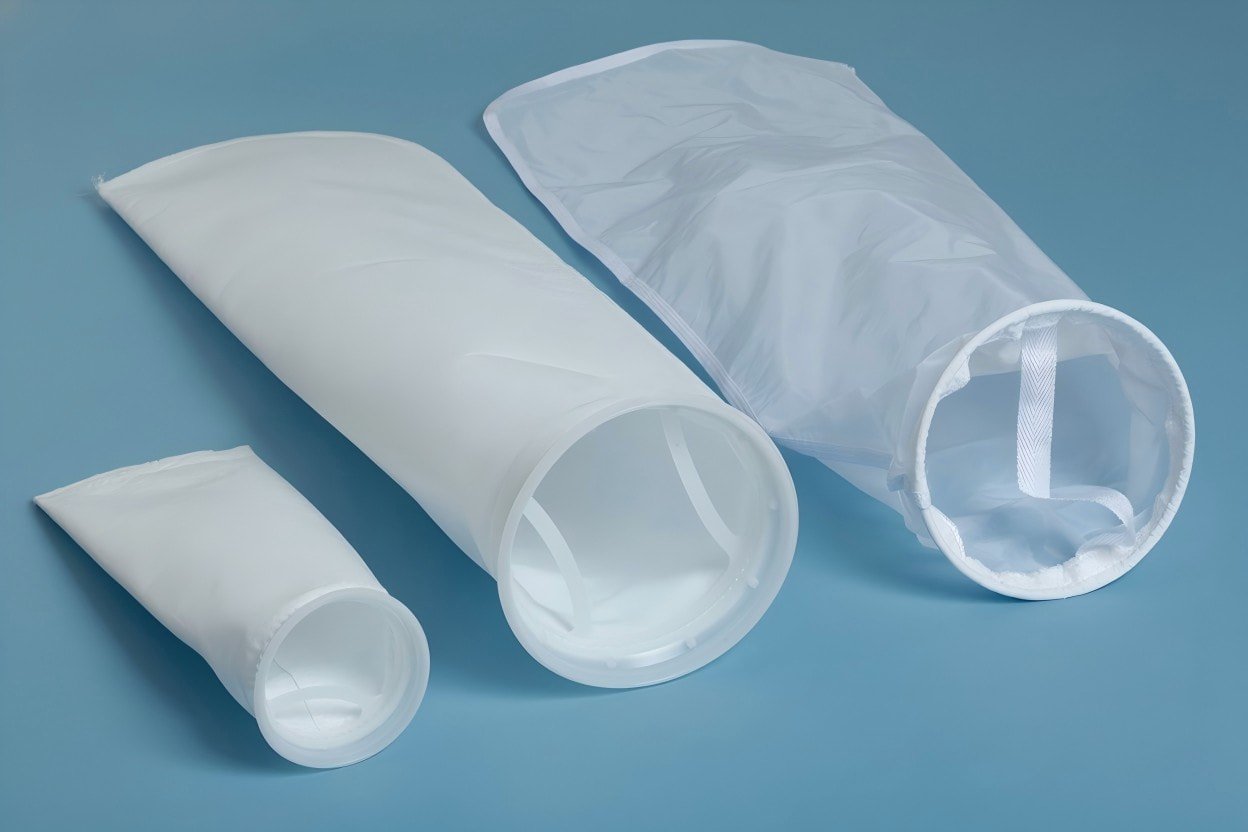
    How Does a Liquid Filter Bag Work?

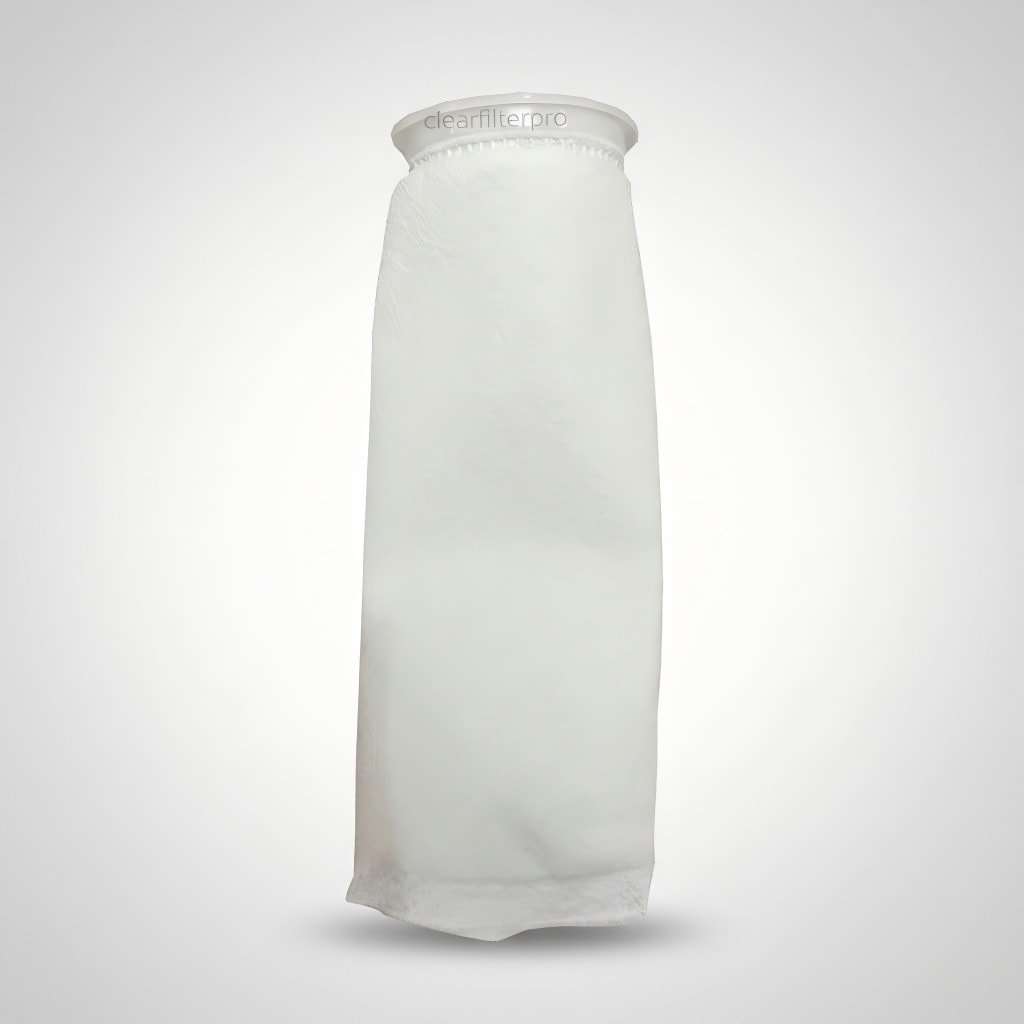
    You use a liquid filter bag to clean water by trapping small particles as liquid flows through the bag. When you pour water into the filter, the bag holds back dirt and solids. The clean water moves out while the bag keeps unwanted particles inside. Many liquid filter bag types can remove over 95% of particles at 5 microns, over 90% at 10 microns, and over 85% at 25 microns, as shown below:

    Micron Rating

    Particle Removal Efficiency

    5 µm

    >95%

    10 µm

    >90%

    25 µm

    >85%

    50 µm

    >80%

    A liquid filter bag gives you a simple way to keep liquids clean and clear.

    Key Takeaways

    • Liquid filter bags catch dirt and small bits. Clean water comes out after filtering. They can remove more than 95% of tiny particles at 5 microns.

    • Pick the right filter media for your job. Woven bags let water move fast but catch less dirt. Felt bags hold more dirt and particles.

    • Check your filter bags often. Clean or change them to keep your system working well. This helps your water stay clean.

    • Choose the right bag filter housing for your liquid. Make sure the materials match for safety and good results.

    • Liquid bag filters are useful and save money. They work in many places, like farms and water cleaning plants.

    What Are the Key Components of a Liquid Filter Bag?

    If you want to know how bag filtration works, you should learn about its main parts. Each part helps your filtration system do its job.

    liquid filter bag (1)

    Filter Media Types

    There are different filter media types for bag filtration. The filter media decides how well the bag catches particles. It also affects how quickly liquid moves through. Here is a table with the most common types:

    Type

    Material

    Flow Rate

    Filtration Efficiency

    Woven Bags

    Polypropylene, polyethylene, nylon

    High

    Low to medium

    Felt Bags

    Synthetic fibers

    Medium to high

    High

    Cartridge Filters

    Pleated filter media

    Low to medium

    High

    Woven bags let liquid move fast, but they may miss tiny particles. Felt bags catch more particles and work for most bag filtration needs. Cartridge filters trap lots of particles but slow down the flow.

    Bag Structure and Seams

    The bag’s structure and seams make it strong and reliable. You can find bags with stitched, welded, or molded seams.

    • Stitched seams use tough thread and work for high-pressure jobs.

    • Welded seams have smooth edges and help with precise filtration or harsh chemicals.

    • Molded seams seal best and stop leaks.

    Pick the seam type that fits your liquid and how clean you want it.

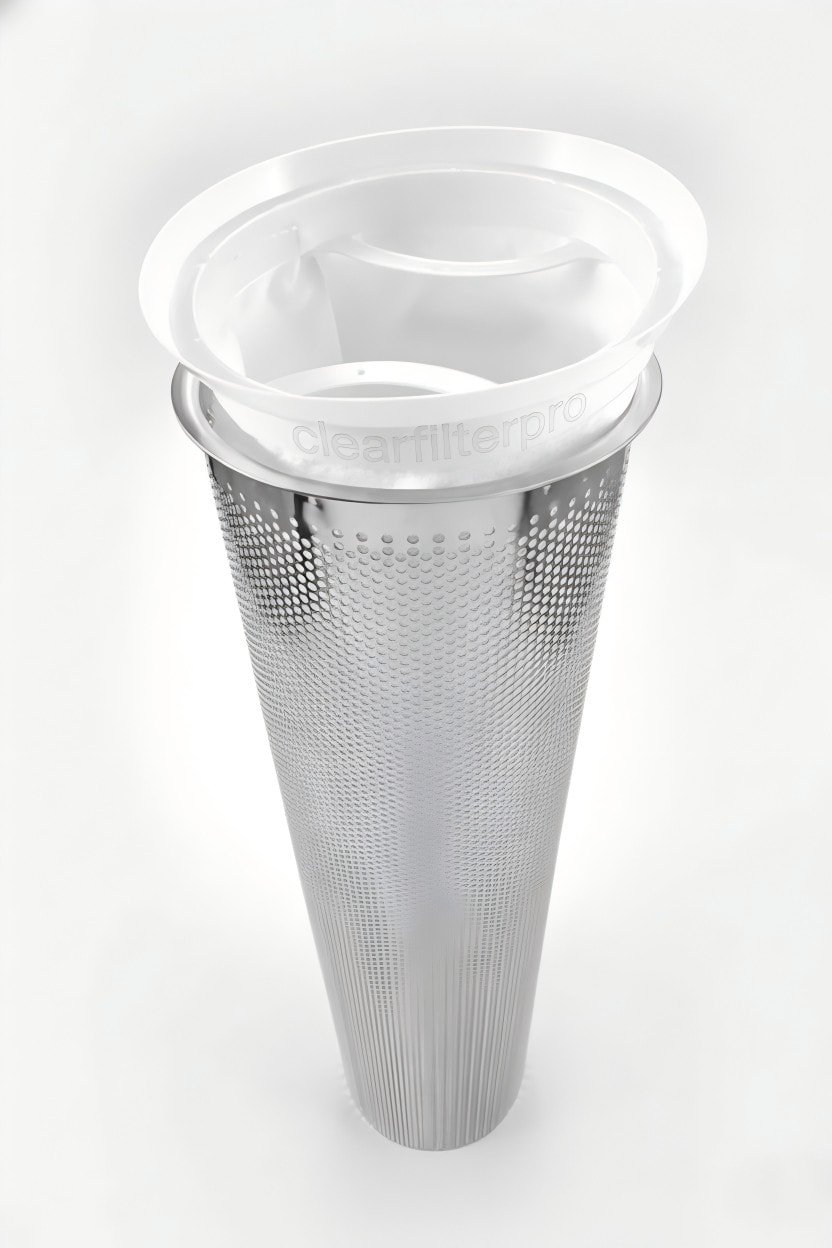
    Bag Filter Housing and Basket

    The housing and basket hold the filter bag in place. They help the bag filtration process work well. You can pick from different housing materials like stainless steel, carbon steel, or polypropylene.

    Material

    Application Description

    Stainless Steel

    Ideal for high-temperature and corrosive applications.

    Carbon Steel

    Suitable for general industrial use.

    Polypropylene/PVC

    Best for low-pressure, non-corrosive filtration.

    Stainless steel is good for tough jobs and hot liquids. Polypropylene is light and resists many chemicals, so it works for less harsh liquids. The basket inside the housing keeps the bag open and helps with even bag filtration.

    Tip: Always choose the housing material that matches your liquid. This helps your bag filtration system work its best.

    How Does the Filtration Process Work in Liquid Bag Filters?

    Liquid bag filters work by forcing liquid through a porous bag, capturing particles within the bag material while allowing clean liquid to pass through. This process typically involves the liquid entering the filter housing, where it flows through a bag made of fine mesh or fabric, effectively removing suspended solids.

    Flow Direction and Particle Capture

    You can understand how liquid bag filters work by following the path of the liquid. The filtration process happens in a few clear steps:

    1. You pour or pump the liquid into the filter system through the inlet port. Pressure helps the liquid move faster.

    2. The liquid flows inside the filter bag. The bag acts as a barrier with tiny holes called pores.

    3. As the liquid passes through, the bag traps solid particles that are larger than the pores. These particles stay inside the bag.

    4. Clean liquid leaves the system through the outlet port. You get filtered water or fluid ready for use.

    Tip: Always check the filter bag for buildup. Too many trapped particles can slow down the flow.

    Surface and Depth Filtration

    You can choose between surface filtration and depth filtration. Each type works in a different way and gives you different results.

    Filtration Type

    How It Removes Contaminants

    Efficiency and Use Case

    Surface Filtration

    The bag holds particles on its surface. A layer of particles can build up, making the filter even better at catching more dirt.

    This type can boost efficiency by 30-40% as the layer grows. It works well for larger particles.

    Depth Filtration

    The bag traps particles throughout its thickness. The liquid moves through a maze of fibers, catching both big and small particles.

    This type often starts at 99% efficiency. It works for a wide range of particle sizes and does not need a surface layer to improve.

    Surface filtration works best when you want to catch larger particles quickly. Depth filtration gives you better results for liquids with many different particle sizes.

    Microfiltration and Pore Size

    You need to know about pore size when you pick a filter bag. Microfiltration uses very small pores to catch tiny particles.

    • Pore size tells you what size particles the filter can remove.

    • A filter with a lower micron rating, like 5 microns, removes smaller particles than a filter with a higher rating.

    • Each filter bag targets particles larger than its pore size. For example, a 10-micron bag will catch anything bigger than 10 microns.

    If you want to remove fine dirt or tiny bits from your liquid, choose a bag with a small pore size. This helps you get cleaner water or fluid.

    What Are the Benefits and Limitations of Liquid Bag Filters?

    Liquid bag filters offer several benefits, including cost-effectiveness, ease of installation, and versatility across various applications. However, they also present limitations such as limited dirt-holding capacity and the need for frequent replacements in high-contaminant environments.

    liquid filter bag (2)

    Advantages for Water Treatment

    Liquid bag filters help make water cleaner. They work fast and catch lots of dirt. You can use them to clean big amounts of water. The bag holds many contaminants inside. This makes water safer to use.

    Benefit

    Description

    High flow rates

    You can filter lots of water quickly.

    High dirt holding capacity

    The bag holds a lot of dirt and dust.

    Versatility

    You can use them in many places.

    Cost-effectiveness

    They save money and work well.

    Easy installation and replacement

    You can change them easily and quickly.

    Bag filters are simple to clean. You can take them out and put in new ones. You do not need special tools. This makes your system easy to use. Bag filters cost less than cartridge filters. You do not have to replace them as often. They make less trash, so you save money and help the planet.

    Filter Type

    Cost of Replacement

    Frequency of Replacement

    Filter Bags

    Lower

    Not replaced often

    Filter Cartridges

    Higher

    Replaced more often

    Liquid bag filters work in many places. You can use them in food factories. They also work in drink and chemical plants. They give you good filtration and are easy to clean.

    Common Limitations

    Liquid bag filters have some problems. Sometimes, dust or sticky stuff blocks the filter. If you pick the wrong filter media, it can clog faster. Wet dust or oily dirt can also block the bag. When this happens, the system slows down. You need to clean or fix it more often.

    Some limits are:

    • Dust or sticky stuff can clog the bag.

    • The filter does not work well if you do not clean it.

    • It cannot hold very tiny or huge amounts of dirt.

    • How often you change the bag depends on your water.

    Check your filter bags often to keep them working. Pick the right filter media for your water. Bag filters are easy to clean and cost less. But they may not last long in tough jobs. Always choose the best filter for your water to get good results.

    Tip: Clean or change your filter bags often. This helps your system work well and keeps your water clean.

    How Do You Choose the Right Bag Filter Housing?

    Picking the right bag filter housing helps your system work well. You need to match the housing to your liquid and how you use it. This section shows you what to look for.

    liquid filter bag (3)

    Application and Compatibility

    First, think about your process. Know what liquid you want to filter. Some housings work best for water. Others are better for chemicals or food. Nylon bags can handle heat but not every chemical. Polypropylene bags resist wetness and strong liquids. Check if the housing and bag material work with your liquid. The right material stops damage and helps your system last longer.

    Criteria

    Description

    Process Conditions

    Check temperature and pressure for your job.

    Material Choices

    Pick steel or plastic for chemical safety.

    Filter Media Types

    Choose regular or special filters for your needs.

    Ergonomic Considerations

    Make sure the housing is easy to use and clean.

    Tip: Always match your housing to your liquid and workplace. This helps your filter work better.

    Particle Size and Flow Rate

    You need to know what size particles you want to catch. Bag filter housings come in many sizes and setups. Smaller micron ratings catch tiny particles. You can pick nominal or absolute ratings. Nominal ratings block most particles of one size. Absolute ratings block all particles of that size. Flow rate depends on bag size, material, and how thick the liquid is. Thicker bags or small bags slow the flow. Check the highest pressure for each housing. If you go over, you might break the filter.

    • Smaller micron ratings catch tinier particles.

    • Flow rate changes with bag size, material, and liquid thickness.

    • Every housing has a pressure limit.

    Chemical and Temperature Resistance

    Bag filter housing must handle your chemicals and heat. Acrylic bags work up to 265°F. Aramid bags resist wear and reach 400°F. Fiberglass bags work up to 500°F. Polypropylene bags resist chemicals and wet dust. Pick a housing and bag that match your needs. This keeps your system safe and helps you get clean liquid.

    • Acrylic, aramid, and fiberglass bags work for hot jobs.

    • Polypropylene bags resist chemicals and wet dirt.

    • The right housing protects your tools and keeps your product good.

    Note: Matching your housing and filter setup to your water job gives you better results and helps your system last longer.

    Applications of Bag Water Filter Treatment

    liquid filter bag (4)

    Industrial and Commercial Uses

    Bag water filter treatment is used in many industries. These filters help keep systems clean. They make sure machines work well. You use them where clean water is important for safety. They also help with water quality. Here are some ways bag filter systems are used:

    • Agricultural water management uses filters for irrigation water. This stops sprinklers and drip systems from getting blocked.

    • Pre-filtration in multi-stage systems uses bag water filter treatment first. It helps in complex water cleaning setups.

    • Brewing and beverage production uses these filters. They make sure water is clean for drinks.

    • Non-critical cleaning of final products needs clean water for rinsing.

    • Equipment protection removes big particles. This keeps machines safe from damage.

    • Pollutant removal helps get rid of tough pollutants in liquids.

    • Groundwater and cooling water treatment makes water better for factories.

    • Industrial process water filtration checks that water meets product standards.

    • Wastewater management uses bag water filter treatment. It helps treat and reuse dirty water.

    Bag water filter treatment is used in chemical manufacturing too. Companies use these filters to follow rules. They help protect the environment. Filters also save money and help work go faster. Smart technology helps you check filters. It tells you when to change them.

    Note: Bag water filter treatment helps the planet. It also helps you follow strict environmental rules.

    Water Treatment Systems

    Bag water filter treatment is used in water plants. It helps make water safe. The process has clear steps:

    1. Influent water goes into the vessel. Untreated water enters the bag filter system.

    2. Filtration process starts. Water moves through the filter bag. The bag traps dirt and other bad stuff.

    3. Contaminants build up. The filter bag holds the particles until it is full.

    4. Effluent water leaves the vessel. Clean water comes out, ready for more cleaning or use.

    Bag water filter treatment is important for clean water. It removes dirt, dust, and solids from water. This makes water safe for homes, factories, and farms. Bag water filter treatment also protects other equipment in water plants.

    Bag filter systems are used in many places. They help keep water clean. They protect machines. Bag water filter treatment is a simple way to make water better.

    You keep your filtration system working well by choosing the right filter bag and housing. You pour liquid into the system, and the bag traps dirt while clean water flows out. Regular maintenance helps your filter last longer and work better. Follow these steps for best results:

    Maintenance Step

    What You Should Do

    Inspect Regularly

    Check bags and housing for damage or wear.

    Monitor Pressure

    Watch for pressure changes that signal clogging.

    Clean and Replace

    Clean housing and change bags when needed.

    Smart choices and care help you get clean water and protect your equipment.

    FAQ

    How often should you change a replaceable filter bag?

    You should check your filter bag every week. If you see dirt building up or water flow slowing down, change the replaceable filter bag. This keeps your system working well and your water clean.

    What is a filter vessel in bag filtration systems?

    A filter vessel holds the filter bag in place. You pour liquid into the vessel. The vessel helps guide the liquid through the bag so particles get trapped. You get clean water out of the system.

    Why do bag filtration systems offer easy access for maintenance?

    You can open bag filtration systems quickly. This gives you easy access to the filter bag. You can remove, clean, or replace the bag without special tools. This saves you time and effort.

    Can you use bag filtration systems for different liquids?

    Yes, you can use bag filtration systems for water, chemicals, or food products. You need to pick the right bag material for your liquid. This helps you get the best results and keeps your system safe.

  • How Oil Filter Bags Work in Lubricant Oil Filtration

    How Oil Filter Bags Work in Lubricant Oil Filtration

    You need clean lubricant oil to help your machines work well. An oil filter bag catches dirt, metal bits, and other bad things as oil moves through it. If you let these stay in the oil, your machines can get damaged.

    • About 80% of machine problems are from lubrication issues, and more than one-third happen because of dirty oil.

    • Studies say up to 70% of early machine problems are from dirty oil.

    Mechanical impurities can make bearings wear out fast, block oil flow, and make sludge that hurts surfaces. Water in the oil can also cause rust and make machines not last as long.

    Key Takeaways

    • Machines need clean lubricant oil to work well. Clean oil stops damage and helps machines last longer.

    • Oil filter bags take out dirt and other bad stuff. This lowers the chance of breakdowns and saves money on repairs.

    • Taking out big pieces before filtering helps filter bags last longer. It makes machines run better and keeps oil cleaner.

    • Picking the right oil filter bag is very important. You should look at micron rating and material. This choice affects how well the filter works and keeps machines safe.

    • Checking filter bags often and changing them on time keeps oil clean. Doing this stops expensive repairs and keeps machines working.

    How Do Oil Filter Bags Perform the Filtration Process?

    Oil filter bags perform the filtration process by trapping contaminants and particulates within the bag’s material as oil flows through. The porous structure of the bag captures impurities while allowing the cleaned oil to pass through, ensuring efficient filtration for various industrial applications.

    How the System Works

    You can understand the filtration process by looking at each step. When you use an oil filter bag system, you guide the oil through a filter housing. The oil passes through the bag, which traps dirt and particles. Here is how the process usually works:

    1. You install the bag filtration system before the filling line inlet. Many factories use several bags in a row to save money and improve results.

    2. You choose the right filter bags based on how clean you want your oil. Stainless steel bags are popular because they last long and work well.

    3. The filter bags hold a lot of dirt. You can handle them easily, which makes them great for places that use a lot of oil.

    4. If you need very clean oil, you can use two or three stages. Each stage uses bags with different micron ratings. This setup removes both large and tiny particles.

    5. You should always check and test the filtration process. This helps you make sure the oil stays clean and your machines stay safe.

    The internal basket inside the filter housing also plays a big role. It supports the oil filter bag and helps catch impurities. Here is a table that shows how the basket helps:

    Feature

    Contribution to Impurity Removal Efficiency

    Mesh Size

    Captures certain particle sizes, so you keep solid impurities out of your oil.

    Design

    Lets oil flow quickly and makes cleaning easy for you.

    Filtration Principle

    Uses mechanical filtration to remove solid particles from the oil.

    Role of Pre-Screening

    Before oil reaches the oil filter bag, you can use pre-screening to remove large debris. Pre-screening works well because it lowers the number of big particles that get to the filter bag. This step makes your filter bags last longer and work better. When you use pre-screening, you help your system run smoothly and keep your oil cleaner for a longer time.

    Tip: Always include a pre-screening step if your oil has a lot of large debris. This will save you time and money on filter bag changes.

    Installation and Operation

    You need to follow certain steps to install oil filter bags in an industrial setting. Here is a typical procedure:

    1. Check the parts list and make sure you have everything.

    2. Contact your supplier if you find missing or damaged parts.

    3. Look at your workspace and pick the best spot for the filter system.

    4. Check what you need for the return hose.

    5. Check what you need for the pressure line.

    6. Make sure you can remove the filter easily when needed.

    7. Mount the filter unit in the chosen spot.

    8. Take a sample of the old oil to see how clean it is.

    9. Drain the old oil and put in a new full-flow filter.

    10. Install the return hose.

    11. Fill the crankcase with new oil and take a sample for comparison.

    12. Install the pressure line. If the pressure is above 5 bar, use a High-Pressure Metering Jet or a pressure reducing valve.

    13. Install the heating element and electrical connections if needed.

    14. Attach the clear vapor tube to the valve.

    15. Start your machine and check for oil leaks.

    16. Let the machine run for 15-45 minutes. Check the flow meter to make sure oil is moving. The oil level should stay between the H and L marks on the sight glass.

    17. Turn off the machine and check the oil level. Add more oil if you need to.

    When you follow these steps, you help your oil filter bag system work well and keep your machines safe.

    Why Does Lubricant Oil Require Filtration?

    Lubricant oil requires filtration to remove contaminants such as dirt, debris, and metal particles that accumulate during machinery operation. This process ensures the oil maintains its protective properties, prolonging equipment life and improving efficiency. Filtration is essential for preventing wear and tear, reducing downtime, and minimizing maintenance costs.

    oil filter bag (4)

    Common Impurities in Oil

    You might not notice what is inside your lubricant oil. Many impurities can get in without you seeing them. Dust and dirt are abrasives that often enter and cause problems. These small bits act like sandpaper on machine parts. Water is another impurity. It can come from leaks or condensation. Water makes parts wear out faster. It also causes rust and helps acids form. These acids can hurt your equipment. Wear particles break off from moving parts. Sometimes, the wrong lubricant mixes in by mistake.

    • Common impurities include:

      • Water

      • Wear particles

      • Abrasives

      • Incorrect lubricants

    Note: Abrasives are a big problem. They can quickly damage your equipment and make it not last as long.

    Risks of Unfiltered Oil

    If you let impurities stay in your oil, your machines can get damaged. Dirty oil causes more breakdowns and costs more to fix. When particles and water build up, gears and bearings can fail early. You may see more vibration and heat in your machines. These issues can make your machines stop suddenly. This leads to lost production time. Oil contamination causes over 75% of equipment failures in factories. If you ignore oil cleanliness, you will have more downtime and expensive repairs.

    Benefits of Clean Oil

    Clean oil helps your machines work better. Using an Oil Filter Bag removes harmful particles and water. This helps your equipment last longer and run smoothly. You also spend less money on repairs and maintenance. Here are some benefits you can get:

    • 15% less energy use because clean oil lowers friction.

    • Faster production, with refining time cut by 15%.

    • Lower energy bills.

    • Fewer breakdowns and longer equipment life.

    Keeping your oil clean is a great way to protect your machines and keep your business running well.

    What Types of Oil Filter Bags Are Available?

    Oil filter bags are available in various types including polyesterpolypropylene, and nylon, each designed for different filtration needs. These bags are used to efficiently remove contaminants from oil systems, ensuring clean oil flow and system longevity. They vary in micron ratings, chemical compatibility, and temperature resistance to suit diverse industrial applications.

    oil filter bag (5)

    Materials and Micron Ratings

    There are many kinds of oil filter bags you can pick. Each kind works best for a certain job. The material and micron rating decide how well the bag works and how long it lasts.

    Here is a table that shows common materials and their features:

    Material Type

    Characteristics

    Synthetic Fibers

    Good for high heat jobs

    Wire Mesh

    Strong and can be used again

    Non-Woven Fabric

    Great at catching small particles

    You should also look at the micron rating. This number tells you the smallest thing the bag can catch. Here are some common micron ratings and what they do:

    1. 5 Micron: Takes out lots of dirt but can block fast.

    2. 10 Micron: Catches tiny things you cannot see.

    3. 25 Micron: Good for chemicals, catches bigger pieces.

    4. 50 Micron: Takes out big dirt and keeps oil moving.

    Some bags, like polytetrafluoroethylene and fiberglass, work well in very hot or strong chemical places. These bags stay strong and keep filtering even when things get hard. You need to pick the right bag for your oil’s heat and chemicals. This helps your system work well and stay safe.

    Tip: Always check if your filter bag can handle the heat and chemicals before you pick one.

    Application Examples

    Oil filter bags are used in many places. They help keep oil clean in these jobs:

    • Metal cutting, where they catch metal bits.

    • Wastewater work, where they take out oil and dirt.

    • Air cleaning, where they trap oil mist and dust.

    You may need a special bag if your job uses high heat or strong chemicals. Some jobs need bags for high pressure or fast oil flow. You should always pick a bag that fits your system.

    Clean oil helps your machines last longer and work better. The right oil filter bag really matters.

    How Do You Select the Right Oil Filter Bags?

    To select the right oil filter bags, consider the oil’s viscosity, the required filtration efficiency, and the operating temperature. Choose materials compatible with your oil and ensure the bag’s micron rating aligns with your filtration needs. Proper sizing is crucial for optimal performance.

    oil filter bag (7)

    Key Factors to Consider

    You need to look at several important things before you choose an Oil Filter Bag for your system. Picking the right one helps you keep your machines safe and your oil clean.

    • Think about the cleanliness you want for your oil. Clean oil stops wear and damage to your machine parts.

    • Check what types and sizes of dirt or particles are in your oil. These can be dust, metal chips, or small pieces from machine wear.

    • Know how fast these particles get into your oil. This helps you decide how strong your filter needs to be.

    • Look at the oil’s viscosity, or how thick it is, at the temperature your machine runs.

    • Find out the oil feed rate and how much pressure drop your system can handle.

    • Make sure the filter bag can handle the pressure in your system. Each bag has a maximum pressure it can take.

    • Watch the flow rate. If the filter is too small or made from the wrong material, oil will not flow well.

    • Plan to change the filter bag when the pressure difference reaches 15 PSID. This keeps your system working right.

    Tip: Regular checks and maintenance help you avoid problems and keep your machines running smoothly.

    Oil Cleanliness and System Requirements

    You must match your filter bag to your system’s needs. The right choice depends on how clean your oil must be and what your machines require.

    ISO Code

    Description

    Particle Size Thresholds (microns)

    18/16/13

    Number of particles per milliliter of oil

    4, 6, 14

    The ISO 4406 standard helps you measure oil cleanliness. It counts how many particles bigger than 4, 6, and 14 microns are in each milliliter of oil. You use this code to pick the right filter bag.

    • Use a coarser micron rating if you only need to remove large solids.

    • Choose a finer micron rating for downstream jobs where you need very clean oil.

    • Change filter bags quickly if your process or the amount of dirt changes.

    When you match your filter bag to your system, you get better performance and longer machine life.

    Oil filter bags help keep lubricant oil clean and protect machines. These bags have many layers and strong seals. They trap dirt and oil very well. Here are their main features:

    Feature

    Benefit

    Superior Oil Absorption

    Captures up to 97% of free oils

    Dual-Action Filtration

    Removes particles and oil in one step

    Leak-Proof Sealing

    Prevents dirty oil from bypassing filter

    If you pick the right filter bag, your oil lasts longer. You will not need as much maintenance, and you save money.

    • Make clear goals for how clean you want your oil.

    • Store and handle oil the best way you can.

    • Check your filtration needs often to keep machines working well.

    FAQ

    How often should you change oil filter bags?

    You should check your filter bags every month. Change them when you see a pressure drop or when they look dirty. This keeps your oil clean and your machines safe.

    Can you clean and reuse oil filter bags?

    Some filter bags, like wire mesh types, let you clean and reuse them. Most fabric bags are for one-time use. Always check the bag’s label before you try to clean it.

    What micron rating do you need for most machines?

    Most machines work well with a 10-micron filter bag. This rating removes small dirt and keeps oil flowing. You should check your machine’s manual for the best choice.

    Do oil filter bags remove water from oil?

    Oil filter bags catch solid particles. They do not remove water. For water removal, you need a special water-absorbing filter or a coalescer.

  • How to Select the Best Fry Oil Filter Bag Micron Size

    How to Select the Best Fry Oil Filter Bag Micron Size

    You should choose a 1-5 micron size for most fry oil filter bag applications. For vegetable oil, a 400-600 micron size works best. A micron measures tiny particles in oil. Cleaner oil means better food quality and longer equipment life. Tiny particles in oil can speed up oxidation, cause resins to form, and lead to machine wear. Using the right Oil Filter Bag helps keep food safe and your fryer running smoothly.

    Key Takeaways

    • Pick a 1-5 micron size for regular fry oil. This helps keep the oil clean. It also makes food taste better. – Use a 400-600 micron size for vegetable oil. This size removes bigger pieces fast. – Choose a filter that matches your fryer and oil use. This stops clogging and keeps things working well. – Think about using reusable filter bags to save money. They also help keep oil good for longer. – Try multi-stage filtration for the best results. Use both coarse and fine filters together.

    What Are Micron Ratings for Fry Oil Filter Bags?

    Micron ratings for fry oil filter bags refer to the measurement of the pore size in the filter material, which determines the size of particles that the filter can capture. A lower micron rating indicates the ability to filter finer particles, enhancing oil clarity and quality. Common ratings range from 0.5 to 100 microns.

    What Is a Micron

    A micron is a very small unit of measurement. One micron equals one-thousandth of a millimeter. You cannot see something this small with your eyes. In fry oil filter bags, the micron size tells you how big the holes are in the mesh. These tiny holes let oil pass through but catch crumbs and other debris. When you choose an Oil Filter Bag, you pick a micron size that matches the particles you want to remove.

    How Micron Size Affects Filtration

    The micron rating of your Oil Filter Bag changes how well it cleans your oil. A lower micron number means the bag catches smaller particles. This helps keep your oil cleaner and makes your fried food taste better. Cleaner oil also lasts longer and keeps your fryer in good shape. If you use a bag with a higher micron rating, it will let more small particles pass through. You might use a higher micron size if you only need to catch large crumbs.

    Tip: If you want the cleanest oil, choose a lower micron size. This will help you serve better food and save money on oil changes.

    Recommended Micron Sizes

    You can find different micron sizes for filter bags. Each size works best for a certain job. The table below shows common types and their uses:

    Filter Bag Type

    Micron Size Description

    Purpose

    P Series EZ Flow

    Medium micron size

    Balances filtering small food particles and heavy crumbs

    T Series

    Coarse micron size

    Handles heavy crumb loads from thicker breaded foods

    F Series

    Ultra fine micron size

    Removes micron-size food particles for oil polishing

    Most users should choose a 1-5 micron size for regular fry oil. For vegetable oil, a 400-600 micron size works best. If you want a balance, try a medium micron bag like the MirOil P Series EZ Flow.

    How Do Common Micron Sizes Compare for Fry Oil Filtration?

    Fry oil filtration commonly uses micron filters ranging from 0.5 to 100 microns. Smaller micron sizes, such as 0.5 to 5 microns, are effective for removing fine particles and impurities, while larger sizes, like 50 to 100 microns, are suitable for filtering larger debris. Choosing the right micron size depends on the desired oil clarity and filtration efficiency.

    oil filter bag (1)

    Fine vs. Coarse Filtration

    When you choose a micron size for your Oil Filter Bag, you decide how much debris stays in your oil. Fine filtration uses a small micron size, usually between 1 and 5 microns. This type of filter catches tiny food particles and keeps your oil very clean. You will notice your fried food looks and tastes better because the oil stays clear.

    Coarse filtration uses a larger micron size, such as 400 to 600 microns. This filter lets small particles pass through but catches big crumbs and chunks. You might use coarse filtration if you fry foods with thick breading or if you want to filter vegetable oil quickly.

    Note: Fine filters keep oil clean for longer, but they may slow down the filtering process. Coarse filters work faster but do not remove all small particles.

    Best Uses for Each Size

    You can match the micron size to your cooking needs. Here is a simple guide:

    Micron Size

    Best For

    Benefits

    1-5 microns

    Everyday frying, clean oil

    Removes tiny particles, extends oil life

    10-50 microns

    Medium breading, moderate debris

    Balances speed and cleanliness

    400-600 microns

    Vegetable oil, heavy crumbs

    Fast filtering, catches large debris

    • Use a fine Oil Filter Bag if you want the cleanest oil for delicate foods like fries or donuts.

    • Choose a coarse filter for foods with heavy breading or when you need to filter oil quickly.

    • Try a medium size if you want a balance between speed and oil clarity.

    Tip: Always check your fryer’s manual to see which micron size works best with your equipment.

    How Do You Choose the Right Micron Size for Fry Oil Filter Bags?

    To choose the right micron size for fry oil filter bags, consider the type of particles you want to filter out and the desired oil clarity. Smaller micron sizes (e.g., 5-10 microns) capture finer particles, ensuring clearer oil, while larger sizes (e.g., 60-100 microns) allow faster filtration with less clarity.

    oil filter bag (2)

    Assessing Fryer Type and Oil Usage

    Start by looking at your fryer. Small countertop fryers need a different filter than large commercial fryers. If you use your fryer all day, you will see more crumbs and food particles in your oil. Heavy use means you need a filter that can handle lots of debris. If you fry only a few batches each day, you can use a finer filter.

    Think about the type of oil you use. Vegetable oil often has larger particles, so a coarse filter works well. If you use blended or specialty oils, you may want a finer filter to keep the oil clear. Your Oil Filter Bag should match both your fryer size and your oil type.

    Matching Micron Size to Sediment and Clarity

    Look at the food you fry. Foods with heavy breading, like fried chicken, leave behind large crumbs. You need a filter with a larger micron size for these foods. If you fry items like French fries or donuts, you want your oil to stay clear. A smaller micron size will catch tiny particles and keep your oil clean.

    Cleaner oil makes your food taste better and look more appealing. Fine filters remove small bits that can burn and darken your oil. Coarse filters work faster but let more particles stay in the oil. You must decide what matters most: speed or clarity.

    You also need to think about cost. Reusable oil filtration bags save you money over time. You can clean and reuse a 1 micron Oil Filter Bag many times. This means you buy fewer bags and keep your oil quality high. Businesses that want to save money and serve great food should consider reusable bags instead of disposable paper ones.

    Regulations may also affect your choice. Some food safety standards require a certain level of filtration. For example, the table below shows how a 10 micron filter meets EU food safety standards:

    Micron Size

    Filtration Efficiency

    Regulatory Requirement

    10 microns

    99.5%

    EU food safety standards

    Check your local rules to make sure your filter meets all requirements.

    Step-by-Step Selection Guide

    Follow these steps to pick the best micron size for your Oil Filter Bag:

    1. Check your fryer type and size. Large fryers need bigger bags and may need coarser filters.

    2. Think about your oil usage. Heavy use means more debris, so choose a filter that will not clog quickly.

    3. Match the filter to your food. Fine filters for fries and donuts, coarse filters for breaded foods.

    4. Decide on oil clarity. If you want the cleanest oil, pick a lower micron size.

    5. Consider cost savings. Reusable filter bags, especially 1 micron types, save money because you can wash and use them again.

    6. Check regulations. Make sure your filter meets any food safety rules in your area.

    7. Try multi-stage filtration. You can use a coarse filter first, then a fine filter. This method removes large crumbs quickly and then polishes the oil for the best clarity.

    Tip: If you are not sure, start with a medium micron size. You can always adjust as you see how your oil looks and how often you need to change the bag.

    Choosing the right Oil Filter Bag helps you serve better food, save money, and keep your fryer in top shape.

    Advanced Filtration Tips

    oil filter bag (3)

    Multi-Stage Filtration

    You can make your oil cleaner by using more than one filter. This is called multi-stage filtration. First, use a coarse filter to catch big crumbs and food pieces. Then, use a fine filter to get rid of tiny bits. Doing this keeps your oil clear and makes your food taste better.

    Many busy kitchens use special ways to make filtering easier and better. The table below shows some common choices:

    Technique

    Benefits

    Examples

    Built-in Filtration Systems

    Saves time and lessens hard work; helps oil last longer

    Frymaster series

    Advanced Filtration Media

    Filters out very small particles; cuts down on waste and cost

    Anets

    Smart Technology and Automation

    Gives updates about oil; does filtering by itself

    Various models

    You can use these ideas with your Oil Filter Bag for the best results. Multi-stage filtration is great for kitchens that are always busy. It helps keep oil clean and does not slow you down.

    Tip: Try using a coarse filter first, then a fine one. This helps stop clogs and keeps your oil working well.

    Maintenance Advice

    Clean your filtration tools often. Dirty filters do not work well and can make oil look dark. Always check your filter bags for holes or clogs before you use them. Wash reusable bags with hot water and gentle soap. Let them dry all the way before you use them again.

    If you use built-in systems or smart tools, follow the maker’s cleaning steps. Cleaning your equipment often keeps it working well and saves you money on fixing it.

    Note: Change filter bags if you see damage or if they do not clean oil well. Clean tools help you make better food and keep oil fresh longer.

    You can choose the best fry oil filter bag micron size by following a few simple steps. Match the micron size to your fryer and oil type for better food quality and lower costs.

    • Too little filtration lets contaminants stay in your oil.

    • Too much filtration causes clogging and higher expenses.

    1. Use fine filtration for cleaner oil and better taste.

    2. Use coarse filtration for faster flow and less clogging.

    Check the FAQ for quick answers to common questions.

    FAQ

    What does “micron size” mean for oil filter bags?

    A micron measures the size of particles the filter can catch. One micron equals one-thousandth of a millimeter. Smaller micron numbers mean the filter removes tinier particles from your oil.

    How often should I change my fry oil filter bag?

    You should change your filter bag when you see it clog or when oil flows slowly. If you fry often, check the bag daily. Clean reusable bags after each use for best results.

    Can I use the same micron size for all types of oil?

    No, you should match the micron size to your oil type. Use 1-5 microns for regular fry oil. Choose 400-600 microns for vegetable oil. This helps you get the best results.

    What happens if I use the wrong micron size?

    • Using a filter that is too fine may slow oil flow and clog quickly.

    • Using a filter that is too coarse leaves more debris in your oil.

    • Always pick the right size for your fryer and food.

    Are reusable filter bags better than disposable ones?

    Reusable filter bags save you money over time. You can wash and use them again. Disposable bags are easy to use but cost more in the long run.

  • What Are Micron Filter Bags and Why Are They Essential for Clean Manufacturing

    What Are Micron Filter Bags and Why Are They Essential for Clean Manufacturing

    A Micron Filter Bag helps keep things clean in factories. It catches tiny bits and dirt that can hurt products. People use these bags in metalworking and paint making. The bags help materials stay pure and safe. If you choose a filter bag with 5 micron size, it removes over 95% of bad particles. Smaller micron ratings catch even more. This protects your work and helps meet high quality rules.

    Key Takeaways

    • Micron Filter Bags help keep factories clean. They trap tiny bits that can hurt products.

    • Picking the right micron rating is important. Lower ratings catch smaller bits. Higher ratings let things move faster.

    • Using the right filter bag material keeps things safe. It also helps things work well. Different materials are best for different jobs.

    • Taking care of filter bags makes them last longer. It helps the system work better. This saves money over time.

    • Following rules and standards keeps products safe. It also keeps quality high. This protects customers and businesses.

    What Are the Basics of Micron Filter Bags?

    Micron filter bags are filtration devices used to remove particles from liquids. They are measured in microns, indicating the size of particles they can filter out. Typically made from materials such as polyester or nylon, these bags are utilized in various industries for applications requiring precise filtration to ensure product purity and equipment protection.

    What Is a Micron Filter Bag

    A Micron Filter Bag is used to catch unwanted stuff from liquids or air. It works like a net and grabs dirt, dust, or tiny metal pieces. These bags are found in places like food factories, paint shops, and water cleaning plants. The main job of the bag is to keep things clean and safe.

    Filter bags are made from different materials. Each material is good for certain jobs. Here is a table that shows what each material does and where it is used:

    Material

    Properties

    Applications

    Polypropylene

    Good strength, resists acids and alkalis, handles medium heat

    Water cleaning, general factory use

    Polyester

    Great at stopping wear, handles high heat

    Paint and glue filtering

    Nylon

    Very strong, stops germs from growing

    Food and medicine

    NOMEX

    Handles very high heat and chemicals

    Hot factory jobs

    PTFE

    Does not react, repels water

    Medicine, important jobs

    Pick the right material for what you need to filter and your factory’s conditions.

    How Micron Filter Bags Work

    A Micron Filter Bag lets liquid or air go through its fabric. It traps particles that are too big to pass. You put the bag inside a filter holder. As fluid moves, the bag holds back big particles. This keeps machines safe and products clean.

    The filter bag’s design is important. The size and shape must fit your system. The material changes how well the bag works and how long it lasts. Some bags have tight fabric for tiny bits. Others have loose fabric for bigger pieces. Here are things that affect how well a filter bag works:

    • Size and shape: Must fit your equipment.

    • Material: Polypropylene, polyester, nylon, NOMEX, and PTFE have different strengths.

    • Filtration rating: Shows what size particles the bag will catch.

    • System fit: Bags that fit standard holders are easier to use.

    • Efficiency: Good bags help machines last longer and work better.

    Tip: Always make sure the filter bag matches your system before buying.

    Understanding Micron Ratings

    The micron rating tells you how small a particle the bag can catch. One micron is very tiny, one-millionth of a meter. A bag with a 10-micron rating traps particles that are 10 microns or bigger. Smaller ratings catch even tinier bits.

    Think about what you want to remove. Here is a simple guide:

    1. For very tiny particles, pick a lower micron rating.

    2. If your liquid is thick, use a higher micron rating so flow stays fast.

    3. For very clean results, use a lower micron rating, but you may need to change the bag more often.

    4. If you have fast flow, a smaller micron rating might block the flow, so find a balance.

    Industry rules help you pick the right bag. Here is a table that shows common micron ratings and where they are used:

    Micron Rating

    Applications

    Examples

    1-5 µm

    Needs very clean results

    Medicine, food, electronics

    10 µm

    Medium flow or fine cleaning

    Chemicals, paint, water cleaning

    25 µm

    General filtering

    Metal fluids, food, factory wastewater

    50 µm

    Rough filtering

    Water intake, pre-filter, building jobs

    Always match the micron rating to your needs. This helps you get the best results and keeps your process working well.

    Why Does Clean Manufacturing Need Filtration?

    Clean manufacturing requires filtration to ensure the removal of contaminants, particles, and impurities, which can compromise product quality and safety. Filtration systems are crucial in maintaining sterile environments, protecting equipment, and meeting regulatory standards, thus enhancing operational efficiency and reducing downtime.

    mesh filter bag (3)

    Taking Out Contaminants for Quality

    You must keep products safe from unwanted bits. Using a Micron Filter Bag helps remove things like sediment, chlorine, bacteria, and some viruses. These bad things can cause big trouble in factories. In food or medicine, even tiny bits can make products unsafe. Here is a table that shows how different sectors are affected by contaminants:

    Sector

    Impact of Contaminants

    Pharmaceuticals

    Small contaminants can make drugs unsafe. Patients may get hurt. Careful testing is needed.

    Food Processing

    Clean chemicals stop health risks from allergens and toxins. Strong rules help keep food safe.

    General

    Contaminants can cause health problems, like sickness or long-term harm.

    Note: Taking out contaminants keeps customers safe and helps you follow safety rules.

    Uses in Industry

    Many factories need filtration to stay clean. Micron Filter Bags are used in food plants, drug factories, and chemical places. Here are some examples:

    • Food and Beverage: Nylon filter bags help remove hop bits in breweries and clear up liquids in dairy plants.

    • Pharmaceutical Manufacturing: Polypropylene filter bags keep medicine pure.

    • Automotive: Big filter bags catch paint spray and protect the air and machines.

    • Chemical Processing: PTFE bags filter strong chemicals and do not break down.

    Check this table to see which industries use these bags and why:

    Industry

    Application Description

    Food and Beverage Manufacturing

    Nylon filter bags clear up liquids and lower particles in breweries and dairy plants.

    Pharmaceutical Manufacturing

    PP filter bags keep drugs pure and resist chemicals.

    Automotive

    300 micron filter bags catch paint spray and protect machines.

    Chemical Processing

    PTFE bags filter strong chemicals and do not break down.

    Following Rules and Standards

    You have to follow strict rules to keep factories clean. In drug factories, you must meet Good Manufacturing Practice (GMP) standards. These rules say you must test and check your filters. You need to keep records about filter types, care, and how well they work. Inspectors look at your records when they visit. If you miss something, you might get a warning or fine.

    Tip: Always keep your filter records updated. This helps you pass checks and avoid trouble.

    What Are the Key Benefits of Micron Filter Bags?

    Micron filter bags offer precise filtration capabilities, ensuring the removal of fine particles and contaminants from liquids. Key benefits include enhanced efficiency in separating solids from liquids, improved product quality, reduced operational costs, and versatility in various industrial applications. These bags are essential for maintaining clean and contaminant-free systems.

    mesh filter bag (5)

    Precision Filtration

    You want your products to stay clean. Precision filtration helps you do this. A Micron Filter Bag with a 180 micron rating removes tiny bits. This keeps your products safe for people to use. Here are some ways precision filtration helps you:

    • Takes out things that can hurt your products.

    • Makes sure your products do not have bad stuff.

    • Helps your products be better, so customers are happier, especially in food and chemical factories.

    Tip: Clean products make customers trust you more and give good reviews.

    System Efficiency and Longevity

    The right filter bags help machines work well and last longer. Using these bags keeps your system running without problems. You can avoid expensive repairs and breakdowns. The table below shows how filter bags help your workplace:

    Improvement Type

    Description

    Enhanced Workplace Safety

    Less fine dust means your work area is safer.

    Compliance with Regulatory Standards

    Helps you follow air and health rules.

    Optimized Operational Efficiency

    Stops clogging and saves time and money.

    Improved Product Quality

    Keeps dust out of your products.

    Environmental Responsibility

    Lowers pollution and helps the planet.

    You can also spend less on fixing machines and stopping work:

    • Good filtration can make your system work up to 30% better.

    • Checking and caring for filters can save about 15% in costs.

    • Filters that are looked after work up to 20% better than ones that are not.

    Environmental and Cost Impact

    Choosing the right filter bags helps the environment. Reusable bags make less trash because you use them longer. Disposable bags make more trash since you throw them away faster. New materials help both types last longer and work better.

    You also help green manufacturing by using these bags:

    • They make filtration better, which helps the planet.

    • They help you follow rules for clean air and water.

    • They catch harmful bits, so your process is more eco-friendly.

    Note: Picking the right filter bag can save you money and help the earth too.

    Choosing and Maintaining Micron Filter Bags

    mesh filter bag (1)

    Selecting the Right Micron Rating

    You need to choose the right micron rating for your application. Start by looking at what you want to filter out. If you know the size of the particles, you can pick a filter that catches them. Think about how fast your system moves liquid or air. A filter with a small micron rating may slow things down. You also need to check if your industry has rules for filtration.

    Here is a table to help you decide:

    Criteria

    Description

    Particle Size

    Find out the size of particles you want to remove.

    Flow Rate

    Make sure the filter can handle your system’s speed.

    Filtering Media

    Pick the right media for your needs.

    Application Requirements

    Follow any rules or standards for your industry.

    Follow these steps:

    1. Identify the type and size of contaminants.

    2. Decide how clean you need your product to be.

    3. Check fluid properties like thickness and temperature.

    4. Make sure the filter fits your system’s flow rate and pressure.

    5. Choose a filter media that works with your process.

    Tip: If you need high purity, use a lower micron rating. For faster flow, use a higher rating.

    Material and Compatibility

    You must match the filter bag material to your process fluid. If you use the wrong material, the bag can break down or stop working well. Some chemicals can damage certain materials. This can cause leaks or even equipment failure. Always check if the material can handle your fluid’s temperature and chemicals.

    • Polypropylene works well with acids and alkalis.

    • Polyester handles high heat.

    • Nylon resists germs.

    • NOMEX stands up to very hot and harsh chemicals.

    • PTFE does not react with most chemicals.

    Note: Using the right material keeps your system safe and reliable.

    Maintenance Tips

    You can make your filter bags last longer with good care. Clean them gently to remove trapped particles. Use mechanical shaking or vibration for loose dirt. Try backwashing if your system allows it. For sticky stuff, use chemical cleaning with safe agents. Ultrasonic cleaning helps with fine particles.

    Store your bags in a dry place. Keep them away from sunlight and extreme temperatures. Use original packaging to protect them from dust. Handle bags gently and wear clean gloves when installing or removing them. Check for damage often and replace bags when needed.

    Follow these steps:

    1. Inspect filter bags regularly for wear or leaks.

    2. Clean dust filter bags every six months for better efficiency.

    3. Replace bags promptly to avoid higher energy costs.

    Here is a table showing common problems:

    Failure Mode

    Description

    Mechanical Damage

    Worn out layers from fast airflow or poor installation.

    Chemical Corrosion

    Weakening from acids, alkalis, or other chemicals.

    Tip: Set up a maintenance schedule to keep your Micron Filter Bag working well and avoid costly repairs.

    You help keep your factory clean by picking the right Micron Filter Bag. The micron rating shows what size particles the bag can trap. This helps you get rid of bad stuff and makes your machines last longer. Different ratings change how well your system works:

    Micron Rating

    Particle Size Captured

    Impact on Manufacturing

    1 – 5

    Large contaminants

    Catches more dirt, stops breakdowns

    10 – 25

    Medium contaminants

    Keeps flow fast and cleaning good

    100 – 1000

    Small particles

    Lets you use bags longer, helps machines

    Check what you need often to make your products better and your system work well.

    FAQ

    What does “micron rating” mean?

    A micron rating tells you the size of particles a filter bag can catch. One micron is one-millionth of a meter. If you pick a lower micron rating, you remove smaller particles from your process.

    How often should you replace micron filter bags?

    You should check your filter bags every month. Replace them when you see damage or clogging. If your process uses thick liquids or runs often, you may need to change bags more frequently.

    Can you reuse micron filter bags?

    Some filter bags are reusable. You can clean them with gentle washing or backwashing. Always check the manufacturer’s instructions before reusing. Disposable bags should not be reused because they may break or lose efficiency.

    Which industries use micron filter bags?

    You find micron filter bags in food, medicine, paint, metalworking, and chemical factories. These bags help keep products clean and safe. You also see them in water treatment plants.

    How do you choose the right filter bag material?

    You need to match the material to your process. Polypropylene resists acids. Polyester handles heat. Nylon stops germs. NOMEX works in hot jobs. PTFE does not react with chemicals. Always check your fluid and temperature before choosing.

  • Monofilament nylon mesh filter bags with different materials

    Monofilament nylon mesh filter bags with different materials

    You use a Mesh Filter Bag to separate particles from liquids or air. This bag has strong monofilament nylon mesh for surface filtration. It is reliable for many industries. The material you pick changes how well the bag works. It also affects how long the bag lasts. High strength and abrasion resistance help the filter work well and last longer. The global market for these filter bags was worth US$ 108 million in 2024. It is expected to reach US$ 152 million by 2031.

    Property

    Description

    High strength and stiffness

    Makes the filter bag last longer in different conditions. It helps the filter bag stay strong.

    Good abrasion resistance

    Helps the filter handle wear and tear. This keeps the filter working well.

    Excellent flow for easy processing

    Lets fluids move easily, which helps the filter work better.

    Good fatigue resistance

    Lets the filter keep its shape and work well after many uses.

    High water absorption

    Changes how the filter works when it is wet. This is important for some uses.

    Low dimensional stability

    Can change the filter’s shape and how well it works over time. This happens in different conditions.

    • The market is expected to grow at a CAGR of 4.9%.

    Key Takeaways

    • Mesh filter bags help separate particles from liquids or air. They are important in many industries. – The material you pick, like nylon, polyester, or polypropylene, changes how the filter works. It also affects how long it lasts and what jobs it can do. – Nylon mesh bags are strong and you can use them again. They work well for food and chemical jobs. Polyester works well outside. – Knowing about micron ratings helps you pick the right filter. Lower ratings mean the filter catches smaller particles. – Always think about temperature and chemical safety when you pick a filter bag. This helps the filter work well and last longer.

    What Are Mesh Filter Bags and How Do They Work?

    Mesh filter bags are filtration devices made from woven or non-woven materials, designed to remove particulates from liquids. They work by allowing liquid to pass through while capturing solids within the mesh structure. These bags are used in various industries for applications like water treatmentfood processing, and chemical manufacturing.

    Structure and Construction

    A Mesh Filter Bag is easy to spot because it looks strong and simple. Makers use nylon monofilament mesh to build these bags. This material makes the bag tough and gives exact micron ratings. The bag usually has seams that are sewn together. Some bags have rings made by molding. These rings help the bag seal tightly, so leaks do not happen. This keeps the filter working well. Some bags also have handles. You can use the handles to change the bag fast and with little trouble.

    Feature

    Description

    Material

    Nylon monofilament mesh, providing high tensile strength and precise micron ratings.

    Design

    Sewn seam with options for traditional or moulded rings, ensuring a hermetic seal.

    Filtration Performance

    Moulded rings create a 360° seal, maximizing filtration efficiency for critical applications.

    Ease of Use

    Integrated lifting handles for quick bag changes and installation.

    The mesh has holes that are all the same size. These holes let you catch particles of a certain size. Micron ratings show how small the particles are that the bag can stop. For example, a 10-micron bag will catch things that are 10 microns or bigger. The mesh holds back solids but lets clean liquid pass through. This way, your filtered liquid stays free from dirt.

    Tip: Monofilament mesh gives exact surface filtration and even holes. You can wash and use these bags again. This helps you save money and make less trash.

    Filtration Applications

    Mesh Filter Bags are used in many kinds of work. They are good for auto coating and paint, water cleaning, medicine, and food and drink making. These bags catch solid bits and keep liquids clean. You can use them for many jobs in factories. The small holes in the mesh trap certain sizes of particles. This means you get good results every time.

    • Auto coating and paint

    • Water purification and processing

    • Pharmaceutical production

    • Food and beverage manufacturing

    Micron ratings and even holes help you pick the right bag. If you need to catch tiny bits, choose a bag with a lower micron rating. If you want to use your filter again, monofilament mesh is a smart pick. It keeps its shape after you wash it.

    What Materials Are Used in Mesh Filter Bags?

    Picking the right material for your Mesh Filter Bag matters. Every material has special features. These features change how the bag works for different jobs. You should learn about temperature resistance, chemical safety, and how tough the bag is before you choose.

    mesh filter bag (3)

    Nylon Mesh Filter Bag

    Nylon is used a lot for filtering. You can use nylon mesh for food, chemicals, and cleaning water. Nylon is strong and bends easily. It does not break fast, even after many uses. Nylon mesh comes in many shapes and sizes. This helps you pick the best filter for your job.

    Property

    Description

    Exceptional Mechanical Strength

    The bag is tough and does not bend out of shape.

    Outstanding Fatigue Resistance

    The bag stays strong after you use it many times.

    Versatile Form Factors

    You can find nylon mesh in many shapes.

    Abrasion and Corrosion Resistance

    The bag does not wear out or get ruined by chemicals.

    Heat-Melting Resistance

    The bag works well in hot places where other bags might fail.

    Diverse Mesh Counts

    You can pick the size of the holes for your needs.

    Universal Applicability

    Nylon mesh works for many liquids, like food and chemicals.

    FDA Compliance

    You can use nylon mesh for food because it is safe and clean.

    Nylon mesh filter bags can take heat up to 350°F. This means you can use them for hot liquids. Nylon does not get ruined by many chemicals. You can use it in hard jobs. Nylon is stronger than polyester. It keeps its shape and works well when squeezed.

    Note: You can use nylon mesh filter bags again. Wash them and reuse them. This saves money and makes less trash.

    Polyester Mesh Filter Bag

    Polyester is also used for mesh filter bags. You can use polyester when you need a strong and steady bag. Polyester does not rip or tear easily. It does not get ruined by sunlight, so you can use it outside.

    Advantages

    Limitations

    High tensile and tear strength

    Not as safe with chemicals as polypropylene

    Resistant to abrasion and UV degradation

    Not good for very strong chemicals

    Excellent stability under mechanical loads

    N/A

    Polyester mesh filter bags can take heat up to 250°F. This is less than nylon or polypropylene. Polyester works with many chemicals, but not all. It is not the best for very strong chemicals. You can use polyester for cleaning water, paint, and food.

    Polypropylene Mesh Filter Bag

    Polypropylene is great for jobs with strong chemicals. You can use polypropylene mesh filter bags with acids, bases, or strong cleaners. Polypropylene keeps its shape in tough places. It can take heat up to 350°F.

    Property

    Description

    Chemical Resistance

    Polypropylene does not get ruined by acids, bases, or many cleaners.

    Integrity in Harsh Environments

    Polypropylene stays strong in places with lots of chemicals.

    Polypropylene is lighter than nylon and polyester. It does not soak up water. This helps it last longer when wet. You can use polypropylene in chemical factories, labs, and big cleaning jobs.

    Other Material Options

    Some jobs need special kinds of mesh filter bags. You can get bags made from PTFE-coated nylon or CLAF® Bio Fabric™. PTFE-coated nylon does not get ruined by acids or heat. It works well for hard chemical jobs. CLAF® Bio Fabric™ is better for the planet. It acts like plastic but is eco-friendly.

    Material

    Unique Properties

    PTFE-coated nylon

    Does not get ruined by acids or heat

    CLAF® Bio Fabric™

    Good for the environment, acts like plastic

    Pick these materials for special jobs. Use PTFE-coated nylon for strong acids. Pick CLAF® Bio Fabric™ if you want to help the environment.

    Bar chart comparing max temperature resistance of nylon, polyester, and polypropylene filter bags

    Tip: Always check the chemical and heat limits before you pick a mesh filter bag. The right material helps you get good results and save money.

    How Do Different Mesh Filter Bags Compare in Performance?

    Different mesh filter bags vary in performance based on factors such as mesh size, material, and filtration efficiency. Smaller mesh sizes capture finer particles, while larger ones allow higher flow rates. Material choices, like nylon or polyester, affect durability and chemical resistance. Overall performance depends on specific application needs.

    mesh filter bag (4)

    Filtration Efficiency

    You want your filter to catch the right stuff. Polyester and polypropylene mesh filter bags trap about 95% of particles in tests. This means they catch most things that match their micron rating. Nylon mesh filter bags also work well, but exact numbers are not always given. You can pick from many micron ratings, from 1 to 1,000 microns. Lower micron ratings, like 1 or 5, are best for jobs needing very clean results, like medicine or electronics. Higher ratings, like 25 or 100, are good for regular cleaning.

    Tip: Pick the right micron rating for your job. Smaller numbers catch smaller bits.

    Chemical Compatibility

    You need to know what chemicals your filter will touch. Nylon stands up to weak acids and alkalis, but strong acids can hurt it. Polyester works with weak acids and alkalis, but strong alkalis can damage it. Polypropylene works with most acids and bases. Some chemicals, like sulfuric acid, hydrochloric acid, and strong cleaners, can break down filter bags. Oxidizing agents, like ozone, can also cause damage.

    Compatibility

    Nylon

    Polyester

    Weak acids

    None

    Resistant

    Strong acids

    Attacked

    Slow attack

    Weak alkalies

    None

    Resistant

    Strong alkalies

    Resistant

    Attacked

    Organic solvents

    Resistant

    Slight attack

    Max temperature (°F)

    350

    250

    • Acid corrosion happens when acids like sulfuric or hydrochloric touch the bag.

    • Alkaline corrosion comes from things like sodium carbonate.

    • Oxidation corrosion happens with ozone or nitrogen oxides.

    Durability and Reusability

    You want your Mesh Filter Bag to last a long time. Most filter bags last from 6 to 24 months if used often. Nylon and polypropylene monofilament bags have strong, even holes. You can wash and use them again many times. Polyester bags cost less, but you usually throw them away after one use.

    Material Type

    Characteristics

    Reusability Implication

    Nylon Monofilament

    Very strong, even holes

    Can be reused many times

    Polyester Multifilament

    Cheap, meant for one use

    Not good for reuse

    Polypropylene Monofilament

    Strong, even holes

    Can be reused many times

    Note: Washing and reusing your filter bag saves money and makes less trash.

    Cost Factors

    You need to think about price and how well the bag works. Metal fiber felt filters cost more at first, but you do not need to buy new ones often. Woven wire mesh filters cost less to buy, but you spend more time and money cleaning and fixing them. Nylon and polypropylene bags cost more than polyester, but you can use them again. Polyester bags cost less, but you throw them away after one use.

    Think about how often you need to change your filter. A reusable bag may help you save money over time.

    Choosing the Right Mesh Filter Bag

    mesh filter bag (5)

    Application Assessment

    Start by thinking about what your process needs. Look at the temperature and pressure in your system. Some bags work better when it is hot or under high pressure. You need to know which filter media fits your job. You can pick needlefelts, woven monofilament meshes, or meltblown media. The way your filter housing is built is important too. Top inlet designs make bag changes easy. Side inlet designs are good for small spaces.

    • Check your system’s temperature and pressure.

    • Choose the filter media that fits your job.

    • Decide if you want a top or side inlet housing.

    Factor

    Why It Matters

    Temperature Resistance

    Stops bag damage when it gets hot

    Pressure Handling

    Keeps the bag working under stress

    Filter Media Type

    Matches the bag to your filtration goal

    Housing Design

    Changes how you install and fix the bag

    Material Selection Tips

    Pick the bag material that matches your job. Nylon is good for jobs with chemicals, like food or paint. Polyester is strong and does not get ruined by sunlight. Polypropylene works well with strong acids and bases. Stainless steel is best for high pressure and heat, like in oil and gas.

    Tip: Always make sure the bag material can handle your chemicals and heat. Using the wrong material can make the bag break early.

    • Nylon: Flexible, tough, safe for food and chemicals.

    • Polyester: Strong, good for outdoor use.

    • Polypropylene: Handles strong acids and bases.

    • Stainless Steel: Best for high pressure and heat.

    Practical Recommendations

    Follow these steps to get the best results. First, figure out what fluid you need to filter. Next, know the size and type of particles you want to remove. Learn your system’s limits for temperature, flow rate, and pressure. Decide your filtration goal, like pre-filtering or final cleaning. Test your choice with particle analysis.

    Common mistakes are using cheap or wrong filter bags. Buy good bags that fit your system. This helps you avoid problems and saves money.

    1. Find out your fluid and what you want to remove.

    2. Know your system’s limits.

    3. Pick the right bag material.

    4. Test and check for the best results.

    Nylon, polyester, and polypropylene mesh filter bags are all different. Each one has its own strong points. Look at the table below to compare them:

    Material

    Durability

    Chemical Resistance

    Flexibility

    Heat Resistance

    UV Resistance

    Nylon

    High

    Excellent

    High

    Moderate

    Low

    Polyester

    High

    Moderate

    Moderate

    High

    High

    Polypropylene

    Moderate

    Excellent

    Low

    Low

    Low

    Pick your filter bag by thinking about what you need to clean. Also think about how hot your process gets and what chemicals you use. If you need more help, look at charts about filter bag materials or ask a filtration expert for advice.

    FAQ

    What is the main difference between nylon, polyester, and polypropylene mesh filter bags?

    These bags are different in how they handle chemicals, heat, and bending. Nylon can take heat and chemicals well. Polyester does not tear easily and blocks sunlight. Polypropylene works best with strong acids and bases.

    Can you reuse mesh filter bags?

    You can wash nylon and polypropylene mesh filter bags and use them again. Polyester bags are usually used once and then thrown away. Reusing bags helps you spend less money and make less trash.

    How do you choose the right micron rating?

    Pick a micron rating that matches the size of the bits you want to catch. If you need to trap tiny bits, pick a lower micron number. If you want to catch bigger pieces, pick a higher number.

    Are mesh filter bags safe for food and beverage applications?

    Material

    Food Safe?

    Nylon

    Yes

    Polyester

    Yes

    Polypropylene

    Yes

    You can use nylon, polyester, or polypropylene for food and drinks if they follow FDA rules.

    What causes filter bags to fail early?

    Filter bags can break early if you use the wrong material, if it gets too hot, or if strong chemicals touch it. Always check what your system needs before you pick a filter bag.

  • What Industrial Cartridge Filters Do in Modern Filtration Systems

    What Industrial Cartridge Filters Do in Modern Filtration Systems

    You need clean fluids and gases to keep equipment safe. Clean fluids help your machines work well. An industrial cartridge filter removes bad particles. It protects important machines from damage. Almost 45% of factories use advanced filtration systems. These systems include cartridge filters. Many industries use them for safety and quality control.

    Industry

    Market Size (2021)

    Estimated Size (2031)

    CAGR (%)

    Pharmaceuticals

    US$ 5.4 billion

    US$ 8.3 billion

    4.7%

    Chemicals

    Inks and Paints

    Food and Beverages

    Automotive Manufacturing

    Cement

    Oil & Gas

    Refineries

    Petrochemicals

    Tip: If you work in a big plant or a small place, knowing about filtration helps you choose better.

    Key Takeaways

    • Industrial cartridge filters take out bad particles from fluids and gases. This keeps systems clean and helps protect equipment. Clean systems work better and last longer.

    • Using cartridge filters means you do not need as much maintenance. Machines last longer, so you save money on repairs. You also have less downtime.

    • Testing and checking filters often helps keep things working well. This stops problems from dirt or other bad stuff. It keeps production from stopping.

    • Picking the right filter type and material is very important. You should always think about what your system needs.

    • Doing good maintenance, like cleaning and changing filters on time, helps filters work their best. This also saves energy.

    What Functions Do Industrial Cartridge Filters Serve?

    Industrial cartridge filters remove suspended solids and contaminants from liquids and gases to protect equipment, ensure product quality, and maintain regulatory compliance. They provide precise, high-surface-area filtration, stabilize process performance, reduce fouling and downtime, extend asset life, and safeguard downstream components, instrumentation, and final products.

    industrial cartridge filter (1)

    Contaminant Removal

    Every day, you deal with many kinds of contaminants. Industrial cartridge filters help take out these unwanted particles from liquids and gases. These filters are used in water treatment, food and beverage processing, pharmaceutical manufacturing, automotive manufacturing, oil and gas, and chemical manufacturing.

    Cartridge filters remove many types of impurities, like:

    • Sediment

    • Rust

    • Organic impurities

    • Solid contaminants from liquid products

    Cartridge filters help keep fluids and air clean. Surface filtration catches big particles on the outside. Depth filtration traps smaller contaminants inside the filter. Both ways work together to keep your system safe from harmful things.

    Tip: Cleaner fluids and air help your machines last longer and make better products.

    Equipment Protection

    You want your equipment to work well and last a long time. Cartridge filters keep important parts safe from harmful contaminants. Using these filters means you do not need as much maintenance. Pumps, valves, and other machines last longer.

    New additives in hydraulic fluids can stop varnish from forming. Varnish causes damage and makes pumps and valves work poorly. Old fluids can get varnish in just 500 hours. New fluids with additives and good filtration can stay clean for 1,000 hours. Cartridge filters keep out bad particles, so you avoid expensive repairs and machine stops.

    • Cartridge filters stop contaminants from getting into sensitive machines.

    • You see less damage, so you fix things less often.

    • Clean fluids help your machines work better and save money.

    Process Reliability

    You want your production to run without stopping. Cartridge filters help keep your process reliable. Filtration removes contaminants that could cause problems. Even small amounts of impurities can hurt your process.

    Testing filter cartridges often helps you find problems early. Good filtration stops contaminants from hurting equipment or changing chemical reactions. Cartridge filters spread flow evenly, which helps them work better and last longer. This is important for factories that run all the time.

    • Filtration makes sure contaminants do not stop production.

    • Testing often keeps your system working smoothly.

    • Even flow in cartridge filters helps handle dust and makes them more reliable.

    Note: Good filtration helps your work go smoothly and reach your production goals.

    How Do Industrial Cartridge Filters Filter and Operate?

    Industrial cartridge filters remove contaminants by forcing liquids or gases through a replaceable porous media. Particles are captured via surface or depth filtration mechanisms (size exclusion, interception, adsorption) as a pressure differential drives flow. Operation relies on housings, end seals, rated micron sizes, and differential-pressure monitoring for timely changeout.

    How Cartridge Filters Work

    Cartridge filters help clean fluids and gases in factories. These filters catch bad particles and keep things safe. Fluid or air goes into the filter first. The filter holds onto the particles. Clean fluid comes out the other side.

    Cartridge filters use different ways to trap contaminants. You can look at the table below to see how each way works:

    Filtration Mechanism

    Description

    Mechanical Screening

    Physical barriers block big particles from the fluid.

    Straining

    Fluid moves through a mesh to catch small bits.

    Adsorption

    Particles stick to the filter’s surface.

    Absorption

    Filter material soaks up particles, sometimes with chemical changes.

    Electrostatic Attraction

    Electric charges pull and hold particles.

    You pick a cartridge filter by the size of particles you want gone. The smallest particle you need to remove helps you choose. Smaller particles need smaller holes in the filter. This choice changes how fast fluid moves and how much pressure drops.

    Here is a table that shows the sizes for different filtration types:

    Filtration Type

    Particle Size Range (microns)

    Application Description

    Coarse Filtration

    50–100

    Used for big debris before main filtration.

    Fine Filtration

    1–25

    Good for tiny particles in careful processes.

    Tip: If you want to remove 25 micron particles, using a 1 micron filter may cost more and slow down flow.

    Pre-filtration Benefits

    Pre-filtration helps protect machines that come after. Using cartridge filters before membrane filters removes things that can clog and break them. This step makes membrane filters last longer and saves money.

    • Cartridge filters in pre-filtration catch big dirt and small bits.

    • You keep water quality steady and clean membrane filters less often.

    • Better fluid means less energy and less work.

    Studies show pre-filtration makes water cleaner. You see lower parts per million and pH after filtering. This means you get rid of solids and balance acids. Sometimes, the temperature goes up a little, but that is normal.

    Note: Pre-filtration helps your system work well and keeps costly machines safe.

    Flow Rate and Efficiency

    You want your filter system to be quick and work well. Cartridge filters can handle different flow speeds based on their size and design. How well your filter works depends on these things.

    A good filter lets fluid move fast. If the membrane is not folded right, it slows down flow. You need to pick the best filter for your job to get good results.

    Pressure drop is important too. When dust builds up, pressure drop gets higher. You should check pressure drop to know when to clean or change filters. High pressure drop means less air moves and you use more energy.

    • How much dust your filter holds changes how long it lasts.

    • More dust means higher pressure drop and less efficiency.

    • Cleaning or changing filters at the right time keeps things running well.

    Tip: Checking your filters often helps your system stay efficient and saves energy.

    What Types and Filter Materials Are Used in Industrial Cartridge Filters?

    Industrial cartridge filters include depth, pleated, membrane, activated carbon, and specialty metal/ceramic designs. Common media are polypropylene, polyester/cellulose, glass fiber, PTFE, PVDF, nylon, PES, stainless steel mesh, ceramic, and carbon. Cartridges are made in nominal/absolute ratings, varied micron sizes, chemistries, and end‑cap formats.

    industrial cartridge filter (7)

    Surface vs. Depth Filtration

    It is important to know how cartridge filters work. Surface filtration catches big particles on the outside layer. Depth filtration traps both big and small particles inside the filter. The table below shows how they are different:

    Aspect

    Surface Filtration

    Depth Filtration

    Filtration Efficiency

    Efficient for large particles

    Captures both large and small particles

    Cleaning and Maintenance

    Easier to clean with simple methods

    Requires complex cleaning methods

    Dirt-Holding Capacity

    Limited capacity due to dust cake formation

    Higher capacity as dust is distributed throughout media

    Pressure Drop

    Low initial drop, increases with dust cake

    Higher initial drop, stable as long as pores are available

    Cost

    Generally lower initial cost

    Higher initial cost, but consider overall maintenance

    Tip: Use surface filtration if you want easy cleaning. Pick depth filtration if you need to trap more dirt and keep things cleaner.

    Filter Media and Construction

    There are many types of cartridge filters. Each type uses different filter media and ways to build them. Here are some common types:

    • Pleated filters have more surface area. They last longer and catch small particles well.

    • High efficiency deep pleated filter cartridges remove almost all dirt. They hold a lot of dust and fit in most baskets. These filters often use polyester or polypropylene.

    • Melt blown filter cartridges use safe polypropylene. They remove particles from 1 to 100 microns. These filters are good for high efficiency.

    • String wound filter cartridges come in many sizes. They hold lots of dirt and use materials like cotton or nylon.

    Note: Choose the right filter media for your cartridge filter. This helps your system work better and keeps fluids and air clean.

    Application-Specific Materials

    Some jobs need special cartridge filters. Some filters are made from strong materials for tough places. These filters work well with chemicals or high heat. The table below shows how each material works:

    Material

    Strength

    Corrosion Resistance

    Temperature Suitability

    Reusability

    Stainless Steel

    High

    Excellent

    High

    Yes

    Sintered Metal Fiber

    High

    Excellent

    High

    Yes

    Sintered Titanium Powder

    High

    Excellent

    High

    Yes

    Pleated Stainless Steel

    High

    Excellent

    High

    Yes

    Corrosive-Resistant Filters

    High

    Excellent

    High

    Yes

    You should use stainless steel or sintered metal fiber filters for strong chemicals or hot fluids. These filters last a long time and you can use them again. They protect your machines and keep your filtration system working well.

    Tip: Always pick cartridge filters that fit your needs. This helps your system work its best and saves money.

    What Are the Key Components of an Industrial Cartridge Filter?

    An industrial cartridge filter comprises a pressure-rated housing, one or more cartridge elements (media with cores), a tubesheet or element mounts, end-cap seals and O‑rings, inlet/outlet nozzles, vent and drain ports, a closure (clamp/swing-bolt) with gasket, internal hold‑down/springs, differential‑pressure ports/gauge, and optional bypass or sanitary fittings.

    industrial cartridge filter (4)

    Filter Element Design

    It is important to know how the filter element works. The filter element design decides how well cartridge filters clean liquids and air. You can pick pleated, depth, or wrapped media. Each type has its own good points. Pleated media have more surface area. They last longer and catch more dirt. Depth media trap big and small particles inside the filter. Wrapped media give a mix of strength and fine filtration.

    The material and shape of the filter element matter too. Many industrial cartridge filters use borosilicate glass microfiber. This material makes the filter strong and helps it catch tiny particles. Some filters have two layers. The inner layer grabs particles. The outer layer drains away liquids. Most filters let fluid flow from the inside out. This design helps control liquid and keeps the filter working well.

    Some filters have fine fibers with many tiny pores. These pores catch particles as small as 1 to 5 microns. Some industrial filters use five-layer stainless steel elements. You can clean and use these again. This saves money and helps the system last longer.

    Feature

    Description

    Material

    Borosilicate glass microfiber for strength and efficiency

    Structure

    Two layers: inner for particles, outer for drainage

    Flow Direction

    Inside-to-outside for better liquid management

    Re-cleanability

    Five-layer stainless steel can be cleaned and reused

    Pore Size

    Fine fibers (1-5 microns) for high filtration performance

    Tip: Pick the right filter element to make your system last and work well.

    Housing and Seals

    The housing and seals keep the filter element safe. They also protect the system. You need to choose materials that match the chemicals you use. If you pick the wrong material, the filter or seal can break. This can cause leaks or let bad stuff get through.

    You should always check chemical compatibility charts before picking a filter. These charts show which materials work best with different chemicals. For example, Buna N gaskets work well with oils. Teflon is good for strong chemicals. Silicone seals can handle hot and cold temperatures. Ethylene propylene is good for food and medicine uses.

    Gasket Material

    Chemical Compatibility

    Applications

    Buna N

    Good with oils

    Sealing in many industries

    Ethylene Propylene

    Excellent with weathering

    Food and pharmaceutical

    Viton

    Great for high temperatures

    High-temperature uses

    Teflon

    Excellent with chemicals

    Chemical processing, food production

    Neoprene O-Ring

    Good with oils and chemicals

    Multi-purpose

    Silicone

    Excellent with temperature changes

    Hot and cold applications

    Note: The right housing and seal materials keep your cartridge filters safe and help your process run smoothly.

    How Are Industrial Cartridge Filters Maintained and Replaced?

    Industrial cartridge filters are maintained through routine inspections, differential-pressure (ΔP) trending, and quality checks, then cleaned (if design allows) or replaced at defined setpoints. Replacement includes isolating and depressurizing the housing, removing spent elements, installing new or cleaned cartridges with fresh seals, reassembling, leak-testing, flushing, and documenting service for audit-ready reliability and uptime.

    industrial cartridge filter (9)

    Cleaning Methods

    You have to keep industrial cartridge filters clean. This helps your system work well. Cleaning removes dust and dirt that block the filter. There are different ways to clean filters. Each way has its own good points.

    Cleaning Method

    Description

    Pulse-jet cleaning

    A burst of compressed air knocks dust off bag or cartridge filters while in operation

    Shaker cleaning

    Mechanical agitation dislodges dust from filter surfaces (usually in offline cycles)

    Manual cleaning

    For systems without self-cleaning mechanisms, filters can be gently vacuumed or blown off (using caution to avoid damage)

    Caution

    Over-cleaning can reduce the lifespan of your filters. Let the filter develop a light dust cake—this improves filtration performance.

    Tip: Do not clean your filters too much. A little dust helps them work better.

    Signs for Replacement

    You need to know when to change your industrial cartridge filters. If you wait too long, your system will not work well. Watch for these signs:

    Indicator

    Description

    Changes in Air Quality

    Noticeable differences in air quality, such as visible dust or respiratory complaints, indicate inefficiency.

    Differential Pressure

    Increased differential pressure suggests dust buildup, making it harder for air to pass through.

    Overextended Filter Lifespans

    Filters should be replaced based on manufacturer recommendations or performance monitoring technology.

    Using Incompatible Filters

    Filters must meet system specifications to be effective; incorrect filters can lead to inefficiency.

    Regular Wear & Tear

    Inspect for leaks and tears regularly to prevent equipment malfunction and ensure optimal performance.

    Note: Check your filters often. Change them if you see damage or if the air gets dirty.

    Service Life Optimization

    You can help your industrial cartridge filters last longer. Good maintenance keeps filters working well. Use these steps to make filters last:

    Maintenance Practice

    Description

    Proper Handling and Storage

    Keep cartridges in original packaging, store in controlled environments, avoid compression or impact.

    Correct Installation Techniques

    Inspect housing, ensure proper seating, lubricate O-rings, tighten housing correctly.

    Monitoring Differential Pressure (ΔP)

    Record initial ΔP, establish change-out criteria, use pressure gauges for regular monitoring.

    Implementing Pre-Filtration

    Use upstream filters to capture large particles before pleated cartridges.

    Cleaning and Reusing Cartridges (Where Applicable)

    Backflushing, chemical cleaning, and ultrasonic cleaning methods for certain applications.

    Maintaining Optimal Operating Conditions

    Control flow rate, temperature, pH, and avoid frequent start-stop cycles.

    Regular Inspection and Maintenance Schedule

    Conduct routine checks, schedule replacements, and document findings.

    Training Operators and Maintenance Staff

    Educate on handling, installation, monitoring, and recognizing signs of fatigue.

    Using Genuine Cartridges and OEM Parts

    Always use original manufacturer parts to ensure quality and performance.

    Optimizing Maintenance with Predictive Analytics

    Utilize IoT and smart monitoring for predictive maintenance planning.

    Tip: Teach your team how to handle filters the right way. Always use real parts to keep your system safe.

    How Should You Select Cartridge Filters for Industrial Applications?

    Select cartridge filters for industrial applications by defining the fluid and contaminants, target micron rating and capture efficiency, chemical/thermal compatibility, flow rate vs. allowable pressure drop, and required dirt-holding and service life. Match media and construction to process, meet industry standards, validate performance, and compare total cost of ownership—not unit price.

    industrial cartridge filter (8)

    Assessing System Needs

    First, you need to know what your system needs. Look at the liquid or gas you want to clean. Check how thick it is and what chemicals are in it. Find out the temperature and pH. Think about how much you need to filter. You should also know what size and kind of particles you want to remove. Here are some things to remember:

    • Find out what liquid or gas you have and its details.

    • Pick the flow rate you need for your process.

    • Choose the right filter type, like bag or pleated filters.

    • Make sure the filter material works with your liquid or gas and can handle the pressure and heat.

    If you pick the wrong filter, you could get leaks or break your system. Always match the filter to your job for the best results.

    Performance Ratings

    Performance ratings show how well a filter works. The micron rating tells you the smallest particle the filter can catch. A smaller micron rating means the filter catches tiny bits. But it can slow down the flow and make the pressure go up. Do not use a filter that is too small for your needs. Try to pick a filter that works at about one-fourth of its top pressure. This lets you change the filter before it gets blocked.

    Flow rate is important too. Make sure your filter can handle all the fluid you need. If your process runs all the time, pick a filter that can do more than the lowest flow you need. This helps your process keep going even if things change.

    Regulatory and Cost Factors

    You must follow rules, especially for food, water, and medicine. Filters need safe materials and a clean design. They must meet rules like ASME BPE. Here is a table with some main rules:

    Requirement

    Description

    Material selection and compatibility

    Filter materials must not contaminate the product.

    Hygienic design and surface finishes

    Filters should be easy to clean and prevent contamination.

    Design codes and standards

    Follow codes like ASME BPE for sterile uses.

    Containment and safety

    Filters must prevent leaks and keep the system safe.

    Documentation and certification

    Keep records to show you meet all rules and standards.

    Cost is important too. Cartridge filters can cost more at first and need to be changed often. But they clean out small particles better. Think about the price now and how much it costs to keep your system working later.

    Tip: Always balance safety, how well the filter works, and cost when you pick a filter for your job.

    Cartridge Industrial Dust Collectors and Applications

    industrial cartridge filter (10)

    Dust Collection in Manufacturing

    Clean air is important for safety at work. Cartridge industrial dust collectors catch dust and tiny particles. These systems use cartridge filters with pleats. Pleats give more space to trap dust. This means the system holds more dust in a small area. Air quality gets better and workers are safer.

    Industrial dust collection systems are used in many jobs. The table below shows how different industries use cartridge filters:

    Industry

    Application Description

    Woodworking

    Capturing fine sawdust and wood shavings, improving air quality, and reducing fire hazards.

    Pharmaceuticals

    Ensuring sterile conditions by removing fine powders and chemical fumes.

    Food Processing

    Managing flour, sugar, and spice dust to meet hygiene standards.

    Electronics Manufacturing

    Removing fine metallic and chemical particles to prevent contamination.

    Metalworking

    Collecting metal shavings and dust from grinding, cutting, and welding operations.

    Picking the right filter helps you work better. Good filtration keeps machines running and meets safety rules. Cartridge dust collectors also stop dust from building up on equipment.

    Tip: Good dust collection means fewer repairs and a safer place to work.

    Specialized Industrial Uses

    Some jobs need special cartridge dust collection filters. These filters are used for hard jobs like welding fumes, laser cutting fumes, and plasma cutting fumes. They also help with grain dust, fine wood dust, fiberglass dust, and shot blasting.

    You want your dust collector to work well. You should check three things: pressure drop, energy use, and filter efficiency.

    Cartridge filters are great at catching fine dust. Their design saves energy and keeps your space clean. Dust collectors remove particles from the air and make it safer to breathe. Workers stay healthy and you follow safety rules.

    Note: Special cartridge filters help with tough dust jobs and keep your workplace safe.

    You help your facility work well every day. Industrial cartridge filters keep your fluids and gases clean. Picking the right filter and caring for it protects your machines. This also makes your system work better. Some companies, like Atlas Mfg. and GPSC Thailand, saved money and got better results by using better filters:

    Case Study

    Key Outcomes

    Atlas Mfg.

    Saved money on maintenance and filters with Ultra-Web® cartridge filters.

    GPSC Thailand

    Saved $520,000 each year, used less fuel, and made compressors work better.

    To make your system better, do these things: 1. Check your filtration setup. 2. Test for bad stuff before and after the filters. 3. Compare how your system works over time. 4. See how well your filters work when you use them. 5. Plan regular maintenance.

    Tip: Look at your filtration system often or ask experts for help to keep your operation safe and working well.

    FAQ

    What is the main purpose of an industrial cartridge filter?

    An industrial cartridge filter takes out bad particles from fluids or air. This keeps machines safe and products clean. Clean systems stop breakdowns and help you save money.

    How often should you replace cartridge filters?

    Check your filters once a month. Change them if flow slows down, pressure goes up, or you see dirt. Always follow what the manufacturer says for best results.

    Can you clean and reuse cartridge filters?

    Some cartridge filters can be cleaned and used again. Stainless steel and sintered metal filters are good for this. Always check what kind of filter you have before cleaning. Disposable filters must be thrown away and replaced.

    What happens if you use the wrong filter material?

    Using the wrong filter material can cause leaks, damage, or dirty fluids. Always pick a filter material that matches your fluid or gas. Look at chemical compatibility charts before you choose.

    Why does pressure drop matter in filtration systems?

    Pressure drop tells you how hard it is for fluid or air to go through the filter. If pressure drop is high, your filter is clogged. Clean or change the filter to keep your system working well.