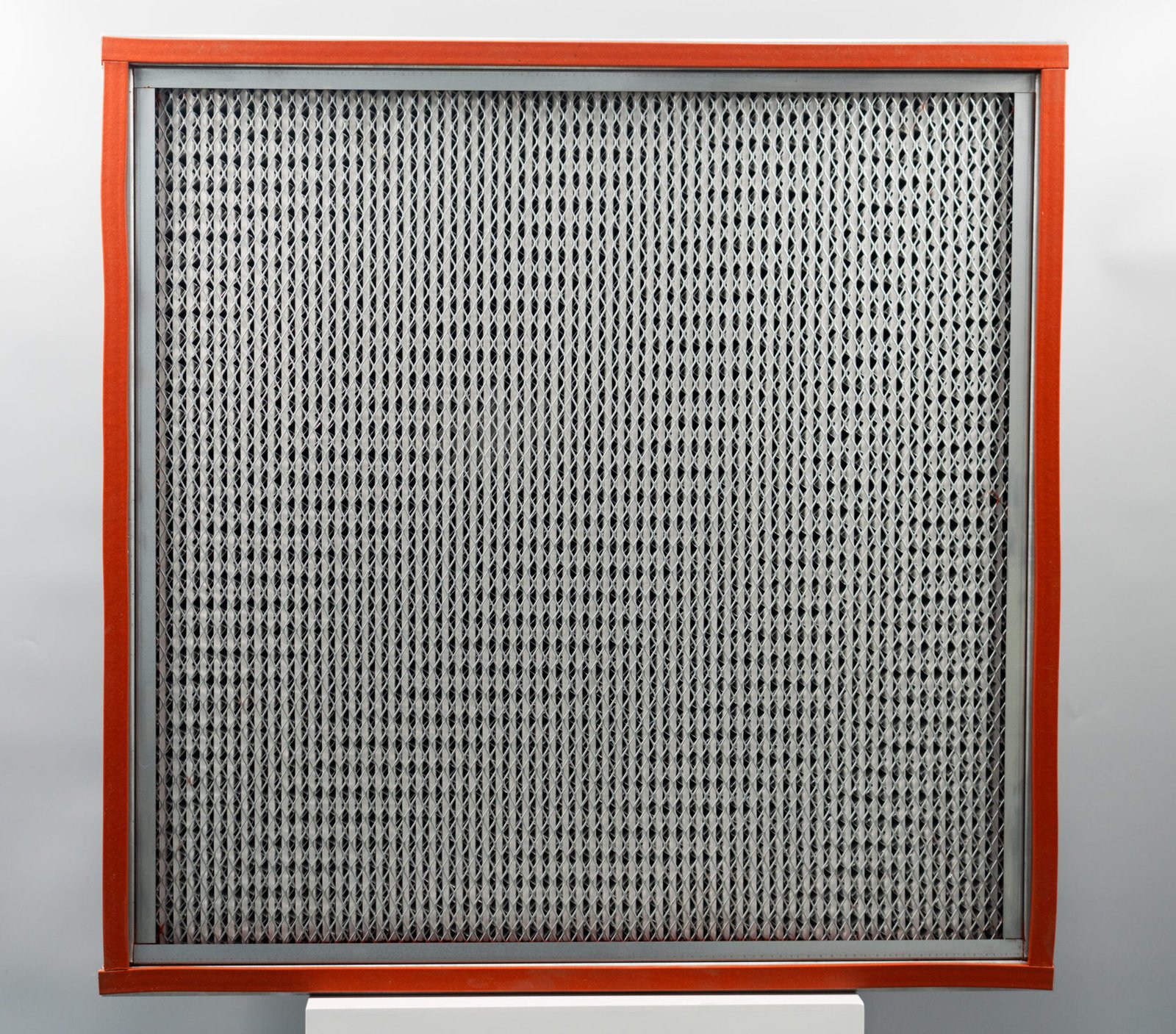
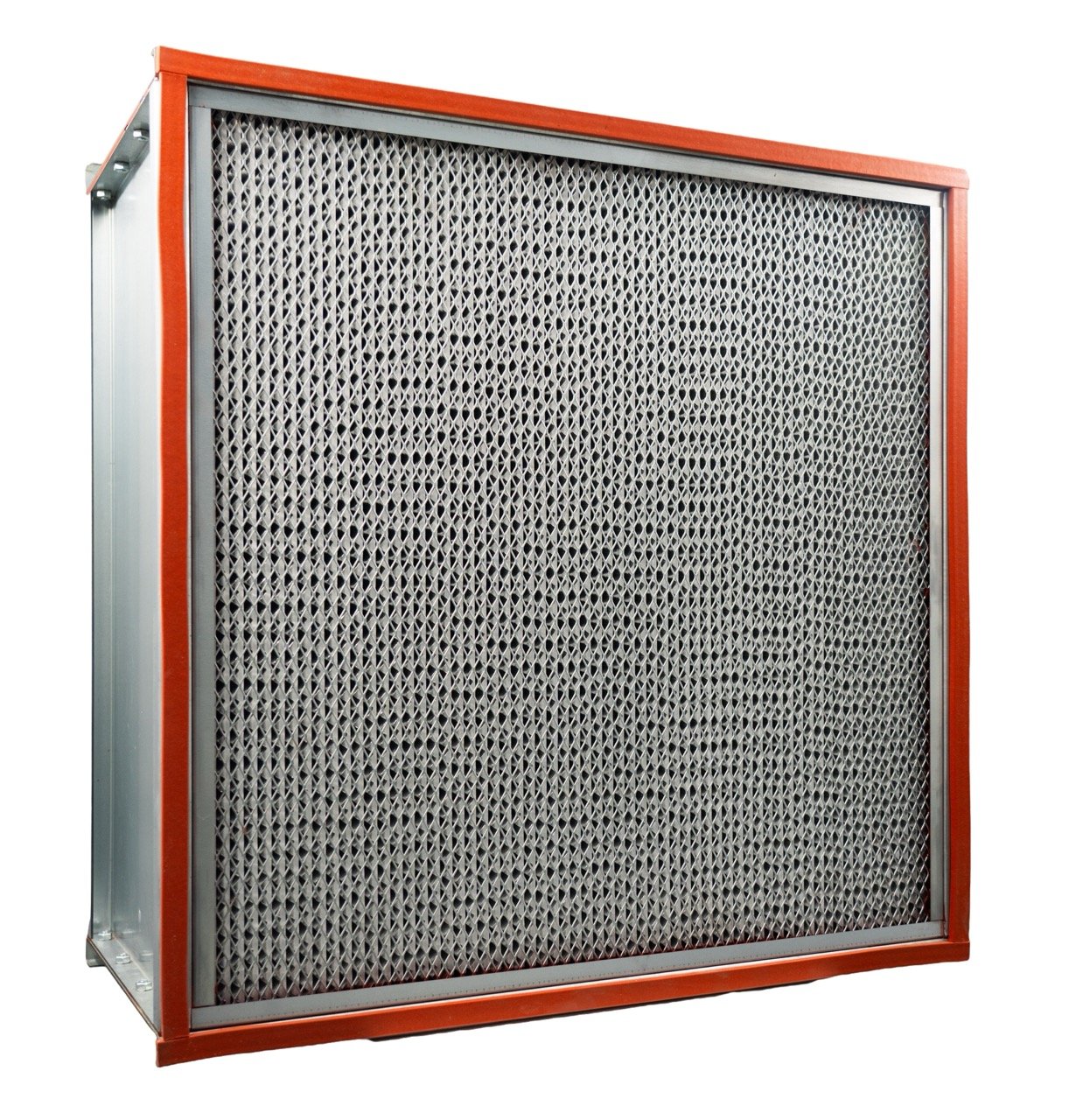
Reliable High Temperature Filters – Withstand Up to 350°C
At ClearFilter, we focus on developing advanced filtration materials and innovative structural designs for high-temperature applications. Our high-temperature filters are engineered to endure extreme conditions up to 350°C, ensuring stable and efficient performance.
-
Cutting-Edge Materials: Enhanced filter media, durable frames, and advanced adhesives designed for high-temperature environments.
-
International Compliance: Fully certified to ISO 29463 and EN 1822 standards for guaranteed reliability.
-
Strict Quality Control: Every filter undergoes rigorous testing to meet the highest standards.
Our High Temperature Filter Products
We offer HEPA filters, bag filters, pleated filters, oil filters, hydraulic filters, water filters, activated carbon filters, and metal filters — all built to withstand high heat conditions.
Whether you need advanced particle removal, chemical resistance, or long-term durability, our high temperature filter solutions can meet the requirements of industrial ovens, cleanrooms, power plants, and more.
high temperature HEPA filter
high temperature bag filters
high temperature oil filters
high temperature pleated filters
high temperature hydraulic filters
high temperature activated carbon filter
high temperature water filters
high temperature metal filters
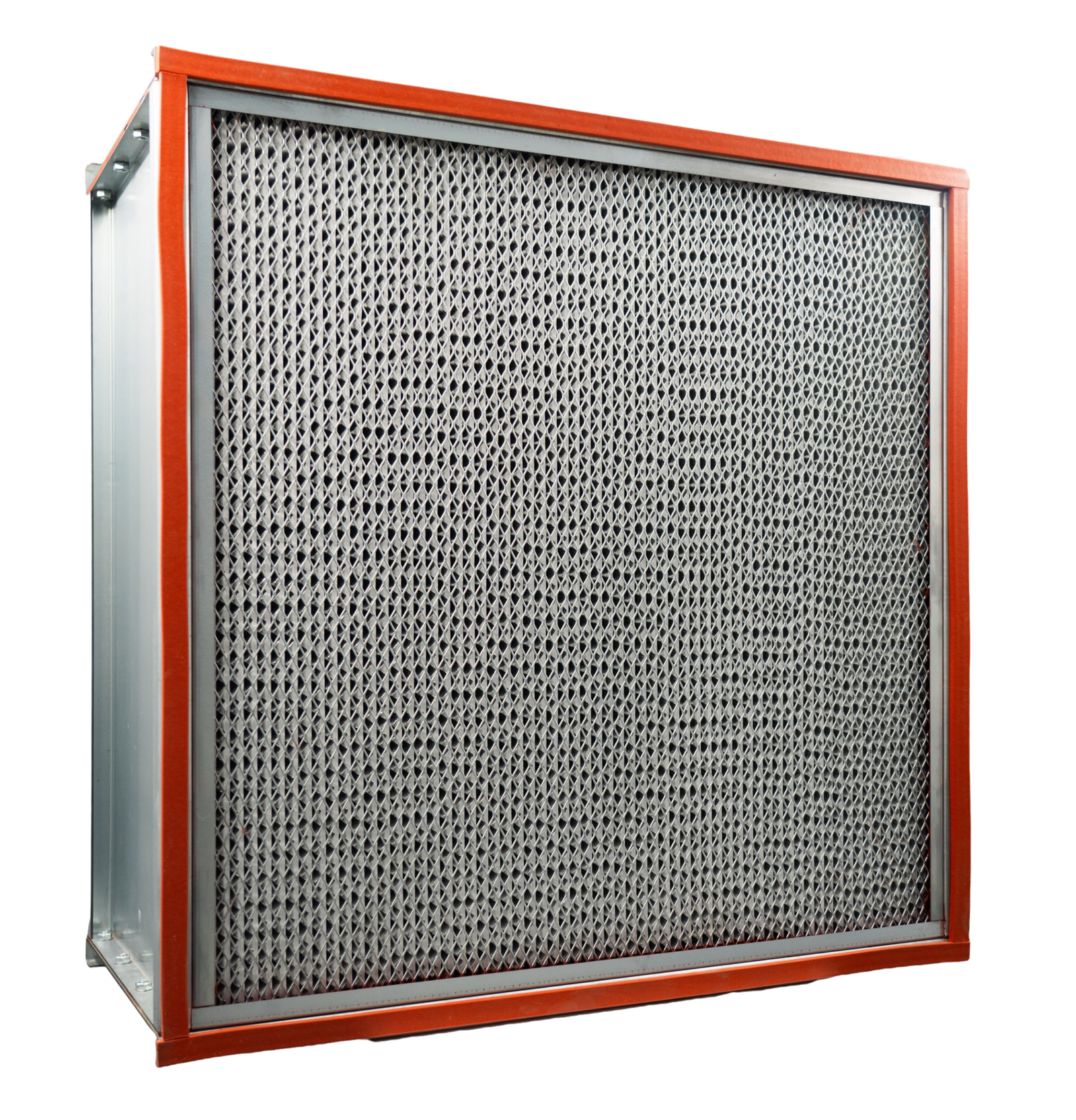
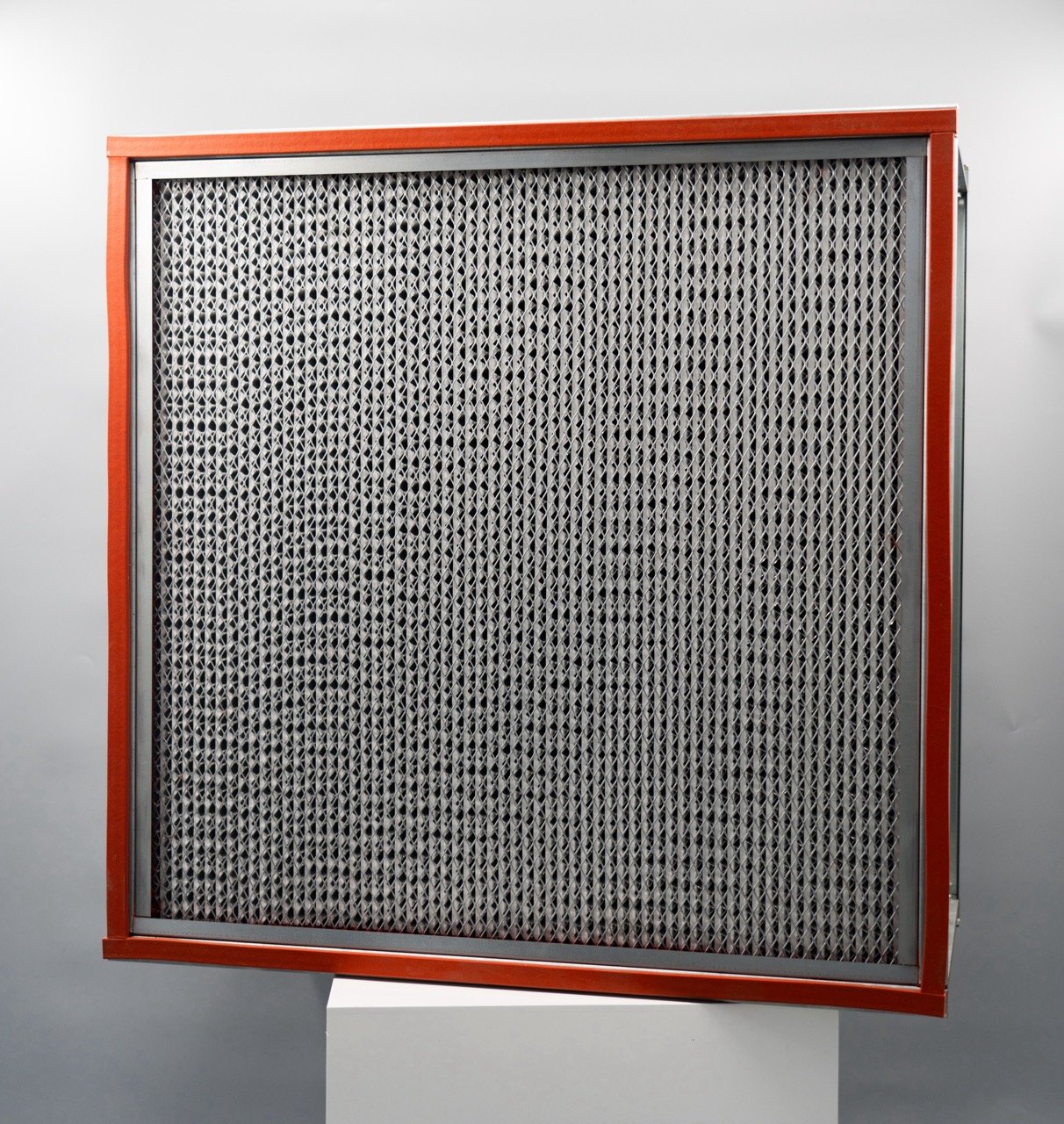
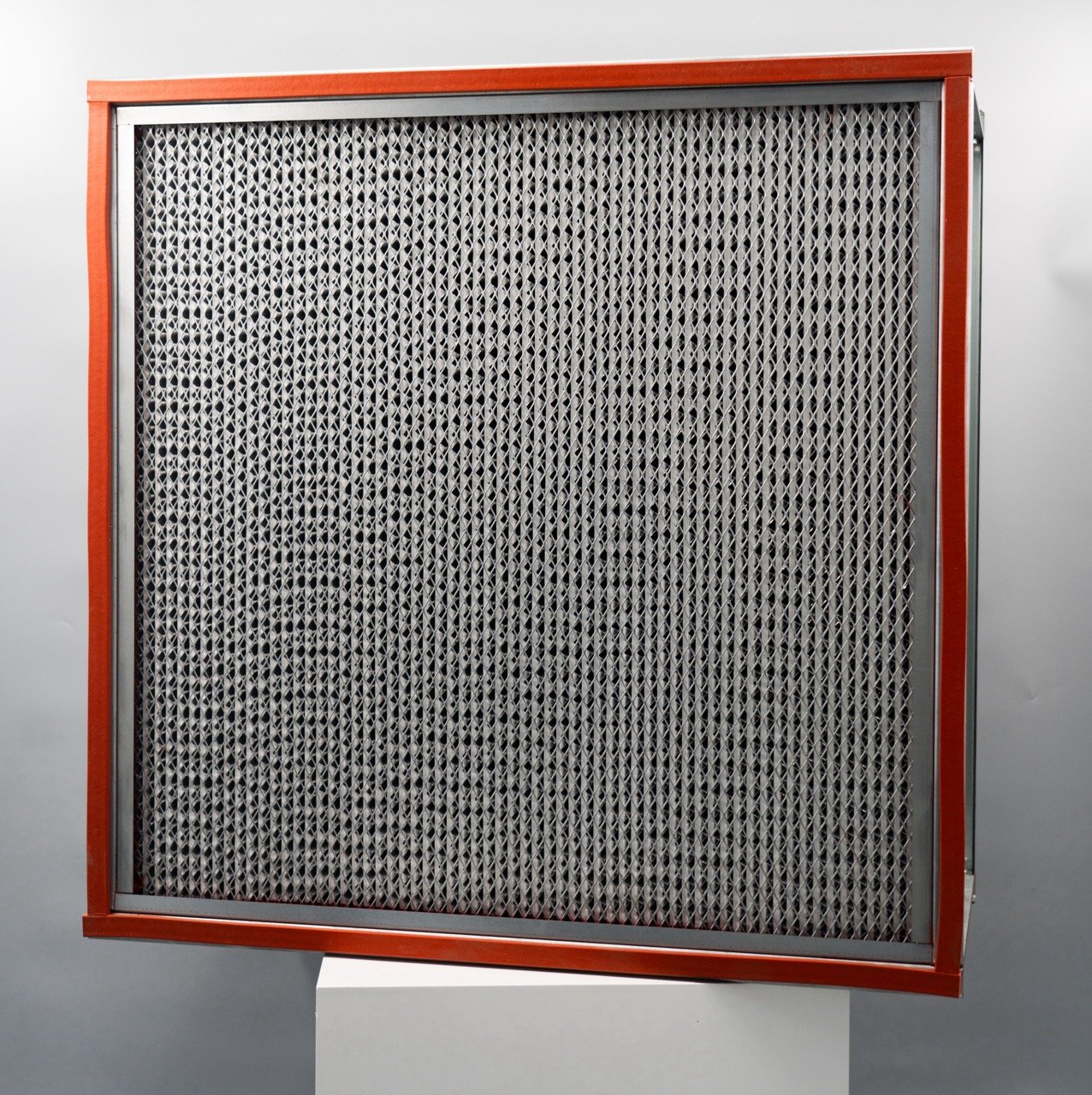
The VAF-HT series delivers H13 and H14 efficiency, ensuring high performance, low resistance, and durability in extreme heat environments. Ideal for sterilization, coating, and high-temp air purification.
| Model | Efficiency (EN) | Width (mm) | Height (mm) | Depth (mm) | Rated Airflow (m³/h) | Initial Resistance (Pa) |
|---|---|---|---|---|---|---|
| VAF-HT | H13 | 610 | 610 | 292 | 1700 | 200 |
| VAF-HT | H13 | 610 | 305 | 292 | 850 | 200 |
| VAF-HT | H14 | 610 | 610 | 292 | 1700 | 220 |
| VAF-HT | H14 | 610 | 305 | 292 | 850 | 220 |
Choose the high temperature filters suppliers That Benefits You
The high temperature filters market is growing rapidly due to increasing demand for clean air in extreme environments such as ovens, sterilizers, and industrial furnaces. ClearFilter offers a wide range of high-efficiency filters built for durability, low pressure drop, and consistent performance at temperatures up to 350°C. Our solutions are trusted in the fields of power generation, pharmaceuticals, food processing, and advanced manufacturing.
Superior Heat Resistance
Designed with advanced materials and structures to operate reliably at temperatures up to 350°C, meeting the most demanding industrial needs.
Stable Filtration Efficiency
Retains H13~H14 level efficiency under fluctuating thermal conditions, ensuring stable particle removal over long-term use.
Versatile Product Types
Offered in HEPA, pleated, oil, bag, and metal forms — meeting different needs across the high temperature filters market.
Long Lifespan, Reduced Maintenance
Precision manufacturing and material innovations deliver long-lasting performance, reducing the frequency and cost of replacements.
What is a high temperature filter?
A high temperature filter is a filtration device specially designed for 100°C to 350°C environments. It effectively captures airborne particles and contaminants without damage or failure due to heat exposure. The primary function of these filters is to ensure clean air in high-temperature operating environments, meeting both equipment performance and process quality requirements.
High-temperature air filters come in various efficiency ratings, including:
- Primary Filtration (G1-G4)
- Medium Filtration (M5-F9)
- Sub-High Efficiency Filtration (E10-E12)
- HEPA High-Efficiency Filtration (H13-H14)
- ULPA Ultra-High Efficiency Filtration (optional)
Among them, high-temperature HEPA filters are particularly important. They provide 99.95% to 99.995% particle removal efficiency (EN 1822) even under high temperatures. These filters are widely used in industrial manufacturing, life sciences, and other fields where extreme air cleanliness is required.Learn more in our detailed guide on how high temperature filters work
Testing Methods
To ensure reliability in extreme conditions, high-temperature air filters undergo rigorous testing for filtration efficiency, thermal resistance, airflow performance, and durability. These tests verify compliance with industry standards like EN 779, ISO 16890, and EN 1822, ensuring optimal performance in industrial, cleanroom, and high-precision applications.
| Test Item | Standard | Method | Purpose |
|---|---|---|---|
| Medium-Efficiency Filtration Test | EN 779 or ISO 16890 | Measures filtration efficiency for different particle sizes, particularly 0.4 μm, PM1, PM2.5, PM10. | Classifies filters from M5 (medium-efficiency) to F9 (fine-efficiency). |
| EPA, HEPA, and ULPA Efficiency Test | EN 1822 or ISO 29463 | Uses aerosol particles to test the Most Penetrating Particle Size (MPPS) capture efficiency. | Classifies filters by efficiency, such as H13 (≥99.95%) or H14 (≥99.995%). |
| High-Temperature Resistance Test | - | Exposes the filter to 100°C to 350°C at rated airflow for a set time. Observes physical integrity and measures pressure drop and efficiency. | Verifies the filter’s thermal resistance and performance stability. |
| Airflow Resistance Test | - | Measures the initial pressure drop (Pa) at rated airflow. | Assesses ventilation performance, ensuring low energy consumption and high airflow efficiency. |
| Filter Aging Performance Test | - | Simulates long-term operating conditions, monitoring efficiency degradation. Ensures HEPA filters do not release micro-particles due to aging. | Ensures the filter remains effective within its recommended service life, meeting cleanroom and sterile environment requirements. |
| Filter Leak Test (HEPA & ULPA Only) | EN 1822-4 | Uses aerosol testing at MPPS to check for random leaks in H and U-class filter elements. H-class filters can use any of the three leak test methods from EN 1822-4. U-class filters must use MPPS scanning method per EN 1822-4. | Ensures product quality and eliminates potential leakage. |
| Dust Holding Capacity Test | - | Simulates long-term use in high-temperature environments to test performance decay. Evaluates filtration efficiency and physical strength changes over the service life. | Helps users determine replacement cycles, ensuring cost-efficiency and long-term stability. |
Key technologies of clearfilter
1. Filter Material Technology
Our high-temperature filters achieve filtration efficiencies ranging from G1-G4, M5-F9, E10-E12, to H13 and H14. By optimizing the glass fiber composition, molding process, and surface adhesive system, we enhance temperature resistance and long-term stability, ensuring zero particle release even under prolonged high-temperature operation. For medium-efficiency high-temperature filters, we incorporate special synthetic fiber materials, which maintain both filtration efficiency and physical stability in extreme environments.
2. Frame Technology
We use high-quality stainless steel to minimize expansion under high temperatures, ensuring dimensional stability. Metal separators in deep-pleated filters further reduce the risk of particle emissions during heating and sterilization.
3. Adhesive Technology
Our patented polymer adhesive offers exceptional heat resistance up to 600°C, maintaining integrity even under continuous 350°C conditions. It is non-flammable, solvent-free, and non-toxic, providing chemical resistance and long-term durability without cracking or degradation.
Application Scenarios of High Temperature Filters
Life Science Industry
In the life science sector, high-temperature environments (up to 350°C) are commonly used for sterilizing glassware. To maintain a completely sterile environment, high-temperature sterilization ovens and other equipment are equipped with high-temperature air filters capable of withstanding prolonged 350°C operation.
ClearFilter’s HT H4 series high-temperature filters stand out due to:
- Specially treated filter media for superior heat resistance.
- High-temperature-resistant adhesive that remains inert, prevents cracking, and eliminates particle release during long-term use.
HT filters are rated according to EN 1822, the European standard for EPA, HEPA, and ULPA filters, which assesses the efficiency of capturing the most penetrating particle size (MPPS).
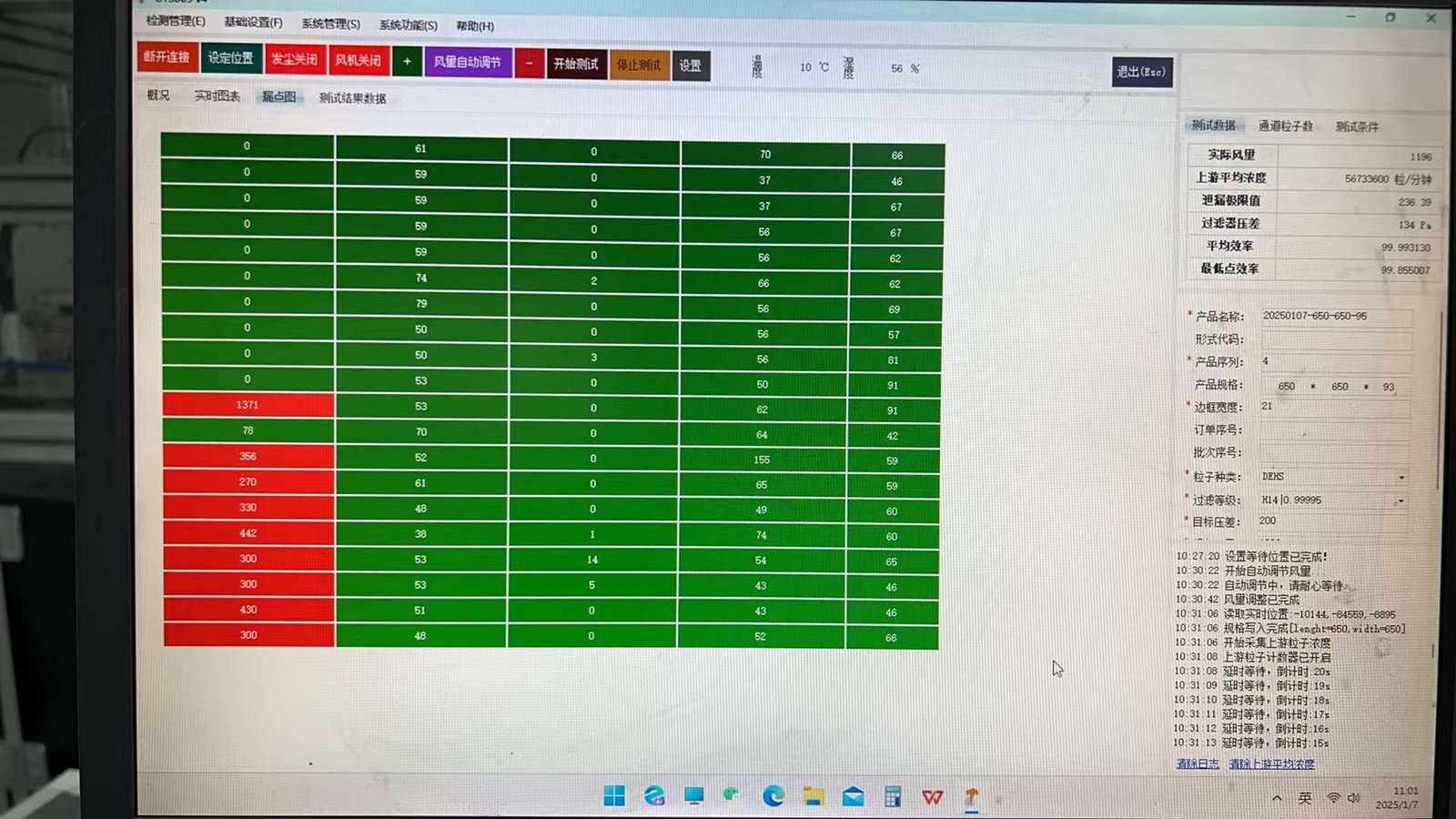
Comparing H13 and H14 filters, higher-rated filters provide superior particle removal efficiency. (See the figure below for downstream particle distribution of H13 vs. H14 filters.)
H14 Efficiency
H13 Efficiency
Automotive Coating Industry
In automotive painting, high-temperature drying and curing (200°C – 250°C) is essential for achieving high-quality coated surfaces. To prevent airborne contamination, medium-efficiency high-temperature air filters (M6-F8 grade) are installed in key areas:
- Spray Booths – Ensures clean air in the spraying area, reducing dust and oil mist contamination for uniform coatings.
- Drying Rooms & Curing Ovens – Filters dust particles in high-temperature airflow, preventing them from adhering to coated surfaces.
- Ventilation Equipment Protection – Blocks large particles from contaminating ventilation systems, extending equipment lifespan.
ClearFilter’s HT series high-temperature filters feature:
- High-temperature-resistant fiberglass filter media
- Metal frames for durability
- High-temperature-resistant adhesive for long-term stability
These M6-F8 rated filters efficiently capture 1-3 μm particles while maintaining low resistance, ensuring smooth airflow and optimal coating performance.
Customization Services
ClearFilter offers fully customizable High-Temperature Air Filter with no minimum order quantity (MOQ), allowing customers to order as little as one piece based on their specific needs.
Customization Options:
high temperature filter media
Choose from ultra-fine glass fiber paper, PTFE membranes, nano-fiber materials, and more to meet different filtration requirements.
Custom Size
Custom dimensions tailored to fit various installation spaces.
No MOQ
Enjoy flexible ordering with no restrictions on minimum quantity, allowing for single-piece customization.
ClearFilter’s custom solutions ensure high adaptability to diverse applications, offering flexibility, precision, and performance to meet unique customer requirements.
Quality Control and Certification
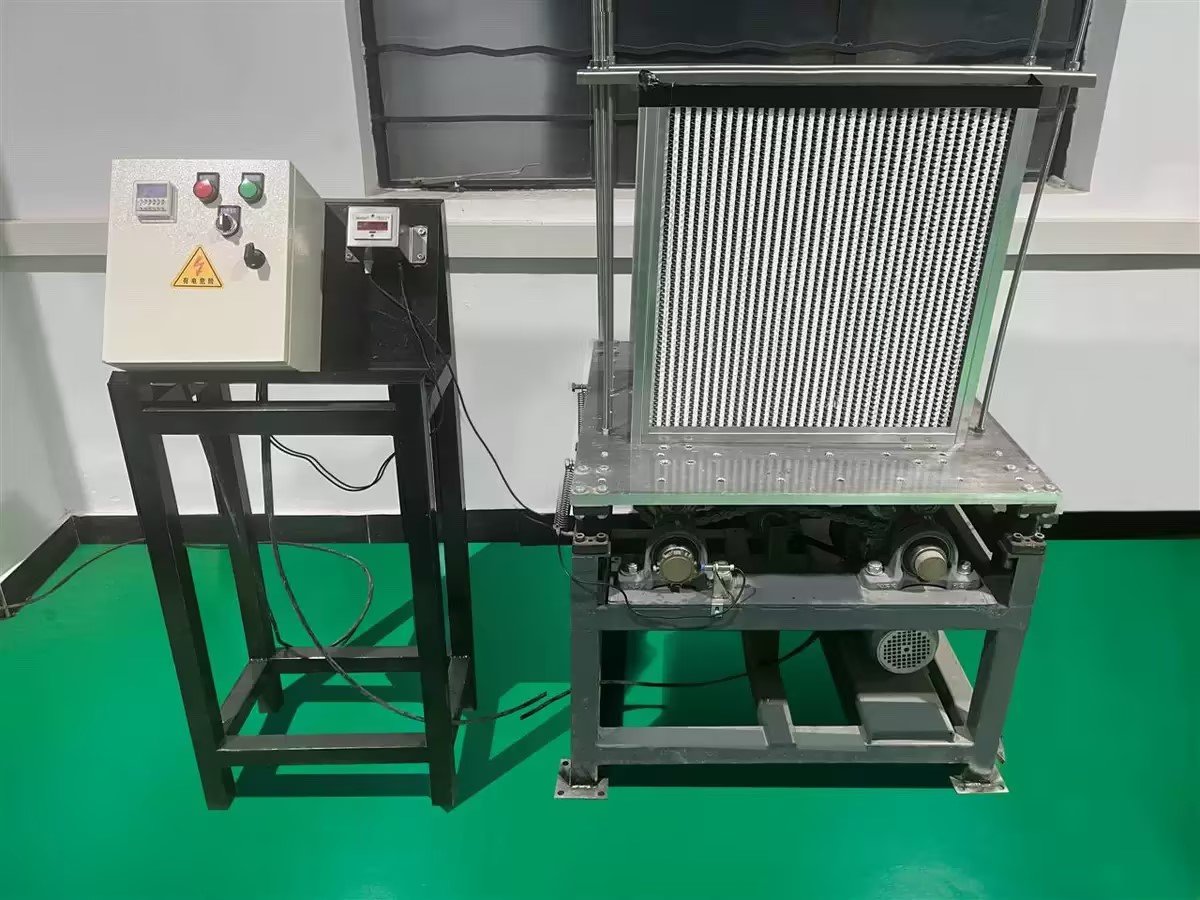
CleaFilter ensures strict quality control through UL certification, advanced filtration efficiency testing, and specialized test rigs for high temperature, humidity resistance, and vibration durability, guaranteeing reliable performance in demanding environments.
UL Testing
ClearFilter’s filters are UL 900-certified, ensuring excellent flame retardancy and compliance with U.S. safety standards.
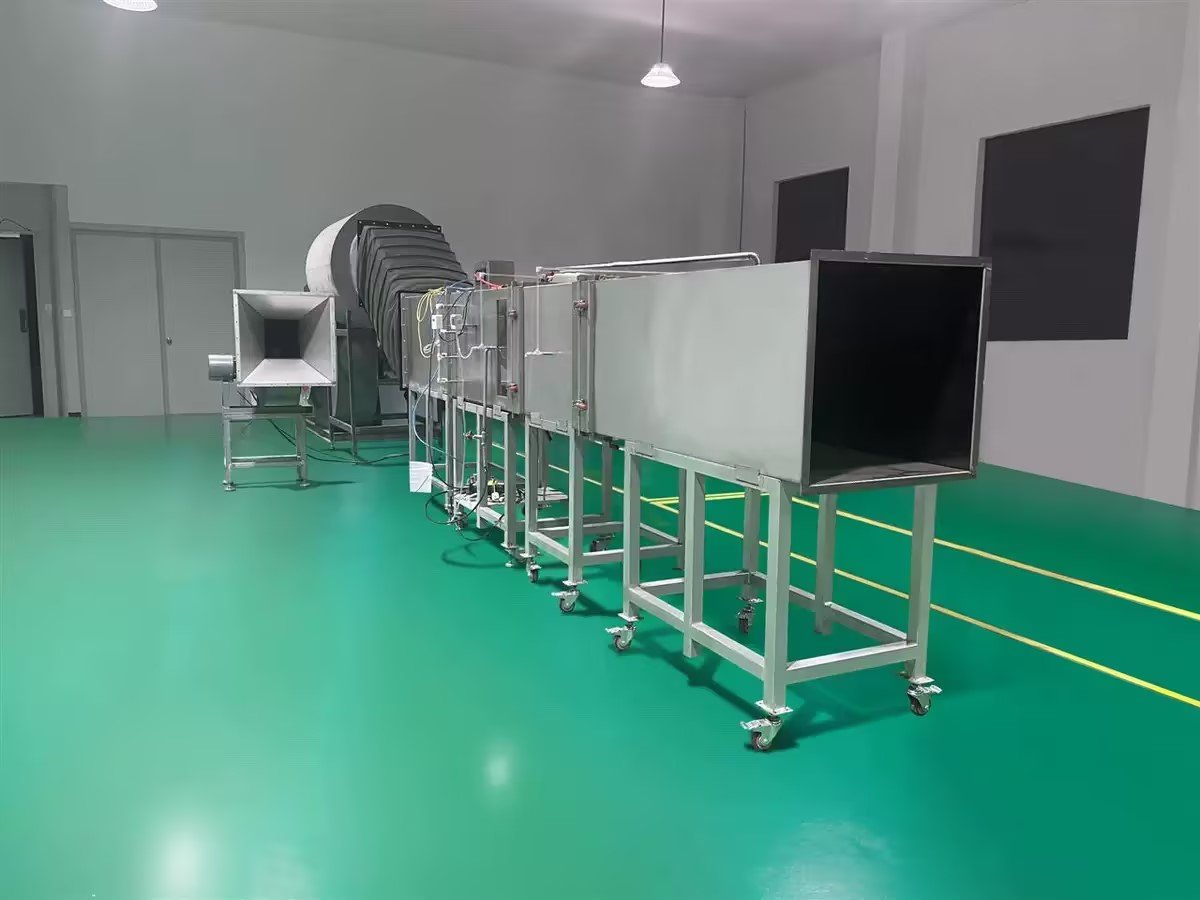
Filtration Efficiency Testing
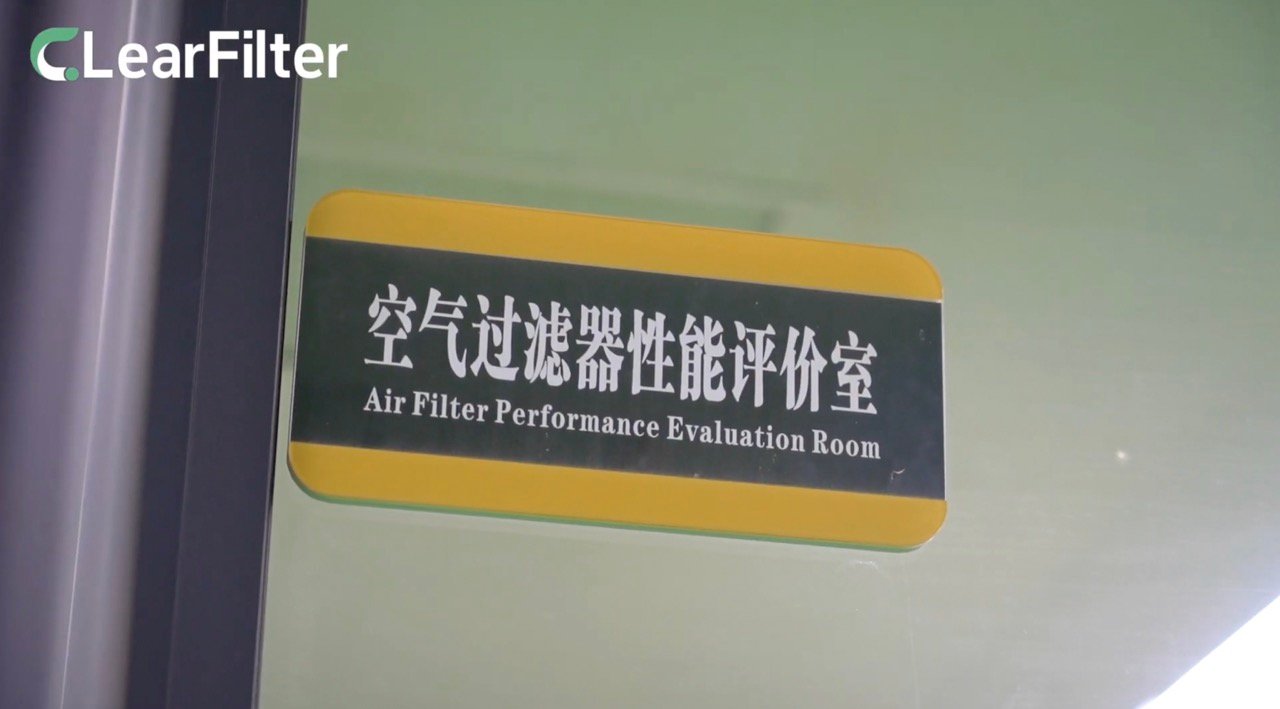
Equipped with a comprehensive performance test duct, ClearFilter conducts full-spectrum air filter performance testing to ensure efficiency and reliability.
High-Temperature Testing
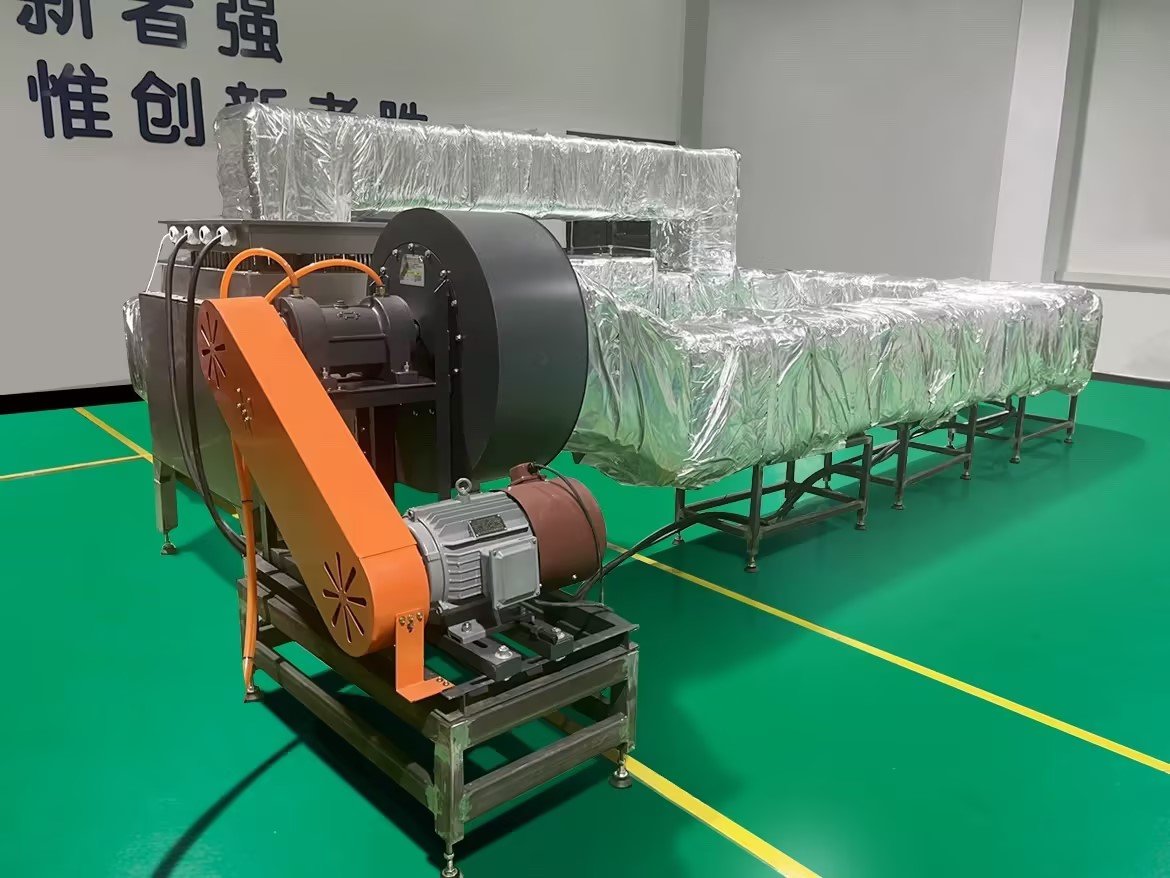
ClearFilter’s self-developed high-temperature test stand simulates various airflow conditions, verifying filter performance under extreme heat.
High Temperature Filters: Buying Guide & FAQs
At ClearFilter, we specialize in designing and manufacturing high-performance high-temperature filters that withstand extreme operating conditions of up to 350°C. Our filters are engineered with cutting-edge materials, innovative frame structures, and advanced adhesives, ensuring stable filtration efficiency, excellent heat resistance, and long service life.
Whether you’re looking for HEPA high-temperature filters for cleanroom applications, medium-efficiency filters for automotive painting, or customized solutions for specific industrial needs, ClearFilter offers certified, rigorously tested, and customizable high-temperature filtration solutions.
Table of Contents
What Is a High Temperature Filter Element ?
A high temperature filter element is the core filtering component inside a high temperature filter, designed to capture contaminants while withstanding extreme heat, often exceeding 250°C.
These elements are made from heat-resistant materials such as glass fiber, stainless steel fiber, or ceramic, and are used in environments like sterilization equipment, industrial ovens, and power plants.
Key Features of High Temperature Filter Elements
1.Heat Resistance: Operate reliably at 250°C, 350°C, or even 1000°C depending on material.
2.Filter Media: Typically made from glass fiber, metal mesh, ceramic fiber, or PTFE-coated materials.
3.Applications: Found in high-temperature HEPA filters, oil filters, hydraulic systems, and gas filtration units.
4.Form Factors: Available in pleated, cylindrical, panel, or custom formats depending on system design.
5.Reusable Options: Metal or sintered elements can be cleaned and reused, lowering lifecycle cost.
What is the best material for a high temperature filter?
The best material for a high temperature filter depends on the temperature range and filtration needs.
For most industrial applications, glass fiber is ideal up to 350°C due to its high efficiency and stability. For more extreme environments, stainless steel fiber is recommended, as it can withstand temperatures above 600°C and offers excellent durability and reusability.
Common Filter Media for High Temperature Filters
| Material | Max Temp | Key Benefits | Typical Applications |
|---|---|---|---|
| Glass Fiber | ~350°C | High efficiency, low pressure drop | HEPA filters, HVAC in cleanrooms |
| Stainless Steel Fiber | 600°C+ | Reusable, corrosion & heat resistant | Oil/gas filtration, extreme heat zones |
| Ceramic Fiber | 1000°C+ | Withstands extreme heat, chemically stable | Combustion, incineration, metallurgy |
| Polyimide (Nomex) | ~300°C | Good chemical resistance, flexible | Bag filters in chemical plants |
| PTFE-coated Media | ~280°C | Repels moisture and chemicals | Paint booths, high-humidity environments |
The Importance of High-Temperature Filters
1.Ensuring Air Purity in High-Heat Environments
In industries such as pharmaceuticals, electronics, and food processing, maintaining clean air under high temperatures is essential. Contaminated air can compromise product quality, disrupt production, and lead to costly regulatory non-compliance.
ClearFilter’s high-temperature filters are designed to withstand extreme heat while maintaining high filtration efficiency, ensuring a clean and stable production environment.
2.Protecting Equipment and Reducing Maintenance Costs
Industrial equipment operating at high temperatures is highly sensitive to dust and airborne contaminants. Accumulated particles can cause overheating, increased wear, and system failures, leading to unplanned downtime and expensive repairs.
By preventing dust buildup and optimizing airflow, ClearFilter’s high-temperature filters extend machinery lifespan, reduce maintenance costs, and minimize operational disruptions.
3.Lower Total Cost of Ownership (TCO) for Businesses
Our high temperature filters are engineered for high durability and long-term stability, reducing the frequency of replacements and helping businesses optimize operational budgets.
4.Compliance with Industry Standards
ClearFilter’s high-temperature filters meet ISO 29463, EN 1822, and UL 900 certifications, guaranteeing safety, reliability, and adherence to industry standards.
By choosing ClearFilter, businesses can stay compliant with air quality regulations, avoid non-compliance penalties, and maintain a safe working environment.
How to Choose the Right High-Temperature Filter?
Selecting the right high-temperature air filter is crucial for ensuring air purity, equipment protection, and operational efficiency in extreme environments.
1.Operating Temperature & Heat Resistance
✅ Determine Maximum Operating Temperature – Choose a filter that can withstand your system’s peak temperature (e.g., 250°C, 350°C, or higher).
✅ Material Selection – Filters with ultrafine glass fiber, PTFE membranes, or ceramic fiber offer superior heat resistance.
✅ Frame & Adhesive Stability – Stainless steel, aluminum, or galvanized metal frames prevent expansion and deformation under heat. High-temperature adhesives should withstand continuous exposure to avoid leaks or deterioration.
2.Filtration Efficiency Requirements
Ensure you select the appropriate filtration grade based on the size of airborne particles, as different efficiency levels are designed to capture varying levels of contaminants.
Not sure which grade fits your application? Our article explains the different types of high-temperature air filters and how to choose them.
| Filtration Grade | Type | Description |
|---|---|---|
| G1-G4 | Primary Filtration | Captures large dust particles. |
| M5-F9 | Medium Filtration | Removes finer dust and airborne particles. |
| E10-E12 | Sub-HEPA Efficiency | Higher efficiency for critical applications. |
| H13-H14 | HEPA Filtration | 99.95%–99.995% efficiency, ideal for cleanrooms & sterile environments. |
| U15-U17 | ULPA Filtration | Ultra-fine filtration for specialized high-purity applications. |
3.Airflow & Pressure Drop Considerations
✅ Check Initial & Final Pressure Drop – A filter with a lower resistance improves airflow efficiency and reduces energy consumption.
✅ Ensure Proper Air Distribution – Filters with pleated designs & metal separators optimize airflow and prevent localized overheating.
4.Filter Construction: Separator vs. No-Separator Design
High-temperature filters come in two main designs: with separators and without separators.
Filters with separators offer better structural stability at high temperatures and are ideal for high airflow applications.
In contrast, filters without separators have a more compact design, lower resistance, and are commonly used in restricted space installations.
Understanding the differences between these two types helps in selecting the most suitable filter for your specific industrial application.
| Feature | Structural Stability | Airflow Resistance | Application |
|---|---|---|---|
| With Separators | Better structural stability at high temperatures | Suitable for high airflow applications | Used in environments requiring stable airflow |
| Without Separators | More compact design | Lower resistance | Commonly used in restricted space installations |
5.Compliance & Certification
Ensure the filter meets industry standards such as:
- ISO 29463 / EN 1822 – For HEPA & ULPA filtration classification.
- UL 900 – Fire safety compliance for air filters.
- ISO 16890 – Efficiency classification for general air filtration.
6.Application-Specific Considerations
✅ Cleanroom Applications – Require H13+ HEPA filters with minimal particle release.
✅ Industrial Ovens & Coating Lines – Need high heat resistance and stable airflow.
✅ Power Plants & Chemical Processing – Require filters with corrosion-resistant materials.
At ClearFilter, we understand that standard filters may not always meet your exact requirements.
That’s why we offer fully customizable high-temperature filters to suit your specific applications.
Whether you need custom dimensions, specialized frame materials, or flexible order quantities, we provide tailored solutions to ensure optimal performance, durability, and efficiency in extreme environments.
If you’re looking for a reliable, made-to-order filtration solution, ClearFilter is here to help. Contact us today to discuss your custom filter needs!
Panel Filters vs. High-Temperature Filters
While high-temperature filters are designed to endure extreme heat and maintain filtration efficiency under stress, panel filters are more commonly used in standard HVAC systems where temperature and particle load are lower.
Panel filters typically feature flat, non-pleated media and are optimized for low-cost, low-resistance applications. In contrast, high-temperature filters—especially those with separators—offer enhanced structural stability, deeper pleats, and superior heat resistance.
Want to know the key differences in performance, durability, and usage scenarios? Check out our full guide: High Temperature Filters vs Panel Filters
What Is the Maximum Temperature for a HEPA Filter?
Standard HEPA filters can typically withstand temperatures up to 120°C, but high temperature HEPA filters are designed to operate at much higher levels — up to 250°C or even 350°C, depending on the filter media and frame materials.
These filters are used in sterilization tunnels, clean ovens, and pharmaceutical environments where both high efficiency and thermal resistance are required.
HEPA Filter Temperature Ratings
| HEPA Filter Type | Maximum Operating Temperature | Common Applications |
|---|---|---|
| Standard HEPA Filters | 70-120°C (158-248°F) | HVAC systems, medical air filtration |
| High-Temperature HEPA Filters | 250°C (482°F) | Pharmaceutical sterilization, industrial ovens |
| Specialized HEPA Filters (Ceramic/Metal Frame) | 400°C (752°F) | Aerospace, high-temperature manufacturing |
| Alternative Filtration Solutions (Metal Sintered Filters) | 600°C+ (1112°F) | Extreme industrial environments |
Why Temperature Limits Matter in the High Temperature Filters Market ?
As the high temperature filters market expands in pharmaceuticals, food processing, and semiconductor industries, understanding the thermal limits of HEPA filters helps ensure proper system design and avoid premature filter failure. Material choice and certification (like EN1822 or ISO29463) play a key role in filter reliability at high temperatures.
What Is the Pressure Drop of High-Temperature Filters?
Pressure drop in high-temperature filters refers to the resistance to airflow as air passes through the filter media. It is a crucial factor affecting energy efficiency, system performance, and filter lifespan.
The pressure drop is typically measured in Pascals (Pa) or inches of water column (in. w.g.) and depends on several factors such as filter type, efficiency rating, airflow rate, and pleat design.
Standard Pressure Drop Ratings for High-Temperature Filters
Different types of high-temperature filters have varying pressure drop values, depending on filtration efficiency and design:
| Filter Type | Efficiency Rating (EN 1822 / ISO 29463) | Initial Pressure Drop (Pa) | Final Pressure Drop (Pa) |
|---|---|---|---|
| Primary Filters (G1-G4) | 30-90% (ASHRAE 52.2) | 50-150 Pa | 200-300 Pa |
| Medium Filters (M5-F9) | 40-95% | 80-250 Pa | 300-500 Pa |
| EPA Filters (E10-E12) | 85-99.5% | 100-300 Pa | 350-600 Pa |
| HEPA Filters (H13-H14) | 99.95%-99.995% | 150-450 Pa | 500-700 Pa |
| ULPA Filters (U15-U17) | 99.9995%-99.999995% | 300-600 Pa | 700-900 Pa |
Initial Pressure Drop – The resistance at the beginning of the filter’s lifespan.
Final Pressure Drop – The resistance when the filter is clogged and needs replacement.
High-efficiency filters (HEPA/ULPA) have a higher pressure drop due to their denser filtration media, which captures smaller particles.
What Affects the Pressure Drop in High-Temperature Filters?
Several factors influence how much resistance a filter adds to an airflow system:
1.Filtration Efficiency & Media Density
Higher efficiency filters (HEPA & ULPA) trap finer particles but have higher resistance.
Lower efficiency filters (G1-F9) allow more airflow and have a lower pressure drop.
Example:
- A G4 pre-filter may have an initial pressure drop of 50-150 Pa.
- A H13 HEPA filter may start at 150-450 Pa, requiring more powerful fans to maintain airflow.
2. Filter Thickness & Pleat Design
Deep-pleated filters have larger surface areas, reducing pressure drop.
Compact filters have higher resistance due to reduced airflow pathways.
Example:
- A 292 mm deep-pleated HEPA filter has a lower pressure drop than a 150 mm mini-pleated HEPA filter.
3.Airflow Rate & System Volume
Higher airflow rates (m³/h or CFM) increase resistance due to faster air movement through the filter.
Most high-temperature HEPA filters are rated for specific airflow capacities (e.g., 1700 m³/h at 610×610×292 mm).
If airflow doubles, pressure drop increases exponentially, which can overload the ventilation system.
4.Temperature & Humidity Effects
At higher temperatures, airflow properties change, affecting filter resistance.
High humidity can cause moisture absorption, leading to media swelling and increased pressure drop.
A filter rated for 350°C in dry conditions may have a higher pressure drop in humid environments.
We’ve supported over 200 projects, shipped products to more than 20 countries and regions, and served over 80 clients worldwide.