
Industrial Activated Carbon Filters for VOC & Odor Control
Engineered for heavy-duty emission control. Our activated carbon systems utilize high-iodine media (≥ 1000 mg/g) to optimize contact time, maintaining an initial pressure drop below 120Pa at 2.5m/s face velocity.
≥1000
mg/g Iodine
<120Pa
Pressure Drop
ISO
Compliant
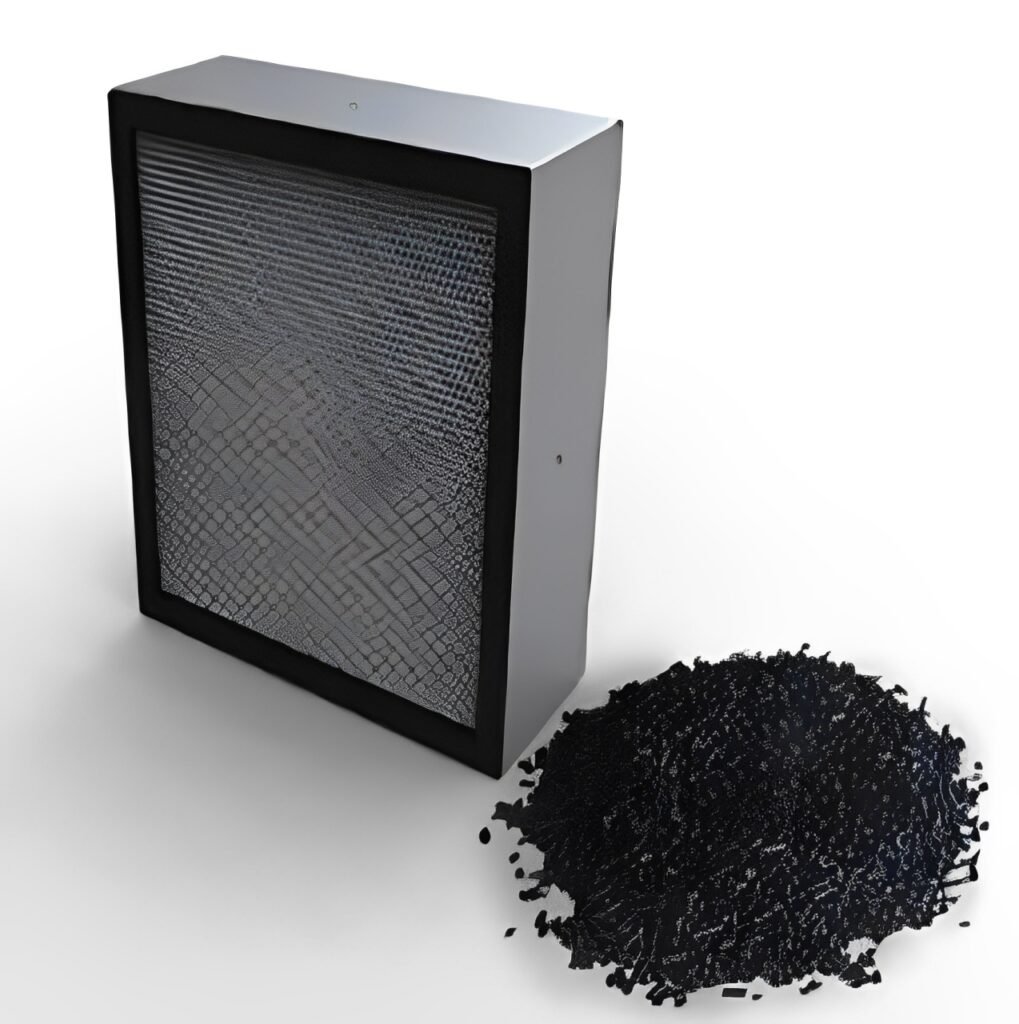
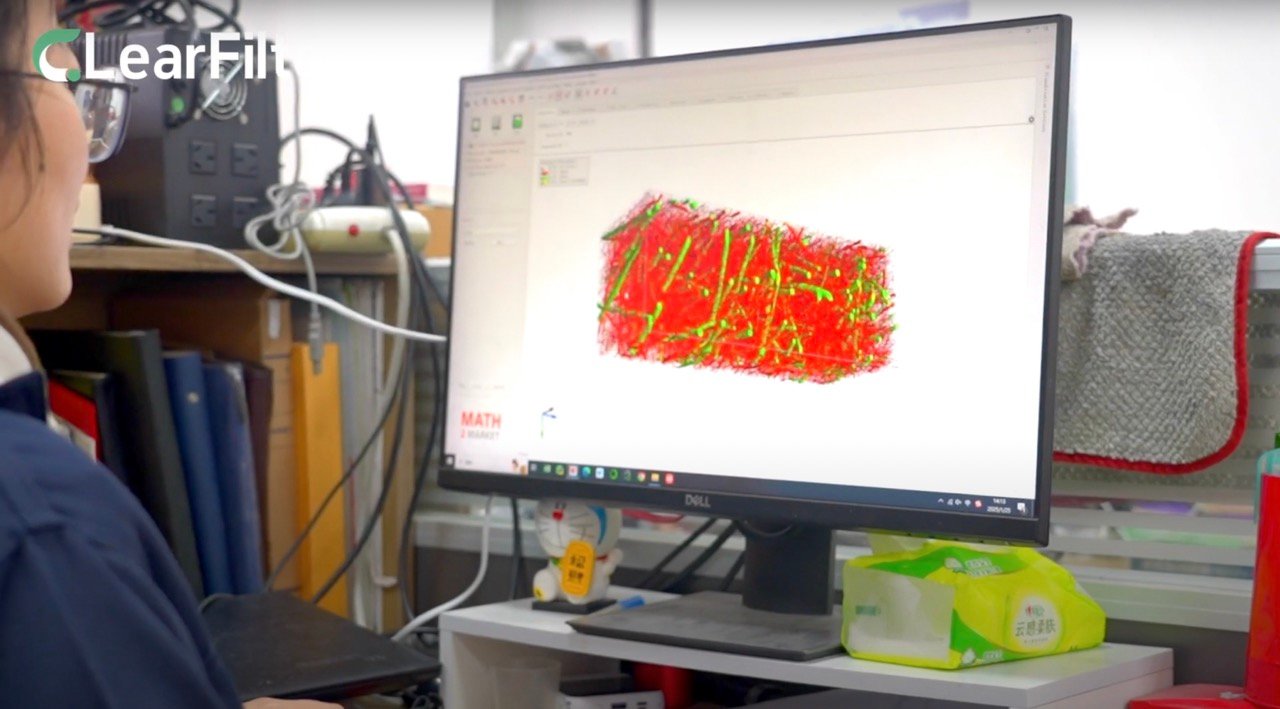
Engineered Reliability of Our Industrial Activated Carbon Filters
Industrial environments demand robust equipment. We focus on precise structural engineering to prevent bypass leaks and ensure every cubic foot of exhaust air is fully treated.
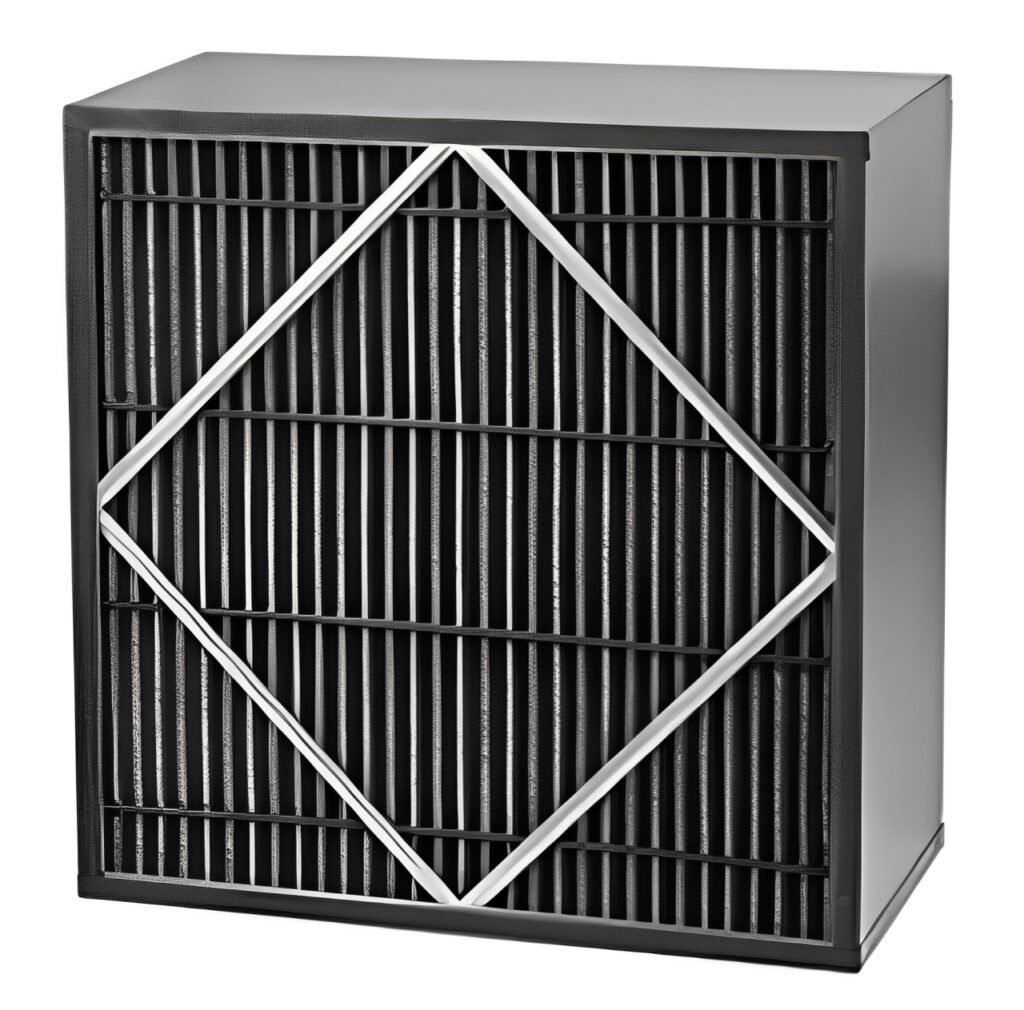
V-Bank Fluid Dynamics
The V-bank configuration optimizes airflow distribution across the media bed. This reduces system resistance while eliminating dead zones for uniform adsorption.
Anti-Channeling Compaction
The carbon beds are densely packed and secured with internal baffles to prevent the formation of air channels, ensuring zero bypass of untreated gases.
Targeted Chemical Formulations
Standard carbon is insufficient for corrosive gases. We provide specially impregnated media tailored to neutralize specific acidic or alkaline compounds.
Standard Activated Carbon Filter Specifications
| Model | Size (mm) | Airflow (m³/h) | Initial Resistance (Pa) | Carbon Weight (kg) | Odor Removal Efficiency |
|---|---|---|---|---|---|
| CF-AC-2424 | 592 x 592 x 292 | 3400 | ≤ 120 | 12.5 | ≥ 95% |
| CF-AC-1224 | 287 x 592 x 292 | 1700 | ≤ 120 | 6.2 | ≥ 95% |
| CF-AC-2420 | 592 x 490 x 292 | 2800 | ≤ 120 | 10.5 | ≥ 95% |
| CF-AC-V4 | 592 x 592 x 292 (V-Bank) | 4000 | ≤ 100 | 14.0 | ≥ 98% |
| CF-AC-V3 | 592 x 490 x 292 (V-Bank) | 3200 | ≤ 100 | 11.5 | ≥ 98% |
* Parameters reflect standard testing conditions. Custom dimensions and airflow capacities available upon
Sizing & Dimensions for Industrial Activated Carbon Filters
Integration should be straightforward. Whether you are retrofitting an existing Air Handling Unit (AHU) or designing a new exhaust line, we provide both standardized modules and custom engineering support.
-
Drop-In Standard Dimensions: Available in standard panel and V-bank sizes designed for seamless integration into common commercial and industrial track systems.
-
Transparent Airflow Specifications: Each model lists verified maximum airflow capacities and corresponding pressure drops to facilitate accurate system design.
-
Adaptable Housing Materials: Frame constructions are available in standard galvanized steel, corrosion-resistant stainless steel, or specialized plastics to match your facility's environmental demands.
Activated Carbon Filters
by Structure & Application
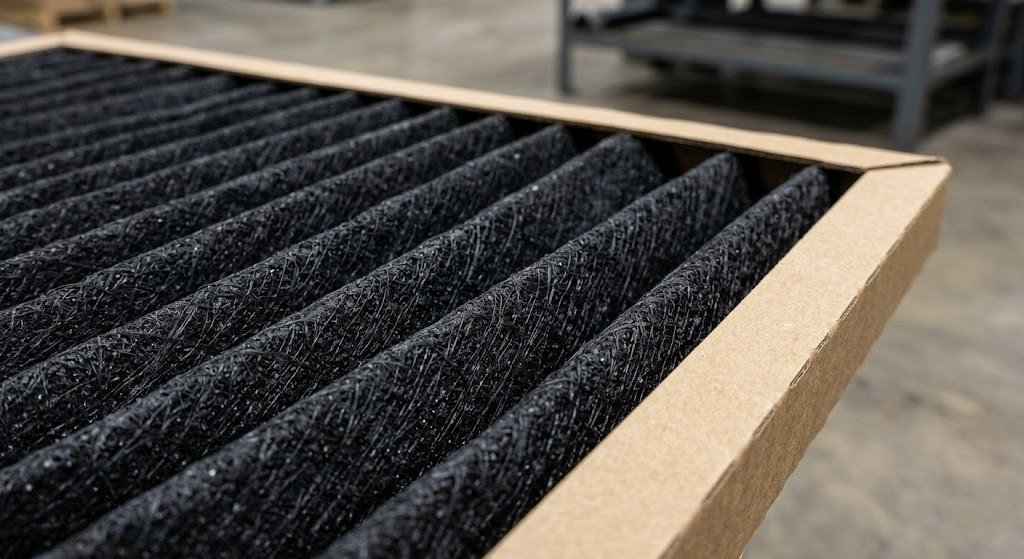
Pleated Carbon Panel Filters
Designed for light odor control and basic VOC removal in standard HVAC systems. Features impregnated synthetic media that provides active carbon filtration with minimal initial pressure drop.
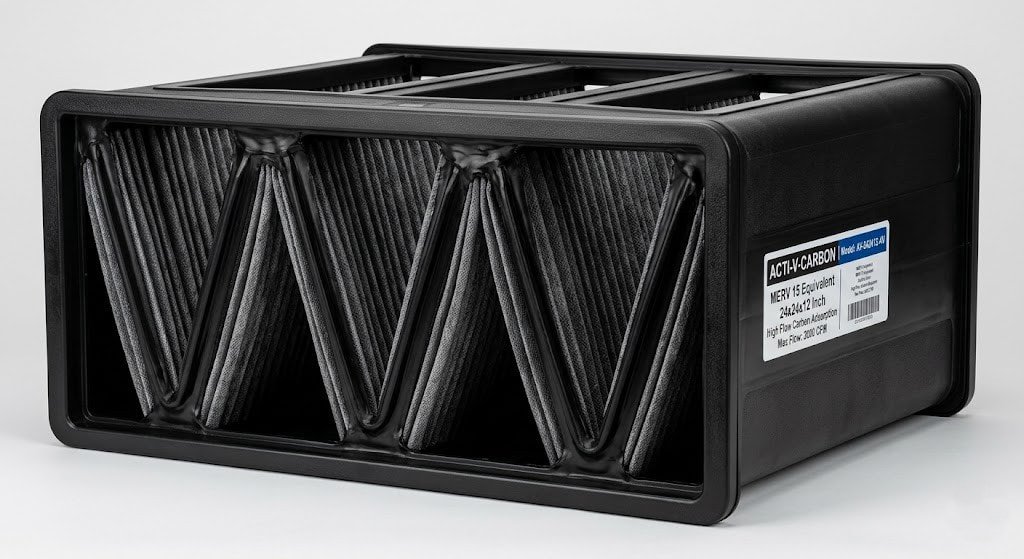
High-Capacity V-Bank Carbon Filters
Engineered for commercial AHU systems requiring extended residence time. The rigid aerodynamic design houses micro-granular carbon, offering high adsorption capacity for demanding gas-phase filtration.
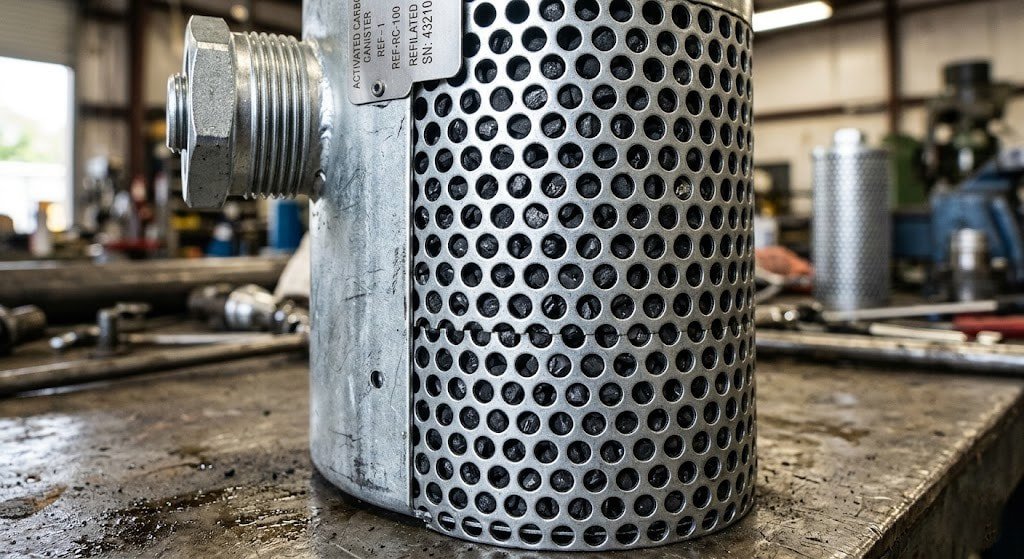
Refillable Carbon Canisters
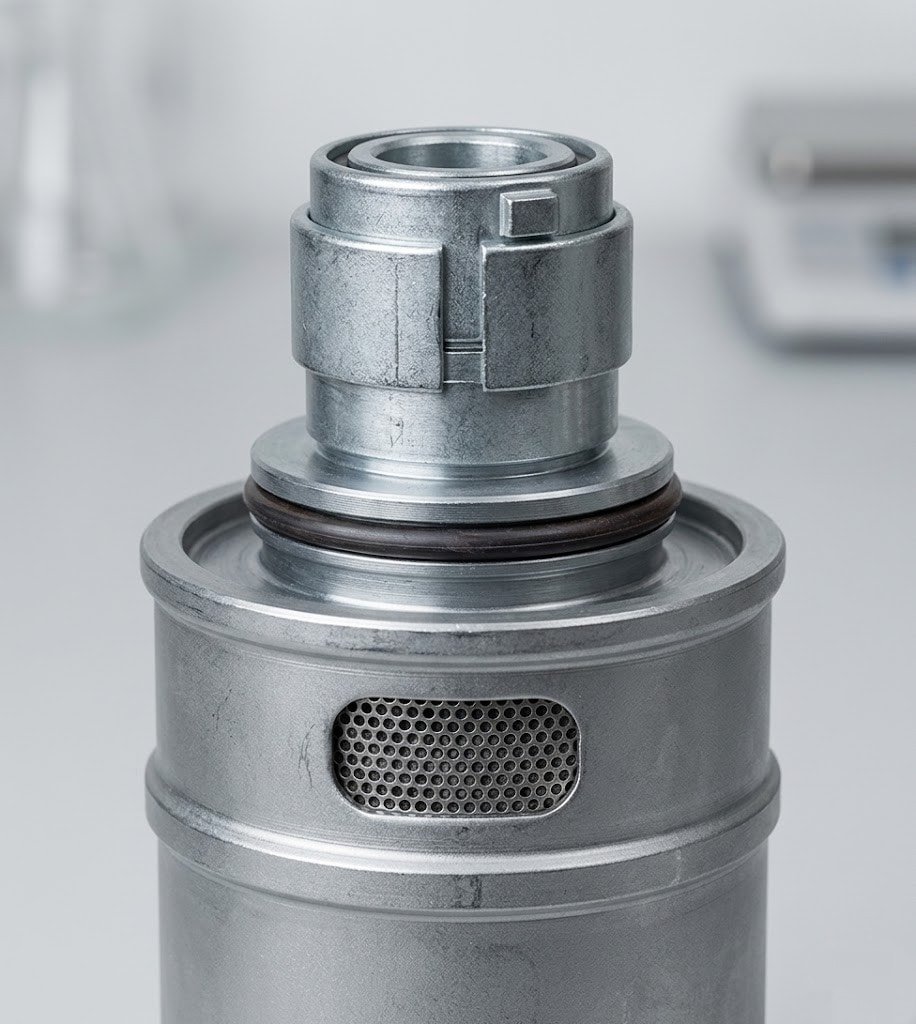
Built for heavy-duty industrial exhaust and toxic gas adsorption. Features a deep-bed galvanized or stainless steel cylinder design that maximizes carbon loading and allows for bulk media replacement.
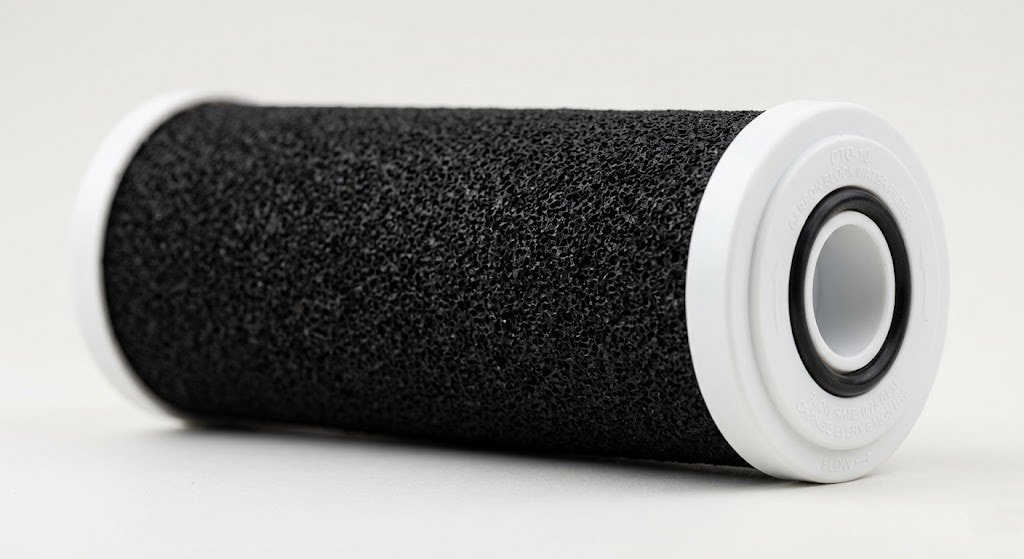
Liquid Phase Carbon Cartridges (CTO/GAC)
Extruded carbon block and granular activated carbon cartridges optimized for fluid purification. Effectively removes chlorine, organics, and colorants from process water and industrial plating solutions.
Target Contaminant Adsorption Matrix
Engineering Insight: For targeted VOC removal, matching the exact chemical compound with the correct carbon impregnation is critical to prevent premature breakthrough.
High Adsorption Capacity
Standard GAC / ACF Media
Needs Impregnated Carbon
Specialized Treatment Required
Need a custom impregnation formula?
Our engineers match filter media to your specific industrial application.
Media Selection for Industrial Activated Carbon Filters
Proper media selection is the foundation of effective filtration. We match the chemical properties of your specific emissions with the correct carbon matrix to ensure complete neutralization.
Broad-Spectrum VOC Adsorption
Standard virgin activated carbon is highly effective for capturing baseline industrial solvents like toluene, xylene, and benzene.
Application
Baseline Solvents
Toluene, Xylene, Benzene
Impregnated Chemical Capture
Target: Challenging Contaminants For challenging contaminants such as formaldehyde, ammonia, or hydrogen sulfide, we deploy chemically treated media designed for targeted chemisorption.
1. Formaldehyde
2. Ammonia & H2S
*Requires impregnated chemical capture.
Residence Time Calculation
System effectiveness depends on contact time. Our engineering team calculates the precise residence time required based on your airflow and concentration levels to prevent premature breakthrough.
Get precise specifications from our engineering team in 24 hours.
Proven Applications Across Industrial Sectors
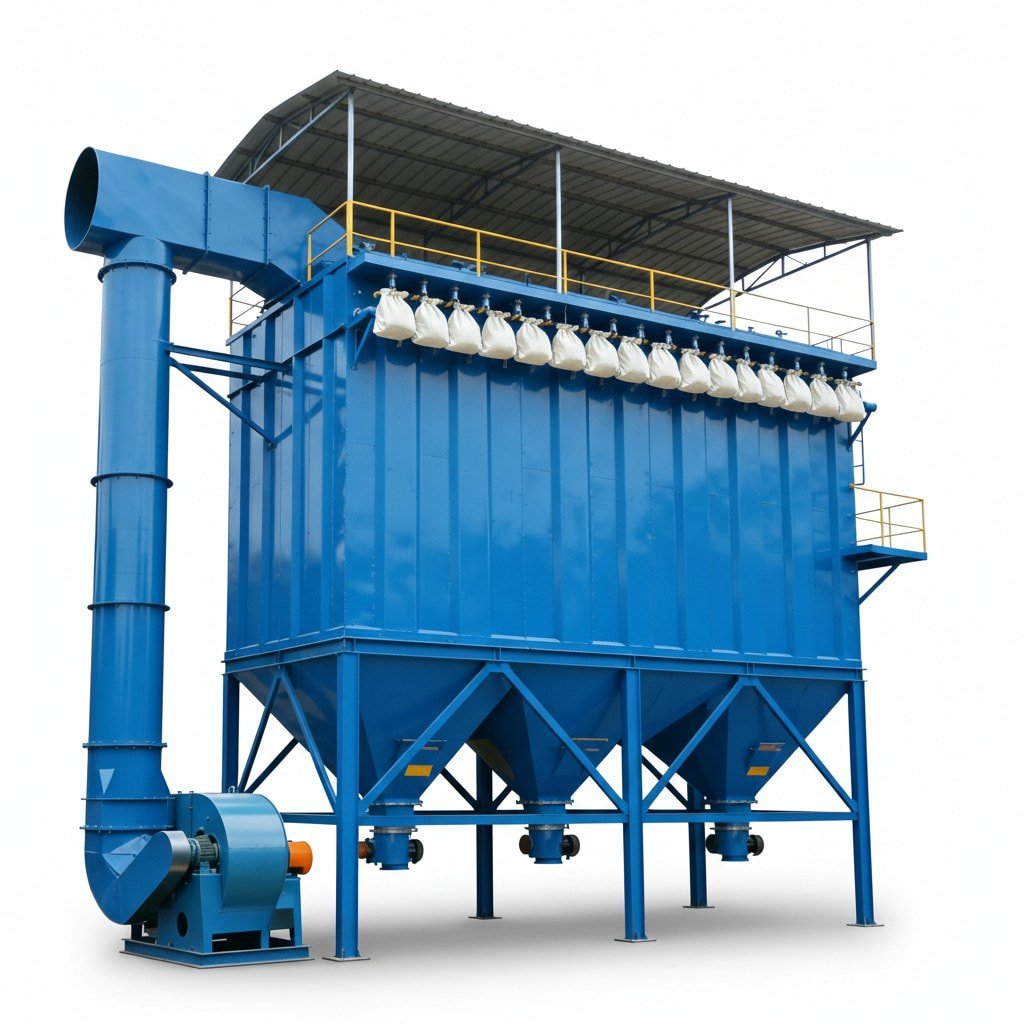
Carbon Filters for Semiconductor Cleanrooms
Controlling Airborne Molecular Contamination (AMC). Our high-purity carbon modules prevent dopant gases and organic vapors from causing wafer defects in photolithography processes.
Odor Control in Commercial HVAC
Integrated into air handling units for airports, hospitals, and large commercial spaces to neutralize jet fumes, exhaust, and biological odors, ensuring high indoor air quality (IAQ).
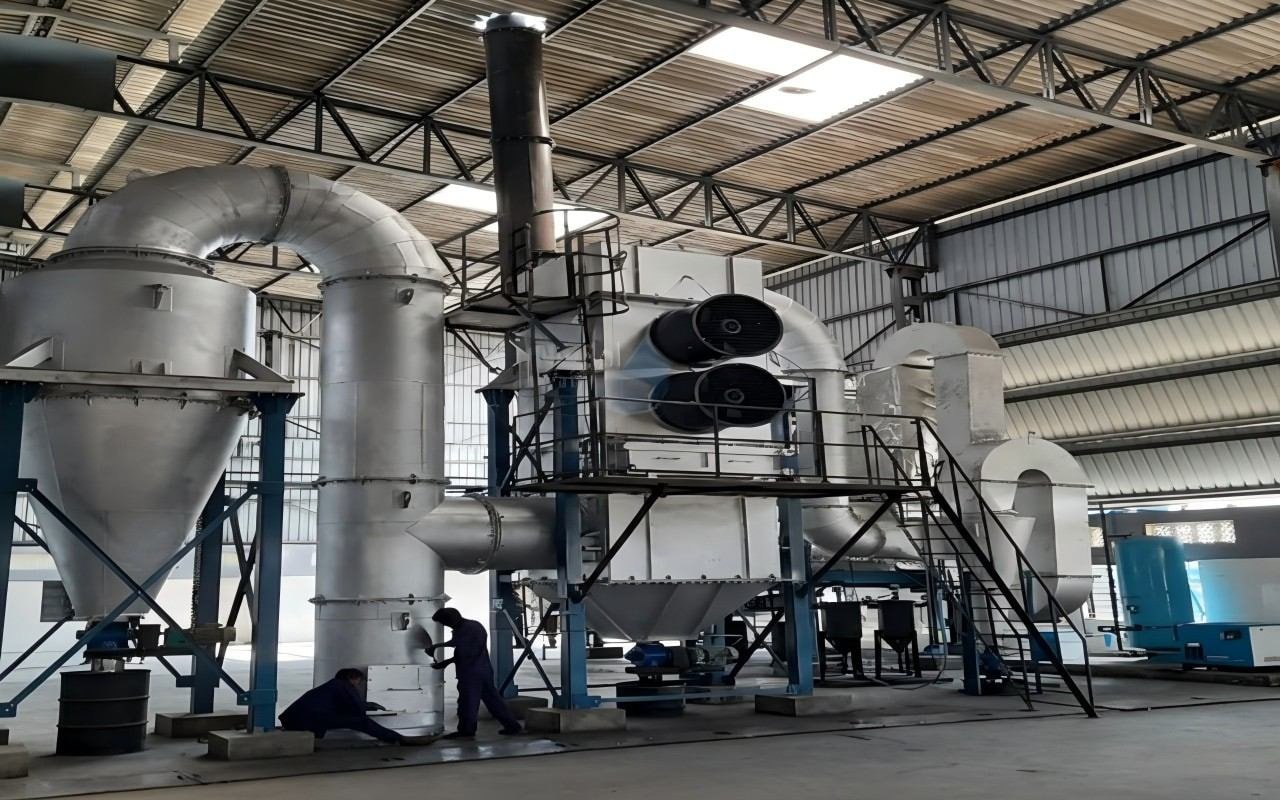
VOC Removal for Heavy Machinery
Deployed in paint booths, chemical processing, and industrial welding exhaust systems to capture high concentrations of toluene, xylene, and other harmful industrial solvents.
Proven Field Applications of Industrial Activated Carbon Filters
Our filtration systems are deployed across sectors with stringent air quality requirements, delivering measurable improvements in both emission control and operational efficiency.
Cross-Industry Deployment: Successfully utilized for Airborne Molecular Contamination (AMC) control in semiconductor fabs, VOC reduction in chemical processing, and odor mitigation in commercial HVAC networks.
Photovoltaic Manufacturing Application: A solar cell facility faced excessive energy costs and frequent downtime due to the high airflow resistance of their legacy filtration setup.
- Measurable Operational Impact: By implementing our low-resistance V-bank carbon filters, the facility successfully optimized its exhaust system.
- Reduced VOC emissions significantly, maintaining concentrations below the 0.5ppm threshold.
- Simultaneously cut exhaust fan energy consumption by 12%, directly addressing their primary operational pain point.
Technical Glossary: Activated Carbon KPIs
Selecting the right filtration media goes beyond dimensions. Understanding these core metrics ensures you maximize operational lifespan, maintain strict compliance, and lower your Total Cost of Ownership.
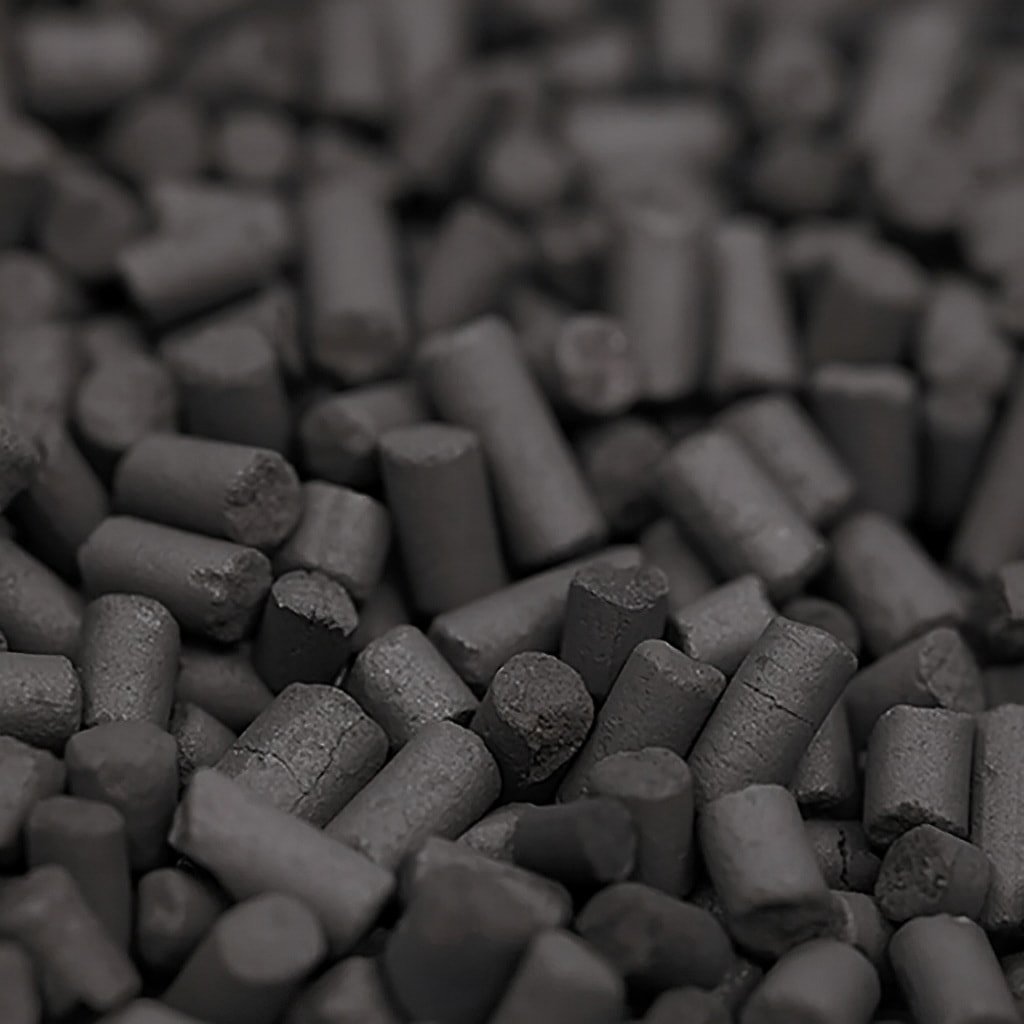
Iodine Value
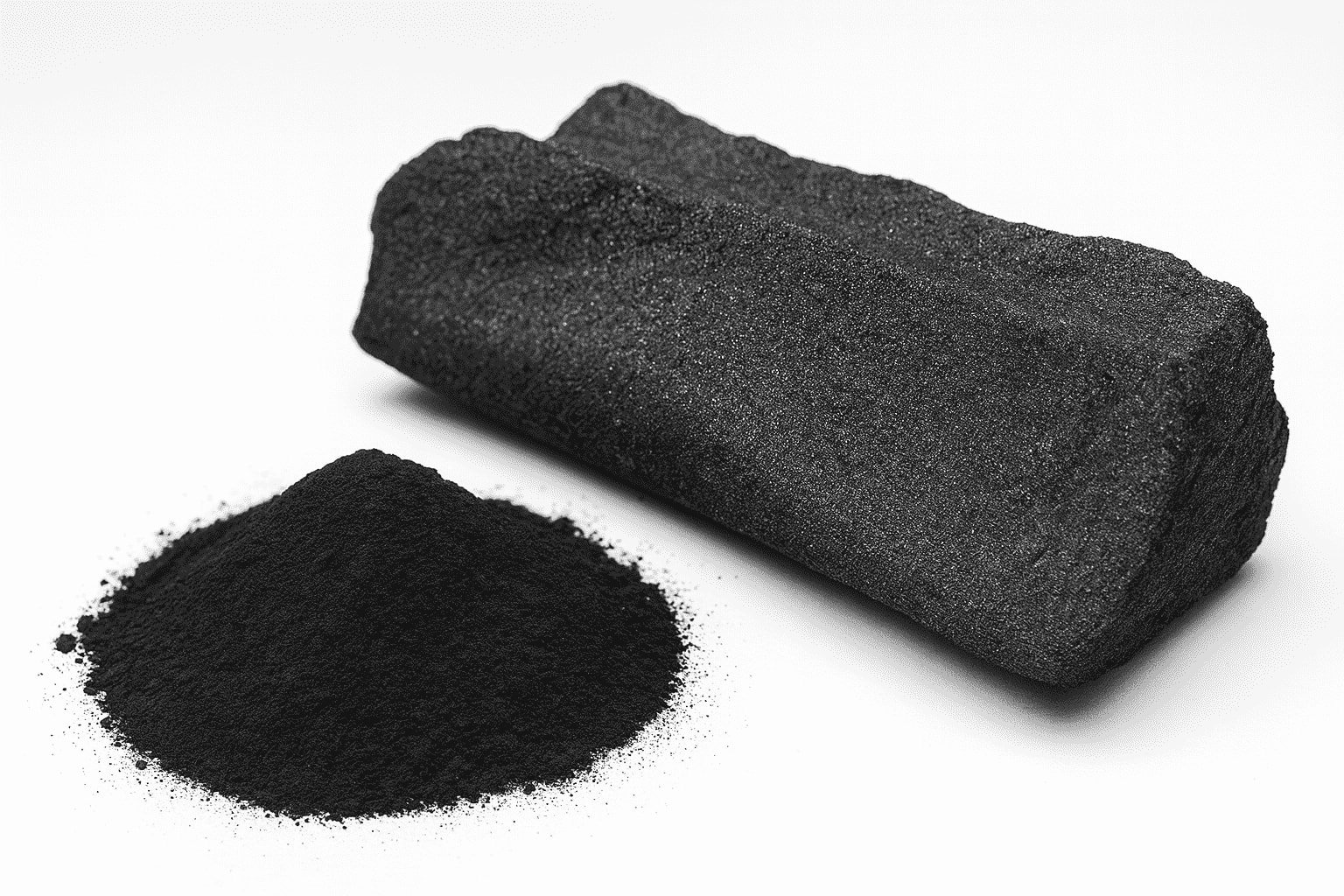
Think of activated carbon micropores as parking spaces for microscopic gas molecules. The iodine value directly measures the volume of these available "parking spaces."
Why it matters: A higher iodine value means exponentially more surface area. This translates to longer filter life, higher gas-holding capacity, and significantly less frequent replacement cycles.
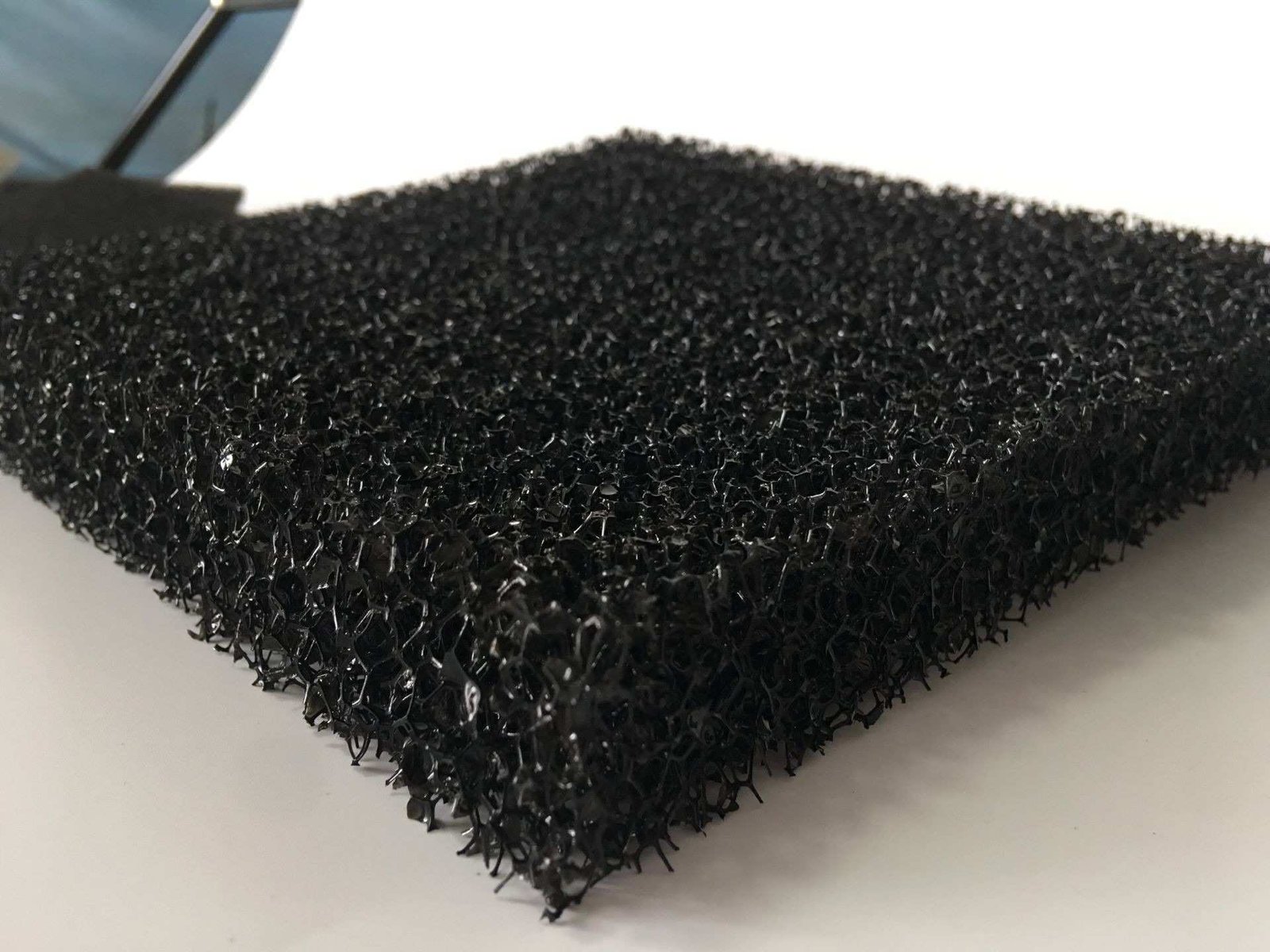
CTC Activity
This measures the media's porosity for adsorbing larger organic molecules. If Iodine counts standard parking spots, CTC indicates how well the carbon accommodates heavy-duty, oversized vehicles (complex VOCs).
Why it matters: High CTC guarantees stable performance in demanding industrial environments. It ensures your system handles heavy VOC loads without sudden pressure drops or efficiency loss.
Residence Time
The exact duration contaminated air spends passing through the carbon bed. Imagine a security checkpoint—if the airflow moves too fast, hazardous contaminants slip through uncaptured.
Why it matters: Properly engineered residence time prevents premature breakthrough. It maximizes removal efficiency, protecting downstream equipment and ensuring facility compliance.
Estimating the Lifespan of Your Industrial Activated Carbon Filters
Filter life isn't a guessing game. By tracking your specific gas concentration and daily airflow, we can calculate exactly when the carbon will saturate, preventing unexpected emission breaches.
Tracking Gas Concentration
The heavier the VOC load (measured in ppm), the faster the carbon micropores fill up. Consistent baseline monitoring is required for accurate lifecycle predictions.
Weight vs. Volume
The physical weight of the carbon media dictates its total holding capacity. A filter might look large, but if it's packed loosely, it will burn out quickly. We calculate lifespan based on actual carbon mass.
Installing VOC Monitors
We advise placing a downstream gas detector (PID monitor) after the filter. The moment it detects trace VOCs escaping, you know the media is fully saturated and requires an immediate swap.
Request a Free Lifespan Analysis
Or contact our engineering team directly:
- Annie.chen@clearfilterpro.com
- +86 13538992575
- 30 Andeli, West Yuhua Road, Nanjing
Compliance & Maintenance for Industrial Activated Carbon Filters
Consistent performance is critical for regulatory compliance. Understanding the operational lifecycle of your filter ensures continuous protection and prevents unexpected downtime.
Verified Engineering Data
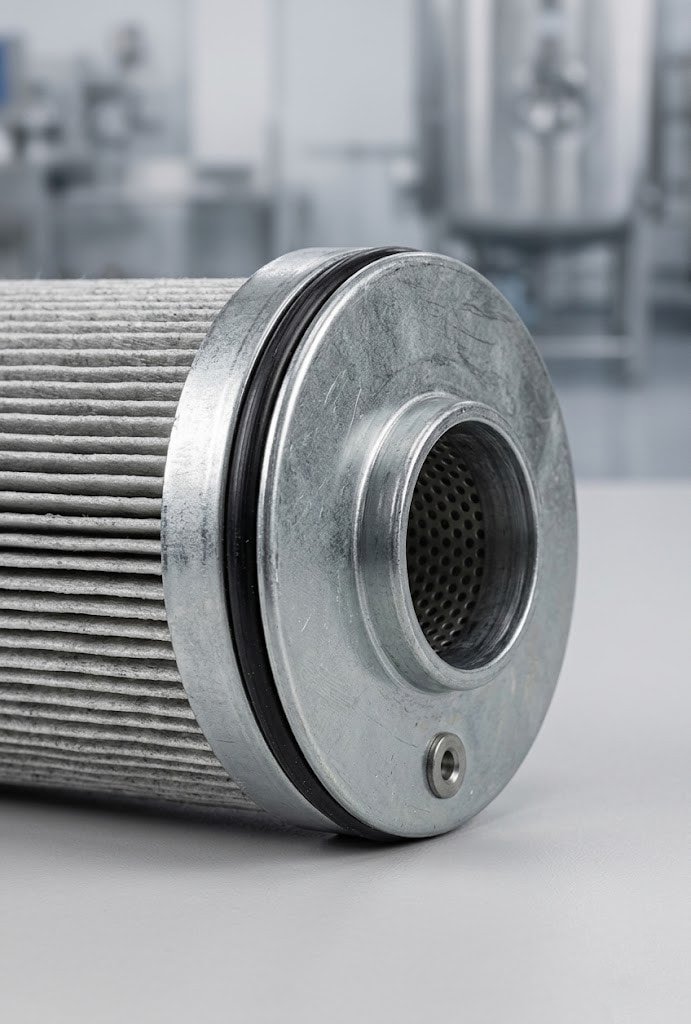
Unit-by-unit DOP/PAO scan leak testing ensuring zero-compromise performance.
Meeting Regulatory Standards
Our systems provide the filtration efficiency required to meet strict EPA emission limits and maintain OSHA-compliant indoor air quality for facility personnel.
Monitoring Pressure Differentials
A rapid increase in pressure drop typically indicates premature clogging. Upstream particulate filters should be inspected and replaced regularly to protect the carbon micropores from dust blinding.
Managing Breakthrough Risks
If odors are detected before the scheduled change-out, factors such as excessive air velocity or high relative humidity (above 70%) may be inhibiting adsorption. Our team can assist in re-evaluating the system parameters.
Spent Carbon Management: End-to-End Lifecycle Support
Activated carbon systems require precise lifecycle management to ensure continuous VOC removal and operational compliance. Relying on scheduled visual inspections is mathematically inadequate for highly variable industrial emissions. We implement rigorous, data-driven protocols to determine exact saturation points and manage the complete material lifecycle, eliminating maintenance guesswork.
Pressure Drop Monitoring
Continuous tracking of differential pressure across the filter bed identifies particulate accumulation and structural impedance before system airflow is compromised, securing fan energy efficiency.
VOC Breakthrough Detection
Utilizing integrated sensor arrays to monitor effluent gas streams. This guarantees media replacement occurs precisely when adsorption capacity reaches critical exhaustion, preventing hazardous emission spikes.
Safe Disposal & Thermal Regeneration
Saturated carbon is extracted in strict compliance with environmental regulations. We facilitate safe handling, legal disposal, and thermal reactivation processes to restore adsorption properties, establishing a sustainable, closed-loop maintenance cycle.
Lifecycle Support Metrics
Why Industrial Activated Carbon Filters Require Particulate Pre-Filtration
"Carbon is meant to catch invisible chemical gases, not workshop dust. Skipping the pre-filter is the fastest way to blind the media and ruin an expensive carbon bed."
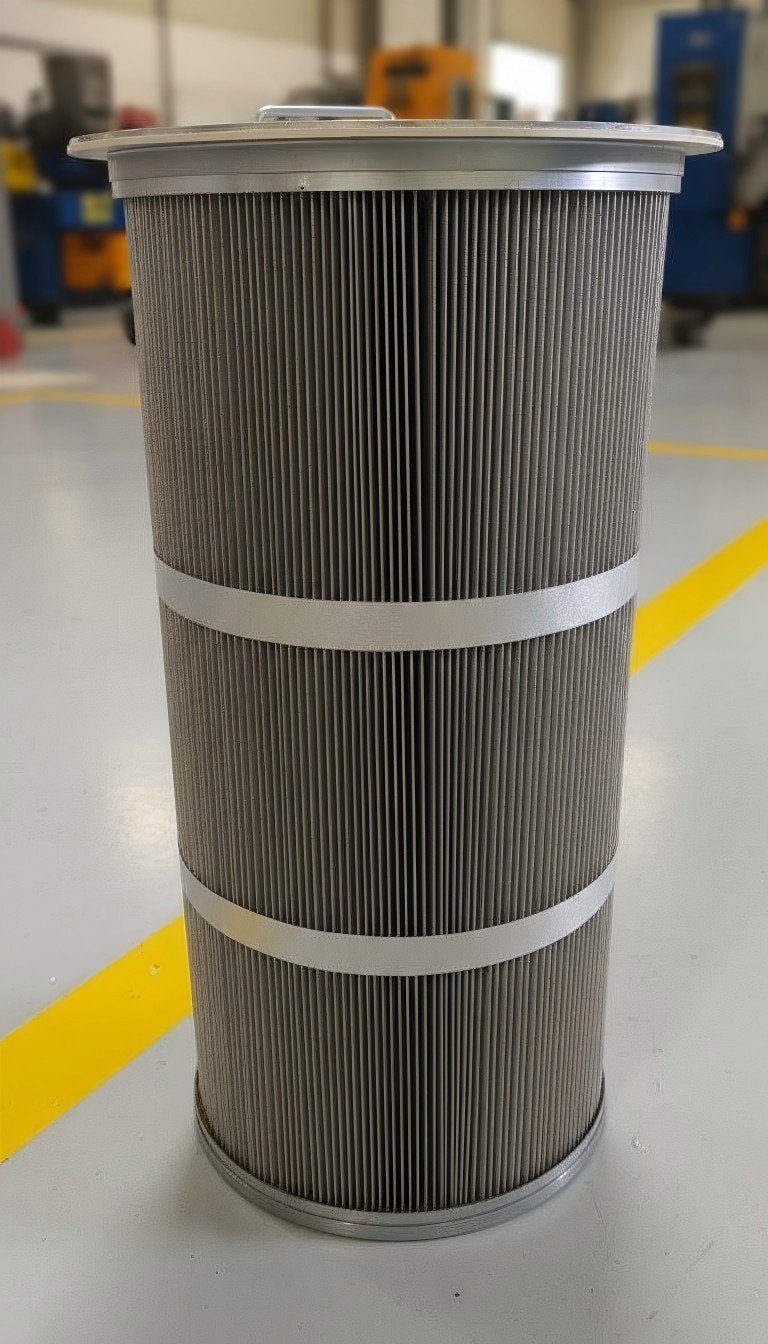
Preventing Pore Blinding
Fine dust and aerosols will physically cover the outer surface of the carbon granules, preventing VOCs from entering the active adsorption sites inside.
Recommended Upstream Protection
We specify installing a minimum MERV 8 to MERV 13 pleated particulate filter directly upstream of the carbon module to intercept physical debris.
Lowering Maintenance Costs
Swapping out a cheap fiberglass or synthetic dust filter every few weeks protects the heavy investment of your primary carbon cartridges, lowering your total operational overhead.
Factory Direct Economics
Zero Middleman Markup
VOC Control Technology Comparison
An objective analysis of Activated Carbon Filtration versus Regenerative Thermal Oxidizers (RTO) to help you engineer the most cost-effective emission control strategy.
Engineering Excellence
Data-Driven Filtration Strategies
| Dimension |
Activated Carbon Filters
|
Regenerative Thermal Oxidizers (RTO) |
|---|---|---|
|
Initial CAPEX
Capital Expenditure
|
Low to Moderate
Highly cost-effective equipment setup. Requires minimal structural reinforcement and basic housing. |
Extremely High
Requires significant structural engineering, ceramic media beds, and complex thermal management systems. |
|
OPEX
Operating Expenses
|
Variable & Predictable
Costs are tied directly to media saturation and replacement cycles. Zero continuous energy burn required. |
Consistently High
Demands continuous natural gas or electricity consumption to maintain critical oxidation temperatures. |
|
Suitability
Application Fit
|
Low-Concentration / High-Volume
The clear choice for large air volumes with lower VOC PPM. Highly agile for intermittent operational shifts. |
High-Concentration / Continuous
Necessary for heavy, continuous VOC streams where the solvent load can help sustain the combustion process. |
While Regenerative Thermal Oxidizers (RTO) deliver exceptional performance for continuous, high-concentration VOC environments, they often impose an unnecessary financial burden on standard industrial operations. For facilities managing low-concentration, high-volume airflows, Commercial Activated Carbon Filters offer a significantly smarter approach. By drastically reducing initial capital expenditure and eliminating continuous thermal energy costs, carbon filtration provides highly effective, compliant VOC control without the heavy operational overhead.
Safe Disposal and Handling of Spent Industrial Activated Carbon Filters
"A saturated filter doesn't just disappear. Depending on what chemicals it absorbed, it may be classified as hazardous waste. Planning for safe removal is just as critical as the installation."
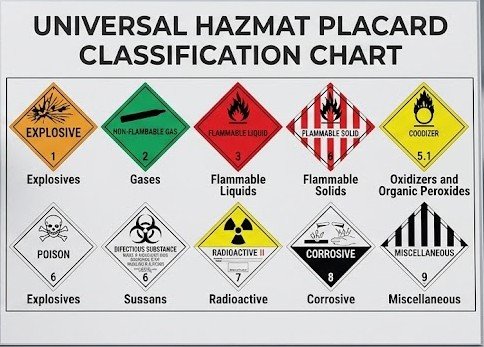
Hazardous Waste Classification
If the filter captured heavy solvents, toxic chemicals, or heavy metals, the spent carbon must be sealed and handled strictly according to local environmental protection agency guidelines.
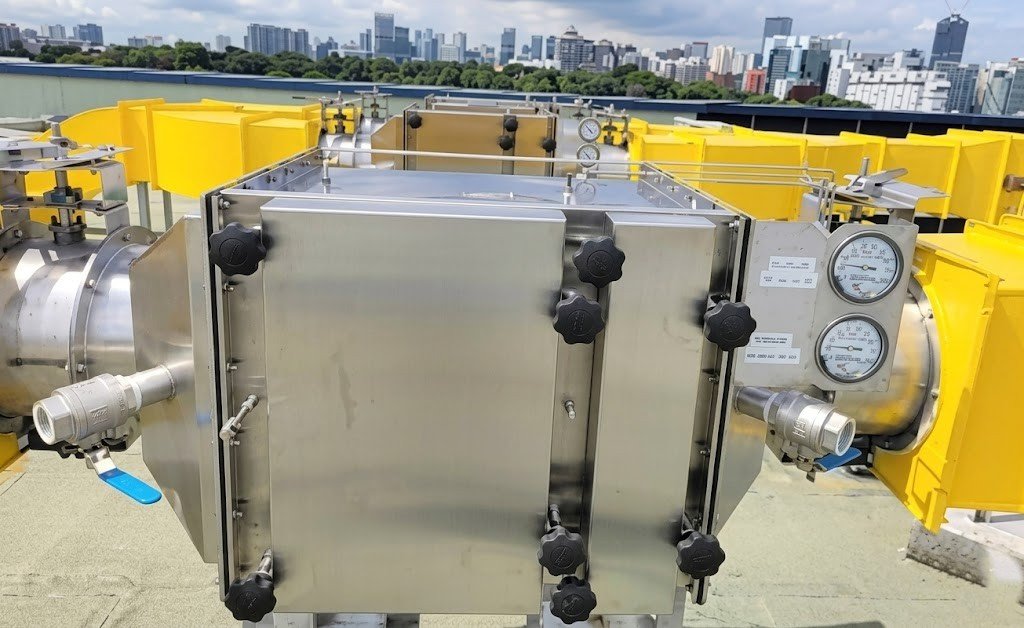
Bag-In / Bag-Out (BIBO) Systems
For highly toxic or pharmaceutical environments, we offer BIBO housing configurations so maintenance staff can replace filters without ever touching the contaminated media.
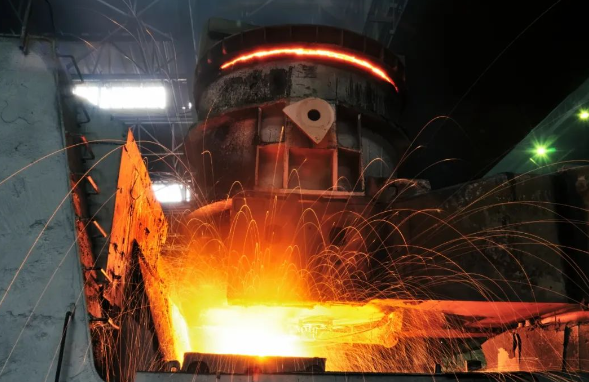
Thermal Reactivation
In some large-scale industrial operations, spent carbon can be safely transported to a facility where it is heated to extreme temperatures, destroying the VOCs and allowing the carbon to be reused.
How High Humidity Affects Industrial Activated Carbon Filters
Water vapor competes with VOCs for the microscopic spaces inside the carbon. If your facility is located in a humid region, we must factor environmental moisture into the system design.
The 70% Humidity Threshold
Standard activated carbon begins to lose adsorption capacity rapidly when relative humidity (RH) exceeds 70%. Water molecules essentially block the pores.
Dehumidification Strategies
For highly humid plant environments, we often recommend installing upstream heating coils or moisture separators to lower the air's relative humidity before it hits the carbon bed.
Specialized Media Options
If reducing humidity isn't mechanically possible, we can specify moisture-tolerant impregnated carbon blends designed to maintain performance in damp exhaust streams.
Troubleshooting & Failure Analysis
Are unexpected pressure drops or sudden compliance failures disrupting your production line? We know how frustrating it is when industrial filtration systems underperform. We partner with you to conduct deep root-cause analysis, using data-driven diagnostics to solve your most stubborn operational challenges and keep your facility running at peak performance.
Facing a Complex Filtration Challenge?
Don't let system failures and guesswork eat into your downtime. Reach out to our engineering team. We'll work closely with you to run custom fluid dynamics audits and deliver a clear, actionable root-cause diagnosis.
01
Sudden Pressure Drop Increase
Sudden Pressure Drop Increase
Diagnostic Cause
If you're seeing a rapid spike in pressure drop, your primary HEPA/ULPA matrix is likely being overwhelmed. This usually happens when large particulate matter bypasses your initial defense stages, causing severe dust blinding across the main filter media. Essentially, your front-end pre-filtration is failing to protect your core investment.
Engineering Solution
We recommend immediately upgrading your air inlet defenses. By configuring ISO ePM10 (F8) grade pre-filters at the front end, we can help you intercept that larger debris. This simple structural adjustment protects your primary modules and significantly extends the operational lifespan of your core filtration unit.
02
Premature VOC Breakthrough
Premature VOC Breakthrough
Diagnostic Cause
When VOCs break through earlier than expected, it means your gas isn't interacting properly with the media. We typically find two culprits:
- Your fan airflow might be exceeding design values, stripping away the crucial contact time needed between the gas and the media.
- Or, if your inlet relative humidity surges above 80%, moisture is causing competitive adsorption within the activated carbon matrix, pushing out the VOCs.
Engineering Solution
Let's get your system back to optimal residence time parameters. Here is how we can fix it together:
- We will recalculate your fluid dynamics data and help you adjust the operational flow to ensure the gas has enough time to be purified.
- If moisture is the issue, we can integrate frontend dehumidification or heating modules to actively control humidity levels before the air ever reaches the VOC stage.
Technical Filter Replacement & Maintenance FAQ
What is the recommended replacement threshold for the activated carbon media?
Can I wash and reuse the activated carbon media?
How do I select the right iodine value for my application?
Do you offer impregnated carbon for specific acidic gases?
Request a Technical Consultation
Provide us with your airflow requirements, target gases, and spatial constraints. Our engineering team will calculate the optimal carbon mass, residence time, and structural design for your facility.