
Synthetic Bag Filters for
High-Volume HVAC Systems
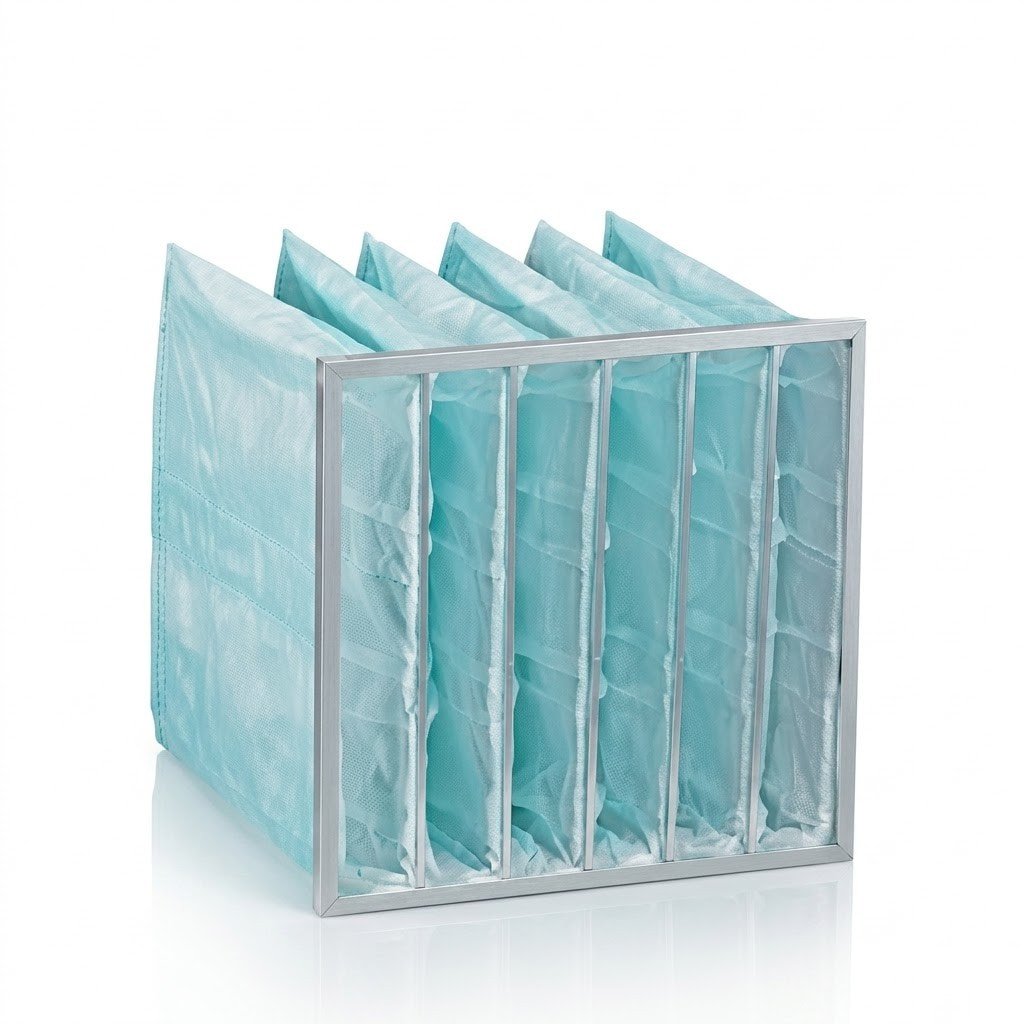
Engineered to maximize dust-holding capacity and maintain consistent filtration efficiency. Our structural pocket design reduces aerodynamic drag, directly lowering system energy consumption and extending routine maintenance intervals.

High Efficiency
Low Pressure Drop
Synthetic Bag Filters by Efficiency Rating
Engineered for optimal dust-holding capacity and minimal initial pressure drop. Validated to ISO 16890 standards for rigorous industrial and commercial pre-filtration.
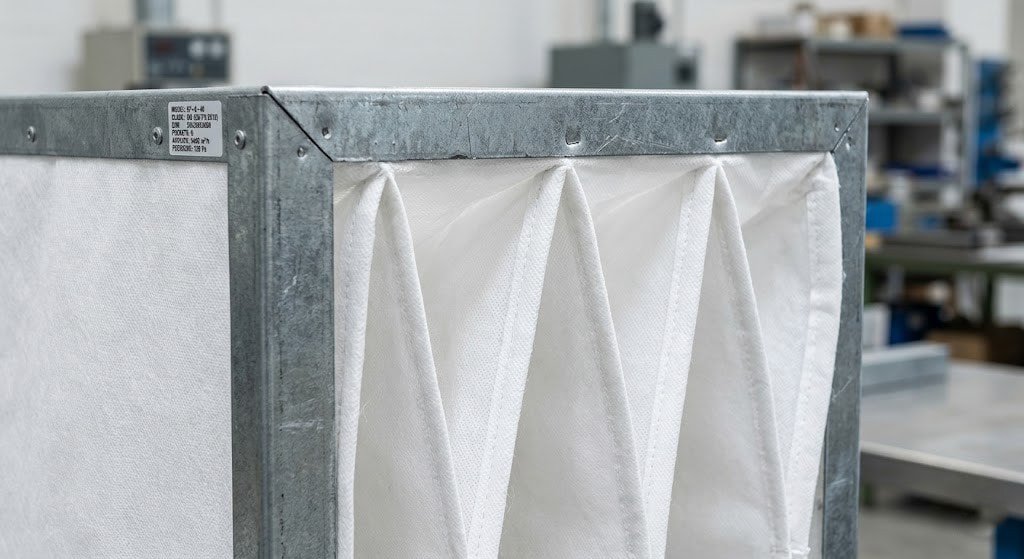
M5 & M6 Synthetic Pocket Filters
Designed for basic HVAC ventilation and pre-filtration. Features multi-pocket synthetic media that balances high dust-holding capacity with low initial pressure drop, extending the service life of terminal HEPA filters. (Meets ISO 16890 ePM10 standards).
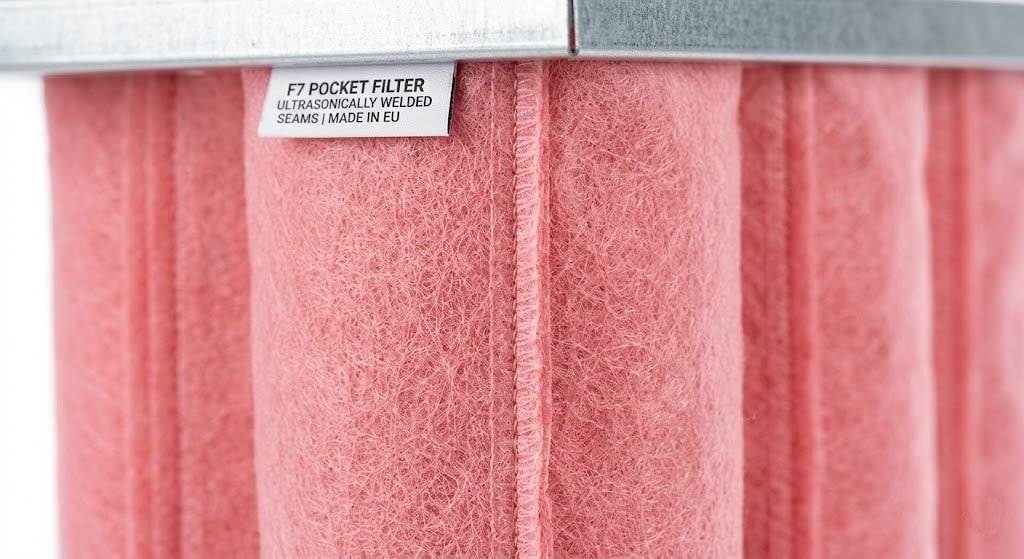
F7 High-Efficiency Bag Filters
The industry standard for commercial and light-industrial AHU systems. Provides reliable fine particulate removal. Engineered with ultrasonically welded seams to prevent air bypass under variable flow conditions.
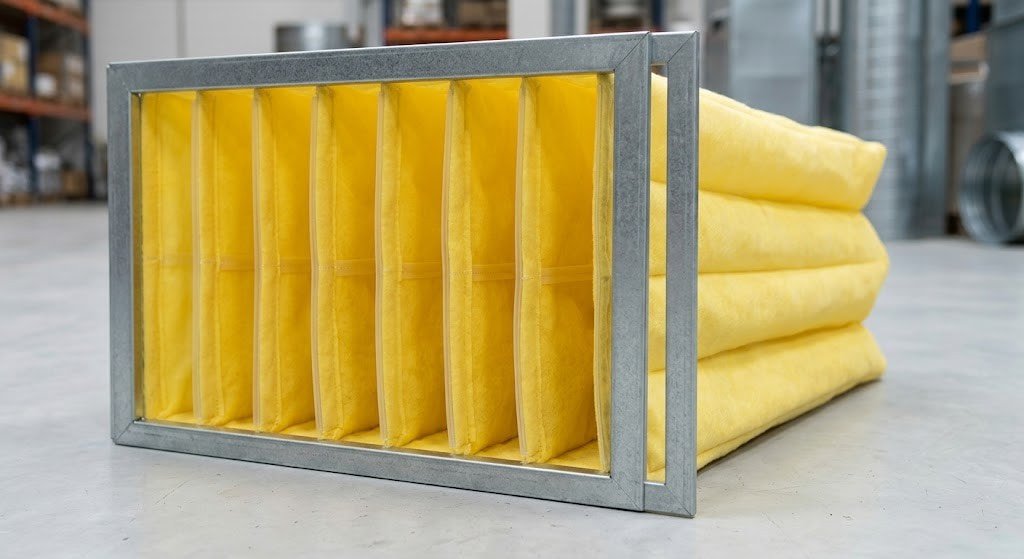
F8 & F9 Fine Particulate Filters
High-grade synthetic filtration for demanding environments, including hospitals and strict cleanroom pre-filtration. Delivers superior sub-micron particle capture (ISO 16890 ePM1 & ePM2.5) while maintaining structural integrity.
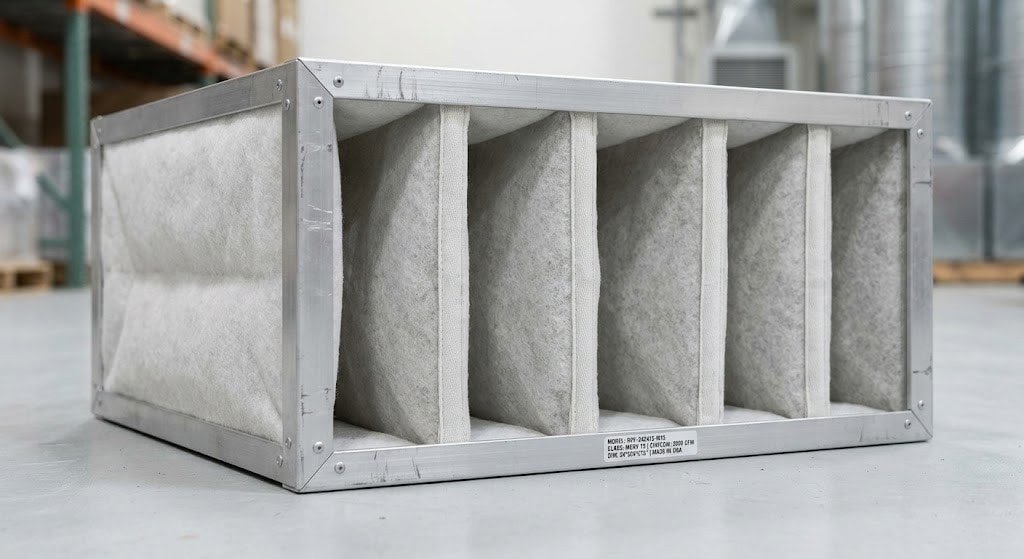
Rigid & V-Bank Pocket Filters
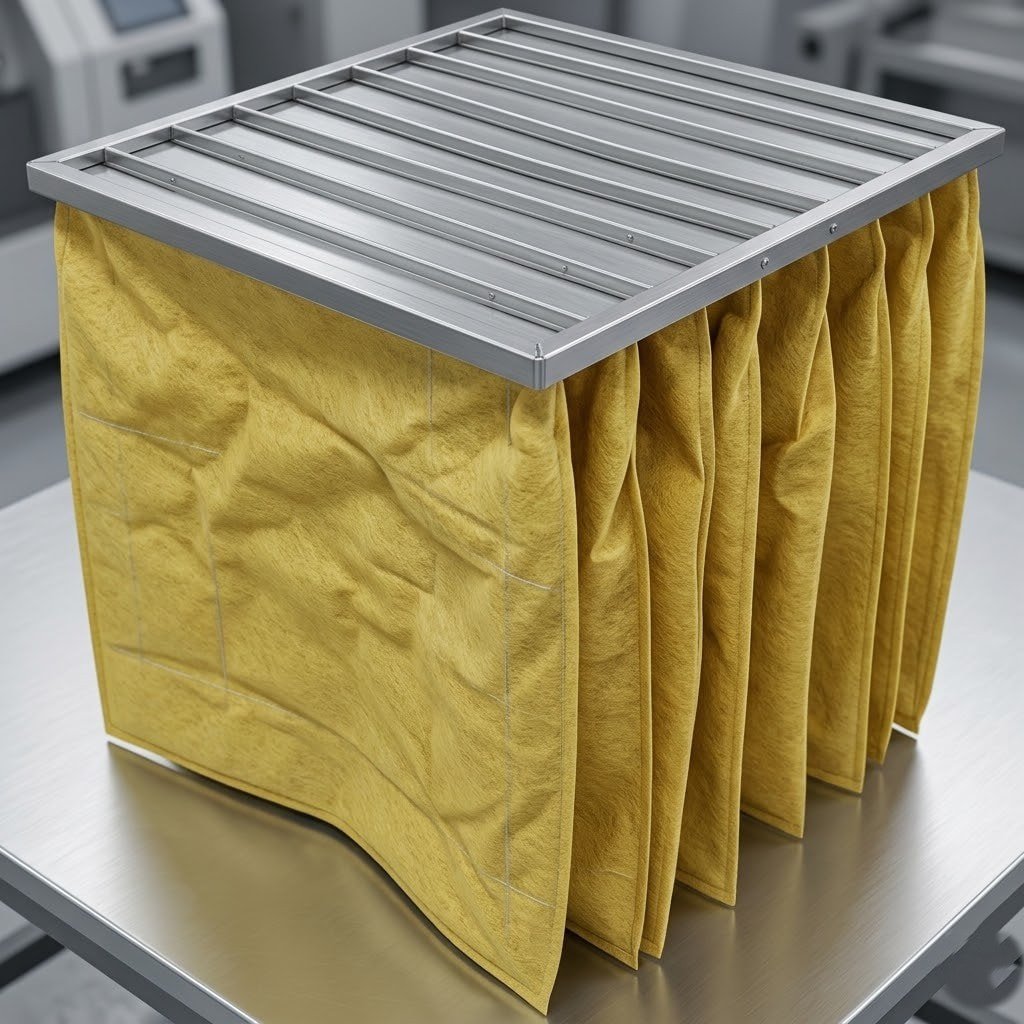
Built with aerodynamic self-supporting pockets for turbulent airflow systems. The galvanized steel or extruded aluminum header frames ensure a secure, leak-free installation in heavy-duty industrial applications.
Request Technical Data
Please provide your application details or custom dimension requirements. Our engineering team will respond within 24 hours.
Engineering Benefits of
Our Synthetic Bag Filters
A reliable filter doesn't just block dust; it maintains its shape under fluctuating airflow. We focused on the pocket geometry and welding techniques to prevent bypass leaks and media collapse.
Progressive Density Media
Coarser fibers on the outside and finer ones inside ensure the entire depth of the filter is utilized, avoiding rapid surface blinding.
Aerodynamic Pocket Spacers
Internal stitching prevents the individual bags from touching each other, eliminating dead zones and maintaining a low, stable pressure drop.
Ultrasonic Welded Seams
We use thermal welding instead of needles and thread. This eliminates microscopic holes, ensuring the seams won't leak under high-pressure conditions.
ISO 16890
100% Compliant</
Choosing Synthetic Bag Filters
Over Traditional Micro-Fiberglass
While fiberglass has its place in high-temperature settings, synthetic media solves the common operational issues of fiber shedding and moisture damage in standard commercial and industrial HVAC systems.

Synthetic Media (Polyester/PP)
-
Moisture & Humidity Resistance Synthetic fibers do not absorb water. They maintain their structural strength and pressure drop even in damp, high-humidity environments.
-
Zero Fiber Shedding Continuous synthetic filaments are tough and flexible. They won't break off into the clean air stream, protecting downstream HEPA filters and sensitive equipment.
-
High Mechanical Durability Highly resistant to tearing and rough handling during installation, preventing accidental media damage before the filter is even commissioned.
-
Limitation: Thermal Capacity Standard operational temperature restricted to 80°C (176°F). Not specified for high-heat industrial exhaust applications.

Traditional Micro-Fiberglass
-
Thermal Stability Engineered for high-temperature environments. Standard grades operate efficiently up to 120°C, while specialized variants can exceed 300°C without structural failure.
-
Filtration Efficiency Offers consistent sub-micron particle capture with a well-documented performance baseline across standard HVAC and cleanroom testing protocols.
-
Limitation: Mechanical Vulnerability Inherently brittle material profile. Susceptible to media fracture, shedding, and efficiency degradation if mishandled during installation.
-
Limitation: Moisture Sensitivity Prolonged exposure to high humidity can degrade binder integrity, increasing airflow resistance and reducing service life.
Unsure which media suits your specific industrial application?
Product Specifications
| Filter Class (EN779 / ISO 16890) | Dimensions (W x H x D mm) | Number of Pockets | Nominal Airflow (m³/h) | Initial Pressure Drop (Pa) |
|---|---|---|---|---|
| G4 / Coarse 60% | 592 x 592 x 380 | 6 | 3400 | 45 |
| M5 / ePM10 50% | 592 x 592 x 500 | 6 | 3400 | 65 |
| M6 / ePM10 60% | 592 x 592 x 600 | 8 | 3400 | 85 |
| F7 / ePM1 60% | 592 x 592 x 600 | 8 | 3400 | 110 |
| F8 / ePM1 70% | 592 x 592 x 600 | 8 | 3400 | 135 |
Lowering Total Cost of Ownership
with Synthetic Bag Filters
The initial purchase price of a filter is a fraction of the electricity required to push air through it. We engineer our pocket geometry specifically to minimize that aerodynamic drag.
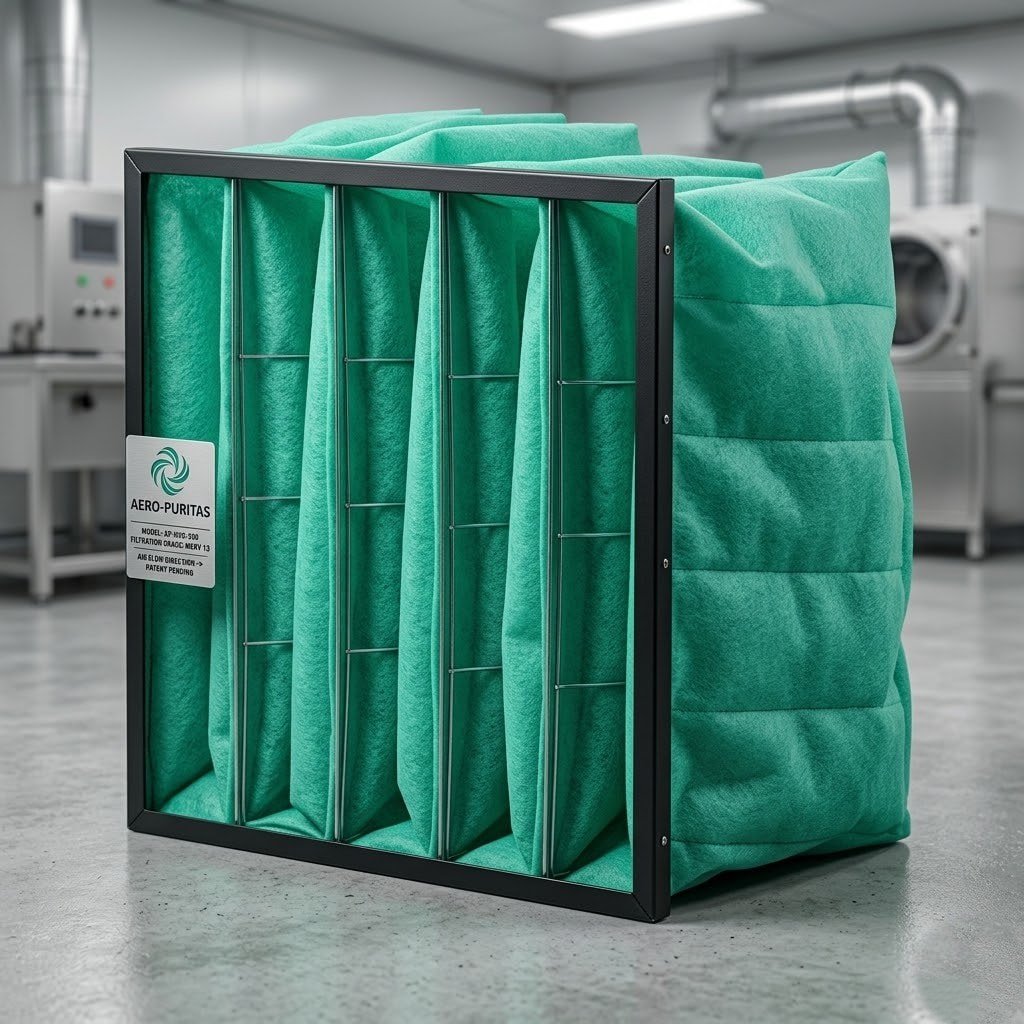
TCO Reduction Mechanics
- Initial Pressure Drop Optimized Low
- Fan Energy Usage Decreased
- Replacement Freq. Reduced
- Lifecycle Cost Minimized
The Impact of Initial Pressure Drop
Every extra Pascal (Pa) of resistance forces your AHU fans to work harder. Lower initial drag directly translates to immediate, measurable electricity savings.
Structural Stability Saves Money
Because our aerodynamic spacers prevent the media from sagging, the pressure drop stays stable longer, extending the time between costly filter change-outs.
-
Reduced kW/h consumption for system fans.
-
Extended dust-holding capacity and replacement intervals.
ISO 16890 & ASHRAE 52.2 Ratings for Synthetic Bag Filters
Navigating regional filtration standards can be complicated. We provide clear cross-reference data so you can specify exactly what your facility requires, regardless of the metric system you use.
ISO 16890
Evaluates filtration efficiency based on actual particulate matter (PM1, PM2.5, PM10) mass, providing a real-world indicator of indoor air quality improvement.
ASHRAE 52.2
Provides precise MERV ratings for North American compliance, helping you select the correct efficiency tier for commercial and industrial buildings.
Synthetic Bag Filters: Equivalency Matrix
Engineering Reference| ASHRAE 52.2 MERV Rating |
ISO 16890 Indicative Classification |
Target Minimums (Discharged State) |
Typical Industrial Application |
|---|---|---|---|
| MERV 11 | ISO ePM10 ≥ 60% | ePM10 ≥ 60% | Commercial HVAC, Pre-filtration for cleanrooms |
| MERV 12 | ISO ePM2.5 ≥ 50% | ePM2.5 ≥ 50% | Superior commercial buildings, Light industrial |
| MERV 13 | ISO ePM1 ≥ 50% | ePM1 ≥ 50% | Hospitals, General surgery, Heavy industrial intake |
| MERV 14 | ISO ePM1 ≥ 70% | ePM1 ≥ 70% | Pharmaceutical manufacturing, Microelectronics |
| MERV 15 | ISO ePM1 ≥ 80% | ePM1 ≥ 80% | Final filtration for critical healthcare, Pre-HEPA |
Engineering Disclaimer
Direct point-to-point conversion between ASHRAE 52.2 and ISO 16890 is strictly indicative. Variances occur due to differing test aerosols (KCl for ASHRAE vs. DEHS/KCl for ISO) and the mandatory electrostatic discharge protocol (IPA vapor) required by ISO 16890. ClearFilter guarantees performance metrics based on the specific standard requested during procurement.
Operating Principles & Applications of Synthetic Bag Filters
These filters are the workhorses of high-volume air intake systems. They are deployed in environments where heavy dust loading would quickly choke a standard pleated panel filter.
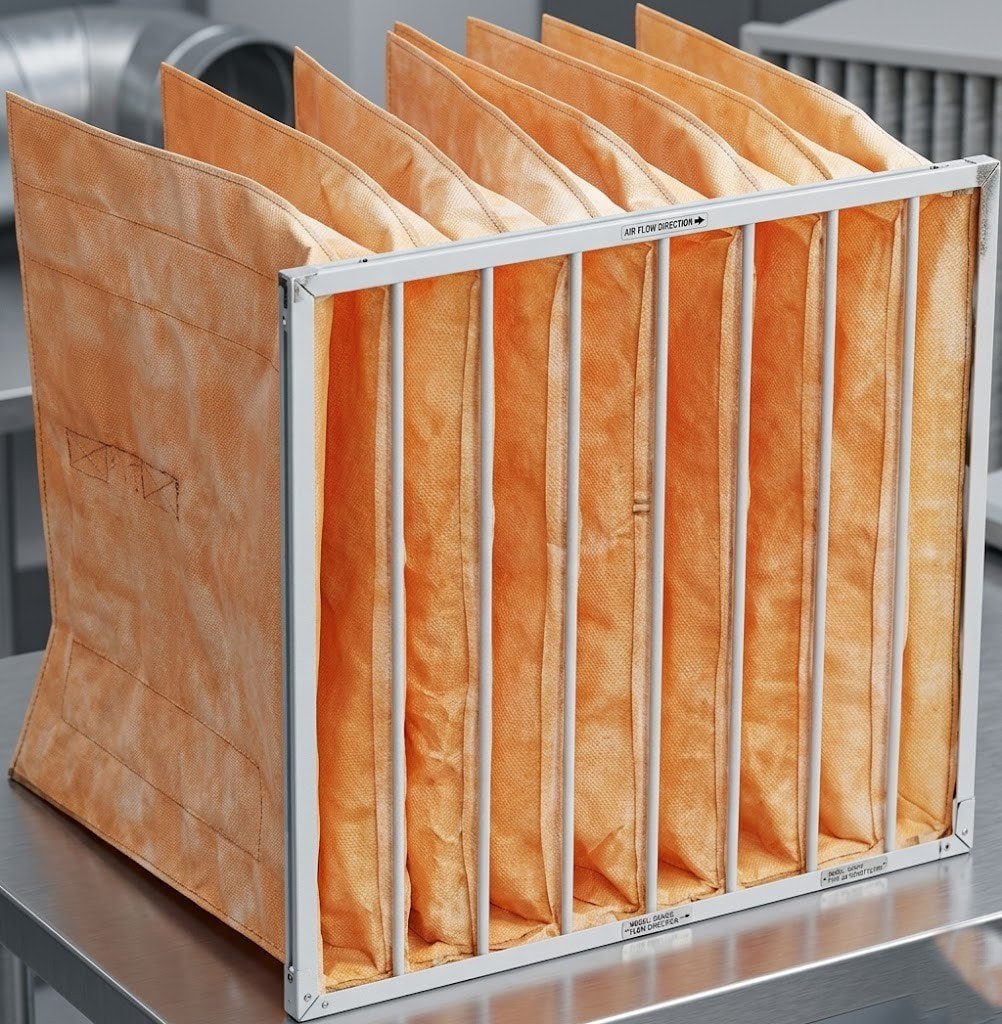
How They Capture Dust
Utilizing mechanical interception and diffusion, the extended pocket design provides massive surface area within a standard frame size.
Operating Principles & Integrity
The core function of our synthetic media relies on mechanical filtration principles: interception, impaction, and diffusion. Constructed with a progressive density gradient, coarser fibers catch large particulates while finer fibers trap micron-sized dust.
To maintain efficiency under variable airflow, structural integrity is vital. Our filters utilize internal aerodynamic spacers that ensure the pockets inflate uniformly. This prevents the media from blinding, avoiding rapid spikes in pressure drop and premature filter failure.
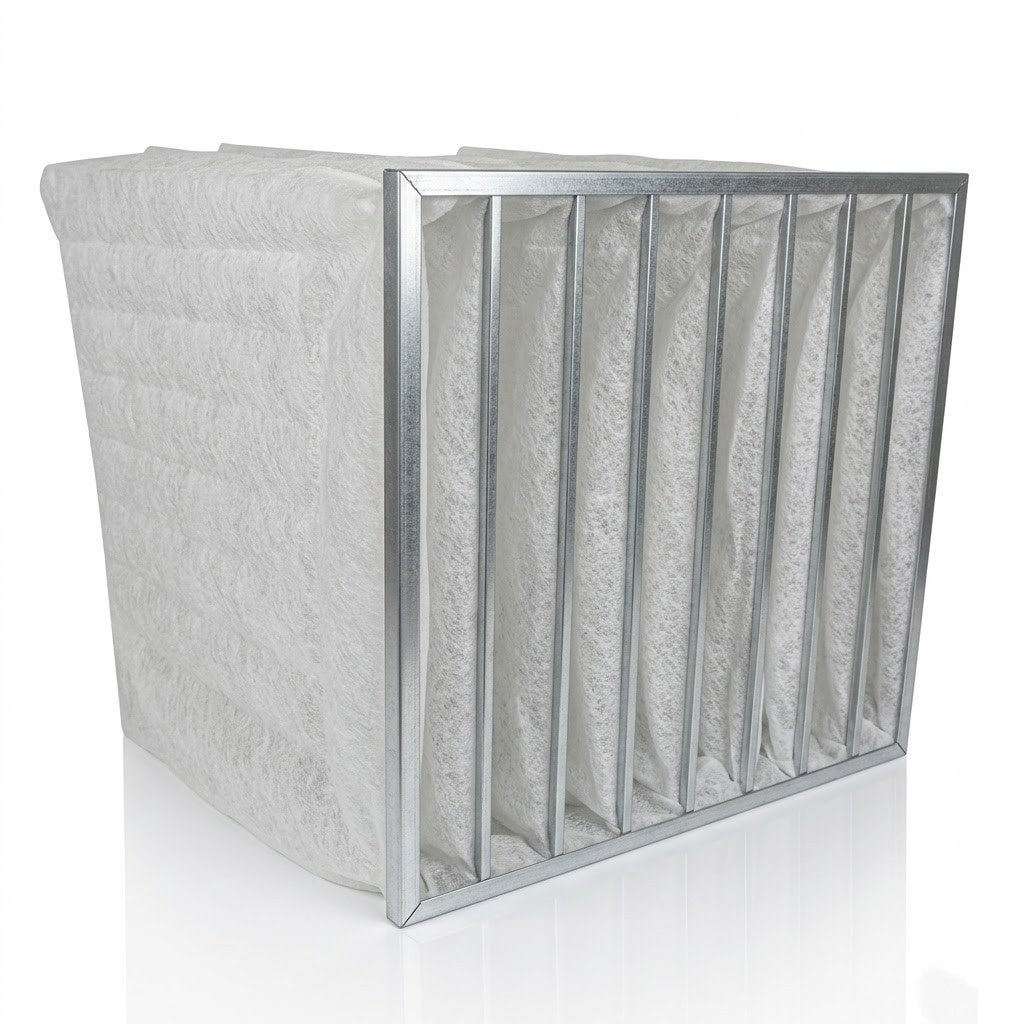
Primary Industrial Applications
Widely used as robust pre-filters in automotive paint booths, pharmaceutical cleanrooms, commercial real estate, and gas turbine air intakes to protect downstream equipment.
- Automotive Manufacturing: Paint booth air supply systems requiring high dust holding to protect finish quality.
- Pharmaceuticals & Microelectronics: Serving as pre-filters to extend the lifespan of terminal HEPA/ULPA filters in cleanrooms.
- Commercial Real Estate & Data Centers: General HVAC air intake to maintain indoor air quality (IAQ) and protect sensitive cooling coils.
- Gas Turbines: Intake air filtration systems where high moisture and heavy dust loads are common.
Maintenance Practices for Synthetic Bag Filters
Proper system monitoring prevents unexpected pressure spikes and protects your downstream operations. Here is a practical guide to getting the maximum safe lifespan out of your filters.
Monitor Final Pressure Drop
Don't guess when to change them. Set a clear differential pressure threshold (e.g., 250Pa) and replace the filters before they reach the point of catastrophic media failure.
Check for Bypass Leaks
Ensure the polyurethane sealing gaskets are fully compressed against the mounting frame during installation. Even a minor gap can ruin the entire system's efficiency rating.
Safe Handling & Storage
Keep replacements in their original packaging in a dry facility. Handle carefully during unpacking to avoid puncturing the pockets before installation.
Require Specialized Engineering Support?
Our technical team is ready to assist with custom replacement schedules, comprehensive system audits, and compliance validation for your facility.
Direct Contact
Annie.chen@clearfilterpro.com
Phone
+86 13538992575
Address
30 Andeli, West Yuhua Road,
Nanjing
ISO 16890 / EN 1822 Compliant
100,000-Class Cleanroom Production Environment
Manufacturing and Quality Control for
Synthetic Bag Filters
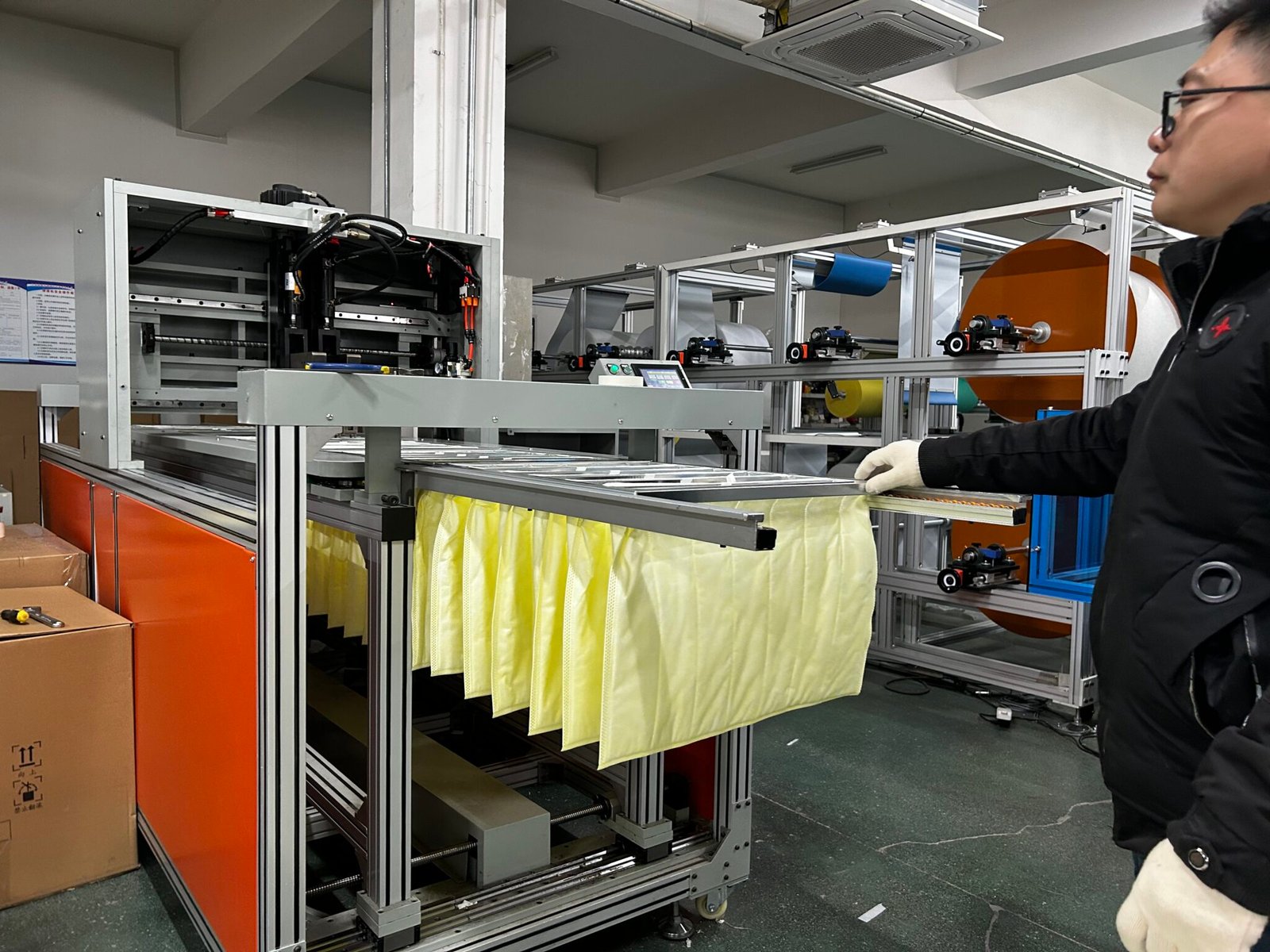
Consistent filtration performance starts on the production line. We control the entire process—from media pleating to frame assembly—to ensure no defective units reach your site.
Cleanroom Facilities
Manufactured in controlled environments to prevent initial particulate contamination of the media before shipping.
Automated Precision
Precision machinery dictates uniform pocket spacing and applies consistent sealing to eliminate human error.
Unit-by-Unit Testing
We don't just rely on random sampling. Strict adherence to leak-testing protocols verifies the structural integrity of every batch.
Agile OEM/ODM Support
If standard dimensions don't fit, our manufacturing setup allows for rapid prototyping and custom frame specifications to fit legacy HVAC systems.
Frequently Asked
Questions
Navigate the technical specifications and operational advantages of our industrial-grade Synthetic Bag Filters. Engineered for maximum dust-holding capacity and optimal airflow, these filters ensure zero-compromise performance in critical HVAC and manufacturing environments.
Discover MoreWhat is the typical dust-holding capacity and lifespan compared to standard fiberglass?
Do your synthetic media bag filters comply with international ISO 16890 standards?
Can these pocket filters withstand high-moisture or turbulent HVAC environments?
What customization options are available for frame dimensions and pocket configurations?
How does the initial pressure drop of your synthetic filters affect energy consumption?
Engineer Your Filtration Strategy with the Source Factory
From cleanroom-grade HEPA filters to heavy-industry hydraulic separation, ClearFilter delivers zero-compromise compliance and data-driven performance. Connect with our engineering team today for rapid prototyping, custom OEM/ODM solutions, or bulk supply inquiries.
Email Us
Annie.chen@clearfilterpro.comCall for Immediate Support
+86 13538992575Headquarters & Manufacturing
30 Andeli, West Yuhua Road, Nanjing
Request a Technical Quote
Please provide your project details below. Our technical specialists will respond within 24 hours.
Request a Quote
Please provide your project details below, and our technical team will respond within 24 hours.