
Industrial Oil-Water Separation Filters
for Liquid-Liquid Coalescence
Unplanned downtime caused by water in your fuel or lubrication systems is costly. Our coalescer and separator cartridges are engineered to reliably drop free and emulsified water down to 15 ppm, protecting your downstream equipment.
Oil-Water Separation Cartridges by Process Stage
Source-level vertically integrated manufacturing. From cleanroom-grade HEPA to heavy-industry liquid separation, our zero-compromise testing protocol ensures peak performance and compliance.
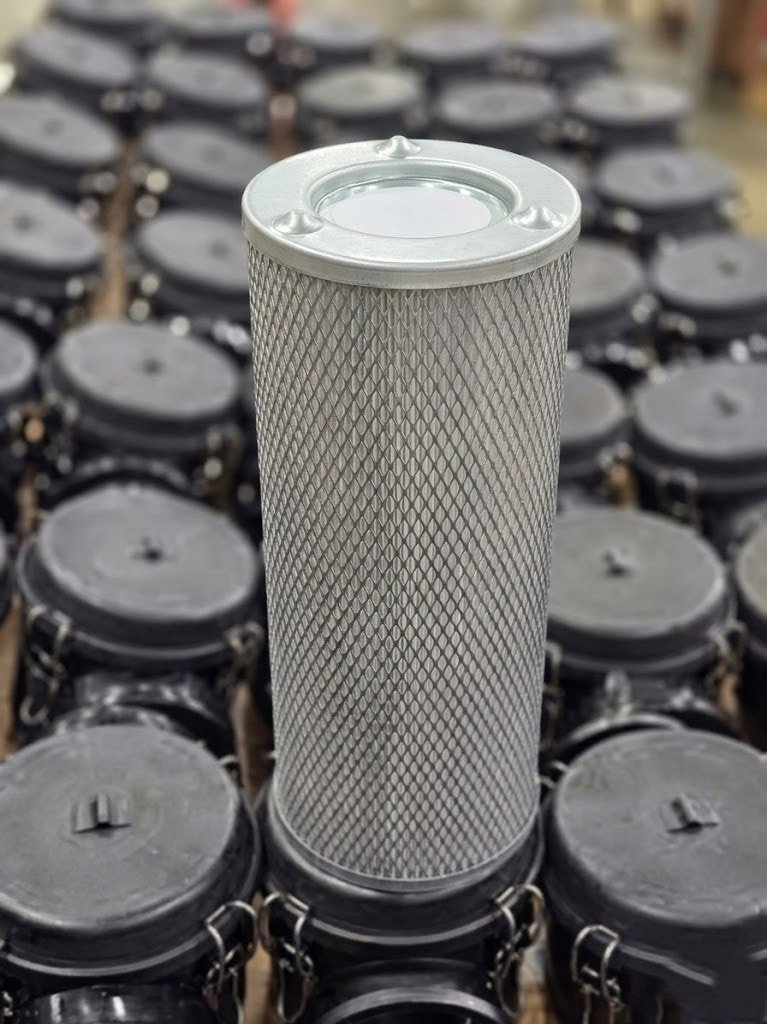
Particulate Pre-Filter Elements
Optimized for removing pipe scale and solid debris upstream. Extends the service life of coalescer stages.
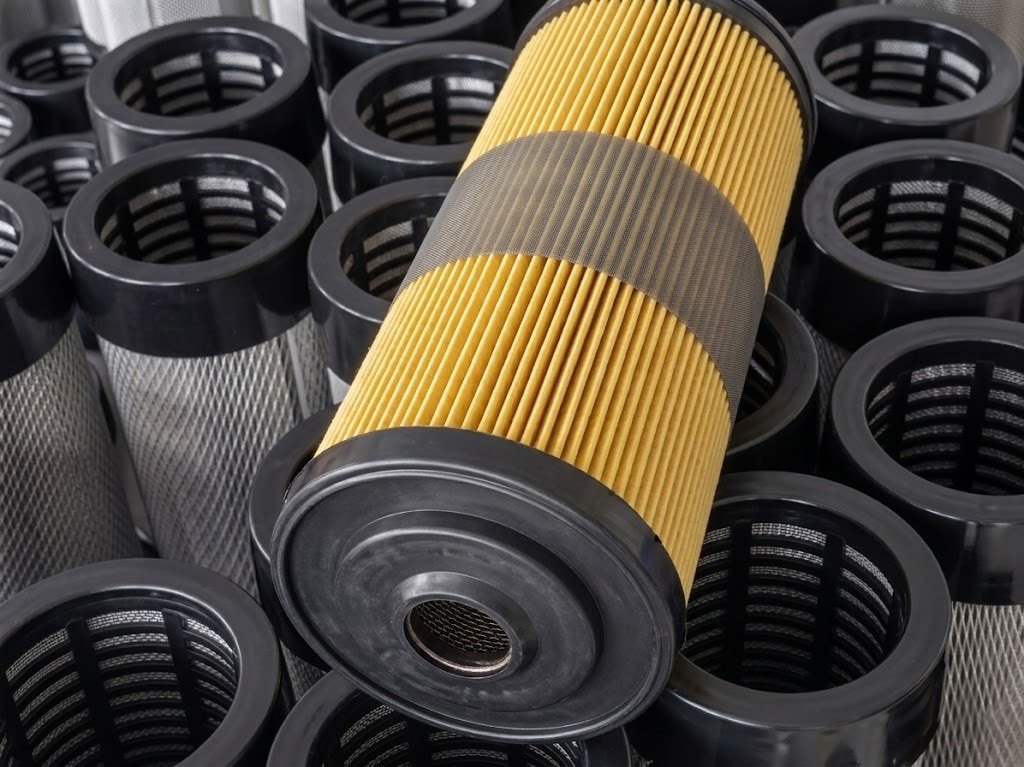
High-Efficiency Coalescer Elements
Engineered for multi-stage water droplet growth and gravity separation in hydrocarbon fluids.
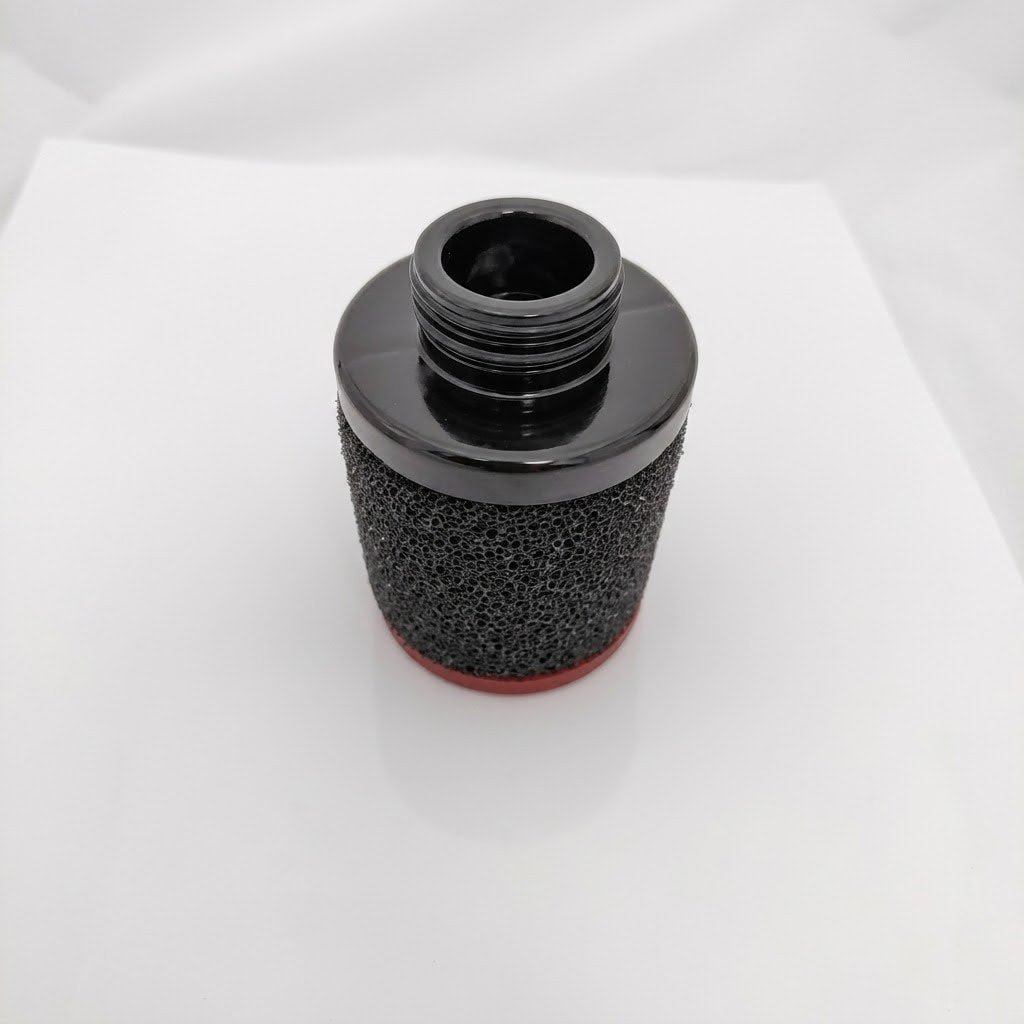
Hydrophobic Separator Elements
Features Teflon-coated stainless steel mesh to block coalesced water while allowing dry fuel to pass.
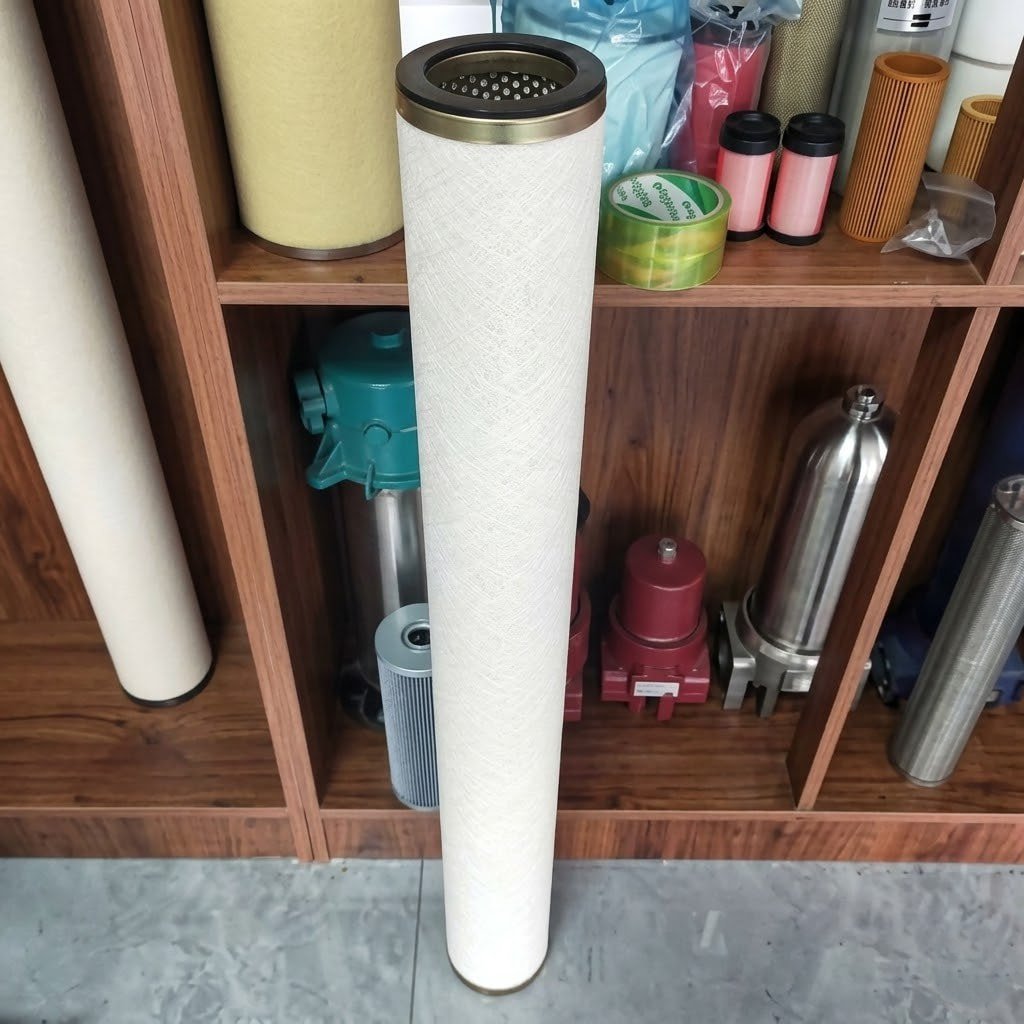
Water Absorptive Polymer Cartridges
Chemically locks in trace free water using super-absorbent polymers for precise moisture control.
Resolving Moisture Issues with Oil-Water Separation Cartridges
Treating industrial emulsions shouldn't rely on guesswork. We focus on the mechanical design of the filter to ensure water is actively separated, rather than just temporarily blocked.
Two-Stage Design
The coalescer gathers microscopic droplets into larger pools, and the separator repels them. This physical process ensures water actually drops out of the fluid.
Targeted Media
We don't use generic media. Hydrophilic (water-attracting) and hydrophobic (water-repelling) layers are specified to match your exact fluid properties.
Mechanical Emulsion Breaking
Instead of relying on chemical additives to break emulsions, our dense media structure physically shears the droplets apart for stable separation.
High Collapse Strength
Built with heavy-duty metal or epoxy-coated cores to withstand differential pressure surges up to 5.0 bar without crushing the filter.
How Our Oil-Water Separation Filters Process Emulsions
Understanding the separation phases helps you size the right system. We use fluid dynamics, not chemicals, to separate water from your hydrocarbons.
Absorption
As fluid enters, microscopic glass fibers trap tiny water droplets (1-10μm) within the porous structure.
Attachment
Oleophilic (oil-loving) resin treatments force the trapped water droplets to stick together, separating them from the continuous oil phase.
Coalescence
The droplets merge until they are large and heavy enough (typically >50μm) to naturally fall out of the oil stream via gravity.
Handling Industrial Emulsions
We focus on the mechanical design of our filters to ensure water is actively separated, rather than just temporarily blocked.
| Engineering Feature | Mechanism | Operational Benefit |
|---|---|---|
| Two-Stage Design | The coalescer gathers microscopic droplets into larger pools, and the separator repels them. | This physical process ensures water actually drops out of the fluid. |
| Targeted Media | We don't use generic media. Hydrophilic and hydrophobic layers are specified. | Precisely matched to your exact fluid properties. |
| Mechanical Emulsion Breaking | Our dense media structure physically shears the droplets apart. | Stable separation without chemical additives Core Focus |
| High Collapse Strength | Built with heavy-duty metal or epoxy-coated cores. | Withstands differential pressure surges up to 5.0 bar without crushing. |
Operating Parameters for Coalescer and Separator Cartridges
Reliable engineering requires transparent data. Review our standard operating limits below to ensure these cartridges fit safely within your system's pressure and temperature thresholds.
| Parameter | Coalescer Cartridges (Stage 1) | Separator Cartridges (Stage 2) |
|---|---|---|
| Primary Function | Merge micro-droplets into large water drops | Repel large water drops; allow oil to pass |
| Flow Direction | Inside-to-Outside (I → O) | Outside-to-Inside (O → I) |
| Filter Media | Micro-glass fiber, Cellulose, Synthetic plies | Teflon (PTFE) coated screen, Synthetic mesh |
| Target Water Removal | < 15 ppm of free and entrained water | |
| Max Operating Temp | 120°C (248°F) - depending on gasket material (Buna-N, Viton) | |
| Change-out DP | 1.0 - 1.5 bar (15 - 22 psi) | Cleanable (if Teflon mesh); Replace if damaged |
Proven Applications for Oil-Water Separation Filters
From aviation fuel depots to heavy marine vessels, plant operators trust this filtration process to meet strict environmental and equipment safety limits.
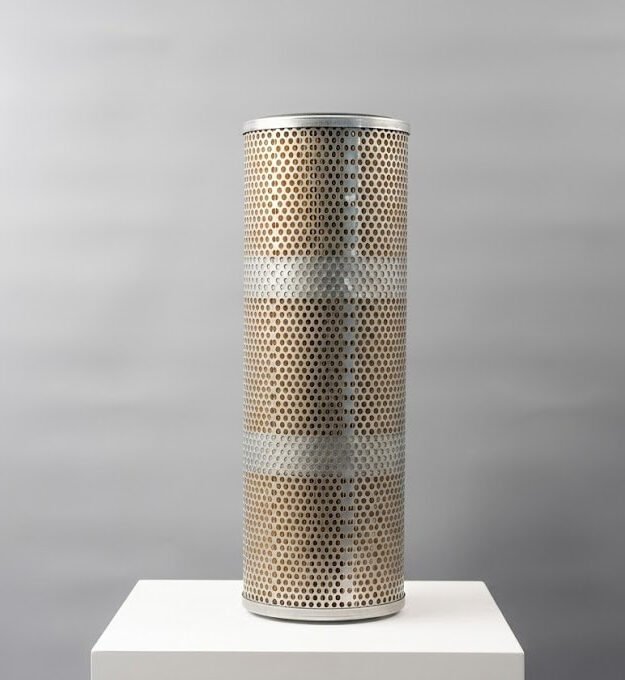
Aviation & Jet Fuel
Removes critical water from Jet A-1 fuel to prevent engine flameouts and fuel system icing at high altitudes.
Learn More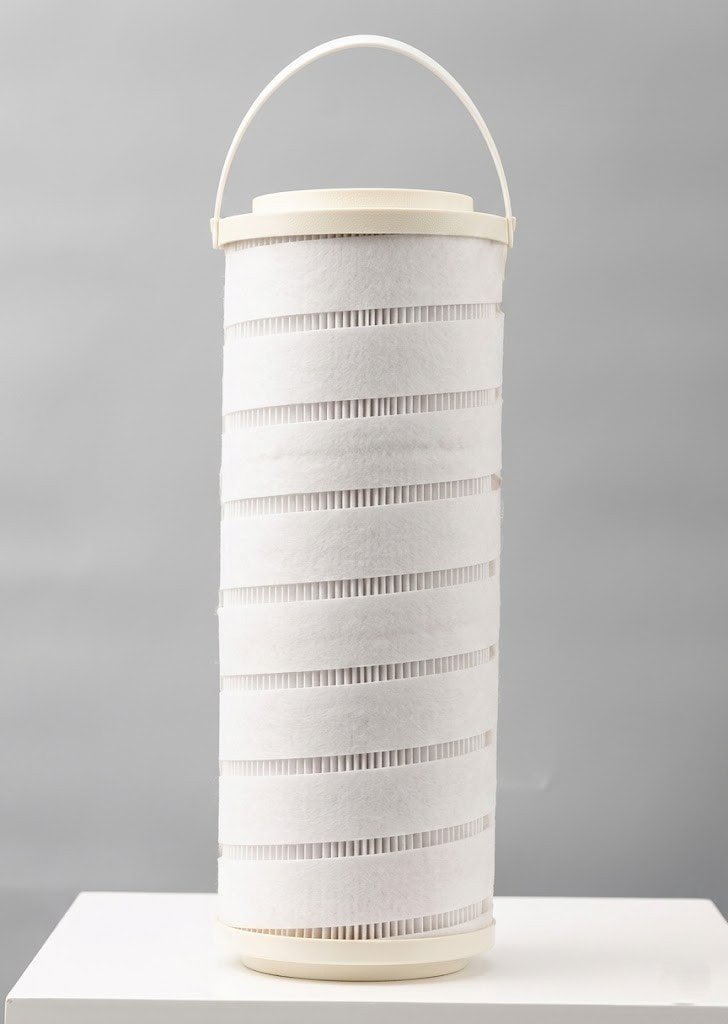
Turbine Lube Oil
Keeps turbine bearings lubricated properly by preventing water-induced oil oxidation and acid formation.
Learn More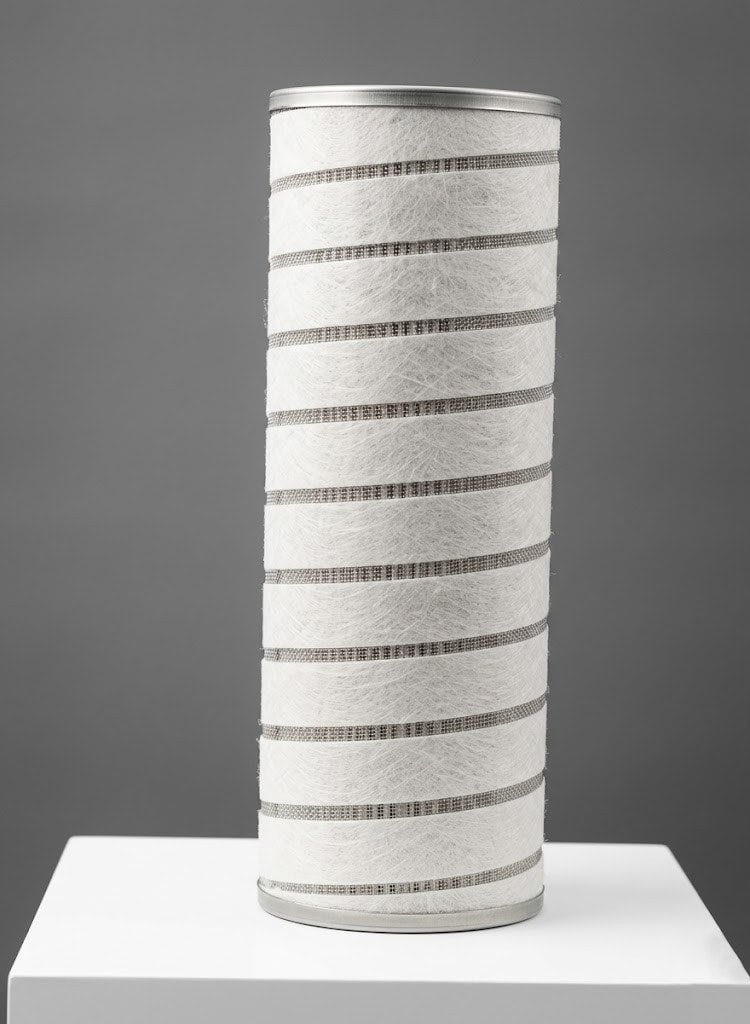
Marine Bilge Water
Processes vessel wastewater to ensure compliance with MARPOL MEPC 107(49) discharge limits before ocean release.
Learn More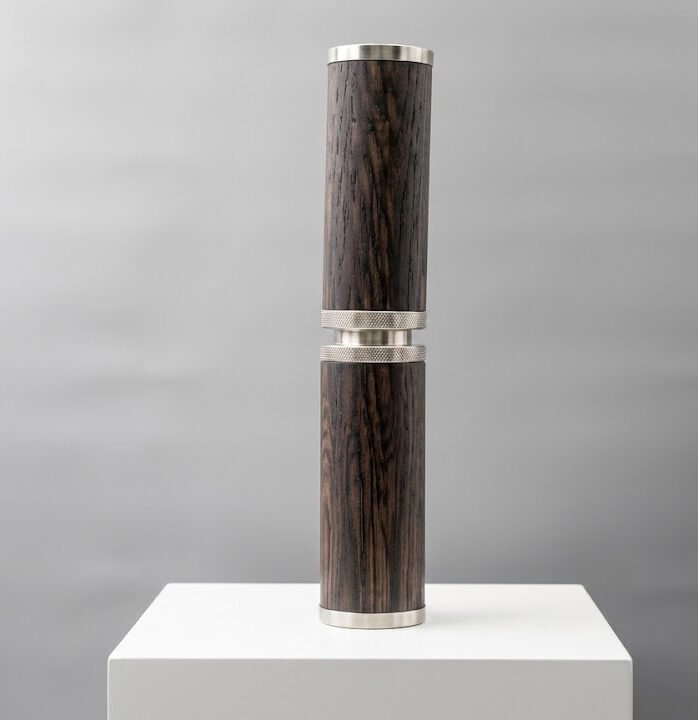
Petrochemical Refining
Separates water from diesel fuels and liquid hydrocarbons, maximizing the lifespan of downstream processing units.
Learn MoreMaintenance & Lifecycle Management
Predictive maintenance is critical for process stability. We advise establishing baseline metrics during initial commissioning to dictate your replacement schedule, eliminating arbitrary timelines and preventing costly downtime.
Differential Pressure (ΔP)
For optimal flow dynamics, schedule a change-out when terminal differential pressure reaches 15 to 25 PSI (1.0 to 1.7 bar) above the initial clean pressure drop. Exceeding this risks media failure and contaminant bypass.
Filtrate Observation
Continuously monitor downstream filtrate conditions. Spikes in turbidity, increased particle counts, or degradation in system flow rate at constant pressure indicate media exhaustion, warranting immediate element replacement.
TCO & Capacity Impact
Our optimized pleat density maximizes effective filtration area. This high dust-holding capacity translates to extended service intervals, reducing change-out frequency, cutting labor expenditures, and lowering consumable disposal costs.
Engineer's Note
"Operating filters beyond recommended ΔP limits does not extend life—it accelerates media degradation and increases pump energy consumption exponentially. Replace based on data to ensure system integrity."
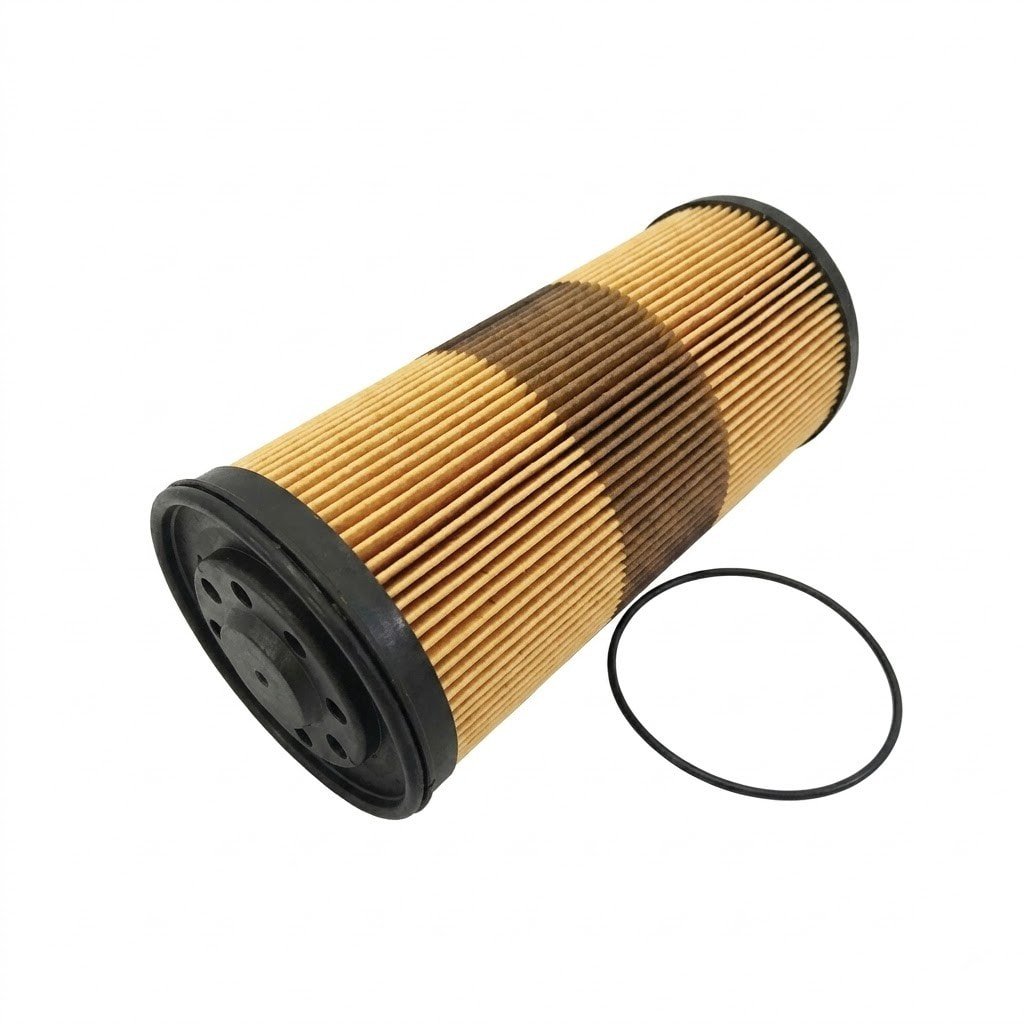
Source-Level Integration
100% Vertical Manufacturing
Precision Filtration,
Engineered from the Source.
We operate a physical manufacturing facility with end-to-end control—from media pleating to polyurethane sealing. By eliminating middleman markups, we deliver uncompromising industrial air and liquid filtration solutions directly to you.
Quality Verification for Oil-Water Separation Filters
We don't rely on visual inspections. Every cartridge design undergoes strict hydraulic and structural testing to ensure it won't fail when your system spikes.
Verified Efficiency Rate
Tested to ensure water removal consistently drops below 15 ppm even under fluctuating flow rates.
Media Compatibility
We verify that the fiberglass binders will not dissolve when exposed to complex or aggressive hydrocarbon streams.
Hydrostatic Pressure
Cores and end caps are pressure-tested to confirm they will withstand sudden differential spikes without collapsing.
Engineering Note
"Effective separation depends heavily on fluid specific gravity and viscosity. Always consult our engineering team with your fluid's physical properties for accurate vessel and cartridge sizing."
Industrial Standards for Oil-Water Separation Filters
Regulatory compliance is mandatory in fluid processing. Our filters are built and tested to meet the major international codes required by your industry.
International Standards
-
Aviation Fuel Filtration
Aligned with EI 1581 (Energy Institute) specifications for aviation fuel filter/separators, ensuring critical water and particulate removal for flight safety.
-
Turbine & Hydraulic Fluids
Conforms to ISO 16889 (Multi-pass method) and ISO 4406 (Contamination codes) for heavy industrial machinery reliability.
-
Marine & Industrial Wastewater
Engineered to meet or exceed MEPC.107(49) guidelines for 15 ppm bilge water separators, fulfilling stringent environmental discharge regulations.
Pre-Dispatch Protocols
-
Water Separation Efficiency
Emulsion challenge tests conducted to verify precise water removal capabilities down to specified ppm levels under varying flow conditions.
-
Multi-Pass Beta Ratio Testing
Continuous injection of standardized test dust to validate absolute particle capture efficiency and calculate maximum dirt-holding capacity.
-
Structural Integrity (ISO 2941)
High-pressure differential stress tests to guarantee filter element stability and prevent collapse under extreme flow surges.
Troubleshooting Oil-Water Separation Filter Systems
When the fluid doesn't look right, the issue often traces back to system dynamics. Here is how to diagnose common separation failures on the floor.
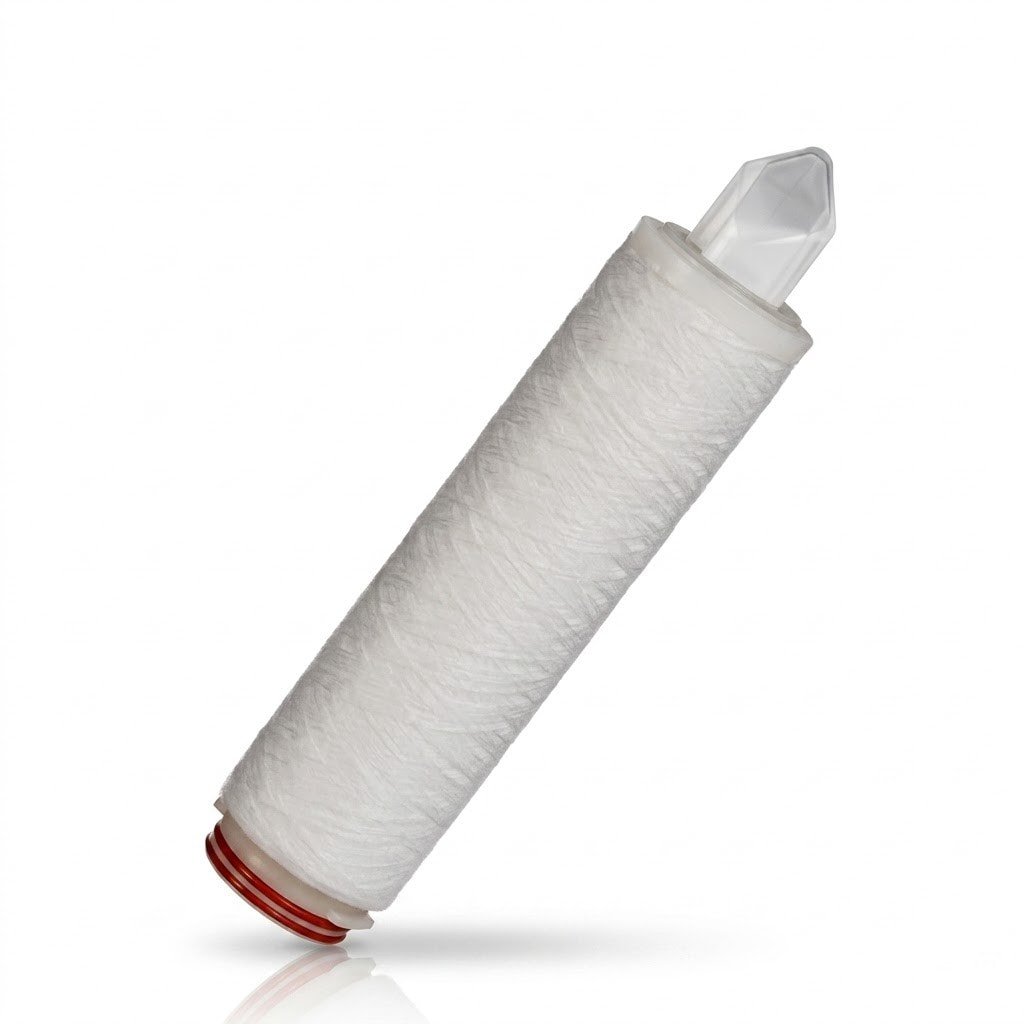
Issue: Emulsion Won't Break (Stubborn Emulsions)
Cause
High shear from transfer pumps creates ultra-fine droplets.
Solution
Upgrade to a finer coalescing media grade to intercept micro-droplets.
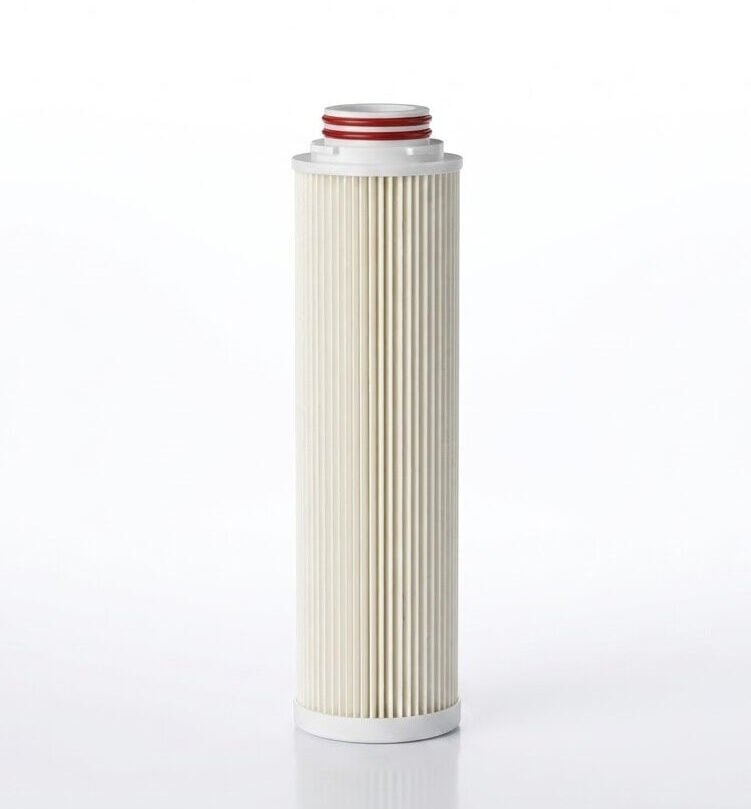
Issue: Fast Filter Blinding (Rapid Pressure Drop)
Cause
Solid particulates are plugging the coalescer before it can separate water.
Solution
Install a dedicated particulate pre-filter upstream to protect the coalescing layer.
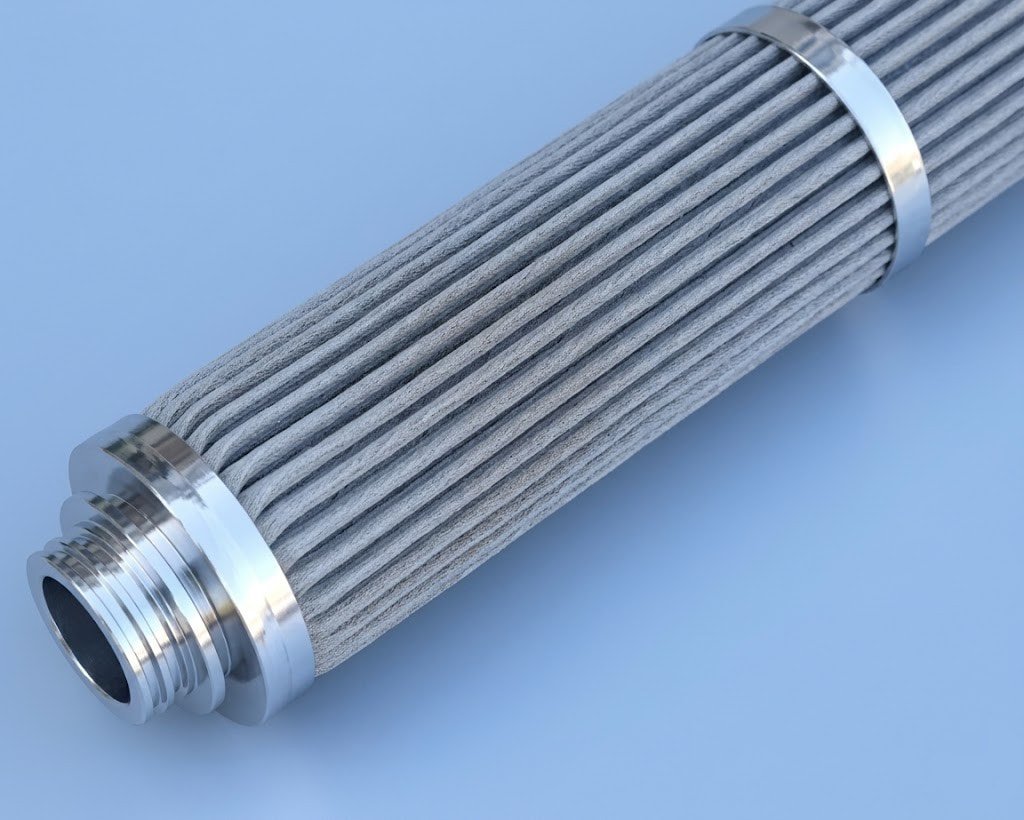
Issue: Water Passing Through (High Effluent Water)
Cause
Flow surges are pushing water through the separator screen.
Solution
Verify system flow rates and ensure the separator uses a fully hydrophobic Teflon-coated mesh.
Core Terminology for Oil-Water Separation Filters
Selecting the right filter starts with understanding the materials and metrics. Here are the core technical terms we use to define separation performance.
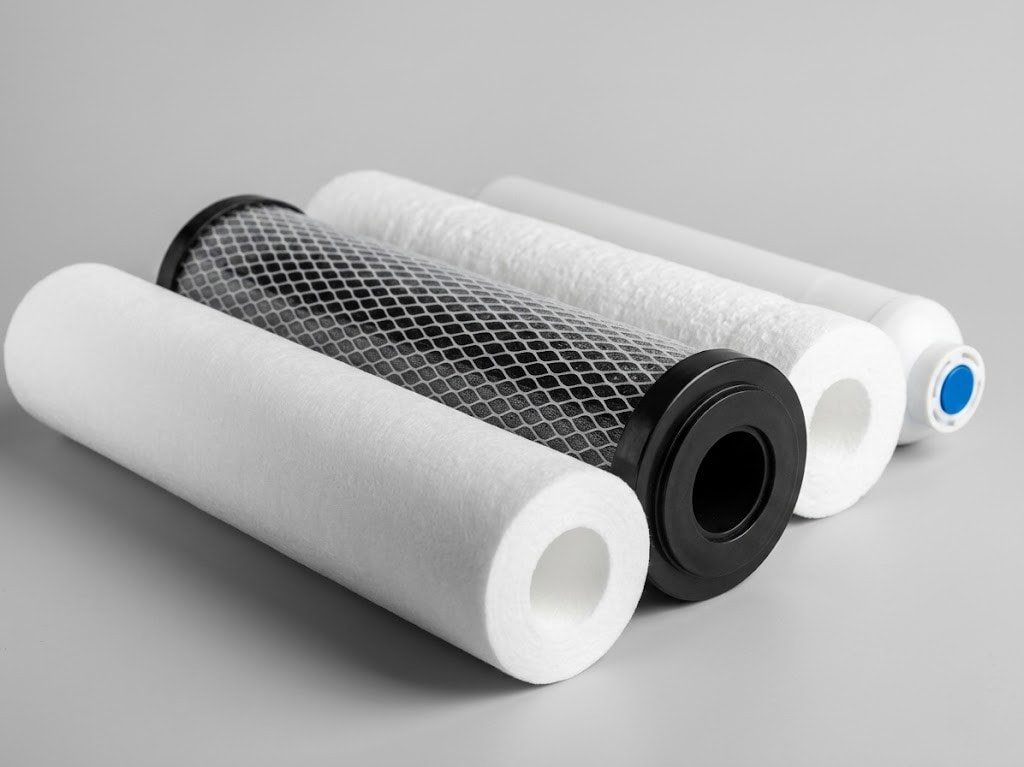
Hydrophobic vs. Hydrophilic
"Hydrophobic" materials repel water, allowing oil to pass. "Hydrophilic" media attracts water to block it. We strategically combine both to achieve separation.
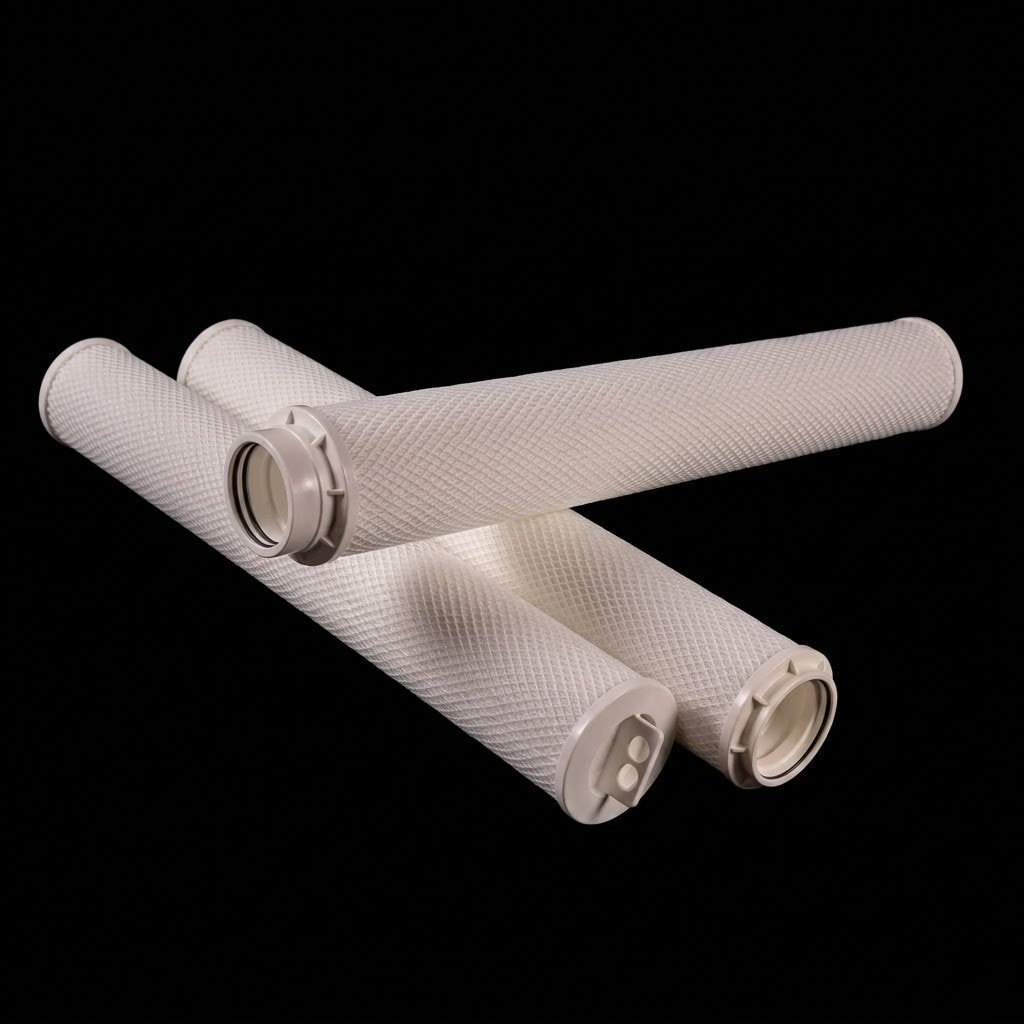
Absolute Filtration Rating
A scientifically validated metric ensuring that a specified percentage (typically 99.9%) of particles at a precise micron size will be captured, unlike loose "nominal" ratings.
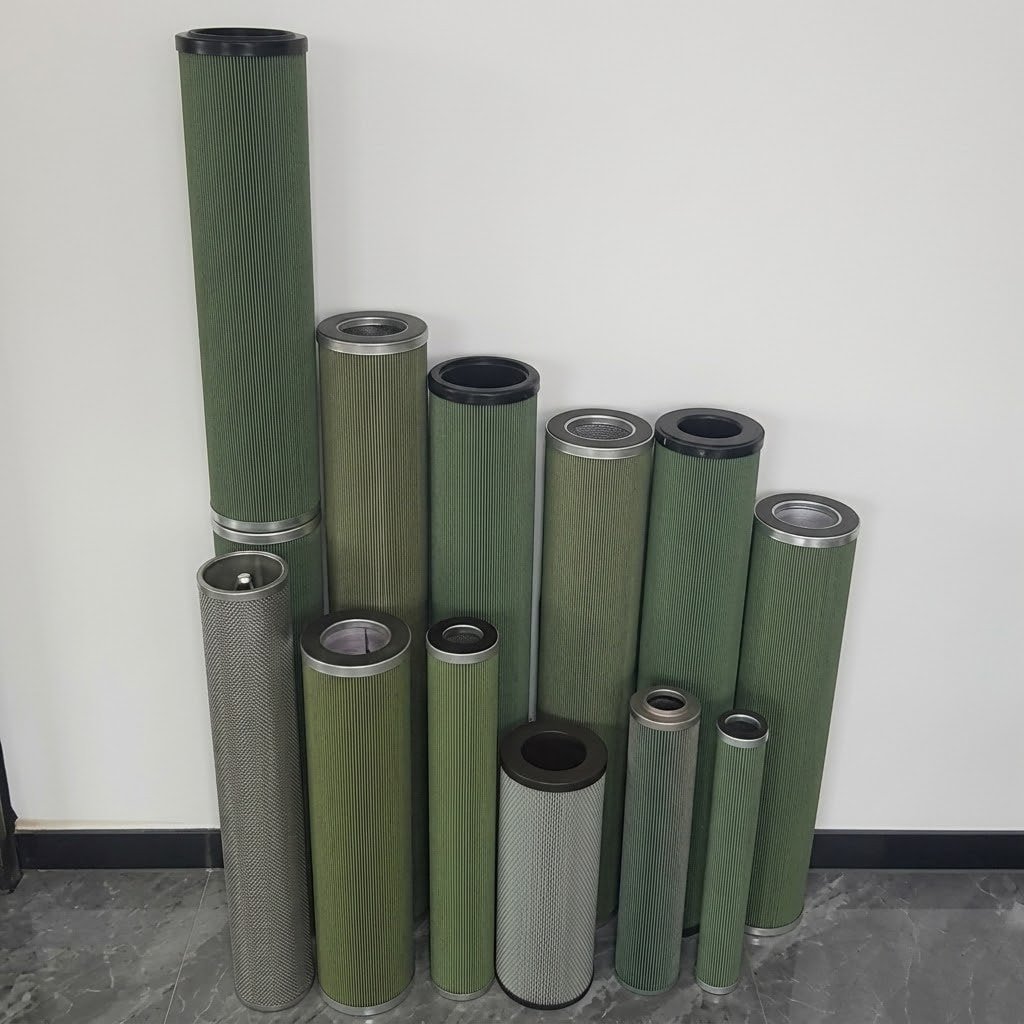
Micro-Glass Fiber Technology
A synthetic filtration medium composed of sub-micron glass strands. It offers a significantly higher void volume (dirt-holding capacity) than standard cellulose.
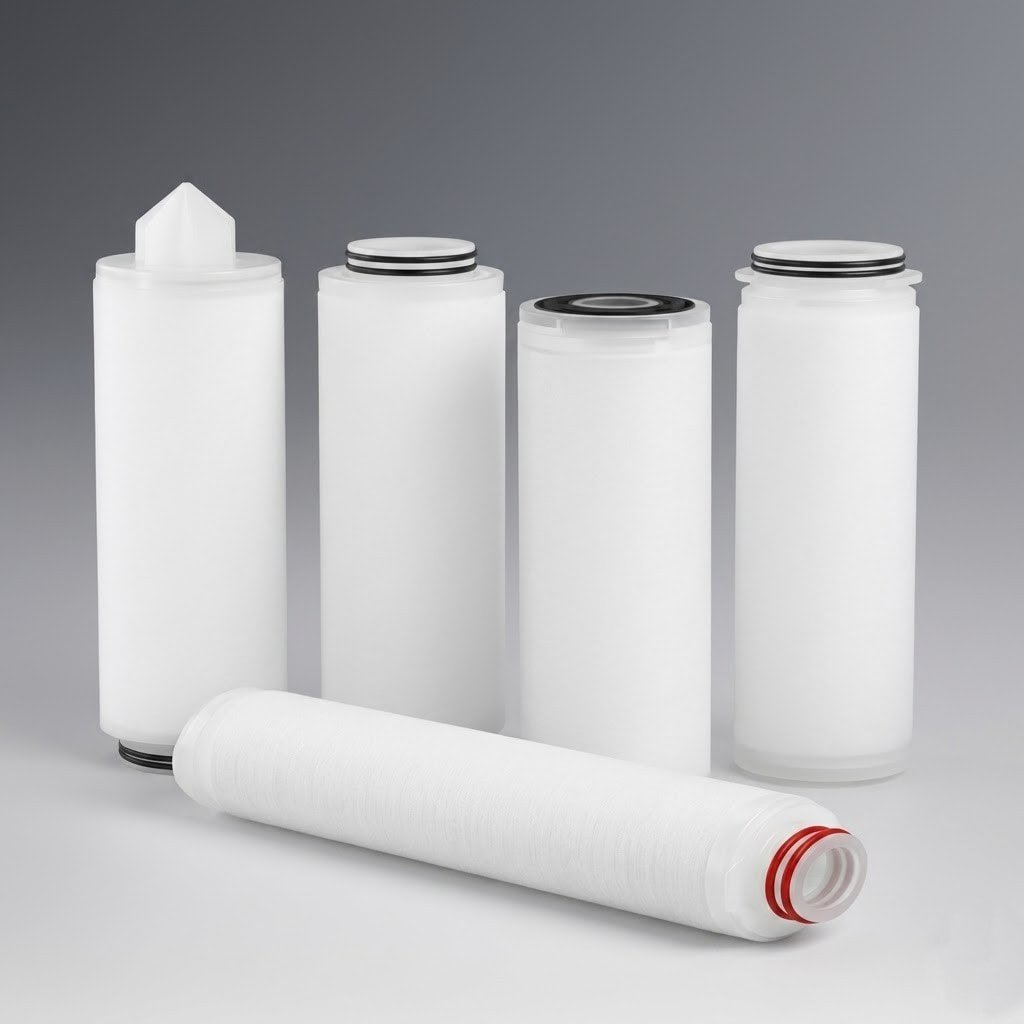
Coalescence Matrix
The physical process where micro-droplets of water dispersed in oil are forced through a dense fiber matrix. This structural design causes them to collide and merge into larger, heavier drops that naturally settle out by gravity, ensuring dry, clean oil output.
Require specific technical data for your application?
Technical FAQ on Liquid-Liquid Separation
Is a particulate pre-filter required before an oil-water coalescing system?
What level of water or oil removal efficiency (in PPM) can I expect from a coalescing separator?
How does Interfacial Tension (IFT) affect the performance of an oil-water separator?
How do hydrophilic and hydrophobic media work together in a two-stage liquid separator?
What happens if the fluid flow rate through my coalescing filter is too high?
Request Custom Separation Solutions
Provide us with your fluid type, flow rate (GPM/LPM), and target water ppm. Our engineers will recommend the exact coalesce/separator configuration for your housing.
Direct Contact Information
Phone
+86 13538992575Address
30 Andeli, West Yuhua Road, Nanjing
Request a Quote
Please provide your project details below, and our technical team will respond within 24 hours.