
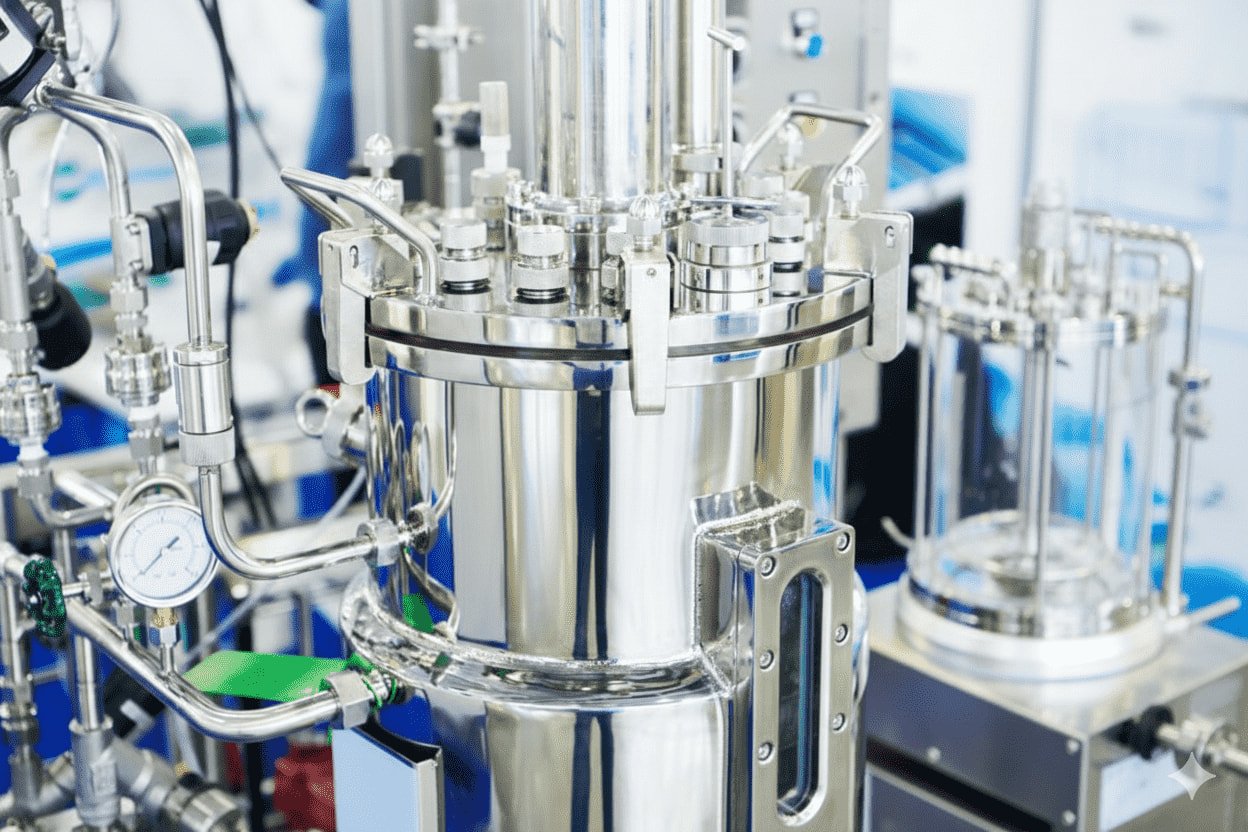
You see industrial filtration every day, but you may not notice it. Factories use filtration to take out bad particles from liquids and gases. This helps keep water clean. It also makes air safe to breathe. Filtration is very important in chemicals and medicines. It helps protect the environment by handling dangerous substances. It also makes sure you get safe medicine. If you use an industrial chemical filter, you help keep things safe. You also help make products good quality. Learning about this process is helpful for people who like science, engineering, or caring for the environment.
Key Takeaways
Industrial filtration takes out bad particles from liquids and gases. This keeps products safe and good quality.
The filtration process has steps like screening, coagulation, filtration, post-filtration handling, and maintenance. Each step is important for good cleaning.
Checking and fixing filtration systems often helps them last longer. It also makes them work better and saves money over time.
Filtration helps factories follow safety rules. It keeps workers and the environment safe from dangerous things.
Picking the best filtration system can make products better. It also cuts down on waste and helps keep the planet clean.
What Is Industrial Filtration and How Does It Work?
Industrial filtration is a crucial process that separates contaminants from liquids or gases using specialized filters. It ensures the purity of industrial fluids, enhances process efficiency, and protects equipment from damage. This process is vital in various industries such as chemical manufacturing, food processing, and oil refining.
Definition and Purpose
Factories and plants use industrial filtration to clean liquids and gases. This process takes out things we do not want, like particles, chemicals, and microorganisms. When factories use filtration, they keep products and machines safe. They also help protect the environment. For example, an industrial chemical filter can catch harmful stuff before it gets into air or water. You can see filtration when water treatment plants clean water for drinking. You also see it when factories keep dust out of the air.
Industrial filtration systems have a few main goals:
You make sure products are good by taking out contaminants from raw materials. This stops problems and keeps customers happy.
You keep machines safe from bad particles that could break them or make them work poorly.
You help keep workers safe by making the air and area clean and free from dangerous particles.
You help machines use less energy because clean air and fluids make them run better and cost less.
You follow environmental rules by filtering out pollutants.
Key Principles
Industrial filtration works because of some science ideas. These ideas help filters catch and remove particles from fluids and gases. The table below explains how each idea works:
Principle | Description |
|---|---|
Direct Interception | Big particles get stuck in the filter fibers because they cannot fit through the holes. |
Inertial Impact | Particles hit the filter fibers fast and get stuck because they bounce off. |
Diffusional Interception | Particles move around randomly and bump into molecules, then get trapped by fibers. |
Sieving | Particles too big to go through the filter holes stay behind and get caught. |
Factories use different ways to filter things. Mechanical filtration uses barriers to catch particles by size. Chemical filtration, like activated carbon or ion exchange, takes out dissolved compounds and special ions. Biological filtration uses microorganisms to break down organic contaminants. Each way has its own good points and uses. For example, bag filters clean large amounts, and cartridge systems remove more particles. Chemical filters clean dissolved substances, and biological systems need the right pH and nutrients to work well.
What Are the Key Steps in the Industrial Filtration Process?
Industrial filtration has many steps to clean air, water, and fluids. These steps are used in water plants, factories, and chemical places. Each step removes different impurities. This helps keep machines, products, and the environment safe.

Screening
Screening comes first. Screens or strainers catch big things like leaves, plastic, or stones. This keeps large stuff out and stops clogs. Mechanical filtration is often used here. It removes sediment and debris before finer filters.
Contaminants Targeted | |
|---|---|
Mechanical Filtration | Large particles and sediment |
Magnetic Separators | Metal fragments |
Heavy solids |
Tip: Screening helps your industrial chemical filter last longer by lowering its work.
Coagulation and Flocculation
Next, chemicals are added to help small particles stick together. Coagulants like aluminum sulfate, ferric chloride, or polyaluminum chloride are used. These make tiny particles form bigger clumps called flocs. Flocculants like polyacrylamide or polyDADMAC can make flocs even larger and easier to remove.
The right amount can lower total suspended solids from 100 mg/l to 10 mg/l.
Alum and ferric chloride are good for removing turbidity and heavy metals.
This step is key for water treatment and industrial chemical filter systems.
Note: Coagulation and flocculation help filters work better by making small particles join together.
Filtration Operation
Filtration is the main step. Water, air, or fluids go through filter media to trap contaminants. Different media can be used, like sand, anthracite, garnet, or magnetite. Mixed media beds let you filter faster and for longer.
Media | Specific Gravity | |
|---|---|---|
Anthracite | 0.7-1.7 | 1.4 |
Sand | 0.3-0.7 | 2.6 |
Garnet | 0.4-0.6 | 3.8 |
Magnetite | 0.3-0.5 | 4.9 |
You must control flow rate and pressure. High flow rates use more energy and can clog filters fast. Low flow rates may not clean as well. Pick the right flow rate for good results and cost.
An industrial chemical filter can remove dissolved organic compounds, VOCs, and heavy metals.
Post-Filtration Handling
After filtration, you check if the output meets quality rules. You might use polishing filters, disinfection, or pH changes.
Procedure | Description |
|---|---|
Polishing | Uses submicron membrane filters for extra purity, especially in pharmaceuticals. |
Disinfection / Microbial Stabilization | Uses chlorine, UV light, or ozone to kill microbes. |
Cleaning and Sterilization | Cleans filters and equipment to prevent contamination. |
You also need to handle waste and byproducts. Non-hazardous waste can go to landfills, be burned to lower its amount, or be recycled into new things.
Method | Description |
|---|---|
Landfilling | Used for non-hazardous waste; prevents leachate formation. |
Incineration | Reduces waste volume and can generate energy. |
Recycling | Converts waste into new materials, saving energy and resources. |
Maintenance and Monitoring
You must keep the filtration system working well. Regular checks and care help you find problems early and make equipment last longer.
Maintenance/Monitoring Practice | Description |
|---|---|
Continuous Monitoring | Tracks flow rates, pressure, and conductivity. |
Silt Density Index Measurement | Checks for fouling and ensures pretreatment works. |
Scheduled Maintenance | Inspects and cleans filters, calibrates instruments. |
High-Pressure Pump Servicing | Keeps pumps running at the right pressure and flow. |
Membrane Autopsy | Tests for damage or fouling. |
Check filter status every month.
Change filters on time to keep things working well.
With good care, industrial filtration equipment can last 10 to 20 years.
You should use strainers, magnetic separators, or centrifugal separators to take out bigger impurities before they reach your industrial chemical filter.
Typical Steps in Industrial Filtration
Here are the main steps:
Screening: Takes out big materials and protects finer filters.
Coagulation/Flocculation: Adds chemicals to make flocs and gather small particles.
Filtration: Uses filter media to trap and remove contaminants.
Post-Filtration Handling: Polishes, disinfects, and handles waste.
Maintenance and Monitoring: Keeps the system working well and helps equipment last longer.
These steps help clean water, air, and fluids in many industries. Each step removes contaminants and makes products safer, better, and more efficient.
Why Is Industrial Filtration Important?
Industrial filtration is crucial because it ensures the purity of air and liquids, enhancing product quality and operational efficiency while protecting machinery and the environment. Effective filtration systems prevent contamination, reduce equipment wear, and comply with industry regulations.

Product Quality
People want products to be safe and work well. Industrial filtration helps make this happen. Filtration takes out things like dust, mold, and water. This keeps products clean and free from bad stuff. In food and medicine factories, filtration makes sure every item is good. It also helps save resources and helps the earth. Using an industrial chemical filter stops harmful things from spreading. It makes the place where products are made safer.
Takes out bad stuff before products are finished
Makes water and materials clean for safer making
Lowers the chance of recalls from contamination
Helps things run better and make more money
Sometimes, products get recalled if they are not safe. Recalls cost money and make people lose trust.
Equipment Protection
Machines need to stay clean to work well. Industrial filtration systems take out harmful particles. These particles can make machine parts break faster. Clean air and fluids help machines last longer. You do not have to fix or buy new machines as often.
Keeps machines from breaking too soon
When there are fewer bad particles, machines work smoothly and do not stop working by surprise.
Regulatory Compliance
Factories must follow strict rules, especially in food and medicine. Filtration helps meet these rules and keeps products safe. The table below shows some important rule makers and what they say:
Regulatory Body | Key Standards and Guidelines | Description |
|---|---|---|
FDA | 2004 Guidance on Aseptic Processing | Focuses on pressure checks and filter testing |
EU | Filtration Parameters Guidelines | Needs important process details in records |
PDA | Technical Report on Sterilization Filtration | Gives advice about pressure checks during tests |
Following rules keeps people safe and products good
Not following rules can cause legal problems and lost sales
Environmental Protection
Filtration helps the earth by lowering pollution and waste. Filtration systems catch harmful particles and chemicals. This keeps air and water cleaner. New systems use less energy and make less waste.
Positive Impacts | Negative Impacts |
|---|---|
Lowers pollution | Uses up resources |
Saves energy | Makes some waste |
Less trash in landfills | Can release byproducts |
Picking the right filtration system helps nature and makes the world healthier.
Industrial Filtration Applications

Manufacturing
Filtration is used in almost every factory. It keeps air and water clean. It also protects machines from damage. Filtration helps products meet quality rules. Different industries use filtration in special ways. The table below shows how each industry uses it:
Industry | Application Description |
|---|---|
Chemical and Mining | These places use strong filtration systems. This helps save money and lower costs. |
General Manufacturing | Factories use filters for metal cutting, cleaning water, and keeping air clean. |
Air Filtration | Filters catch dust in the air. This helps keep the air safe in factories. |
Oil & Gas | Special filters separate oil and water. They also recycle water to work better. |
Process Water | Filters clean water used for heating, cooling, and cleaning. This saves money and helps the environment. |
Food and Beverage
Filtration is needed to keep food and drinks safe. It takes out dirt, germs, and chemicals from raw foods. This helps food last longer and not spoil. There are different filters like mechanical, reverse osmosis, and ultrafiltration. Drink factories use filters to make drinks clear and safe. Wine and beer makers use filters to make drinks taste and look better.
Filtration keeps food fresh and safe for longer.
Factories use mechanical, reverse osmosis, nanofiltration, and ultrafiltration.
Filters take out dirt, chemicals, and germs from food and drinks.
There are three main steps: pre-filtration, fine filtration, and sterile filtration.
Filters make drinks clear and remove bad germs.
Wine and beer makers use special filters for better taste and look.
Pharmaceuticals
Medicine factories must use filtration to keep drugs clean. Filters take out dust, germs, and other bad things. This helps factories follow strict safety rules. Membrane filters keep shots and medicines safe for people.
Factories must follow world safety rules.
Filters must show they can stop germs.
Water and Air Treatment
Filtration is used to clean water and air in treatment plants. Filters take out solids, dust, and chemicals. This gives cleaner water for homes and factories. Clean water helps machines last longer and saves money. Filters also keep workers safe by cleaning the air.
Water is cleaner for factories.
Machines last longer with clean water.
Factories save money and work better.
Filtration helps follow safety rules.
Clean air makes workplaces safer.
Oil and Gas
Oil and gas plants use strong filters. These filters separate liquids and gases. This makes work safer and faster. Coalescing filters take out tiny drops from gas. This keeps turbines and compressors safe. Filters can remove up to 95% of small particles. They also stop machines from breaking and help follow rules.
Gas is dried in refineries.
Natural gas is cleaned in plants.
Turbines and compressors are kept dry.
Filters stop machines from breaking.
They help work go smoothly.
Filters protect important parts from damage.
They help follow environmental rules.
Industrial Chemical Filter Uses
Industrial chemical filters remove dissolved chemicals and special ions. Many industries use these filters. They clean water, treat waste, and help products meet high standards. You find them in chemical plants, food factories, and water plants. Filters help protect the earth and keep work running well.
Tip: Picking the right filter saves money and helps you follow safety rules.
You now know the main steps in industrial filtration. These are screening, coagulation, filtration, post-filtration, and maintenance. Filtration helps keep the environment clean. It also keeps products safe for people to use. Factories use these systems all the time.
Remember, new technology will make filtration work even better. Stay interested in how these changes can help you and your community.
FAQ
What is the main purpose of industrial filtration?
Industrial filtration takes out unwanted particles from liquids or gases. This keeps products clean and safe. It also protects machines from damage. Filtration helps you follow safety rules.
How often should you replace filters in an industrial system?
Check filters every month to see if they are dirty. Replace them if you notice clogs or less flow. Changing filters often helps your system work well and last longer.
Can you use an industrial chemical filter for both water and air?
Yes, you can use an industrial chemical filter for water and air. You need to pick the right filter for what you want to clean. Each filter works best with certain things.
Why do factories need to monitor filtration systems?
Factories watch filtration systems to find problems early. This stops breakdowns and keeps products safe. Good monitoring saves money on fixing machines.
What happens if you skip maintenance on filtration equipment?
If you skip maintenance, filters can clog or break. This can make products dirty or hurt machines. It can also cause safety problems. Taking care of filters keeps everything working well.