

When you pick ventilation filters, you see many choices. Some common ones are metal mesh, bag, pleated, HEPA, ULPA, carbon, UV, electrostatic, and washable filters. Most houses use 1-inch filters. These make up almost 45% of the market in 2024. HEPA filters make the most money because they catch very small bits. You may find different filters in homes, hospitals, or factories. Here is how some main types match up:
Filter Type | Filtration Efficiency (MERV) | Typical Applications |
|---|---|---|
Metal/Nylon Mesh | N/A | High dust, industrial settings |
Pleated Panel | N/A | Offices, schools, light industry |
Pocket (Bag) | 8-13 | Commercial, industrial HVAC |
HEPA | High | Hospitals, cleanrooms |
Each type works best in a certain place. You can choose the right filter by thinking about your needs and knowing how each one works.
Key Takeaways
Pick the right filter for what you need. Think about things like the MERV rating. This shows how well a filter traps dust and dirt.
It is very important to take care of your filters. Clean or change them every 1 to 3 months. This keeps your air clean and your HVAC system working well.
Each filter has its own job. HEPA filters work best in hospitals. Activated carbon filters help get rid of smells and gases.
Know how long your filter will last. Some filters last only a few months. Washable filters can last up to five years if you take care of them.
Talk to HVAC experts for help that fits you. They can help you pick the best filter for your space.
How Many Types of Ventilation Filters Have?
There are mainly three types of ventilation filters: mechanical filters, electronic filters, and gas phase filters. Each type serves distinct purposes in air quality management.
There are many kinds of filters for homes and businesses. Each filter works best in certain places and for special jobs. You need to know how each filter works before you pick one for your HVAC system. Here are the main types of ventilation filters:
Metal Mesh Filters
Metal mesh filters have layers of metal with holes. They catch dust and big particles. You see them a lot in factories because they are strong. These filters use a sticky coating to work better. You can change the mesh to fit what you need.
Metal mesh filters last a long time, but you must clean them often. Cleaning is hard, and if you do not clean them, they will not work well.
Advantages | Disadvantages |
|---|---|
Regular cleaning needed | |
Strong durability | Hard to clean |
Customizable mesh |
Bag Filters
Bag filters have deep pockets. You find them in big buildings and factories. Bag filters hold a lot of dust and work with lots of air. They are used in places like factories, woodworking shops, and food plants.
Bag filters catch small particles and last 1 to 3 years.
How long they last depends on what they are made of and how much dust they get.
Bag filters have MERV ratings from 8 to 13, so they catch more than basic filters.
Pleated Filters
Pleated filters have folds that give them more surface area. This helps them trap more dust than flat filters. You can use pleated filters in offices, schools, and homes.
Attribute | Pleated Filters | Flat-Paneled Filters |
|---|---|---|
Higher | Lower | |
Airflow Resistance | Greater | Lower |
Pleated filters clean the air better and last up to 90 days.
Their MERV ratings go from 5 to 16, so you can pick what you need.
These filters can make it harder for air to move, which can use more energy.
HEPA and ULPA Filters
HEPA and ULPA filters give the best filtration. You find them in hospitals, cleanrooms, and labs. HEPA filters remove 99.97% of tiny particles as small as 0.3 microns. ULPA filters catch even more, down to 0.12 microns.
Filter Type | Filtration Efficiency | Particle Size |
|---|---|---|
HEPA | 99.97% | 0.3 microns |
ULPA | 99.9995% | 0.12 microns |
HEPA and ULPA filters have very high MERV ratings, from 17 to 20.
You need these filters for catching viruses in places like hospital isolation rooms, drug factories, and cleanrooms.
These filters keep you safe from germs and tiny particles in the air.
Activated Carbon Filters
Activated carbon filters use a special material with lots of holes to trap gases and smells. You often see these filters used with other filters in HVAC systems.
Activated carbon filters remove VOCs, chemical vapors, and smelly gases.
They can cut down bad smells by up to 99.5%.
You should change activated carbon filters every 12 months for best results.
Filter Type | Construction Description | Performance Characteristics |
|---|---|---|
Carbon Filters | Made with activated carbon, a porous material | Good for removing smells and gases, change when full |
UV Filters
UV filters use ultraviolet light to kill germs like bacteria and viruses. Not every HVAC system has these, but they help where clean air is very important.
UV filters break down the proteins and DNA in germs, so they cannot hurt you. New studies show UV filters work well against germs and viruses, even SARS-CoV-2.
Mechanism | Effectiveness |
|---|---|
Damages protein and nucleic acid structures | Better at killing germs |
Used in more indoor places | Good for buses and big buildings |
Electrostatic Filters
Electrostatic filters use static electricity to grab dust and particles. When air goes through, the particles get a charge and stick to the filter.
You need to wash electrostatic filters every 1 to 3 months.
If they get dirty, they do not work as well.
If you do not clean them, they can block air.
With good care, they last for years.
Feature | Electrostatic Filters | Pleated Filters |
|---|---|---|
Particle Capture Method | Uses static charge to attract particles | Mechanical filtration |
Maintenance Frequency | Replace every 1-3 months | |
Lifespan | Few years with maintenance | Disposable |
Washable Filters
Washable filters save money over time. You can clean and use them again for up to five years. These filters are good for big particles, but they do not catch small things like allergens or smoke.
Feature | Washable Filters | Pleated Filters |
|---|---|---|
Upfront Cost | Higher | Lower |
Lifespan | 3–5 years | 2–3 months |
Maintenance | High | Low |
MERV Rating | 1–4 | 8, 11, or 13 |
Filtration Efficiency | Poor (large particles only) | Excellent (fine allergens, mold, smoke) |
Washable filters have low MERV ratings, so they do not work well for viruses or fine dust. You need to wash and dry them often to keep them working.
There are many types of ventilation filters. Each one has good and bad points. You should check the MERV rating, how long the filter lasts, and what you want to clean from the air. This helps you pick the best filter for your HVAC system and your space.
How Many Types of Air Filters Have?
When you look at the types of air filters for your home or small building, you see many choices. You want to know which ones work best for your needs. The common types of air filters include flat-paneled, box-type, rigid, and reusable filters. Each type has special features that help you keep your air clean.

Flat-Paneled Filters
Flat-paneled filters are one of the most common types of air filters you will find in homes. Manufacturers use spun glass or fiberglass to make these filters. You can buy them for a low price, but they do not clean the air very well. These filters have a MERV rating between 1 and 4. They trap large particles like dust and pet hair, but they let smaller things like pollen and mold pass through.
If you want a filter that saves money and fits most HVAC systems, flat-paneled filters are a good choice. You should know that they do not protect you from allergens or tiny pollutants.
You may see these filters in older homes or places where air quality is not a big concern. They are easy to install and replace.
Box-Type Filters
Box-type filters are another option among the common types of air filters. You will find these filters in homes and small offices that need better air cleaning. Box-type filters have a sturdy frame and can handle higher airflow. They work well in places with more dust or where you want cleaner air.
Structural Characteristics | Performance Characteristics | |
|---|---|---|
Pleated Filters | Made from synthetic fibers, reinforced paper, or charged media | High cost, long life, great filtration, may restrict airflow |
Box Filters | Built for high airflow and pressure, strong frame | High efficiency, holds more dust, needs proper installation |
Box-type filters last longer than flat-paneled filters. You can use them in homes with pets or people who have allergies. They cost more, but you get better air quality.
Rigid Filters
Rigid filters are strong and keep their shape even when air moves fast. You will see these filters in homes with powerful HVAC systems or in small businesses. Rigid filters work well in high-velocity air systems. They do not bend or break easily, so you get steady performance.
You can use rigid filters if you want a filter that lasts a long time. These filters handle high pressure and keep your air clean. You may pay more at first, but you do not need to replace them often.
Rigid filters are a smart choice for places where airflow changes a lot. You get reliable filtration and less worry about replacing filters.
Reusable Filters
Reusable filters are popular among the common types of air filters for homes. You can wash and reuse these filters for many years. Some reusable filters use electrostatic technology to trap dust and allergens. You save money because you do not need to buy new filters often.
Reusable filters help the environment by reducing waste.
You lower your costs over time since you do not replace them as much.
These filters last 5 to 10 years if you clean them regularly.
Washable air filters are energy efficient and have a low pressure drop.
You may choose reusable filters if you want to protect the planet and save money. You need to clean them often to keep them working well.
Tip: If you have allergies, look for reusable filters with electrostatic features. They trap more particles and help you breathe easier.
Comparing Common Types of Air Filters
You want to pick the best filter for your home. Here is a quick guide to help you compare the common types of air filters:
Flat-paneled filters cost less but do not clean the air well.
Box-type filters work better for homes with pets or allergies.
Rigid filters last longer and handle strong airflow.
Reusable filters save money and help the environment.
You should think about your needs, your budget, and how often you want to change filters. The types of air filters you choose will affect your air quality and your costs.
How to Choose Filters?
Selecting the right filter involves identifying your specific needs, understanding the types of filters available, and considering key factors such as material, size, and efficiency.

Selection Factors
When you pick ventilation filters for your hvac or air cleaning systems, you need to think about a few key things. These help you get clean air and keep you safe from things in the air that can make you sick or cause allergies. Here are the main things to look at:
Filtration efficiency and minimum efficiency reporting value (MERV): Pick a filter with the right MERV number for your space. Most homes use MERV 8 to 13. Hospitals need higher numbers, like hepa filters.
Airflow and pressure drop: Make sure your filter lets enough air move through your hvac system. If not enough air gets through, your system works harder and uses more power.
Operating environment: Think about what you want to remove from the air. Dust, smoke, and chemicals need different filters and testing.
Maintenance and replacement frequency: Some filters need to be changed a lot. Others, like washable filters, need to be cleaned often.
Cost vs. performance: Look at how much the filter costs and how long it lasts. Sometimes, paying more means you get better air and do less work.
Tip: Check your air conditioning filters every few months. This helps your air cleaning equipment work its best.
Matching Filter to Environment
You need to pick a filter that fits your space for the best results. Different places need different air cleaning systems. Hospitals use hepa filters and high MERV numbers to keep patients safe. Operating rooms use in-ceiling hepa modules to stop infections. Baby care areas need special filters for newborns. Urgent-care centers should use at least MERV 13 filters.
Recommended Filter Type | |
|---|---|
Dust Storms | Systems made for dust storms |
High Humidity Areas | Pulse systems for wet air |
Seasonal Weather Variability | Filters for changing weather |
Near Industrial Plants | Filters for local dust and particles |
You should also think about your local weather and nearby pollution. If you live near factories, you need filters that catch more things in the air. If your area is very humid, pick filters that work well with wet air.
Cost and Efficiency
You want to find a good balance between cost and how well the filter works when you buy air cleaning systems. Some filters cost more but last longer and give you cleaner air. Whole house systems can last over six years and cost between $1,000 and $4,000. Pitcher filters and reverse osmosis systems do not last as long.
System Type | Average Lifespan | Average Cost Range |
|---|---|---|
Whole House Systems | 6+ years | $1,000 – $4,000+ |
Pitchers | 2-6 months | N/A |
Reverse Osmosis (RO) | 2 years | N/A |
You should pick a filter that fits your budget and gives you the clean air you want. Always compare filter types and test how well they work before you choose.
How to Maintain Filter?
To maintain a filter, regularly inspect and clean or replace it according to the manufacturer’s instructions. This ensures optimal performance and longevity of the filtering system.
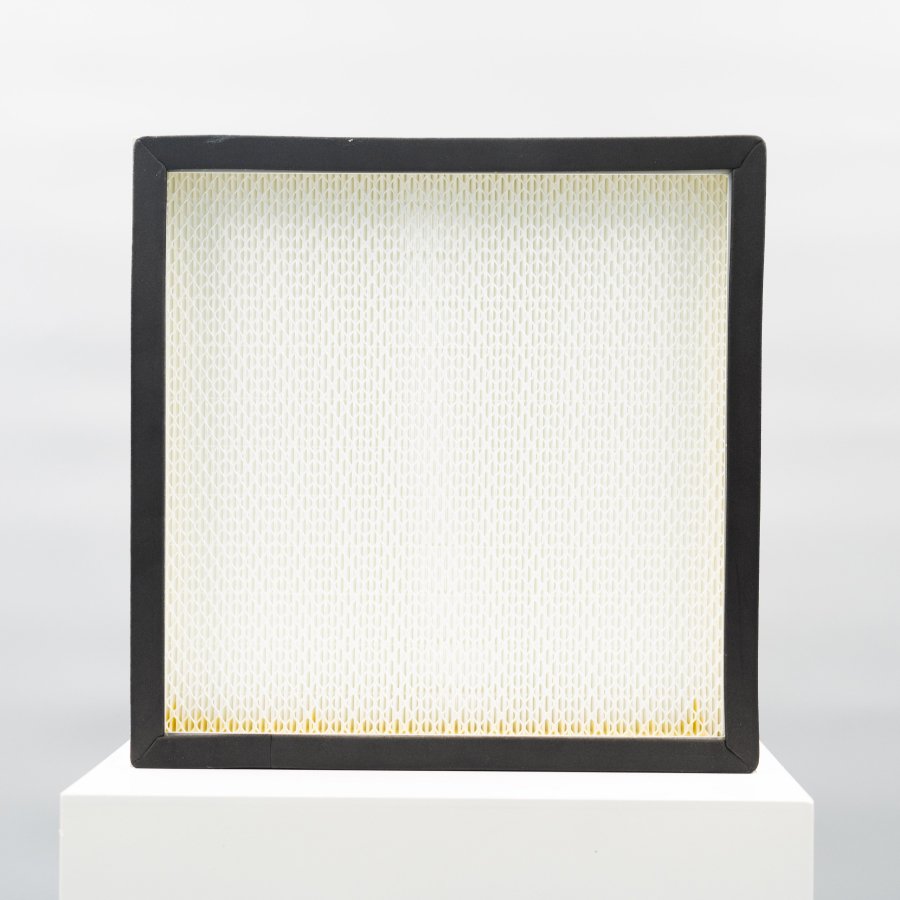
Cleaning
You need to clean your filters often to keep your air fresh. This also helps your HVAC system work well. Most reusable filters need water rinsing every one to three months. You can use a vacuum with a soft brush to get rid of dust. Always let the filter dry all the way before putting it back. If your filter is very dirty, use a cleaner made for filters.
Frequency Recommendation | |
|---|---|
Rinsing with water | Every 1-3 months, depending on usage |
Vacuuming with a soft brush | Monthly or as needed |
Using filter cleaning solution | As needed, based on dirt buildup |
Regular inspections | Check monthly; clean or replace as needed |
Tip: Always read and follow the maker’s instructions. Set a reminder to check your filters each month. This helps you find dirt before it causes trouble.
Replacement
You should change your filters on a set schedule. This keeps your air clean and your system working right. Most HVAC filters need to be changed every 30 to 90 days. If you use a basic fiberglass filter, change it every 30 days. Pleated filters last longer, up to 90 days. High-efficiency, electrostatic, or HEPA filters can last six to twelve months. You should still check them often.
Filter Type | |
|---|---|
Basic Fiberglass HVAC Filter | Every 30 days |
Standard Pleated HVAC Filter | Every 60-90 days |
Higher Efficiency Pleated Filter | Every 90-180 days |
Thick Pleated/Electrostatic/HEPA | Every 6-12 months (check regularly) |
If you have pets, allergies, or lots of dust, change your filters more often.
Signs of Wear
You can tell when your filter needs help by looking for these signs:
Less air comes out of your vents
Dust gathers around your vents
You sneeze or cough more at home
The air smells dusty or musty
You hear odd sounds from your vents
Your energy bills go up
If you see any of these signs, check your filter right away. Clean or change it to keep your air safe and your system working well.
Taking care of your filters helps your HVAC last longer. It saves energy and keeps your air clean. Clean filters protect you from dust, pollen, and other bad stuff. This makes your home safer and more comfortable.
You help keep the air inside clean. If you learn about ventilation filters, you can choose better ones for your house or building.
Air filters catch dust, pollen, and allergens. This helps you breathe better.
Cleaning and checking your HVAC system often keeps it working well. It also saves energy.
Asking HVAC experts can help you find the best filter for your needs.
Source | Description |
|---|---|
ASHRAE | |
NAFA | Gives tips and expert advice for air filtration. |
Always look at your system and listen to experts. This keeps you healthy and comfortable.
FAQ
What does MERV mean on a filter?
MERV stands for Minimum Efficiency Reporting Value. You use it to compare how well filters catch particles. Higher MERV numbers mean better filtration. Most homes use filters with MERV ratings from 8 to 13.
How often should you change your air filter?
You should check your filter every month. Most people change it every 1 to 3 months. If you have pets or allergies, you may need to change it more often.
Can you wash and reuse all types of filters?
No, you cannot wash all filters. Only washable or reusable filters allow cleaning and reuse. Disposable filters, like fiberglass or pleated types, must be replaced when dirty.
Do HEPA filters remove viruses?
Yes, HEPA filters trap very small particles, including some viruses. You find HEPA filters in hospitals and cleanrooms. They help keep the air very clean.
What happens if you do not change your filter?
If you do not change your filter, dust and dirt block airflow. Your HVAC system works harder and may break down. You also breathe in more dust and allergens.