
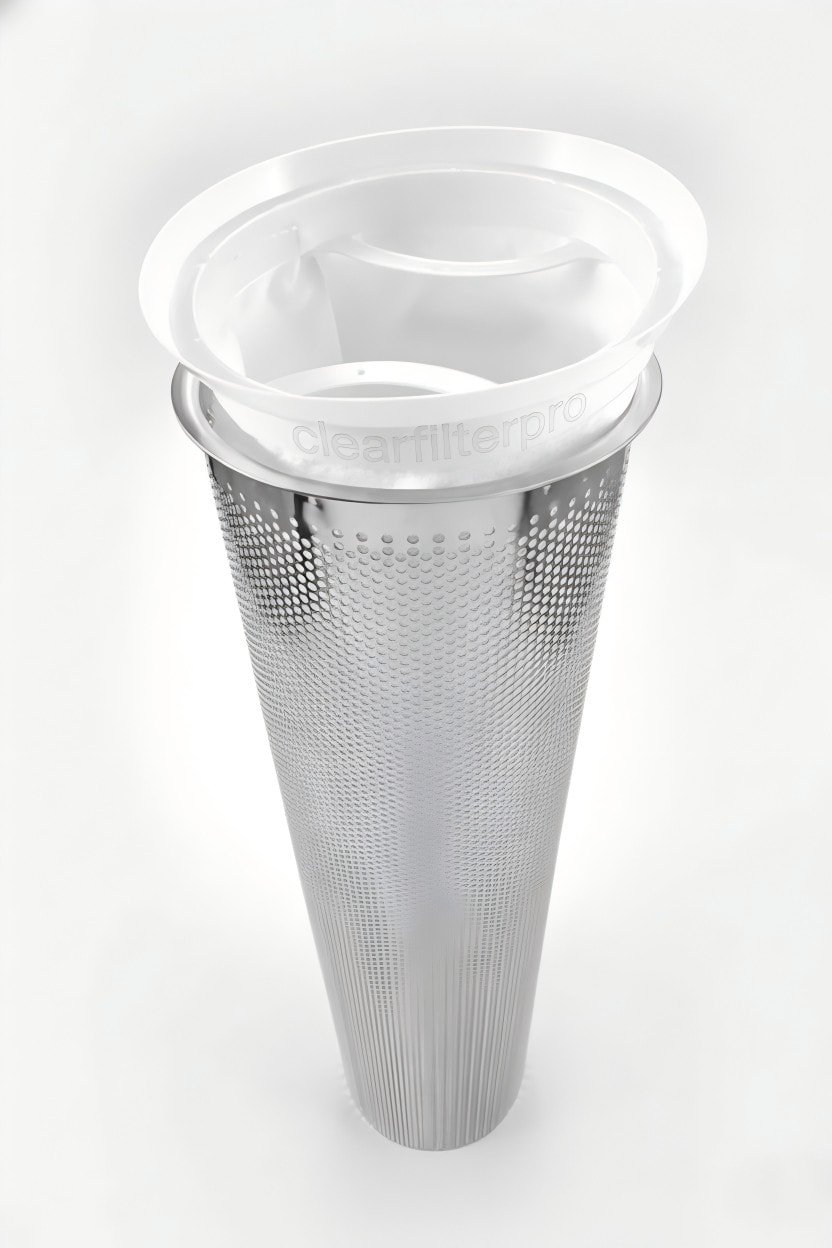
You use a Mesh Filter Bag to separate particles from liquids or air. This bag has strong monofilament nylon mesh for surface filtration. It is reliable for many industries. The material you pick changes how well the bag works. It also affects how long the bag lasts. High strength and abrasion resistance help the filter work well and last longer. The global market for these filter bags was worth US$ 108 million in 2024. It is expected to reach US$ 152 million by 2031.
Property | Description |
|---|---|
High strength and stiffness | Makes the filter bag last longer in different conditions. It helps the filter bag stay strong. |
Good abrasion resistance | Helps the filter handle wear and tear. This keeps the filter working well. |
Excellent flow for easy processing | Lets fluids move easily, which helps the filter work better. |
Good fatigue resistance | Lets the filter keep its shape and work well after many uses. |
High water absorption | Changes how the filter works when it is wet. This is important for some uses. |
Low dimensional stability | Can change the filter’s shape and how well it works over time. This happens in different conditions. |
The market is expected to grow at a CAGR of 4.9%.
Key Takeaways
Mesh filter bags help separate particles from liquids or air. They are important in many industries. – The material you pick, like nylon, polyester, or polypropylene, changes how the filter works. It also affects how long it lasts and what jobs it can do. – Nylon mesh bags are strong and you can use them again. They work well for food and chemical jobs. Polyester works well outside. – Knowing about micron ratings helps you pick the right filter. Lower ratings mean the filter catches smaller particles. – Always think about temperature and chemical safety when you pick a filter bag. This helps the filter work well and last longer.
What Are Mesh Filter Bags and How Do They Work?
Mesh filter bags are filtration devices made from woven or non-woven materials, designed to remove particulates from liquids. They work by allowing liquid to pass through while capturing solids within the mesh structure. These bags are used in various industries for applications like water treatment, food processing, and chemical manufacturing.
Structure and Construction
A Mesh Filter Bag is easy to spot because it looks strong and simple. Makers use nylon monofilament mesh to build these bags. This material makes the bag tough and gives exact micron ratings. The bag usually has seams that are sewn together. Some bags have rings made by molding. These rings help the bag seal tightly, so leaks do not happen. This keeps the filter working well. Some bags also have handles. You can use the handles to change the bag fast and with little trouble.
Feature | Description |
|---|---|
Material | Nylon monofilament mesh, providing high tensile strength and precise micron ratings. |
Design | Sewn seam with options for traditional or moulded rings, ensuring a hermetic seal. |
Filtration Performance | Moulded rings create a 360° seal, maximizing filtration efficiency for critical applications. |
Ease of Use | Integrated lifting handles for quick bag changes and installation. |
The mesh has holes that are all the same size. These holes let you catch particles of a certain size. Micron ratings show how small the particles are that the bag can stop. For example, a 10-micron bag will catch things that are 10 microns or bigger. The mesh holds back solids but lets clean liquid pass through. This way, your filtered liquid stays free from dirt.
Tip: Monofilament mesh gives exact surface filtration and even holes. You can wash and use these bags again. This helps you save money and make less trash.
Filtration Applications
Mesh Filter Bags are used in many kinds of work. They are good for auto coating and paint, water cleaning, medicine, and food and drink making. These bags catch solid bits and keep liquids clean. You can use them for many jobs in factories. The small holes in the mesh trap certain sizes of particles. This means you get good results every time.
Auto coating and paint
Water purification and processing
Pharmaceutical production
Food and beverage manufacturing
Micron ratings and even holes help you pick the right bag. If you need to catch tiny bits, choose a bag with a lower micron rating. If you want to use your filter again, monofilament mesh is a smart pick. It keeps its shape after you wash it.
What Materials Are Used in Mesh Filter Bags?
Picking the right material for your Mesh Filter Bag matters. Every material has special features. These features change how the bag works for different jobs. You should learn about temperature resistance, chemical safety, and how tough the bag is before you choose.

Nylon Mesh Filter Bag
Nylon is used a lot for filtering. You can use nylon mesh for food, chemicals, and cleaning water. Nylon is strong and bends easily. It does not break fast, even after many uses. Nylon mesh comes in many shapes and sizes. This helps you pick the best filter for your job.
Property | Description |
|---|---|
The bag is tough and does not bend out of shape. | |
Outstanding Fatigue Resistance | The bag stays strong after you use it many times. |
Versatile Form Factors | You can find nylon mesh in many shapes. |
Abrasion and Corrosion Resistance | The bag does not wear out or get ruined by chemicals. |
Heat-Melting Resistance | The bag works well in hot places where other bags might fail. |
Diverse Mesh Counts | You can pick the size of the holes for your needs. |
Universal Applicability | Nylon mesh works for many liquids, like food and chemicals. |
FDA Compliance | You can use nylon mesh for food because it is safe and clean. |
Nylon mesh filter bags can take heat up to 350°F. This means you can use them for hot liquids. Nylon does not get ruined by many chemicals. You can use it in hard jobs. Nylon is stronger than polyester. It keeps its shape and works well when squeezed.
Note: You can use nylon mesh filter bags again. Wash them and reuse them. This saves money and makes less trash.
Polyester Mesh Filter Bag
Polyester is also used for mesh filter bags. You can use polyester when you need a strong and steady bag. Polyester does not rip or tear easily. It does not get ruined by sunlight, so you can use it outside.
Advantages | Limitations |
|---|---|
Not as safe with chemicals as polypropylene | |
Resistant to abrasion and UV degradation | Not good for very strong chemicals |
Excellent stability under mechanical loads | N/A |
Polyester mesh filter bags can take heat up to 250°F. This is less than nylon or polypropylene. Polyester works with many chemicals, but not all. It is not the best for very strong chemicals. You can use polyester for cleaning water, paint, and food.
Polypropylene Mesh Filter Bag
Polypropylene is great for jobs with strong chemicals. You can use polypropylene mesh filter bags with acids, bases, or strong cleaners. Polypropylene keeps its shape in tough places. It can take heat up to 350°F.
Property | Description |
|---|---|
Polypropylene does not get ruined by acids, bases, or many cleaners. | |
Integrity in Harsh Environments | Polypropylene stays strong in places with lots of chemicals. |
Polypropylene is lighter than nylon and polyester. It does not soak up water. This helps it last longer when wet. You can use polypropylene in chemical factories, labs, and big cleaning jobs.
Other Material Options
Some jobs need special kinds of mesh filter bags. You can get bags made from PTFE-coated nylon or CLAF® Bio Fabric™. PTFE-coated nylon does not get ruined by acids or heat. It works well for hard chemical jobs. CLAF® Bio Fabric™ is better for the planet. It acts like plastic but is eco-friendly.
Material | Unique Properties |
|---|---|
Does not get ruined by acids or heat | |
CLAF® Bio Fabric™ | Good for the environment, acts like plastic |
Pick these materials for special jobs. Use PTFE-coated nylon for strong acids. Pick CLAF® Bio Fabric™ if you want to help the environment.

Tip: Always check the chemical and heat limits before you pick a mesh filter bag. The right material helps you get good results and save money.
How Do Different Mesh Filter Bags Compare in Performance?
Different mesh filter bags vary in performance based on factors such as mesh size, material, and filtration efficiency. Smaller mesh sizes capture finer particles, while larger ones allow higher flow rates. Material choices, like nylon or polyester, affect durability and chemical resistance. Overall performance depends on specific application needs.

Filtration Efficiency
You want your filter to catch the right stuff. Polyester and polypropylene mesh filter bags trap about 95% of particles in tests. This means they catch most things that match their micron rating. Nylon mesh filter bags also work well, but exact numbers are not always given. You can pick from many micron ratings, from 1 to 1,000 microns. Lower micron ratings, like 1 or 5, are best for jobs needing very clean results, like medicine or electronics. Higher ratings, like 25 or 100, are good for regular cleaning.
Tip: Pick the right micron rating for your job. Smaller numbers catch smaller bits.
Chemical Compatibility
You need to know what chemicals your filter will touch. Nylon stands up to weak acids and alkalis, but strong acids can hurt it. Polyester works with weak acids and alkalis, but strong alkalis can damage it. Polypropylene works with most acids and bases. Some chemicals, like sulfuric acid, hydrochloric acid, and strong cleaners, can break down filter bags. Oxidizing agents, like ozone, can also cause damage.
Compatibility | Nylon | Polyester |
|---|---|---|
Weak acids | None | Resistant |
Strong acids | Attacked | Slow attack |
Weak alkalies | None | Resistant |
Strong alkalies | Resistant | Attacked |
Organic solvents | Resistant | Slight attack |
Max temperature (°F) | 350 | 250 |
Acid corrosion happens when acids like sulfuric or hydrochloric touch the bag.
Alkaline corrosion comes from things like sodium carbonate.
Oxidation corrosion happens with ozone or nitrogen oxides.
Durability and Reusability
You want your Mesh Filter Bag to last a long time. Most filter bags last from 6 to 24 months if used often. Nylon and polypropylene monofilament bags have strong, even holes. You can wash and use them again many times. Polyester bags cost less, but you usually throw them away after one use.
Material Type | Characteristics | Reusability Implication |
|---|---|---|
Nylon Monofilament | Very strong, even holes | |
Polyester Multifilament | Cheap, meant for one use | Not good for reuse |
Polypropylene Monofilament | Strong, even holes | Can be reused many times |
Note: Washing and reusing your filter bag saves money and makes less trash.
Cost Factors
You need to think about price and how well the bag works. Metal fiber felt filters cost more at first, but you do not need to buy new ones often. Woven wire mesh filters cost less to buy, but you spend more time and money cleaning and fixing them. Nylon and polypropylene bags cost more than polyester, but you can use them again. Polyester bags cost less, but you throw them away after one use.
Think about how often you need to change your filter. A reusable bag may help you save money over time.
Choosing the Right Mesh Filter Bag

Application Assessment
Start by thinking about what your process needs. Look at the temperature and pressure in your system. Some bags work better when it is hot or under high pressure. You need to know which filter media fits your job. You can pick needlefelts, woven monofilament meshes, or meltblown media. The way your filter housing is built is important too. Top inlet designs make bag changes easy. Side inlet designs are good for small spaces.
Check your system’s temperature and pressure.
Choose the filter media that fits your job.
Decide if you want a top or side inlet housing.
Factor | Why It Matters |
|---|---|
Temperature Resistance | Stops bag damage when it gets hot |
Pressure Handling | Keeps the bag working under stress |
Filter Media Type | Matches the bag to your filtration goal |
Housing Design | Changes how you install and fix the bag |
Material Selection Tips
Pick the bag material that matches your job. Nylon is good for jobs with chemicals, like food or paint. Polyester is strong and does not get ruined by sunlight. Polypropylene works well with strong acids and bases. Stainless steel is best for high pressure and heat, like in oil and gas.
Tip: Always make sure the bag material can handle your chemicals and heat. Using the wrong material can make the bag break early.
Nylon: Flexible, tough, safe for food and chemicals.
Polyester: Strong, good for outdoor use.
Polypropylene: Handles strong acids and bases.
Stainless Steel: Best for high pressure and heat.
Practical Recommendations
Follow these steps to get the best results. First, figure out what fluid you need to filter. Next, know the size and type of particles you want to remove. Learn your system’s limits for temperature, flow rate, and pressure. Decide your filtration goal, like pre-filtering or final cleaning. Test your choice with particle analysis.
Common mistakes are using cheap or wrong filter bags. Buy good bags that fit your system. This helps you avoid problems and saves money.
Find out your fluid and what you want to remove.
Know your system’s limits.
Pick the right bag material.
Test and check for the best results.
Nylon, polyester, and polypropylene mesh filter bags are all different. Each one has its own strong points. Look at the table below to compare them:
Material | Durability | Chemical Resistance | Flexibility | Heat Resistance | UV Resistance |
|---|---|---|---|---|---|
Nylon | High | Excellent | High | Moderate | Low |
Polyester | High | Moderate | Moderate | High | High |
Polypropylene | Moderate | Excellent | Low | Low | Low |
Pick your filter bag by thinking about what you need to clean. Also think about how hot your process gets and what chemicals you use. If you need more help, look at charts about filter bag materials or ask a filtration expert for advice.
FAQ
What is the main difference between nylon, polyester, and polypropylene mesh filter bags?
These bags are different in how they handle chemicals, heat, and bending. Nylon can take heat and chemicals well. Polyester does not tear easily and blocks sunlight. Polypropylene works best with strong acids and bases.
Can you reuse mesh filter bags?
You can wash nylon and polypropylene mesh filter bags and use them again. Polyester bags are usually used once and then thrown away. Reusing bags helps you spend less money and make less trash.
How do you choose the right micron rating?
Pick a micron rating that matches the size of the bits you want to catch. If you need to trap tiny bits, pick a lower micron number. If you want to catch bigger pieces, pick a higher number.
Are mesh filter bags safe for food and beverage applications?
Material | Food Safe? |
|---|---|
Nylon | Yes |
Polyester | Yes |
Polypropylene | Yes |
You can use nylon, polyester, or polypropylene for food and drinks if they follow FDA rules.
What causes filter bags to fail early?
Filter bags can break early if you use the wrong material, if it gets too hot, or if strong chemicals touch it. Always check what your system needs before you pick a filter bag.