
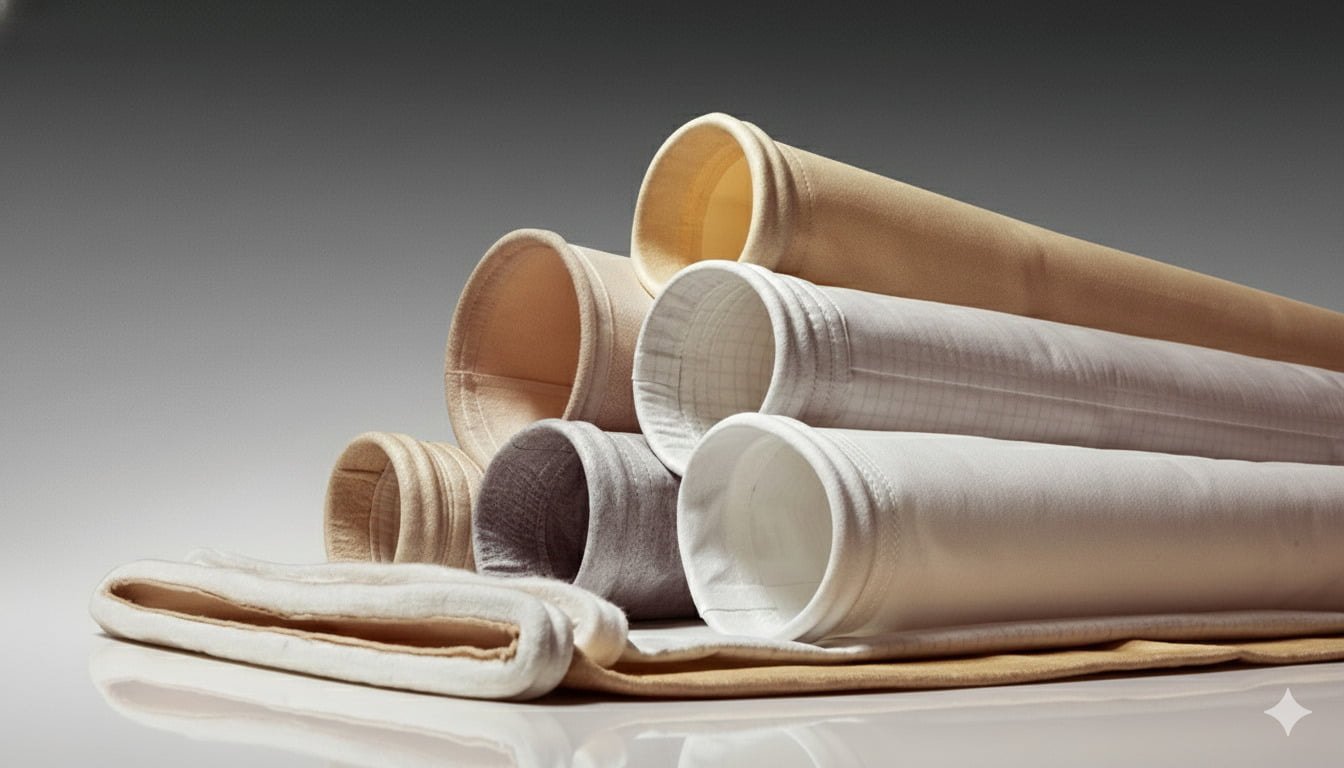
You deal with hard problems in industrial filtration. Hot temperatures, harsh chemicals, and lots of dust can hurt regular filters. PPS Filter Bag materials help you fix these issues. They stand up to heat, acids, and alkalis. Their tough build lets you put them in and swap them out fast. This keeps your work going without stopping. Many industries pick PPS Filter Bag materials because they clean better and cut down on breaks.
Thin fibers and special shapes make more surface area and help filter better.
More chemical plants and factories want them because they work well for tough jobs.
Key Takeaways
PPS filter bags can handle very high heat. They work up to 190°C (375°F). This makes them good for tough places like power plants. They are also used in waste incinerators.
These filter bags do not get damaged by strong chemicals. You can use them in many industries. You do not have to worry about acids or alkalis hurting them.
PPS filter bags clean the air very well. They can catch up to 99.9% of dust. This helps keep the air clean. It also helps follow environmental rules.
PPS filter bags are very strong. They can last more than 30,000 hours if you take care of them. This means you do not need to change them often. It also saves money and time.
You should always install them the right way. Check the oxygen levels in your building. This helps PPS filter bags work better and last longer.
What Is the Performance of PPS Filter Bag Materials?
PPS filter bag materials offer excellent performance in high-temperature and chemical environments. Known for their resistance to acids, alkalis, and hydrolysis, these materials can operate efficiently at temperatures up to 190°C. Additionally, PPS filter bags maintain their structural integrity and filtration efficiency even in harsh conditions, making them ideal for industrial applications.
Heat Resistance
You need a filter bag that works in hot places. PPS Filter Bag materials do well when it is very hot. They can work all the time at 160°C (320°F). If the heat goes up fast, they can handle 190°C (375°F). They do not break down at these high temperatures. This makes them good for waste incineration and power plants.
Here is a table that shows the highest temperature each filter bag material can take:
Material | Maximum Operating Temperature |
|---|---|
PPS | 375°F (190°C) |
Polyester | 275°F (135°C) |
Polypropylene | 170°F (77°C) |
Nomex | 392°F (200°C) |
PTFE | 482°F (250°C) |

You can see PPS Filter Bag materials are great at handling heat. They keep working even when it gets very hot for a short time.
Tip: If your work has sudden heat changes, PPS Filter Bag materials help stop filter problems.
Chemical Resistance
You often use filters where there are strong chemicals. PPS Filter Bag materials can stand up to many acids, alkalis, and solvents. This means you can use them in chemical plants and other tough places.
Here is a table that shows how PPS Filter Bag materials react to different chemicals:
Chemical | Compatibility Rating | Notes |
|---|---|---|
Benzonitrile | A | High resistance; less at high temperatures |
Benzyl chloride | A | High resistance; less at high temperatures |
Potassium hydroxide | A | High resistance |
Sodium hydroxide | A | High resistance; long exposure may weaken material |
Sulfuric acid | A | High resistance; long exposure may weaken material |
Bromine | C | Lower resistance |
Chlorine | C | Lower resistance |
Hydrochloric acid | C | Lower resistance |
Nitric acid | C | Lower resistance |
Ozone | C | Lower resistance |
You can trust PPS Filter Bag materials with most chemicals. But you should be careful with very strong oxidizers.
Mechanical Strength
You want a filter bag that does not rip or break. PPS Filter Bag materials are strong and can take a lot of pressure. They do not fail when you clean them with strong air pulses. This means you do not have to worry about the bag breaking.
PPS filter yarns stay strong in hard jobs.
Other filter bags might rip, but PPS Filter Bag materials last longer.
You get good quality and save money at the same time.
Filtration Efficiency
You need to catch dust and small bits in the air. PPS Filter Bag materials use a non-woven felt. This gives a big surface to trap dust.
The needle-felt process makes the surface rough and thick. This helps catch tiny particles better. For dust bigger than 6 microns, PPS Filter Bag materials can catch all of it. For smaller dust, how well it works depends on the size of the holes in the felt. Smaller holes catch more dust.
Note: Some PPS Filter Bag materials have a pleated design. This gives more surface area and better filtration.
Durability
You want your filter bags to last a long time. PPS Filter Bag materials are tough and last long. They do not burn easily and resist water. You can use them where the air is wet or there is a fire risk.
Many things change how long your filter bag lasts:
Cleaning: If you clean the bags right, they last longer.
Working conditions: High heat or sticky dust can wear out the bag faster.
Maintenance: Good setup and regular checks help stop early failure.
Field studies show PPS Filter Bag materials work well for months in hard places like coal power plants. You can count on them to last a long time.
Where Are PPS Filter Bag Materials Commonly Used?
PPS filter bag materials are predominantly used in industries requiring high-temperature filtration and chemical resistance. These materials are essential in environments such as coal-fired power plants, cement production, and waste incineration facilities, where they effectively capture particulate matter while withstanding harsh conditions.

Power Plants
Power plants have tough jobs for filters. There is lots of heat and strong chemicals. The rules for clean air are strict. PPS Filter Bag materials work well in these places. They do not get damaged by heat or chemicals. You can use them in coal boilers and gas cleaning systems. These bags work even when it is 160°C. They last more than 30,000 hours. Gases like NO2, SO2, and SO3 do not cause rust.
Parameter | Value |
|---|---|
Maximum Operating Temp | 160°C |
Oxygen Content | 9% |
Service Life | > 30,000 hours |
Chemical Resistance | NO2, SO2, SO3 control |
These filter bags work well for a long time. They help you follow air rules and keep your plant working.
Waste Incineration
Incinerators burn trash at high heat. This makes dirty gases with many chemicals. You need a filter that can handle heat and dust. PPS Filter Bag materials do this job well. They stay strong up to 190°C. They do not get ruined by alkaline dust or rough bits.
Feature | Description |
|---|---|
High-Temperature Stability | Tolerates environments up to 190°C |
Chemical Resistance | Withstands aggressive alkaline dust and abrasive particles |
Durability | Highly durable and abrasion-resistant, ensuring long-term performance in demanding conditions |
Filtration Efficiency | Excellent filtration efficiency for controlling particulate matter and maintaining compliance |
Applications | Commonly used in waste incinerators, coal-fired power plants, fluidized bed reactors |
These bags help keep the air clean. They also help your plant follow the rules.
Cement Industry
Cement plants make lots of dust and heat. You need clean air for workers and machines. PPS Filter Bag materials trap fine dust. This stops dust from getting into the air. You lower fire risks and protect your machines.
You catch tiny dust and make air cleaner.
You follow tough air rules.
You keep workers safe.
You stop dust from hurting machines.
You can reuse dust in making cement.
Some systems catch 99.9% of dust. This means less waste and cleaner air.
Metal Smelting
Metal smelting uses very high heat. It makes gases like SO2 and H2O. You need a filter that does not break in these places. PPS Filter Bag materials work from 100°C to 150°C. They do not lose strength with water or sulfur gases. Their design keeps water from sticking to the filter.
Attribute | Evidence |
|---|---|
Thermal Stability | Maintains performance in high-temperature environments (100–150°C) |
Chemical Resistance | No interference from flue gas components like H2O and SO2 |
Hydrophobicity | Water contact angle above 130°, reducing the likelihood of H2O covering the surface |
Performance in Humidity | Stable performance in flue gases with 20% H2O and 2% SO2 |
Design | Suitable for fixed-bed dust filtration in smelting |
You get good dust control and help protect the environment.
Other Industrial Uses
You can use PPS Filter Bag materials in many places. Chemical plants, metallurgy, and waste-to-energy plants use them. These bags work with strong chemicals and high heat. They help you control dust and follow safety rules.
Industrial Sector | Benefits of PPS Filter Bags |
|---|---|
Power Plants | Filters flue gases and reduces particulate emissions. |
Cement Industry | Controls dust and particulate emissions in kilns and mills. |
Chemical Industry | Suitable for aggressive chemicals and high-temperature processes. |
Waste Incineration | Filters flue gases and controls emissions in waste-to-energy plants. |
Metallurgy | Captures particulate matter in metal smelting and refining. |
Tip: If you work with heat, chemicals, or dust, PPS Filter Bag materials help keep air clean and machines safe.
What Are the Advantages and Limitations of PPS Filter Bag Materials?
PPS (Polyphenylene Sulfide) filter bags offer high thermal stability and chemical resistance, making them suitable for demanding industrial applications. They perform well in environments with high temperatures and corrosive gases, maintaining efficiency even under harsh conditions.

Main Advantages
You get many benefits when you choose PPS filter bag materials for your dust collection system. These bags stand out because they work well in tough places. You can use them in high heat and with strong chemicals. PPS filter bags last longer and help you keep your machines running.
PPS filter bags resist heat up to 190°C (375°F). You can use them in places where other bags melt or break.
They handle acids and alkalis better than Nomex and Acrylic. You do not need to worry about chemical damage.
PPS filter bags have good abrasion resistance. You can clean them often without tearing.
You get high filtration accuracy, from 50 to 800 mesh. This means you catch more dust and keep the air clean.
PPS filter bags work in a wide pH range, from 1 to 13. You can use them in many chemical processes.
Here is a table that shows how PPS filter bags compare in key properties:
Property | Value |
|---|---|
Max Operating Temperature | 190°C (375°F) |
Filtration Accuracy | 50-800 mesh |
Acid Resistance | Much better than Nomex/Acrylic |
Alkali Resistance | Excellent |
Abrasion Resistance | Good |
pH Range | 1-13 |
Tip: You can use PPS filter bags in places with sudden temperature changes or strong chemicals. They help you avoid downtime and save money.
Potential Limitations
You should know about some limits before you choose PPS filter bags. These bags do not work well in every situation.
Characteristic | Limitation |
|---|---|
Bag-to-Cage Fit | Sensitive |
PPS filter bags need a careful fit between the bag and the cage. If you do not install them right, you may see leaks or damage. You also need to avoid high-oxygen environments. PPS filter bags do not resist oxidation well. If you use them where oxygen levels are high, they may break down faster. This can shorten their life and lower their performance.
Note: You should check your plant’s oxygen levels and make sure you install PPS filter bags correctly. This helps you get the best results and avoid problems.
Selection Guide

When to Choose PPS Filter Bags
You want to pick the right filter bag for your job. PPS filter bags work best in places with high heat, strong chemicals, and lots of dust. You should look at a few key things before you decide.
Filtration Efficiency: Make sure the bag can catch the dust and particles you need to remove.
Chemical Compatibility: Check if the bag can handle the acids, alkalis, or other chemicals in your process.
Temperature Tolerance: See if the bag can stand up to the highest and lowest temperatures in your plant.
Mechanical Strength: Pick a bag that will not tear or wear out quickly.
A qualified PPS filter bag should have the following characteristics: The choice of PPS filter bag should meet the requirements. The manufacturing and processing of filter bags should meet the standards. Hot-melt adhesive products cannot be used for the three stitching method. The appearance of the product is beautiful, but the temperature is not high enough, and it is easily damaged.
You should also think about how easy it is to install the bag and how long it will last. PPS filter bags give you strong performance in harsh places. If your plant has sudden heat changes or uses strong chemicals, PPS is a smart choice.
PPS vs. Alternative Materials
You have many filter bag materials to choose from. Each one works best in different situations. You need to look at your plant’s needs and match them to the right material.
Chemical Compatibility: Make sure the filter bag will not break down from the chemicals in your process.
Operating Temperature: Choose a bag that can handle your plant’s hottest and coldest days.
Particle Size: Pick a material with the right pore size for your dust or particles.
Moisture Resistance: If your process has water or steam, select a bag that stays strong when wet.
Abrasion Resistance: If your dust is rough or sharp, use a bag that can take a beating.
You also need to think about rules and costs.
Regulatory Compliance: Make sure your filter bags meet all safety and air quality rules.
Economic Considerations: Balance the price of the bag with how long it will last and how well it works.
Environmental Impact: Choose a material that is safe for the environment.
You should study the chemicals and temperatures in your plant. This helps you pick a filter bag that will last a long time and keep your system running well.
PPS filter bags are good at handling heat. They stay strong with chemicals. They last a long time. You can use them in power plants and cement factories. They also work in other hard places. These bags catch a lot of dust. You will have fewer problems with breakdowns. Always check the oxygen levels in your plant. Make sure you put the bags in the right way. In the future, you may see new changes:
Filter media that works even better
Smart sensors that make maintenance easier
PPS filter bags help keep air clean. They also protect your machines.
FAQ
What is the main benefit of PPS filter bag materials?
You get strong heat and chemical resistance. PPS filter bags work well in harsh places. You can use them in power plants, cement factories, and waste incinerators.
How long do PPS filter bags last?
You can expect PPS filter bags to last over 30,000 hours in normal use. Good cleaning and regular checks help you get the longest life.
Tip: Check your filter bags often. Replace them if you see damage or wear.
Can you use PPS filter bags with wet or sticky dust?
Yes, you can. PPS filter bags resist water and do not lose strength in wet air. You can use them where dust is sticky or the air is humid.
What chemicals should you avoid with PPS filter bags?
Chemical | Effect on PPS Filter Bags |
|---|---|
Strong oxidizers | Can damage the material |
Chlorine | Low resistance, avoid use |
Nitric acid | Low resistance, avoid use |
You should avoid strong oxidizers and some acids. Always check your process chemicals.