Author: laomopublic@gmail.com

  • Industrial Cartridge Filters: Your Essential Guide

    Industrial Cartridge Filters: Your Essential Guide

    You use an Industrial Cartridge Filter to clean air and liquids in factories. This filter catches bad particles and keeps your workplace safe. You save money when you pick high-quality cartridges. Good filters last longer and cost less to fix. Clean air keeps workers healthy and helps them work better. Good dust collectors use less energy and help you finish more work.

    Key Takeaways

    • Industrial cartridge filters help clean air and liquids in factories. They make the workplace safe and work better. Picking good filters saves money over time. This is because you do not need to fix things as often. Good filters also last longer. There are different kinds of filters for air and liquid. Each type has its own job. It is important to pick the right filter for the best results. You should check and change filters often. This keeps machines working well and stops big problems. Good filters make things safer and follow rules. They also help the environment by making less waste and using less energy.

    What Are Industrial Cartridge Filters?

    Industrial cartridge filters are replaceable, modular elements housed in pressure-rated vessels that remove suspended solids and contaminants from liquids or gases. Using depth or surface media with defined micron ratings (nominal or absolute), they deliver precise, scalable, low-footprint filtration for process protection, product quality, and regulatory compliance across water, chemical, food, pharmaceutical, and industrial applications.

    What Is An Industrial Cartridge Filter

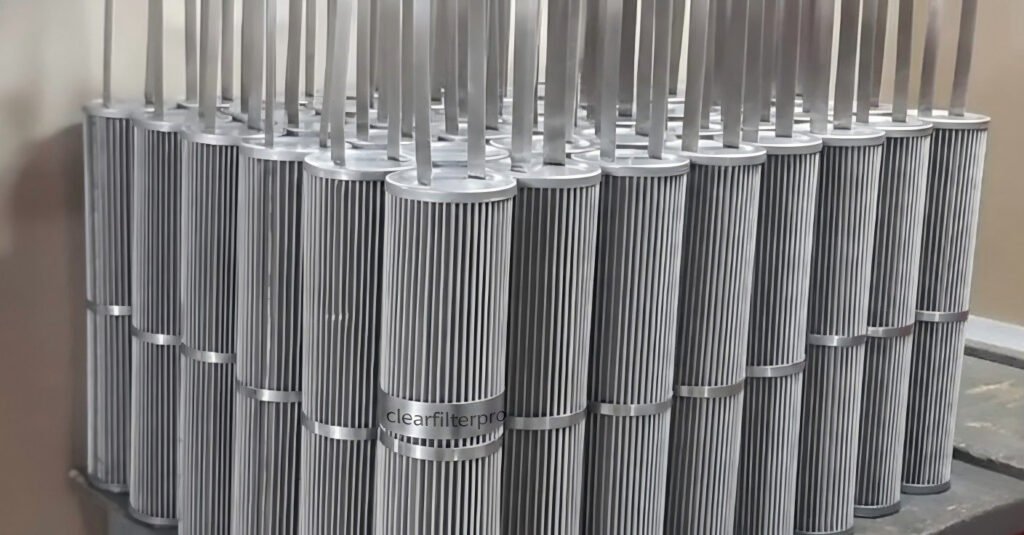
    Factories and plants use industrial cartridge filters to clean air, water, and other fluids. These filters are made to catch solid particles. This helps machines work well and not break down. There are different types of these filters. Type 222 has two gaskets to stop leaks. Type 226 has locking fins so you can put it in easily. Plat End has a flat cover that seals the filter. Spear has a pointed cap that keeps it from moving. The filter media inside can be depth or surface type. Depth filters trap particles inside their layers. Surface filters block particles on the outside. This design lets the filter work very well, sometimes over 99.9%.

    Type

    Description

    Type 222

    Open at one end with dual gaskets for better bypass protection.

    Type 226

    Sanitary filter with locking fins for proper installation.

    Plat End

    SOE type with a flat plastic cover for sealing.

    Spear

    SOE type with a pointed cap to maintain a seal and prevent swaying.

    Key Functions In Filtration

    Industrial cartridge filters use different ways to clean. They block big particles by catching them inside the filter. Diffusion helps catch small particles that move around a lot. Attractive forces, like static electricity, hold onto some dirty things. These ways help keep your air and fluids clean.

    Mechanism Type

    Description

    Physical Blocking

    Larger particles are trapped within the filter structure.

    Diffusion

    Smaller particles stick to filter fibers due to random motion.

    Attractive Forces

    Electrostatic or chemical forces retain charged or polar contaminants.

    Common Applications

    Many industries use industrial cartridge filters. Water treatment plants use them to take out dirt and sand from water. Food and drink factories use them to clean ingredients and finished products. This keeps out germs and unwanted bits. Medicine companies use them to keep liquids and gases clean. Chemical and petrochemical plants use these filters to protect machines and make better products.

    • Water treatment: Removes sediment and impurities from water.

    • Food and beverage: Filters ingredients and products to eliminate particles and microorganisms.

    • Pharmaceuticals: Keeps liquid and gas products clean and safe.

    • Petrochemical and chemical processing: Protects equipment and ensures product quality.

    Industrial cartridge filters work very well, are easy to change, and do not need much fixing. You can use them in many places. They help save money and are good for the environment.

    What Types of Industrial Cartridge Filters Exist?

    Factories and plants use many kinds of cartridge filters. Each type is best for a certain job. You need to know how they are different. This helps you pick the right one.

    industrial cartridge filter (1)

    Air Filtration Cartridge Filters

    Air filtration cartridge filters clean the air in work areas. They trap dust, pollen, and other tiny things. These filters help keep workers and machines safe. They use impaction, interception, and diffusion to catch particles. These methods can trap things as small as 0.3 microns. HEPA filters are a common example. They are used in clean rooms and places needing very pure air.

    Here is a table that compares air and liquid cartridge filters:

    Aspect

    Air Filtration

    Liquid Filtration

    Mechanism of Filtration

    Impaction, interception, diffusion

    Viscous forces, electrostatic repulsion

    Efficiency

    High efficiency against small particles

    Lower efficiency for same media

    Example Media

    HEPA filters

    Microglass media

    Particle Size

    Effective for 0.3 µm particles

    0% efficiency for 0.3 µm particles

    Pore Size

    Typically around 5 µm

    Too large for effective filtration

    Use air cartridge filters to remove fine dust and keep air clean. These filters are important in dust collection systems. They help you follow safety rules and protect workers.

    Liquid Filtration Cartridge Filters

    Liquid filtration cartridge filters clean water, oil, and chemicals. They remove dirt, sand, and other solids from liquids. These filters use viscous forces and electrostatic repulsion. Microglass media is often used in these filters. They work best for bigger particles. You must pick the right pore size for your liquid. If the pore size is too big, small particles will get through.

    You find these filters in water treatment, food factories, and chemical plants. They help keep products clean and safe. They also protect machines from damage. You need to match the filter to your liquid and the size of the particles.

    Dust Collection Cartridge Filters

    Dust collection cartridge filters are used in dust collection systems. They trap dust and other particles from the air. These filters are needed in places where dust can hurt workers or machines. The MERV rating shows how well a filter works. A higher MERV rating means better filtration. MERV ratings show how a filter works at first. They do not always show how it works over time. You should check the filter’s rating and match it to the dust you want to catch.

    Many dust collection cartridge filters can remove 99.9% of particles at 5 microns. You must choose the right filter for your dust collection system. This keeps your workplace safe and machines working well.

    Tip: Always check the MERV rating and micron size when you pick cartridge filters for dust collection systems.

    Vertical Vs. Horizontal Cartridge Filters

    You can pick vertical or horizontal cartridge filters. Each type has good points and bad points. Think about your space, budget, and how easy it is to clean the filters.

    Here is a table to compare these two types:

    Feature

    Vertical Cartridge Filters

    Horizontal Cartridge Filters

    Space Requirements

    Compact design, needs extra headroom

    May use more floor space

    Installation Costs

    Higher initial costs, more complex

    Lower costs, simpler installation

    Maintenance

    Less clogging, effective cleaning

    Easier access, but may clog more often

    Vertical cartridge filters save space but need more room above. They cost more to install but stay cleaner longer. Horizontal cartridge filters are easier to reach and cost less to set up. They may clog faster, so you need to check them often.

    There are also two main types of cartridge filters based on their ends:

    Filter Type

    Description

    Advantages

    Disadvantages

    DOE

    Double Open Ended cartridges have no built-in seals on either end.

    Commonly used, simpler design.

    Potential for bypass of contaminants.

    SOE

    Single Open Ended cartridges have one end sealed with a cap.

    Prevents filter bypass, ideal for high purity needs.

    Higher cost, less common in general applications.

    You must pick the right cartridge filter for your job. Think about what you need to filter, your space, and your budget. This helps you get the best results and keep your workplace safe.

    What Materials and Construction Methods Are Used in Cartridge Filters?

    Cartridge filters use polymer, cellulose, glass, metal, or ceramic media—e.g., melt‑blown polypropylene, pleated PES/PTFE/PVDF/nylon, cellulose or glass fiber—supported by PP or stainless cores, cages, and end caps with elastomer O‑rings. Construction methods include melt‑blowing, pleating, sintering, and thermal/ultrasonic welding or adhesive potting to seal end‑caps and interfaces.

    industrial cartridge filter (2)

    Filter Media Options

    You must pick the right filter media for your system. The filter media decides how well the cartridge filter works. Different materials catch different kinds of particles. Here are some common filter media used in industrial cartridge filters:

    Each filter media type has its own good points. Cellulose is good for simple jobs. Synthetic-blend is stronger and lasts longer. Nanofiber catches very tiny particles, so it cleans better. Spunbond polyester can handle water and chemicals. PTFE with Nomex technology works with high heat and strong chemicals.

    End Cap And Core Materials

    End caps and cores help your cartridge filter last longer. Polypropylene is often used for end caps. Polypropylene does not get damaged by many chemicals. This makes it good for tough places. Stainless steel is a common core material. Stainless steel gives strong support to the filter. It can handle high heat and pressure. Picking the right end cap and core materials makes your system safer and more dependable.

    Tip: Always choose end cap and core materials that match the chemicals and heat in your process.

    Material Advantages

    Using the right materials in cartridge filters gives you many benefits. Good filter media traps more particles and cleans better. Strong end caps and cores stop the filter from breaking. This saves you time and money on repairs. Your equipment is also safer from damage. The best materials help your system last longer and work better. You keep your workplace safe and your products clean.

    Material Type

    Main Benefit

    Best Use Case

    Cellulose

    Basic particle removal

    General filtration

    Nanofiber

    Fine particle capture

    Clean rooms, sensitive areas

    Stainless Steel

    High strength, heat resistance

    Harsh or hot environments

    PTFE/Nomex

    Chemical and heat resistance

    Chemical plants, high heat

    Always check what your filtration process needs before picking materials. The right choice helps you follow safety rules and keeps your system working well.

    How Do You Select the Right Industrial Cartridge Filter?

    Picking the right filter cartridge helps your system work well and stay safe. You need to think about a few important things before you choose. This section will help you know what to look for.

    industrial cartridge filter (3)

    Application Needs

    First, you need to know what you want to filter. Each industrial liquid filter cartridge works best for a certain job. You should find out what kind of liquid you have. You also need to know if it is thick or thin. Check what chemicals are in the liquid. Temperature and pH are important too. Some liquids need special liquid filter cartridges for strong chemicals or high heat. You should see how much solid stuff is in your liquid. This helps you pick the best way to filter.

    Here are the main things to check:

    • What kind of liquid do you have?

    • Is the liquid thick or thin?

    • What chemicals and pH does it have?

    • How much and what size are the particles?

    • How fast does the liquid need to move?

    Tip: Always pick a filter cartridge for your application that matches your liquid. This gives you better filtration and keeps your equipment safe.

    Filtration Fineness And Particle Size

    Filtration fineness means how small the filter can catch particles. Micron ratings tell you what size particles the filter removes. A smaller micron rating means the filter catches smaller things. This helps you get rid of tiny dirt. You need to know how big the particles are in your liquid. If you pick a filter that is too fine, it can clog fast. This makes the filter work less well and you have to clean it more.

    Depth filtration uses thick layers to trap particles. Big particles stay on top and small ones go inside. This way, you get better filtration. The absolute rating tells you the biggest particle that can get through. This helps you know how well the filter cartridge for your application will work.

    Note: Always check the micron rating and absolute rating before you buy an industrial liquid filter cartridge. This helps you pick the right filter cartridge for your application.

    Compatibility And Compliance

    You need to make sure your filter cartridge for your application fits your system. The materials must work with your liquid and handle the heat and pressure. You also need to follow safety and environmental rules. Many industries have strict rules for how well filters must work.

    Here is a table that shows who makes these rules:

    Regulatory Body

    Role in Compliance

    Environmental Protection Agency (EPA)

    Sets rules for air and water pollution.

    Occupational Safety and Health Administration (OSHA)

    Makes rules for safe workplaces.

    National Fire Protection Association (NFPA)

    Makes fire safety rules for dust.

    Local and state regulations

    Adds extra safety and environment rules.

    You must check these rules before you pick a filter cartridge for your application. This keeps your workplace safe and helps you not get fined.

    Cost And Lifecycle

    You need to think about how much the filter costs and how long it lasts. Some industrial liquid filter cartridges are cheap but need to be changed a lot. Others cost more but last longer and need less fixing. You should look at the total cost, including changing and fixing the filter.

    Here is a table to help you compare costs:

    Filter Type

    Basic Range

    Mid-Range

    Premium

    Cartridge Systems

    $3,000-$15,000

    $15,000-$50,000

    $50,000+

    Changing cartridges can cost $10,000 to $50,000 each year for big systems. Changing membranes may cost $25,000 to $100,000 every few years. You save money when you pick a filter cartridge for your application that fits your needs and lasts longer.

    Tip: Always check how much the filter costs over time, not just the price. A good liquid filter cartridge works better and saves you money in the long run.

    Practical Tips for Matching Filter to Application

    • Find out what liquid you have and its details.

    • Check how fine the filter is and its micron rating.

    • Make sure the filter fits your system and follows safety rules.

    • Compare prices and how often you need to change the filter.

    • Pick a filter cartridge for your application that works well and does not need much fixing.

    You get the best results when you match your filter cartridge for your application to your process. This helps your system run well and saves you money.

    How Are Cartridge Filters Installed and Maintained?

    Cartridge filters are installed by isolating flow, confirming housing orientation and seals, inserting cartridges, evenly torquing the closure, and leak-testing. They’re maintained by tracking differential pressure (ΔP), cleaning or replacing elements at set thresholds, sanitizing housings, lubricating O‑rings, and documenting service intervals to ensure reliable, consistent filtration.

    industrial cartridge filter (4)

    Installation Steps

    You must follow the right steps to put in cartridge filters. This helps your system work well and keeps everyone safe. Here is an easy guide:

    1. Pick the correct filter. Make sure it fits your machine and does what you need.

    2. Check the filter housing. Clean out any dust or dirt before you start. This stops clogs and helps the filter work better.

    3. Line up the filter the right way. Put it in just like the maker says. This keeps leaks from happening and makes sure only clean air or liquid goes through.

    4. Make sure the seal is tight. Fasten the filter well. Locking parts or gaskets must fit snugly.

    5. Test the system. Turn it on and listen for odd sounds. Watch for leaks or slow flow.

    Tip: Always clean out dust or dirt before you put in a new filter. This easy step helps stop clogs early.

    Cleaning And Preparation

    You should clean and get cartridge filters ready before you put them in. This helps the filter work better and last longer.

    • Disinfect or sanitize filters with the rest of your system.

    • Rinse filters with clean water to wash away loose dirt.

    • For filters that catch solid bits, rinse first with cold water, then use warm water (about 50°C) to clear out dirt that can dissolve.

    • Do not use high heat before rinsing. This keeps sticky stuff from staying on the filter.

    • Rinse with clean, germ-free water before using again to wash off any leftover cleaner.

    • Clean filters outside the system with safe cleaners like Tergazyme or Triton X-100.

    Maintenance Schedule

    You need to check your system often to keep it working well. Doing regular checks helps keep the air clean and lets you find problems early.

    • Watch airflow and system pressure. If something changes fast, check the filters.

    • Look for dust or smoke you can see. These signs mean the filter may need help.

    • If your workplace gets very dusty or dirty, check the filters more often.

    Task

    How Often

    What to Look For

    Airflow check

    Every week

    Slow flow, strange sounds

    Pressure check

    Every week

    Fast pressure changes

    Visual check

    Every month

    Dust, leaks, or damage

    Replacement Guidelines

    You need to change cartridge filters at the right time to keep things clean and safe. Here are signs you need a new filter:

    • If flow slows down, the filter may be full or blocked.

    • If pressure goes up, the filter is stopping flow.

    • If you see more dust or dirt coming out, the filter is not working well.

    • If water looks or smells different, the filter may not be cleaning it.

    • If you see holes, thin spots, or worn fabric, the filter is old.

    • If you reach the time the maker says, change the filter even if it looks okay.

    Note: Changing filters on time keeps your system working well and your workplace safe. Do not wait for problems before you change filters.

    Benefits Of Industrial Cartridge Filters

    industrial cartridge filter (5)

    Efficiency And Performance

    You get better results when you pick the best industrial filter cartridge for your system. High filtration efficiency means you take out more dirt and harmful stuff from air and liquids. These filters work well in places like food plants and chemical factories. Machines break down less and stop working less often. High filtration efficiency also keeps the flow steady, so machines run smoothly.
    Here is a table that shows how things got better after using high-efficiency filters:

    Metric

    Before Upgrade

    After Upgrade

    Improvement

    Avg. Energy Cost

    $28,500/month

    $24,100/month

    -15.4%

    Filter Replacements

    6/year

    3/year

    -50%

    HVAC Service Calls

    17/year

    9/year

    -47%

    These filters can catch very tiny particles, sometimes only a few microns. This makes the air cleaner and keeps products safer.

    Cost Savings

    You save money when you use high-efficiency filtration systems. You do not need to change filters as much or fix things as often. A frozen food plant saved $33,000 on energy by switching to the best industrial filter cartridge. Automatic filtration systems can cut costs by more than 70% compared to old ways.

    • You pay less for workers because automatic filters clean themselves.

    • Filters last longer, so you use fewer supplies.

    • You throw away less and spend less on new filters.

    Safety And Compliance

    You follow safety rules and laws when you use industrial cartridge filters. These filters take out sediment, chlorine, bacteria, and viruses. This keeps water and air safe for workers and products.

    Aspect

    Description

    Contaminant Removal

    Filters get rid of many bad things, keeping water and air safe.

    Regulatory Standards

    You meet rules made by agencies for bottled water and other products.

    Certification

    Filters have NSF/ANSI and FDA certifications, showing they follow the rules.

    You protect your business and do not get fined when you follow these rules.

    Environmental Impact

    You help the environment when you use high-efficiency filters. These filters clean lots of air and water with less waste. You meet tough rules for clean air and water.

    • Cartridge filters make air better by taking out dust and pollution.

    • You do not need as much fixing, so you make less waste and use fewer resources.

    • You help the environment by keeping air and liquids clean.

    Using the best industrial filter cartridge helps you follow rules, save money, and protect the environment.

    You can make your workplace safer and save money by picking the right industrial cartridge filters. Many factories, like GPSC Thailand and Union Gas, got better results and spent less money after they changed their filters:

    Facility

    Key Benefit

    GPSC Thailand

    Saved $520,000 each year

    Union Gas

    Cleaner engines, saved fuel

    Here are some tips: make a plan to clean your filters, watch for pressure changes, and choose the best filter material. Check your system often and talk to experts if you need help. Good filter choices keep your workers safe and help you spend less.

    FAQ

    What is the difference between DOE and SOE cartridge filters?

    You see DOE filters with both ends open. These filters fit into housings without special caps. SOE filters have one end sealed. You use SOE filters for high purity jobs. DOE filters work well for general filtration.

    How often should you replace your filter?

    You should check your filter every month. If you see slow flow or dirt, change it. Most filters last three to six months. DOE and SOE filters may last longer if you clean them often.

    Can you use DOE and SOE filters in the same system?

    You should not mix DOE and SOE filters in one system. DOE filters need open-ended housings. SOE filters need a sealed end for a tight fit. Mixing filters can cause leaks and poor filtration.

    What happens if you use the wrong filter size?

    If you use the wrong filter size, you may see leaks or poor cleaning. Filters that do not fit can let dirt pass through. Always check your filter size before you install DOE or SOE filters.

    How do you clean cartridge filters before installation?

    You rinse your filter with clean water. For DOE filters, wash both ends. For SOE filters, clean the sealed end gently. Remove dust and dirt before you install filters. This step helps your filter work better.

  • A Guide to Filter Cartridge Types for 2026

    A Guide to Filter Cartridge Types for 2026

    You see many kinds of filter cartridge in places like water treatment, food and drink factories, and medicine companies. Picking the right cartridge filters helps you stop expensive problems and keeps your work going well. Some common choices are polypropylene for fighting chemicals, polyester for hot places, and Cellulose Cartridge Filter for simple jobs. Each kind works best for certain things, like taking out dirt in oil and gas or making sure medicine stays clean. When you know these differences, you choose better and keep your machines safe.

    Key Takeaways

    • Pick the right filter cartridge to stop expensive problems and keep things working well in your industry.

    • Learn how surface and depth filtration are different so you can pick the best one for what you need.

    • Taking care of filter cartridges often makes them last longer and helps your systems work better.

    • Think about things like particle size, flow rate, and if the filter works with your fluids when you choose a filter cartridge.

    • Keep up with new filter technologies and materials to make your filtration better in 2026.

    What Is a Filter Cartridge?

    filter cartridge is a replaceable filtration component used in various systems to remove impurities from liquids or gases. It consists of a housing filled with filter media that traps particles as the fluid passes through. Filter cartridges are commonly used in water purification, air filtration, and industrial processes.

    nanofiber cartridge filter (2)

    Basic Definition

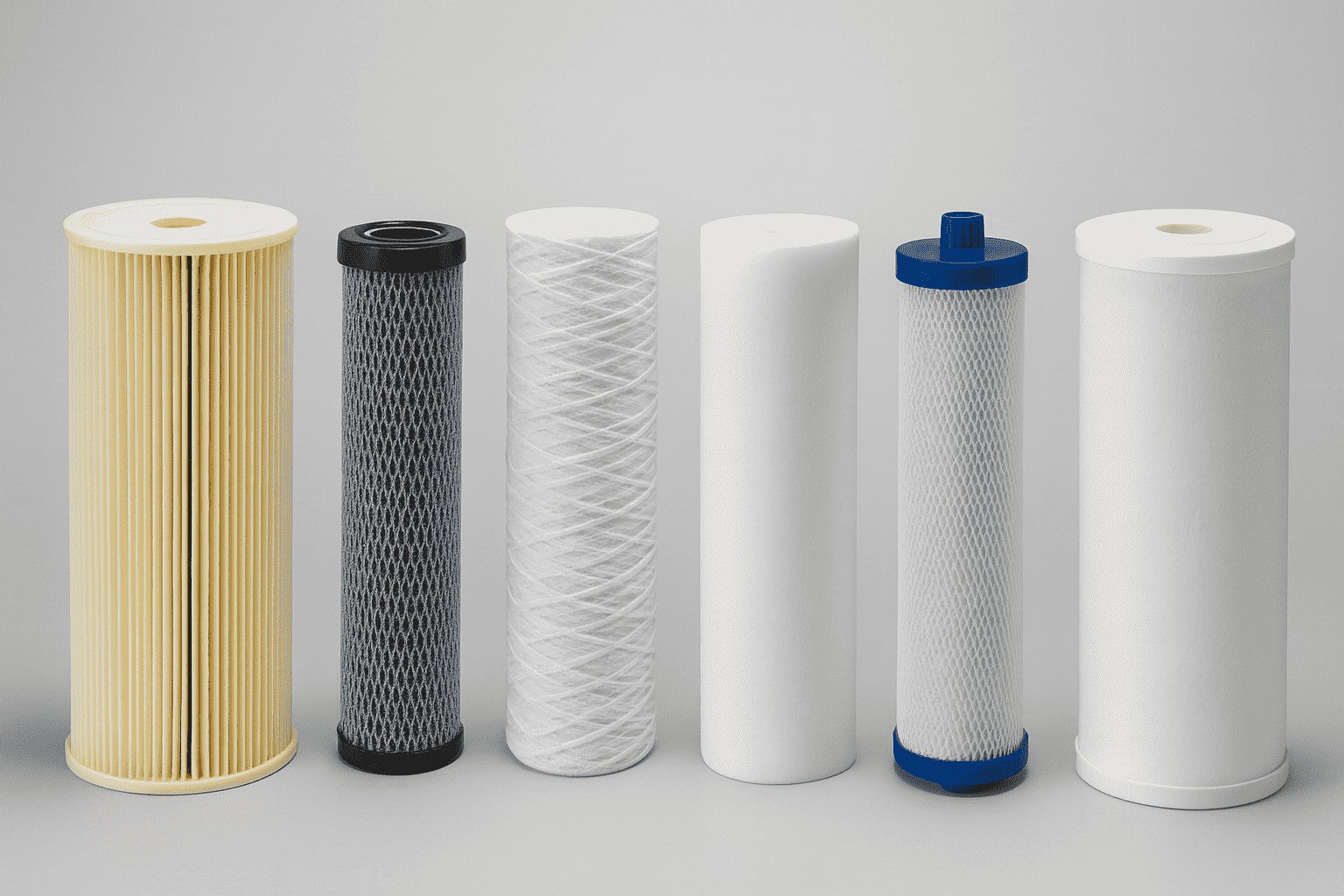
    A filter cartridge is a tool that cleans liquids. It traps things you do not want in the liquid. Filter cartridges come in many shapes and sizes. They use materials like polypropylene or polyester for different jobs. Industry rules say a filter cartridge is a device for filtering. It comes in different lengths and widths. It can be made from different materials. You use a filter cartridge to clean fluids. Liquid moves from the outside to the inside of the cartridge. The strong core inside helps it handle pressure changes.

    You see filter cartridges in water plants, food factories, and medicine companies. When you use one, dirty liquid goes into the filter housing. The liquid moves through a filter media with tiny holes. This traps dirt and small bits. Only clean liquid comes out. Some cartridges use pleated fabric or a screen to catch dirt. Others use thick layers to trap particles deep inside. You can pick surface filtration to catch dirt on the outside. Or you can pick depth filtration to trap dirt inside the cartridge.

    Why Filter Cartridges Matter

    Filter cartridges help keep fluids clean. They protect your machines and tools. They are important in many industries. Here are some reasons to use filter cartridges:

    Advantage

    Description

    High Efficiency

    Takes out many bad things from fluids. Makes water and other liquids clean.

    Cost-Effective

    Saves money and does not need much care.

    Versatile

    Works in many places and can clean different fluids.

    Easy to Replace

    You can change filters fast. Most use a twist-and-lock step.

    Environmentally Friendly

    Uses materials like polypropylene or polyester. These can be recycled and help the environment.

    Filter cartridges help your systems work well. They stop expensive problems and keep your products safe.

    What Types of Cartridge Filters Are Available?

    Cartridge filters are available in various types including pleateddepthmembrane, and specialty filters, each designed for specific applications like water purification, air filtration, or chemical processing. Pleated filters offer high surface area, while depth filters provide layered filtration. Membrane filters are ideal for fine particle removal, and specialty filters cater to unique industrial needs.

    There are many cartridge filters for different jobs. You need to know how each one works. This section explains the main types for 2026.

    Surface Filter Cartridges

    Surface filtration traps dirt on the outside layer. It works like a kitchen strainer. The strainer holds pasta but lets water go through.

    Surface filtration catches big particles on the outside. It is like a colander that keeps pasta in but lets water out. This method removes large dirt in water treatment and food factories. Depth filtration is different. It traps small things like bacteria and viruses inside the filter. This is important in medicine factories.

    You use surface filter cartridges in water cleaning, cosmetics, and medicine. They are also used in electric plants, hydraulic fluids, and chemicals. They help remove dirt from water and dust from air.

    Surface filtration is best for catching big dirt. Some surface filter cartridges can be cleaned and used again. Others are thrown away after use.

    Depth Filter Cartridges

    Depth filtration uses thick layers to trap dirt. The liquid moves through these layers. The filter catches small bits deep inside. You use depth filtration for tiny particles.

    Depth filter cartridges are made from different materials. Here is a table with the most common ones and their good points:

    Material

    Advantages

    Cellulose

    Great at filtering, holds lots of dirt, cheap, works with many fluids.

    Polypropylene

    Handles chemicals well, stays strong in heat, good for tough chemicals and many pH levels.

    Nylon

    Very strong, lasts long, removes oils and dirt well.

    Polyester

    Good balance of chemical and strength, works with many fluids.

    Depth filtration is good for removing bacteria, viruses, and tiny dirt. You see these filters in medicine, food, and chemical factories.

    String Wound Cartridges

    String wound cartridges have string wrapped around a core. This design helps with depth filtration. You use them for jobs needing fast flow and deep cleaning.

    String wound cartridges catch particles bigger than 10 microns 95% of the time. For 1 micron, they catch about 70%. They let liquid move fast with little pressure drop. A 10-inch cartridge can clean up to 2.5 cubic meters each hour. You use them in water plants, chemical factories, and oil refineries.

    Some string wound cartridges can be cleaned. Most are used once and then thrown away.

    Melt Blown Cartridges

    Melt blown cartridges use special plastic fibers. They are used for depth filtration. These filters trap dirt all through the filter.

    Benefit

    Description

    Long Service Life

    Holds lots of dirt, lasts longer, saves time and money.

    Enhanced Filtration Efficiency

    Works well in high pressure, catches particles well.

    Chemical Compatibility

    Good for many fluids, resists chemical damage.

    Optimal Filtration Performance

    Catches dirt well for a long time.

    Cost-Effective

    Usually cheaper than other types, saves money.

    Melt blown cartridges catch dirt in all layers. This makes them work better. You use them in water cleaning, chemical jobs, and home systems. Most melt blown cartridges are used once and then thrown away.

    Pleated Cartridges

    Pleated cartridge filters use folded filter media. This gives a big surface area. More filter media touches the liquid.

    Pleated filters have a lot of surface to catch dirt. They use special technology to filter better. Some have electrostatic charging to help catch more particles.

    The pleated shape lets more liquid touch the filter. This makes them work better than depth cartridges.

    You use pleated cartridge filters where you need very clean fluids. They are used in medicine, food, and water plants. Some pleated filters can be cleaned and used again. Others are thrown away after use.

    Cellulose Cartridge Filter

    Cellulose cartridge filter is used for depth filtration. It uses plant fibers. It works with many fluids and costs less.

    Feature/Limitations

    Description

    Efficiency

    Catches particles as small as 0.3 microns, removes 90–99% of PM2.5.

    Pressure Drop

    Less resistance than synthetic filters, saves energy in HVAC.

    Durability

    Handles moisture and heat changes, good for factories.

    Sustainability

    Made from plant fibers, better for the environment.

    Humidity Sensitivity

    High humidity can damage cellulose fibers.

    Oil Contamination

    Not good for places with oil mist or lubricants.

    You use cellulose cartridge filter in HVAC, water cleaning, and food plants. Do not use them where there is oil mist or lots of humidity for a long time.

    Activated Carbon Cartridges

    Activated carbon cartridges use carbon to trap bad stuff. They work for both surface and depth filtration. These filters remove chlorine, chloramines, and chemicals from water and air.

    • Chlorine and Chloramines: Activated carbon lowers these in drinking water.

    • Organic Compounds: It also removes bad chemicals like benzene and trichloroethylene.

    Activated carbon filters work by adsorption. Bad stuff sticks to the carbon. This works best when the filter has a big surface and water moves slowly.

    • Chlorine Removal: Activated carbon removes chlorine fast. The filter must be changed when it stops working well.

    • Removal of Organic Matter: Activated carbon traps organic dirt. How well it works depends on the carbon, the dirt, and the water’s pH and temperature.

    You use activated carbon cartridges in water systems, air cleaners, and food factories.

    High Temperature Cartridges

    High temperature cartridges use strong materials like stainless steel and Incoloy® 800. You use these filters for very hot fluids.

    Material

    Maximum Temperature

    Stainless Steel

    1200°F

    Incoloy® 800

    1400°F

    You see high temperature cartridges in food machines, hot stamping, semiconductors, and hot molds. These filters last a long time and handle tough jobs.

    Industrial Cartridge Filters (SOE, DOE, Type 222/226)

    Industrial cartridge filters come in many shapes. You see SOE, DOE, Type 222, Type 226, and high flow filters in factories.

    • DOE (Double Open End): Has two open ends, lets more liquid flow, uses o-ring or gasket, good for high flow.

    • SOE (Single Open End): One end open, one end closed, gives better filtration, used for tough jobs.

    • Type 222: Usually SOE, has two gaskets for better sealing than DOE.

    • Type 226: Has two gaskets and locking fins, fits tight for no leaks.

    SOE filters clean better but are harder to put in. DOE filters are easier to change but do not catch as much dirt.

    Type 222 is almost always SOE, has a cap, and two gaskets for better sealing.

    Type 226 is like Type 222 but has locking fins for a tight fit.

    You use industrial cartridge filters in water plants, chemical jobs, food factories, and medicine companies. High flow filters help clean lots of fluid fast.

    You need to pick the right cartridge filter for your job. Some can be cleaned, others are thrown away. Polypropylene spun bonded and wound types work well with chemicals and in many places.

    Surface and depth filtration are used in almost every industry. Surface filters catch big dirt. Depth filters catch small dirt deep inside. Pick the right filter for the best results.

    How Do Cartridge Filter Types Compare?

    Cartridge filters vary mainly by material, design, and application, influencing their efficiency in removing particles from air or liquids. Common types include pleateddepth, and membrane filters, each offering unique benefits like high flow rates, capacity, and filtration precision. Selection depends on specific needs like filtration accuracy and system compatibility.

    cellulose cartridge filter (1)

    Key Features

    You can look at filter cartridge types by their main features. The table below shows which filter cartridge works best for each job. You can see how each filter cartridge deals with dirt. You also see how well it cleans and how easy it is to take care of.

    Filter Type

    Ideal Use

    Filtration Capability

    Maintenance

    Standard filter cartridge

    Residential pools

    Captures debris 10–15 microns

    Easy to clean

    Modular filter cartridge

    Larger pools

    Excellent filtration 5–10 microns

    Longer cleaning intervals

    Reusable/replaceable cartridges

    Eco-friendly pools

    Reduces waste and simplifies maintenance

    Convenient

    Check the filter media in each filter cartridge. Some use pleated fabric for more surface area. Others use thick layers to catch small bits.

    Advantages and Limitations

    Each filter cartridge has good points and bad points. The table below helps you see what you get and what you lose with each type.

    Advantages

    Limitations

    High Filtration Efficiency

    Sensitivity to Large Particles

    Compact Design

    Limited to Certain Dust Types

    Easy Maintenance

    Potential Higher Initial Cost

    Lower Energy Usage

    Many cartridge filters clean very well. They are small and easy to take care of. Some use less energy. Some types cost more at first or do not work well with big dirt.

    Typical Applications

    You use filter cartridges in lots of places. You see them in water plants, food factories, and medicine companies. You also find them in pools and air systems. Each filter cartridge fits a special job. For example, you use a modular filter cartridge for big pools. You use a reusable cartridge for eco-friendly systems.

    You may pay more for a high-efficiency filter cartridge. You save money over time because you change it less often. Some filters, like reverse osmosis, last up to two years. Cheaper filters, like carbon block, need more changes and can cost more later.

    Tip: Pick the filter cartridge that fits your needs. Think about how often you want to change it and how much you want to spend.

    Always match the filter cartridge to your system and the dirt you want to remove.

    How to Choose Cartridge Filters

    To choose cartridge filters, consider factors such as the filter material, micron rating, flow rate, and compatibility with the system. Begin by identifying the specific contaminants you need to remove, then select a filter that balances efficiency and cost-effectiveness while ensuring it fits your equipment specifications.

    cellulose cartridge filter (2)

    Selection Factors

    When you pick a filter cartridge, you should think about a few things. Each factor helps you find the best one for your system. Here are the main things to look at:

    • Particle size and contaminant type: Find out what you want to remove. The size of the dirt tells you what pore size you need.

    • Filtration efficiency: Check the micron rating. This shows how well the filter cartridge cleans your fluid.

    • Flow rate and pressure drop: Make sure the filter cartridge fits your system’s flow. Too much pressure drop can slow things down.

    • Compatibility with fluid and operating conditions: Pick a filter cartridge made from materials that work with your fluid and temperature.

    • Cartridge size and configuration: Choose the right size and shape so the filter cartridge fits your equipment.

    Tip: Always pick a filter cartridge that matches your system’s needs for the best results.

    Application Matching

    You need to match cartridge filters to your job and process. Using the wrong filter media can clog your system and cost more money. It can also let bad dust escape, which can hurt workers. For water treatment, you use cartridge filters to take out dirt and chemicals. In food and drink, you keep products clean and safe. Chemical jobs need filters to keep chemicals pure. In medicine, you must use the right filter cartridge to keep things sterile.

    • Flow rate: Pick a filter that keeps your system working well.

    • Temperature tolerance: Make sure the filter can handle your process temperature.

    • Size and configuration: The filter must fit your housing.

    • Filtration efficiency: High ratings help remove more contaminants.

    • Cost and budget: Think about both the price now and future care.

    Maintenance Tips

    You can help your cartridge filters last longer by taking good care of them. Follow these steps:

    1. Clean or change the filter cartridge as the maker says. This keeps your system working well.

    2. Check filters often. Look for damage, clogs, or tears.

    3. Change cartridge filters every 3 to 12 months. Busy systems may need more changes, especially if you see lots of dirt or chemicals in the water.

    Note: Regular care helps you stop breakdowns and keeps your filter cartridge working its best.

    You can pick from many filter cartridge types. Each one has its own good points. The table below shows what each type does best:

    Filter Type

    Advantages

    Sediment Filters

    Take out big things like dirt, sand, and rust.

    Activated Carbon Filters

    Soak up chlorine, bad taste, and smell in water.

    Reverse Osmosis Membranes

    Remove dissolved solids and heavy metals.

    You need to pick the filter cartridge that fits your needs. This helps stop problems and keeps your system safe. To find the right filter cartridge, do these things:

    • Know what your process needs.

    • Decide what you want to filter out.

    • See if the filter cartridge fits your system.

    • Check if it works with your pressure and temperature.

    Filter cartridges are used in homes and factories. New ideas like smart filters and green materials will be important in 2026. Keep learning so your systems work well.

    FAQ

    What is the lifespan of a filter cartridge?

    Most filter cartridges need changing every 3 to 12 months. The time depends on your system. It also depends on the filter type and how dirty the fluid is.

    Can you clean and reuse filter cartridges?

    Some filter cartridges can be cleaned and used again. Pleated filters and some surface filters let you do this. Melt blown and cellulose filters are usually single-use.

    How do you know when to replace a filter cartridge?

    You might see less flow or more pressure. The liquid may look dirty. Check your filter often. Replace it if you see damage or clogs. Follow the maker’s schedule for changing.

    Which filter cartridge is best for removing chlorine from water?

    Activated carbon cartridges are best for taking out chlorine. They trap chlorine and other chemicals. This makes water taste and smell better.

    Do all filter cartridges fit every system?

    Not all filter cartridges fit every system. They come in many sizes and shapes. Always check what your system needs before you buy one.

  • Why Choose Nanofiber Cartridge Filters in 2026

    Why Choose Nanofiber Cartridge Filters in 2026

    You want great air filtration for your building in 2026. The nanofiber cartridge filter is the best pick. It works better, lasts longer, and saves energy. It also lowers pressure drop. Nanofiber filters show strong results:

    Benefit

    What You Gain

    Efficiency

    Removes 50% more tiny particles than regular filters (rated MERV 15).

    Filter Life

    Lasts longer, so you change filters less and have less downtime.

    Pressure Drop

    Has lower resistance, so your system works better for more time.

    Energy Savings

    Uses less energy and needs fewer cleanings, saving you money monthly.

    You want something that gives value for a long time. Nanofiber technology does that.

    Key Takeaways

    • Nanofiber cartridge filters catch 50% more tiny bits than regular filters. This helps keep the air in your building cleaner. These filters last longer, so you do not need to change them as often. This saves you time and money on fixing things. Nanofiber filters have lower pressure drop. This means your HVAC system uses less energy. You will pay less for energy each month. Many nanofiber filters use biodegradable materials. This helps cut down on waste and keeps the environment safe. Using nanofiber filters can make air better and help things run smoother. They are a smart pick for businesses in 2026.

    What Exactly Is a Nanofiber Cartridge Filter?

    nanofiber cartridge filter is a pleated, replaceable filter element that uses an ultrathin nanofiber layer (≈50–300 nm diameter fibers) laminated onto a substrate to capture submicron particles on the media surface. It delivers high initial efficiency, low pressure drop, and longer life in dust collection and HVAC/industrial air filtration systems.

    How Nanofiber Filters Work

    You want clean air in your room. A nanofiber cartridge filter helps with this. It has a special design that uses very tiny fibers. These fibers are much smaller than the ones in regular filters. The tiny fibers make a thick web that catches small dust and particles. The fibers are made by a process called electrospinning. This process uses electricity to stretch liquid into thin fibers. The fibers create a network with lots of space and holes. Air can move through the filter easily, but bad particles get stuck.

    Nanofiber filters clean air better without making your system work harder. The filter lets air move with less force. You save energy and your equipment lasts longer. You also get cleaner air, so everyone stays healthier.

    Key Features of Nanofiber Filtration

    Nanofiber filtration works well because of its special structure. You can see the difference when you compare it to regular filters:

    Feature

    Nanofiber Cartridge Filters

    Traditional Filter Media

    Fiber Diameter

    Small

    Larger

    Porosity

    High

    Lower

    Filtration Efficiency

    High

    Moderate

    Pressure Drop

    Low

    High

    • Electrospinning makes fibers that are thin and have lots of holes.

    • The special structure helps the filter work better.

    • You get less pressure drop than with old filter materials.

    You want a filter that is smart and saves energy. Nanofiber filters give you good results and use less power. You spend less money on fixing and changing filters. You also help the earth because the filter lasts longer and uses less energy. Pick nanofiber cartridge filters for the best air in 2026.

    How Do Nanofiber Filters Perform and What Benefits Do They Offer?

    Nanofiber filters achieve high capture efficiency for ultrafine particles at low pressure drop by using submicron fibers with large surface area. They rely on diffusion, interception, and electret effects to trap aerosols, improving air quality, energy use, and comfort across HVAC and personal protection. Benefits include stronger PM2.5 removal, longer service life, and easy retrofits.

    nanofiber cartridge filter (2)

    Higher Efficiency and Longer Life

    You want a filter that does a great job. Nanofiber filters work really well. They catch more tiny bits than regular filters. This helps your building have cleaner air. The fibers in nanofiber filters are very small. They make a thick web that grabs dust and pollen. Even the smallest pieces get trapped. This means you breathe cleaner air and stay healthier.

    • Nanofiber filters have high penetration efficiency with advanced materials.

    • They do better than gelatin filters in quality factor.

    • Dust stays on the surface, so the filter lasts longer.

    You will not need to change filters as often. This saves you time and money. Your system works longer without trouble. Nanofiber filters keep your air clean and your machines safe.

    Lower Pressure Drop and Energy Savings

    You want your system to use less power. Nanofiber filters help with that. Air moves through them easily. This means fans do not have to work hard. You save money on your energy bills every month.

    You get strong filtration and cleaner air. Your system stays clean and uses less energy. Nanofiber cartridge filters are also easier to clean. You spend less time and money fixing them. This means real savings for your business.

    Tip: Pick nanofiber filters to save energy and keep your system working well.

    Sustainability and Reusability

    You want to help the environment. Nanofiber filters let you do that. Many are made from biodegradable materials like PLA and PCL. This means less trash goes to landfills. You can use these filters again because they last longer.

    Feature

    Nanofiber Filters

    Traditional Filters

    Biodegradability

    Made from biodegradable polymers (PLA, PCL)

    Usually not biodegradable

    Environmental Impact

    Less waste because you can reuse them

    More waste is made

    Reusability

    Strong and can be used again

    Mostly used once

    Filtration Efficiency

    Big surface area for better cleaning

    Smaller surface area

    You help the planet when you choose nanofiber filters. You make less waste and protect nature. You also get great filtration and strong performance for clean air.

    Note: Nanofiber filters are a smart way to get better air and help the earth.

    Nanofiber vs. Microfiber: What Are the Key Differences?

    Nanofiber vs. Microfiber differ mainly in diameter, structure, and performance. Nanofibers are submicron (<1,000 nm) with very high surface area and tiny pores, ideal for fine filtration and barrier layers. Microfibers are larger (≈5–10 µm), stronger, and more absorbent, making them preferable for apparel, cleaning, and general-purpose textiles.

    nanofiber cartridge filter (1)

    Filtration Efficiency Comparison

    You want clean air in your building. Nanofiber filters use very thin fibers. These fibers catch tiny dust and dirt. Microfiber filters have thicker fibers. They only trap bigger pieces. Nanofiber filters work better at catching small stuff. Air moves through nanofiber filters easily. Your system does not have to work hard.

    Here is a simple chart showing the differences:

    Feature

    Microfiber Filters

    Nanofiber Filters

    Fiber Diameter

    Larger

    Ultra-fine

    Filtration Efficiency

    Moderate

    High

    Air Permeability

    Lower at high efficiency

    Excellent

    Particle Capture

    Micron-sized

    Submicron & nano-sized

    Advanced Applications

    Limited

    Extensive

    Nanofiber filters help protect your machines and people. You get cleaner air inside. There are fewer things that cause allergies. Everyone can breathe easier and stay healthy.

    Operational Cost and Maintenance

    Nanofiber filters save you money. They have lower pressure drop. Fans use less energy with these filters. You pay less for power each month. Microfiber filters need more energy. This means you spend more on bills.

    Aspect

    Nanofiber Filters

    Microfiber Filters

    Pressure Drop

    Lower pressure drop

    Higher pressure drop

    Energy Requirements

    Reduced energy consumption

    Higher energy consumption

    Filtration Efficiency

    Enhanced filtration efficiency

    Standard filtration efficiency

    Operational Costs

    Lower operational and maintenance costs

    Higher operational and maintenance costs

    Nanofiber filters last longer. You do not need to change them often. This saves you time and money. Your business has fewer stops and less trouble.

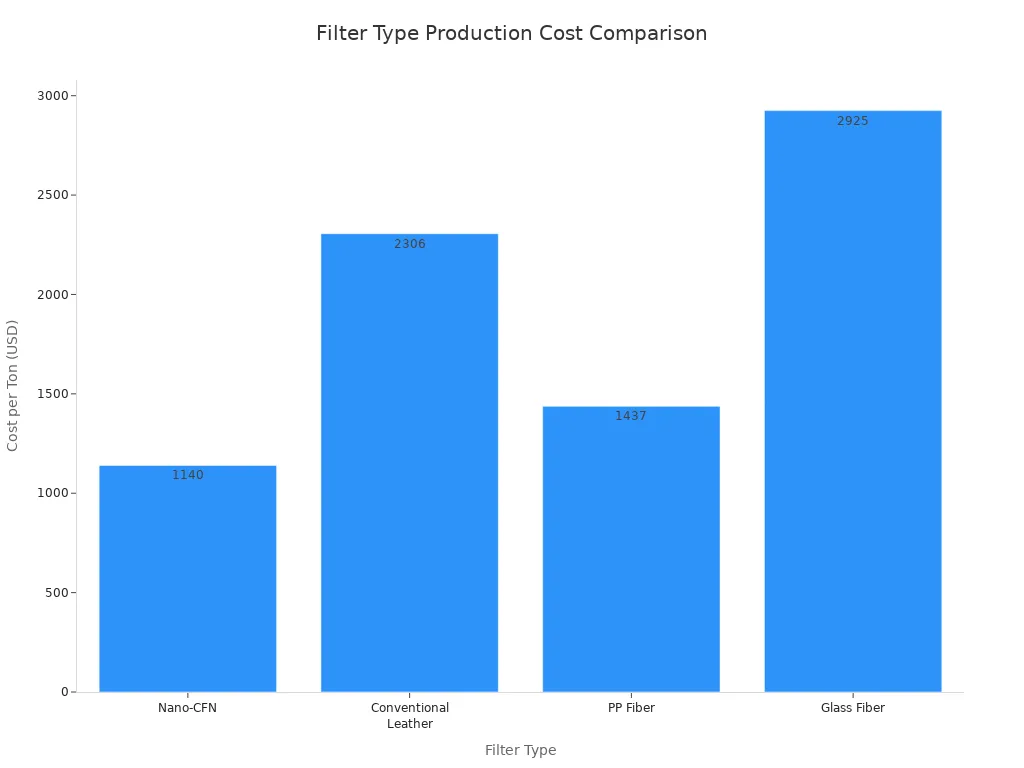
    Look at this chart to see the cost difference:

    Bar chart comparing production costs of Nano-CFN, Conventional Leather, PP Fiber, and Glass Fiber filters

    You want to make smart choices for the future. Nanofiber filters give you better air and lower costs. They help keep your building clean. Pick nanofiber cartridge filters for 2026.

    Where Are Nanofiber Filters Used in Real-World Applications?

    Nanofiber filters are primarily used in air purification systems, water filtration processes, medical applications such as face masks and respirators, and industrial filtration systems due to their high efficiency in trapping small particles and contaminants. These versatile applications make them an essential component in various environmental and health-related industries.

    nanofiber cartridge filter (3)

    Industry Use Cases in 2026

    You want your business to work well. Nanofiber cartridge filter technology helps you do this. In 2026, many industries use nanofiber filters. Pharmaceutical plants use them to keep air clean. This protects products that need safe air. Automotive factories use nanofiber filtration to keep dust away. This helps engines and paint jobs stay good. Electronics makers need pure air for chips and circuit boards. Chemical plants trust these filters for safe work.

    Here is a chart that shows how nanofiber and microfiber compare in big industries:

    Industry

    Nanofiber Benefits Over Microfiber

    Dust Collection Efficiency

    Filter Efficiency

    Pharmaceuticals

    Catches more particles, lasts longer

    High

    Excellent

    Automotive

    Protects machines, lowers damage

    High

    Excellent

    Electronics

    Traps tiny bits, makes air cleaner

    High

    Excellent

    Chemical Processing

    Handles fine dust, helps the environment

    High

    Excellent

    You get better filtering and longer machine life. Nanofiber filters work better than microfiber in every industry.

    Impact on Downtime and Air Quality

    You want less machine stoppage and cleaner air. Nanofiber filters last longer than regular ones. You change them less, so machines run more. You spend less time fixing things and more time working. Nanofiber filters mean fewer stops and lower costs.

    • Nanofiber filtration holds more dust.

    • You change filters less and wait longer between changes.

    • Data centers and big buildings have more running time and cleaner air.

    Switching to nanofiber cartridge filter systems makes air cleaner. You remove fine dust, pollen, and PM2.5 particles. Donaldson nanofiber technology keeps air fresh for longer. Your team breathes easier and stays healthy. Nanofiber filters also help the earth by making less waste and using less energy.

    Tip: Pick nanofiber filters to help your business, protect your machines, and make a healthier place to work.

    What Common Concerns About Nanofiber Filters Should Be Addressed?

    Common concerns about nanofiber filters include their durability, cost-effectiveness, and environmental impact. These filters often raise questions regarding their long-term performance, initial investment versus savings, and disposal process. Addressing these issues ensures optimal use and acceptance in various applications.

    cellulose cartridge filter (3)

    Upfront Cost vs Long-Term Value

    Some people think nanofiber filters cost too much at first. The price is higher than regular filters. But you get more for your money over time. These filters last longer and work better. You do not have to change them as much. This saves you money on new filters and labor.

    • Nanofiber filters last about twice as long as standard filters.

    • They catch more dust and tiny particles, so your air is cleaner.

    • You use up to 60% less compressed air for cleaning, which saves energy.

    • The fibers are spread out evenly, so big holes do not form and filtration stays strong.

    These filters work well in tough places. They keep working even in high heat or lots of dust. You spend less on repairs and downtime. Over time, you save real money.

    Maintenance and Sustainability

    You want filters that are easy to use and help the planet. Nanofiber filters make taking care of them simple. Many people say these filters are easy to put in and use. You do not need special tools or training.

    VRC Metal Systems uses the Filter1 wet dust collection system to clean up powder from Cold Spray welding. The system is easy to set up and use, and it meets high standards.

    Sometimes, you might see dust sticking or cleaning not working right. These problems do not happen often and are easy to fix with regular checks. Most people find nanofiber filters need less cleaning and last longer.

    • Nanofiber filters make filtration better, so you get good results.

    • They use less energy, which helps the earth and saves money.

    • The long life of these filters means less waste, which is good for the planet.

    You help your business and the earth at the same time. You get clean air, spend less, and help make a greener future.

    You want your business to do well. Nanofiber cartridge filter technology helps a lot. It works better, lasts longer, and stops machines less. Look at this chart to compare:

    Feature

    Nanofiber Cartridge Filters

    Traditional Filters

    Filtration Efficiency

    High

    Moderate

    Dirt-Holding Capacity

    Higher

    Lower

    Replacement Frequency

    Less frequent

    More frequent

    • New filter materials last longer and catch more dust.

    • Stricter rules make companies use better filters.

    • Experts say new materials help work faster and cost less.

    More people are buying these filters every year. Switch now to get cleaner air and save money.

    FAQ

    What makes nanofiber cartridge filters better than regular filters?

    Nanofiber filters catch smaller bits than regular filters. They work better and last longer. You use less energy with them. This helps you save money. Your air gets cleaner too. Pick nanofiber filters for the best results in 2026.

    Can I use nanofiber filters in my existing HVAC system?

    Yes, you can use them in most systems. Nanofiber cartridge filters fit standard HVAC units. You do not need special tools or big changes. Just switch your filters and get cleaner air fast.

    How often do I need to replace nanofiber cartridge filters?

    You change nanofiber filters less often than regular ones. They last about twice as long. This means you spend less time changing filters. You also save money and have less downtime.

    Are nanofiber filters safe for the environment?

    Many nanofiber filters use biodegradable materials. This helps make less waste. You protect nature and help the planet. It is a smart choice for your business.

    Do nanofiber filters cost more than traditional filters?

    You pay more at first for nanofiber filters. But you save money later because they last longer. Your energy bills go down. You get better value and strong performance.

  • Complete Guide to Dust Collector Cartridge Filters for 2026

    Complete Guide to Dust Collector Cartridge Filters for 2026

    A dust collector cartridge filter catches tiny bits from the air. People use it in factories and workshops. It helps keep your workspace safe and clean. In 2026, these filters are very important. They help meet tough air quality rules. They also help lower energy bills. New designs help you save energy. They catch more dust and last longer. You do not need to change filters as often. The table below shows how new features help save energy:

    Innovation Type

    Contribution to Energy Savings

    Enhanced Filtration Media

    Catches more dust, makes filters last longer, and lowers how often you need to fix them, which saves money.

    Automation and IoT Integration

    Lets you check filters all the time and fix problems before they happen, so you use less energy and stop work less often.

    Energy Efficiency Innovations

    Uses special drives and systems to save power and use less electricity.

    You get the best results when you pick the right size and material. You also need to do regular maintenance.

    Key Takeaways

    • Dust collector cartridge filters help keep air clean in factories and workshops. They make sure the air meets tough rules in 2026.

    • Picking the right filter size and material is very important. It helps the filter catch more dust and last longer.

    • Doing regular maintenance is also important. Using pulse-jet cleaning systems helps lower downtime and saves money on repairs. This makes work run better.

    • Buying new filters can save a lot of energy. You might pay up to 20% less on energy bills.

    • Knowing what kind of dust you have and how air moves in your workspace is helpful. This helps you pick the best filter. It keeps everyone safe and follows the rules for your industry.

    What Exactly Is a Dust Collector Cartridge Filter?

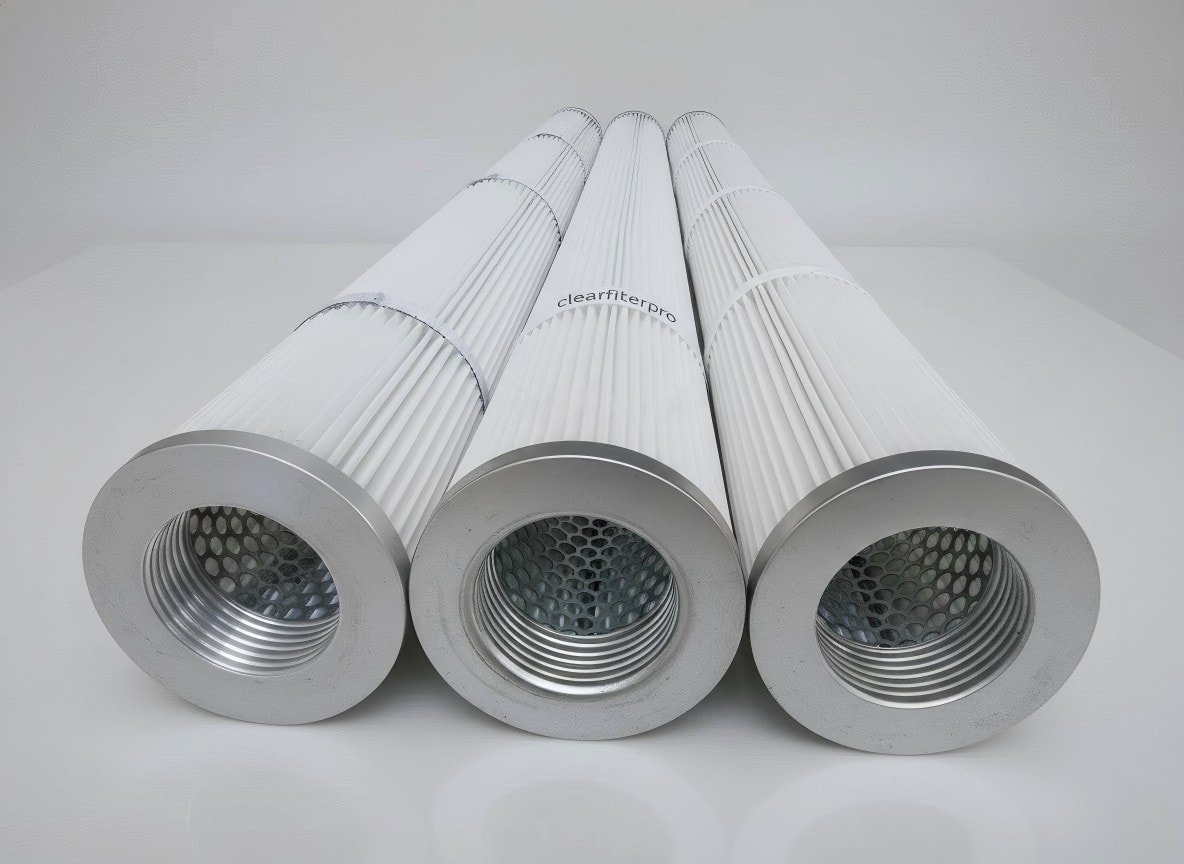
    A dust collector cartridge filter is a vital component in dust collection systems, designed to capture and contain airborne pollutants efficiently. These filters use pleated media which maximizes the filtration surface area within a compact design, enhancing dust capture efficiency while maintaining airflow.

    Core Function and Design

    A dust collector cartridge filter helps keep air clean. It traps dust and tiny bits before they get out. You see these filters in many factories and workshops. They protect machines and people from dust.

    This filter has a smart design. It uses pleated material to catch more dust. The pleats look like folds in a fan. This gives the filter more space to trap dust. It does not need to be very big. There is also a cleaning system called a reverse pulse jet. This system blows short bursts of air to clean the filter. This helps the filter last longer and work better.

    You can check the main parts and what they do in the table below:

    Definition

    Primary Components

    A cartridge dust collector lets air out but keeps dust from getting into the air.

    1. Pleated cartridge filter for more filtering space.
    2. Reverse pulse jets to clean the filters.
    3. Materials: PTFE laminated spunbonded polyester and spunbonded polyester.

    Modern dust collector cartridge filters use strong materials. Some use PTFE laminated spunbonded polyester. Some use nanofiber material that catches very tiny particles. These can catch things as small as 0.3 microns. You also find cellulose and PTFE cartridges for tough jobs. Nano cartridges use fibers that are half the size of other brands. These features give you cleaner air and longer filter life.

    New designs in 2026 make these filters even better. Convex side walls in the cabinet help air move smoothly. This shape keeps the filter from wearing out too fast. Advanced pulse cleaning technology helps you clean the filter more often and better. Computer modeling helps engineers make the filter last longer and work better.

    Why They Matter in 2026

    You need a dust collector cartridge filter in 2026 because air quality rules are stricter. These filters help you follow the rules by catching very fine dust. They work well in places with little space. The small design means you can fit them almost anywhere.

    These filters also save you time and money. You can change them quickly from outside the machine. You do not have to stop work for long. Less downtime means you get more done and spend less on labor.

    Cleaner air helps you and your team stay healthy. Studies show clean air helps you think and work better. You see fewer health problems and people feel happier at work. People want to stay at their jobs longer.

    Here are some key benefits you get from using a dust collector cartridge filter in 2026:

    • Workers think better and focus more

    • Your workspace is more productive

    • Fewer health problems from dust

    • People feel happier at work

    • Maintenance is easier and costs less

    Now you can see why these filters are important for any factory or workshop. They help keep your air clean, your team healthy, and your business running well.

    How Do Cartridge Filters Work?

    Cartridge filters clean fluids by forcing them through pleated, porous media under a pressure differential. Particles larger than the media’s pore size are trapped on the surface and within the media’s depth, while clean fluid exits the core. Efficiency depends on micron rating, media type, and pleat area. As pores load with solids, pressure rises; cartridges are then rinsed or backwashed (e.g., pool) or replaced (industrial).

    dust collector cartridge filter (9)

    Filtration Process

    You use a cartridge filter to clean the air in your workspace. When you turn on your dust collection system, dirty air enters the filter housing. The air moves through the pleated filter material. The pleats give the filter more surface area. This design helps the filter catch more dust and tiny particles.

    The filter traps dust on its surface. Clean air passes through and goes back into your workspace or outside. Over time, dust builds up on the filter. Many systems use a pulse jet cleaning method. This method sends a quick burst of air through the filter. The burst knocks dust off the filter and into a collection bin. You do not need to stop the machine to clean the filter. This process keeps the filter working well and helps it last longer.

    Tip: Regular cleaning helps your filter work better and last longer.

    Airflow and Particle Capture

    Airflow plays a big role in how well your filter works. If the airflow is too high, dust can clog the filter quickly. If the airflow is too low, the filter may not catch all the dust. You need to pick a filter that matches the airflow needs of your workspace.

    A Dust Collector Cartridge Filter uses special materials to catch very small particles. Some filters can trap dust as small as 0.3 microns. This means you get cleaner air and a safer workspace. You should check your airflow rates often. Good airflow helps your filter capture more dust and keeps your system running smoothly.

    You can use this table to see how airflow affects filter performance:

    Airflow Rate

    What Happens to the Filter

    Too High

    Filter clogs quickly

    Too Low

    Dust escapes capture

    Just Right

    Best dust capture and filter life

    When you understand how your filter works, you can keep your air clean and your team healthy.

    What Types and Formats Are Available?

    Available cartridge types include cellulose, polyester/spunbond, cellulose–polyester blends, nanofiber, PTFE‑membrane, aramid for high temperature, and conductive anti‑static media. Formats span round or oval cartridges, top‑load or bottom‑load mounting, open/open or open/closed end caps, multiple lengths/diameters, varied pleat densities, and optional flame‑retardant, oil/water‑repellent finishes with different cores and gaskets.

    industrial cartridge filter (3)

    Vertical vs. Horizontal Cartridges

    You can pick vertical or horizontal cartridge dust collectors. Each one has its own good points. Vertical cartridges hang straight down. Gravity helps dust fall into the hopper. Pulse jet cleaning knocks dust off the filter. The dust drops right into the collection area. This design helps the filter last longer. It also removes dust well. You might have to stop your system to change the cartridges. This can make your costs go up.

    Horizontal cartridges sit sideways inside the collector. Airflow pushes dust along the same way as the cartridges. You can change one cartridge at a time. You do not need to stop the whole system. This makes maintenance easier and cheaper. Horizontal designs often have explosion vents on top. This adds more safety. You do not need extra isolation features.

    Here is a table to help you compare the two types:

    Feature

    Vertical Cartridge Dust Collector

    Horizontal Cartridge Dust Collector

    Structural Design

    Cartridges hang down; dust falls into the hopper by gravity.

    Cartridges go in sideways; dust falls with the airflow.

    Dust Cleaning Mechanism

    Pulse jet cleaning lets dust fall into the hopper.

    Single-valve jetting can make upper dust cover lower cartridges.

    Operational Costs

    Higher because you must stop to change cartridges.

    Lower; you can do easy single-cartridge maintenance.

    Safety Features

    Explosion vents are on the side; layout matters.

    Top explosion vents; no extra isolation needed.

    Performance

    Lasts longer and settles dust better.

    Saves energy and is easier to maintain.

    Tip: Pick vertical cartridges for longer filter life and better dust settling. Choose horizontal cartridges for easy care and saving energy.

    Standard and Custom Options

    You can get standard or custom Dust Collector Cartridge Filters. Standard models work for most jobs. Custom designs are best for special needs or spaces. Many companies now make modular and compact cartridge filters. These designs save space and are easy to put in. You can add or take away modules if your needs change.

    Here is a table showing the main advantages of modular and compact designs:

    Advantage

    Description

    High filtration efficiency

    Keeps air and fluids cleaner in many places.

    Easy maintenance

    Makes care simple and cuts downtime.

    Versatility

    Works well in many factories and workshops.

    Compact and space-saving design

    Fits in small spaces but still works great.

    You can choose a design that fits your workspace and dust control needs. Modular and compact systems give you high performance without using much space.

    What Filter Media and Materials Are Used?

    Filter media include fibrous mats, granular adsorbents, membranes, and rigid porous bodies. Common materials: cellulose and synthetic fibers (polyester, polypropylene, fiberglass) for air and dust; activated carbon for VOC and taste; melt-blown PP for cartridges; PTFE and nylon for fine particles; ceramic and sintered stainless steel for high-temperature or corrosive duties; sand, anthracite, and diatomaceous earth for bed filtration.

    industrial cartridge filter (4)

    Common Media Types

    You can pick from a few common filter media for cartridge filters. Each one works best for different dust and air needs. The most popular choices are cellulose, spunbond polyester, and blended filters. Many factories and workshops use these because they are not too expensive. They also last a long time and work well.

    • Cellulose/Paper: This media costs less and is good for normal dust. It usually has a MERV rating of 10 to 12. You can use it for wood dust or light powders.

    • Spunbond Polyester: This material lasts longer and handles sticky or wet dust. It can get a MERV rating up to 15. You use it in places with tough dust or lots of water in the air.

    • Blended Filters: These mix cellulose and polyester. They work well when the air is a little wet. Their MERV ratings are between 10 and 13.

    You can look at the table below to compare the main types and how well they filter:

    Cartridge Filter Type

    Filtration Media

    Filtration Efficiency

    Pleated cartridge

    Polypropylene fiber (Flotrex PN)

    Nominally rated

    Pleated cartridge

    Polypropylene fiber (Flotrex AP)

    Absolute rated

    Pleated cartridge

    Glass fiber (Flotrex GF)

    Nominally rated

    Pleated cartridge

    Polyethersulfone membrane (Memtrex MP)

    Varies by application

    Pleated cartridge

    Nylon membrane (Memtrex NY)

    Varies by application

    Pleated cartridge

    Expanded PTFE membrane (Memtrex FE)

    Varies by application

    Depth cartridge

    Polypropylene fiber (Purtrex)

    Nominally rated

    Depth cartridge

    Polypropylene fiber (AbsoluteZ)

    Absolute rated

    Tip: You should pick the filter media that matches your dust and workspace for the best results.

    Specialty Media Choices

    Sometimes you need special filter media for unique dust or safety needs. These advanced materials give you extra safety and fix special problems. For example, some media can block bacteria or stop limescale from building up in pipes.

    Here is a table that shows some specialty media and what makes them special:

    Filter Media Type

    Unique Benefits

    KDF (Kinetic Degradation Fluxion)

    Stops chlorine, lead, and mercury; blocks bacteria and algae growth

    Phosphate / Scale Inhibitor

    Stops limescale in pipes and heaters by trapping minerals

    Ultrafiltration (UF)

    Blocks bacteria, cysts, and viruses; keeps good minerals in the air or water

    You can use KDF media if you need to get rid of heavy metals or control bacteria. Phosphate media helps if you want to stop scale from building up. Ultrafiltration is best when you need to block germs and keep your air or water safe.

    Note: Specialty media usually cost more, but they give you extra safety and make filters last longer.

    Picking the right filter media helps keep your air clean and your team safe. You get better results and follow all air quality rules for 2026.

    What Are the Benefits of Cartridge Filters?

    Cartridge filters deliver high-efficiency particle removal (down to submicron levels), protect pumps and membranes, improve product clarity, and reduce total operating costs. They enable fast change-outs, compact installations, reduced waste versus bag filters, and stable performance across broad flow ranges. With media options such as PP, PES, and PTFE, they offer strong chemical and temperature resistance, extend service life, and minimize downtime across water treatment, food, pharmaceutical, and industrial processes.

    industrial cartridge filter (5)

    Efficiency and Energy Savings

    You want your dust collection system to work well. You also want it to use less energy. Cartridge filters help with both things. The pleated design gives the filter more surface area. This lets it catch more tiny dust than other filters. Your air gets cleaner in your workspace.

    Cartridge filters also help you save energy. They make it easier for air to move through the system. Your machine does not have to work as hard. This means you use less power, especially in small shops. You can save up to 20% on energy bills. If you use smart controls, you can save even more.

    • The pleated design catches more tiny dust.

    • Lower pressure drop means you use less energy.

    • You can save up to 20% on energy bills.

    • Smart controls help you save even more.

    Tip: Using a Dust Collector Cartridge Filter is good for your business and the planet.

    Maintenance Advantages

    Cartridge filters make taking care of your system easier and cheaper. You do not need to change them as much as other filters. The pulse-jet cleaning system blows dust off the filter. You do not have to stop your machine to clean it. This means you can work more and stop less.

    You also spend less money on fixing things. Maintenance costs can go down by up to 30% with cartridge filters. The small size saves space and makes putting them in easy. You can put in or take out filters fast.

    Here is a table that shows the main maintenance advantages:

    Maintenance Advantage

    Description

    Reduced Downtime

    Pulse-jet cleaning removes dust without stopping work.

    Lower Maintenance Costs

    Fewer replacements mean you save money over time.

    Energy Savings

    Automated cleaning keeps your system running efficiently.

    Superior Handling of Fine Particulates

    Filters catch fine dust better, so your air stays clean.

    Note: Easier maintenance means you spend less time and money keeping your system working.

    How Do Cartridge Filters Compare to Other Dust Collection Systems?

    Cartridge filters provide high efficiency for fine particulate in a compact footprint, often reaching 99.97% at 0.3 µm with nanofiber or HEPA media. They enable faster changeouts than baghouses and outperform cyclones and many wet scrubbers on submicron dust, without generating wastewater. Limits include sensitivity to moisture and temperatures above roughly 70–80°C, and potential plugging with sticky or heavy-loading dust unless pre-separation is used.

    industrial cartridge filter (6)

    Cartridge vs. Baghouse

    You might wonder how cartridge filters and baghouse systems are different. Both clean the air, but they do it in their own ways. Cartridge filters use pleated media. This gives more space to catch dust in a small area. Baghouse systems use long fabric bags inside a big chamber.

    Here is a table that shows the main differences:

    Aspect

    Cartridge Filters

    Baghouse Systems

    Filtration Efficiency

    Higher efficiency for fine dust due to pleated design

    Better for depth filtration and larger particle sizes

    Maintenance & Lifespan

    Easier to replace but may require frequent changes

    Built for longevity, lasting years with proper care

    Cartridge filters are good for catching tiny dust. You can change them fast. This helps if you do not have many workers. Baghouse systems last longer if you take care of them. They are better for bigger dust and do not clog as quickly.

    • Cartridge filters are best if you need to change filters a lot.

    • Baghouse systems are good for places with lots of dust and big particles.

    • Baghouse systems can save money if your factory is large.

    Tip: Pick cartridge filters for quick changes and fine dust. Choose baghouse systems for heavy dust and long life.

    Cartridge vs. Cyclone

    You can also use cyclone dust collectors. These spin the air to pull dust out. Cyclones do not use filter media. You do not need to change filters as much.

    Here is a table to compare cartridge filters and cyclone collectors:

    Feature

    Cartridge Filters

    Cyclone Dust Collectors

    Maintenance

    Higher maintenance due to filter replacement

    Low maintenance, no filter media to replace

    Particle Size Handling

    Effective for fine dust and particulates

    Best for larger, coarse particles

    Application Suitability

    Used in grinding, welding fumes, and fine powders

    Suitable for woodworking, agriculture, pre-cleaners

    Temperature Limits

    Lower temperature limits, can plug easily

    Durable for heavy-duty jobs

    Efficiency

    Higher efficiency for fine dust control

    Less effective for fine dust, better for coarse dust

    Cartridge filters give you clean air when you have fine dust. You see them in welding shops and places with tiny dust. Cyclone collectors are better for big dust, like in woodworking or farming. You can use cyclones before other systems to catch big dust first.

    • Cartridge filters are good for tiny dust and strict air rules.

    • Cyclone collectors are best for big dust and less need for fine filters.

    Note: Think about your dust type and how much maintenance you want before you pick your system.

    How Should You Size and Select a Cartridge Filter?

    Choosing the right cartridge filter is one of the most important steps for clean air and safe work. You need to look at your dust, your workspace, and your rules. If you size and select your filter the right way, you get better air, save money, and keep your team safe.

    industrial cartridge filter (7)

    Assessing Dust Type and Airflow

    Start by looking at the dust in your workspace. Dust comes in many types. Some dust is fine, some is sticky, and some can even catch fire. Each type needs a different filter. You also need to know how much air moves through your system. This is called airflow.

    Here is a table to help you see what matters:

    Factor

    Description

    Dust Particle Size

    Fine dust needs special filters like nanofiber. Large dust can use standard filters.

    Type of Dust

    Sticky, flammable, or wet dust needs special filter media.

    Airflow Requirements

    You must know how much air your system moves to pick the right filter.

    You should check the airflow in cubic feet per minute (CFM). List all machines that make dust. Add up their airflow needs. For example, if you have a 10 ft x 10 ft workspace, you multiply 100 sq ft by 80 ft/minute. You get 8,000 CFM for non-hazardous dust. If you have hazardous dust, use 100 ft/minute instead.

    Tip: Always check your dust type and airflow before you buy a filter. This helps you pick the best one for your needs.

    Sizing Filter Media

    The size of your filter media is key for good performance and safety. If your filter is too small, it will clog fast. If it is too big, you waste money and space. You need to match the filter size to your workspace and machines.

    Follow these steps to size your filter media:

    • List all machines that connect to your dust collector.

    • Find out how much air each machine needs to move.

    • Add up the total airflow (CFM) for all machines.

    • Multiply your workspace area by the air speed you need (80 ft/min for normal dust, 100 ft/min for hazardous dust).

    • Pick a filter that matches or is a little bigger than your total airflow.

    You also need to think about pressure drop. This means how much the filter slows down the air. If the pressure drop is too high, your system works harder and uses more energy. Look for a filter with a low pressure drop for your airflow.

    Other things to check:

    • Make sure the filter can handle the highest pressure your system uses.

    • Check that the filter works at the temperatures in your workspace.

    • Choose a micron rating that matches your dust. Fine dust needs a lower micron rating.

    Note: The right filter size keeps your air clean and your system safe.

    Matching Filter to Application

    You must match your filter to your job for the best results. Think about what you are filtering. Is it air, smoke, or something else? Check the temperature and pressure in your workspace. Make sure the filter material will not react with your dust or air.

    Here are some things to look at:

    • What type of fluid or gas do you need to filter?

    • What is the highest and lowest temperature in your system?

    • What is the highest and lowest pressure?

    • How clean does your air need to be?

    • Does your dust have chemicals that could hurt the filter?

    You also need to follow all rules for your industry. Some places have strict air quality laws. Make sure your filter meets these rules. If you have special needs, like blocking germs or heavy metals, pick a filter with special media.

    Tip: Always match your filter to your workspace, dust, and rules for the best safety and performance.

    If you follow these steps, you will pick the right Dust Collector Cartridge Filter for your workspace. You get clean air, safe workers, and a system that lasts longer.

    What Safety and Compliance Requirements Matter in 2026?

    By 2026, industrial dust collection systems must comply with OSHA, NFPA, EPA, and (in the EU) ATEX requirements. Core needs include a documented Dust Hazard Analysis (DHA), explosion protection (venting or suppression with isolation), spark detection/abort gates, proper bonding/grounding, rigorous housekeeping, and verified emissions permitting. Design and maintenance must align with NEC electrical classifications and proven filter performance, supported by continuous monitoring and training.

    industrial cartridge filter (8)

    Regulatory Standards

    You have to follow strict rules when using a Dust Collector Cartridge Filter in 2026. These rules keep workers safe and help the environment. Groups like OSHA and the EPA set dust limits for the air. You need to check your dust collection system often to make sure you follow these limits.

    You also need to know about NFPA standards. These rules help you control dangers from dust that can burn or explode. The NFPA 660 standard makes it easier to follow safety steps for explosive dust. You must test your dust to see if it can explode. You can use ASTM tests for this. If your dust is explosive, you need to find out its Kst value. This number shows how dangerous your dust is.

    Here are some steps you should follow to stay safe and follow the rules:

    1. Do a Dust Hazard Analysis (DHA) to find dust dangers.

    2. Update your dust collection system to meet NFPA 660.

    3. Clean your workspace on a regular schedule.

    4. Check machines for things that could start a fire.

    5. Teach your team about dust dangers.

    6. Make an emergency plan.

    7. Check and fix your system often.

    Tip: Learn about new rules and teach your team often to keep everyone safe.

    Explosion Protection

    You need to protect your workplace from dust explosions. Start by testing your dust to see if it can explode. If your dust can explode, you need special safety tools.

    Important explosion protection steps include:

    • Explosion pressure detectors that sense fast pressure changes.

    • Flame detectors that spot fires right away.

    • Chemical agents that put out flames quickly.

    • Explosion suppression systems that stop explosions before they get worse.

    • Isolation devices that keep explosions from spreading to other machines.

    • Venting systems that let pressure and flames out safely.

    You should also use antistatic bag materials and make sure all equipment is grounded. Automated ground checks help stop static sparks. Put in OSHA-approved safety platforms and caged ladders to stop falls. Use Lockout/Tagout systems when fixing machines. For very toxic dust, use bag-in/bag-out systems.

    Note: Test and check your safety tools often to stop accidents and keep your team safe.

    How Are Cartridge Filters Installed and Maintained?

    Cartridge filters are installed by shutting down and depressurizing the system, preparing the housing, seating a lubricated O-ring, inserting the oriented cartridge, and evenly applying torque, then leak testing. They’re maintained by monitoring differential pressure, replacing or cleaning at a defined delta P or time interval, sanitizing the housing, and recording lot numbers and dates for traceability.

    industrial cartridge filter (9)

    Installation Steps

    You need to follow clear steps when you install a Dust Collector Cartridge Filter. This keeps your system safe and working well. Here is a simple guide:

    1. Lock out and tag out the dust collector and any connected equipment. Make sure the area has good airflow. Wear the right safety gear.

    2. Turn off the collector. Wait until all moving parts stop.

    3. Open the filter access doors or remove panels. Check your system’s design for the right way.

    4. Take out each filter cartridge. Try not to shake them. This stops dust from spreading.

    5. Look at the tube sheet and mounting surfaces. Clean away any dust or dirt. Check for damage.

    6. Put in new filters. Follow the manufacturer’s instructions. Make sure each filter sits tight and seals well.

    7. Throw away old filters the right way. Some dust needs special disposal.

    8. Remove lockout and tagout devices. Close all doors. Start the system again.

    Tip: Always read your manual before you start. This helps you avoid mistakes.

    Maintenance Checklist

    You should check your cartridge filter system often. Regular care keeps your air clean and your system safe. Use this checklist:

    1. Look for cracks, leaks, dirt, or worn-out parts.

    2. Test how well the system works. Check airflow, pressure, and air quality.

    3. Clean filter housings, spigots, and outlets. This stops bacteria from growing.

    4. Fix leaks and change filters if needed. Lubricate seals and repair any broken parts.

    5. Write down what you do. Make sure everything works right.

    Note: A good log helps you spot problems early.

    Troubleshooting Tips

    Sometimes problems happen. You can solve many issues with simple checks:

    • If you see low airflow, check for clogged filters or blocked ducts.

    • If dust escapes, look for leaks or loose seals.

    • If you hear strange noises, inspect for loose parts or worn bearings.

    • If the system shuts down often, check the power supply and control panel.

    • If filters clog too fast, check if you need a different filter media.

    Call a professional if you cannot fix the problem. Safety comes first.

    You help keep your workspace safe and working well. If you pick, size, and take care of dust collector cartridge filters the right way, you make the air cleaner and your system lasts longer. These steps also cut energy bills and help you follow safety rules. You keep your team safe from health problems too. If you want to learn more, check out these helpful links:

    FAQ

    How often should you replace a cartridge filter?

    You should check your filter every month. Replace it when you see damage or a big drop in airflow. Most filters last 6 to 12 months, but your dust type and system use can change this.

    What signs show a filter needs changing?

    Look for these signs:

    • Lower airflow

    • More dust in the air

    • Higher pressure drop on gauges

    • Visible damage or holes

    Tip: Change your filter before you see dust escaping.

    Can you clean and reuse cartridge filters?

    You can clean some filters with compressed air or a pulse-jet system. Do not wash them with water unless the maker says it is safe. Always follow the instructions from your filter supplier.

    What is the difference between MERV and HEPA ratings?

    Rating Type

    What It Means

    MERV

    Shows how well a filter traps dust.

    HEPA

    Catches 99.97% of tiny particles.

    You should pick the rating that matches your air quality needs.

  • How to Choose the Best Foam Filter Media for Your Needs

    How to Choose the Best Foam Filter Media for Your Needs

    You need to match the properties of Foam Filter Media to your specific filtration needs for the best results. Industry studies show that choosing the right pore size and surface roughness can boost how well your filter works. Smaller pores catch more particles but may slow down flow. Rougher surfaces can trap more debris. When you select the proper filter media, you help your system run efficiently and avoid common problems.

    Key Takeaways

    • Know about pore size and density. Smaller pores trap more dirt but slow the water. Pick what works best for your filter.

    • Think about chemical resistance. Make sure the foam matches the chemicals you use. This stops the foam from breaking and keeps it working well.

    • Look at heat limits. Every foam has a highest temperature it can take. Make sure it works with your system.

    • Think about how much cleaning is needed. Choose foam that only needs cleaning when it is dirty. This saves you time and work.

    • Use a checklist. A simple checklist helps you compare choices. It makes sure you pick the best foam filter media for your needs.

    What Is Foam Filter Media?

    Foam filter media is a porous material used in filtration systems to remove impurities from air or liquids. It typically consists of polyurethane foam with open-cell structures, allowing fluid to flow through while trapping particles. This type of filter media is commonly used in aquariums, HVAC systems, and automotive applications.

    foam filter media (1)

    Definition and Properties

    People use foam filter media to clean air or liquids. This material looks like a sponge with lots of small holes. The holes are called pores. Pores let air or water go through but catch dirt and dust. Foam filter media comes in many kinds. Each kind has its own special features. Some types are soft and bend easily. Others are hard and strong. Some foams can handle chemicals, water, or even hot temperatures.

    The table below shows common types of foam filter media and their main properties:

    Foam Type

    Structure Type

    Key Properties

    Applications

    Polyurethane Foam

    Open-Cell

    Lightweight, flexible, various densities and porosities

    Air and water filtration in HVAC systems, automotive filters

    Reticulated Foam

    Open-Cell

    Highly open cell structure, durable, mildew resistant

    Industrial air filters, aquarium filters, pre-filters in HVAC

    Polyethylene Foam

    Closed-Cell

    Rigid, buoyant, moisture and chemical resistant

    Water filtration systems, packaging materials, flotation devices

    Activated Carbon Foam

    Open-Cell

    Combines physical filtration with chemical adsorption

    Air purifiers, odor control systems, industrial gas filtration

    Ceramic Foam

    Porous

    High thermal resistance, efficient at elevated temperatures

    Molten metal filtration, hot gas filtration, catalyst carriers

    Tip: When you pick foam filter media, look at the pore size and structure. These things decide how well the foam catches particles and how much air or water can move through.

    Common Uses

    You can find foam filter media in many places. At home, it is inside air conditioners and vacuum cleaners. In fish tanks, it helps keep water clean for fish. Factories use it to clean air and liquids in machines. Cars use foam filter media in air filters to keep dust out of engines.

    Here are some main uses:

    • Filtration: Open-cell foams let air or water go through but stop solid bits.

    • Sound Control: Some foams soak up noise and make rooms quieter.

    • Gaskets: Closed-cell foams fill spaces to stop leaks.

    You can choose the right foam filter media by knowing where you will use it and what you want it to do.

    What Are the Different Types of Foam Filter Media?

    Foam filter media types include open-cell foam, closed-cell foam, and reticulated foam, each serving distinct filtration purposes. Open-cell foam is porous and allows air and water flow, ideal for mechanical filtration. Closed-cell foam is denser, offering better insulation but limited filtration. Reticulated foam features a skeletal structure, enhancing particulate capture.

    Open-Cell vs. Closed-Cell

    Foam filter media comes in two main types. One type is open-cell foam. It has spaces that connect together. Air and liquids move through these spaces easily. This foam is good for catching dust and particles. The other type is closed-cell foam. It has sealed pockets inside. Air and water cannot get through it. Closed-cell foam is used when you want to keep out moisture.

    • Open-cell foam lets air and liquids move through. It works well for filtration.

    • Closed-cell foam blocks air and water. It is better for stopping moisture.

    • Open-cell foam is used in engine air filters and HVAC systems.

    • Closed-cell foam is used where you need to keep water out.

    Reticulated Foam

    Reticulated foam has a very open structure. It is used in systems that move a lot of air. This foam lets air flow easily and does not slow it down much. It catches big particles but does not clog fast. This helps other filters last longer. In aquariums and ponds, reticulated foam gives bacteria lots of space to grow. Water moves through it easily, so pumps do not have to work hard.

    Scenario

    Advantages

    High-volume air handling systems

    Lets air move easily, saves energy

    Dust pre-filtration stages

    Catches big particles, helps filters last longer

    Aquarium and pond filtration

    Helps bacteria grow, keeps water moving fast

    Polyurethane Foam

    Polyurethane foam is used a lot for filtration. You can change its features to fit your needs. It lets air and water move well and catches many particles. The cost is not too high, so many people can buy it. But it does not last as long if you reuse it. It can handle some chemicals but not all. It may wear out faster in tough places.

    • Features can be changed

    • Costs are moderate

    • Lets air and water move well

    • Catches many particles

    • Does not last long if reused

    • Handles some chemicals

    Specialty Foams

    Specialty foams include activated carbon foam and ceramic foam. These foams have special features for certain jobs. They catch solids and let air or water go through. You can change them for different filtration needs. Specialty foams are strong and easy to shape. They work well for cleaning air and water.

    Property

    Description

    Cell Structure

    Catches solids and lets air or water move

    Pore Size

    Same size pores help with filtration

    Durability

    Strong and easy to make into shapes

    Customizability

    Can be changed for special filtration jobs

    Tip: Pick the foam that fits your needs. Open-cell and reticulated foams are best for most jobs. Specialty foams are good for hard or special tasks.

    What Key Factors Should You Consider When Selecting Foam Filter Media?

    When selecting foam filter media, consider factors such as pore size, material compatibility, and application needs. These elements ensure optimal performance and longevity of the filter in specific environments.

    foam filter media (2)

    Pore Size (PPI) and Density

    You need to pick the right pore size and density. Pore size is measured in PPI, which means pores per inch. More PPI means smaller pores. Small pores catch tiny bits but slow down flow. Fewer PPI means bigger pores. Big pores let water or air move faster but miss small bits.

    Attribute

    Description

    Particle retention capability

    Smaller pores catch tinier particles.

    Hydraulic resistance

    Smaller pores make flow slower, so you may need a bigger filter or slower pouring.

    • Filters with high PPI (60-80 PPI) are good for catching tiny particles.

    • Filters with low PPI let more air or water through and catch bigger debris.

    High PPI filters clean better and lower emissions. They also make more pressure, so your system works harder. Low PPI filters let things flow faster and hold more dirt, but they miss tiny bits.

    Density is important too. Dense foams last longer and hold more bacteria. If you use the filter for biofiltration, small pores give bacteria more space. Too much bacteria can clog the foam, so check your filter often.

    Evidence Description

    Findings

    Higher biomass retention in new foams

    New round foams held more bacteria than old foams.

    Impact of pore size on microorganism attachment

    Smaller pores gave more room for bacteria to stick.

    Clogging due to biomass growth

    Lots of bacteria in soft foams clogged pores and made less space.

    Tip: Pick the right PPI and density for your system. Think about the size of particles you want to catch and how often you want to clean the filter.

    Chemical Resistance

    Check if your foam can handle the chemicals you use. Some chemicals break down certain foams. Oils and fuels can hurt regular foam, but EPP, Neoprene, and EPDM foams resist them. For acids and bases, use EPE or Silicone foam. Solvents and alcohols work best with Polyethylene or PVC/Nitrile foam. Cleaning agents are safe with Polyurethane or Silicone foam.

    Chemicals

    Best Foam Choices

    Oils and Fuels

    EPP, Neoprene, EPDM

    Acids and Bases

    EPE, Silicone

    Solvents and Alcohols

    Polyethylene (PE), PVC/Nitrile

    Cleaning Agents

    Polyurethane, Silicone

    If you use the wrong foam, it can break and stop working. Always match the foam to the chemicals you use.

    Heat Limits

    Know how hot your system gets. Each foam type has a max temperature. If you use foam above its limit, it can melt or get weak. Neoprene foam can take up to 200°F (93°C). Polyethylene and Polyurethane foams work up to 180°F (82°C). EPDM foam is good for high heat, up to 300°F (150°C). Silicone foam can take the most heat, up to 400°F (204°C).

    Foam Type

    Maximum Temperature

    Suitability for High-Temperature Applications

    Neoprene Foam

    200°F (93°C)

    Good for places with heat and chemicals.

    Polyethylene Foam

    180°F (82°C)

    Good for insulation in warm places.

    Polyurethane Foam

    180°F (82°C)

    Works for many jobs in factories and homes.

    EPDM Foam

    300°F (150°C)

    Great for very hot jobs in factories.

    Silicone Foam

    400°F (204°C)

    Best for insulation and sealing in very hot places.

    Bar chart comparing maximum temperature limits of five foam filter types

    Note: Always check the heat limit before you pick foam for hot places.

    Performance and Reliability

    You want a filter that works well and lasts long. Some brands use special designs to catch more dirt and let air flow better. K&N Filters last a lifetime if you clean them every 75,000 miles. Other brands use strong frames and smart pores for better results.

    Brand/Manufacturer

    Key Features

    Performance Metrics

    Various Vendors

    Smart pore shapes, tough frames

    Better dirt catching, better airflow

    K&N Filters

    Lasts a lifetime, needs cleaning every 75,000 miles

    Very reliable in normal use

    Tip: Look for filters with good reviews and strong performance. Reliable filters save you money and time.

    Maintenance Needs

    Think about how often you want to clean your filter. Foam media only needs cleaning when flow slows down. If you use 40 PPI foam, you may need to clean it a lot, especially in fish tanks. Urethane foam with 30 PPI or less is better for biofiltration. Do not clean it too much, so good bacteria can grow.

    • Clean foam filter media only when flow gets slow.

    • Do not use 40 PPI foam unless your filter is very strong.

    • Use 30 PPI or less for biofiltration and do not clean it too much.

    Tip: Pick foam that fits your cleaning routine. Less cleaning means less work for you.

    By thinking about these key things—pore size, density, chemical resistance, heat limits, performance, and maintenance—you can pick the best foam filter media for your needs.

    Where Is Foam Filter Media Commonly Used?

    Foam filter media is primarily used in air and water filtration systems due to its porous structure, which effectively traps particles and contaminants. Common applications include aquarium filters, HVAC systems, automotive air filters, and pond filtration systems.

    foam filter media (3)

    Aquarium and Pond

    Foam filter media is used in aquariums and ponds. These filters help keep water clean for fish and plants. Filter mats and pads give bacteria a place to grow. Good bacteria break down waste and keep water safe. Filter media comes in many shapes and sizes. Some products stop clogging and make cleaning simple. Others give strong biological filtration and last longer.

    Product Type

    Application Description

    Filter Mat & Foam for Ponds

    Gives space for nitrifying bacteria, helps biological filtration and water quality.

    Filter Pads for Fish Tanks

    Removes unwanted stuff, keeps fish and plants healthy.

    Pond Filter Media

    Comes in many shapes and sizes, keeps ponds clean and clear, helps filtration work well.

    Outstanding Features of Filter Mats

    Stops clogging and helps bacteria grow, important for a healthy pond.

    Supreme Pondmaster Filtration

    Gives great biological filtration, can be reused and is easy to clean, works well for a long time.

    HVAC Systems

    Foam filter media is used in HVAC systems to clean air. These filters catch dust, pollen, and fungal spores. The foam often has 15 or 20 pores per inch. This helps trap more bad stuff. You can clean and reuse these filters, which saves energy and money. Thicker foam and smaller pores make the filter work better.

    • Foam helps lower fungal spores in the air.

    • More pores and thicker foam make filtration stronger.

    • You can rinse or vacuum these filters to clean them.

    Feature

    Description

    Material

    Polyether polyurethane foam with 15 or 20 pores per inch

    Reusability

    Can be rinsed or vacuumed, makes cleaning easy

    Contaminant Capture

    Catches dust and fungal spores

    Energy Savings

    Reusable filters help save energy in HVAC systems

    Industrial and Automotive

    Foam filter media is found in many machines and cars. These filters catch big particles and help clean air. You can use them again, which saves money. Open-cell foam lets lots of air move through, so it works well in engines. Closed-cell foam keeps out moisture and stays strong in tough places.

    • Foam air filters catch big particles in cars.

    • You can reuse these filters to save money.

    • Open-cell foam lets air move easily.

    • Closed-cell foam keeps out water and stays strong.

    • The porous foam helps filtration work better.

    Other Uses

    Foam filter media is used in new and special ways. In medicine, ceramic foams help with bone tissue scaffolds. Energy systems use foam in fuel cells and thermal storage. Pollution control uses bio-ceramic foams to clean water.

    Application Area

    Description

    Biomedical Fields

    Ceramic foams help with bone tissue scaffolds.

    Energy Systems

    Used in fuel cells and thermal storage for solar power plants.

    Pollution Control

    Bio-ceramic foams help clean water.

    Tip: Foam filter media is used in many places, like fish tanks and energy systems. Each use takes advantage of the foam’s special structure and how well it filters.

    How Do You Choose the Right Foam Filter Media?

    To choose the right foam filter media, consider factors such as pore size, material composition, and application requirements. Match the filter’s pore size to the type of particles you need to filter. Ensure the material is compatible with the fluid or air it will interact with, and assess the filter’s durability for the intended environment.

    foam filter media (4)

    Assess Filtration Needs

    You need to start by understanding what you want your filter to do. Think about the size of the particles you want to catch. Some jobs, like cleaning air in hospitals or making airplane parts, need very small pores. Other jobs, like filtering pond water, can use bigger pores. You should also decide how fast you want air or water to move through the filter. Smaller pores slow down the flow but catch more dirt. Bigger pores let things move faster but may miss tiny bits. You must look at your system and decide what matters most—speed or cleanliness.

    Here are steps you can follow to assess your filtration needs:

    1. Decide how clean you want your air or water to be. Some jobs need very high precision.

    2. Think about how fast you want the flow to be. Faster flow needs bigger pores.

    3. Check what you are filtering. Different metals, liquids, or air types need different pore sizes.

    4. Match the pore size to your quality standards. This helps your filter work best.

    Tip: Write down your goals before you choose a filter. This makes it easier to find the right match.

    Compare Foam Types

    You need to compare different filter types to see which one fits your needs. Foam filters and honeycomb filters work in different ways. Foam filters trap dirt deep inside the sponge. Honeycomb filters catch dirt on the surface. Foam filters hold more dirt and last longer before you need to clean them. Honeycomb filters give you sharp control over what gets filtered out.

    Feature

    Foam Filter

    Honeycomb Filter

    Impact on Your Application

    Filtration Mechanism

    Depth Filtration

    Surface/Wall-Flow

    Foam holds more dirt; honeycomb gives sharp cutoff.

    Pressure Drop (ΔP)

    Higher

    Lower & Stable

    Foam may need more pumping power; honeycomb saves energy.

    Filtration Efficiency

    Good, varies

    High, predictable

    Honeycomb is best for strict purity; foam is good for broad use.

    Dirt Holding Capacity

    Very High

    Moderate

    Foam lasts longer between cleanings; honeycomb clogs faster.

    Note: Foam filters work well for jobs that need lots of dirt holding and less frequent cleaning. Honeycomb filters are better for jobs that need very clean results.

    Evaluate Compatibility

    You must check if the filter matches your system. Look at the size of the particles you want to catch. Make sure the filter can handle the flow and pressure in your system. Check if the filter can stand up to the heat and chemicals it will face. Some filters work better in hot places. Others resist chemicals like oil or acid. You should also think about cost and quality.

    • Match the filter to the size of dirt or particles you want to remove.

    • Make sure the filter gives you the right filtration efficiency.

    • Check if your system can handle the pressure drop from the filter.

    • See if the filter can take the heat in your system.

    • Look for filters that resist sudden changes in temperature.

    • Compare the cost for each use.

    • Choose filters with high quality ratings.

    Tip: Always check the filter’s specs before you buy. This helps you avoid problems later.

    Make Your Selection

    You are ready to pick your filter. Look at all the facts you gathered. Think about pore size, airflow, chemical resistance, and how easy it is to clean. Some filters can be washed and used again. Others need to be replaced often. You may need a special shape or size for your system. Make sure the filter works at the temperatures you need. If you work in a regulated field, check for certifications like UL 94 or CE. These show the filter meets safety and quality rules.

    Criteria

    Description

    Porosity and Pore Size

    Pick coarse foam for big dirt, fine foam for clean rooms.

    Airflow Requirements

    Choose filters that match your system’s flow needs.

    Chemical and Moisture Resistance

    Select foam that stands up to oils, solvents, or water.

    Washability and Reusability

    Washable filters save money and time.

    Shape and Customization

    Some jobs need special shapes or sizes.

    Operating Temperature Range

    Make sure the filter works at your system’s temperature.

    Certification and Compliance

    Look for UL, CE, or other safety marks for regulated jobs.

    Cost-Effectiveness

    Compare price and long-term costs to get the best value.

    You should avoid common mistakes. Never use bleach or harsh chemicals to clean your filter. This can ruin the fibers and make the filter stop working. Do not use household cleaners or dishwashers. These can clog the filter or damage its shape.

    Common Mistakes

    Consequences

    Using bleach or harsh chemicals

    Destroys filter fibers, reduces effectiveness, and can cause skin irritation and system damage.

    Using household cleaning products

    Creates foaming issues, disrupts water chemistry, and clogs filter pores, reducing performance.

    Cleaning in a dishwasher

    Damages filter materials, collapses pleats, and fails to clean effectively between pleats.

    Note: Always follow the cleaning instructions from the manufacturer. This keeps your filter working well.

    You should also check for certifications. Filters with marks like UL 94, UL 900, CE, or Telcordia NEBS meet safety and quality standards. Some filters have ATEX certification for explosive places. These marks help you trust the filter’s performance.

    • ATEX certification for explosive environments

    • UL or CE certification for safety compliance

    • Standard products that meet these requirements

    You can now choose the best Foam Filter Media for your needs. Take your time, compare your options, and pick the filter that matches your system and goals.

    Is There a Practical Checklist or Decision Table to Guide Your Choice?

    You can make your selection process easier by using a simple checklist. This helps you remember the most important steps when choosing foam filter media. Follow these steps to make a smart choice:

    foam filter media (5)
    1. Check the highest temperature your system reaches. Match this with the filter’s heat rating.

    2. Test if the foam resists the chemicals in your system. Make sure the filter will not break down.

    3. Pick a pore size that matches the size of the particles you want to remove.

    4. Measure the space where you will put the filter. Choose a filter that fits well.

    5. Ask your supplier for quality and inspection data. This helps you trust the filter’s performance.

    6. Try a small test run with the filter. Check if it catches enough dirt and keeps your system working well.

    Tip: Write down your answers for each step. This makes it easier to compare different filters.

    You can also use a decision table to help you compare your options. Fill in the table with your needs and see which filter matches best.

    Selection Factor

    Option A

    Option B

    Option C

    Max Temperature

    180°F

    300°F

    400°F

    Chemical Resistance

    Good for oils

    Good for acids

    Good for solvents

    Pore Size (PPI)

    20

    40

    60

    Fits Your System

    Yes

    No

    Yes

    Supplier Data Provided

    Yes

    Yes

    No

    Pilot Test Results

    Pass

    Fail

    Pass

    Note: Choose the filter that checks the most boxes for your needs.

    A checklist and decision table help you stay organized. You can feel confident that you picked the best foam filter media for your job.

    You need to pick foam filter media that fits your needs. The most important things are pore size, density, chemical resistance, and how much heat the foam can take. Always use a checklist and a decision table before you buy anything. The table below tells you what to check:

    Criteria

    Details

    PPI (Pores Per Inch)

    Lower PPI means bigger holes; higher PPI catches smaller stuff.

    Durability

    Reticulated foams last longer and can handle chemicals better.

    Application-Specific

    Choose the right foam type and pore size for your system.

    Studies show that picking the right filter helps your system work better and have fewer problems. You get the best results when you choose foam that matches your job exactly.

    FAQ

    What does PPI mean in foam filter media?

    PPI stands for “pores per inch.” You use this number to measure how many holes appear in one inch of foam. Higher PPI means smaller holes that catch finer particles.

    Can you reuse foam filter media?

    You can reuse many foam filter media types. Wash the foam gently with water. Avoid harsh chemicals. Let the foam dry before you put it back in your system.

    How do you know which foam type fits your application?

    Tip: Match the foam’s chemical resistance, pore size, and heat limit to your system. Check the manufacturer’s chart or ask your supplier for advice.

    Does foam filter media work for both air and water filtration?

    Application

    Foam Filter Media Use

    Air

    Yes

    Water

    Yes

    You can use foam filter media for both air and water. Choose the right type for your system.

  • Why and How to Pre-Coat Cartridge Filters in Dust Collectors

    Why and How to Pre-Coat Cartridge Filters in Dust Collectors

    You can make your Dust Collector Cartridge Filter work better by pre-coating it. This step puts a shield on the filter. The shield catches tiny dust before it gets to the filter media. You will see better filtering and less chance of clogging. This is most helpful when you turn on your system. Pre-coating also helps your filters last longer. It keeps your dust collection system working well.

    Key Takeaways

    • Pre-coating cartridge filters stops clogging. It makes a shield that catches tiny dust before it gets to the filter media.

    • Using the right pre-coat material, like cellulose or diatomaceous earth, helps the filter work better. It also makes your filters last longer.

    • Checking differential pressure often helps you spot filter problems early. This keeps your dust collector working well and smoothly.

    • Pre-coating helps air move better and makes the air cleaner. This makes your workspace safer and means you do not have to change filters as much.

    • Always get your dust collector ready before you put on pre-coat. This helps cover everything evenly and makes it work its best.

    Why Pre-Coat Filters

    Pre-coating creates a thin, porous dust cake on new or cleaned cartridge filters, acting as the primary filtration layer for industrial dust collectors. It improves capture of submicron particles, prevents sticky or oily dust from penetrating and blinding the media, buffers moisture, stabilizes differential pressure, enhances pulse-cleaning efficiency, reduces PM2.5 emissions during startup, and extends filter life by reducing deep loading and abrasion.

    Preventing Clogging

    If you use a Dust Collector Cartridge Filter, you want to stop it from getting clogged. Pre-coating helps by making a layer on the filter. This layer blocks very tiny dust from touching the filter media. You can look at the table below to see how pre-coating helps:

    Mechanism

    Description

    Clogging Capacity

    Very small dust can block filters fast and slow down airflow.

    Ineffective Cleaning

    Normal cleaning, like pulsed-jet, does not always clear all clogs.

    Pre-coating Benefits

    Pre-coating stops clogging, especially with offline cleaning.

    Tip: Pre-coating works best if you do it before you start collecting dust. This step helps your filter last longer and keeps your system working well.

    Managing Challenging Dust Types

    Some dust types can make big problems for your Dust Collector Cartridge Filter. For example, hygroscopic dusts like sugars, salts, and lime soak up water. These dusts stick to the filter and are hard to clean off. You should keep the humidity under 40% to help your filter work better. Pre-coating with special materials, like hydrophobic or fluorocarbon-treated media, makes dust easier to remove from the filter. This means you will not need to change your filters as much, and your dust collector will work better for a longer time.
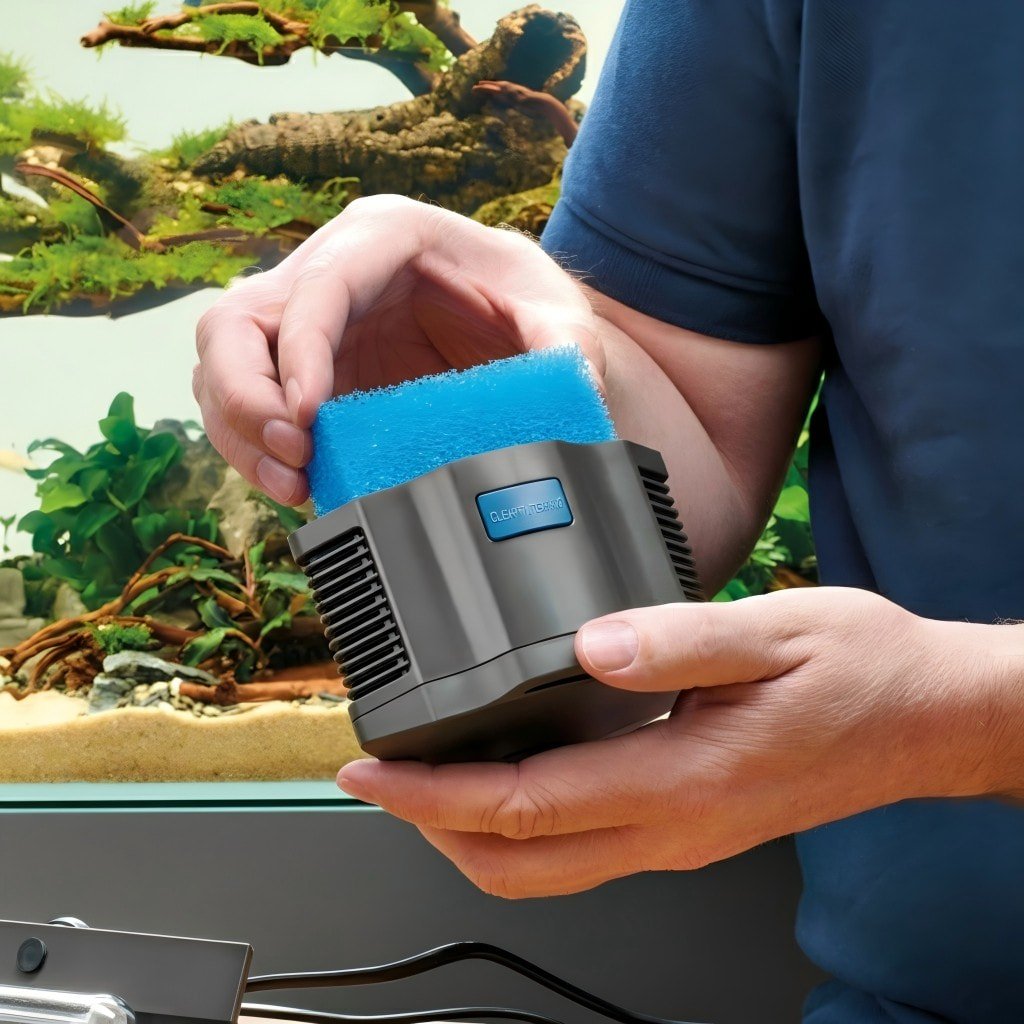
    Moisture and Start-Up Protection

    The kind of dust you collect changes how you should pre-coat your filters. You need to pick the right pre-coat material and method for your dust. Here are some things to think about:

    • The cleaning method you use depends on the dust type.

    • You might need different pre-coat materials for the best results.

    • Organic dusts, like oils and greases, need solvents to clean.

    • Inorganic dusts, like rust or regular dust, may need mechanical or acidic cleaning.

    When you start your dust collector, pre-coating keeps the filter safe from water and sticky dust. This step helps you stop early filter damage and keeps your system working well.

    Why Do Dust Collector Cartridge Filters Need Protection?

    Cartridge filters in industrial dust collectors need protection to avoid premature failure, unsafe events, and lost performance. Unprotected filters face abrasion from large debris, blinding from sticky or wet dust, pressure surges, sparks, and chemical or thermal attack. Protection preserves capture efficiency, keeps pressure drop stable, reduces energy use and downtime, and supports NFPA-compliant fire/explosion risk control.

    dust collector cartridge filter (2)
    dust collector cartridge filter (5)

    Extending Service Life

    You want your Dust Collector Cartridge Filter to last longer. Pre-coating works like a shield for the filter media. This is helpful in tough places or when you start the system. The shield helps stop damage from things like:

    • Dust rubbing hard on the filter or bad air flow

    • Chemicals in the air that hurt the filter fabric

    • Sparks or hot pieces that can start a fire

    If you do not pre-coat, filters last about 3 to 12 months. Using pre-coating helps your filters last longer and saves you money. The pre-coat layer does not stay forever, but it helps your filter work better for a long time.

    Tip: Check your filter after you start the system. Protecting early means you will have fewer problems later.

    Enhancing Filtration Efficiency

    Pre-coating helps your Dust Collector Cartridge Filter catch more dust. The extra layer traps tiny dust before it gets to the filter media. This keeps the filter from getting clogged too fast. Air can move through the system more easily. You get better results and cleaner air at work.

    Benefit

    Result

    Improved Efficiency

    More dust caught, less clogging

    Longer Filter Life

    You do not need to change as often

    Cost Savings

    You spend less on fixing and parts

    Pre-coating is an easy way to help your filter work better and keep your dust collector strong.

    Improving Fine Dust Capture

    Tiny dust can pass through normal filters and cause trouble. Pre-coating makes a first dust cake that acts as a real filter. This layer grabs even the smallest dust, like submicron dust. You stop clogging before it starts and help your filter last longer.

    • The dust cake from pre-coating makes filtering stronger.

    • You catch more fine dust and keep your workspace safer.

    • Your filter stays cleaner and works longer.

    Note: Pre-coating is a smart idea if you want better dust control and longer filter life.

    How Do You Pre-Coat Cartridge Filters Step by Step?

    Precoat cartridge filters by isolating the collector, turning off pulse cleaning, and selecting an inert, compatible powder (e.g., diatomaceous earth or limestone). Feed a measured dose—about 0.2–0.5 lb per ft² of filter media—into the hopper or injection port. Run the fan at low flow to draw powder uniformly onto pleats. Stop when differential pressure rises ~0.5–1.0 in. w.c., then ramp to normal flow and gradually re-enable pulses.

    dust collector cartridge filter (3)

    Selecting Pre-Coat Material

    You need to choose the right pre-coat material for your Dust Collector Cartridge Filter. The best choice depends on the dust you collect and your filtration needs. Common pre-coat materials include:

    • Cellulose

    • Diatomaceous earth

    • Lime

    • Perlite

    • Activated carbon

    You can see the main criteria for selecting pre-coat materials in the table below:

    Criteria for Selecting Pre-Coat Materials

    Description

    Types of Materials

    Options include diatomaceous earth, lime, perlite, cellulose, and activated carbon.

    Filtration Requirements

    Choose based on the dust type and how fine the particles are.

    Manufacturer Consultation

    Ask your filter supplier for advice on the best material for your system.

    Tip: Cellulose and diatomaceous earth are the most popular choices for many industrial dust collectors.

    System Preparation

    You must prepare your dust collector before you add the pre-coat. Follow these steps:

    1. Remove all old dust from the hopper.

    2. Turn off and lock out the hopper dust removal equipment, such as airlocks.

    3. Deactivate the cleaning system so it does not run during pre-coating.

    You should also take safety precautions:

    • Wear a breathing mask, especially when handling diatomaceous earth.

    • Use a dust-free dosing system to avoid breathing in fine powder.

    • Get pre-coat material in big-bags to prevent lifting heavy loads.

    Note: Always clear out old dust and turn off the cleaning cycle. Lower the airflow to about 50% of normal to help the pre-coat stick to the filters.

    Application Process

    Now you are ready to apply the pre-coat. Here is a step-by-step guide:

    1. Install new cartridge filters in your dust collector.

    2. Start the system fan at a low speed. This will draw the pre-coat material into the filters.

    3. Inject the pre-coat powder while the fan is running and the cleaning system is off.

    4. Let the system run and watch the differential pressure. Aim for a reading between 4″ and 5″ w.c.

    5. For pulse-jet systems, turn off the fan, remove extra dust, then add the pre-coat before restarting.

    To get an even layer:

    • Keep the cleaning system off or set it to “pulse-on-demand.”

    • Watch the differential pressure to make sure the pre-coat spreads evenly and does not clog the filter.

    Tip: Even coverage helps your filter work better and last longer.

    System Adjustment

    After you finish pre-coating, you need to adjust your system for the best results. Here are some tips:

    • Pre-coat the filters during start-up, especially if you use fuel oil, to protect against harmful chemicals.

    • Make sure the filter surface has a thin layer of pre-coat or fly ash to shield the filter media.

    • Pick pre-coat materials with the right particle size and chemistry for your dust type.

    • Keep the humidity between 40% and 60% and the temperature near 70°F (21°C). High humidity can make dust sticky and clog filters faster.

    • Use a dehumidifier if your workspace is very humid.

    Note: Always monitor the differential pressure after pre-coating. This helps you spot problems early and keep your Dust Collector Cartridge Filter working well.

    Monitoring and Troubleshooting

    Differential Pressure Tracking

    You need to check the differential pressure on your dust collector every day. This number shows how hard air moves through the filter. If the pressure gets higher, your filter might be clogged or broken. Use the table below to see what the pressure numbers mean and what you should do:

    Pressure Drop Range

    Probable Cause

    Recommended Action

    2-5 PSI above normal

    Filter loading

    Schedule replacement

    5-10 PSI above normal

    Severe contamination

    Immediate investigation

    >10 PSI above normal

    Filter failure/blockage

    Emergency shutdown

    Tip: Write down the pressure numbers in a notebook. This helps you find problems early and keeps your system safe.

    Maintenance Tips

    You can help your cartridge filters last longer by doing regular maintenance. Here are some steps to follow:

    1. Select the Right Filter for Your Application: Choose filters made for your dust type.

    2. Ensure Proper Filter Installation: Make sure filters fit tight so dust cannot leak around them.

    3. Implement and Maintain Pulse Cleaning Systems: Use pulse cleaning to blow dust off and keep air moving.

    4. Protect Filters from Abrasive Dust: Add baffles or pre-filters to stop rough dust from hurting the main filter.

    5. Store Spare Filters Properly: Keep extra filters in a clean, dry place away from sunlight and chemicals.

    6. Maintain Optimal Airflow and System Balance: Check that airflow stays in the safe range.

    7. Conduct Regular Inspections and Maintenance: Look at pressure drops and check for damage often.

    Note: Checking and cleaning your system often helps you avoid big problems and saves money.

    Common Issues

    You might have some problems with pre-coated cartridge filters. Here are the most common ones and what causes them:

    • Incorrect Filter Selection: Using the wrong filter can make it clog quickly.

    • Insufficient Pretreatment: If you do not remove big particles or oils first, the filter can get blocked.

    • Chemical Scaling: Hard water can leave minerals on the filter.

    • Biological Growth: Tiny germs can grow and block the filter holes.

    🛠️ If you see these problems, check your filter type, clean your system, and treat your water or air if needed.

    You improve your dust collector’s performance when you pre-coat cartridge filters. Pre-coating stops early clogging and helps your filters last longer. You get better airflow and cleaner air at work.

    • Applying powders to new filters prevents ultrafine dust from blocking the media.

    • Surface treatments boost filter efficiency.

    • Uniform coatings reduce break-in time and help your system run smoothly.

    Keep checking your system and use the right steps. You protect your filters and keep your dust collector working at its best.

    FAQ

    How often should you pre-coat cartridge filters?

    You should pre-coat new filters at installation and after each filter change. If you handle sticky or fine dust, repeat pre-coating more often. Check your system’s manual for best practices.

    What is the best pre-coat material for most dust collectors?

    Most users choose cellulose or diatomaceous earth. These materials work well for many dust types. You should ask your filter supplier for advice if you have special dust.

    Can you use too much pre-coat powder?

    Yes. Too much pre-coat can block airflow and raise pressure. Always follow the recommended amount. Watch the differential pressure gauge to avoid problems.

    Do you need special equipment to apply pre-coat?

    You do not need special machines. You can use your dust collector’s fan to draw in the powder. Wear a mask and use safe handling tools to protect yourself.

    What happens if you skip pre-coating?

    Skipping pre-coating can cause early filter clogging. You may need to replace filters more often. Your dust collector may not work as well or keep the air as clean.

  • What Are Dust Collector Cartridge Filters Made Of?

    What Are Dust Collector Cartridge Filters Made Of?

    You can find dust collector cartridge filters made from a few main materials. These materials are cellulose, polyester, blends like 80/20, spunbond polyester, nanofiber layers, and coated media. The filter media you pick is important. Nanofiber filters catch tiny particles, help air move better, and use less energy. Many industries use nanofiber filters because they are easy to clean and last longer.

    • Nanofiber filters clean the surface well.

    • Smaller dust collectors work because airflow is better.

    • You save energy and do less maintenance with filters that last longer.

    Choosing the right material for your dust collector cartridge filter helps it work better and last longer.

    Key Takeaways

    • Pick the best filter media for your dust collector. This helps it work better and last longer.

    • Nanofiber filters are great at catching small dust pieces. They also need less cleaning.

    • Check your filters often and take care of them. This makes sure they work well and stay good for a long time.

    • Think about things like humidity and temperature before you pick a filter.

    • Use coated filters if the area is wet or oily. This helps them work better and last longer.

    What Are the Basics of Dust Collector Cartridge Filters?

    Dust collector cartridge filters are pleated cylinders that trap fine dust on engineered media, delivering high surface area in compact housings. Core basics: choose media for the dust (cellulose/polyester/nanofiber/PTFE), match efficiency (e.g., MERV 13–16), size by air‑to‑cloth ratio and airflow, and use pulse‑jet cleaning to control pressure drop. Monitor differential pressure and replace cartridges when pulse cleaning no longer restores normal flow or when damage, odor, or blinding appears.

    dust collector cartridge filter

    What Is a Cartridge Filter

    A cartridge filter is important in dust collection systems. It uses a pleated design. This means the filter folds back and forth. The pleats give more area to catch dust. Cartridge filters fit into small spaces. They still work well in tight spots. Look at the table below to see the main features:

    Feature

    Description

    Distinction from Other Filters

    Pleated Structure

    Gives more area to trap dust.

    Works better than flat filters.

    Compact Design

    Takes up less space for easy setup.

    Fits better than bag filters.

    High Filtration Efficiency

    Catches tiny dust particles well.

    Does better than many other filters.

    Ease of Maintenance

    Cleaning and changing is simple.

    Saves time compared to other filters.

    Dust Collector Cartridge Filters work well and are easy to clean. Many industries use them because of these benefits.

    How Cartridge Filters Work

    Here are the steps for how cartridge filters work:

    1. Dusty air goes into the collector through special openings. The air spins around, which helps separate big dust pieces.

    2. The air moves through the pleated filter material. The filter catches dust on its surface. The micron rating shows what size dust it can trap.

    3. Dust builds up and forms a dust cake. This layer helps catch even smaller dust.

    4. When the filter is full, a blast of air cleans it. The blast knocks off the dust cake so the filter can work again.

    5. The dust drops into a hopper and leaves through a valve.

    The main parts of a cartridge dust collector are pleated filter cartridges, a cleaning system, a dust hopper, and a pressure gauge. These parts help keep the air clean and the system working well.

    What Are the Main Filter Media Types Used in Cartridge Filters?

    The main cartridge filter media include depth media (melt‑blown polypropylene, cellulose, polyester; string‑wound cotton/PP), pleated membranes (PTFE, PES, PVDF, nylon, polypropylene), microglass/fiberglass, activated carbon block, and specialty metal or ceramic. These differ in pore structure, micron range, chemical compatibility, temperature resistance, and typical applications—from municipal and industrial water treatment to sterile filtration in pharmaceuticals and electronics. Choosing the right cartridge filter media depends on contaminant type (particulate vs. dissolved), required efficiency, operating conditions, and regulatory or quality standards.

    Cellulose Media

    Cellulose media is common in Dust Collector Cartridge Filters. It comes from plant fibers. The fibers are thin and trap dust well. Cellulose filters catch almost all particles bigger than 2–5 microns. This helps protect machines from dust larger than 1 micron. If you add a nanofiber layer, it traps even smaller dust.

    • Cellulose filters are best for dry dust.

    • They let air flow well and are easy to clean.

    • How well they work depends on the cellulose type.

    You will see cellulose media used in these places:

    Industry

    Applications

    Ceramic & Natural Stone

    Blasting, Grinding

    Metalworking

    Planing, Sanding

    Recycling

    Shredding

    Woodworking

    Sanding

    Tip: Use cellulose media for dry dust collection. Do not use it where there is lots of moisture or oil.

    Polyester Media

    Polyester media is strong and works well. It can handle moisture, oil, heat, and chemicals. Polyester filters do not break easily and keep their shape for a long time. Most polyester media in Dust Collector Cartridge Filters has an E12 Minimum Efficiency Rating.

    • Polyester filters let go of dust easily.

    • They are good for big or odd-shaped dust.

    • Polyester lasts longer than cellulose in tough places.

    Here is a simple comparison:

    Media Type

    Advantages

    Disadvantages

    Polyester

    Strong, stable, resists moisture, oil, heat, chemicals.

    Not as efficient as some advanced options.

    Good for tough dust and easy cleaning.

    Does not last as long as some advanced media.

    Cellulose

    Efficient, durable, versatile.

    Does not last as long as polyester.

    Note: Pick polyester media if you need a filter for wet or oily dust.

    80/20 Blends

    Many Dust Collector Cartridge Filters use 80/20 blends. These blends mix 80% cellulose and 20% polyester. You get the good filtering of cellulose and the strength of polyester.

    • 80/20 blends are good for general dust.

    • They resist moisture better than pure cellulose.

    • You can use them with light moisture or mixed dust.

    80/20 blends are great if you want a balance of cost, efficiency, and durability.

    Spunbond Polyester

    Spunbond polyester media is strong and lasts a long time. The fibers stick together, making the filter tough. It does not wear out easily. You can use spunbond polyester in hot places, from 93°C to 135°C. It filters out 99.99% or more dust.

    Property

    Description

    Filtration Efficiency

    99.99+%

    Abrasion Resistance

    Great against chemical damage

    Temperature Range

    93–135°C

    Spunbond polyester is used in many industries:

    • Chemical processing

    • General dust collection

    • Surface blasting, grinding, polishing

    • Powder coating

    • Pharmaceutical and food processing

    Application Type

    Description

    Buffing

    Removes dust from polishing surfaces

    Polishing

    Catches fine dust during finishing

    Grinding

    Collects dust from grinding

    Sandblasting

    Handles rough dust from sandblasting

    Chemical Processing

    Filters chemical dust

    Powder Coating

    Removes dust from powder coating

    Pharmaceutical

    Keeps things clean and controls dust

    Food

    Controls dust in food processing

    Spunbond polyester is best for rough or hot dust.

    Nanofiber Layers

    Nanofiber layers make filters work even better. These filters use tiny fibers, only nanometers wide. Nanofiber layers sit on top of other filter media. They trap very small dust, even as tiny as 0.3 microns.

    Particle Size (microns)

    Filtration Efficiency

    0.3 – 0.5

    High (over 99% efficiency)

    • Nanofiber filters need less air for cleaning.

    • You clean them less often and use less energy.

    • The filter lasts longer, saving money and time.

    Nanofiber layers help catch the smallest dust and keep your Dust Collector Cartridge Filter working well.

    Coated and Treated Media

    Coated and treated media give extra protection. Makers add special coatings or treatments to the filter. These help the filter resist water, oil, chemicals, or static electricity. Some treatments also help dust come off easier.

    Treatment Type

    Description

    Benefits

    Nanofiber

    Fine fibers layered on media

    Higher efficiency, blocks deep dust

    Static Electricity

    Conductive carbon particles

    Lowers static discharge risk

    Hydro-Oleophobic

    Makes filter repel water and oil

    Better moisture and oil resistance

    Singed

    Surface fibers burned off

    Easier dust cake release

    Calendered/Glazed

    Surface pressed flat

    Smoother, easier dust release

    Acrylic Coated

    Acrylic resin coating

    Higher chemical and heat resistance

    Flame Retardant

    Chemical coating

    Lowers fire risk

    Some coated media, like antistatic or Teflon-coated filters, work well in places with lots of chemicals or risk of explosions. Others, like hydro-oleophobic filters, help in wet or oily places.

    Pick coated or treated media if you need extra protection from moisture, chemicals, or static charge.

    How Do Different Cartridge Filter Materials Compare?

    Different cartridge materials balance particle rating, chemical compatibility, temperature tolerance, flow rate, and cleanability. Choose by fluid and contaminant: Polypropylene suits general water and chemicals; Cellulose targets sediment in potable water; Nylon/Polyester handle solvents with durability; fluoropolymers (PVDF/PTFE) resist aggressive media and heat; Activated carbon blocks adsorb chlorine/VOCs; stainless steel meshes are reusable for coarse solids; ceramic captures microbes but flows slowly.

    dust collector cartridge filter (1)

    Performance and Efficiency

    It is important to know how each filter works before you pick one. Some filters catch more dust. Others let air move through better. The table below shows how common materials compare:

    Material

    Efficiency Characteristics

    Cellulose

    Costs less but does not clean as well as blends or coated filters.

    Cellulose-Polyester Blends

    Cleans better and is easier to wash, especially with PTFE coating.

    Spunbond Polyester

    Catches dust well but can clog faster with oily dust.

    PTFE Coated Blends

    Loads dust on the surface and cleans easily.

    Nanofiber Filters

    Traps tiny dust very well but can clog quickly.

    Nanofiber and PTFE coated blends clean the air best. These filters help keep your air safe. Good filters remove dust and pollution. This means workers stay healthy and the air is better at work.

    Tip: Using the right filter media in your Dust Collector Cartridge Filter helps protect your health and keeps your equipment running longer.

    Durability and Cost

    You want a filter that lasts and does not cost too much. Some filters cost more but last longer. Others are cheaper but need to be changed more often. Here is a quick look:

    Filter Type

    Unit Cost

    Typical Life

    Annual Cost (200 filters)

    Standard Polyester

    $85-120

    12-18 months

    $11,000-$24,000

    PTFE Membrane

    $180-280

    18-36 months

    $12,000-$37,000

    Specialty Applications

    $300-500

    6-24 months

    $25,000-$100,000

    Polyester filters are a good choice for price and how long they last. PTFE and specialty filters cost more but last longer and work better for hard jobs.

    Typical Applications

    You should use the right filter for your work. Each type works best in certain places:

    Filter Media Type

    Recommended Application

    Spunbond Filters

    Woodworking, Cement Production, Sandblasting

    Nanofiber Filters

    Metalworking, Welding, Pharmaceuticals, Food Processing

    • Spunbond filters are good for woodworking and sandblasting.

    • Nanofiber filters work best for metalworking and medicine jobs.

    • Cellulose blends are used for general dust in many places.

    Note: Picking the right filter helps you follow safety rules from groups like OSHA and the EPA. This keeps your workplace safe and your air clean.

    Choosing the Right Dust Collector Cartridge Filter

    dust collector cartridge filter (9)

    Matching Material to Dust Type

    You should pick a filter that matches your dust. The size and kind of dust helps you decide. Here are some things to think about:

    • Fine dust, like powder or smoke, needs a filter that catches tiny pieces. Nanofiber or HEPA filters are best for this.

    • Big dust, like wood chips or metal shavings, can use cellulose or polyester filters.

    • If the dust is rough, pick a strong filter like spunbond polyester.

    • For dust that can burn or react with chemicals, choose a filter that resists fire or rust.

    Tip: Always check the dust’s size and what it is made of before picking a Dust Collector Cartridge Filter. This helps you get the best results and stay safe.

    Environmental Considerations

    Where you use your filter can change how well it works. Humidity, heat, and wet air all matter. Look at the table below for more details:

    Environmental Factor

    Impact on Filtration Performance

    Relative Humidity

    High humidity (over 80%) can make filters work worse, especially underground.

    Temperature

    Not as important as humidity, but very hot places can still affect filters.

    Dust Moisture Content

    Wet dust can make filters clog or not work right.

    Humid Environments

    Filters may need special coatings or materials to work well in damp places.

    If you work in a wet or humid place, use filters with coatings that keep out water. For hot areas, spunbond polyester works better than cellulose.

    Maintenance and Longevity

    Taking care of your filter helps it last longer and work better. Here are some good tips:

    • Keep water out of the filter. Use moisture separators and pick media that resists water.

    • Check and change gaskets and seals often. This stops dust from leaking out.

    • Teach your team how to clean and change filters the right way.

    • Watch for signs you need a new filter, like high pressure or damage you can see.

    How long your filter lasts depends on the media:

    Filter Media Type

    Lifespan Comparison

    Notes

    Cellulose/Polyester Blend

    Does not last as long as other types

    Needs to be replaced more often.

    Spunbond Polyester

    Strong and easy to clean

    Lasts longer and is simple to take care of.

    Nanofiber

    Lasts the longest

    Best for hard jobs and tiny dust.

    Doing regular care and picking the right filter for your dust and space will help your Dust Collector Cartridge Filter last longer and keep your air clean.

    You need to pick the right filter media for your dust collector cartridge filter. This choice affects how well your system works and how long it lasts. Think about these key factors:

    • Media type: Use cellulosic blends for dry dust or synthetic polyester for high heat.

    • Construction: Make sure the filter is strong and has good pleat spacing.

    • Treatments: Look for nanofiber, flame-retardant, or anti-static options.

    • Dust type: Test your dust and ask an expert.

    Aspect

    Description

    Importance of Selection

    The right media improves efficiency and lowers costs.

    Variety of Media Grades

    You can find many grades for different jobs.

    Benefits

    Good choices mean longer filter life and better dust control.

    Case Studies

    Real examples show how the right media solves industry problems.

    If you are unsure, talk to a filter specialist. The right choice keeps your air clean and your workplace safe.

    FAQ

    What is the best filter media for fine dust?

    You should choose nanofiber or HEPA filters for fine dust. These filters trap very small particles. They help keep your air clean and safe.

    Can you wash and reuse cartridge filters?

    Some cartridge filters allow you to wash and reuse them. Always check the manufacturer’s instructions. Not all filters can handle water or cleaning.

    How often should you replace a dust collector cartridge filter?

    You should check your filter every few months. Replace it when you see damage, high pressure, or poor airflow. Regular checks help your system work better.

    Do coated filters work better in wet environments?

    Yes! Coated filters resist water and oil. They last longer in damp or oily places. You should use them if your dust is wet or sticky.

  • A Guide to Industrial Cartridge Filter Types and Their Uses

    A Guide to Industrial Cartridge Filter Types and Their Uses

    You see many kinds of industrial cartridge filters in factories. Each filter has a special job. Filters help keep things clean and working well. The table below lists the main types and what they do:

    Type of Filter

    Primary Application

    Water Treatment

    Removing dirt, chlorine, and bad stuff from water.

    Chemical Processing

    Filtering chemicals and liquids to keep them good.

    Food and Beverage

    Filtering water, juice, and drinks for safety.

    Pharmaceuticals

    Filtering liquids and gases to take out bad things.

    Oil and Gas

    Filtering oil, gas, and liquids to keep them good.

    You need to know which cartridge filter is best for your system. Picking the right filter helps things work better. It also means less fixing and protects machines. If you choose filters carefully, your work goes well and costs stay low.

    Key Takeaways

    • Industrial cartridge filters help keep liquids and gases clean in factories.

    • Picking the right filter makes work better and saves money on repairs.

    • Learn how depth-type and surface-type filters are different to choose the best one for you.

    • Think about what you need and what could make things dirty when you pick a filter so it works well.

    • Check and change filters often to keep things moving and keep your machines safe.

    What Are Industrial Cartridge Filters?

    Industrial cartridge filters are cylindrical, replaceable elements that remove particulates from liquids or gases inside a pressure-rated housing. Using pleated or depth media such as polypropylene, cellulose, fiberglass, or stainless-steel mesh, they provide defined micron ratings and efficiency. Widely used in water treatment, chemicals, food and beverage, pharmaceuticals, and oil and gas, they protect equipment, ensure product quality, and maintain process cleanliness.

    What Are Industrial Cartridge Filters

    Factories use industrial cartridge filters to clean liquids or gases. These filters look like tubes or cylinders. You put the filter inside a case. When liquid or gas moves through, the filter catches things you do not want. Many factories use these filters to keep products clean and machines safe. Using an industrial cartridge filter stops dirt, dust, and tiny bits from getting into machines or mixing with products.

    There are two main kinds of filters. One is called depth-type and the other is surface-type. Depth-type filters catch particles all through the filter. Surface-type filters only catch things on the outside layer. Each kind works best for different jobs. Depth-type filters are good for lots of dirt. Surface-type filters are better for tiny particles.

    General Filtration Role

    Industrial cartridge filters help factories run well. You need them to:

    When you pick the right filter, you protect your machines and make work easier. You also save money because you do not need as many repairs. Filters are simple but very important in factories.

    What Types of Industrial Cartridge Filters Are Available?

    Industrial cartridge filters come in different types. Each type is best for certain jobs. You need to know how each filter works. This helps you pick the right one.

    industrial cartridge filter (1)

    Pleated Cartridge Filters

    Pleated cartridge filters have folded filter material. The folds make more surface area in a small space. People use these filters in water treatment and food processing. They catch dirt and tiny bits on the outside. Pleated filters let liquid move fast and are easy to clean.

    Here is a table to show how pleated cartridge filters and melt-blown cartridge filters are different:

    Feature

    Pleated Cartridge Filters

    Melt-Blown Cartridge Filters

    Structure

    Folded membrane supported by a core/screen assembly

    Randomly layered microfibers

    Filtration Mechanism

    Surface filtration with large surface area

    Depth filtration with graded density profile

    Rigid Support

    Uses reinforced layers for pleat integrity

    Lacks rigid support, relies on core and cage

    Flow Rate

    Higher initial flow rates due to larger surface area

    Typically lower initial flow rates

    Dirt Holding Capacity

    Lower compared to melt-blown

    30-50% greater due to volumetric loading

    Pleated filters are good when you need high-efficiency cartridge filters. They work best for clear liquids and not much dirt.

    Melt-Blown Cartridge Filters

    Melt-blown cartridge filters have layers of tiny fibers. These fibers trap dirt all through the filter. They do not just catch dirt on the outside. People use melt-blown filters for water treatment and chemical processing. They hold more dirt than pleated filters. You can use them longer before changing. Melt-blown filters are better when you need to remove lots of particles.

    String Wound Cartridge Filters

    String wound cartridge filters use yarn or string wrapped around a core. This design lets the filter catch dirt of many sizes. People use these filters in chemical plants and water systems. They are good for removing particles from 5 to 50 microns. You can use them to protect other filters like RO membranes.

    Here are some main benefits of string wound cartridge filters:

    • High filtration efficiency: They remove unwanted dirt and particles.

    • Long-term durability: You do not need to change them often.

    • Versatility: You can use them with many flow rates, temperatures, and pressures.

    • Cost-effectiveness: You save money over time.

    Resin-Bonded Cartridge Filters

    Resin-bonded cartridge filters use fibers stuck together with resin. This makes the filter strong for tough jobs. People use these filters in paint, ink, adhesives, and oil industries. They are good for thick liquids and removing small particles.

    You can find resin-bonded cartridge filters in:

    • Paints and coatings

    • Inks and printing

    • Adhesives and resins

    • Chemical manufacturing

    • Oil and gas

    These filters help keep products clean and machines safe.

    Membrane Cartridge Filters

    Membrane cartridge filters use a thin layer of special material. This layer has tiny holes. Only clean liquid can go through. You use these filters to remove very small particles, bacteria, or viruses. People use membrane filters in pharmaceuticals, food and beverage, and water purification. These filters give you very high performance.

    Activated Carbon Cartridge Filters

    Activated carbon cartridge filters use carbon to trap chemicals, chlorine, and bad smells. You use these filters to clean water and air. They work well in food and beverage, water treatment, and chemical plants. These filters make water or products taste and smell better.

    Depth-Type vs. Surface-Type Filters

    It is important to know about depth-type and surface-type filters. Surface filters catch dirt on the outside layer. They are best for small, even particles and not much dirt. Depth filters catch dirt inside the filter. They can hold more dirt and work better for lots of particles or different sizes.

    • Surface filters: Good for low dirt loads and even particle sizes.

    • Depth filters: Hold 2-3 times more dirt, work well for high dirt loads and mixed particle sizes.

    Depth filters have layers of fibers. Big particles get caught on the outside. Small ones get trapped deeper inside. This design helps you save money because you change filters less often.

    Cartridge End Types (SOE, DOE, Type 222, Type 226, Flat End, Spear, High Flow)

    Cartridge filters come with different end types. The most common are DOE (double open ended) and SOE (single open ended). DOE filters are open on both ends. You can use them in many filter housings. SOE filters are closed on one end. This helps stop leaks and keeps the filter in place. Some SOE filters use special ends like 222 or 226 for a tight seal.

    You must pick the right gasket or o-ring for your filter. Materials like Buna-N, EPDM, Silicone, Teflon, and Viton work best with certain chemicals and temperatures. Picking the right one helps your filter last longer.

    Cartridge Styles (Cylindrical, Conical, Oval, Square, Rectangular Flanged)

    Cartridge filters come in many shapes. The most common shape is cylindrical. You also see conical, oval, square, and rectangular flanged filters. The shape you pick depends on your equipment and space. Some shapes fit better in small spaces or special machines.

    Filter Media (Cellulose, Synthetic)

    The filter media is the material inside your cartridge filter. You can pick cellulose or synthetic media. Each type has its own good points.

    Filter Type

    Advantages

    Disadvantages

    Cellulose

    Sustainable, biodegradable

    May have lower durability under extreme conditions

    Synthetic

    High durability, reliable performance

    Less environmentally friendly

    • Cellulose filters are good for the environment. They break down naturally. You may need to change them more often if you use them for tough jobs.

    • Synthetic filters last longer and work better in hard conditions. They are not as eco-friendly, but they work better for tough jobs.

    The filter media you pick changes how well your industrial cartridge filter works. You get better results and longer life when you match the media to your job.

    Tip: Always match your filter type, end style, and media to your application. This helps you get the best results and saves money in the long run.

    How Do You Choose the Right Industrial Cartridge Filter?

    Picking the right filter helps your factory work well. You should think about what you need the filter to do. Look at what you want to clean and how your system works. When you match the filter to your needs, things run better and you save money.

    industrial cartridge filter (2)

    Application Requirements

    First, decide what job the filter will do. Every job is different. Some filters are best for water. Others work better for air. You also need to check safety rules. Some jobs need special filters. Food and beverage filters must use FDA-listed materials. Pharmaceutical filters need special certification. This makes sure products are safe.

    Here is a table that shows what matters most:

    Factor

    Description

    Filtration Efficiency

    Removes contaminants based on micron ratings.

    Flow Rate

    Keeps flow steady without too much pressure drop.

    Temperature & Pressure Ratings

    Handles extreme conditions for longer life.

    Service Life

    Lasts longer, so you change filters less often.

    Regulatory Compliance

    Meets safety and quality rules for your industry.

    Tip: Always check if your filter follows the rules. This keeps your products safe and your plant working well.

    Contaminant Type and Size

    You need to know what you want to remove. Different filters catch different things. In water treatment, filters take out dirt, bacteria, and chemicals. This keeps water clean. The size of what you want to remove matters. Some filters catch big things like sand. Others trap tiny things like bacteria.

    Contaminant Type

    Micron Rating (µm)

    Description

    Sediment and debris

    1 to 5

    Removes sand, silt, rust, and visible particles

    Cysts and bacteria

    0.2 to 1

    Captures tiny organisms like Giardia

    When you pick the right filter for the contaminant, it works better and lasts longer.

    Operational Factors

    Think about how your system works. Flow rate, temperature, and pressure matter. High flow rates can mean the filter holds less dirt. If your process uses hot liquids or high pressure, you need a strong filter. Stainless steel housings are good for high temperatures.

    • Filters must handle your process’s temperature.

    • The filter must work with the liquid or air you clean.

    • The design and materials change how well the filter works and how long it lasts.

    A filter’s design and materials also change how much energy you use. More friction means you need more energy. The right filter helps your system stay efficient and reliable.

    Note: Matching the filter to your liquid or environment helps separation, keeps things working well, and lowers maintenance.

    Industrial Cartridge Filter Applications

    industrial cartridge filter (3)

    Food & Beverage

    You need to keep food and drinks safe for people. In this industry, you use pleated cartridge filters and membrane filters. These filters take out bacteria and tiny bits. They help you follow hygiene rules and stop food from going bad. You also use depth filters to catch bigger dirt before the liquid gets to the finer filters.

    Membrane pleated filters stop bacteria and viruses. Depth filters catch bigger things and protect the finer filters.

    When you pick a filter, think about what you want to remove. You should also check how fast the liquid moves and how long the filter will last. Make sure the filter fits your system.

    • Take out things like yeast and dirt

    • Keep the flow steady for good work

    • Make sure the filter fits your equipment

    Pharmaceuticals

    You must keep medicines clean and safe. Membrane cartridge filters help by blocking bacteria and keeping liquids germ-free. These filters are easy to use and can save money. You use pleated filters in cell culture and drug making. They keep the process clean and protect the final product.

    • Membrane filters keep out germs

    • Pleated filters help make drugs and clean fluids

    Water Treatment

    You use cartridge filters to clean water for drinking or reuse. Activated carbon filters take out bad smells and chemicals. Pleated and melt-blown filters catch dirt and small bits. These filters help you follow safety rules and make water taste and look better.

    • Activated carbon filters take out chemicals and smells

    • Pleated filters catch fine dirt

    • Depth filters hold more dirt and last longer

    Chemicals

    You need strong filters in chemical plants. Resin-bonded and string wound filters work well with thick liquids and high heat. You must pick the right filter to avoid bad cleaning, short life, or high costs. If you pick the wrong filter, you may have more repairs and risk product quality.

    • Resin-bonded filters do tough jobs

    • String wound filters work with many chemicals

    • Good filter choice means better work and less downtime

    Oil & Gas

    You use cartridge filters to keep oil and gas clean. These filters also protect machines. Filters are very important in this industry. You need filters that can handle high pressure and heat. Pleated filters work well for injection water. Depth filters help with lots of dirt.

    Filter Type

    Oil and Gas Use

    Other Industries Use

    Cartridge Filters

    Keep fluids pure, protect machines

    Used for solvents and chemicals

    Strainers

    Remove big dirt, not for fine particles

    Remove debris at the start

    Coalescing Filters

    Separate liquids from air and gas

    Used in many places, less critical

    Bag Filters

    General use, less efficient than cartridge types

    Used for basic filtration

    You must match the filter to your process. This helps you get the best results and protects your machines.

    There are many kinds of industrial cartridge filters you can pick. Each kind helps your system work better and stay safe. Look at this table for important things to know:

    Key Performance Indicator

    Description

    Beta Ratios

    Show how well a filter traps particles.

    Micron Ratings

    Tell you the smallest particle size removed.

    Pick a filter that fits what you need. Good filters help your system run well and keep the air clean. The right filter saves money, works better, and keeps the air safe.

    FAQ

    What is the difference between depth-type and surface-type cartridge filters?

    Depth-type filters hold dirt inside the filter. Surface-type filters only catch dirt on the outside. Use depth filters when there is a lot of dirt. Surface filters are better for small, even dirt.

    How often should you change industrial cartridge filters?

    Change filters if the flow slows down or pressure goes up. Most factories look at filters once a month. Always listen to what the maker says for your system.

    Can you reuse cartridge filters after cleaning?

    Most cartridge filters are made for one use only. You cannot clean and use them again. Some pleated filters can be cleaned gently, but it is best to replace them.

    Which filter media is best for water treatment?

    Synthetic media is good for water treatment. It lasts longer and works for hard jobs. Cellulose media is better for easy jobs and is better for the earth.

    Do cartridge filters remove bacteria from liquids?

    Membrane cartridge filters can take out bacteria. People use them in food, drink, and medicine factories. Always check the micron rating to make sure the filter works for you.

  • a

    High-efficiency particulate air (HEPA) filters are essential components in modern air purification systems, designed to capture particles as small as 0.3 microns with exceptional efficiency. Whether used in vacuum cleaners, air purifiers, or HVAC systems, HEPA filters play a crucial role in maintaining clean air environments. Explore this comprehensive guide to understand their functionality, benefits, maintenance, and more.

    What is Hepa Filter?

    HEPA filters are advanced air filtration devices that capture microscopic particles, including pollen, dust, and smoke, with a 99.97% efficiency rate. Designed to improve air quality, they are commonly found in residential and commercial air purifiers, vacuum cleaners, and HVAC systems.

    Understanding HEPA Filters

    HEPA filters consist of a dense mat of randomly arranged fibers, typically made from fiberglass. The filter traps contaminants through mechanisms like interception, impaction, and diffusion, effectively removing particles as small as 0.3 microns.

    ClearFilter Pro Tip: We recommend checking your HEPA filters every six months for wear and tear to ensure maximum efficiency in air purification.

    How Does Hepa Filter Work?

    HEPA filters operate by trapping airborne particles in a fine mesh as air flows through, effectively capturing contaminants like dust, pollen, mold, and bacteria. Their unique construction allows them to target particles without significantly hindering airflow.

    Mechanisms of Action

    • Interception: Particles flowing with the air stream get caught in the fibers.
    • Impaction: Larger particles collide with filter fibers and adhere.
    • Diffusion: Smaller particles move erratically, increasing chances of capture by fibers.

    ClearFilter Pro Tip: Regular airflow checks help verify filter performance, particularly in dusty environments where efficiency can degrade over time.

    What are the benefits of Hepa Filter?

    HEPA filters provide significant health benefits by removing allergens, pollutants, and pathogens from the air. This leads to improved respiratory health, reduced allergy symptoms, and enhanced overall air quality, making them ideal for homes and offices.

    Health and Environmental Advantages

    HEPA filters are critical in environments where air purity is paramount, such as hospitals and laboratories. They significantly reduce airborne diseases and allergens, contributing to a healthier living space.

    ClearFilter Pro Tip: We advise using HEPA filters in conjunction with regular cleaning routines to maximize indoor air quality and reduce health risks.

    How to maintain a Hepa Filter?

    Maintaining a HEPA filter involves regular inspection, cleaning, and timely replacement. Proper maintenance ensures the filter’s longevity and optimal performance in air purification tasks, preventing clogging and airflow reduction.

    HEPA Filter Maintenance Steps

    • Inspect: Regularly check for visible dirt and damage.
    • Clean: Use a vacuum or mild detergent solution for washable filters.
    • Replace: Follow manufacturer guidelines for replacement intervals.

    ClearFilter Pro Tip: We found that replacing HEPA filters every 12 months is optimal for consistent air quality improvement.

    What is the price of Hepa Filter?

    The cost of HEPA filters varies depending on size, brand, and application, typically ranging from $20 to $150. Factors influencing price include filter quality, efficiency rating, and compatibility with various devices.

    Pricing Factors Explained

    HEPA filters are priced based on their filtration capacity, material quality, and brand reputation. Premium models offer enhanced durability and efficiency, often justified by a higher upfront cost for long-term savings.

    ClearFilter Pro Tip: Choosing filters with higher MERV ratings can offer better value by providing superior air filtration at competitive prices.

    Key Features & Comparison

    Based on our internal data and market analysis, here is the breakdown:

    Key Features & Comparison
    FeatureStandard HEPAPremium HEPAIndustrial HEPA
    Efficiency Rate99.97%99.99%99.999%
    Particle Size0.3 microns0.3 microns0.1 microns
    Lifespan6-12 months12-18 months12-24 months
    Cost Range$20-$50$60-$100$100-$150

    HEPA Filter Selection Criteria

    Choosing the right HEPA filter involves considering factors like efficiency, compatibility, and cost. Evaluate your specific needs to select a filter that offers the best fit for your environment.

    ClearFilter Pro Tip: We recommend premium filters for areas with high dust or allergen levels, ensuring superior performance.

    Cost & Buying Factors

    HEPA filter cost is influenced by brand, efficiency, and application type. Consider factors such as filter lifespan, replacement frequency, and specific air quality needs when making purchasing decisions.

    Buying Guide for HEPA Filters

    When purchasing HEPA filters, assess the balance between upfront cost and long-term savings. High-quality filters may have a higher initial price but offer extended lifespan and improved filtration, which can reduce replacement frequency and enhance air quality.

    ClearFilter Pro Tip: Select filters from reputable brands with proven track records to ensure reliable performance and warranty support.

    Conclusion

    HEPA filters are a vital component in achieving clean air environments, providing significant health benefits through efficient particle removal. By understanding their functionality, maintenance needs, and cost factors, you can make informed decisions to improve air quality in your space. Consider integrating ClearFilter solutions for enhanced performance and reliability.

    Conclusion

    ClearFilter Pro Tip: To maximize air purification benefits, combine HEPA filters with complementary technologies like UV light or activated carbon filters.

  • What is the Best Filter Media for Fish Tanks?

    What is the Best Filter Media for Fish Tanks?

    When you search for the best filter media for your fish tank, you may see names like ceramic rings, sintered glass, foam, and carbon. Each filter media type helps your filter clean water in its own way. The size of your tank and the kind of fish you have are very important. Foam and pot scrubbers remove a lot of ammonia and make water very clear. Ceramic rings are better for biological filtration but do not make water as clear. If you want better filtration, use a Fish Tank Filter Pad to catch dirt. Clean water keeps your fish healthy and makes things easier for you.

    Filter Media Type

    Ammonia Oxidation Capacity

    Clarity of Water

    Effective Surface Area Requirement

    Foam, Pot Scrubbers, K1

    High

    Excellent

    20 times more than ammonia oxidation

    Ceramic Rings, Lava Rocks, BioHome

    Moderate

    Poor

    Less effective for clarity

    Key Takeaways

    • Pick the right filter media for your tank size and fish. Mechanical, biological, and chemical media all do different jobs. Mixing filter media types can make water cleaner. Use mechanical media first. Then add biological media. Finish with chemical media for the best results. You need to do regular maintenance. Clean mechanical media every week. Change chemical media every month. This keeps your water clear and healthy. Surface area in filter media is important. More surface area helps good bacteria grow. Good bacteria break down waste. Do not believe marketing myths. Use proven filter media like sponge and ceramic rings. This will help your filter work well.

    What Are the Different Types of Aquarium Filter Media?

    When you start a fish tank, you must pick filter media. Each kind of aquarium filter media helps clean water in its own way. Some work better for certain tanks. Let’s look at the main types so you can choose what fits your tank.

    Tip: You do not need to use just one filter media. Mixing different types can make your water cleaner and healthier.

    Mechanical Filter Media

    Mechanical filter media catches dirt, old food, and fish waste. This stops them from breaking down in your tank. Fish tank filter pad, foam, and sponge are common choices. These pads and sponges go inside your filter. They grab particles as water moves through.

    Here is how mechanical filter media works:

    • Foam with 30 ppi removes more particles than most other media.

    • Fluidized bed K1 media is even better, but foam is easier for most tanks.

    • Coarse filter media lasts longer and does not clog fast. Fine media makes water clear but needs to be changed often.

    Note: Mechanical filtration is your first defense. It keeps your filter working well and helps other media do their job.

    Biological Filter Media

    Biological filter media gives good bacteria a place to live. These bacteria eat ammonia and nitrite. Both are bad for fish. Ceramic rings, sintered glass, porous ceramics, and pot scrubbers are used for biological filtration.

    Filter Media Type

    Key Features

    Benefits for Bacteria Growth

    Sponge Filters

    Large air spaces, different pore sizes

    Traps detritus, gives surfaces for bio-film to grow

    Ceramic Media

    High surface area, large pore spaces

    Helps bacteria grow, good for nitrification and denitrification

    Bioballs

    Good surface area

    Helps nitrifying bacteria but does not have pores for denitrifying bacteria

    Ceramic rings and sintered glass have many tiny holes. These holes give bacteria more space to grow. Pot scrubbers and sponge filters also work well. They do not clog easily.

    The surface area of ceramic rings and porous ceramics matters for biological filtration. Sometimes, companies say their media has high surface area, but the pores may be too small for bacteria. Good water flow over the media helps bacteria remove ammonia and nitrite.

    Your biological filter media should have enough space for bacteria. It should also let water move easily. This keeps your filtration strong and your water safe.

    Chemical Filter Media

    Chemical filter media takes out toxins, smells, and other bad things from water. You can use activated carbon, GFO, Seachem Purigen, or Poly-Filter. These media trap chemicals that other filter media cannot remove.

    Filter Media

    Pros

    Cons

    Seachem Purigen

    Best for removing toxins from fish waste and leftover food. Changes color when used up. Reusable after cleaning. Cost-effective for large tanks.

    Can affect good bacteria by removing waste too fast.

    Poly-Filter

    Removes many toxic chemicals including ammonia and nitrates. Color change shows when to replace.

    Cannot be reused after it is used up, so it costs more.

    Filter Media

    How It Works

    How Long It Lasts

    Activated Carbon

    Removes toxins, smells, and colors

    Needs to be replaced often for best results

    GFO (Granular Ferric Oxide)

    Removes phosphate to stop algae growth

    Needs to be checked often

    Purigen

    Removes certain toxins and can be cleaned

    Cleaning can make it last longer than others

    You might wonder about chemical filtration media. Activated carbon is the most used. It removes smells and colors from water. GFO helps stop algae by taking out phosphate. Purigen and Poly-Filter remove certain toxins. They change color when it is time to replace them.

    Chemical filter media is good for making water clear and removing things you cannot see. Check your media often and replace it when it stops working.

    Picking the right filter media means thinking about what you want to remove from your water. Mechanical, biological, and chemical filter media all help keep your fish healthy and your water clear.

    What Are the Pros and Cons of Each Filter Media Type?

    Filter media types vary in their strengths and weaknesses, impacting their application in different environments. Common filter media include sand, cartridge, and diatomaceous earth (DE).

    fish tank filter pad (1)

    Effectiveness in Different Tanks

    You want your filter to keep water clean. It also helps your fish stay healthy. Each filter media type works best in certain tanks. Mechanical filter media takes out solid waste and floating bits. It works in both freshwater and saltwater tanks. Biological filter media is very important for any tank. It helps break down harmful things like ammonia. Chemical filter media removes things you cannot see, like toxins and smells.

    Here are some main good and bad points:

    Filter Type

    Advantages

    Disadvantages

    Mechanical

    Takes out solid debris and keeps water clear.

    Needs cleaning often so it does not clog.

    Biological

    Breaks down ammonia and nitrite.

    Needs healthy bacteria and good water flow.

    Chemical

    Removes dissolved toxins and makes water better.

    Needs to be replaced often and can take out good minerals.

    In saltwater tanks, change mechanical and chemical media every month. In freshwater tanks, you can rinse and use mechanical filter media again. But you should still change chemical media each month. Planted tanks may not need as much chemical filtration. Plants help clean the water too.

    Maintenance and Cost

    You want filter media that lasts and does not cost a lot. Mechanical filter media, like sponges and pads, needs to be cleaned often. Rinse them the way the maker says. Chemical filter media, like activated carbon, must be replaced often to keep water safe.

    Biological filter media, like Seachem Matrix, can last a lifetime if rinsed gently. BioHome and Fluval Biomax also last a long time. You should check them for buildup sometimes. Canister filters cost more at first but hold more media. They can clean more water.

    Here are some usual filter prices:

    Filter Type

    Cost Range

    Sponge Filters

    $5 to $40

    Canister Filters

    $90 to $500

    Hang-On-Back Filters

    $10 to $150

    You will spend less money if you clean and reuse your filter media. Always follow the rules for your filter and media. This keeps your water clear and your filter working well.

    Tip: Use different filter media types together for the best results. This gives you clear water and healthy fish.

    How Do You Choose the Right Aquarium Filter Media?

    Selecting the right aquarium filter media involves considering your tank’s specific needs and the types of media available. First, assess your tank’s size and the type of aquatic life it hosts. Then, choose from biological, chemical, or mechanical filter media based on your needs. Each media type serves a distinct purpose and is crucial for maintaining water quality.

    fish tank filter pad (2)

    Matching Media to Tank and Fish

    You want your filter to work well for your tank and your fish. To select the right media, think about what your setup needs most. Here are some things you should look for:

    • Know the types of filtration your filter supports.

    • Make sure the filter is easy to clean.

    • Match the filter type to your tank size and the conditions inside.

    • Check that the flow rate moves water at least 4 to 6 times your tank’s volume every hour.

    • Look for filters that let you use mechanical, biological, and chemical media together.

    • Think about noise level and energy use, especially if your tank is in a quiet room.

    • Make sure your filter can hold different kinds of filter media.

    • Adjustable flow helps if you keep sensitive fish.

    For tanks with lots of fish, use mechanical filter media like bonded pads or sponges to catch waste. Biological filter media, such as ceramic rings or bio balls, help good bacteria grow. Chemical filter media, like activated carbon, remove things you cannot see in the water.

    Special Cases: Planted and Saltwater Tanks

    Planted and saltwater tanks need special care. You want to keep water safe for plants or corals. Here is a quick look at what matters most:

    Filter Media Type

    Planted Tanks: What to Know

    Saltwater Tanks: What to Know

    Mechanical Media

    Rinse in tank water to protect good bacteria.

    Avoid overloading; feed carefully to reduce waste.

    Biological Media

    Needed for breaking down nitrogen compounds.

    Live rock and sand often do most biological work.

    Chemical Media

    Skip if you want to keep trace elements for plants.

    Use with live rock and protein skimmers.

    Mixing and Layering Media

    You can boost your filtration by mixing and layering different filter media. This method gives you better water quality and longer filter life. Here is what you gain and what to watch out for:

    Benefits

    Drawbacks

    Improved filtration efficiency

    Backwashing can be harder

    Holds more dirt, so you clean less often

    Some media may get lost

    Keeps water quality stable

    When you mix media, start with coarse mechanical filter media, then add biological, and finish with chemical. This setup helps with improving your water chemistry and keeps your tank healthy. Try different combinations to see what works best for your tank.

    How Do Popular Aquarium Filter Media Compare?

    Popular aquarium filter media can be compared based on their functionality: mechanical, chemical, and biological filtration. Mechanical media remove debris and particles, chemical media eliminate toxins and odors, and biological media foster beneficial bacteria for nitrogen cycle maintenance.

    fish tank filter pad (3)

    Quick Reference Chart

    You want to pick the right filter media for your tank. This chart shows you the top choices for different setups. It helps you see which aquarium filtration media works best for your water and fish.

    Tank Type

    Best Filter Media Combo

    Main Benefit

    Polishing the Water?

    Freshwater

    Sponge + Ceramic Rings + Carbon

    Balanced filtration

    Yes

    Planted

    Sponge + Sintered Glass

    Gentle on plants

    Yes

    Saltwater

    Foam + Live Rock + Purigen

    Removes toxins, supports coral

    Yes

    Nano

    Foam Pad + Bio Balls

    Easy to clean, compact

    Yes

    Tip: Start with mechanical filter media to catch dirt. Add biological media for healthy bacteria. Use chemical media if you need to remove smells or colors from the water.

    Top Picks by Tank Type

    You might wonder which filter works best for your tank. Here are some top-rated options for different setups:

    • For nano tanks, the Dymax Slim Flo SF Hang On Tank Filters work well. They run quietly and have easy-to-change pads. You can use them for tanks up to 24 gallons.

    • If you want an all-in-one filter, try the AquaMaxx HF-M Hang-On-Back Multi Filter. It has a built-in protein skimmer and lets you use different media. This filter fits tanks from 20 to 60 gallons.

    • For bigger tanks, Seachem Laboratories Tidal Power Filters give you strong filtration. You can adjust the flow and use lots of filter media. These filters work for tanks up to 110 gallons.

    • The Eheim Classic External Canister Filters are great for many tank sizes. They last a long time and are easy to clean.

    Different filter media perform better in certain tanks. For example, sumps work best for large tanks with many fish. Hang-on-back filters do not clean as well in big tanks. You need to match your filter and media to your tank’s needs. If you want the clearest water, focus on polishing the water with fine pads or foam. For planted tanks, use gentle media that will not harm your plants. Saltwater tanks need media that can handle extra waste and keep the water safe for corals.

    You can mix and match filter media to get the best results. Try different combinations to see what keeps your water clean and your fish happy.

    Are Filter Media Claims Real or Just Marketing?

    Filter media claims can be both real and marketing-driven, depending on the product and manufacturer. Reliable claims are typically backed by scientific testing and certifications, such as HEPA standards for air filters or NSF certifications for water filters. However, some claims may be exaggerated or unsupported by rigorous evidence.

    fish tank filter pad (4)

    Overrated Products

    Many filter media products say they make water crystal clear. Some brands use flashy ads and big promises. You might think you need the newest filter to keep your tank safe. But many products do not work as well as they say.

    • The Lifestraw gets lots of attention. People say it cleans any water. But it does not remove chemicals or viruses. You should know what your filter can really do before you trust it with your fish.

    • Some filters say they remove phosphate and silicates to stop algae. Tests show not all media work as promised. Other products often do better at making water clear and removing phosphate.

    • Cartridge filters and canister filters with standard media sound great in ads. Research shows they may not give you the biological filtration you expect. You should pick filter media that really help bacteria grow.

    Tip: Always read reviews from real users. Look for scientific tests before you buy new filter media.

    What Really Matters

    You want your filter to keep water clean and safe. The best filter media focus on a few key things. Studies show surface area is most important. More surface area means more space for good bacteria. This helps your filter break down waste and keeps water clear.

    Myth

    Debunking Evidence

    The brown “gunk” inside the filter bio-media is trapped feces.

    This is a damaging myth; the gunk is beneficial and should not be removed often.

    Hang-on-back cartridge filters provide great biological filtration.

    Research indicates they may not be as effective as believed.

    Lava rock is a great biological filtration media.

    Studies indicate it may not be as effective as other media types.

    Foam in a canister is a poor biological filter.

    Scientific findings indicate foam can support biological filtration effectively.

    Do not worry about the brown gunk in your filter media. That gunk is full of helpful bacteria. If you clean it too much, you lose the bacteria your filter needs. Foam and sponge media can help with strong biological filtration. You do not need expensive or fancy media for good results.

    Factor

    Description

    Surface Area

    The amount of surface area available for beneficial bacteria is crucial for effective filtration.

    Removal of DOCs

    The ability to eliminate dissolved organic compounds is essential for achieving crystal clear water.

    Water Clarity

    Achieving clear water requires significantly more filter media surface area than just for ammonia oxidation.

    You get the best water quality when you use filter media with lots of surface area. This helps remove phosphate and keeps your tank free from algae. If you want to stop algae outbreaks, use media that help bacteria and trap waste. You do not need every new filter or media on the market. Stick with proven options and keep your filter clean.

    What Are Some Practical Tips for Using Filter Media?

    When using filter media, prioritize selecting the right type for your specific needs, ensure proper placement within the filtration system, and maintain a regular cleaning schedule to enhance efficiency and longevity.

    fish tank filter pad (5)

    Calculating Amount Needed

    You might wonder how much filter media your tank really needs. Here’s how you can figure it out:

    • Check the manufacturer’s guide for your filter media. Each type holds a different amount of bacteria.

    • A stable tank only supports as many bacteria as it needs. More filter media does not always mean better results.

    • If you have a big tank or lots of fish, you may need more media. For small tanks, less is fine.

    • Pot scrubbers and sponge blocks work well for most tanks. They give bacteria lots of space.

    • Try combining coarse and fine pads. This setup helps trap big and small particles, making your filter the best option for polishing the water.

    When to Replace Media

    Keeping your filter working means knowing when to swap out or clean your media:

    • Clean mechanical filter pads or sponges every 7–14 days. Rinse coarse pads and reuse them. Throw away fine pads after use.

    • Change chemical filter media, like carbon, every 4–6 weeks. If you see yellow water or smell bad odors, it’s time to replace.

    • Never replace all your biological filter media at once. Just rinse it gently in old tank water to keep good bacteria alive.

    Here’s a quick look at sponge density and how it affects your filter:

    PPI Rating

    Arrestance (%)

    Dust Capacity (grams)

    20 PPI

    82%

    220

    30 PPI

    75%

    245

    45 PPI

    69%

    330

    Bar chart comparing arrestance and dust capacity for different sponge PPI ratings in aquariums

    A 20ppi sponge catches more dirt but fills up faster. A 30ppi sponge holds more dust and lasts longer.

    Troubleshooting Issues

    If your filter slows down or stops, try these steps:

    • Take out the filter media and rinse it in old aquarium water. Never use tap water, or you’ll lose good bacteria.

    • Clean the filter tubing and intake with a brush. Soak them if you see hard buildup.

    • Replace old tubing with new, kink-free lines for better flow.

    • Check the impeller for clogs. Regular cleaning keeps your filter running strong.

    Stay on top of filter maintenance, and you’ll keep your water clear and your fish happy.

    You want the best filter for your tank, so focus on what works. Here’s a quick look:

    Filter Type

    Why Choose It?

    Canister

    Great for big tanks, holds more media

    Sponge

    Easy for beginners, strong bio support

    Cartridge

    Good mix for most home aquariums

    Pick filter media that matches your fish and tank. Proven options like sponge and sintered glass boost water quality. Don’t trust hype—choose what keeps your water clear. Clean your filter pads every week for ideal water quality.

    FAQ

    How often should you clean or replace filter media?

    Rinse mechanical media once a week. Change chemical media like carbon every month. Biological media needs gentle rinsing in old tank water. Do not replace all media at the same time, or you could lose helpful bacteria.

    Can you mix different types of filter media in one filter?

    Yes, you can use mechanical, biological, and chemical media together. Mixing them helps make water clearer and keeps fish healthy. Put coarse pads first, then add biological media, and use chemical media last if you need it.

    What’s the best filter media for beginners?

    Sponge filters are good for beginners. They are easy to clean and help good bacteria grow. Sponge filters also make water clear. You can use them in most tanks. Foam pads and ceramic rings are also good choices.

    Do you need chemical filter media in a planted tank?

    You do not always need chemical media in planted tanks. Plants help take out toxins. If you smell bad odors or see yellow water, add carbon or Purigen. Most of the time, use mechanical and biological media for best results.