

You want the air in your room to be clean. The activated carbon foam filter gives cleaner air at first. This is because it has a big surface and lets air move easily. Pellet-style filters work for a longer time. They have more carbon and can trap more dirty stuff as time goes on. Both filters use activated carbon, but their shapes make them work differently. Think about what kind of air you need and where you live before you pick one.
Key Takeaways
Activated carbon foam filters clean air fast. They have a big surface area. Air moves through them easily.
Pellet-style filters last longer. They catch more pollution over time. They are good for places with lots of pollution and strong smells.
Think about what you need for your air. Pick foam filters if you want quick results. Pick pellet filters if you want them to last longer.
You must take care of your filters. Foam filters need changing every 2 to 4 weeks. Pellet filters last 3 to 6 months.
Choose the right filter for your space. Foam filters are good for small rooms. Pellet filters work better in big areas with bad smells.
How Do Activated Carbon Foam and Pellet-Style Filters Compare at a Glance?
Activated carbon foam and pellet-style filters differ primarily in their structure and application efficiency. Carbon foam filters are lightweight and flexible, suitable for applications requiring conformability, while pellet-style filters are rigid and offer higher adsorption capacities for large-scale or industrial uses.
Main Differences
You might wonder how activated carbon foam and pellet-style filters stack up against each other. Each filter has a unique design that affects how well it cleans the air in your space. Here are the main differences you should know:
Feature | Foam Filter | Pellet-Style Filter |
|---|---|---|
Surface Area | High (lots of open pores) | Moderate (packed pellets) |
Airflow | Easy for air to pass through | More resistance to airflow |
Clean Air Delivery Rate (CADR) | Usually higher due to low resistance | Can be lower if airflow is restricted |
Lifespan | Shorter (fills up faster) | Longer (holds more carbon) |
Foam filters have a sponge-like structure. Air moves through them easily, so you get fast results.
Pellet-style filters use small carbon pellets. These can trap more pollutants over time, but air moves through them more slowly.
Tip: If you want quick air cleaning and less noise from your air purifier, foam filters often work better. If you need a filter that lasts longer and handles heavy pollution, pellet-style filters might suit you.
Which Filter is Better for Clean Air
You want the best filter for your needs. Foam filters give you cleaner air quickly because they let air flow easily and have a large surface area for trapping odors and gases. Pellet-style filters work better for long-term use and heavy pollution. They hold more carbon, so they can trap more contaminants before you need to replace them.
If you live in a home or office and want fast air cleaning, foam filters often give you better results. They boost the clean air delivery rate and keep your room fresh. If you deal with high levels of volatile organic compounds (VOCs), both types of activated carbon filters help. Activated carbon targets gaseous pollutants, making these filters suitable for places with lots of VOCs.
HEPA filters also play a big role in clean air. Experts recommend choosing air cleaners with HEPA filters for homes. HEPA filters trap tiny particles and keep your air safe. Electronic air cleaners do not always remove larger particles and may create ozone, which is not good for your health.
You should think about your air quality needs. If you want quick results and easy airflow, foam filters work well. If you need a filter for tough jobs and longer use, pellet-style filters are a strong choice.
How Does an Activated Carbon Foam Filter Work?
An activated carbon foam filter works by utilizing its porous structure to adsorb impurities from air or water. The foam is infused with activated carbon, which has a high surface area, allowing it to effectively trap contaminants like volatile organic compounds (VOCs), odors, and some chemicals.

Structure and Materials
An activated carbon foam filter is made from special foam. This foam is filled with activated carbon. Many companies use coconut shells to make the carbon. Coconut shells are good because they make tiny pores. These small pores help catch more dirty stuff in the air. The pores are very tiny, less than 2 nanometers wide. This size is great for trapping gases and smells. Some filters use wood or coal instead. But coconut shells are better for the planet and clean the air well.
The foam looks like a sponge. It has lots of open spaces. Air can move through it easily. This design gives the filter a big surface area. More surface area means more places for dirty stuff to stick. The filter is light and strong. You can use it in many air purifiers.
Note: Coconut shell-based activated carbon foam filters are popular. They are good for the earth and clean the air well.
Filtration Process
When you use this filter, air goes through the foam. The foam has lots of tiny pores. These pores grab dirty stuff as air moves by. This is called adsorption. Bad gases, smells, and chemical vapors stick to the carbon. The filter can catch many kinds of pollution. It can even trap things like pesticides and some medicines.
Here is what happens when the filter works:
Air goes into the filter and moves through the pores.
Dirty stuff in the air touches the carbon and gets trapped.
Clean air comes out, leaving the bad stuff behind.
The table below shows how air moves in different filters:
Criteria | Activated Carbon Foam Filter | Granular/Columnar Carbon Filter |
|---|---|---|
Low | High | |
Typical use | High-flow systems | Low-flow systems |
You get fast and good cleaning with this filter. The foam lets air move quickly. You get cleaner air in less time. This filter works well in homes, offices, and other places where you want fresh air.
How Does a Pellet-Style Activated Carbon Filter Work?
A pellet-style activated carbon filter works by adsorbing impurities from air or water onto its surface. Made from compressed carbon pellets, these filters offer high surface area and porosity, effectively capturing pollutants.


Structure and Materials
A pellet-style filter uses small, solid activated carbon pieces. These pellets look like tiny sticks or rods. Factories make them by pressing carbon powder into the same size. Most pellets are between 0.9 mm and 5.0 mm wide. The pellets are packed tightly together. They weigh between 430 and 650 kilograms per cubic meter. You can see their features in the table below:
Form / Shape | Size / Grade | Density | Iodine Number | Ash Content | Moisture As Packed |
|---|---|---|---|---|---|
Extruded Activated Carbon | 0.9–5.0 mm pellets | 430–650 Kg/m³ | 800–1200 mg/g | 1–15 wt% | 1–10 wt% |
Pellet-style filters use activated carbon with a high iodine number. This means they can trap many gases and smells. The pellets have low ash and moisture, so they last longer. The pellets fit closely together. This keeps the air moving smoothly and stops gaps from forming.
Tip: Pellet-style filters are good when you need strong carbon cleaning and long use.
Filtration Process
When you use a pellet-style filter, air goes through a bed of pellets. The process starts as air enters the filter. The pellets make a maze for the air to move through. As air passes, dirty stuff touches the pellets. The activated carbon grabs and holds these pollutants by adsorption.
You get many benefits from this kind of filter:
Air moves evenly because the pellets are the same shape.
The pellets trap smells, gases, and volatile organic compounds.
Air stays in the filter longer, which helps clean better.
Pellet-style filters keep airflow steady and stop channeling. Channeling is when air finds a shortcut and skips the filter. This makes the filter less effective. Pellet filters balance airflow and contact time. This helps remove more dirty stuff for a longer time.
Studies show pellet-style filters give controlled cleaning. The pellets have enough surface area for adsorption but do not slow air too much. You can clean these filters with heat or chemicals. This lets you use them again.
Note: Pellet-style filters are a smart pick for tough jobs in places with lots of pollution or strong smells.
How Do the Two Filter Types Compare in Effectiveness and Overall Performance?
When comparing the effectiveness and overall performance of the two filter types, HEPA filters generally excel in removing airborne particles due to their ability to capture particles as small as 0.3 microns with 99.97% efficiency. In contrast, activated carbon filters are more effective in eliminating odors and volatile organic compounds (VOCs) through adsorption.

Odor and VOC Removal
You want your air to smell fresh and stay free from harmful gases. Both activated carbon foam and pellet-style filters use carbon filtration to trap odors and VOCs. When you use a foam filter, you get quick results. The open pores in the foam give a large surface area. This helps the filter grab odors and VOCs fast. You notice a difference in your room’s smell soon after you turn on your air purifier.
Pellet-style filters work a bit differently. These filters hold more carbon, so they can trap more odors over a longer time. If you have strong or constant smells, like smoke or pet odors, pellet-style filters keep working even after weeks of use. You might not notice a big change right away, but these filters keep removing VOCs and odors for a longer period.
Tip: If you need fast odor removal, choose a foam filter. For long-lasting carbon filtration, pellet-style filters are a better choice.
Airflow and Resistance
Airflow is important for any air purifier. You want air to move easily through your filter. Foam filters have low resistance. Air passes through them with little effort. This means your air purifier does not have to work as hard. You get quiet operation and steady airflow.
Pellet-style filters create more resistance. The packed pellets slow down the air. Your air purifier might need to use more power to push air through. This can make the machine louder and less energy efficient.
Here is a table to help you compare airflow resistance:
Filter Type | Airflow Resistance | Impact on Performance |
|---|---|---|
Foam Filter | Low | Easy airflow, quiet running |
Pellet-Style Filter | Moderate-High | Slower airflow, more effort |
You see the same pattern with other filters. HEPA filters trap tiny particles but create high resistance. MERV filters can also slow down airflow, especially at higher ratings. The type of filter you pick changes how well your air purifier works.
Foam filters let air move fast and easy.
Pellet-style filters slow the air but give longer carbon filtration.
Clean Air Delivery Rate (CADR)
CADR tells you how quickly a filter can clean the air in your room. A higher CADR means faster cleaning. The design and surface area of your filter make a big difference. Foam filters often have a higher CADR. The open structure and large surface area let more air pass through. You get quick results and cleaner air in less time.
Pellet-style filters have a lower CADR. The packed pellets slow down the air. This means it takes longer to clean the same space. However, these filters last longer and keep working even when the air is very dirty.
You can see how filter design changes CADR:
Thicker filters with more surface area can boost CADR by over 100%.
Simple changes, like adding a shroud, can raise CADR by 40%.
Filters that lower pressure drop and increase surface area give the best CADR without making your air purifier louder.
Note: If you want fast results and high CADR, pick a foam filter. If you need a filter that lasts longer and can handle heavy odors, a pellet-style filter is a strong choice.
You should think about your needs. If you want quick cleaning and easy airflow, foam filters work best. If you need long-lasting carbon filtration for strong odors and VOCs, pellet-style filters are a smart pick.
What Are the Maintenance Needs and Lifespans of Each Filter Type?
Different filter types have varied maintenance requirements and lifespans. Mechanical filters typically need monthly cleaning and last about 1-3 years. Activated carbon filters require replacement every 3-6 months. HEPA filters, known for trapping fine particles, should be replaced every 1-2 years. Reverse osmosis membranes have a lifespan of 2-5 years with periodic pre-filter changes.

Cleaning and Replacement
You want your air to stay clean and safe. To do this, you must clean or change your filters often. Activated carbon foam filters need to be replaced every 2 to 4 weeks. This short time helps keep your air free from chlorine and other bad gases. Pellet-style filters last longer. You only need to change them every few months.
Here are some things to remember:
Changing filters often makes your indoor air better and helps your HVAC system.
Keeping up with filter care protects your health and comfort.
Clean filters make your system work less hard, so it breaks less.
Good filters help air move better and keep it clean.
Less work for your system saves you money and keeps your home safe from chlorine and other bad things.
If you forget to change your filters, you might smell more chlorine and your filter will not work as well. Always follow the right schedule for your filter.
Durability and Cost
Pellet-style filters last longer than foam filters. You do not have to change them as much, so you save time. Foam filters are cheaper each time you buy them, but you need more of them. Pellet-style filters cost more at first, but you buy them less often, so you save money later.
Here is a table to help you compare:
Filter Type | Average Cost per Replacement | Annual Maintenance Cost | |
|---|---|---|---|
Foam Filter | Every 2–4 weeks | Low | Moderate to High |
Pellet-Style Filter | Every 3–6 months | Moderate to High | Low to Moderate |
Think about how often you want to change filters and how much you want to spend. Both filters remove chlorine and other gases, but they need different care. If you want less work, pellet-style filters are a good pick. If you want to spend less money at first, foam filters are a good choice. No matter what you pick, changing filters often keeps your air clean and safe from chlorine.
What Are the Best Use Cases for Each Type of Activated Carbon Filter?
Activated carbon filters are versatile tools for water and air purification, with specific types suited to distinct applications. Granular activated carbon (GAC) filters excel in water treatment, effectively removing chlorine, volatile organic compounds (VOCs), and odors. On the other hand, powdered activated carbon (PAC) is ideal for rapid adsorption scenarios, such as in emergency water treatment situations.

Home and Office
You want clean air at home and work. Activated carbon filters help by removing bad gases and smells. Foam filters are good if you want fast results. They have a big surface, so they catch smells and gases quickly. Pellet-style filters last longer and work well with strong smells. You can use these filters in kitchens, bedrooms, and offices.
Here is a table to show where these filters work best:
Environment Type | Description |
|---|---|
Residential Areas | Removes harmful gases and odors from indoor air. |
Commercial Settings | Purifies air in spaces with high levels of odors and gaseous pollutants. |
Tip: Pick foam filters for quick results in small rooms. Use pellet-style filters for big spaces or places with strong, lasting smells.
Industrial and Special Needs
Factories and special work areas have more pollution. Pellet-style filters are great for these places. They use safe carbon pellets that trap chemicals like ammonia and chlorine. These filters work well even in hard conditions. You can use them in paint shops, labs, or places with strong chemical smells.
Pellet-style filters can trap lots of chemicals.
They keep working in tough places.
You get good cleaning with low-pressure drop.
Foam filters can help in some factories, especially when you need to remove smells fast.
Pet, Smoke, and Allergy Concerns
If you have pets or allergies, you want to stop smells and allergens. Carbon filters remove pet smells and smoke. HEPA filters catch pet hair and tiny bits, which helps with allergies. Some air purifiers can also lower mold and germs in your home.
Air purifiers with both filters work best for allergies.
Note: Carbon filters do not catch particles, but they make your home smell better by removing gases and VOCs.
What Are the Pros and Cons of Activated Carbon Foam Filters vs. Pellet-Style Filters?
Activated carbon foam filters offer a lightweight and flexible filtration option, allowing for easy installation and maintenance. They provide a large surface area for adsorption, effectively capturing contaminants. However, their lifespan is typically shorter, requiring frequent replacements. Pellet-style filters are more durable and have a longer service life, but they are bulkier and less flexible in installation.

Activated Carbon Foam Filter Pros and Cons
When you look at activated carbon foam filters, you find many benefits. You can use these filters in your home or office. They work fast and help you breathe cleaner air. You also save money because foam filters cost less than other types. You do not need special tools to install them. You can change them easily when they get dirty. These filters remove odors and vocs quickly. They also make water taste and smell better if you use them in water systems.
You get fast removal of odors and vocs.
You spend less money on each filter.
You can install and replace filters without help.
You enjoy better taste and smell in water.
You do not need chemicals for cleaning.
You should know about the downsides. Foam filters do not last as long as pellet-style filters. You need to change them often to keep your air clean. These filters cannot remove bacteria, heavy metals, or some chemicals. You must keep up with regular maintenance.
You need to replace filters every few weeks.
You must clean or change filters often.
Tip: Foam filters work best when you want quick results and easy use.
Pellet-Style Filter Pros and Cons
Pellet-style filters give you strong and steady performance. You can use these filters in places with tough odors and high levels of vocs. They last longer than foam filters. You do not need to change them as often. Pellet-style filters trap more pollutants over time. You get better results in large spaces or places with heavy pollution.
You get long-lasting removal of odors and vocs.
You change filters less often.
You trap more pollutants with each filter.
You use these filters in tough environments.
You should think about the drawbacks. Pellet-style filters cost more at first. You may notice slower airflow because the pellets pack tightly. You need to check the filter for clogs. You may need help to install or replace these filters.
You pay more for each filter.
You may get slower airflow.
You need to check for clogs.
You may need help with installation.
Note: Pellet-style filters work best for strong odors and vocs in large or industrial spaces.
How Can You Choose the Right Activated Carbon Filter for Your Clean-Air Needs?
To choose the right activated carbon filter, first identify the specific pollutants you aim to remove from the air, such as odors, gases, or chemicals. Next, consider the filter’s size and compatibility with your air system and check its adsorption capacity for efficiency in removing contaminants.
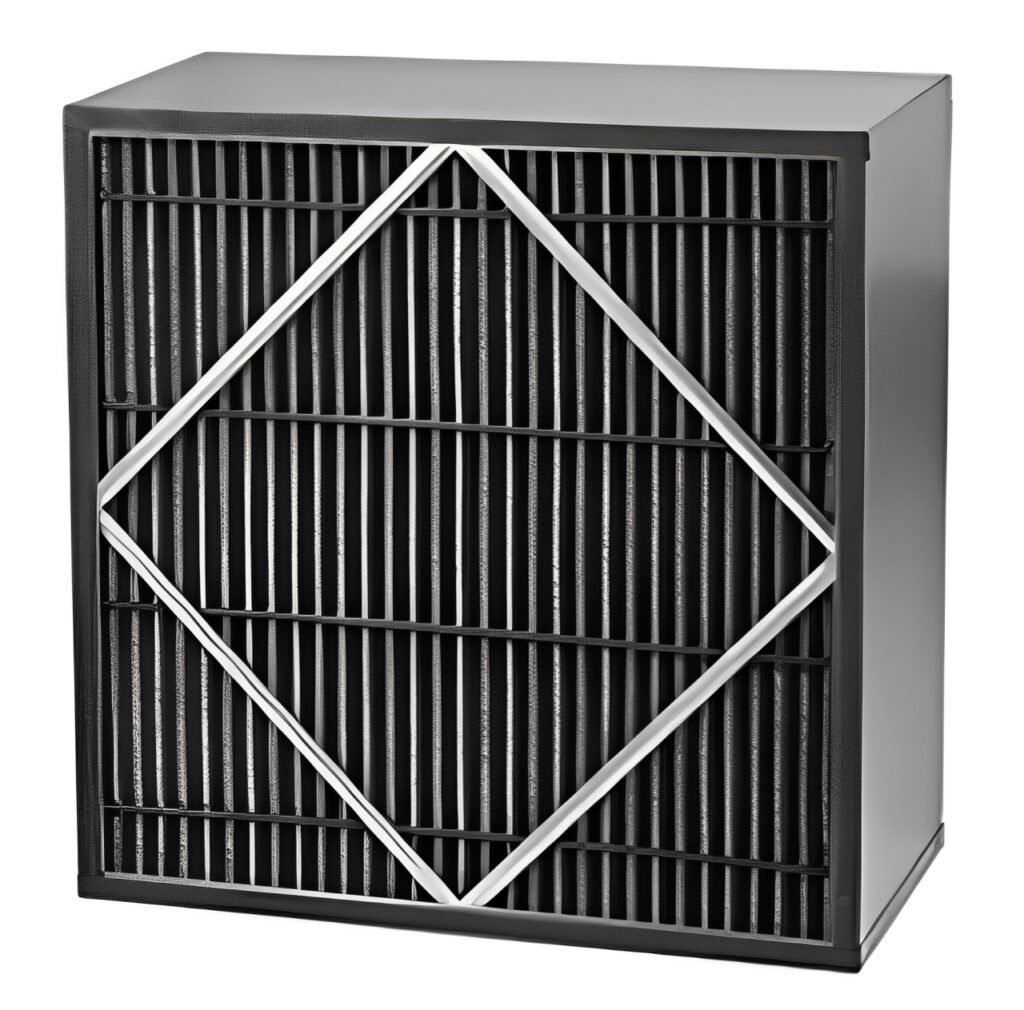
Key Factors to Consider
You want to make sure your indoor air stays clean and healthy. Start by thinking about the size of your room. A small bedroom needs a different filter than a large living room or office. Look at how much pollution you have. If you cook often or have pets, you may need a stronger filter. Check if you have problems with smoke, strong odors, or volatile organic compounds. These can make indoor air unhealthy.
Think about how often you want to change your filter. Some filters last a few weeks. Others last for months. You should also look at your budget. Some filters cost less at first but need to be replaced more often. Others cost more but last longer. Make sure the filter fits your air purifier or HVAC system. If you want fast indoor air cleaning, choose a filter with low resistance. If you need long-lasting performance, pick one with more carbon.
Tip: Always check the product label for the amount of carbon and the thickness of the carbon layer. More carbon means better removal of gases and odors.
Practical Selection Tips
You can use these tips to pick the best activated carbon filter for your needs:
Choose a filter with enough carbon weight and a thick carbon layer. This helps remove more volatile organic compounds from indoor air.
Make sure your air purifier or fan can handle the filter’s airflow needs. Good airflow keeps your indoor air fresh and clean.
Keep your filter dry and away from dust or debris. This helps the filter last longer and work better.
Replace your filter on time. Clean filters give you the best indoor air cleaning.
Match the filter to your main concern. For quick odor removal, use foam filters. For strong or lasting pollution, use pellet-style filters.
You can use a table to compare your options:
Need | Best Filter Type |
|---|---|
Fast indoor air cleaning | Foam Filter |
Long-lasting use | Pellet-Style Filter |
Heavy odors or chemicals | Pellet-Style Filter |
Low cost | Foam Filter |
Note: The right filter helps you breathe easier and keeps your indoor air safe.
You have learned what each filter does best. Foam filters clean air fast and are cheaper. Pellet-style filters last longer and fight strong smells. Look at the table to see how each filter works and where to use them:
Filter Method | Performance Metric | Best Use Case |
|---|---|---|
Foam Filter | Fast Airflow | Quick odor removal |
Pellet Filter | Long Lifespan | Heavy pollution areas |
Both filters work quickly and help with many air problems.
Pick a filter that matches your room size and how dirty your air is.
The right filter makes it easier for you to breathe every day.
FAQ
How often should you replace an activated carbon foam filter?
You need to change a foam filter every 2 to 4 weeks. This helps keep your air fresh and the filter working well. If you start to smell bad odors again, change the filter sooner.
Can you wash and reuse activated carbon filters?
Most activated carbon filters cannot be washed. Washing them makes the carbon stop trapping gases and smells. Always read the instructions from the company before you try to clean your filter.
Which filter works best for pet odors?
Foam filters get rid of pet smells fast. Pellet-style filters last longer and are better for strong or constant smells. Pick a filter based on how many pets you have and how strong the smells are.
Do activated carbon filters remove dust and pollen?
Activated carbon filters do not catch dust or pollen. You need a HEPA filter to trap these tiny things. Carbon filters only remove gases and smells, not solid stuff.
Are pellet-style filters safe for home use?
Yes, pellet-style filters are safe for homes.
You can use them in air purifiers or HVAC systems.
Always follow the directions on the product for the best results.