
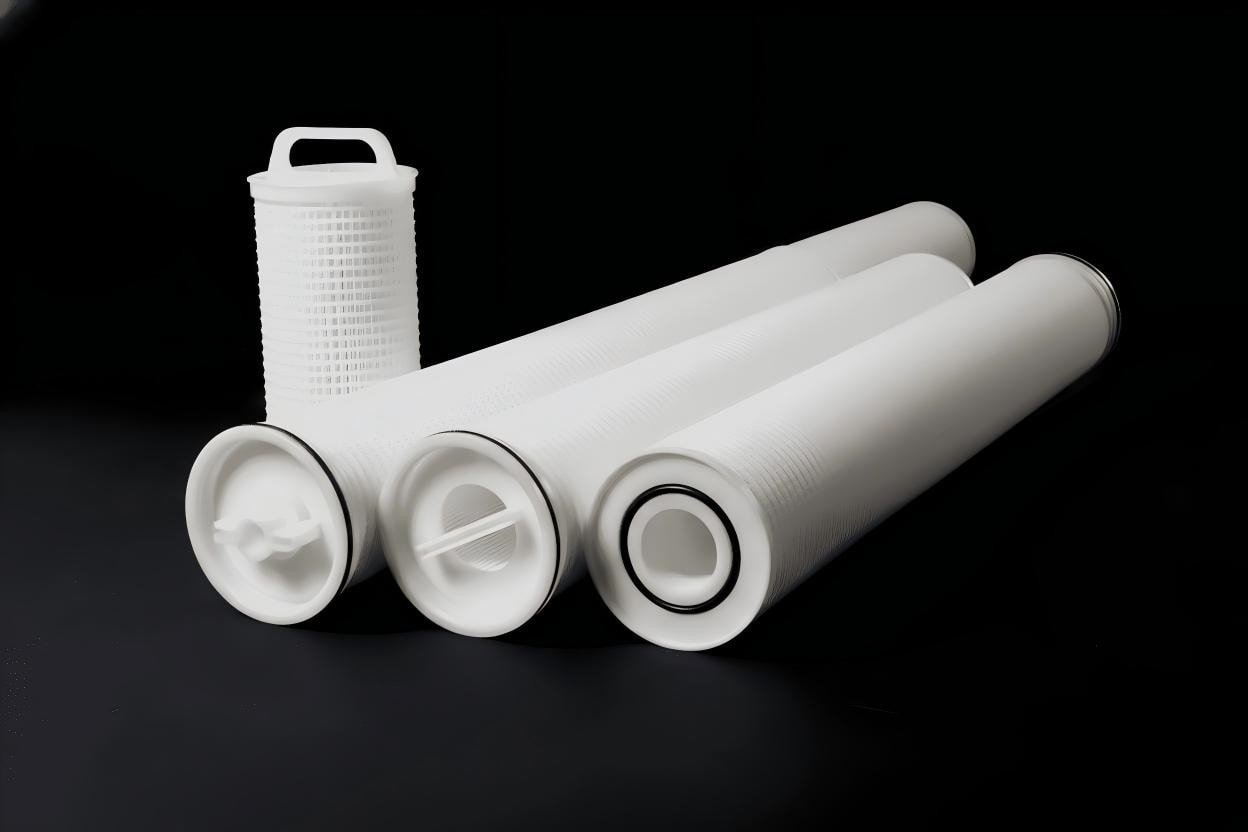
You should pick a filter that fits your water and system. This helps you get the best results. To choose the right string wound filter cartridge, you must know what is in your water. You also need to know how your system works. Different filters do different jobs. String wound filters are good for bigger particles and lots of dirt. Other filters are better for tiny particles. Look at the micron rating, graded density, and service life. These things help you get clean water and protect your system.
Key Takeaways
Pick a filter that fits your water and system. This helps the filter work well.
Look at the micron rating. It shows what size particles the filter can catch. Make sure it matches what you need.
Find filters with graded density winding. This helps the filter hold more dirt. It also makes the filter last longer.
Take care of your filter often. Change it when needed. This keeps your water clean. It also protects your pipes.
Choose a trusted company that makes good filters. This helps your filter work the right way.
What Are the Basics of a String Wound Filter Cartridge?
A string wound filter cartridge is a type of water filter designed to remove sediment, rust, and other particulate matter from liquids. It consists of a core made of materials like polypropylene or stainless steel, around which a string is tightly wound in a specific pattern to enhance filtration efficiency.
Construction and Function
A string wound filter cartridge has a simple design that works well. Yarn or thread is wrapped tightly around a center core. This makes many layers that catch dirt as water passes through. The way the yarn is wrapped and how many layers there are help the filter do its job.
Here is a table that lists the main parts and materials found in a string wound filter cartridge:
Component | Description |
|---|---|
Core Material | Options include polypropylene, gas-filled polypropylene, stainless steel, or tinned steel. |
Yarn Type | Includes natural cotton, bleached cotton, glass fiber, polypropylene, nylon, rayon, and polyester. |
End Cap | Must be durable and compatible with the housing. |
Gasket | A high-quality gasket prevents bypass and ensures a reliable seal. |
You can pick different materials for different needs. Polypropylene is good with many chemicals and works for water and organic solvents. Cotton is used for oil and water separation and is common in food and drink factories. Glass fiber can handle chemicals and high heat. Some filters use stainless steel wire for very hot or harsh liquids.
Tip: Always pick the filter material that matches your water and system for the best results.
Common Uses
String wound filter cartridges are used in many places. They work in homes and in factories. The table below shows some common uses:
Application Type | Description |
|---|---|
Industrial Processes | Effective in reducing fine sediments like sand, silt, rust, and scale in various water streams. |
Residential Use | Suitable for filtering water in home systems, ensuring clean water for consumption and use. |
These filters help keep dirt and rust out of your home’s water. Factories use them to protect machines from particles in water. You can trust a string wound filter cartridge to handle lots of dirt and keep water clean.
Why Does Selecting the Right String Wound Filter Cartridge Matter?
Choosing the correct string wound filter cartridge is crucial for efficient filtration and operational longevity. The right cartridge ensures optimal removal of contaminants, protecting downstream equipment and processes. It minimizes pressure drop and maximizes dirt-holding capacity, resulting in reduced maintenance costs and downtime.

Water Quality Impact
Picking the right filter helps your water get cleaner. If you choose a filter that fits your needs, it takes out more dirt and bad stuff. You want water that looks nice and tastes good. A good filter helps you get there.
Here are some ways a good filter helps water quality:
Takes out dirt, sand, and sediment from your water.
Catches big and small particles because of how it is wound.
Helps give you clean water to drink by removing impurities.
The materials and how the filter is built are important too. Look at this table to see why:
Aspect | Importance |
|---|---|
High-Quality Materials | Takes out more bad stuff and gives you better water. |
Precision Manufacturing | Makes sure the filter works the same every time. |
Rigorous Testing | Shows the filter meets high standards for cleaning your water. |
Note: Clean water keeps you healthy and makes your water taste better.
System Longevity
The right filter does more than clean water. It helps your system last longer too. If you use a filter that fits, it protects pumps and pipes from damage. You save money because you do not fix or replace things as much.
This table shows how the right filter helps your system:
Key Factor | Impact on System Longevity |
|---|---|
Precise Micron Rating | Stops tiny particles and keeps system parts safe. |
Graded Density Winding | Holds more dirt, so you change filters less often. |
Long Service Life | You do not need to buy new filters as much. |
Structural Integrity | Works well even when water pressure is high or tough. |
🛠️ A good String Wound Filter Cartridge keeps your water system working well and saves you time and money.
What Key Criteria Should You Consider When Choosing a String Wound Filter Cartridge?
When selecting a string wound filter cartridge, prioritize filtration efficiency, compatibility with the fluid, and operational conditions. These factors ensure optimal performance and longevity of the filtration system.

Micron Rating
You should check the micron rating before picking a filter. The micron rating shows what size particles the filter can catch. If the micron rating is smaller, the filter removes tinier particles. There are two main types of ratings:
Absolute micron rating means the filter stops almost every particle of a certain size (99.9% efficiency).
Nominal micron rating means the filter catches most particles of a certain size (about 85% or more).
If you want cleaner water, choose a filter with a smaller micron rating. These filters can get clogged faster because they trap more dirt. You need to decide how clean you want your water and how often you want to change the filter.
Tip: Pick a micron rating that matches the particles in your water and what your system needs.
Graded Density
Graded density is a special way some filters are made. The filter has layers that get tighter as water goes through. This helps the filter hold more dirt and last longer. You get better water flow and the filter does not clog as quickly.
Graded density filters hold more dirt than regular ones.
You can buy standard graded density filters or ask for custom ones for special jobs.
These filters give you good water flow and hold lots of dirt.
If you want a filter that lasts longer and works well, look for a graded density String Wound Filter Cartridge.
Service Life
Service life means how long your filter will work before you need a new one. You want a filter that lasts a long time. Many things can change how long it lasts:
Use the filter at the right pressure and temperature so it does not break early.
Check your filter often for clogs or damage.
Good filter material lasts longer.
If your water has lots of dirt, you will need to change the filter more often.
You can help your filter last longer by taking care of it and using it the right way.
Chemical Resistance
Think about chemical resistance if your water has chemicals. The filter material must handle the chemicals in your water. Polypropylene filters work well with many acids and bases. The table below shows why chemical resistance matters:
Property | Description |
|---|---|
Chemical Resistance | Polypropylene filters can handle many chemicals, including acids and bases. |
Performance in High Pressure | The layers may come apart under high pressure, which can lower performance. |
Durability | Strong filters last longer in tough jobs. |
Pick a filter that matches the chemicals in your water to keep your system safe.
Liquid Type Compatibility
You need to match the filter material to the liquid you want to clean. Polypropylene String Wound Filter Cartridge is safe for food and sanitary liquids. You can use these filters in many industries, like electronics, cosmetics, and water-based paints. The material you pick decides what liquids the filter can clean.
Bleached cotton and FDA-compliant polypropylene work well for food and drinks. Other materials, like polyester or rayon, fit different jobs. Always check if the filter is right for your liquid, especially for food or clean water.
Note: You can ask for custom filters if you have special needs, but always make sure the material is safe for your use.
When you pick a String Wound Filter Cartridge, look at the micron rating, graded density, service life, chemical resistance, and liquid compatibility. These steps help you choose the best filter for your water and system.
What Technical Specifications and Winding Parameters Affect String Wound Filter Performance?
String wound filter performance is primarily influenced by material type, micron rating, winding pattern, and tension. These factors determine the filter’s efficiency, pressure drop, and dirt holding capacity, which are crucial for optimal filtration.

Evaluating Specs
You need to check some important details before picking a filter. These details help you find the best filter for your water and system. The table below lists the main things to look at:
Specification | Details |
|---|---|
Material | PP, degreased wool, fiberglass |
Inner diameter | Standard is 28 mm |
Outer diameter | 2.5″, 4.5″ |
Length | 10″, 20″, 30″, 40″ |
Filtration rating | 1 μm, 3 μm, 5 μm, 10 μm, 20 μm, 30 μm, 50 μm, 70 μm, 100 μm |
Temperature resistance | PP yarn core: ≤ 60 °C, Degreased wool yarn core: ≤ 120 °C, Fiberglass yarn core: ≤ 250 °C |
Flow rating | High flow rating varies by filter rating (μm) and length |
You should also look for these things:
High permeability lets water move fast.
Low-pressure drop helps your system run well.
High structural stability keeps the filter strong.
Resistance to particle unloading stops dirt from coming back.
Excellent knife edge sealing keeps water from leaking.
High dirt-holding capacity means you change filters less.
Tip: Always pick filter specs that match your water and system for the best results.
Winding Layers
How the filter is wound changes how well it works. Winding tension and pattern help the filter catch more dirt. If the winding is tight and even, the filter traps more particles and lasts longer. This saves you money because you do not need new filters often.
A good winding pattern helps the filter separate different sizes of dirt. More winding layers let the filter hold more dirt. The thickness and winding method help the filter last longer and protect your system.
Winding tension and pattern change how the filter works and lasts.
Even winding helps the filter separate particles better.
More layers let the filter hold more dirt.
Note: Picking the right winding design helps your String Wound Filter Cartridge work better and last longer.
How Do String Wound Filters Compare with Pleated Filters?
String wound filters are ideal for capturing larger particles due to their depth filtration, while pleated filters excel in filtering smaller particles with their large surface area. String wound filters are constructed by winding yarn around a central core, providing a gradient density structure. In contrast, pleated filters use folded media to maximize surface area, enhancing their ability to trap fine contaminants.

Filtration Accuracy
You need to know how well each filter type removes particles from water. String wound filters and pleated filters work in different ways. String wound filters trap larger particles. Pleated filters catch smaller particles and give you cleaner water. You can see the difference in the table below:
Filter Type | Filtration Accuracy | Particle Size Range |
|---|---|---|
Moderate, suited for larger particles | 5-100 microns | |
Pleated Filter | High efficiency for fine particles | About 5 microns or larger |
If you want to remove fine dirt or sand, pleated filters do a better job. You should use a String Wound Filter Cartridge when you need to catch bigger particles or when your water has a lot of dirt. Pleated filters work best for very clean water or when you need to remove tiny particles.
Tip: Choose a filter that matches the size of the particles in your water. This helps you get the best results for your system.
Pressure Resistance
Pressure resistance tells you how much force a filter can handle before it breaks or leaks. String wound filters can handle higher pressure than pleated filters. This means they last longer in tough jobs or when your water system has strong flow. Look at the table below to compare:
Filter Cartridge Type | Maximum Differential Pressure (MPa) |
|---|---|
String wound filter cartridge | 0.5 |
Pleated filter cartridges | 0.4 |
You should pick a string wound filter if your system has high pressure or if you need a filter that will not break easily. Pleated filters work well in systems with lower pressure and when you want to catch very small particles.
Note: Always check your system’s pressure before you choose a filter. This keeps your water clean and your system safe.
How Should You Evaluate Manufacturers and Brands of String Wound Filter Cartridges?
To evaluate manufacturers and brands of string wound filter cartridges, focus on their quality standards, material expertise, and customer feedback. Ensure they comply with industry certifications and offer transparency in product specifications.

Reliability Factors
You want a filter that works well and comes from a trusted company. When you look for a manufacturer, check if they are reliable. Reliable companies send your filters on time. They make sure the filters work as promised. The table below shows what makes a manufacturer reliable:
Reliability Factor | Description |
|---|---|
Production Capacity | Companies with strong production can deliver filters fast. |
Quality Control | Good checks mean you get the same quality every time. |
Certifications | Certifications show the company follows important rules. |
Case References | A good reputation means many happy customers in different places. |
After-Sales Service | Helpful support gives answers and solutions if you have problems. |
Ask about these things before you buy. A strong company will answer your questions. They will show proof of their work. You can look for reviews or ask other users about their experience.
Tip: Pick a manufacturer that gives good support and has reliable products.
Quality Standards
You need to make sure your filter meets safety and quality rules. Trusted brands follow strict standards. They get certifications from well-known groups. These certifications show the filters are safe for water. The table below lists some important certifications:
Certification | Standard |
|---|---|
IAPMO | ANSI/NSF 42, 61 |
NSF | ANSI 42, 61 |
If you see these marks, you know the filter is tested for safety. Always check for these labels when you pick a String Wound Filter Cartridge. This helps you trust your water will stay clean and safe.
Note: Certified filters protect your health and your water system.
What Application Factors Influence the Selection of a String Wound Filter Cartridge?
The selection of a string wound filter cartridge is primarily influenced by factors such as fluid type, temperature, and desired filtration efficiency. It’s crucial to match the filter’s specifications with the application’s requirements to ensure optimal performance and longevity.

Well Water
If you use well water, you can have special problems. Well water often has dirt, sand, and small bits in it. You need a filter that can handle these things. A String Wound Filter Cartridge is good because it catches big and small particles. It also helps protect other filters in your system, like reverse osmosis membranes, by being used first.
Here is a table that shows common well water problems and how string wound filters help:
Filtration Challenge | Benefit of String-Wound Filters |
|---|---|
High levels of suspended solids | Effective removal of a wide range of particle sizes |
Presence of fine particulate matter | High removal efficiencies due to depth filtration |
Need for pre-filtration in systems | Protects delicate membranes in reverse osmosis systems |
Tip: If your well water looks cloudy or leaves stains, check your filter often.
Residential Systems
At home, you want clean water for drinking, cooking, and bathing. You might have city water or well water. Each type needs something different. If your water has lots of dirt or rust, you need a filter that can hold a lot. You should also think about how often you want to change the filter. A good filter keeps your pipes, faucets, and appliances safe from harm.
You can pick different sizes and micron ratings for your house. Smaller micron ratings catch more dirt but may need changing more often. Always check how long the filter lasts and make sure it fits your water system.
Note: Clean water at home keeps your family healthy and your plumbing safe.
Commercial Use
Many businesses need strong and dependable filters. Factories, labs, and food companies all use water in their work. Each place has its own rules for clean water. You must pick a filter that matches your job.
The table below shows some common business uses and what you should look for:
Application Area | Unique Selection Criteria |
|---|---|
Chemical Manufacturing | Effectively filters alkalis and dilute acids for chemical purity |
Laboratories and Chemical Processing | Handles organic acids and solvents efficiently |
Food and Beverage | Purifies potable drinks to meet health and safety standards |
Petroleum Industry | Eliminates contaminants from petroleum oils to enhance performance |
Water Treatment | Manages mineral acids for reliable filtration |
You should always check what chemicals or liquids you need to filter. Some filters work better with acids, while others are best for food and drink. Picking the right filter helps your business run well and keeps your products safe.
How Should You Install and Maintain a String Wound Filter Cartridge?
To install a string wound filter cartridge, first, ensure that the water system is turned off. Remove the filter housing and insert the cartridge, ensuring it fits snugly. Reattach the housing and gradually turn on the water to check for leaks. Regular maintenance involves replacing the cartridge every 2-6 months, depending on water quality and usage.

Setup Tips
You can install a String Wound Filter Cartridge by following a few simple steps. Start by turning off your water supply. Use a wrench to loosen the bolts or nuts on the filter housing. Remove the housing cover and set it aside in a clean spot. If you see an old filter, pull it out gently and place it in a waste container. Clean the inside of the housing with a soft brush and a mild cleaner. Rinse it well so no dirt remains. Check all O-rings for cracks or damage. Replace any that look worn. Take your new filter out of its package and check the direction. Insert the new filter into the housing, making sure it sits straight and snug. Put the cover back on and tighten the bolts evenly. Fill the housing with water to remove air pockets. Turn the water supply back on and check for leaks. Watch the system for a few days to make sure everything works well.
Maintenance Schedule
You should keep a regular schedule to maintain your filter. If you use your water system often, you may need to replace the filter more frequently. Watch the flow rate. If it drops by more than 25%, it is time to check the filter. Look at the water. If it looks cloudy or dirty, the filter may need attention. Clean the housing and inspect the filter every few months. Write down the dates when you change the filter so you can track its lifespan.
Tip: Regular checks help you catch problems early and keep your water clean.
Replacement Signs
You can spot signs that your filter needs replacement. If you notice a big drop in water pressure, around 30-40%, your filter may be clogged. Sediment in your water means the filter is not working well. If your water tastes or smells bad, check the filter for contamination. Discolored water can show rust or dirt buildup. Always follow the manufacturer’s guidelines for filter lifespan. Using a filter too long can lower water quality and harm your system.
Replacement Sign | What It Means |
|---|---|
Low water pressure | Filter may be clogged |
Sediment in water | Filter needs changing |
Bad taste or odor | Possible contamination |
Discolored water | Rust or dirt present |
Old filter | Time to replace |
🛠️ Quick action keeps your water safe and your system running smoothly.
Selection Checklist

Step-by-Step Guide
You can use this checklist to help you pick the right string wound filter cartridge for your needs. Follow each step to make sure you get the best filter for your water and system.
Identify the Micron Rating You Need
Start by finding out what size particles you want to remove. If your water has sand or rust, you may need a 5 or 10 micron filter. For finer particles, choose a smaller micron rating.Check for Graded Density Winding
Look for filters with a tight core and a looser outer layer. This design helps trap more dirt and keeps water flowing well.Consider Service Life
Pick a filter with a high dirt holding capacity. This means you will not have to change the filter as often.Look for Minimum Media Migration
Choose filters made with high-quality yarn. This prevents fibers from getting into your clean water.Ensure No Tunneling
Make sure the filter has strong construction. A sturdy filter will not let water create channels that let dirt pass through.Avoid Chemical Leaching
Select filters that do not release harmful chemicals. This keeps your water safe for drinking and other uses.Check for Temperature and Chemical Resistance
If your water is hot or contains strong chemicals, pick a filter that can handle these conditions.Choose a Reliable Supplier
Work with a trusted seller. Good support and fast delivery help you keep your system running smoothly.
📝 Tip: Write down your choices for each step. This helps you compare filters and make the best decision.
Note: Review your checklist before you buy. This ensures you do not miss any important details.
You can select the best string wound filter cartridge by following a few key steps. First, check the micron rating and dirt holding capacity. Next, choose filters made with high-quality yarn and a sturdy core. Always match the filter to your water and system needs. Use the checklist to guide your choice. Remember, balancing technical features with practical needs helps you keep your filtration system working well for a long time.
FAQ
How often should you replace a string wound filter cartridge?
You should replace your filter every three to six months. If your water has a lot of dirt, you may need to change it sooner. Watch for low water pressure or cloudy water as signs.
Can you use a string wound filter for hot water?
You can use some string wound filters for hot water. Check the temperature rating on the filter label. Polypropylene works up to 60°C. Fiberglass can handle up to 250°C.
What micron rating is best for home use?
Most homes use filters with a 5 or 10 micron rating. These sizes remove sand, rust, and dirt. If you want to catch smaller particles, choose a lower micron rating.
Do string wound filters remove chemicals from water?
String wound filters remove dirt and particles. They do not remove chemicals like chlorine or pesticides. You need a carbon filter or another special filter for chemical removal.
How do you know if your filter is installed correctly?
Check for leaks around the housing. Make sure water flows smoothly. The filter should sit straight and snug inside the housing. If you see air bubbles or hear strange noises, check the installation again.