
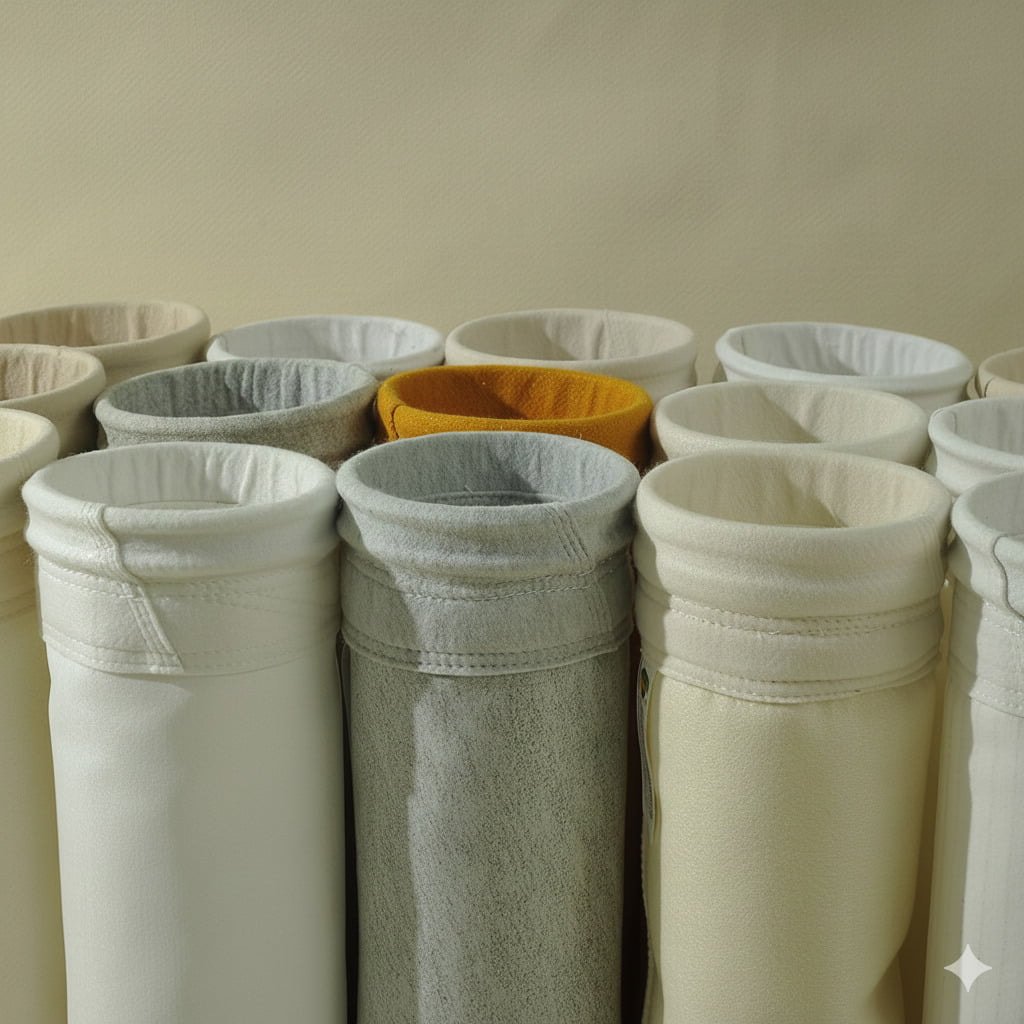
You use baghouse filters to help keep the air clean in factories. These devices take out dust and tiny bits from the air very well. When dirty air goes into the system, it moves through a Baghouse Filter Bag. This fabric catches bad stuff and lets clean air out. The table below shows that baghouse filters catch more than 99% of particles as small as 0.1 microns. This makes them work better than other common filters.
Filter Type | Filtration Efficiency |
|---|---|
Baghouse Filters | Above 99% for particles down to 0.1 microns |
Electrostatic Precipitators | 95% to 99% for larger particles |
Key Takeaways
Baghouse filters help keep factory air clean. They remove more than 99% of dust and particles. Picking the right filter bag material is very important. Some fabrics work better with heat, chemicals, or moisture. You need to check and maintain your baghouse system often. This helps stop problems and keeps it working well. Knowing about airflow and pressure in your baghouse helps it work better. It can also lower energy costs. Baghouse filters protect the environment. They also make workers safer and help them work better.
What Are the Main Components of a Baghouse System?
A baghouse system primarily consists of three main components: filter bags, a housing structure, and a dust collection mechanism. These elements work together to capture and remove particulate matter from industrial gases, ensuring cleaner emissions.
Baghouse systems have many important parts. These parts work together to clean the air in factories. Each part helps trap dust and keeps the system working well. You can see how these parts fit into the filtration process. This is why baghouse filters are both cost-effective and efficient.
Housing & Structure
The housing is the outside shell of the baghouse system. This strong shell keeps dust from leaking out. It also protects the inside parts. The way the housing is built changes how well the system works. If air spreads out evenly, it catches more dust. The inlet area must control how fast air comes in. If air moves too fast, it can damage the filter bags. If air moves too slow, dust may fall before reaching the filters.
Tip: Good housing design stops dust leaks and keeps filtration working well.
Here is a table showing the main parts of the structure and what they do:
Component | Role in Filtration |
|---|---|
Dust Collector Housing | Holds and protects inside parts; stops dust from leaking. |
Baffle Plate | Catches big particles first, spreads air, and protects filter bags. |
Inlet Duct | Connects dirty air to the collector; guides air for good capture. |
Tube Sheet | Holds filter bags; seals to stop air and dust from escaping. |
Access Doors and Ports | Lets you check and fix inside parts. |
Baghouse Filter Bag
You find the Baghouse Filter Bag inside the housing. This part does most of the work. The filter bag traps dust and lets clean air go through. The fabric used in the filter bag is important. Some fabrics handle high heat. Others resist chemicals or damage. You must pick the right Baghouse Filter Bag for your factory.
Here is a table showing common filter bag materials and what they can do:
Material | Temperature Resistance | Chemical Resistance | Abrasion Resistance | Applications |
|---|---|---|---|---|
Acrylic | Up to 265°F (130°C) | Moderate | Low | High-temperature jobs |
Aramid Felt | Up to 400°F (204°C) | High | Very High | Places with lots of wear |
Fiberglass | Up to 500°F (260°C) | Moderate | Low | High-temperature jobs |
Polypropylene | Moderate | Very High | High | Medicine and chemical factories |
PTFE | Moderate | Superior | Low | Food and medicine factories |
Dust Collection System
The dust collection system gathers and removes dust from the filter bags. This system works in steps:
Dirty air goes into the collector through ducts.
Air moves through the filter bags. The bags catch dust on the outside.
A dust cake forms on the bags. This helps filter even better.
Cleaning systems shake or blow air to clean the bags.
Dust falls into a hopper or bin for easy removal.
A good hopper keeps dust from going back into the air. Valves and vents help control air and dust flow. This keeps the system clean and working well.
Airflow Mechanism
You need strong airflow to move dirty air into the baghouse. Fans or blowers make this airflow. The system slows the air in the dust chamber. This lets bigger dust pieces fall before reaching the filter bags. The filter bags then catch the smaller dust. Over time, a dust cake builds up. This helps trap even smaller dust. If the dust cake gets too thick, cleaning systems keep the air moving and the filtration strong.
Note: Keeping the right air-to-cloth ratio helps you catch dust well and stops filters from clogging.
Baghouse systems use these main parts to give good, low-cost air cleaning in factories. When you know how each part works, you can keep your system running well and protect the environment.
What Types of Baghouses Exist and How Are They Cleaned?
Baghouse systems come in many types. Each type has a special way to clean the filter bags. This stops dust from building up. You can pick the best system for your factory by seeing how each one works.

Shaker Baghouse
Shaker baghouses are used where there is some dust. These systems clean the filter bags by shaking them. The cleaning happens when you stop the airflow. Then, the bags get shaken and dust falls off. Shaker baghouses are cheaper and have simple parts. You must plan cleaning times because the system stops during cleaning.
Advantages of shaker baghouses:
Low cost at the start
Easy to use
Uses less power
Disadvantages:
Needs more space
Needs lots of care
Not good for hot air or tiny dust
Reverse Air Baghouse
Reverse air baghouses use soft air to clean the filter bags. You do not have to stop the system to clean it. The air moves backward through the bags and pushes dust off. This way is gentle and helps the filter bags last longer. You can use reverse air baghouses for more dust and bigger dust pieces.
Tip: Reverse air cleaning is gentle. It helps your filter bags last longer because it does not wear them out.
Pulse Jet Baghouse
Pulse jet baghouses use quick blasts of air to clean the filter bags. You do not need to stop the system to clean it. The cleaning is very fast, less than a second. Pulse jet baghouses work well with lots of dust and sticky dust. You get great cleaning and longer filter life if you take care of the system.
Key benefits of pulse jet baghouses:
Handles tiny dust as small as 1 micron
Uses less power because cleaning is quick
Cleaning Techniques
You can use different ways to clean your baghouse system. Each way has good points and bad points.
Cleaning Method | Advantages | Limitations |
|---|---|---|
Pulse Jet Cleaning | Good for lots of dust, can run all the time | Needs care often, uses more power |
Reverse Air Cleaning | Good for big dust, gentle on filter bags | Uses more power, not for running all the time |
Shaker Cleaning | Simple, saves money | Not for lots of dust or tiny dust |
Sonic Cleaning | Works for sticky dust | Not good for tiny dust |
Vacuum Cleaning | Good for light dust | Needs more care and power |
You need to choose the right cleaning way for your Baghouse Filter Bag. This keeps the air clean and your system working well.
What Types of Filter Media Are Used in Baghouse Filters?
Baghouse filters commonly use filter media like polyester, polypropylene, and fiberglass. These materials provide effective dust collection and durability under various operating conditions, making them suitable for industrial applications. Selection depends on factors like temperature, chemical exposure, and particle size.

Common Fabrics
You have to pick the best fabric for your baghouse. Factories use some fabrics more than others. Each fabric is good for certain jobs. The table below shows how they are different:
Filter Media | Temperature Range (°F) | Moisture Tolerance | Applications |
|---|---|---|---|
Polyester | Ambient – 275 | < 10% | Food manufacturing, woodworking, metalworking |
Polypropylene | Ambient – 170 | > 10% | Suitable for applications with moisture |
Acrylic | 200 – 265 | Better than polyester | Applications with moisture and higher temperature |
Polyester is best for dry air. Polypropylene works well when air is wet. Acrylic can handle heat and wet air. You need to match the fabric to your job and dust type.
Tip: Always make sure the fabric can take the heat and moisture in your factory.
Specialty Media
Some jobs need stronger filter media. Specialty media works better for tough dust or high heat. These fabrics help your baghouse work in hard places.
Woven fiberglass with ePTFE membrane catches more dust.
This media meets strict PM2.5 rules.
It lets dust fall off easier and lowers pressure.
Specialty media keeps air clean even with sticky or tiny dust. You can use these filters where it is hot or has strong chemicals.
Baghouse Filter Bag Selection
You must choose the right Baghouse Filter Bag for your factory. Many things matter when you pick a filter bag. The table below can help you decide:
Criteria | Description |
|---|---|
Filter Media | Pick a fabric that fits your job, heat, and chemicals. |
Internal Velocity Ranges | Use past dust jobs to pick the best air speed. |
Air to Cloth Ratio | Find the right ratio and bag length for your system. |
Filtration Efficiency | Make sure you follow air rules for dust. |
Special Design Requirements | See if you need ground wire, wear guards, or special sewing. |
Fabric Selection | Choose the fabric that works best for you. |
Bag Length | Pick the right bag length for your job. |
Surface Treatments | Decide if you need special coatings or PTFE membrane. |
Vendor Specifications | Use filter media made in the USA from trusted suppliers. |
You should check heat, material, chemicals, and strength before you choose. The right filter bag helps your system work well and keeps the air clean.
What Materials Do Baghouses Filter and Where Are They Used?
Baghouses effectively filter out particulate matter such as dust, smoke, and other fine particles from industrial gases. These filtration systems are widely employed in industries like cement manufacturing, power plants, steel mills, and chemical processing facilities to ensure air quality and regulatory compliance.

Particulates Removed
Baghouse filters help take out many kinds of dust and particles from the air. They work well for catching both big and small pieces. Some things baghouse filters remove are:
Heavy dust made by grinding or cutting
Big bits from mixing or pouring
Sawdust from making things with wood
Fumes from melting or burning things
Powders used in food or chemical jobs
Baghouse filters catch these things before they get into the air. This helps keep your workspace safe and clean.
Industrial Applications
Baghouse filters are used in lots of industries. They help control dust and keep the air clean in many factories and plants. Some places where you use baghouse filters are:
Making cars
Making cement
Cutting fiberglass
Processing food
Making glass or ceramics
Milling lumber
Working with metal
Mining for materials
You also see baghouse filters in big plants and factories. Here is a table that shows some main industries that use these systems:
Industry Type |
|---|
Power Plants |
Steel Mills |
Chemical Producers |
Manufacturing Companies |
Baghouse filters work for many jobs because they can handle different dust and tough places.
Environmental Benefits
When you use baghouse filters, you help the environment and protect people’s health. These systems give you many good things:
Benefit | Description |
|---|---|
Takes out dust and bad particles from exhaust, so the air is cleaner and safer to breathe. | |
Regulatory Compliance | Helps you follow the law by lowering how much dust goes into the air. |
Energy and Cost Efficiency | Uses less energy, so you save money and pay less to run things. |
Protection of Equipment | Stops dust from getting on machines, so your equipment lasts longer and works better. |
Increased Productivity | Cleaner air helps workers and machines do better, so you get more done. |
Tip: Using baghouse filters keeps your factory clean, helps you follow the rules, and saves you money.
Baghouse filters are an easy way to keep air clean, protect workers, and help the environment.
What Factors Influence the Performance of Baghouse Filters?
The performance of baghouse filters is primarily influenced by factors such as airflow rate, dust characteristics, filter media type, and cleaning mechanism. These elements collectively determine the efficiency and lifespan of the filter system.
Airflow & Pressure
You need to check airflow and pressure in your baghouse. These two things decide how well your filter works. If pressure is too high, fans work harder. This can lower airflow and let dust escape. You can use pleated filters to help airflow. Good ductwork keeps pressure steady, so dust collection stays strong.
Aspect | Description |
|---|---|
Differential Pressure | Watching this is important because it affects how well your system works and how much it costs. |
Airflow Reduction | Higher pressure makes fans work more, which lowers airflow and can let dust out. |
Filter Performance | Pleated filters can help airflow and lower pressure a lot. |
Ductwork Design | Good ductwork keeps pressure steady and helps collect dust better. |
Tip: Check pressure often to keep your baghouse working well.
Filter Media Quality
You need to pick good filter media for your baghouse. Good filter media catches more dust and lasts longer. If you use better media, you save money because you change filters less. Cheap media wears out fast and needs more changes. Strong filters can last twice as long as weak ones.
Good media catches more dust and lasts longer.
Better media means fewer changes and lower costs.
Strong filters help your system last longer.
Well-made filters save you money over time.
Maintenance Frequency
You should check your baghouse filters often. Regular checks help you find problems early. Look for holes or tears in the filter bags. Make sure the bags fit tight and are not loose. Watch the pressure drop every day to find blockages. If you see big pressure changes after cleaning, look for problems.
Check filters for damage.
Make sure bags fit tight.
Look for big changes after cleaning.
Note: Checking often keeps your baghouse working well and helps you avoid big repairs.
Operating Conditions
You need to watch the conditions in your factory. Dust, temperature, and humidity all change how your baghouse works. Low humidity makes dust stick more, so dust cakes get thick and filters need cleaning sooner. Higher tank pressure helps clean filters better and makes them last longer. Adding a venturi tube at the right pressure helps cleaning work better.
Operating Condition | Effect on Performance |
|---|---|
Relative Humidity (RH) | Low humidity (20%) makes dust stick more, so dust cakes get thicker and filters need cleaning sooner. |
Tank Pressure | Higher pressure lowers leftover pressure and makes filters last longer, but not much more after 2 kg/cm2. |
Venturi Tube | Using one at 2 kg/cm2 helps cleaning work as well as higher pressures. |
You can get better results by controlling these things and keeping your system clean.
Baghouse filters help clean air in factories. They are reliable and save money. These filters last from 1 to 3 years. You do not need to change them often. This means you spend less than with other systems. When you pick a baghouse, think about these things:
How much you pay at first and each year
Checking the system often and installing it right
Choosing the best filter media for your dust
Benefit | Why It Matters |
|---|---|
Keeps your plant following air rules | |
Long Filter Life | Less downtime and fewer replacements |
Advanced Filter Technology | Traps more dust and keeps the environment safe |
Tip: Take care of your baghouse and make smart choices. This helps your system work well and last longer.
FAQ
How often should you replace baghouse filter bags?
You should check your filter bags every few months. Most bags last 1 to 3 years. Replace them if you see holes, tears, or a big drop in performance.
What happens if you do not clean your baghouse filters?
If you skip cleaning, dust builds up. This blocks airflow and lowers efficiency. Your system may use more energy and release more dust into the air.
Can you use baghouse filters for wet or sticky dust?
Baghouse filters work best with dry dust. For wet or sticky dust, you should use special filter media or pre-coat the bags. This helps prevent clogging.
How do you know if your baghouse is working well?
Check the pressure gauge often. If the pressure rises too much, your filters may be clogged. Clean or replace the bags to keep your system running well.