
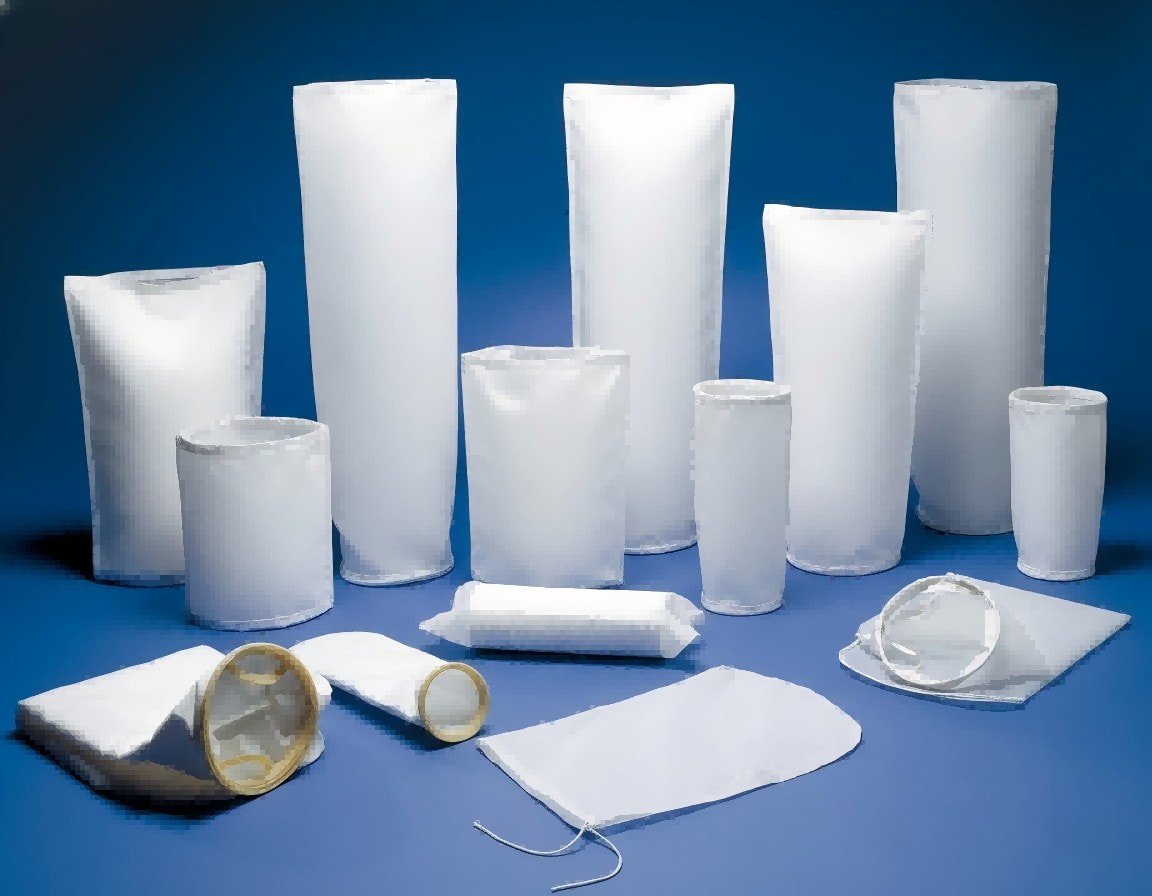
You make your plant work better when you pick the right industrial filter bag. High-efficiency filter bags help you keep the air clean and protect your machines. You keep your workplace safe and follow the rules. The best filter bags keep air moving and stop clogs. You also save money and prevent system problems.
Airflow stays strong to catch dust well.
Micron rating fits the right size of particles.
Filter media matches your dust and lasts longer.
Key Takeaways
Picking the right industrial filter bag helps clean the air and keeps machines safe.
Watch important things like how long filtering takes and how much goes through to make sure your filters work well.
Choose the best bag filter type for your needs, like the kind of dust and how hot it gets.
Take care of filter bags often and change them on time to stop clogs and problems.
Using high-efficiency filter bags can help save energy and lower costs in your plant.
What Makes Industrial Filter Bags Capable of High-Efficiency Filtration?
Industrial filter bags achieve high-efficiency filtration through their precise material composition and design, which effectively capture and retain particles. They utilize specialized fabrics and advanced manufacturing techniques to ensure optimal performance in various industrial applications.
Industrial filtration is important for your plant. It helps everything run well. You need to know what makes an industrial filter bag work right. High-efficiency filtration depends on a few main things. You can check how well your bag filter works by looking at certain numbers. These numbers show why efficiency matters every day.
Key Metrics for Filtration Performance
You can check bag filter efficiency with some main numbers. These numbers help you see if your filtration works well. The table below lists the most important ones:
Metric | Description |
|---|---|
Filtration cycle time | The total time to finish one filtration cycle (usually 30–60 minutes). |
Cake moisture content | The percent of water left in the filter cake (often 20–30%). |
Filtrate clarity | Measured by how clear the liquid is, showing how well particles are removed. |
Throughput | The amount of slurry filtered each hour (usually 1000–2000 liters/hour). |
You need to watch these numbers to keep your filters working well. Filtration cycle time tells you how fast you finish each batch. Cake moisture content shows how much water stays in the filtered stuff. Filtrate clarity tells you if your bag filter removes enough particles. Throughput shows how much you can filter every hour.
Bag filter types also change these numbers. You can pick from different bag filter types. Each type has its own good points:
Bag Filter Type | Features | Benefits |
|---|---|---|
Pulse Jet Bag Filters | Uses bursts of air to clean the bags, good for high flow and sticky dust. | Uses less air, filters well, and costs less to fix. |
Reverse Air Bag Filters | Uses air going backward to clean, good for high heat and sticky dust. | Uses less air, bags last longer, and works well in heat. |
Shaker Bag Filters | Shakes to remove dust, good for low or medium flow and big dust. | Costs less, simple design, and easy to fix. |
You should pick the right bag filter for your job. Pulse jet bag filters are good for fast flow. Reverse air bag filters work in hot places. Shaker bag filters are best for simple jobs and big dust.
Tip: Keep your filters clean and pick the right filter media. This helps your bag filter work better. If you use the wrong filter media or run too fast, your filter will not work as well.
Why Efficiency Matters in Industrial Applications
Filtration efficiency keeps your plant safe and working. It protects your machines from bad particles. High efficiency filter bags help you avoid repairs and keep things moving. Clean filter bags help you follow safety rules and protect workers.
You need to keep your filters working well to stop problems. Bad bag filter efficiency can cause:
Material moves slower. Pressure changes slow things down.
Filters get blocked. Production stops when filters clog.
More energy is used. Machines work harder and cost more.
Work is unsafe. Dust makes it dangerous.
You might break rules. Bad filtration can mean fines or shutdowns.
Repairs happen more. You lose time fixing things.
Filtration systems protect your machines and keep products clean. In food and medicine, you must keep things pure. You cannot risk bad quality. Bag filter types help you pick what you need, like for sticky dust, heat, or big jobs.
You can make your filtration better by watching key numbers and picking the right bag filter. This keeps your plant safe, saves money, and makes good products.
What Are the Key Benefits of Using Industrial Filter Bags?
Industrial filter bags offer efficient particle removal, cost-effectiveness, and adaptability to various industrial applications. They ensure cleaner air and liquids by trapping contaminants, thus improving product quality and maintaining equipment longevity.

Clean Output and Process Integrity
You want your plant to work well and make clean products. Industrial filter bag systems catch dust and debris before they reach machines or your workspace. This keeps your process safe and your products pure. The right bag filter protects motors and other parts from getting hurt. It also helps keep the air cleaner for everyone in your building.
Core Function | Description |
|---|---|
Particle Containment | Catches many sizes of dust and debris, stopping them from going back into the air. |
Motor Protection | Keeps the vacuum’s motor and inside parts safe from harmful particles. |
Air Quality Management | Helps keep air cleaner in work areas by catching things floating in the air. |
When bag filters work well, you fix machines less and make more products. You have fewer breakdowns and less waste. This matters a lot in chemical processing, where even tiny particles can ruin a batch.
Regulatory Compliance and Air Quality
You must follow tough rules for air quality in your plant. Bag filter systems help you meet rules from groups like the EPA and OSHA. These rules keep workers and the environment safe. Good bag filter efficiency makes it easier to pass checks and avoid fines.
Standard | Description |
|---|---|
Lists what filter bags need for vacuum filtration, showing how well they filter (FF1 to FF9). | |
AWS 5.1 | Focuses on how well air is filtered, which is important for clean places like electronics factories. |
NFT 36 | Makes sure water filtration works the same every time, including how well it filters and holds particles. |
Using good filter bags keeps your workplace safe and your reputation strong. In chemical processing, clean air and water are very important for safety and product quality.
Energy Savings and Productivity
Bag filter systems help you save energy and work better. You use less power because bag filters let air move easily. This lowers your costs and helps your plant run longer without stopping. You can use 15% less energy and make 10% more products with high-efficiency filter bags.
Lower starting and fixing costs
Filters last 20% longer, so less downtime
Easy to change and handle
Better bag filter efficiency helps the environment
Bag filter efficiency helps you reach your sustainability goals and save money. You get more from your filtration system and keep your plant working its best.
What Types of Bag Filters Are Commonly Used in Industrial Applications?
Factories and plants use many kinds of industrial filter bags. Each bag filter design works best for a certain job. You should learn how these types of industrial filter bags work. This helps you pick the best one for your needs.

Liquid Bag Filters
Liquid bag filters clean liquids in many industries. They remove dirt, solids, and tiny bits from fluids. These bag filters are used in food, medicine, chemicals, and water treatment. The table below shows how they fit different jobs:
Industry | Applications |
|---|---|
Food and Beverage | Filters syrups, juices, dairy; removes impurities in brewing. |
Pharmaceutical | Keeps medicines pure; filters suspensions and emulsions. |
Chemical Processing | Separates solids from chemicals; keeps formulas the same. |
Water and Wastewater | Removes sediments, oils, debris; gets water ready for use. |
Automotive | Filters coolant, lubricant, paint; protects machines and products. |
Electronics Manufacturing | Filters process liquids; removes fine particles from plating solutions. |
You use liquid bag filters when you want clean and safe products. Bag filter design lets you change bags fast and keep things working.
Dust Collector Filter Bags
Dust collector filter bags help control dust in your plant. They trap particles and keep air clean. These filter bags use strong materials like polyester, polypropylene, or aramid. You find them in systems that must meet air quality rules. The seam-taped design stops dust from leaking out. They resist heat and chemicals. You see these dust collector filter bags in places with lots of dust.
Seam tape blocks dust leaks.
You use them in hot and tough places.
They last long and keep emissions low.
Pick the right bag filter for your dust and system.
You need dust collector filter bags to protect workers and machines. Bag filter design makes it easy to change bags and keep your plant safe.
Baghouse Filter Bags
Baghouse filter bags give high efficiency for dust collection. You use them to catch fine particles. These filter bags can reach over 99% efficiency. You see them in cement plants, power stations, and metalworking. Bag filter design lets you replace parts without stopping everything. They last longer and meet strict emission rules.
Advantage | Description |
|---|---|
High Efficiency | Catches fine particles better than other ways. |
Extended Service Life | Lasts longer if you take care of them. |
Modular Design | Lets you fix parts without stopping all work. |
Regulatory Compliance | Meets tough rules for dust and emissions. |
You pick baghouse filter bags for hard jobs and clean air. You keep your plant running and follow the law.
Tip: Choose the right types of industrial filter bags for your job. You get better results and save money.
What Materials and Coatings Are Used in Industrial Filter Bags?
Industrial filter bags commonly utilize materials such as polyester, polypropylene, and nylon due to their durability and resistance to various chemicals. These materials are selected based on their ability to withstand high temperatures and abrasive environments. Additionally, coatings like PTFE (Polytetrafluoroethylene) enhance filtration efficiency and chemical resistance.

Picking the right bag filter material is very important. Each material works best for certain jobs. Some handle dust, some work with liquids, and some stand up to heat. The table below shows the main choices:
Material | Properties and Applications |
|---|---|
Polypropylene | Great against chemicals, not expensive, works in acids and bases, handles medium heat. |
Polyester | Very tough, good for lots of dust, works in hot places. |
Nylon | Filters very clean, strong, stops germs, good for food and medicine. |
NOMEX | Handles heat up to 400°F, stays strong in heat and chemicals. |
PTFE | Does not react, keeps water out, good for strong chemicals and tiny dust. |
Absolute Rated | Filters 99.9% of dust, catches very small bits, needed for super clean jobs. |
Cotton, Polyester, and Polypropylene
Cotton, polyester, and polypropylene are used a lot. Cotton is good for easy dust jobs. It does not last long if it gets wet or is in rough places. Polyester is strong and can take heat. Polypropylene fights off many chemicals. It works well in water and food plants.
Polypropylene filter bags work with acids and bases. They can handle heat up to 200°F. They last a long time in chemical plants.
Polyester filter bags do not wear out fast. They take heat well. You use them in cement, oil, and hard jobs.
Tip: Use polyester for hard jobs. Use polypropylene for jobs with chemicals.
Aramid and Fiberglass
Aramid and fiberglass are good for hot or rough places. Aramid, also called NOMEX, can take heat up to 400°F. It stays strong in tough chemicals. Fiberglass can take even more heat. It does not burn. Both catch small dust and help you follow air rules.
Feature | Benefit |
|---|---|
Temperature Resistance | Takes very high heat, great for metal and power plants. |
Durability | Strong and bends without breaking, lasts longer in tough places. |
Filtration Efficiency | Catches tiny dust, helps you meet strict rules. |
PTFE Filter Bags for High-Efficiency Filtration
PTFE bag filters work very well in tough places. The PTFE surface has tiny holes that trap small dust. PTFE stands up to most chemicals and high heat. It also keeps water away, so dust does not stick. You get good airflow and less clogging.
PTFE bag filters catch many kinds of dust.
The smooth surface helps clean itself.
PTFE helps you meet tough emission rules.
Impact of Filter Bag Coatings
Coatings on bag filters help them work better and last longer. Some coatings make the surface smooth so dust slides off. Other coatings let more air pass through and help the filter last longer. If you use the right coating and take care of your filters, they can last up to 70% longer. Checking your filters and using the right parts saves money and stops problems.
Note: Always pick the right bag filter material and coating for your job. This helps your industrial filter bag work its best.
How Do Bag Filters Compare to Other Industrial Filtration Solutions?
Bag filters offer a cost-effective and efficient solution for industrial filtration, particularly for applications requiring high flow rates and low solid loadings. They are versatile and easy to maintain, making them suitable for various industries, from chemical to food processing.

Cartridge Filters Comparison
You often see cartridge filters and bag filter systems in many plants. Both help you clean air and liquids, but they work in different ways. Bag filter systems use filter bags to trap dust and particles. Cartridge filters use tubes with fine surfaces to catch smaller bits.
Here are some main differences:
Bag filter systems usually cost less when you buy them. You save money at the start.
Cartridge filters catch smaller particles better. You get cleaner output.
You need to check cartridge filters often for clogs. This keeps your flow steady.
Cleaning or changing cartridges helps you keep high filtration efficiency.
Bag filter systems handle bigger dust loads. They fit jobs with lots of debris.
Cartridge filters cost more upfront but need less maintenance over time.
Bag filter systems need more care and cleaning. They can have a higher carbon footprint.
If you want a simple system for large dust, bag filter systems work well. If you need to catch tiny particles and want less upkeep, cartridge filters may fit your needs.
Tip: Always match your filter choice to your job. Think about cost, maintenance, and how clean you need your output.
Filter Presses vs. Bag Filters
Filter presses and bag filter systems both help you with industrial filtration. You use filter presses for thick slurries and heavy solids. Bag filter systems work best for steady flow and lighter loads.
Feature | Bag Filter System | Filter Press |
|---|---|---|
Best Use | Continuous flow, dust, light solids | Batch jobs, thick slurries |
Maintenance | Regular bag changes, cleaning | Plate cleaning, more downtime |
Cost | Lower initial price | Higher upfront cost |
Filtration Efficiency | Good for medium particles | Excellent for fine solids |
Speed | Fast, easy to change bags | Slower, needs setup |
You choose bag filter systems for quick jobs and easy changes. Filter presses fit jobs with lots of solids and need strong pressure. Bag filter systems give you flexibility and lower costs. Filter presses give you high purity but take more time and money.
Bag filter systems help you keep your plant running with less downtime. You get good results for many jobs. You can use industrial filter bag options to match your needs. Bag filter systems work in many industries and help you meet your goals for clean air and water.
How Can You Select the Right Industrial Filter Bag for Your Operation?
Choosing the best bag filter for your plant can seem hard, but you can follow a clear process. You need to look at your process, the particles you want to remove, and the conditions in your system. When you match the right bag filter type and material to your needs, you get better filtration, save money, and keep your plant running smoothly.

Application and Process Requirements
Start by looking at what you need to filter. Every plant has different needs. Some plants need to remove dust from the air. Others need to clean liquids or catch fine particles. You should ask yourself these questions:
What do you want to filter—liquid or air?
What kind of particles or solids do you need to remove?
Do you need to meet any special rules or standards?
How often will you change or clean the bag filter?
You also need to think about your process. Some jobs need a bag filter that can handle high pressure or high temperature. Others need a filter that works with strong chemicals. If you work in food or medicine, you must use filter bags that are safe and meet strict rules.
Tip: Always match your bag filter to your process. This helps you get the best results and keeps your plant safe.
Micron Rating and Particle Size
The micron rating tells you what size particles your bag filter can catch. One micron is one-millionth of a meter. If you need to remove very small particles, you need a bag filter with a low micron rating. If you only need to catch big dust or debris, you can use a higher micron rating.
Here is a simple guide:
Micron Rating | Particle Size Caught | Common Use |
|---|---|---|
1-5 | Very fine particles | Medicine, electronics |
10-25 | Fine dust | Food, beverage, chemicals |
50-100 | Large debris | Metal, mining, cement |
You should also know if you need an “absolute” or “nominal” filter. An absolute filter removes all particles above a certain size. This is important when you need very clean output, like in medicine or electronics. A nominal filter removes most particles but not all.
When you choose the right micron rating, you protect your machines and make sure your products stay pure.
Chemical and Temperature Compatibility
You must check if your bag filter can handle the chemicals and heat in your process. Some filter bags work well with acids or bases. Others can take high heat without breaking down. If you use the wrong material, your filter bag may fail early or let harmful particles through.
Here are some things to look for:
Does your process use strong acids, bases, or solvents?
What is the highest temperature your filter bag will face?
Do you need a filter bag that resists water or oil?
For example, polypropylene filter bags work well with many chemicals and can handle medium heat. Polyester filter bags are strong and resist wear. Aramid and fiberglass filter bags can take high heat and tough chemicals. PTFE filter bags work best when you need high efficiency and strong chemical resistance.
Note: Always check the chemical and temperature limits before you pick your bag filter. This helps you avoid early failure and keeps your system safe.
Flow Rate and System Design
Your system’s flow rate tells you how much air or liquid moves through the bag filter each hour. If your flow rate is high, you may need more than one bag filter or a bigger filter housing. If you use a bag filter that is too small, it will clog fast and slow down your process.
Follow these steps:
Measure your system’s flow rate.
Check the pressure your system uses.
Pick a bag filter size that matches your flow and pressure.
Make sure your filter housing fits the bag filter and your system.
You also need to think about how easy it is to change or clean the bag filter. A good system design lets you swap out filter bags quickly, so you have less downtime.
Tip: Plan your system so you can keep your bag filters clean and working. This saves you time and money.
Step-by-Step Guide: How to Select the Right Industrial Filter Bag
Identify the particles or solids you need to remove. Decide if you need absolute or nominal filtration.
Assess your process conditions, including flow rate, pressure, and temperature.
Choose the right filter media and material for your chemicals and heat.
Pick the correct micron rating for your needs.
Make sure your filter housing fits your bag filter and process.
Check if you need special features, like coatings or extra strength.
When you follow these steps, you get the best industrial filter bag for your job. You improve your industrial filtration, protect your machines, and keep your products clean.
Matching your bag filter type and material to your process gives you better results. You get reliable, efficient filtration and meet all your safety and quality goals.
What Factors Affect the Efficiency of Industrial Filter Bags?
You want your bag filter to work well every day. Many things can change how well your industrial filter bag removes contaminants. If you follow best practices, you keep your industrial filtration system running smoothly and protect your dust collection system.

Installation Best Practices
You must put filter bags in the right way. A tight fit keeps contaminant particles from leaking out. Pick the correct bag filter media and size for your machine. High-quality filter bags last longer and save you money. Make a schedule to replace filter bags based on your dust collection system.
Make sure filter bags fit snugly.
Pick the right media and size for your bag filter.
Change filter bags on a regular schedule.
Use strong filter bags to change them less often.
Tip: Installing filter bags the right way helps catch more contaminants and keeps your system safe.
Maintenance and Cleaning
Taking care of your bag filter helps it work well. Check for damage, clean sealing surfaces, and watch pressure changes. Clean and sanitize the housing after each change to stop contaminant particles from building up. Replace filter bags and gaskets before they break.
Description | |
|---|---|
Regular Inspections | Look for damage, rust, or leaks. |
Clean Sealing Surfaces | Keep surfaces clean to stop contaminants from getting by. |
Monitor Pressure Differential | Use gauges to know when to change filter bags. |
Cleaning and Sanitization Procedures | Rinse and sanitize after each change to stop contamination. |
Preventive Replacement of Components | Change filter bags and gaskets before they break. |
Note: Good maintenance helps your bag filter last longer and keeps contaminants out of your products.
Operating Conditions and Troubleshooting
Your bag filter works best when you control the environment. Humidity, temperature, and dust load all affect how well your industrial filter bag removes contaminant particles. You should check your bag filter often for damage. Pick materials that match your dust collection system and the contaminants you face.
Install filter bags the right way to help efficiency.
Pick materials that fit your dust collection system and contaminants.
If you see problems, fix them quickly. Troubleshooting helps you avoid downtime and keeps your industrial filtration system strong.
Callout: You make your bag filter work better when you match it to your working conditions and fix problems early.
How Can You Maximize Filter Bag Lifespan for Cost-Effective Filtration?
To maximize filter bag lifespan and ensure cost-effective filtration, regularly monitor and maintain the filtration system. Routine inspections and timely cleaning can prevent clogging and reduce wear. Replacement should be done based on wear indicators rather than a fixed schedule to optimize use.

Preventing Premature Failure
You can help your bag filter last longer by making smart choices. First, pick the filter media that fits your job. The media should match the dust or liquid you have. It also needs to handle the heat in your plant. Put each bag filter in carefully so it fits tight. This stops leaks and keeps the filter safe. Check your filter bags often to see if they are worn out. Clean them with pulsed or reverse air to get rid of dust. This keeps airflow strong. Make sure the air-to-cloth ratio is balanced. This stops the filter media from getting too full. Control the heat and pressure in your system. This helps your industrial filter bag last longer. Some filter bags have coatings that protect them from chemicals or water.
Key strategies for maximizing filter bag efficiency:
Pick the right filter media for your job.
Install bag filters so they fit tight and seal well.
Check and take care of filter bags often.
Clean filter bags to remove dust and dirt.
Keep the air-to-cloth ratio balanced.
Control heat and pressure in your system.
Use coatings to protect filter bags when needed.
Tip: If you choose and install your bag filter well, it will last longer and save you money.
Monitoring and Replacement Schedules
Watch your bag filter closely to stop problems before they start. Use tools that show pressure and airflow in real time. These tools warn you before a filter bag breaks. Change filter bags on a set schedule so you do not get sudden breakdowns. Pleated bag filters make changing faster and safer. The one-piece design lets you swap filters quickly. This means less dust gets out. Pleated filters have more space, so they last longer and do not wear out as fast. Checking your filters and changing them on time keeps your industrial filtration system working well.
Reducing Downtime and Costs
You save time and money when you plan ahead. Check your filter bags often and change them on a schedule. This lowers the chance of surprise shutdowns. Quick-change bag filter designs help you get back to work fast. When you use a cost-effective filtration solution, you spend less on fixing things and paying for labor. Filter bags that last longer mean you change them less and throw away less. Your plant stays busy and you keep your costs low.
Benefit | How You Achieve It |
|---|---|
Less downtime | Watch and change bag filters early |
Lower costs | Use strong filter bags and smart designs |
Better efficiency | Clean and care for bag filters often |
Callout: You get the most from your bag filter system when you choose smart, take care of it, and change filters on time.
Where Are Industrial Filter Bags Used Across Different Industries?
Industrial filter bag systems help many industries solve problems. You find bag filter solutions where clean air and safe work matter. The main uses are in food and beverage, chemical plants, pharmaceuticals, metalworking, mining, power, and cement plants.

Food and Beverage Processing
Bag filter systems keep food and drinks safe and clean. These filters take out dust and solids from liquids like juice and milk. They stop contamination and help you follow health rules. Bag filter designs let you change filters fast. This means less downtime and a smooth process.
Chemical Manufacturing
Bag filter systems help you work with strong chemicals safely. You need filters that can handle acids and solvents. Industrial filter bag solutions protect against leaks and spills. They keep your process pure and help you save money. These filters last longer in tough places.
Pharmaceuticals
You must keep medicines pure and safe from contamination. Bag filter systems catch tiny particles and help you follow safety rules. You use filter bags when mixing and packaging. These filters help stop recalls and keep patients safe. You need good filtration to keep products clean.
Metalworking and Mining
Bag filter systems control dust and debris in metalworking and mining. You use filter bags to trap fine particles and keep air safe. These filters handle heat and rough materials. You have less downtime and your machines last longer.
Power Generation and Cement Plants
Bag filter systems manage dust and emissions in power and cement plants. Industrial filtration helps you follow environmental rules and keep plants safe. Filter bags handle high heat and heavy dust. You use them to protect equipment and cut down on waste.
Bag filter solutions help many industries with different problems. The table below shows how filtration products help you:
Challenge | Solution |
|---|---|
Process Efficiency & Downtime Reduction | Use strong bag filter products for long life and good efficiency. |
Product Purity & Contamination Control | Pick filters that keep contaminants out and products pure. |
Handling Harsh Operating Conditions | Choose special bag filter solutions for heat and tough materials. |
Use filtration products for dust and liquid separation to meet rules. | |
Custom Solutions for Unique Processes | Get custom bag filter designs for your production needs. |
Cost Control & Resource Optimization | Use high-efficiency bag filter products to lower waste and save money. |
You see industrial filter bag systems in water treatment, food and drinks, and medicine. These filters help keep your process safe, your products pure, and your costs low.
Best Practices for High-Efficiency Filtration

Actionable Tips for Filter Bag Performance
You can make your bag filter work better by doing a few easy things. Always pick the right filter bags for your job. Check the micron rating and what the bag is made of before you put it in. Clean your bag filter system often. This stops dust and dirt from piling up. Use pressure gauges to see if airflow changes. If airflow drops, you might need to change the filter bags. Write down when you change each bag filter. This helps you see patterns and plan for the future.
Here are some tips for high-efficiency performance:
Look at filter bags for holes or damage before using them.
Make sure each bag filter fits tight in its place.
Clean your filter bags the right way.
Change filter bags before they get too dirty.
Teach your team how to handle and change bag filters.
Tip: Checking your filters often and keeping good records helps your filter bags work their best and keeps your filtration system strong.
Common Mistakes to Avoid
You can stop problems by watching out for common mistakes. Some people use the wrong bag filter for their job. This makes the filter work less well. Others forget to check for leaks after putting in new filter bags. Some wait too long to change old filter bags. These mistakes can make your filter work badly and cause your system to stop.
Here is a table of mistakes and how to avoid them:
Mistake | How to Avoid |
|---|---|
Wrong bag filter material | Match material to your process |
Poor installation | Check for tight fit and no leaks |
Skipping maintenance | Set a cleaning and change schedule |
Ignoring pressure changes | Use gauges and act quickly |
Note: You get better results when you do not make these mistakes and ask experts for help. Checking your filters often and getting advice keeps your filter bags working well.
You can get high-efficiency filtration in your plant by doing some simple things. Pick the industrial filter bag that fits your process. Put each bag filter in carefully so it does not leak. Clean and change bag filters often to keep them working. Use filter bags that work for dust, liquid, or chemicals. Check how your bag filter works and fix problems fast. Ask experts for help if you are not sure.
You make your filtration better and save money when you follow good steps. For more help, talk to suppliers or read easy guides about bag filter solutions.
FAQ
How often should you change industrial filter bags?
You should check your filter bags every week. Change them when you see damage or when airflow drops. Most plants change bags every one to three months. Your schedule may change based on dust load and system use.
Can you wash and reuse filter bags?
Some filter bags allow washing and reuse. Always check the manufacturer’s instructions. If the bag handles washing, use clean water and let it dry fully. Replace bags that look worn or damaged after cleaning.
What is the best way to store spare filter bags?
Store spare filter bags in a dry, cool place. Keep them in sealed packaging to stop dust and moisture. Do not stack heavy items on top. This keeps the bags clean and ready for use.
How do you know if a filter bag is the right size?
Check your system’s manual for the correct size. Measure the old filter bag’s length and width. Use a table from the supplier to match the size. A tight fit stops leaks and keeps your system safe.
What should you do if your filter bag clogs quickly?
First, check for the right micron rating. Make sure you use the correct material for your dust or liquid. Clean or replace the bag as needed. If clogging continues, ask an expert for help.