High-Temperature
Air Filters
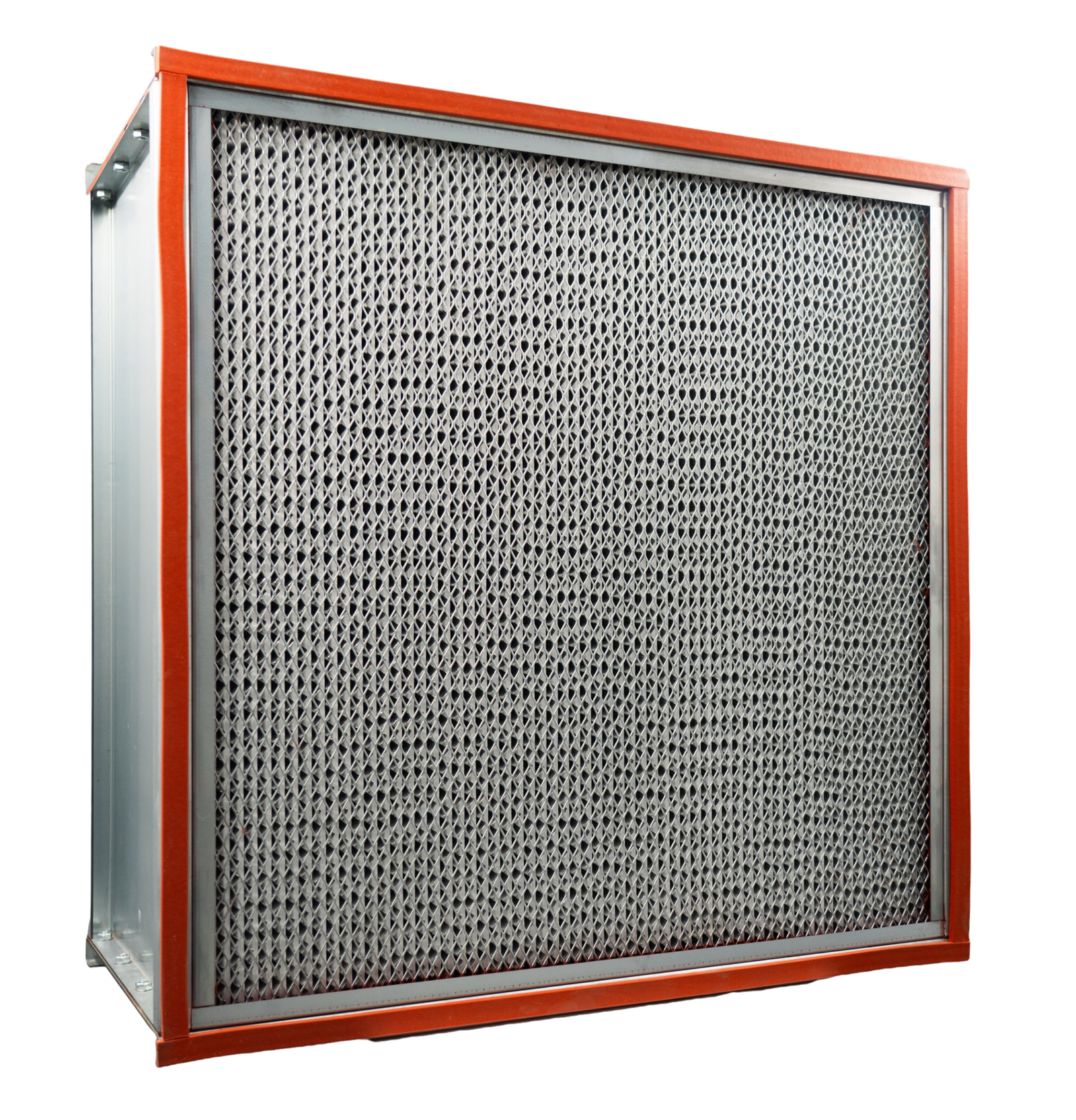
Designed for industrial facilities that run hot. Our filters maintain structural integrity and consistent filtration efficiency in continuous operating temperatures up to 400°C, helping you reduce downtime and replacement frequency.
Email Support
Annie.chen@clearfilterpro.com
Headquarters
30 Andeli, WestYuhua Road, Nanjing
Key Parameters
The Hidden Costs of Thermal Filtration Failure
Standard filtration systems degrade rapidly under thermal stress, leading to process contamination, compliance failures, and severe operational downtime.
Adhesive Carbonization
Traditional sealants decompose under extreme heat, releasing chemical odors and volatile compounds into environments requiring 100% pure air output.
Media Shedding
Substandard media fractures under extreme heat weathering, causing secondary particulate contamination that threatens downstream production lines.
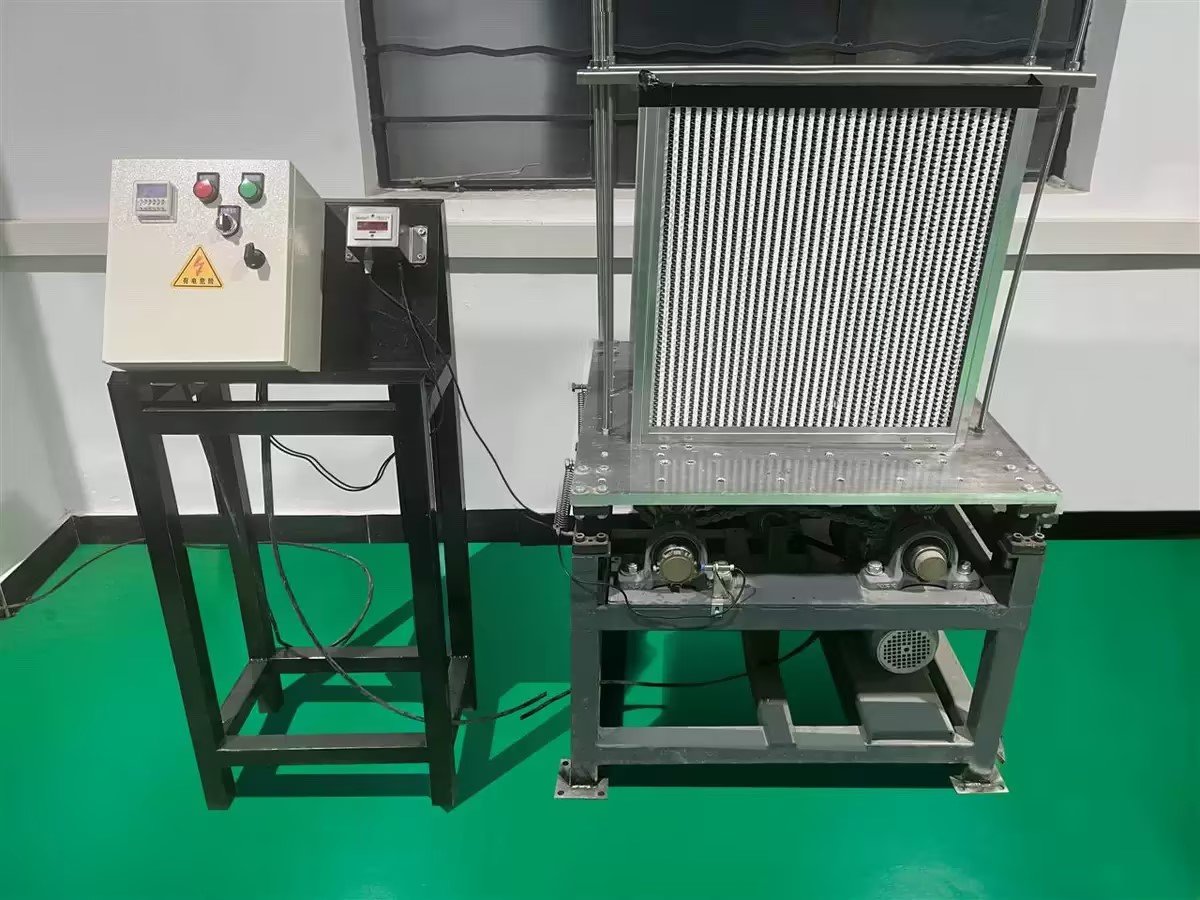
Bypass Leakage
Thermal expansion and contraction compromise rigid frames, creating bypass gaps that allow unfiltered air to bypass the media entirely.
Engineered for Every Thermal Challenge
Categorized into four core thermal tiers to meet strict heat dissipation and compliance requirements across industrial procedures.
Basic Heat Resistance
Low-Medium Temperature
- Balances high airflow capacity with low pressure drop.
- Available in various depths (68mm - 150mm).
General industrial ventilation, HVAC terminal filtration, primary dust interception downstream of heat-regenerative compressed air dryers.
Cleanroom Compliance
Medium-High Temperature
- Complies with stringent FDA and EU GMP (Annex 1) regulations.
- Silicon-free construction prevents cratering (fish-eyes) in coating.
Automotive paint drying lines, pharmaceutical cleanroom processes, surface treatment, precision coating.
Rigorous Sterilization
Extreme Temperature
- Emphasizes "zero emission" and zero-cleaning requirements.
- Engineered to withstand severe and rapid heating/cooling cycles.
Depyrogenation tunnels and sterilization ovens (Pharmaceutical); spray drying equipment for infant formula (F&B).
Extreme Challenge
Ultra-High Temperature
- Utilizes special inorganic fibers and ultra-heat-resistant metal frames.
- Offered in a highly compact panel design for tight spaces.
Specialized coating curing, high-temperature metal/glass annealing and cooling, extreme laboratory testing environments.
Engineering Pure Air for Industrial Excellence
With uncompromising standards in manufacturing, we deliver high-performance filtration solutions designed for the most demanding environments. From advanced HEPA and High Temperature filters to robust Ventilation and Activated Carbon systems, our technology ensures uncompromised air quality and operational efficiency.
-
Precision-Engineered HEPA & Pleated Cartridges
-
Extreme High-Temperature Filtration Capabilities
-
Global Standards & Rigorous Quality Control
What Is a High-Temperature Filter?
Simply put, a high-temperature filter is a specialized air filter designed to capture dust, particles, and contaminants in environments where normal filters would melt or catch fire. They are built using heat-resistant materials like fine glass fiber media and stainless steel frames, allowing them to work safely and consistently in extreme heat—typically up to 250°C, and sometimes even 350°C.
If you run an industrial oven, a drying tunnel, or a high-heat cleanroom, you already know that regular HEPA filters just won't survive. They warp, lose their seal, and eventually fail. That's exactly why these high-heat filters exist. They keep your production line clean and safe without breaking down when things get hot.
Whether you are upgrading an automotive paint booth in Europe, or setting up a pharmaceutical drying room in North America, having a reliable filter directly impacts your product quality. Here at our Nanjing facility, we engineer these filters to fit your exact equipment needs. No fancy jargon, just solid, heat-resistant performance you can count on for your daily operations.
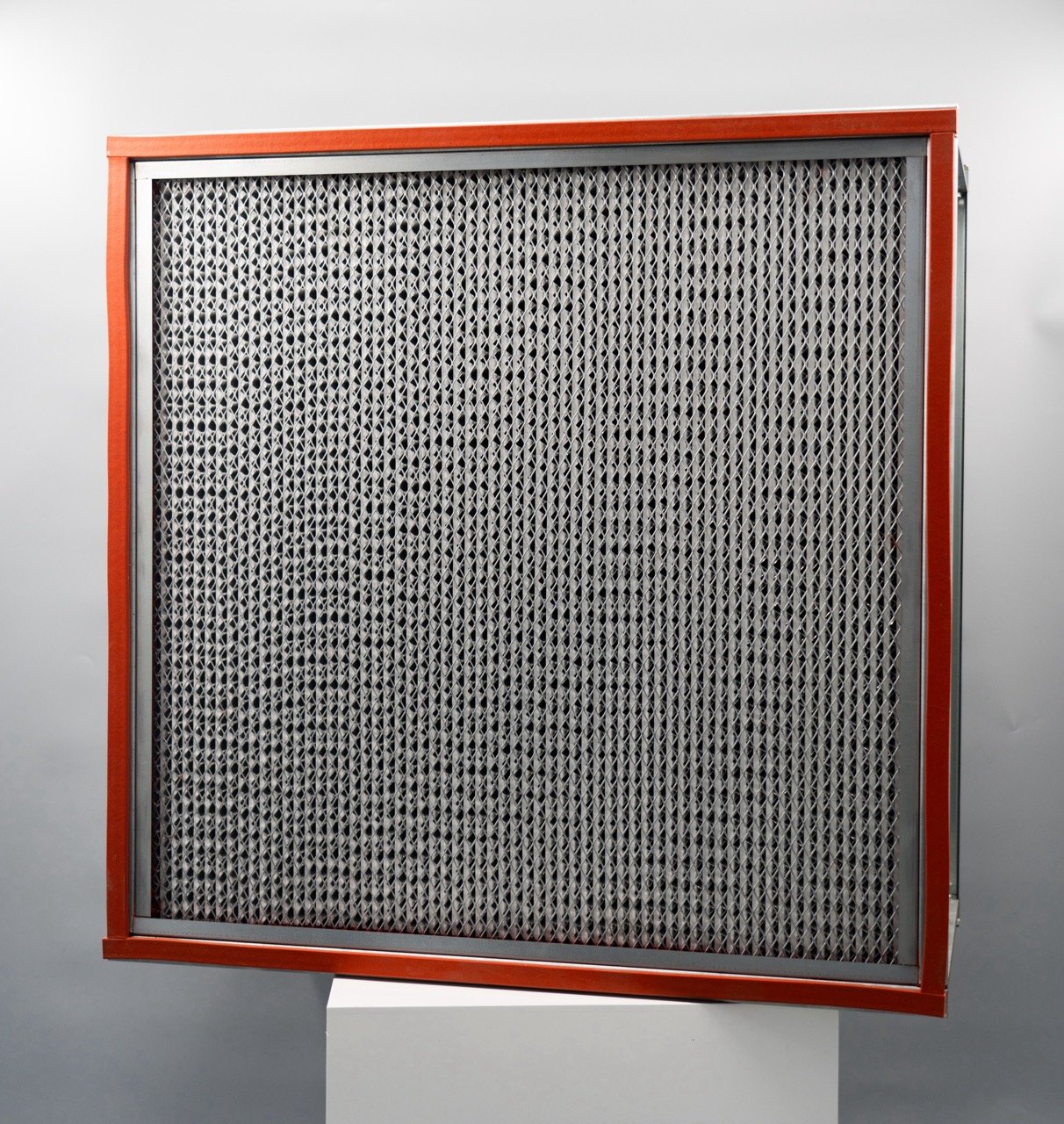
What are High-Temperature Filters used for?
Engineered for extreme thermal environments where standard filtration fails.
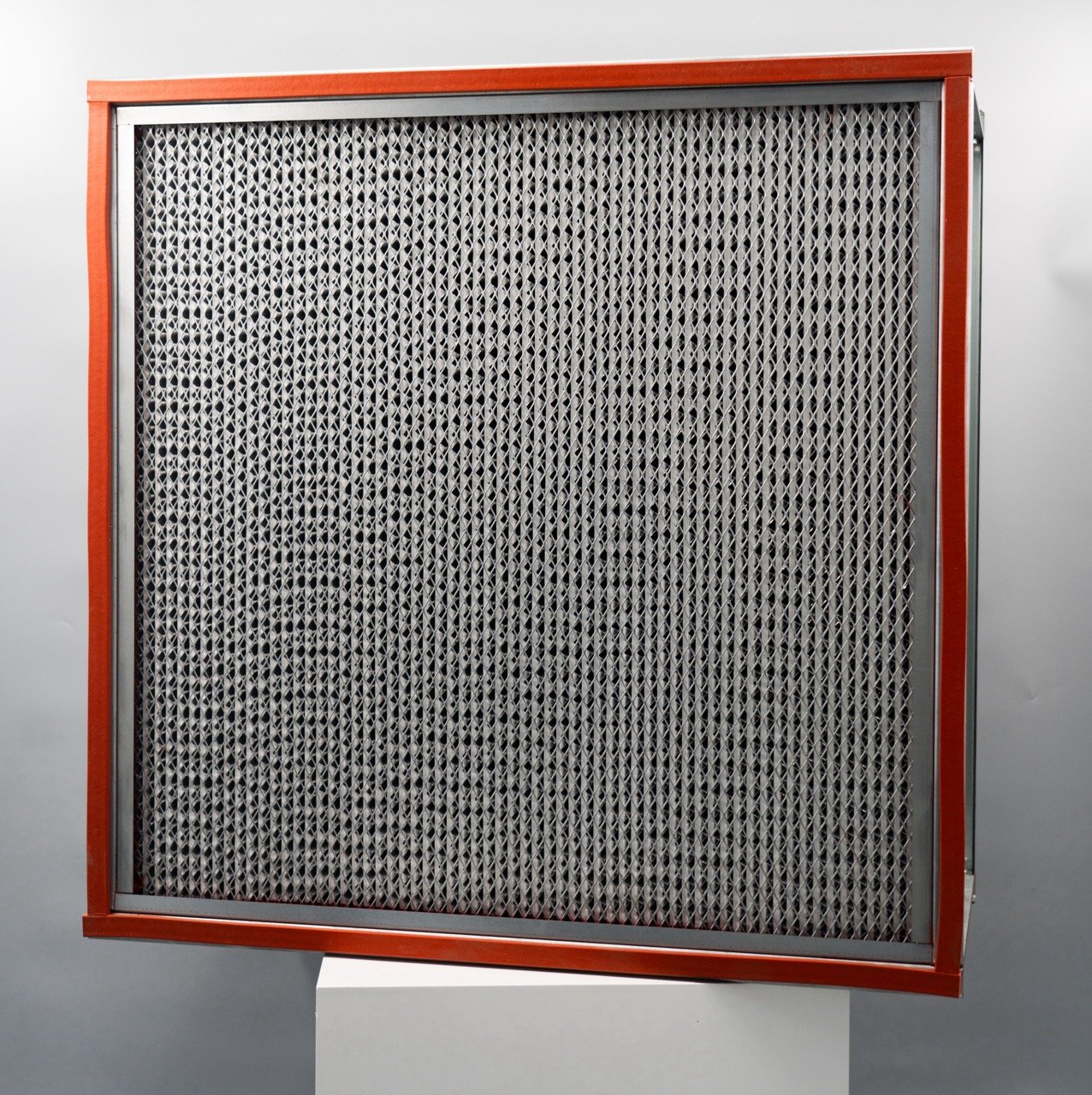
Maintains H14 efficiency under severe thermal expansion stress, ensuring zero bypass in critical zones.
Executive Summary
Specialized HEPA units designed to operate continuously at 250°C to 350°C. Essential in pharmaceutical depyrogenation tunnels, semiconductor manufacturing, and aerospace drying ovens.
The Cost of Thermal Failure
Standard media in high-heat zones leads to immediate degradation and hazardous outgassing, causing rejected product batches and costly downtime.
The ClearFilter Architecture
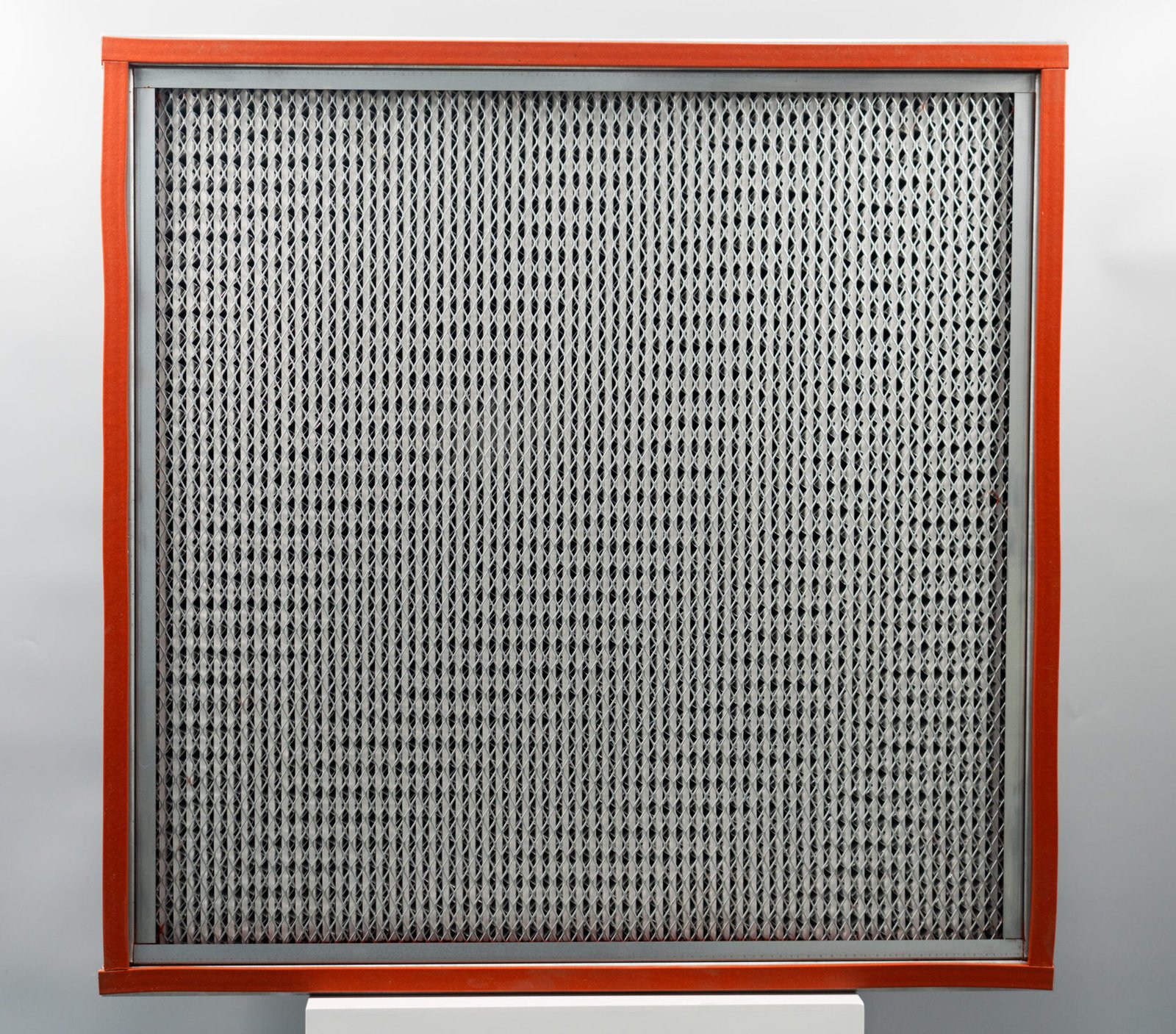
Ultra-fine glass fiber media separated by corrugated aluminum foil in a SUS304 frame. Bonded with specialized sealants to prevent thermal expansion warping.
Core Manufacturing &
Structural Advantages
Premium high-temperature filters possess significant structural engineering barriers to withstand the dual challenges of thermal expansion/contraction and high-velocity airflow.
Mechanical Interlocking
Completely eliminates the need for traditional glues and sealants by physically interlocking components.
Prevents adhesives from decomposing or releasing odors, ensuring 100% pure air output.
High Burst Pressure
Structurally reinforced to withstand severe airflow impacts in compressed and fluctuating hot air systems.
Prevents media rupture and system failure, mitigating catastrophic operational downtime.
Zero-Shedding Tech
Employs specially treated microglass fiber media that resists fracturing under extreme heat weathering.
Prevents secondary contamination, directly protecting downstream production lines.
Dynamic Sealing
Equipped with self-adapting heat-resistant expansion gaskets that adjust fit as temperatures change.
Guarantees zero bypass leakage across the entire operating temperature
Structural Forms
& Aerodynamics
Multiple physical configurations meticulously engineered to accommodate specific equipment footprints, maximize filter media utilization, and meet rigorous airflow requirements in industrial environments.
Precision Engineered
Structurally optimized for industrial performance
Box-Type / Cube Configuration
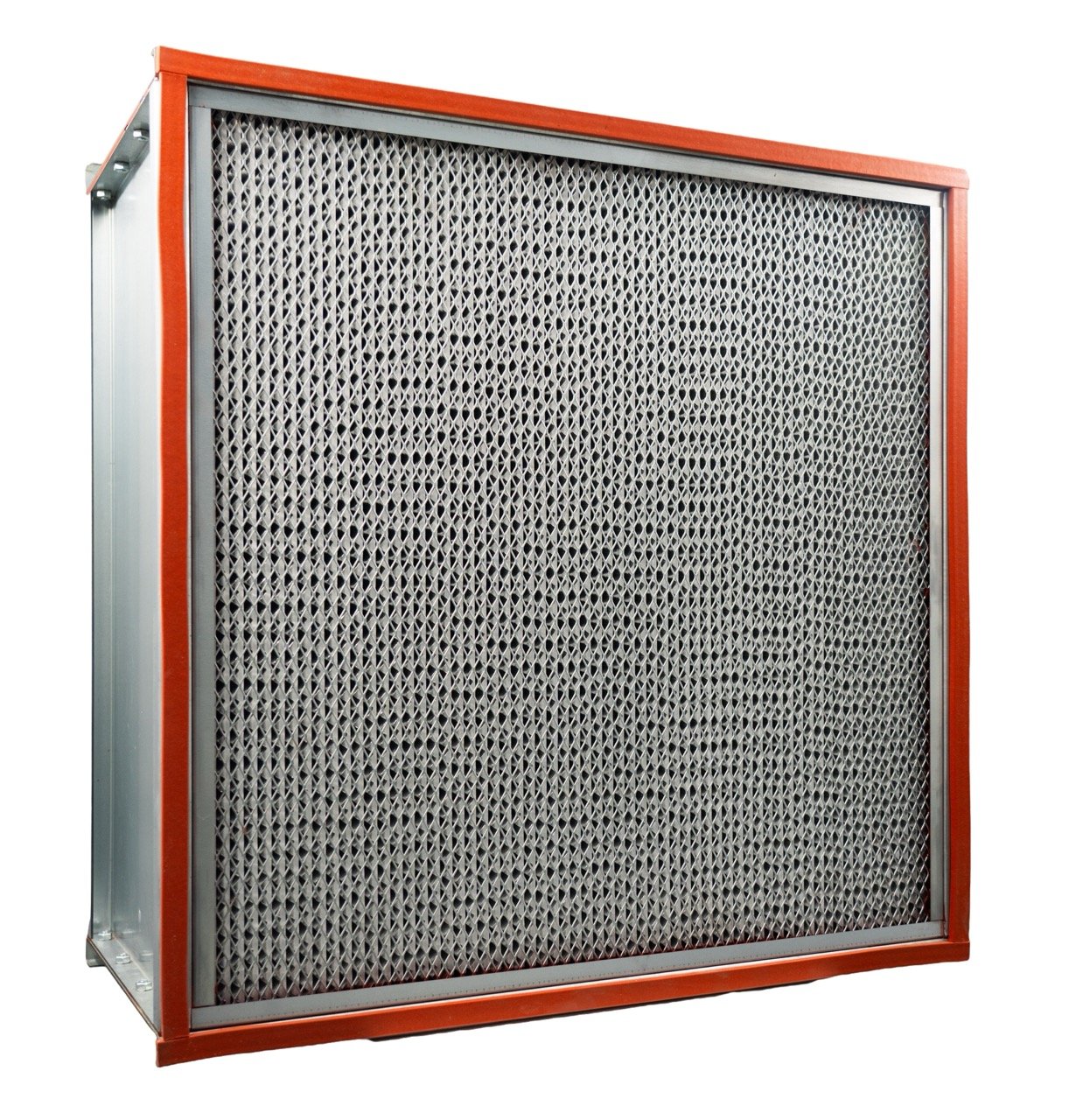
Ideal for high-volume requirements. Structurally optimized to handle massive air flow rates up to 5,000 m³/h per unit while maintaining absolute structural integrity under severe thermal and mechanical stress.
Header Frame (Flange)
Engineered to facilitate quick installation and secure, flush sealing against mounting frames. This minimizes maintenance downtime and ensures a perfectly bypass-free perimeter seal for critical environments.
V-Shaped Design
Provides the maximum effective filtration surface area. Achieves extremely low pressure drop and exceptional dust-holding capacity within a standard dimensional footprint, dramatically optimizing long-term energy consumption.
Panel Design
A slim, space-saving design that supports rapid slide-in installation. Perfectly suited for the tight operational slots of 400°C extreme high-temperature ovens and highly compact equipment housings.
Unidirectional Air Flow
Internal structures are aerodynamically modeled to minimize local turbulence. This significantly enhances laminar flow replacement efficiency, which is
Certified Performance & Smart Monitoring
Every filter is backed by rigorous international compliance standards and innovative safety monitoring features to prevent unexpected downtime.
Comprehensive Efficiency Matrix
- Fine Dust Level: ePM1 and ePM10 (covering M6, F7, F8, F9 classes) strictly in accordance with ISO 16890 standards.
- High/Ultra-High Efficiency: Spanning from EPA (E10-E12) and HEPA (H13-H14) up to ULPA (U15-U16) for ultimate cleanroom requirements.
Individual Compliance Testing
Every high-efficiency filter undergoes an individual scan test prior to dispatch. Fully compliant with EN 1822 and ISO 29463 standards, supplied with a dedicated, traceable performance report.
Integrated Temperature Indicator
Provides visual monitoring of the actual heat load the filter is enduring. This critical feature significantly reduces the risk of unexpected filter failure or system downtime due to thermal overloading.
What Is the Difference between a Standard HEPA Filter
and a High-Temperature HEPA Filter?
Executive Summary
A standard HEPA filter uses thermoplastic separators and polyurethane sealants, melting above 80°C. A High-Temperature HEPA filter employs corrugated aluminum foil separators, fiberglass media, and ceramic or silicone sealants, maintaining 99.99% efficiency at continuous operating temperatures up to 350°C.

Compliance Failure & Hidden Leaks
Using a standard HEPA in high-heat environments causes polyurethane sealants to outgas and degrade, creating microscopic bypass leaks long before visible damage occurs. This leads to immediate failures in PAO/DOP penetration tests, risking FDA/GMP compliance, batch rejection, and forced production shutdowns for unscheduled maintenance.

Engineered for 350°C Reliability
The High-Temperature series utilizes sub-micron microglass media spaced by precision-rolled corrugated aluminum foils. Secured with proprietary high-temp ceramic adhesives within a SUS304 frame, it actively manages differential thermal expansion. This ensures the filter maintains structural integrity and ≥99.99% laminar flow efficiency even under continuous thermal stress.
Frequently Asked Technical Questions
What is the exact temperature threshold for the silicone vs. ceramic sealant?
Does the aluminum separator affect airflow resistance?
How Does High Temperature Affect the Pressure Drop and Airflow of the Filter?
Executive Summary
High temperatures reduce air density and increase air viscosity. As a result, the volumetric airflow expands while mass flow decreases, leading to an inevitable increase in pressure drop across the filter media. Properly sizing the filter for operating temperature is critical to maintain system equilibrium.
The Physics of Thermal Resistance
According to the principles of fluid dynamics and the Ideal Gas Law, as the operating temperature rises, the dynamic viscosity of the gas increases. This elevated viscosity directly amplifies the frictional resistance as air passes through the intricate micro-glass fiber matrix of the HEPA filter.
Consequently, the initial resistance (pressure drop) scales proportionally with the temperature. To counteract this, specific structural reinforcements, specialized high-temperature sealants, and optimized pleat geometries are engineered to maintain structural integrity under continuous thermal expansion.
Engineering Risks of Miscalculation
Ignoring temperature-induced pressure variations places severe stress on blower motors and compromises filter integrity. The resulting imbalance often leads to:
-
Hidden bypass leaks and compromised frame seals due to thermal stress.
-
PAO test failures during high-temperature validation protocols.
-
Unplanned system downtime caused by premature media blinding and inadequate airflow reaching critical zones.
Direct Support: +86 13538992575
End-to-End Engineering Support
We provide comprehensive system protection solutions, not just products. Our engineers ensure your thermal filtration strategy is optimized for safety and cost-efficiency.
Operating Condition Audits
In-depth analysis of your air circuit temperature, airflow volume, pressure, and industry-specific purity compliance (e.g., Food & Beverage, Life Sciences).
Strategic Node Placement
Planning optimal installation points for high-temperature filters within hot air circulation systems or downstream of heat-regenerated compressed air dryers.
Longevity & Robustness
Balancing filtration efficiency with operational lifespan under extreme conditions to formulate the most cost-effective and secure replacement cycle strategy.
Ready to Secure Your High-Temperature Processes?
Speak with our technical experts to mitigate thermal risks and optimize your Total Cost of Ownership.