

You need to match the properties of Foam Filter Media to your specific filtration needs for the best results. Industry studies show that choosing the right pore size and surface roughness can boost how well your filter works. Smaller pores catch more particles but may slow down flow. Rougher surfaces can trap more debris. When you select the proper filter media, you help your system run efficiently and avoid common problems.
Key Takeaways
Know about pore size and density. Smaller pores trap more dirt but slow the water. Pick what works best for your filter.
Think about chemical resistance. Make sure the foam matches the chemicals you use. This stops the foam from breaking and keeps it working well.
Look at heat limits. Every foam has a highest temperature it can take. Make sure it works with your system.
Think about how much cleaning is needed. Choose foam that only needs cleaning when it is dirty. This saves you time and work.
Use a checklist. A simple checklist helps you compare choices. It makes sure you pick the best foam filter media for your needs.
What Is Foam Filter Media?
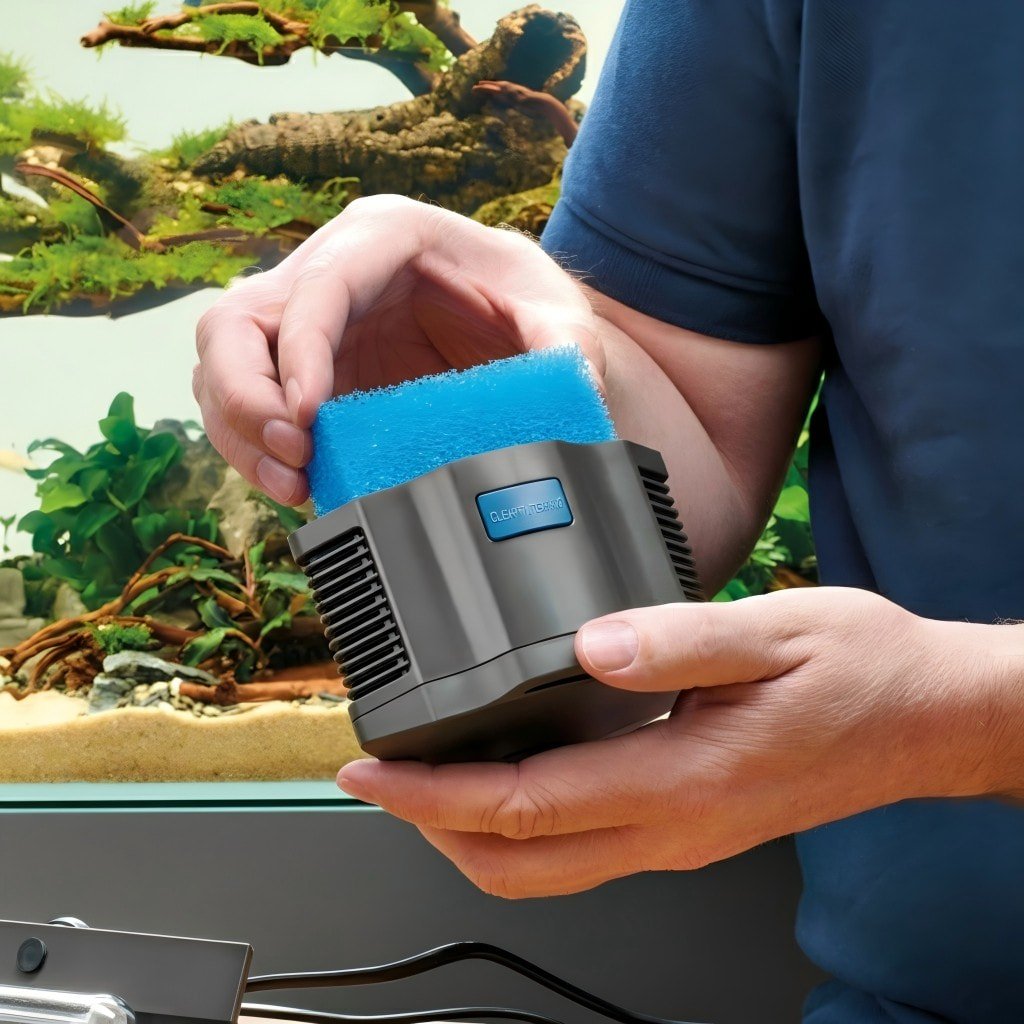
Foam filter media is a porous material used in filtration systems to remove impurities from air or liquids. It typically consists of polyurethane foam with open-cell structures, allowing fluid to flow through while trapping particles. This type of filter media is commonly used in aquariums, HVAC systems, and automotive applications.
Definition and Properties
People use foam filter media to clean air or liquids. This material looks like a sponge with lots of small holes. The holes are called pores. Pores let air or water go through but catch dirt and dust. Foam filter media comes in many kinds. Each kind has its own special features. Some types are soft and bend easily. Others are hard and strong. Some foams can handle chemicals, water, or even hot temperatures.
The table below shows common types of foam filter media and their main properties:
Foam Type | Structure Type | Key Properties | Applications |
|---|---|---|---|
Polyurethane Foam | Open-Cell | Lightweight, flexible, various densities and porosities | Air and water filtration in HVAC systems, automotive filters |
Reticulated Foam | Open-Cell | Highly open cell structure, durable, mildew resistant | Industrial air filters, aquarium filters, pre-filters in HVAC |
Polyethylene Foam | Closed-Cell | Rigid, buoyant, moisture and chemical resistant | Water filtration systems, packaging materials, flotation devices |
Open-Cell | Combines physical filtration with chemical adsorption | Air purifiers, odor control systems, industrial gas filtration | |
Ceramic Foam | Porous | High thermal resistance, efficient at elevated temperatures | Molten metal filtration, hot gas filtration, catalyst carriers |
Tip: When you pick foam filter media, look at the pore size and structure. These things decide how well the foam catches particles and how much air or water can move through.
Common Uses
You can find foam filter media in many places. At home, it is inside air conditioners and vacuum cleaners. In fish tanks, it helps keep water clean for fish. Factories use it to clean air and liquids in machines. Cars use foam filter media in air filters to keep dust out of engines.
Here are some main uses:
Filtration: Open-cell foams let air or water go through but stop solid bits.
Sound Control: Some foams soak up noise and make rooms quieter.
Gaskets: Closed-cell foams fill spaces to stop leaks.
You can choose the right foam filter media by knowing where you will use it and what you want it to do.
What Are the Different Types of Foam Filter Media?
Foam filter media types include open-cell foam, closed-cell foam, and reticulated foam, each serving distinct filtration purposes. Open-cell foam is porous and allows air and water flow, ideal for mechanical filtration. Closed-cell foam is denser, offering better insulation but limited filtration. Reticulated foam features a skeletal structure, enhancing particulate capture.
Open-Cell vs. Closed-Cell
Foam filter media comes in two main types. One type is open-cell foam. It has spaces that connect together. Air and liquids move through these spaces easily. This foam is good for catching dust and particles. The other type is closed-cell foam. It has sealed pockets inside. Air and water cannot get through it. Closed-cell foam is used when you want to keep out moisture.
Open-cell foam lets air and liquids move through. It works well for filtration.
Closed-cell foam blocks air and water. It is better for stopping moisture.
Open-cell foam is used in engine air filters and HVAC systems.
Closed-cell foam is used where you need to keep water out.
Reticulated Foam
Reticulated foam has a very open structure. It is used in systems that move a lot of air. This foam lets air flow easily and does not slow it down much. It catches big particles but does not clog fast. This helps other filters last longer. In aquariums and ponds, reticulated foam gives bacteria lots of space to grow. Water moves through it easily, so pumps do not have to work hard.
Scenario | Advantages |
|---|---|
High-volume air handling systems | Lets air move easily, saves energy |
Dust pre-filtration stages | Catches big particles, helps filters last longer |
Aquarium and pond filtration | Helps bacteria grow, keeps water moving fast |
Polyurethane Foam
Polyurethane foam is used a lot for filtration. You can change its features to fit your needs. It lets air and water move well and catches many particles. The cost is not too high, so many people can buy it. But it does not last as long if you reuse it. It can handle some chemicals but not all. It may wear out faster in tough places.
Costs are moderate
Lets air and water move well
Catches many particles
Does not last long if reused
Handles some chemicals
Specialty Foams
Specialty foams include activated carbon foam and ceramic foam. These foams have special features for certain jobs. They catch solids and let air or water go through. You can change them for different filtration needs. Specialty foams are strong and easy to shape. They work well for cleaning air and water.
Property | Description |
|---|---|
Cell Structure | Catches solids and lets air or water move |
Pore Size | Same size pores help with filtration |
Durability | Strong and easy to make into shapes |
Customizability | Can be changed for special filtration jobs |
Tip: Pick the foam that fits your needs. Open-cell and reticulated foams are best for most jobs. Specialty foams are good for hard or special tasks.
What Key Factors Should You Consider When Selecting Foam Filter Media?
When selecting foam filter media, consider factors such as pore size, material compatibility, and application needs. These elements ensure optimal performance and longevity of the filter in specific environments.

Pore Size (PPI) and Density
You need to pick the right pore size and density. Pore size is measured in PPI, which means pores per inch. More PPI means smaller pores. Small pores catch tiny bits but slow down flow. Fewer PPI means bigger pores. Big pores let water or air move faster but miss small bits.
Attribute | Description |
|---|---|
Particle retention capability | Smaller pores catch tinier particles. |
Hydraulic resistance | Smaller pores make flow slower, so you may need a bigger filter or slower pouring. |
Filters with high PPI (60-80 PPI) are good for catching tiny particles.
Filters with low PPI let more air or water through and catch bigger debris.
High PPI filters clean better and lower emissions. They also make more pressure, so your system works harder. Low PPI filters let things flow faster and hold more dirt, but they miss tiny bits.
Density is important too. Dense foams last longer and hold more bacteria. If you use the filter for biofiltration, small pores give bacteria more space. Too much bacteria can clog the foam, so check your filter often.
Evidence Description | Findings |
|---|---|
New round foams held more bacteria than old foams. | |
Impact of pore size on microorganism attachment | Smaller pores gave more room for bacteria to stick. |
Clogging due to biomass growth | Lots of bacteria in soft foams clogged pores and made less space. |
Tip: Pick the right PPI and density for your system. Think about the size of particles you want to catch and how often you want to clean the filter.
Chemical Resistance
Check if your foam can handle the chemicals you use. Some chemicals break down certain foams. Oils and fuels can hurt regular foam, but EPP, Neoprene, and EPDM foams resist them. For acids and bases, use EPE or Silicone foam. Solvents and alcohols work best with Polyethylene or PVC/Nitrile foam. Cleaning agents are safe with Polyurethane or Silicone foam.
Chemicals | |
|---|---|
Oils and Fuels | EPP, Neoprene, EPDM |
Acids and Bases | EPE, Silicone |
Solvents and Alcohols | Polyethylene (PE), PVC/Nitrile |
Cleaning Agents | Polyurethane, Silicone |
If you use the wrong foam, it can break and stop working. Always match the foam to the chemicals you use.
Heat Limits
Know how hot your system gets. Each foam type has a max temperature. If you use foam above its limit, it can melt or get weak. Neoprene foam can take up to 200°F (93°C). Polyethylene and Polyurethane foams work up to 180°F (82°C). EPDM foam is good for high heat, up to 300°F (150°C). Silicone foam can take the most heat, up to 400°F (204°C).
Foam Type | Suitability for High-Temperature Applications | |
|---|---|---|
Neoprene Foam | 200°F (93°C) | Good for places with heat and chemicals. |
Polyethylene Foam | 180°F (82°C) | Good for insulation in warm places. |
Polyurethane Foam | 180°F (82°C) | Works for many jobs in factories and homes. |
EPDM Foam | 300°F (150°C) | Great for very hot jobs in factories. |
Silicone Foam | 400°F (204°C) | Best for insulation and sealing in very hot places. |

Note: Always check the heat limit before you pick foam for hot places.
Performance and Reliability
You want a filter that works well and lasts long. Some brands use special designs to catch more dirt and let air flow better. K&N Filters last a lifetime if you clean them every 75,000 miles. Other brands use strong frames and smart pores for better results.
Brand/Manufacturer | Performance Metrics | |
|---|---|---|
Various Vendors | Smart pore shapes, tough frames | Better dirt catching, better airflow |
K&N Filters | Lasts a lifetime, needs cleaning every 75,000 miles | Very reliable in normal use |
Tip: Look for filters with good reviews and strong performance. Reliable filters save you money and time.
Maintenance Needs
Think about how often you want to clean your filter. Foam media only needs cleaning when flow slows down. If you use 40 PPI foam, you may need to clean it a lot, especially in fish tanks. Urethane foam with 30 PPI or less is better for biofiltration. Do not clean it too much, so good bacteria can grow.
Clean foam filter media only when flow gets slow.
Do not use 40 PPI foam unless your filter is very strong.
Use 30 PPI or less for biofiltration and do not clean it too much.
Tip: Pick foam that fits your cleaning routine. Less cleaning means less work for you.
By thinking about these key things—pore size, density, chemical resistance, heat limits, performance, and maintenance—you can pick the best foam filter media for your needs.
Where Is Foam Filter Media Commonly Used?
Foam filter media is primarily used in air and water filtration systems due to its porous structure, which effectively traps particles and contaminants. Common applications include aquarium filters, HVAC systems, automotive air filters, and pond filtration systems.

Aquarium and Pond
Foam filter media is used in aquariums and ponds. These filters help keep water clean for fish and plants. Filter mats and pads give bacteria a place to grow. Good bacteria break down waste and keep water safe. Filter media comes in many shapes and sizes. Some products stop clogging and make cleaning simple. Others give strong biological filtration and last longer.
Product Type | Application Description |
|---|---|
Filter Mat & Foam for Ponds | Gives space for nitrifying bacteria, helps biological filtration and water quality. |
Filter Pads for Fish Tanks | Removes unwanted stuff, keeps fish and plants healthy. |
Pond Filter Media | Comes in many shapes and sizes, keeps ponds clean and clear, helps filtration work well. |
Outstanding Features of Filter Mats | Stops clogging and helps bacteria grow, important for a healthy pond. |
Supreme Pondmaster Filtration | Gives great biological filtration, can be reused and is easy to clean, works well for a long time. |
HVAC Systems
Foam filter media is used in HVAC systems to clean air. These filters catch dust, pollen, and fungal spores. The foam often has 15 or 20 pores per inch. This helps trap more bad stuff. You can clean and reuse these filters, which saves energy and money. Thicker foam and smaller pores make the filter work better.
Foam helps lower fungal spores in the air.
More pores and thicker foam make filtration stronger.
You can rinse or vacuum these filters to clean them.
Feature | Description |
|---|---|
Material | Polyether polyurethane foam with 15 or 20 pores per inch |
Reusability | Can be rinsed or vacuumed, makes cleaning easy |
Contaminant Capture | Catches dust and fungal spores |
Energy Savings | Reusable filters help save energy in HVAC systems |
Industrial and Automotive
Foam filter media is found in many machines and cars. These filters catch big particles and help clean air. You can use them again, which saves money. Open-cell foam lets lots of air move through, so it works well in engines. Closed-cell foam keeps out moisture and stays strong in tough places.
Foam air filters catch big particles in cars.
You can reuse these filters to save money.
Open-cell foam lets air move easily.
Closed-cell foam keeps out water and stays strong.
The porous foam helps filtration work better.
Other Uses
Foam filter media is used in new and special ways. In medicine, ceramic foams help with bone tissue scaffolds. Energy systems use foam in fuel cells and thermal storage. Pollution control uses bio-ceramic foams to clean water.
Application Area | Description |
|---|---|
Biomedical Fields | Ceramic foams help with bone tissue scaffolds. |
Energy Systems | Used in fuel cells and thermal storage for solar power plants. |
Pollution Control | Bio-ceramic foams help clean water. |
Tip: Foam filter media is used in many places, like fish tanks and energy systems. Each use takes advantage of the foam’s special structure and how well it filters.
How Do You Choose the Right Foam Filter Media?
To choose the right foam filter media, consider factors such as pore size, material composition, and application requirements. Match the filter’s pore size to the type of particles you need to filter. Ensure the material is compatible with the fluid or air it will interact with, and assess the filter’s durability for the intended environment.

Assess Filtration Needs
You need to start by understanding what you want your filter to do. Think about the size of the particles you want to catch. Some jobs, like cleaning air in hospitals or making airplane parts, need very small pores. Other jobs, like filtering pond water, can use bigger pores. You should also decide how fast you want air or water to move through the filter. Smaller pores slow down the flow but catch more dirt. Bigger pores let things move faster but may miss tiny bits. You must look at your system and decide what matters most—speed or cleanliness.
Here are steps you can follow to assess your filtration needs:
Decide how clean you want your air or water to be. Some jobs need very high precision.
Think about how fast you want the flow to be. Faster flow needs bigger pores.
Check what you are filtering. Different metals, liquids, or air types need different pore sizes.
Match the pore size to your quality standards. This helps your filter work best.
Tip: Write down your goals before you choose a filter. This makes it easier to find the right match.
Compare Foam Types
You need to compare different filter types to see which one fits your needs. Foam filters and honeycomb filters work in different ways. Foam filters trap dirt deep inside the sponge. Honeycomb filters catch dirt on the surface. Foam filters hold more dirt and last longer before you need to clean them. Honeycomb filters give you sharp control over what gets filtered out.
Feature | Foam Filter | Honeycomb Filter | Impact on Your Application |
|---|---|---|---|
Filtration Mechanism | Depth Filtration | Surface/Wall-Flow | Foam holds more dirt; honeycomb gives sharp cutoff. |
Pressure Drop (ΔP) | Higher | Lower & Stable | Foam may need more pumping power; honeycomb saves energy. |
Filtration Efficiency | Good, varies | High, predictable | Honeycomb is best for strict purity; foam is good for broad use. |
Dirt Holding Capacity | Very High | Moderate | Foam lasts longer between cleanings; honeycomb clogs faster. |
Note: Foam filters work well for jobs that need lots of dirt holding and less frequent cleaning. Honeycomb filters are better for jobs that need very clean results.
Evaluate Compatibility
You must check if the filter matches your system. Look at the size of the particles you want to catch. Make sure the filter can handle the flow and pressure in your system. Check if the filter can stand up to the heat and chemicals it will face. Some filters work better in hot places. Others resist chemicals like oil or acid. You should also think about cost and quality.
Match the filter to the size of dirt or particles you want to remove.
Make sure the filter gives you the right filtration efficiency.
Check if your system can handle the pressure drop from the filter.
See if the filter can take the heat in your system.
Look for filters that resist sudden changes in temperature.
Compare the cost for each use.
Choose filters with high quality ratings.
Tip: Always check the filter’s specs before you buy. This helps you avoid problems later.
Make Your Selection
You are ready to pick your filter. Look at all the facts you gathered. Think about pore size, airflow, chemical resistance, and how easy it is to clean. Some filters can be washed and used again. Others need to be replaced often. You may need a special shape or size for your system. Make sure the filter works at the temperatures you need. If you work in a regulated field, check for certifications like UL 94 or CE. These show the filter meets safety and quality rules.
Criteria | Description |
|---|---|
Pick coarse foam for big dirt, fine foam for clean rooms. | |
Airflow Requirements | Choose filters that match your system’s flow needs. |
Chemical and Moisture Resistance | Select foam that stands up to oils, solvents, or water. |
Washability and Reusability | Washable filters save money and time. |
Shape and Customization | Some jobs need special shapes or sizes. |
Operating Temperature Range | Make sure the filter works at your system’s temperature. |
Certification and Compliance | Look for UL, CE, or other safety marks for regulated jobs. |
Cost-Effectiveness | Compare price and long-term costs to get the best value. |
You should avoid common mistakes. Never use bleach or harsh chemicals to clean your filter. This can ruin the fibers and make the filter stop working. Do not use household cleaners or dishwashers. These can clog the filter or damage its shape.
Common Mistakes | Consequences |
|---|---|
Destroys filter fibers, reduces effectiveness, and can cause skin irritation and system damage. | |
Using household cleaning products | Creates foaming issues, disrupts water chemistry, and clogs filter pores, reducing performance. |
Cleaning in a dishwasher | Damages filter materials, collapses pleats, and fails to clean effectively between pleats. |
Note: Always follow the cleaning instructions from the manufacturer. This keeps your filter working well.
You should also check for certifications. Filters with marks like UL 94, UL 900, CE, or Telcordia NEBS meet safety and quality standards. Some filters have ATEX certification for explosive places. These marks help you trust the filter’s performance.
ATEX certification for explosive environments
UL or CE certification for safety compliance
Standard products that meet these requirements
You can now choose the best Foam Filter Media for your needs. Take your time, compare your options, and pick the filter that matches your system and goals.
Is There a Practical Checklist or Decision Table to Guide Your Choice?
You can make your selection process easier by using a simple checklist. This helps you remember the most important steps when choosing foam filter media. Follow these steps to make a smart choice:

Check the highest temperature your system reaches. Match this with the filter’s heat rating.
Test if the foam resists the chemicals in your system. Make sure the filter will not break down.
Pick a pore size that matches the size of the particles you want to remove.
Measure the space where you will put the filter. Choose a filter that fits well.
Ask your supplier for quality and inspection data. This helps you trust the filter’s performance.
Try a small test run with the filter. Check if it catches enough dirt and keeps your system working well.
Tip: Write down your answers for each step. This makes it easier to compare different filters.
You can also use a decision table to help you compare your options. Fill in the table with your needs and see which filter matches best.
Selection Factor | Option A | Option B | Option C |
|---|---|---|---|
Max Temperature | 180°F | 300°F | 400°F |
Chemical Resistance | Good for oils | Good for acids | Good for solvents |
Pore Size (PPI) | 20 | 40 | 60 |
Fits Your System | Yes | No | Yes |
Supplier Data Provided | Yes | Yes | No |
Pilot Test Results | Pass | Fail | Pass |
Note: Choose the filter that checks the most boxes for your needs.
A checklist and decision table help you stay organized. You can feel confident that you picked the best foam filter media for your job.
You need to pick foam filter media that fits your needs. The most important things are pore size, density, chemical resistance, and how much heat the foam can take. Always use a checklist and a decision table before you buy anything. The table below tells you what to check:
Criteria | Details |
|---|---|
PPI (Pores Per Inch) | Lower PPI means bigger holes; higher PPI catches smaller stuff. |
Durability | Reticulated foams last longer and can handle chemicals better. |
Application-Specific | Choose the right foam type and pore size for your system. |
Studies show that picking the right filter helps your system work better and have fewer problems. You get the best results when you choose foam that matches your job exactly.
FAQ
What does PPI mean in foam filter media?
PPI stands for “pores per inch.” You use this number to measure how many holes appear in one inch of foam. Higher PPI means smaller holes that catch finer particles.
Can you reuse foam filter media?
You can reuse many foam filter media types. Wash the foam gently with water. Avoid harsh chemicals. Let the foam dry before you put it back in your system.
How do you know which foam type fits your application?
Tip: Match the foam’s chemical resistance, pore size, and heat limit to your system. Check the manufacturer’s chart or ask your supplier for advice.
Does foam filter media work for both air and water filtration?
Application | Foam Filter Media Use |
|---|---|
Air | Yes |
Water | Yes |
You can use foam filter media for both air and water. Choose the right type for your system.