
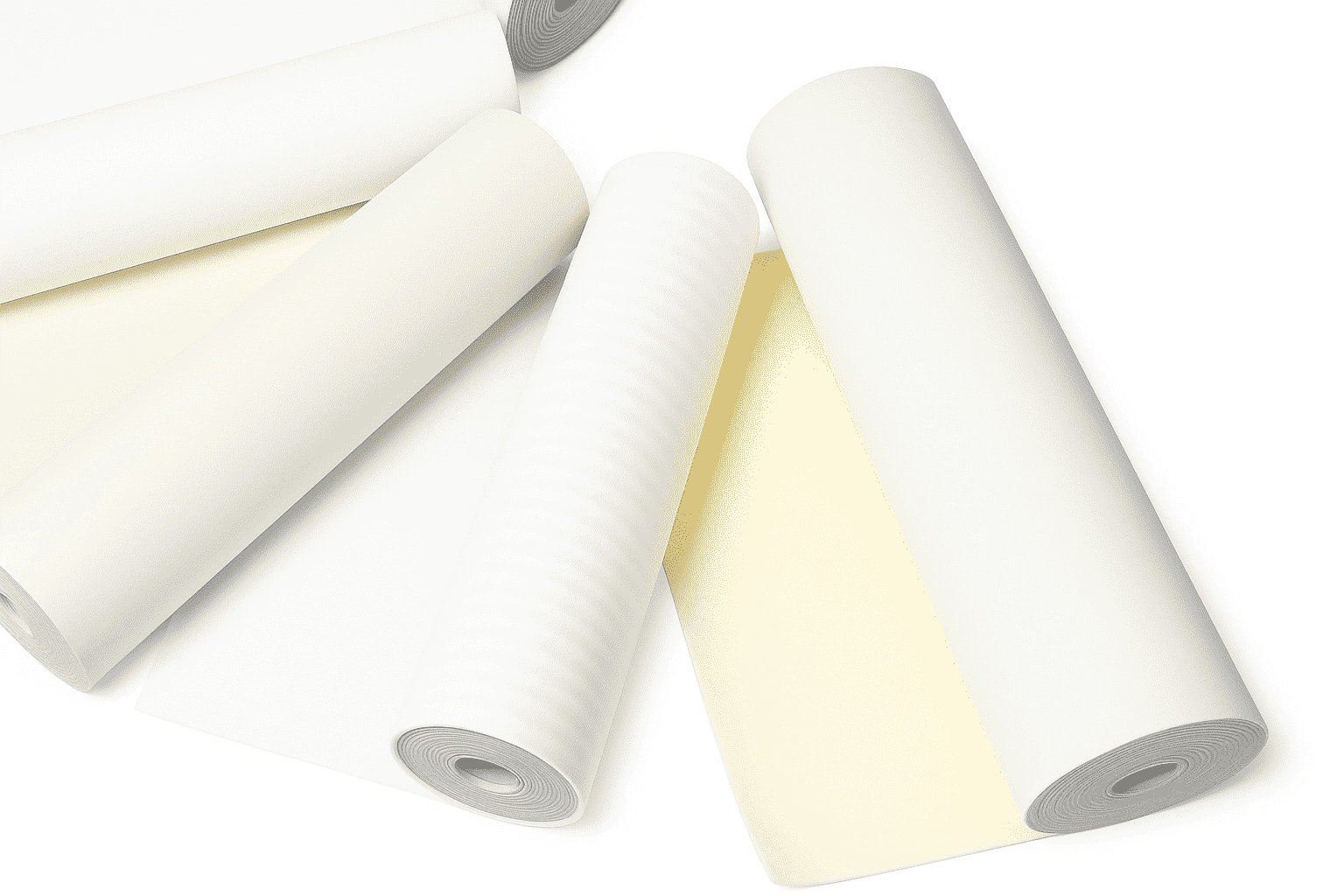
You use a pre-filter as the first step in a filtration system. This important part catches big particles before they get to the main filter. When you use a pre-filter in air purifiers, water treatment units, HVAC systems, or pool filters, you protect the main filter and make it work better. Studies show that pre-filters lower the work for main filters, stop them from wearing out fast, and help them last longer if you size and set them up right.
A good pre-filter system lowers the work for main filters.
This helps stop the main filter from wearing out fast.
If you size and set up the pre-filter well, the main filter lasts much longer.
Pre-filter systems are important because they help keep air and water cleaner and save you money on fixing things.
Key Takeaways
Pre-filters trap big particles before they get to the main filter. This helps the whole filter system work better. Using a pre-filter makes your main filter last longer. You do not need to replace it as often. Pre-filters help you spend less money. They lower maintenance costs and energy bills. This makes your system cheaper to run. There are different kinds of pre-filters. Mechanical and activated carbon types do special jobs for air and water filtration. Check and change your pre-filter often. This keeps your system working well and gives you cleaner air or water.
Why Is the Pre-Filter Considered the First Line of Defense in Filtration?
The pre-filter is crucial as it captures large particles and debris, preventing them from reaching the main filter. This enhances the efficiency and longevity of the entire filtration system by reducing clogging and maintenance needs.

What Is a Pre-Filter
A pre-filter is the first part in many filtration systems. It sits at the start and stops big particles from getting to the main filter. When you use a pre-filter, it helps air filters, water purifiers, HVAC units, and pool filters work better. The pre-filter keeps the main filter safe and stops it from getting blocked. Pre-filters are used in homes and factories.
A pre-filter catches big particles and dirt. This keeps the main filter clean and working longer.
How Pre-Filters Work
Pre-filters trap big particles using mechanical and chemical ways. Mechanical pre-filters block dust, debris, and other large things. Chemical methods, like adding acid or chlorine, help remove metals and kill germs. Pre-filters can use mesh, foam, or fiber to catch big particles. In water systems, pre-filters may use special steps to remove metals and tiny bits.
Mechanical pre-filters block dust, debris, and big particles.
Chemical pre-filters use treatments to clean or remove bad stuff.
Pre-filters help stop the main filter from getting blocked and lower the need for fixing.
Common Applications
Pre-filters are used in many places. In air cleaners, pre-filters catch dust, pollen, mold, and skin flakes. Water systems use pre-filters to remove dirt, carbon, and harmful metals. HVAC systems use pre-filters to block soot, smoke, and chemicals. Pool filters use pre-filters to catch leaves and big things before water goes to the main filter.
Sector | Application Description |
|---|---|
Residential | Pre-filters help save energy and money when cleaning air at home. |
Commercial | Offices and hotels use pre-filters in HVAC systems to make air cleaner. |
Industrial | Factories use pre-filters to protect air filters from dust and smoke. |
Pre-filters help save money and keep systems working well. Using a pre-filter makes sure the first step works right and the main filter lasts longer.
What Are the Different Types of Pre-Filters?
Pre-filters are crucial components in filtration systems designed to capture large particles and protect downstream equipment. The main types include mechanical, activated carbon, and electrostatic pre-filters.
There are many types of pre-filters. Each type does a special job. They help keep your system clean and working well.
Mechanical Pre-Filters
Mechanical pre-filters catch things like dirt and dust. You see them in water systems and air purifiers. They stop big pieces before they reach the main filter. Hospitals, factories, and homes use these filters.
Tip: Mechanical pre-filters make it easier to care for your main filter.
Filter Type | Typical Use Case |
|---|---|
Good for catching dirt and sediment; used in pre-filtration systems. | |
Ultraviolet Filters | Used to clean water by killing germs; works best with other filters. |
Activated Carbon | Helps remove chlorine and chemicals; often used to get rid of toxins. |
Ion Exchange | Takes out hard water minerals and lead; softens water by swapping ions. |
Reverse Osmosis | Removes many toxins like fluoride and arsenic; great for cleaning water. |
Activated Carbon Pre-Filters
Activated carbon pre-filters use carbon to trap chemicals and smells. You find them in air and water filters. They help remove chlorine and pesticides. These filters work well in homes and offices.
Foam and Fiber Pre-Filters
Foam and fiber pre-filters use soft stuff to catch dust and pollen. You see them in HVAC systems and pool filters. They are light and easy to clean. You can use them again, which saves money.
Note: Foam and fiber pre-filters use synthetic fibers. These fibers work well in wet places and can handle heat up to 120ºC. They clean well and cost less.
Property | Description |
|---|---|
Medium Material | |
Efficiency Grade | G3/G4 |
Wet Tolerance | ≤100%RH |
Instantaneous Temperature | ≤120ºC |
Additional Features | Light, reusable frame, holds lots of dust, cleans well, and saves money. |
Grades and Materials
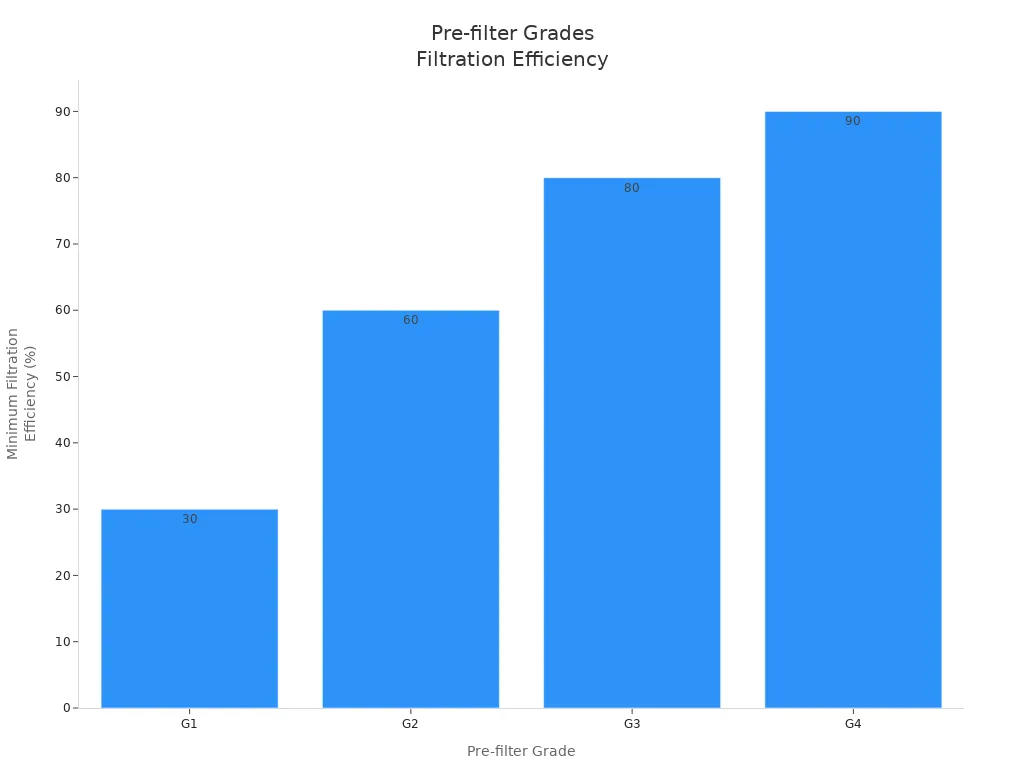
Pre-filters have different grades. You pick a grade by the size of particles you want to catch. Grades go from G1 to G4. G1 filters catch big particles over 5 microns with 30% efficiency. G4 filters catch tiny particles down to 0.3 microns with 90% efficiency. Hospitals and sensitive places use higher grades.
Grade | Particle Size Filtered | |
|---|---|---|
G1 | > 5 microns | ≥ 30% |
G2 | > 1 micron | ≥ 60% |
G3 | > 0.5 microns | ≥ 80% |
G4 | > 0.3 microns | ≥ 90% |
Picking the right pre-filter helps your system work better. It protects your main filter and saves you time and money.
What Are the Key Advantages of Using a Pre-Filter?
Using a pre-filter provides several benefits, including improved filtration efficiency, extended lifespan of the primary filter, and reduced maintenance costs. It acts as a first line of defense, capturing larger particles and preventing them from reaching the primary filter.

Efficiency and Air Quality
A pre-filter helps your filtration system work better. It catches big particles before they reach the main filter. This makes the system clean air or water more easily. In air purifiers, the pre-filter removes dust, pollen, and pet hair. The main filter can then focus on tiny particles that are harder to catch.
When you use a pre-filter in your HVAC or air purifier, you help make the air cleaner at home or work. Tests in labs show that pre-filters give these benefits:
Main filters last longer because big debris is caught first.
Air gets cleaner since large particles and gases are removed early.
The main filter uses less energy because it does not work as hard.
You will see less dust on your furniture and breathe better air. If you pick an air purifier with a good pre-filter, you help keep yourself healthy and your home nice. Pre-filters also let your system work well without getting tired.
Cost Savings and Maintenance
Pre-filters do more than just clean air or water. They help you save money and time too. You do not have to clean or fix your system as often. In big buildings, pre-filters can cut cleaning costs by more than 25%. You can spend up to two-thirds less on maintenance, and energy bills can drop by 30% or more.
Type of Cost Savings | Percentage Reduction |
|---|---|
Cleaning Costs | More than 25% |
Maintenance Costs | Up to two-thirds |
Energy Costs | 30% or higher |
You will spend less time cleaning and need fewer people to help. Your system can keep running without stopping for repairs. In water systems, a pre-filter stops dirt and sand from blocking the main filter. This keeps your machines safe and helps you avoid big repair bills. Hard bits in water can break things, but a pre-filter keeps everything working and keeps water flowing well.
If you buy an air purifier or get a new HVAC, using a pre-filter means lower bills and less trouble. Pre-filters help you get more out of what you buy.
Extended Filter Lifespan
A pre-filter does more than just catch big stuff. It helps your main filter last much longer. This is one of the best things about using a pre-filter. When you use a pre-filter, the main filter does not have to work as hard. You do not need to change the main filter as often.
Real-life stories show how pre-filters help:
Case Study | Key Benefits |
|---|---|
Alto Garda Power | 50% less pressure drop, main filter lasts 4 times longer, pre-filter lasts 9 times longer |
Steel Mill | Main filter lasts 16 times longer, pre-filter lasts 4 times longer, system always works |
Yucaipa Valley Water District | Better efficiency, lower costs, and better filtration |
You get longer filter life and your system works better. This saves you money and keeps your air or water cleaner for a long time. In air purifiers, you can breathe easier and stay healthy. In water systems, you avoid big problems and keep your machines safe.
Pre-filters also help save energy. When the main filter stays clean, your system does not use as much power. This means lower energy bills and better performance. Using a pre-filter helps you get cleaner air and protects your health.
Tip: Change your pre-filter on time to keep your system working well. Most companies say to change fiberglass filters every 1-3 months and pleated filters every 3-6 months.
You can see that pre-filters have many good points. You get cleaner air, spend less money, and your filters last longer. Pre-filters help you get the best filtration and a healthier home.
You can make your filtration system work better by picking the right pre-filter. A pre-filter is the first step that protects other filters and helps the system run well. The table below shows how using a pre-filter makes your system stronger and saves money:
Benefit | Impact on Performance | Impact on Cost-Effectiveness |
|---|---|---|
Protection of downstream filters | Makes the system last longer | Cuts down on repair costs |
Improvement in system efficiency | Helps the system clean better | Lowers how much it costs to run |
Capture of larger debris | Stops clogs from big pieces | Means you change filters less often |
Experts say you should put a pre-filter at the start, change it every 2-3 months, and look for color changes. If you know the types and benefits, you can pick the best one for cleaner air and water.
FAQ
What does a pre-filter do in my air purifier?
A pre-filter traps dust, hair, and large particles before they reach the main filter. You help your air purifier work better and keep the main filter clean for longer.
How often should I change or clean my pre-filter?
You should check your pre-filter every month. Most manufacturers recommend changing or cleaning it every 2 to 3 months. If you see dirt or color changes, replace it sooner.
Can I reuse a pre-filter after washing it?
You can reuse some pre-filters, especially foam or fiber types. Wash them with water and let them dry completely. Always follow the instructions from your filter’s manufacturer.
Do pre-filters improve energy efficiency?
Yes, pre-filters help your system use less energy. When you trap big particles early, the main filter does not work as hard. You save money on energy bills.
Are pre-filters safe for people with allergies?
Pre-filters help remove allergens like dust and pollen. You get cleaner air and fewer allergy symptoms. For best results, use a pre-filter with a high-grade main filter.