

You pick a pp pleated filter cartridge for factories because it uses a pleated shape and strong polypropylene. This filter works better, gives exact results, and handles many chemicals well. You also get faster flow and save money over time.
Faster flow for tough filtering jobs
Great at handling chemicals in factories
Works the same with correct micron sizes
Needs less fixing and costs less overall
Key Takeaways
PP pleated filter cartridges catch more dirt and particles. This helps make liquids cleaner for your work. These filters last a long time. You do not need to change them often. This saves you time and money on fixing things. The pleated design lets liquid move faster. This makes work easier and uses less energy in factories.
What Is a PP Pleated Filter Cartridge and How Is It Used in Industry?
A PP pleated filter cartridge is a filtration device made from polypropylene (PP) material, designed to remove contaminants from liquids or gases. It is extensively used in industries such as pharmaceuticals, food and beverage, and water treatment for its efficiency and durability.
Industrial Filtration Basics
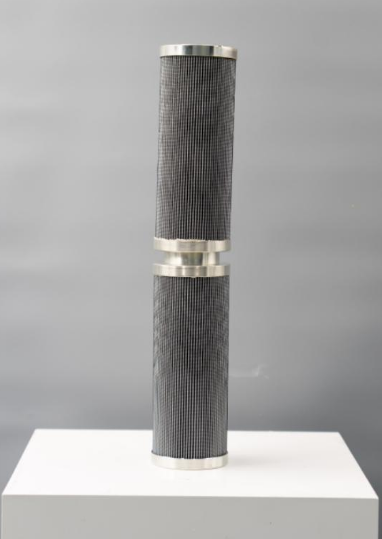
A pp pleated filter cartridge helps keep liquids clean in factories. When liquid goes through the filter, the pleats catch dirt and small bits. The liquid moves into the cartridge, and the filter inside holds back things you do not want. Clean liquid comes out and is ready for the next step. The pleated shape gives more space to catch dirt. This means it can hold more dirt and does not clog fast. You will not need to change the filter as much.
You can find pleated filter cartridges in many places. They are used in chemical plants, food factories, medicine making, oil and gas, coatings, and electronics. These places need good filters to protect machines and make sure products are safe.
Key Features
A pp pleated filter cartridge is special because of how it is made and how it works. The whole filter is made from polypropylene. This includes the filter part, support layers, end caps, and the core. Polypropylene can handle many chemicals and can work in heat up to 176˚F. You can clean it with hot water or steam.
Here is a table that shows some key features:
Feature | Polypropylene Filter Cartridge | Other Filter Types |
|---|---|---|
Micron Rating | 5 microns | Varies |
Sediment Removal Efficiency | High | Moderate to Low |
Dirt-Holding Capacity | High | Lower |
Clogging Resistance | High | Lower |
Material Durability | Chemically resistant | Varies |
You need to pick the right micron rating for your job. If the filter is too fine, it can slow the flow and raise pressure. Always choose a filter that matches the size of the particles you want to remove. This helps you get the best results and saves money in the long run.
How Do PP Pleated Filter Cartridges Improve Filtration Efficiency?
PP pleated filter cartridges enhance filtration efficiency by maximizing the surface area for particle capture while maintaining low pressure drop. This is achieved through their pleated design and polypropylene material, which offers high dirt-holding capacity and chemical compatibility.

Fine Particle Removal
You want your filter to catch tiny particles. The pleated design gives the filter more area to work. This helps it trap more small particles. The filter holds these fine particles on its surface. So, your filtration system works better and cleaner.
Check out how well these filters catch particles:
Cartridge Designation | 90% Efficiency (microns) | >99.9% Efficiency (microns) | Removal Efficiency By DOP Test |
|---|---|---|---|
PFT 0.2 | 0.2 | 0.5 | 99.99% |
PFT 0.25 | 0.25 | 1.0 | 99.97% |
PFT 0.45 | 0.45 | 1.2 | 99.93% |
PFT 0.8 | 0.8 | 2.5 | 99.90% |
You can also see this in the chart:

These filters remove over 99.9% of fine particles. This helps keep your machines safe and your products clean.
Longer Service Life
You want a filter that lasts a long time. The pleated design lets it hold more dirt. This means it takes longer to clog up. You do not have to change the filter as often. This saves you time and money.
Here is a quick comparison:
Filter Type | |
|---|---|
PP Pleated Cartridges | Longer due to pleated design |
Melt-blown Cartridges | Shorter service life |
String Wound Cartridges | Shorter service life |
A pp pleated filter cartridge lasts longer and works well. You change filters less and spend less money.
Why Do PP Pleated Filter Cartridges Offer Superior Flow Rates?
PP pleated filter cartridges offer superior flow rates due to their large surface area and efficient design. The pleated structure maximizes the filtration area, allowing for higher particle retention and reduced pressure drop, ensuring optimal fluid flow.

Lower Pressure Drop
You want liquid to move fast through your filter. The pleated design in a pp pleated filter cartridge gives more surface area than flat filters. This bigger area lets the liquid spread out as it goes through. There is less resistance, so pressure drop stays low. Your system does not need to work hard to push liquid. This helps your equipment run well and lowers the chance of clogs.
Here is a quick look at how flow rates compare:
Performance Metric | Polypropylene Pleated Filters | Polyester Pleated Filters |
|---|---|---|
Flow Rate | Lower (about 2m³/h) |
Polypropylene pleated filters let you move more liquid faster. This helps you finish jobs quicker and makes your process work better.
Energy Savings
A lower pressure drop means pumps use less energy. You spend less money on power and your machines last longer. The pleated shape also stops the filter from clogging too soon. You do not have to change it as much. This keeps your system working well for a long time.
Tip: Using a pp pleated filter cartridge can help you save energy and make your system work better.
You get strong filtration and steady particle removal. This makes your process easier and saves you money.
How Do PP Pleated Filter Cartridges Ensure Exceptional Chemical Compatibility?
PP (Polypropylene) pleated filter cartridges ensure exceptional chemical compatibility primarily due to their material properties and design. Polypropylene is highly resistant to a wide range of chemicals, making it an ideal material for filtering various substances without degrading.


Aggressive Chemicals
Factories use liquids with strong chemicals a lot. A pp pleated filter cartridge works well with many chemicals. Polypropylene stands up to acids, bases, and solvents. This means the filter does not get ruined easily. The pleated shape helps the filter stay strong, even with harsh chemicals. You can count on the filter to work well and keep things clean. If you need to take out particles from chemical liquids, this filter does a good job.
Note: Always look at the chemical resistance chart before picking a filter for your job.
Here is a table that shows how polypropylene compares to other materials:
Material | Chemical Resistance | Typical Use |
|---|---|---|
Polypropylene | Excellent | Most chemicals |
Cellulose | Poor | Limited chemicals |
Polyester | Moderate | Some chemicals |
Versatile Applications
You can use pleated filters in lots of places. Food factories, medicine making, and water cleaning all need filters for different chemicals. The pleated design gives more space to catch dirt and lasts longer. You can trust the filter to keep working, even if you change chemicals. This means you do not have to buy a new filter every time. You save time and money and still get good results.
Use pleated filters for:
Taking out particles in chemical plants
Keeping machines safe in water cleaning
Making sure food and drinks are safe
You get steady results and keep things clean every time you use a pleated filter.
What Makes PP Pleated Filter Cartridges Deliver Consistent Performance Over Time?
PP pleated filter cartridges deliver consistent performance due to their high dirt-holding capacity, uniform pore size, and robust mechanical strength. These factors ensure long-lasting filtration efficiency and reliability.

Micron Ratings
You want your filter to work well every time. The pp pleated filter cartridge does this with exact micron ratings. These ratings show what size particle the filter can catch. If you pick the right micron rating, your equipment and products stay safe. Here is a table that lists some common micron ratings and how well they work:
Micron Rating (μm) | Efficiency (%) |
|---|---|
0.2 | 98.98 |
0.5 | N/A |
1 | N/A |
3 | N/A |
5 | N/A |
10 | N/A |
20 | N/A |
25 | N/A |
40 | N/A |
You can choose a pleated filter with the right micron rating for your needs. This helps you take out the right size particles and keeps your process safe. The pleated shape lets the filter hold more dirt, so it lasts longer.
Quality Standards
You need to know your filter follows strict safety and quality rules. Many pleated filters meet top industry standards. Look for these certifications:
NSF/ANSI
FDA
These certifications mean the filter is safe for food, water, and chemicals. When you use a filter with these standards, it works the same way every time. You can trust your filter, even when things get tough.
Tip: Always check for certifications before picking a filter for your system.
A pp pleated filter cartridge gives strong, steady results and helps keep your process safe from start to finish.
How Are PP Pleated Filter Cartridges a Cost-Effective Solution for Industrial?
PP pleated filter cartridges are cost-effective for industrial applications due to their high dirt-holding capacity and extended lifespan. Their pleated design maximizes surface area, reducing the frequency of replacements and maintenance, leading to lower operational costs.

Maintenance Savings
You want your system to work without stopping a lot. A pp pleated filter cartridge helps you do this. The pleated design lets the filter hold more dirt. This means you use the filter space better and catch more dirt before it clogs. You do not have to stop your machines often to change filters. You save time and spend less money on fixing things.
The filter can hold a lot of dirt, so you pay less to run your system. It lasts longer and does not need to be changed as much. Even if the pleated filter costs more at first, you save money later. You do not have to buy new filters or pay for extra work as often.
Filter Type | Initial Cost | Maintenance Frequency | Lifespan |
|---|---|---|---|
Pleated Polypropylene | Higher | Less Frequent | Longer |
Cotton Filters | Lower | More Frequent | Shorter |
Polyester Filters | Lower | More Frequent | Shorter |
Replacement Frequency
You want a filter that does not need changing all the time. The pleated shape gives more area to catch dirt. This helps the filter last longer before you need a new one. In many factories, these filters last longer than other types. How often you change the filter depends on how dirty your liquid is. But you will not need to change it as much as other filters.
This saves you money and helps your system work better. For example, one factory made the air cleaner and worked better with pleated filters. A food company kept its products safe and met health rules with fewer filter changes. You get strong chemical resistance, steady results, and real savings.
Tip: Pick pleated filters if you want to change them less and spend less money.
You get lots of good things when you pick a pp pleated filter cartridge for your factory jobs:
It lets liquid move fast and does not slow it down much.
You do not have to change it often because it lasts a long time.
It cleans very well and gives you pure results.
You can put it in and take care of it easily.
The pleated shape helps the filter work better and stay strong. You should ask filtration experts to help you choose the right filter for your needs.
FAQ
How often should you replace a PP pleated filter cartridge?
You should check your filter every month. Replace it when you see a drop in flow or notice dirt buildup. This keeps your system working well.
Can you use PP pleated filter cartridges for drinking water?
Yes, you can use these filters for drinking water. Always choose cartridges with NSF or FDA certification for safe and clean water.
What micron rating should you choose for your application?
Pick a micron rating based on the size of particles you want to remove. Smaller ratings catch finer particles. Ask a filtration expert if you are unsure.