Author: laomopublic@gmail.com

  • Easy Ways to Clean Aquarium Filter Sponges Safely

    Easy Ways to Clean Aquarium Filter Sponges Safely

    Cleaning your aquarium filter sponge the right way helps your fish stay healthy. You need to protect the good bacteria in the sponge. These bacteria break down waste and keep the water safe. If you rinse the sponge under running water or clean it too hard, you can remove these bacteria. This can cause ammonia spikes in your tank.

    Cleaning Method

    Impact on Beneficial Bacteria

    Fish Safety

    Gentle rinse in tank water

    Most bacteria stay safe

    Safe for fish

    Rinse under tap water or harsh scrub

    Many bacteria are lost

    Ammonia risk

    Use gentle cleaning with old tank water. This keeps your aquarium filter sponge working well.

    Key Takeaways

    • Always clean your aquarium filter sponge with old tank water. This helps protect the good bacteria. Good bacteria keep your fish healthy.

    • Do not use tap water to clean the sponge. Tap water has chemicals that can harm good bacteria in the filter sponge.

    • Clean your filter sponge every 2 to 4 weeks. This helps keep the ecosystem balanced. Regular cleaning stops ammonia spikes. It keeps your fish safe.

    • Gently squeeze the sponge to clean it. This removes dirt but keeps helpful microorganisms safe.

    • Only get a new sponge if it is broken or falling apart. Old sponges have good bacteria that help keep your tank clean.

    Why Should You Use Old Tank Water?

    Using old tank water for gardening or irrigation is beneficial because it is nutrient-rich, environmentally friendly, and cost-effective. This water typically contains decomposed organic matter and microorganisms that enhance soil fertility, reducing the need for chemical fertilizers.

    aquarium filter sponge (1)

    Beneficial Bacteria Protection

    When you clean your aquarium filter sponge, you want to keep the good bacteria alive. These tiny helpers break down fish waste and keep your water safe. If you use old tank water, you protect these bacteria. The water from your tank matches the conditions the bacteria need. You avoid shocking them or washing them away.

    You might notice brown gunk on your filter sponge. That stuff looks dirty, but it’s actually home to lots of helpful microorganisms. They work hard to keep your aquarium healthy. If you rinse the sponge with old tank water, you keep most of these bacteria safe. Your filter keeps working, and your fish stay happy.

    • Old tank water keeps the bacteria alive.

    • The brown gunk is a habitat for helpful microorganisms.

    • Your aquarium filter sponge works best when you protect these bacteria.

    Tip: Always use water from your aquarium when you clean the filter sponge. This simple step helps your tank stay balanced.

    Avoiding Tap Water Risks

    Tap water might seem clean, but it can cause problems for your aquarium. Most tap water contains chemicals like chlorine and chloramine. These chemicals kill bacteria, including the good ones living in your filter sponge. If you rinse your sponge under the tap, you risk wiping out the bacteria that keep your tank safe.

    Using old tank water is a safer choice. It doesn’t have harmful chemicals. You keep the bacteria alive, and your aquarium stays healthy. Your fish will thank you for it!

    Water Type

    Effect on Bacteria

    Aquarium Safety

    Old Tank Water

    Preserves bacteria

    Safe

    Tap Water

    Kills bacteria

    Risky

    If you want your aquarium filter sponge to last and your fish to thrive, stick with old tank water for cleaning. It’s easy, safe, and keeps your aquarium’s ecosystem strong.

    How Do You Clean an Aquarium Filter Sponge?

    Cleaning your aquarium filter sponge doesn’t have to be complicated. You can follow a few easy steps to keep your tank healthy and your filter working well. Let’s break down the process so you know exactly what to do.

    Preparation and Supplies

    Before you start, gather everything you need. This helps you avoid mess and keeps things simple. Here’s a quick checklist:

    1. Get a large fish bag or a gallon-sized Ziploc bag.

    2. Fill the bag with old tank water. This protects the good bacteria in your aquarium filter sponge.

    3. Place a bucket nearby to catch any spills.

    4. Remove the sponge filter from your tank. Take off any extra parts, like plastic pieces or air stones.

    Tip: Always use water from your aquarium for rinsing. This keeps your tank’s ecosystem balanced.

    Mess-Free Cleaning Method

    You want to clean your aquarium filter sponge without making a mess or losing too much bacteria. The plastic bag method works great for this.

    1. Put the sponge in the bag filled with tank water.

    2. Hold the bag over the bucket.

    3. Squeeze the sponge several times. You’ll see the water turn brown as debris comes out.

    4. Pour out the dirty water into the bucket.

    5. Repeat the squeezing process with fresh tank water until the water looks clear.

    This method keeps waste from spilling everywhere and helps you save most of the helpful bacteria.

    Rinsing Aquarium Filter Sponge

    Rinsing is the most important part. You want to remove debris but keep the sponge’s biological power.

    1. Use aquarium water to rinse the sponge. Squeeze it three or four times until the water is no longer brown.

    2. If you see stubborn dirt, repeat the process with clean tank water.

    3. Rinse other filter parts, like plastic tubes or air stones. Use a toothbrush if needed.

    Step

    Why It Matters

    Rinse until clear

    Removes trapped debris and waste

    Use tank water

    Protects beneficial bacteria

    Scrub other parts

    Keeps the whole filter working efficiently

    Note: Regular rinsing prevents clogging and keeps water flowing smoothly through your aquarium filter sponge.

    Deep Cleaning with Bleach

    Sometimes, your aquarium filter sponge gets really dirty. You might need a deeper clean. Bleach can help, but you must use it carefully.

    • Bleach kills bacteria, including the good ones. Only use bleach if the sponge is very dirty and you can’t clean it with tank water.

    • After using bleach, rinse the sponge many times with dechlorinated water.

    • Soak the sponge in a de-chlorinator solution to remove any leftover bleach.

    • Let the sponge dry in the sun or soak it again before putting it back in the tank.

    Warning: Never put a sponge back in your aquarium if you smell bleach. Always rinse and soak it well.

    Reinstalling the Sponge

    Once your aquarium filter sponge is clean, you need to put it back the right way.

    1. Fill your fish bag or Ziploc with tank water and place the sponge inside while underwater. This keeps debris from escaping.

    2. Move the bag over the bucket and squeeze out any last bits of dirt.

    3. Rinse and scrub other filter parts if needed.

    4. Put the sponge and any other components back into your filter.

    5. Pour the dirty water onto your garden or plants. It makes a great fertilizer.

    6. Refill your aquarium if you removed water. The water might look cloudy at first, but it will clear up soon.

    Tip: Always check that your filter is running smoothly after reinstalling the sponge. Your fish will appreciate the clean water and healthy environment.

    By following these steps, you keep your aquarium filter sponge working well and your tank safe for your fish.

    What Common Mistakes Should You Avoid?

    When you clean your aquarium filter sponge, keep it simple and safe. Some people make mistakes that can hurt their fish or mess up the tank. Let’s talk about these common mistakes and how to avoid them.

    aquarium filter sponge (7)

    Using Chemicals or Hot Water

    Some people think hot water or cleaning chemicals will make the sponge cleaner. This is not true for aquariums. Hot water and chemicals kill the good bacteria in your filter sponge. These bacteria help keep the water safe for fish. Tap water can also kill these bacteria because it has chlorine.

    Here are some mistakes people make when cleaning filter sponges:

    If you are treating ich in your tank, do not turn off the filter or clean the filter media. Leave the brown gunk alone so it can help filter out the ich theronts.

    Over-Cleaning

    Cleaning your filter sponge too much can cause problems. You might think a spotless sponge is best, but cleaning too often removes the bacteria your tank needs. Without these bacteria, ammonia and nitrite levels can go up and hurt your fish.

    Experts say you should clean your filter sponge every 2 to 4 weeks. This keeps things balanced and does not harm the bacteria.

    Replacing Sponge Too Soon

    You might want to change your sponge if it looks dirty. Do not do this unless the sponge is falling apart or shredded. The old sponge has lots of good bacteria. If you replace it too soon, your tank loses its cleaning power. Only change the sponge when it is worn out.

    Tip: If your aquarium filter sponge still holds its shape and is not breaking apart, keep using it. Your fish will be happy in a stable and healthy home.

    If you avoid these mistakes, your aquarium will stay clean and safe for your fish.

    Maintenance Tips for Aquarium Filter Sponge

    To maintain an aquarium filter sponge, regularly rinse it in tank water to remove debris without harming beneficial bacteria. Perform this cleaning every 2-4 weeks to ensure optimal filtration. Avoid using tap water as it can kill the bacteria essential for maintaining water quality.

    aquarium filter sponge (6)

    Cleaning Frequency

    You want your aquarium to look great and keep your fish healthy. Cleaning your aquarium filter sponge on a regular schedule helps you do both. Most people clean their sponge once a month. This works well for tanks with a normal amount of fish and plants. If you notice your filter bubbling less or water flow slowing down, it’s time for a cleaning.

    • Clean smaller filters about once a month.

    • Larger canister filters can go 3–6 months between cleanings.

    • If your tank has lots of fish or messy eaters, clean every 2 weeks.

    • When you see the sponge clogging or water flow dropping, clean it sooner.

    A balanced cleaning routine helps your plants grow better and keeps algae under control. You don’t want to clean too often, but you also don’t want to wait until the filter stops working. Regular cleaning supports the health of your aquarium filter sponge and the whole tank.

    Tip: Set a reminder on your phone or calendar so you never forget to check your filter sponge.

    Monitoring Filter Condition

    Keeping an eye on your filter sponge is easy. You just need to look for a few signs. If the sponge changes shape, loses mass, or looks torn, it’s time to think about replacing it. Healthy sponges keep their shape and color. If you see the sponge getting thin or falling apart, swap it out for a new one.

    • Watch for changes in the sponge’s shape.

    • Check the color and make sure it looks normal.

    • If the sponge feels soft or mushy, it might be breaking down.

    • A sponge that shrinks or loses pieces needs replacing.

    What to Check

    What It Means

    Shape stays the same

    Sponge is healthy

    Color looks normal

    No disease or damage

    Sponge shrinks

    Time to replace

    Pieces fall off

    Replace the sponge soon

    You don’t need to replace your aquarium filter sponge unless it’s worn out. Most sponges last a long time if you clean them right and check them often. Your fish will thank you for keeping their home safe and clean.

    You can keep your aquarium healthy by following easy steps. Always rinse the filter sponge using old tank water. Do not use tap water because it can hurt good bacteria. Gently squeeze the sponge until the water looks clear. Look for any damage and only replace the sponge if needed.

    Cleaning your aquarium filter often helps it last longer and work better.

    • Cleaning the right way keeps your fish happy and your water clean.

    • A good cleaning schedule makes your aquarium safe and helps it do well.

    FAQ

    How often should you clean your aquarium filter sponge?

    You should clean your filter sponge every 2 to 4 weeks. If you see water flow slowing down or the sponge looking clogged, clean it sooner. Regular cleaning keeps your tank healthy.

    Can you use soap to clean the filter sponge?

    Never use soap or detergents. Soap leaves behind chemicals that can harm your fish. Stick to old tank water for rinsing. Your fish will stay safe and happy.

    What should you do if your sponge smells bad?

    A bad smell means the sponge has trapped too much waste. Remove it and rinse with old tank water. If the smell stays, replace the sponge. Clean your filter more often to prevent odors.

    Is it okay to replace the sponge with a new one?

    Only replace the sponge if it is falling apart or losing shape. A new sponge does not have helpful bacteria. Keep the old sponge as long as it works well.

    Can you clean the sponge while fish are in the tank?

    Yes, you can clean the sponge while your fish stay in the tank. Remove the sponge gently. Use old tank water for rinsing. Your fish will not get stressed if you work calmly.
  • Discover the Advantages of Sponge Filters for Your Aquarium

    Discover the Advantages of Sponge Filters for Your Aquarium

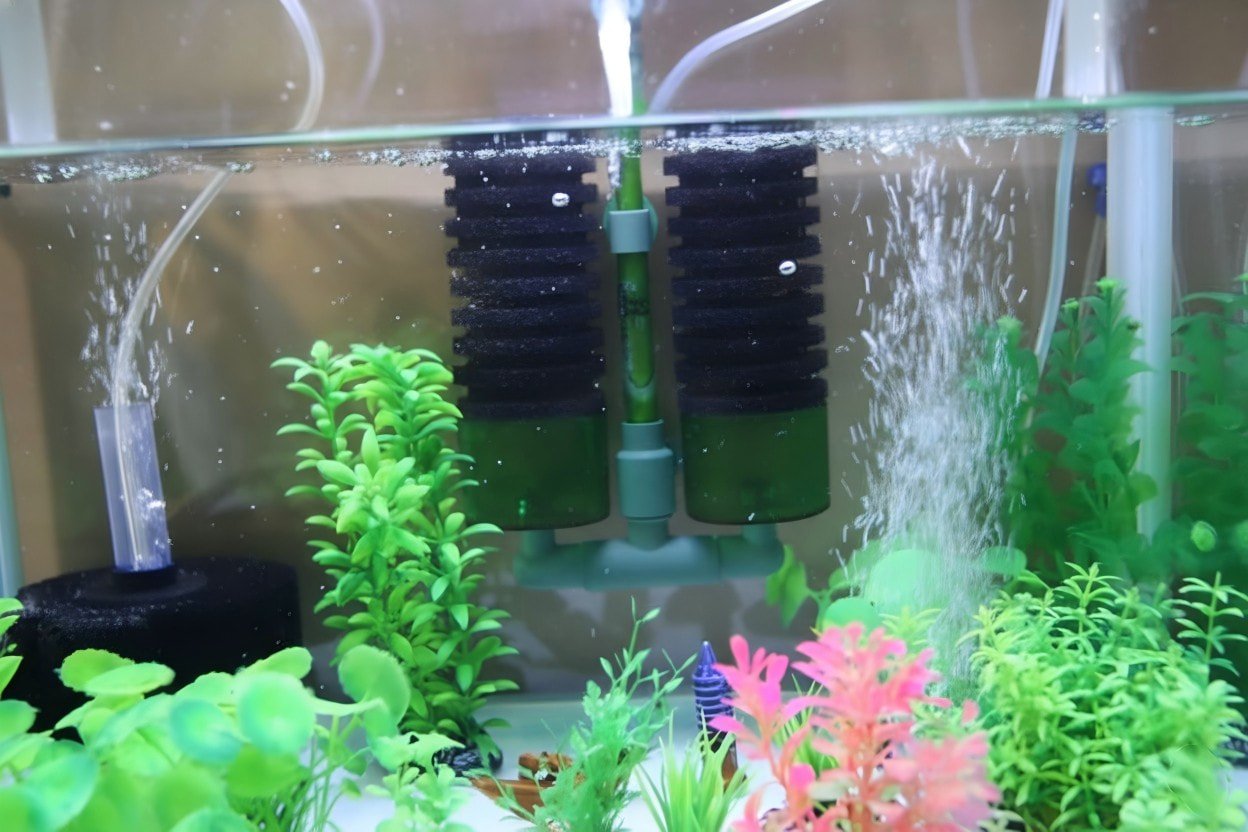
    You want clean water for your fish and plants. The aquarium filter sponge helps you reach this goal. It cleans water softly, so fry and shrimp are safe. The aquarium filter sponge helps good bacteria grow. This keeps the water clear. You can clean and use the aquarium filter sponge again. Many people pick the aquarium filter sponge because it is cheap. It also works well in hospital tanks.

    • The aquarium filter sponge gives steady filtration for sensitive species.

    • You can count on the aquarium filter sponge to make care easy.

    Key Takeaways

    • Sponge filters give soft filtration. This makes them safe for fry and shrimp in your tank. They do not hurt small or delicate animals.

    • They do not cost much. You do not need to do a lot of work to keep them running. You only need to change the sponge every six months.

    • Sponge filters help good bacteria grow. These bacteria break down bad waste. This keeps the water clean for your fish.

    • It is easy to clean sponge filters. Rinse them in tank water every two to four weeks. This helps them work well.

    • These filters can be used in many types of tanks. You can use them in breeding tanks or hospital tanks. They work in different setups.

    What Is an Aquarium Filter Sponge?

    An aquarium filter sponge is a porous material used in fish tank filtration systems to trap debris and support beneficial bacteria growth. It plays a crucial role in maintaining water clarity and quality by physically filtering out waste particles and providing a surface for nitrifying bacteria to colonize.

    Design and Components

    An aquarium filter sponge has easy parts that help clean your tank. Most have a sponge, a lift tube, and an air pump. The sponge sits on the bottom or side of the tank. The lift tube links the sponge to the air pump. The air pump sends air through the tube. This makes water move through the sponge.

    The sponge’s material is very important. You can check the table to see how materials work:

    Material Type

    Impact on Filtration Performance

    Non-toxic Polyurethane

    Catches dirt well and helps good bacteria grow.

    Polyethylene

    How well it works depends on its quality.

    Low-quality sponges

    Can break down and stop water from moving right.

    Good sponges catch dirt and help bacteria grow. Bad sponges can get blocked and slow water flow.

    Tip: Pick a sponge made from safe materials. This keeps your fish safe and helps your filter work better.

    How It Works

    The sponge filter uses a simple way to clean. Air bubbles from the pump pull water through the sponge. The sponge catches dirt and waste as water moves in. This is called mechanical filtration. The sponge also gives a place for good bacteria to live. These bacteria break down bad chemicals in the water. This is called biological filtration.

    Here is how the parts help your tank:

    • The sponge has holes that catch dirt and waste.

    • The big surface lets good bacteria grow.

    • The air pump keeps water moving for cleaning and bacteria.

    You can see the two main ways the filter works in this table:

    Filtration Type

    Description

    Mechanical Filtration

    The sponge catches dirt, waste, and other things as water goes through.

    Biological Filtration

    Good bacteria live on the sponge and change bad stuff into safer things for your tank.

    This simple filter gives you clean water and a healthy tank.

    How Do Sponge Filters Filter Aquarium Water?

    Sponge filters clean aquarium water by drawing it through a porous sponge, which captures debris and promotes beneficial bacteria growth. Water is pulled into the sponge via an air pump or powerhead, trapping particles and providing a surface for bacteria that break down harmful compounds.

    aquarium filter sponge

    Gentle Filtration Explained

    You want your fish and plants to stay safe. Sponge filters move water gently in the tank. An air pump pulls water through the sponge. The sponge has many tiny holes. These holes slow down the water. This keeps fry and shrimp from getting hurt. Gentle filtration does not make strong water movement. Sensitive fish can swim and eat without worry.

    You can set up a sponge filter by doing these steps:

    1. Take the sponge filter apart and pull out the plastic strainer.

    2. Remove the bullseye from the strainer and put an airstone at the bottom.

    3. Put the bullseye back on the strainer and put it back in the foam.

    4. Attach the lift tube to the top of the bullseye.

    5. Put the sponge filter in the tank and squeeze out the air.

    This setup gives you gentle filtration. It keeps your tank calm and clean.

    Biological Filtration Benefits

    Sponge filters do more than catch dirt. They help good bacteria grow on the sponge. These bacteria break down harmful waste. Fish make ammonia, which is bad for them. Good bacteria turn ammonia into nitrite. Then, they turn nitrite into nitrate. Nitrate is safer for your tank.

    “The study shows sponge filters can catch very small particles. It also says the Mediterranean bath sponge Spongia officinalis is good for checking how well filtration works and the health of the water.”

    You can see how sponge filters help water quality in this table:

    Parameter

    Description

    Ammonia (NH₃)

    Fish make this toxic waste. It must be changed to something safer.

    Nitrite (NO₂)

    Bacteria turn ammonia into nitrite. Nitrite is also toxic and needs to change to nitrate.

    Nitrate (NO₃)

    Nitrate is less harmful. Plants can use it, but too much can cause algae.

    Sponge Filters

    Give good bacteria a home. These bacteria change ammonia to nitrite and then to nitrate.

    Sponge filters help good bacteria grow. They keep your aquarium water safe and healthy.

    What Are the Advantages of Sponge Filters?

    Sponge filters offer several key advantages for aquarium enthusiasts: they provide efficient biological filtration, are economical, and ensure gentle water flow suitable for delicate species.

    aquarium filter sponge (3)

    Low Maintenance

    You want a filter that makes tank care simple. Sponge filters give you this advantage. You can clean them easily. You only need to rinse the sponge in aquarium water. This keeps good bacteria alive. You do not need to buy special cleaning tools. You can check the sponge during regular tank maintenance. If the sponge looks dirty or changes shape, you can replace it. Most aquarium owners clean sponge filters every two weeks. This schedule keeps your water clear and your fish healthy.

    Tip: Always rinse your sponge filter in tank water, not tap water. This protects the helpful bacteria that keep your aquarium safe.

    Sponge filters need little attention. You do not have to replace them often. You can use them for up to three years in a freshwater tank. Their simple design means fewer parts to break or clog. You can alternate cleaning if you use more than one sponge filter. This helps keep bacteria in your tank.

    • Inspect sponge filters during regular tank cleaning.

    • Rinse gently to avoid losing good bacteria.

    • Replace only when the sponge cannot be cleaned or loses its shape.

    Cost-Effective Solution

    You want to save money while keeping your aquarium healthy. Sponge filters help you do this. They cost less than other filters. You only need to replace the sponge every six months. Each replacement costs just over a dollar. Other filters, like carbon filters, need new cartridges every month. These cartridges cost several dollars each time. Sponge filters do not need extra parts or chemicals.

    Sponge filters also save you time. You do not need to spend hours on maintenance. You can set them up quickly. You do not need special skills. Their low price makes them a smart choice for beginners and experts.

    Filter Type

    Initial Cost

    Yearly Replacement Cost

    Maintenance Time

    Suitability for Beginners

    Sponge Filters

    Low

    Very Low

    Minimal

    Excellent

    Carbon Filters

    Medium

    High

    Moderate

    Good

    Canister Filters

    High

    Medium

    High

    Fair

    Sponge filters work well in tanks with high ammonia levels. They support good bacteria. You get effective filtration and save money.

    Ideal for Fry and Shrimp Tanks

    You want to protect small and sensitive creatures. Sponge filters give gentle filtration. They do not create strong currents. Fry and shrimp can swim safely. Sponge filters do not suck up or harm tiny fish. You can use them in breeding tanks. Many breeders trust sponge filters for fry tanks. They keep the water clean and safe.

    Sponge filters also work well in hospital tanks. You can seed them with bacteria easily. They give great oxygenation. You do not need to worry about strong water movement. Sponge filters are fry-safe and shrimp-safe. You can use them in small tanks or large ponds.

    • Sponge filters do not harm fry or shrimp.

    • They provide soft water flow.

    • You can use them in hospital tanks for sick or new fish.

    • They work in many tank sizes.

    Note: Sponge filters are popular because they last long, work in many setups, and cost less. You can rely on them for durability and safety.

    Sponge filters help you care for sensitive species. You can use them in breeding, hospital, and display tanks. Their gentle action and easy cleaning make them a top choice.

    How Do Sponge Filters Compare to Other Aquarium Filters?

    Sponge filters offer unique advantages such as gentle water filtration and biological filtration, making them ideal for breeding tanks and fry tanks. Unlike other filters, they do not create strong currents, ensuring a safe environment for delicate aquatic life.

    aquarium filter sponge (4)

    Comparison Table

    You want the best filter for your tank. The table below shows how sponge filters are different from hang-on-back and canister filters. You can see how often you clean them, what kind of filtration they use, and how much they cost.

    Filter Type

    Filtration Strength

    Cleaning Frequency

    Cost

    Water Flow

    Suitability for Sensitive Species

    Sponge Filters

    Biological & Mechanical

    Every 2-4 weeks

    Low

    Gentle

    Excellent

    Hang-on-Back

    Mechanical & Chemical

    Monthly

    Medium

    Moderate

    Fair

    Canister

    Mechanical, Chemical, Biological

    Every 4-5 months

    High

    Strong

    Good

    Sponge filters are great at biological filtration. Tests show sponge filters can do better at this than hang-on-back filters. You get a soft water flow that keeps fry and shrimp safe.

    Pros and Cons

    You want to know what is good and bad about each filter. Here is a list to help you pick:

    Sponge Filters

    • Give great biological filtration for healthy water.

    • Make gentle water flow for sensitive fish and shrimp.

    • Cost less and are easy to take care of.

    • Cleaning is quick and simple for tank owners.

    • Work as both biological and mechanical filters.

    • Help lower waste and improve the nitrogen cycle.

    • Can be used before other filters to help them last longer.

    • Lower pollution by filtering out tiny algae and waste.

    Hang-on-Back Filters

    • Give medium water flow and good mechanical filtration.

    • Need cleaning and new cartridges every month.

    • Cost more over time because you buy more parts.

    • May not keep small or sensitive fish as safe as sponge filters.

    Canister Filters

    • Give strong filtration for big tanks.

    • Need cleaning every 4-5 months, which takes longer.

    • Cost the most and have lots of parts to clean.

    • Make strong currents that can bother delicate fish.

    Tip: If you want a filter that is easy to clean, gentle for your fish, and saves money, sponge filters are a smart pick. You can use them alone or with other filters for extra help.

    Sponge filters are good because they work well, cost less, and need little care. Picking the right filter helps your tank stay safe and healthy.

    How Should You Maintain a Sponge Filter?

    To maintain a sponge filter, regularly clean it by first removing the sponge from the filter unit, rinsing it gently in dechlorinated water to preserve beneficial bacteria, and then reassembling it. Cleaning should be done every 2-4 weeks, depending on the tank size and bioload.

    aquarium filter sponge (5)

    Cleaning Steps

    You want your aquarium to stay clean and healthy. Regular cleaning helps sponge filters work well. Start by unplugging the air pump and removing the filter from the tank. Squeeze the sponge in old tank water. This step keeps the helpful bacteria alive. You should clean the sponge every two to four weeks. If you keep shrimp, stick to a two-week schedule. Avoid using tap water because it can harm the bacteria.

    Here is a table with best practices for sponge filter maintenance in tanks with high bioload:

    Maintenance Tip

    Frequency

    Notes

    Clean pre-filter sponges

    Every 1-2 weeks

    Use old tank water to protect beneficial bacteria.

    Clean biological media

    Every 3-6 months

    Only clean if clogged; gentle swishing is enough.

    Inspect internal media

    Monthly

    Do not replace all media at once to preserve bacteria colonies.

    You do not need to replace sponge filters often. Many users say you should only replace them when they fall apart. Most sponges last much longer than six months. Manufacturers may suggest changing them more often, but this is not always needed.

    Tip: Always use water from your aquarium for cleaning. This keeps your filter working and your fish safe.

    Positioning for Best Results

    Proper sponge filter setup helps your tank stay clean. The placement of sponge filters affects water flow and surface movement. Good positioning prevents dead zones and spreads oxygen and debris evenly. If you put the filter in a back corner, the current slows down in the front. This can cause debris to pile up. Instead, aim the uplift tube toward the middle of the front wall. This pushes water across the surface, hits the front wall, and moves down. You get better circulation and cleaner water.

    • Place sponge filters where water can move freely.

    • Adjust the uplift tube to direct flow toward the center.

    • Check for areas where debris collects and move the filter if needed.

    You can use more than one filter in large tanks. This helps keep water moving everywhere. Good positioning makes sponge filters more effective and keeps your aquarium healthy.

    You can count on an aquarium filter sponge to keep your tank safe. Many people pick sponge filters for good reasons. The table shows why aquarists like them:

    Advantage

    Description

    High Effectiveness

    Removes more than 97% of waste, oils, and plastics from water.

    Durability

    Works well even after many times being cleaned.

    Gentle Filtration

    Keeps fry and shrimp safe from strong water movement.

    Easy Maintenance

    Very easy to clean and lasts a long time.

    Good sponge filters are best for shrimp tanks, especially when shrimp are breeding. They make a soft current and stop baby shrimp from being sucked in, which other filters can do.”

    If you want to know how to care for a sponge filter, follow these steps: 1. Clean the sponge in a bag with tank water. 2. Take out all the parts before you rinse them. 3. Squeeze the sponge until the water is clear. 4. Rinse the other parts if they need it.

    Sponge filters help you keep your aquarium water safe and clean.

    FAQ

    How often should you clean a sponge filter?

    Clean your sponge filter every two to four weeks. If water moves slower or the sponge looks dirty, clean it sooner. Always use old tank water to keep good bacteria safe.

    Can you use a sponge filter in saltwater tanks?

    Yes, you can use a sponge filter in saltwater tanks. You should rinse it more often because saltwater tanks get more debris. Sponge filters are good for quarantine and breeding tanks in both freshwater and saltwater.

    Do sponge filters remove chemicals from the water?

    Sponge filters do not take out chemicals like chlorine or medicine. They only do mechanical and biological filtration. If you need to remove chemicals, use activated carbon or a chemical filter with your sponge filter.

    Can you run more than one sponge filter in a tank?

    You can use more than one sponge filter in a tank. This helps water move and stay clean, especially in big tanks. Put each filter in a different spot to stop dead zones and help water flow.

  • How Do Sponge Filters Work?

    How Do Sponge Filters Work?

    You use a sponge filter in your fish tank to keep water clean and safe for your fish. The sponge filter pulls water in and catches dirt and small bits for mechanical filtration. Good bacteria live on the sponge filter and break down bad stuff for biological filtration.

    The air pump hooked to the sponge filter pushes air in, making bubbles that move water and add more oxygen. Many fish keepers pick sponge filters because you can stack or change them. You can also move bacteria easily with a Biochemical Filter Sponge. Cleaning your sponge filters often keeps them working well.

    Key Takeaways

    • Sponge filters help clean your tank in two ways. They trap dirt and also help good bacteria grow. This keeps your fish safe and healthy. You should clean your sponge filter often. Use water from the tank to do this. This keeps the good bacteria alive. It also helps the filter work well. Sponge filters move water gently. This is good for fish that do not like strong water flow. It is also good for shrimp and baby fish tanks. A biochemical filter sponge helps the nitrogen cycle. It changes bad ammonia into safer nitrates. Sponge filters do not cost much money. They are simple to take care of. This saves you time and money when caring for your tank.

    How Does the Sponge Filter Mechanism Work?

    A sponge filter operates by drawing water through a porous sponge material, using an air pump or water pump to facilitate filtration. It provides mechanical filtration by trapping debris and offers biological filtration as beneficial bacteria colonize the sponge’s surface.

    Water Flow

    Water moves through a sponge filter because of its special shape. The way sponge filters are built helps water move for cleaning and for good bacteria to grow. When you look at a sponge filter, you see different parts that help water move well. Here is a table that explains how each part helps water flow:

    Structural Component

    Function in Water Movement

    Flagellated Chambers

    Pull water through the sponge and make suction.

    Gasket-like Structure

    Stops water from going backward and pushes water through collar filters.

    Tight Mesh on Collar

    Splits the chamber into low and high pressure, so water goes through collar slits to clean better.

    Sollas’ Membrane

    Connects microvilli at the ends and helps seal, making it easier for water to move past pressure.

    Vane on Flagellum

    Helps keep water moving in one direction and controls pressure in the system.

    You put the sponge filter in your fish tank, and water gets pulled through the sponge. The tight mesh and chambers inside make some spots low pressure and some high pressure. This makes water go through the sponge and catch dirt and waste. The sponge holds these things but lets clean water go back into the tank. This gives you clear water and a good place for helpful bacteria.

    Air Pump Function

    You hook up an air pump to the sponge filter with airline tubing. The air pump pushes air up through the lift tube. When the air goes up, it makes bubbles that move water up too. This pulls water from the tank into the sponge filter. Here is how it works:

    • You connect the air pump to the sponge filter with airline tubing.

    • The air pump sends air up the lift tube, making bubbles.

    • The bubbles go up and pull water into the sponge filter.

    • Water goes through the sponge and traps waste and old food.

    • The sponge filter gives a big space for good bacteria to live.

    Sponge filters give you both mechanical and biological filtration. The bubbles move water and add oxygen to the tank. More oxygen helps fish breathe and keeps bacteria healthy. Sponge filters are good for tanks with small fish, shrimp, or baby fish because the water flow is soft. You do not have to worry about strong water hurting your pets.

    You can count on sponge filters to keep your tank clean. Studies show that how you clean your sponge filter is important. If you rinse the sponge filter in water without chlorine, you keep most of the good bacteria. If you use water with chlorine, you lose almost all the bacteria. Always clean your sponge filter with tank water or water with no chlorine. This keeps the filter working and your fish safe.

    Tip: Clean your sponge filter gently in tank water to keep good bacteria alive and your aquarium healthy.

    What Is a Biochemical Filter Sponge and How Does Biological Filtration Occur?

    A biochemical filter sponge is a porous material used in aquarium filtration systems to support beneficial bacteria growth. These bacteria break down harmful ammonia into less toxic substances like nitrite and nitrate through biological filtration, which maintains a healthy aquatic environment.

    biochemical filter sponge (1)

    Beneficial Bacteria Growth

    When you use a biochemical filter sponge, you help good bacteria grow. The sponge has lots of tiny holes and spaces inside. This means there is more room for bacteria to live. More space lets more bacteria grow strong and healthy. You need these bacteria to keep your fish and shrimp safe.

    • The sponge filter works softly and does not bother your tank.

    • The big surface area helps many helpful bacteria live there.

    • These bacteria break down bad waste and keep water clean.

    There are two main types of bacteria in a biochemical filter sponge:

    • Nitrosomonas bacteria turn ammonia into nitrite. Ammonia comes from fish waste and old food. Too much ammonia can hurt your fish.

    • Nitrobacter and Nitrospira bacteria turn nitrite into nitrate. Nitrate is not as bad, and you can remove it with water changes.

    The biochemical filter sponge gives these bacteria a safe place to stay. You do not have to worry about strong water flow washing them away. The bacteria stay on the sponge and clean your tank all day.

    Nitrogen Cycle Support

    Every time you use a biochemical filter sponge, you help the nitrogen cycle. The nitrogen cycle is a natural way to keep your aquarium healthy. Fish and other animals make waste. This waste turns into ammonia, which is bad for your pets. The bacteria on your sponge filter change ammonia into nitrite, then into nitrate. This keeps your water safe.

    A fully cycled biochemical filter sponge has all the bacteria you need for a healthy tank. You can set up your filter before you add fish. This helps you build up bacteria and stop ammonia spikes. Even if you see a little ammonia or nitrite, the right bacteria balance helps your tank handle waste.

    A user said that after starting a new tank with a seeded sponge filter, they saw no ammonia or nitrite for days. This shows how well a biochemical filter sponge can protect your fish.

    If you have a big aquarium with many fish, you may need a bigger biochemical filter sponge. A larger sponge gives more space for bacteria and helps control waste better.

    You can trust a biochemical filter sponge to keep your tank safe. These filters work even before you add animals, so you can grow bacteria first. When you use this filter, you help the whole nitrogen cycle and make a healthy home for your pets.

    How Does Mechanical Filtration Work in Sponge Filters?

    Mechanical filtration in sponge filters operates by trapping debris and particles from aquarium water as it passes through the sponge’s porous material. The process involves water being drawn through the sponge, where particles are physically captured, preventing them from re-entering the tank. This filtration method is effective for maintaining water clarity and supporting aquatic life.

    biochemical filter sponge (2)

    Debris Trapping

    A sponge filter helps keep your tank water clear. It does this by catching things you do not want in the water. When water moves through the sponge, the holes inside grab old food, fish poop, and other dirt. The parts of the sponge filter work together to make sure water goes through the sponge and leaves dirt behind. This way, you get rid of things you can see in the water and your tank looks clean.

    Sponge filters pull water through the sponge. The holes in the sponge catch dirt from the water. As water moves through, the sponge grabs big and small pieces of waste.

    The sponge filter stops big pieces of waste from floating around. It works like a net and catches dirt as water passes through. Your tank looks less cloudy because the sponge filter keeps the water clear. The soft water flow from sponge filters also keeps small fish and shrimp safe from being sucked in.

    Cleaning and Maintenance

    You need to clean your sponge filter often so it works well. If too much dirt builds up, the sponge filter cannot catch new waste. Cleaning helps your filter stay strong and keeps the water healthy. Here are steps to clean your sponge filter:

    1. Take out the sponge and rinse it in a bucket of tank water. Do not use tap water because it has chlorine that can hurt good bacteria.

    2. Squeeze the sponge gently in the tank water a few times. This gets rid of dirt but keeps the good bacteria safe.

    3. Clean your sponge filter more often if you have lots of fish or waste.

    Check your sponge filter every week. If you see it is dirty, clean it before it gets clogged. Most people change the filter sponge every 4–6 weeks. Watch how it looks and clean it gently so you do not hurt the good bacteria. Doing these things keeps your tank safe and your sponge filter working well.

    Tip: Always use tank water to clean your sponge filter. This keeps the good bacteria alive inside.

    Taking care of your sponge filter helps it last longer and work better. Clean sponge filters help your fish stay healthy and your water stay clear.

    What Are the Benefits of Sponge Filters?

    Sponge filters offer efficient mechanical and biological filtration, making them ideal for aquariums. They are cost-effective, easy to maintain, and safe for fish and shrimp, as they provide gentle water flow without creating strong currents.

    biochemical filter sponge (3)

    Gentle Filtration

    You want your aquarium to be a safe place for all your fish and shrimp. A sponge filter gives you gentle filtration that does not stress your pets. The water flow stays soft and calm. This helps sensitive fish and shrimp feel comfortable. You do not see strong currents that can push small fish around. The sponge filter uses a porous sponge to trap dirt and debris. At the same time, it gives a large surface for good bacteria to grow. You get clean water without harming your aquatic life.

    • Sponge filters create minimal water movement, which is important for delicate species.

    • The gentle water flow prevents strong currents that could hurt sensitive fish and shrimp.

    • The sponge filter provides both mechanical and biological filtration in one simple unit.

    Tip: If you keep bettas, shrimp, or fry, you should use a sponge filter to protect them from strong water movement.

    Ideal for Breeding Tanks

    You need a safe environment when you breed fish or raise baby fish. Sponge filters work best in breeding tanks because they do not have strong suction. The gentle flow keeps eggs and fry safe. You do not have to worry about young fish getting trapped or hurt. The sponge filter supports beneficial bacteria, which helps keep water quality high. You also get better oxygen exchange in your tank.

    • Sponge filters create a gentle water flow, reducing stress on delicate fish.

    • The soft water movement is perfect for breeding tanks and fry-rearing setups.

    • The sponge filter gives a safe place for fry and eggs, away from strong suction.

    Note: Many breeders choose sponge filters because they keep young fish safe and healthy.

    Cost and Maintenance Advantages

    You save time and money when you use a sponge filter. Sponge filters are simple to set up and easy to clean. You do not need special tools or expensive parts. You only need to rinse the sponge in tank water to keep it working well. Sponge filters require less frequent cleaning than other filters. You spend less on upkeep and replacement parts.

    • Sponge filters are easier to maintain than hang-on-back or canister filters.

    • You do not need to clean them as often, which lowers your maintenance costs.

    • The simple design of a sponge filter means fewer things can break.

    Tip: Choose a sponge filter if you want a low-cost, low-maintenance way to keep your aquarium clean.

    How Do You Use a Sponge Filter?

    To use a sponge filter, first, attach it to an air pump using airline tubing. Submerge the filter in the aquarium, ensuring it’s securely placed at the tank’s bottom. Plug in the air pump to initiate water circulation through the sponge, allowing beneficial bacteria to thrive and cleanse the water.

    biochemical filter sponge (4)

    Installation Steps

    You can set up a sponge filter in your aquarium by following these steps:

    1. Take the sponge filter apart. Remove the plastic strainer from inside the foam.

    2. Detach the bullseye from the top of the strainer. Place an airstone at the bottom of the strainer.

    3. Attach the bullseye back onto the strainer. Put the strainer back into the foam.

    4. Connect the lift tube from the airline tubing to the center on top of the bullseye.

    5. Place the assembled sponge filter into your aquarium. Squeeze it gently to remove air bubbles.

    6. Cut the airline tubing to the right length. Connect it to your air pump.

    7. Install a check valve in the airline tubing. This stops water from flowing backward if the pump turns off.

    8. Add a drip loop to the power cable. Turn on the air pump.

    Tip: Always use a check valve to protect your air pump from water damage.

    Maintenance Routine

    You need to keep your sponge filter clean for it to work well. Here are some best practices:

    • Clean the sponge when you see it looks clogged or the water flow slows down.

    • Rinse the sponge in used aquarium water. This keeps the good bacteria alive.

    • Use de-chlorinated tap water or well water for a final rinse if needed.

    • Avoid hot water or bleach. These can kill helpful bacteria.

    • Clean your sponge filter every two weeks to once a month, depending on how many fish you have.

    • Replace the sponge if it does not spring back after rinsing or looks worn out.

    Note: If your tank has many fish, you may need to clean the sponge more often.

    Troubleshooting

    If your sponge filter does not move enough water, try these steps:

    1. Check the air pump. Make sure it works well and pushes enough air.

    2. Use products that help boost filtration if needed.

    3. Point the filter’s spout toward areas in the tank where water does not move much.

    Tip: Regular checks help you spot problems early and keep your filter running smoothly.

    You can trust sponge filters to keep your tank safe. These filters catch dirt and help good bacteria grow. This means you get two kinds of filtration at the same time:

    Filtration Type

    Description

    Mechanical Filtration

    The sponge grabs dirt and bits, so your water stays clean.

    Biological Filtration

    Ceramic bio media gives good bacteria a place to live. These bacteria remove bad ammonia and nitrites.

    Sponge filters work in lots of tanks. You save money because you can wash and use the sponge again. Taking care of your filter helps it last longer and keeps your fish healthy. 🐟

    FAQ

    How often should you clean your sponge filter?

    You should clean your sponge filter every two to four weeks. If you see the water flow slow down or the sponge looks dirty, clean it sooner. Always use tank water to protect good bacteria.

    Can you use a sponge filter in a saltwater tank?

    Yes, you can use a sponge filter in a saltwater tank. Sponge filters work well for quarantine tanks or breeding setups. Rinse the sponge in saltwater from your tank to keep helpful bacteria alive.

    Do sponge filters make your water cloudy?

    No, sponge filters help clear cloudy water. They trap dirt and small particles. If your water stays cloudy, check if the sponge needs cleaning or if you have too many fish.

    What size sponge filter do you need?

    Pick a sponge filter based on your tank size and how many fish you have.

    • Small tanks (up to 10 gallons): small sponge filter

    • Medium tanks (10–30 gallons): medium sponge filter

    • Large tanks (over 30 gallons): large sponge filter

  • Why Using a Pre-Filter Sponge is Vital for Your Aquarium

    Why Using a Pre-Filter Sponge is Vital for Your Aquarium

    You want healthy fish and clear water in your tank. A pre-filter sponge keeps small fish, shrimp, and snails safe by blocking the filter intake. It also stops debris from clogging your Aquarium Filter Sponge. This simple tool helps you create a cleaner and safer environment for your aquatic pets.

    Key Takeaways

    • A pre-filter sponge keeps small fish safe. It stops shrimp and snails from getting pulled into the filter. This helps keep them healthy.

    • Using a pre-filter sponge means you clean the filter less often. It saves you time and money. Your main filter stays cleaner for longer.

    • The sponge helps good bacteria grow. These bacteria keep ammonia levels low. This makes your aquarium water clear and healthy.

    Why Does a Pre-Filter Sponge Matter?

    A pre-filter sponge is crucial for maintaining water quality and prolonging the lifespan of your filtration system. It traps large debris and particles before they reach the main filter, preventing clogs and reducing maintenance frequency. This not only ensures cleaner water but also enhances the efficiency of your filtration system.

    Protects Fish, Shrimp, and Snails

    You want your small fish, shrimp, and snails to be safe. The pre-filter sponge sits on the filter intake. It stops tiny animals from getting sucked into the filter. This can hurt them or even cause them to die. Using a pre-filter sponge helps your pets live better lives. Other ways to protect them do not work as well. The sponge also keeps the water clean. It saves good bacteria when you change the filter media. This keeps ammonia levels steady. Your fish, shrimp, and snails stay healthy in this safe water.

    Tip: Put the pre-filter sponge right on the filter intake. This gives your smallest pets the most protection.

    Stops Debris and Plant Matter

    You might see food, leaves, and waste floating in your tank. These things can block the filter intake and slow the water flow. The pre-filter sponge catches this debris before it gets to the main filter. This helps your aquarium filter sponge work better and stops clogs. You do not have to worry about sudden filter blockages. Your tank stays cleaner, and your water looks clearer.

    • Many people clean their pre-filter sponge every day to keep water moving well.

    • Some clean the sponge when they change the tank water. This shows how much debris and plant matter the sponge catches.

    Reduces Filter Maintenance

    You save time and money with a pre-filter sponge. The sponge grabs most debris before it gets to the main filter. This means you clean the main filter less often. You also do not need to buy new cartridges as much. Over a year, you save a lot of time and money.

    Aspect

    Details

    Frequency of Maintenance

    Goes down by 200-300% with pre-filter sponge

    Cost Savings on Cartridges

    You spend less money on new cartridges

    Time Savings

    You spend less time cleaning

    Your filter intake stays clear. Your aquarium filter sponge lasts longer. Your tank stays healthy with less work.

    What Are the Key Benefits of an Aquarium Filter Sponge?

    An aquarium filter sponge offers essential mechanical and biological filtration, improving water clarity and supporting beneficial bacteria growth. It traps debris and particles, maintaining a clean environment for aquatic life.

    aquarium filter sponge

    Supports Beneficial Bacteria

    Your aquarium filter sponge does more than catch dirt. It gives bacteria a place to live and grow. These bacteria help break down waste in the water. They keep ammonia levels low, which is safer for fish. A bigger sponge has more room for bacteria to grow. This means your filter can help more fish and keep water safe. Experts say you need at least 2.5 square feet of surface for each gallon of water. If you want a healthier tank, try to get 10 square feet per gallon. More bacteria means cleaner water and happier fish.

    Scientists found that sponges filter water fast and catch tiny bits. For example, Spongilla lacustris filtered up to 0.055 mL of water each second for every gram of sponge. Other studies showed that sponges can catch microalgae and small animals. This makes them very good for biological filtration.

    Study

    Sponge Species

    Findings

    Frost

    Spongilla lacustris

    Filtered up to 0.055 mL/sec/gram

    Riisgård et al. (1993)

    Halichondria panicea

    Filtering changes with temperature

    Pile and Witman (1996)

    Mycale lingua

    Kept 86% of small animals

    Ribes et al. (1999)

    Dysidea avara

    Microalgae are a big part of the diet

    Osinga et al. (2001)

    Pseudosuberites andrewsi

    Filtration drops at high algae levels

    Improves Water Flow and Filter Life

    You want water to move well in your tank. The pre-filter sponge sits at the filter intake and stops debris from blocking water. Water moves through the sponge easily, so your filter works better. You do not have to clean your filter as much, and it lasts longer. The sponge also gives bacteria more space to grow. This helps with biological filtration. Your aquarium filter sponge keeps water clear and your system strong.

    Makes the Aquarium More Resilient

    Your tank has many problems to face. Fish waste, old food, and plant bits can pile up fast. The aquarium filter sponge helps your tank deal with these things. It keeps the water clean and helps good bacteria grow. Your filter works longer and needs less cleaning. You get a stronger and healthier tank that can handle changes.

    Tip: Look at your sponge often. Clean it when you see dirt. This keeps your aquarium filter working well.

    How Do You Choose and Maintain a Pre-Filter Sponge?

    To choose a pre-filter sponge, consider the pore size, material, and compatibility with your filtration system. A smaller pore size captures finer debris, while a larger size is ideal for bigger particles. Ensure the sponge material is durable and fits your filter model. Regular maintenance includes rinsing and replacing as needed.

    aquarium filter sponge (1)

    How to Select the Right Sponge

    You need to match your pre-filter sponge to your tank and filtration needs. Look at the size of your aquarium and the type of aquarium filters you use. Larger tanks need stronger filtration, while smaller tanks do best with compact sponges and gentle water flow. Check the pore size, called PPI (pores per inch). High PPI sponges trap fine particles, while low PPI sponges work well for pre-filtration. Choose durable materials like polyether for wet environments. Reusable foams help lower costs and reduce waste. Here is a quick guide:

    Criteria

    Description

    Tank Size

    Small tanks: compact sponge, low flow

    Pore Size (PPI)

    High PPI: fine particles; Low PPI: pre-filter

    Material

    Polyether for wet tanks

    Durability

    Reusable foam saves money

    Installation Steps

    You can install a pre-filter sponge easily. Follow these steps:

    1. Inspect the sponge and filter intakes for cracks or defects.

    2. Wash the sponge in dechlorinated or aquarium water.

    3. Attach airline tubing to the air pump outlet.

    4. Connect tubing to the sponge filter’s air inlet.

    5. Place the sponge in the tank, usually near a corner.

    6. Secure with suction cups.

    7. Plug in the air pump and check for steady bubbles.

    Tip: Always use dechlorinated or aquarium water to protect beneficial bacteria.

    Cleaning and Upkeep Tips

    Clean your aquarium filter sponge every 4–6 weeks. Use water from your aquarium, not tap water, to keep good bacteria alive. Gently squeeze and agitate the sponge in tank water until most debris comes out. The sponge should look a bit discolored after cleaning. This means healthy bacteria remain and water quality stays high.

    Common Mistakes to Avoid

    Avoid over-cleaning your sponge. Do not use tap water or harsh cleaners. These can kill helpful bacteria and harm water quality. Many people think all sponges work the same, but design and material matter. If you have trouble with your aquarium filters, check manufacturer guides or online forums for help.

    Using a pre-filter sponge helps your aquarium do well.

    • It keeps small fish and shrimp safe from the filter intake.

    • It helps good bacteria grow and makes water stay clear.

    • It means you clean the filter less and it lasts longer.

    Benefit

    How It Helps You

    Mechanical Filtration

    Traps dirt, so water looks better

    Stress Reduction

    Slower water flow, fish feel good

    Protection for Fry

    Young fish are kept safe

    Tip: Look at the FAQ to find out about cleaning, filter floss, and which sponge to pick.

    FAQ

    How often should you clean your pre-filter sponge?

    You should clean your pre-filter sponge every 4–6 weeks. Use tank water to keep good bacteria alive.

    Can you use any sponge as a pre-filter?

    No, you need a sponge made for aquariums. Regular sponges may contain chemicals that harm your fish.

    What size pre-filter sponge do you need?

    Choose a sponge that fits your filter intake snugly. A larger sponge gives more surface for bacteria and traps more debris.

  • A Complete Guide to Selection of a String Wound Filter

    A Complete Guide to Selection of a String Wound Filter

    You should pick a filter that fits your water and system. This helps you get the best results. To choose the right string wound filter cartridge, you must know what is in your water. You also need to know how your system works. Different filters do different jobs. String wound filters are good for bigger particles and lots of dirt. Other filters are better for tiny particles. Look at the micron rating, graded density, and service life. These things help you get clean water and protect your system.

    Key Takeaways

    • Pick a filter that fits your water and system. This helps the filter work well.

    • Look at the micron rating. It shows what size particles the filter can catch. Make sure it matches what you need.

    • Find filters with graded density winding. This helps the filter hold more dirt. It also makes the filter last longer.

    • Take care of your filter often. Change it when needed. This keeps your water clean. It also protects your pipes.

    • Choose a trusted company that makes good filters. This helps your filter work the right way.

    What Are the Basics of a String Wound Filter Cartridge?

    A string wound filter cartridge is a type of water filter designed to remove sediment, rust, and other particulate matter from liquids. It consists of a core made of materials like polypropylene or stainless steel, around which a string is tightly wound in a specific pattern to enhance filtration efficiency.

    Construction and Function

    A string wound filter cartridge has a simple design that works well. Yarn or thread is wrapped tightly around a center core. This makes many layers that catch dirt as water passes through. The way the yarn is wrapped and how many layers there are help the filter do its job.

    Here is a table that lists the main parts and materials found in a string wound filter cartridge:

    Component

    Description

    Core Material

    Options include polypropylene, gas-filled polypropylene, stainless steel, or tinned steel.

    Yarn Type

    Includes natural cotton, bleached cotton, glass fiber, polypropylene, nylon, rayon, and polyester.

    End Cap

    Must be durable and compatible with the housing.

    Gasket

    A high-quality gasket prevents bypass and ensures a reliable seal.

    You can pick different materials for different needs. Polypropylene is good with many chemicals and works for water and organic solvents. Cotton is used for oil and water separation and is common in food and drink factories. Glass fiber can handle chemicals and high heat. Some filters use stainless steel wire for very hot or harsh liquids.

    Tip: Always pick the filter material that matches your water and system for the best results.

    Common Uses

    String wound filter cartridges are used in many places. They work in homes and in factories. The table below shows some common uses:

    Application Type

    Description

    Industrial Processes

    Effective in reducing fine sediments like sand, silt, rust, and scale in various water streams.

    Residential Use

    Suitable for filtering water in home systems, ensuring clean water for consumption and use.

    These filters help keep dirt and rust out of your home’s water. Factories use them to protect machines from particles in water. You can trust a string wound filter cartridge to handle lots of dirt and keep water clean.

    Why Does Selecting the Right String Wound Filter Cartridge Matter?

    Choosing the correct string wound filter cartridge is crucial for efficient filtration and operational longevity. The right cartridge ensures optimal removal of contaminants, protecting downstream equipment and processes. It minimizes pressure drop and maximizes dirt-holding capacity, resulting in reduced maintenance costs and downtime.

    fabric filter bag (5)

    Water Quality Impact

    Picking the right filter helps your water get cleaner. If you choose a filter that fits your needs, it takes out more dirt and bad stuff. You want water that looks nice and tastes good. A good filter helps you get there.

    Here are some ways a good filter helps water quality:

    • Takes out dirt, sand, and sediment from your water.

    • Catches big and small particles because of how it is wound.

    • Helps give you clean water to drink by removing impurities.

    The materials and how the filter is built are important too. Look at this table to see why:

    Aspect

    Importance

    High-Quality Materials

    Takes out more bad stuff and gives you better water.

    Precision Manufacturing

    Makes sure the filter works the same every time.

    Rigorous Testing

    Shows the filter meets high standards for cleaning your water.

    Note: Clean water keeps you healthy and makes your water taste better.

    System Longevity

    The right filter does more than clean water. It helps your system last longer too. If you use a filter that fits, it protects pumps and pipes from damage. You save money because you do not fix or replace things as much.

    This table shows how the right filter helps your system:

    Key Factor

    Impact on System Longevity

    Precise Micron Rating

    Stops tiny particles and keeps system parts safe.

    Graded Density Winding

    Holds more dirt, so you change filters less often.

    Long Service Life

    You do not need to buy new filters as much.

    Structural Integrity

    Works well even when water pressure is high or tough.

    🛠️ A good String Wound Filter Cartridge keeps your water system working well and saves you time and money.

    What Key Criteria Should You Consider When Choosing a String Wound Filter Cartridge?

    When selecting a string wound filter cartridge, prioritize filtration efficiency, compatibility with the fluid, and operational conditions. These factors ensure optimal performance and longevity of the filtration system.

    string wound filter cartridge (4)

    Micron Rating

    You should check the micron rating before picking a filter. The micron rating shows what size particles the filter can catch. If the micron rating is smaller, the filter removes tinier particles. There are two main types of ratings:

    • Absolute micron rating means the filter stops almost every particle of a certain size (99.9% efficiency).

    • Nominal micron rating means the filter catches most particles of a certain size (about 85% or more).

    If you want cleaner water, choose a filter with a smaller micron rating. These filters can get clogged faster because they trap more dirt. You need to decide how clean you want your water and how often you want to change the filter.

    Tip: Pick a micron rating that matches the particles in your water and what your system needs.

    Graded Density

    Graded density is a special way some filters are made. The filter has layers that get tighter as water goes through. This helps the filter hold more dirt and last longer. You get better water flow and the filter does not clog as quickly.

    • Graded density filters hold more dirt than regular ones.

    • You can buy standard graded density filters or ask for custom ones for special jobs.

    • These filters give you good water flow and hold lots of dirt.

    If you want a filter that lasts longer and works well, look for a graded density String Wound Filter Cartridge.

    Service Life

    Service life means how long your filter will work before you need a new one. You want a filter that lasts a long time. Many things can change how long it lasts:

    • Use the filter at the right pressure and temperature so it does not break early.

    • Check your filter often for clogs or damage.

    • Good filter material lasts longer.

    • If your water has lots of dirt, you will need to change the filter more often.

    You can help your filter last longer by taking care of it and using it the right way.

    Chemical Resistance

    Think about chemical resistance if your water has chemicals. The filter material must handle the chemicals in your water. Polypropylene filters work well with many acids and bases. The table below shows why chemical resistance matters:

    Property

    Description

    Chemical Resistance

    Polypropylene filters can handle many chemicals, including acids and bases.

    Performance in High Pressure

    The layers may come apart under high pressure, which can lower performance.

    Durability

    Strong filters last longer in tough jobs.

    Pick a filter that matches the chemicals in your water to keep your system safe.

    Liquid Type Compatibility

    You need to match the filter material to the liquid you want to clean. Polypropylene String Wound Filter Cartridge is safe for food and sanitary liquids. You can use these filters in many industries, like electronics, cosmetics, and water-based paints. The material you pick decides what liquids the filter can clean.

    Bleached cotton and FDA-compliant polypropylene work well for food and drinks. Other materials, like polyester or rayon, fit different jobs. Always check if the filter is right for your liquid, especially for food or clean water.

    Note: You can ask for custom filters if you have special needs, but always make sure the material is safe for your use.

    When you pick a String Wound Filter Cartridge, look at the micron rating, graded density, service life, chemical resistance, and liquid compatibility. These steps help you choose the best filter for your water and system.

    What Technical Specifications and Winding Parameters Affect String Wound Filter Performance?

    String wound filter performance is primarily influenced by material type, micron rating, winding pattern, and tension. These factors determine the filter’s efficiency, pressure drop, and dirt holding capacity, which are crucial for optimal filtration.

    dust collector filter bag (7)

    Evaluating Specs

    You need to check some important details before picking a filter. These details help you find the best filter for your water and system. The table below lists the main things to look at:

    Specification

    Details

    Material

    PP, degreased wool, fiberglass

    Inner diameter

    Standard is 28 mm

    Outer diameter

    2.5″, 4.5″

    Length

    10″, 20″, 30″, 40″

    Filtration rating

    1 μm, 3 μm, 5 μm, 10 μm, 20 μm, 30 μm, 50 μm, 70 μm, 100 μm

    Temperature resistance

    PP yarn core: ≤ 60 °C, Degreased wool yarn core: ≤ 120 °C, Fiberglass yarn core: ≤ 250 °C

    Flow rating

    High flow rating varies by filter rating (μm) and length

    You should also look for these things:

    • High permeability lets water move fast.

    • Low-pressure drop helps your system run well.

    • High structural stability keeps the filter strong.

    • Resistance to particle unloading stops dirt from coming back.

    • Excellent knife edge sealing keeps water from leaking.

    • High dirt-holding capacity means you change filters less.

    Tip: Always pick filter specs that match your water and system for the best results.

    Winding Layers

    How the filter is wound changes how well it works. Winding tension and pattern help the filter catch more dirt. If the winding is tight and even, the filter traps more particles and lasts longer. This saves you money because you do not need new filters often.

    A good winding pattern helps the filter separate different sizes of dirt. More winding layers let the filter hold more dirt. The thickness and winding method help the filter last longer and protect your system.

    Note: Picking the right winding design helps your String Wound Filter Cartridge work better and last longer.

    How Do String Wound Filters Compare with Pleated Filters?

    String wound filters are ideal for capturing larger particles due to their depth filtration, while pleated filters excel in filtering smaller particles with their large surface area. String wound filters are constructed by winding yarn around a central core, providing a gradient density structure. In contrast, pleated filters use folded media to maximize surface area, enhancing their ability to trap fine contaminants.

    resin filter cartridge (4)

    Filtration Accuracy

    You need to know how well each filter type removes particles from water. String wound filters and pleated filters work in different ways. String wound filters trap larger particles. Pleated filters catch smaller particles and give you cleaner water. You can see the difference in the table below:

    Filter Type

    Filtration Accuracy

    Particle Size Range

    String Wound Filter

    Moderate, suited for larger particles

    5-100 microns

    Pleated Filter

    High efficiency for fine particles

    About 5 microns or larger

    If you want to remove fine dirt or sand, pleated filters do a better job. You should use a String Wound Filter Cartridge when you need to catch bigger particles or when your water has a lot of dirt. Pleated filters work best for very clean water or when you need to remove tiny particles.

    Tip: Choose a filter that matches the size of the particles in your water. This helps you get the best results for your system.

    Pressure Resistance

    Pressure resistance tells you how much force a filter can handle before it breaks or leaks. String wound filters can handle higher pressure than pleated filters. This means they last longer in tough jobs or when your water system has strong flow. Look at the table below to compare:

    Filter Cartridge Type

    Maximum Differential Pressure (MPa)

    String wound filter cartridge

    0.5

    Pleated filter cartridges

    0.4

    You should pick a string wound filter if your system has high pressure or if you need a filter that will not break easily. Pleated filters work well in systems with lower pressure and when you want to catch very small particles.

    Note: Always check your system’s pressure before you choose a filter. This keeps your water clean and your system safe.

    How Should You Evaluate Manufacturers and Brands of String Wound Filter Cartridges?

    To evaluate manufacturers and brands of string wound filter cartridges, focus on their quality standards, material expertise, and customer feedback. Ensure they comply with industry certifications and offer transparency in product specifications.

    pp melt blown filter cartridge (2)

    Reliability Factors

    You want a filter that works well and comes from a trusted company. When you look for a manufacturer, check if they are reliable. Reliable companies send your filters on time. They make sure the filters work as promised. The table below shows what makes a manufacturer reliable:

    Reliability Factor

    Description

    Production Capacity

    Companies with strong production can deliver filters fast.

    Quality Control

    Good checks mean you get the same quality every time.

    Certifications

    Certifications show the company follows important rules.

    Case References

    A good reputation means many happy customers in different places.

    After-Sales Service

    Helpful support gives answers and solutions if you have problems.

    Ask about these things before you buy. A strong company will answer your questions. They will show proof of their work. You can look for reviews or ask other users about their experience.

    Tip: Pick a manufacturer that gives good support and has reliable products.

    Quality Standards

    You need to make sure your filter meets safety and quality rules. Trusted brands follow strict standards. They get certifications from well-known groups. These certifications show the filters are safe for water. The table below lists some important certifications:

    Certification

    Standard

    IAPMO

    ANSI/NSF 42, 61

    NSF

    ANSI 42, 61

    If you see these marks, you know the filter is tested for safety. Always check for these labels when you pick a String Wound Filter Cartridge. This helps you trust your water will stay clean and safe.

    Note: Certified filters protect your health and your water system.

    What Application Factors Influence the Selection of a String Wound Filter Cartridge?

    The selection of a string wound filter cartridge is primarily influenced by factors such as fluid type, temperature, and desired filtration efficiency. It’s crucial to match the filter’s specifications with the application’s requirements to ensure optimal performance and longevity.

    pp melt blown filter cartridge (1)

    Well Water

    If you use well water, you can have special problems. Well water often has dirt, sand, and small bits in it. You need a filter that can handle these things. A String Wound Filter Cartridge is good because it catches big and small particles. It also helps protect other filters in your system, like reverse osmosis membranes, by being used first.

    Here is a table that shows common well water problems and how string wound filters help:

    Filtration Challenge

    Benefit of String-Wound Filters

    High levels of suspended solids

    Effective removal of a wide range of particle sizes

    Presence of fine particulate matter

    High removal efficiencies due to depth filtration

    Need for pre-filtration in systems

    Protects delicate membranes in reverse osmosis systems

    Tip: If your well water looks cloudy or leaves stains, check your filter often.

    Residential Systems

    At home, you want clean water for drinking, cooking, and bathing. You might have city water or well water. Each type needs something different. If your water has lots of dirt or rust, you need a filter that can hold a lot. You should also think about how often you want to change the filter. A good filter keeps your pipes, faucets, and appliances safe from harm.

    You can pick different sizes and micron ratings for your house. Smaller micron ratings catch more dirt but may need changing more often. Always check how long the filter lasts and make sure it fits your water system.

    Note: Clean water at home keeps your family healthy and your plumbing safe.

    Commercial Use

    Many businesses need strong and dependable filters. Factories, labs, and food companies all use water in their work. Each place has its own rules for clean water. You must pick a filter that matches your job.

    The table below shows some common business uses and what you should look for:

    Application Area

    Unique Selection Criteria

    Chemical Manufacturing

    Effectively filters alkalis and dilute acids for chemical purity

    Laboratories and Chemical Processing

    Handles organic acids and solvents efficiently

    Food and Beverage

    Purifies potable drinks to meet health and safety standards

    Petroleum Industry

    Eliminates contaminants from petroleum oils to enhance performance

    Water Treatment

    Manages mineral acids for reliable filtration

    You should always check what chemicals or liquids you need to filter. Some filters work better with acids, while others are best for food and drink. Picking the right filter helps your business run well and keeps your products safe.

    How Should You Install and Maintain a String Wound Filter Cartridge?

    To install a string wound filter cartridge, first, ensure that the water system is turned off. Remove the filter housing and insert the cartridge, ensuring it fits snugly. Reattach the housing and gradually turn on the water to check for leaks. Regular maintenance involves replacing the cartridge every 2-6 months, depending on water quality and usage.

    string wound filter cartridge (3)

    Setup Tips

    You can install a String Wound Filter Cartridge by following a few simple steps. Start by turning off your water supply. Use a wrench to loosen the bolts or nuts on the filter housing. Remove the housing cover and set it aside in a clean spot. If you see an old filter, pull it out gently and place it in a waste container. Clean the inside of the housing with a soft brush and a mild cleaner. Rinse it well so no dirt remains. Check all O-rings for cracks or damage. Replace any that look worn. Take your new filter out of its package and check the direction. Insert the new filter into the housing, making sure it sits straight and snug. Put the cover back on and tighten the bolts evenly. Fill the housing with water to remove air pockets. Turn the water supply back on and check for leaks. Watch the system for a few days to make sure everything works well.

    Maintenance Schedule

    You should keep a regular schedule to maintain your filter. If you use your water system often, you may need to replace the filter more frequently. Watch the flow rate. If it drops by more than 25%, it is time to check the filter. Look at the water. If it looks cloudy or dirty, the filter may need attention. Clean the housing and inspect the filter every few months. Write down the dates when you change the filter so you can track its lifespan.

    Tip: Regular checks help you catch problems early and keep your water clean.

    Replacement Signs

    You can spot signs that your filter needs replacement. If you notice a big drop in water pressure, around 30-40%, your filter may be clogged. Sediment in your water means the filter is not working well. If your water tastes or smells bad, check the filter for contamination. Discolored water can show rust or dirt buildup. Always follow the manufacturer’s guidelines for filter lifespan. Using a filter too long can lower water quality and harm your system.

    Replacement Sign

    What It Means

    Low water pressure

    Filter may be clogged

    Sediment in water

    Filter needs changing

    Bad taste or odor

    Possible contamination

    Discolored water

    Rust or dirt present

    Old filter

    Time to replace

    🛠️ Quick action keeps your water safe and your system running smoothly.

    Selection Checklist

    string wound filter cartridge (2)

    Step-by-Step Guide

    You can use this checklist to help you pick the right string wound filter cartridge for your needs. Follow each step to make sure you get the best filter for your water and system.

    1. Identify the Micron Rating You Need
      Start by finding out what size particles you want to remove. If your water has sand or rust, you may need a 5 or 10 micron filter. For finer particles, choose a smaller micron rating.

    2. Check for Graded Density Winding
      Look for filters with a tight core and a looser outer layer. This design helps trap more dirt and keeps water flowing well.

    3. Consider Service Life
      Pick a filter with a high dirt holding capacity. This means you will not have to change the filter as often.

    4. Look for Minimum Media Migration
      Choose filters made with high-quality yarn. This prevents fibers from getting into your clean water.

    5. Ensure No Tunneling
      Make sure the filter has strong construction. A sturdy filter will not let water create channels that let dirt pass through.

    6. Avoid Chemical Leaching
      Select filters that do not release harmful chemicals. This keeps your water safe for drinking and other uses.

    7. Check for Temperature and Chemical Resistance
      If your water is hot or contains strong chemicals, pick a filter that can handle these conditions.

    8. Choose a Reliable Supplier
      Work with a trusted seller. Good support and fast delivery help you keep your system running smoothly.

    📝 Tip: Write down your choices for each step. This helps you compare filters and make the best decision.

    Note: Review your checklist before you buy. This ensures you do not miss any important details.

    You can select the best string wound filter cartridge by following a few key steps. First, check the micron rating and dirt holding capacity. Next, choose filters made with high-quality yarn and a sturdy core. Always match the filter to your water and system needs. Use the checklist to guide your choice. Remember, balancing technical features with practical needs helps you keep your filtration system working well for a long time.

    FAQ

    How often should you replace a string wound filter cartridge?

    You should replace your filter every three to six months. If your water has a lot of dirt, you may need to change it sooner. Watch for low water pressure or cloudy water as signs.

    Can you use a string wound filter for hot water?

    You can use some string wound filters for hot water. Check the temperature rating on the filter label. Polypropylene works up to 60°C. Fiberglass can handle up to 250°C.

    What micron rating is best for home use?

    Most homes use filters with a 5 or 10 micron rating. These sizes remove sand, rust, and dirt. If you want to catch smaller particles, choose a lower micron rating.

    Do string wound filters remove chemicals from water?

    String wound filters remove dirt and particles. They do not remove chemicals like chlorine or pesticides. You need a carbon filter or another special filter for chemical removal.

    How do you know if your filter is installed correctly?

    Check for leaks around the housing. Make sure water flows smoothly. The filter should sit straight and snug inside the housing. If you see air bubbles or hear strange noises, check the installation again.

  • Pleated Filter Cartridge Secrets 4 Simple Points to Know

    Pleated Filter Cartridge Secrets 4 Simple Points to Know

    You need clean water, safe food, and pure chemicals every day. A pleated filter cartridge is important for these things. Many industries use this filter for chemical processing, water treatment, and making food and drinks. The right filter helps keep things safe and good quality.

    Key Takeaways

    • Pleated filter cartridges work very well. They remove more than 99.9% of unwanted particles. This makes them great for clean air and water.

    • The pleated design helps filters last longer. It gives the filter more surface area. This lets them hold more dirt. You do not need to replace them as often.

    • Pleated filters cause lower pressure drops. This helps systems work better and saves energy. It also makes everything more efficient.

    What Is a Pleated Filter Cartridge and How Does It Work?

    A pleated filter cartridge is a cylindrical filtration device designed to remove contaminants from liquids or gases. It consists of pleated filter media that increases the surface area, enhancing filtration efficiency and capacity. The pleated design allows for a greater volume of contaminants to be captured without compromising flow rates.

    Basic Definition

    You can find a pleated filter cartridge where clean water or air is needed. This filter looks like a tube with many folded layers inside. The folds use polypropylene media to catch dirt in liquids and air. The folds give the filter more space to trap dirt. This helps the filter last longer than flat filters. Using a pleated filter cartridge keeps water, chemicals, and air safe from small particles.

    How the Pleated Design Works

    The pleated design has many good points.

    • The folds make more space, so the filter catches more dirt.

    • Pleated filters work better because they have higher MERV ratings.

    • The design keeps the filter from getting clogged fast, so you can use it longer.

    • More surface area lets the filter hold more dirt and work with many fluids.

    Many industries use pleated filter cartridges. Here is a table that shows where they are used and what each industry needs:

    Industry

    Specific Requirements

    Food and Beverage

    Needs to be very clean, remove bad stuff, keep taste and nutrition.

    Pharmaceutical and Biotech

    Must be safe, sterile, follow rules, and stop contamination.

    Microelectronics

    Needs very pure filtration, stops chip problems, filters tiny bits.

    Chemical and Petrochemical

    Needs to resist chemicals, have high flow, and protect equipment from small dirt.

    Power Generation and Energy

    Removes solids and rust, protects turbines and boilers.

    You can see pleated filter cartridges are used in many places. The pleated design helps you get cleaner results and makes the filter last longer.

    What Are the Key Benefits of Using a Pleated Filter Cartridge?

    Pleated filter cartridges offer efficient filtration with high dirt-holding capacity and extended service life. They maximize surface area, resulting in improved particle capture and reduced maintenance frequency. These cartridges are cost-effective and adaptable to various applications, enhancing operational efficiency and reliability.

    pps filter bag (8)

    High Filtration Efficiency

    You want clean air and water at home or work. A pleated filter cartridge can remove over 99.9% of unwanted particles. The pleated design uses a surface method to trap dirt and dust. This works best for particles about 5 microns in size. You get better results when you need to filter particles that are all about the same size.

    Here is a table that compares pleated filters to other types:

    Filter Type

    Filtration Method

    Particle Size Efficiency

    Best Use Case

    Pleated Filters

    Surface method

    Around 5 microns

    High efficiency for uniform particle sizes

    Wound Filters

    Depth method

    Various sizes

    Better for mixed particle sizes

    Pleated filter cartridges also have an asymmetric pore structure. This special design lets water and air move quickly while still catching tiny particles. You get high flow rates and strong particle suspension. This means you can filter more without losing speed or quality.

    Tip: Pick a pleated filter cartridge if you want high efficiency and fast flow for your system.

    Extended Lifespan

    You want your filter to last a long time. The pleated design gives you more surface area. More area means the filter can hold more dust and dirt. The load spreads out, so no single spot wears out too fast. You do not have to change filters as often, so you save money.

    • More surface area helps the filter hold more dust.

    • Better airflow lets your system handle more air.

    • The dust load spreads out, so the filter lasts longer.

    How long your pleated filter cartridge lasts depends on a few things. Here is a table that shows what affects how long your filter lasts:

    Factor

    Description

    Filter Material Quality

    Better materials last longer and trap more particles.

    Environmental Conditions

    Dust, humidity, and temperature affect air filters. Water quality impacts water filters.

    Frequency of Use

    More use means the filter clogs faster and needs changing sooner.

    Proper Maintenance

    Cleaning and caring for your filter helps it last longer. Not taking care of it makes it wear out faster.

    Note: Clean and check your pleated filter cartridge often. Good care helps your filter work its best.

    Low Pressure Drop

    You want your system to run smoothly. Pleated filter cartridges have much more surface area than depth filters. This bigger area means the filter does not block the flow as much. You get a lower starting pressure drop, so your pumps and fans do not have to work as hard.

    Your system works better and uses less energy. You get strong filtration without slowing down your process.

    Reminder: A pleated filter cartridge helps your system stay efficient and saves energy.

    How Should You Choose the Right Pleated Filter Cartridge?

    To choose the right pleated filter cartridge, prioritize factors such as filtration efficiency, material compatibility, and flow rate requirements. Start by identifying the specific contaminants you need to filter and the application environment, as these will dictate the filter’s material and design specifications.

    resin filter cartridge (1)

    Size and Compatibility

    You must pick a filter cartridge that fits your system. The right size helps your system work well. Think about the size of particles you want to remove. For drinking water, you may need to catch very tiny particles, even as small as 0.1 to 1 micron. Check how fast water or air moves through your system. High flow systems need filters that can handle at least 10 cubic meters per hour. The pressure loss should be less than 0.1 MPa. Dirt-holding capacity tells you how long the filter will last. Strong filters, like ones with stainless steel skeletons, are good for high-pressure systems.

    Factor

    Description

    Filtration precision

    Pick based on the size of dirt, like 0.1~1μm for drinking water.

    Flow rate and pressure loss

    High flow needs a cartridge with at least 10m³/h, and pressure loss should be under 0.1MPa.

    Dirt-holding capacity

    Shows how long the filter lasts, and depends on the filtration area.

    Strength indicators

    Includes how much load it can take; stainless steel skeletons are best for high-pressure places.

    Material and Application

    Choose a filter material that matches your job. Some filters use tectorial material, which catches more dust and tiny bits. Others use ordinary material for normal jobs. Metal cartridges are good for hot or harsh places, like chemical plants. PFA pleated filters can handle acids and heat, so they work well in petrochemical jobs.

    Material Type

    Filtration Efficiency (%)

    Key Features

    Tectorial Filter Material (without rolling points)

    >99.8% for PM0.3 and PM0.5

    Smaller pores, very high efficiency

    Ordinary Filter Material (without rolling points)

    Lower than Tectorial

    Works for basic jobs

    Tectorial Filter Material (with rolling points)

    Higher than Ordinary

    Better at catching dust

    Filter Material

    High-Temperature Resistance

    Corrosion Resistance

    Applications

    Metal Filter Cartridges

    Excellent

    High

    Chemical, Pharmaceutical, Food & Beverage

    PFA Pleated Filter

    High

    Exceptional

    Petrochemical, Acid Handling

    Key Selection Tips

    You want to pick the best filter for your system. Here are some tips:

    • Pick a micron rating that fits your needs.

    • Make sure the filter can handle your flow rate.

    • Check if the filter material works with your chemicals.

    • Think about the temperature and pressure in your system.

    • Look for filters that meet rules, like FDA or NSF.

    Tip: Always check the connection and sealing of your pleated filter cartridge. Good sealing stops leaks and keeps filtration strong.

    Maintenance Tips

    pp melt blown filter cartridge (2)

    Installation Best Practices

    You want your pleated filter cartridge to work well. Start by cleaning your workspace. Wipe the filter housing and sealing areas. Look at the new filter for any damage. Make sure it fits your system. Put the cartridge in the right way. Install the O-ring carefully. Turn on the system slowly. Watch for leaks and fix settings if needed.

    Tip: Always turn off your system before you start. Check the size and airflow direction to avoid mistakes.

    Cleaning and Replacement

    Clean your filter often to help it last longer. Use a garden hose to rinse the pleats. Soak the cartridge in cleaner for up to 24 hours. Scrub it gently after soaking. Using strong nozzles cleans 17.67% better than normal ways.

    Here is a guide for how often to clean:

    Sediment Load Condition

    Frequency of Cleaning

    Washings Before Replacement

    Monthly

    Clean every month

    5

    Every 2 months

    Clean every 2 months

    2

    Every 3 months

    Clean every 3 months

    1

    Change your filter if it collects less dust. Replace it if pressure goes up or you see damage. Change it if it does not meet standards.

    Maximizing Performance

    You can help your filter last longer with good habits:

    • Keep flow rate, temperature, and pH in safe ranges.

    • Check and care for your filter on a set schedule.

    • Teach workers to handle filters the right way.

    • Use real cartridges and parts.

    • Try tools that help you plan filter changes.

    Note: Cleaning and checking your filter often saves money. Pleated cartridges use less water and energy than sand filters over five years.

    You now know four important things about pleated filter cartridges.

    • They clean really well.

    • They last a long time.

    • They help you save money.

    • They do not slow down your system much.

    If you use pleated cartridges, you get better results and spend less. Here is an example of how a company used them:

    Case Study

    Description

    Benefits

    Invicta® Outperforms Legacy Filters

    Food oils processing

    Filter life lasted 6 to 12 times longer

    Use these ideas to make better choices for your filters.

    FAQ

    How often should you replace a pleated filter cartridge?

    Most pleated filter cartridges need changing every 6 to 12 months. Look for clogs or damage to know when to swap it out.

    Can you clean and reuse pleated filter cartridges?

    You can wash many pleated filter cartridges with water or gentle cleaner. Always read the maker’s directions before using it again.

    What is the main advantage of pleated filter cartridges?

    Pleated filter cartridges have more surface area than flat filters. This means they clean better and last longer.

  • How Does a Resin Filter Cartridge Work?

    How Does a Resin Filter Cartridge Work?

    A Resin Filter Cartridge helps take out bad ions from water. It uses a process called ion exchange. The resin beads inside the cartridge trade minerals like calcium and magnesium for safe ions like sodium or hydrogen. You get softer water that is better for cleaning and tastes better to drink. This cartridge makes water better and lowers hardness, so daily tasks are easier.

    Key Takeaways

    • A Resin Filter Cartridge takes out hard minerals from water. It uses ion exchange to do this job. It removes things like calcium and magnesium. This makes the water softer and safer to use every day.

    • You need to take care of the cartridge often. Change the cartridge every 3 to 6 months. This helps keep your water clean. It also helps the filter work its best.

    • Resin cartridges can also take out bad metals. They remove things like lead and mercury. This makes the water better for drinking and cleaning.

    • Using a resin filter with a reverse osmosis system makes water even cleaner. It also keeps the RO membrane safe from harm.

    • Always look for certifications on your filter. This helps you know it is safe for drinking water.

    How Does the Resin Filter Cartridge Process Work?

    The resin filter cartridge process works by using ion exchange resins to remove impurities from water or other liquids. The cartridge contains resin beads that attract and bind unwanted ions, such as calcium and magnesium. This process softens and purifies the liquid, making it suitable for various applications.

    Ion Exchange Basics

    When you use a Resin Filter Cartridge, it uses ion exchange. This process helps take out minerals you do not want in your water. Here is what happens:

    • Water has ions, which are tiny charged pieces. Some ions, like calcium and magnesium, make water hard.

    • When water goes through the Resin Filter Cartridge, the resin beads act like magnets. They pull in and hold these unwanted ions.

    • The resin beads then trade the hard minerals for safer ions, like sodium or hydrogen. This makes your water softer and better for daily things.

    Tip: Ion exchange does more than just remove minerals. It also puts in ions that are safer for your pipes and machines.

    Inside the Cartridge

    The main part of the Resin Filter Cartridge is the resin bed. This bed has millions of tiny beads. Each bead holds special ions to swap with the minerals in your water.

    • When hard water comes into the cartridge, the calcium and magnesium ions stick to the resin beads.

    • The beads let go of sodium or hydrogen ions into the water.

    • This swap keeps going as long as the resin has enough sodium or hydrogen ions left.

    You can recharge the resin by washing it with salty water. This pushes the calcium and magnesium off the beads and puts in new sodium ions. Your Resin Filter Cartridge can then keep making your water soft.

    Cation and Anion Resins

    A Resin Filter Cartridge can have two kinds of resin: cation and anion. Each kind takes out different things.

    Cation resins remove ions with a positive charge, like calcium and magnesium. These are the main things that make water hard. Anion resins pull out ions with a negative charge, like chloride or sulfate.

    Some cartridges only use cation resin to soften water. Others, called deionization cartridges, use both cation and anion resins. These special cartridges can take out almost all ions from your water. You get very pure water, which is needed for labs or making electronics.

    Note: Deionization cartridges can make water up to 99.9% pure. This very pure water is needed for special jobs, not just for drinking or cleaning.

    The cation and anion resins work together to grab and hold minerals until the cartridge needs to be recharged or changed. This teamwork makes the Resin Filter Cartridge great for making your water better.

    What Contaminants Can a Resin Filter Cartridge Remove?

    A resin filter cartridge effectively removes a range of contaminants, including heavy metals, hardness ions, and certain organic compounds. These filters utilize ion exchange resins to target specific impurities, making water cleaner and safer for consumption.

    dust collector filter bag (2)

    Hardness Minerals

    Tap water often has minerals like calcium and magnesium. These minerals make water hard. Hard water can leave spots on dishes. It can also build up inside pipes. A Resin Filter Cartridge helps remove these minerals. It uses ion exchange to do this. The resin beads catch the calcium and magnesium ions. Then, they trade them for sodium or hydrogen ions. This makes your water softer. It also helps protect your appliances.

    Tip: Soft water lets soap clean better. Your clothes and dishes will look cleaner.

    Other Ions and Metals

    A Resin Filter Cartridge does more than soften water. It can also take out other unwanted ions and metals. It can filter out:

    The table below shows how well different filters work:

    Filter Type

    Contaminants Removed

    Effectiveness

    3M™ Zeta Plus™40Q Series

    Na, Fe, K, Ca (trace metals)

    Reduces to single-digit ppb levels

    Heavy Metals Filter Cartridge (KDF)

    Lead, Mercury, Cadmium, Copper

    Removes up to 99% of water-soluble metals

    Ion-exchange resin

    Alkali metals (e.g., sodium ions)

    Essential for making water drinkable

    You can remove a lot of copper and lead with the right resin. You also need to keep the water at the right pH. This helps the filter work better.

    Chemical Reactions

    The resin beads use chemical reactions to clean water. When water goes through, the beads swap safe ions for harmful ones. This happens fast and keeps working until the resin is full. You can recharge the resin with a salt solution. This pushes out the trapped minerals. Then, the resin is ready to use again.

    Note: These chemical reactions help make your water safer to drink and use every day.

    How Does a Resin Filter Cartridge Compare to Other Filter Types?

    A resin filter cartridge excels in ion exchange, effectively removing specific ions like calcium and magnesium, which cause water hardness. Compared to other filter types, it offers precise ion removal and is ideal for applications requiring soft water, such as in industrial settings or for household water softeners.

    ptfe filter bag (5)

    Mechanical and Carbon Filters

    You may wonder how a Resin Filter Cartridge compares to other filters. Mechanical filters catch dirt and sand. Carbon filters remove chemicals and bad smells. Each filter solves different problems. Resin cartridges do more. They swap minerals and ions that make water hard or unsafe. This gives you softer water and less metal in your water.

    Here is a quick look at what makes resin cartridges special compared to other filters:

    Benefit

    Description

    Filtration Effectiveness

    Catches tiny particles deep inside the filter.

    Durability

    Works longer and needs fewer changes.

    Cost-Effectiveness

    Saves money because you change it less often.

    Low Maintenance

    Handles more bad stuff without needing lots of changes.

    Efficiency

    Helps factories work better and meet rules.

    Tip: If you want to take out minerals and metals, resin cartridges work better than mechanical or carbon filters.

    Reverse Osmosis Integration

    You can use a Resin Filter Cartridge with a reverse osmosis system. This gives you cleaner water. The resin cartridge works as a pre-filter. It keeps the RO membrane safe from damage and clogging. You spend less money fixing and cleaning the system.

    See how resin cartridges help RO systems:

    Feature

    Description

    Pre-filtration Importance

    Stops RO membranes from getting clogged.

    Specialized Filters

    Removes particles and keeps water clean.

    Trap Filters

    Stops tiny bits from reaching the RO membrane.

    Highly Retentive Filters

    Makes RO membranes last longer and lowers cleaning costs.

    Advanced Pre-RO Filters

    Takes out solids and organic stuff before water goes to the RO membrane.

    Note: Using resin cartridges with RO systems gives you pure water and saves money on repairs.

    Choosing the Right Filter

    You need to pick the best filter for your needs. Look for certifications if you use water for food, drinks, or medicine. These show the filter is safe.

    Industry

    Certification/Standard

    Food and Beverage

    FDA and NSF certifications

    Pharmaceutical

    USP Class VI and European Pharmacopeia

    Think about what you want to remove from your water. If you need to get rid of minerals, metals, or ions, choose a Resin Filter Cartridge. If you want to remove dirt or chemicals, mechanical or carbon filters may work better.

    Tip: Always check the filter’s certifications before you buy. This helps keep your water safe.

    Installation and Maintenance

    string wound filter cartridge (5)

    Installing the Cartridge

    You can install a resin filter cartridge in your home with a few careful steps. Follow this order for best results:

    1. Close the shut-off valve to stop water flow.

    2. Open the faucet to release pressure.

    3. Loosen the filter housing with your hand or a wrench. Hold it upright to avoid spills.

    4. Remove the old cartridge and housing.

    5. Check the O-rings. Clean them and their grooves. Replace them if needed.

    6. Inspect the old cartridge for dirt or buildup.

    7. Wash the housing with warm soapy water and a brush. Rinse well.

    8. Sanitize the housing with a mild bleach solution.

    9. Reassemble the housing without the cartridge and fill with water. Let the bleach sit for 30 minutes.

    10. Remove the housing again and insert the new cartridge.

    11. Run water through the system for five minutes to flush and activate the filter.

    12. Check for leaks.

    Tip: Always check the O-rings and flush the system. This prevents leaks and cloudy water.

    Maintenance Tips

    You should keep your filter working well with regular care:

    • Monitor water pressure and flow. A drop may mean the filter is clogged.

    • Replace cartridges as the manufacturer suggests, usually every 3 to 6 months.

    • Clean the filter housing and area to stop dirt and germs.

    • Keep a log of changes and cleanings.

    • Choose the right flow rate for your system. This keeps filtration strong and saves energy.

    • Avoid very cold or hot water. Extreme temperatures can damage the filter.

    Note: Regular checks help you spot problems early and keep your water safe.

    Replacement and Regeneration

    You will know it is time to replace or regenerate your cartridge if:

    1. Water pressure drops for no clear reason.

    2. Water looks cloudy or has particles.

    3. You notice strange smells or tastes.

    4. The cartridge looks dirty.

    5. It has been over 6 months since the last change.

    To regenerate a spent resin cartridge:

    1. Mix a strong salt solution with water softener salt.

    2. Soak the cartridge in the solution for at least 20 minutes or overnight.

    3. Rinse the cartridge with clean water before use.

    Caution: Dispose of used cartridges properly. Old resin can leak harmful metals into soil and water. Always follow local rules for safe disposal.

    You can make your water better with a Resin Filter Cartridge. This filter helps you spend less money. It also helps your appliances last longer. Your skin feels softer and your clothes get cleaner. Many people say their water tastes better. They also need fewer repairs at home. If you want to know more about water treatment, look at these resources:

    Resource Type

    Link

    How Water Treatment Works

    How Water Treatment Works

    Drinking Water Technologies

    Drinking Water Technologies

    FAQ

    How often should you replace a resin filter cartridge?

    You should get a new resin filter cartridge every 3 to 6 months. Watch your water for changes in how it looks or flows. If your water gets cloudy or the pressure drops, change the cartridge sooner.

    Can you use a resin filter cartridge for drinking water?

    Yes, you can use a resin filter cartridge for water you drink. Make sure the cartridge has NSF or FDA approval. This helps keep your water safe and clean.

    What happens if you do not regenerate the resin?

    If you do not recharge the resin, the beads stop working. Hard minerals will stay in your water. You might see stains, taste changes, or your appliances could get damaged.

    Does a resin filter cartridge remove chlorine or bad smells?

    No, resin filter cartridges do not take out chlorine or bad smells. You need a carbon filter to remove those things. Resin cartridges are made to remove minerals and metals.

    Tip: Use both resin and carbon filters for the best water. 🛠️

  • Pros & Cons of Biochemical Filter Sponge — Do You Really Need One?

    Pros & Cons of Biochemical Filter Sponge — Do You Really Need One?

    Are you asking if you need a Biochemical Filter Sponge in your tank? Your answer may depend on your tank setup. It also depends on the fish you have. Think about how much time you want to spend cleaning. Many people choose this filter because it is easy to use. It does not need to be cleaned all the time. Some people think about their money or special needs first. If you want something simple, this filter might be good for you.

    • Easier to take care of if you are busy

    • Needs cleaning less often than other filters

    • Your choice depends on what you need and your budget

    Key Takeaways

    • A biochemical filter sponge gives three kinds of filtration: mechanical, biological, and aeration. This makes it a good choice for many aquariums.

    • This filter is simple to take care of. You only need to clean it once a month. This saves you time and work when caring for your tank.

    • Sponge filters make the water move gently. This is good for delicate fish and shrimp. It helps keep them safe and comfortable.

    • Think about your tank size and fish type before picking a sponge filter. It works best in small or medium tanks with not too many fish.

    • Using a sponge filter with another filter can make the water even cleaner. This is helpful in big tanks or tanks with lots of fish.

    What Is a Biochemical Filter Sponge and What Is It Used For?

    A biochemical filter sponge is a porous material used in aquariums to house beneficial bacteria. These bacteria break down harmful substances like ammonia and nitrites, thus maintaining a healthy environment for aquatic life.

    Main Features

    A biochemical filter sponge is a special type of filter you can use in your aquarium. You might hear people call it a biochemical sponge filter or just a sponge filter. This filter helps keep your tank clean and safe for your fish. It does three main jobs at once: it catches dirt, grows helpful bacteria, and adds air to the water.

    Here’s what makes it stand out:

    • You get three types of filtration in one device: mechanical, biological, and aeration.

    • It works with an air pump or water pump, so you don’t need anything fancy.

    • The sponge is soft and safe for small or delicate fish.

    • You can use it in many types of tanks, like breeding tanks or shrimp tanks.

    Let’s look at what each type of filtration does:

    Type of Filtration

    Function

    Mechanical Filtration

    Removes solid debris such as uneaten fish food and fish waste from the water.

    Biological Filtration

    Utilizes bacteria to break down harmful substances like ammonia and nitrite into less toxic nitrate.

    Aeration

    Adds oxygen to the water, which helps your fish breathe and keeps the tank healthy.

    How It Works

    You might wonder how this filter actually cleans your aquarium. The process is simple and easy to follow:

    1. An air pump pushes air through the air stone.

    2. Rising bubbles create suction through the sponge.

    3. The sponge traps debris and dirt from the water.

    4. Water passes through the sponge, where helpful bacteria live and break down waste.

    5. Clean, oxygen-rich water goes back into your tank.

    Tip: You don’t need to worry about strong water flow. The sponge filter is gentle, so it won’t bother your fish or shrimp.

    A biochemical filter sponge gives you a simple way to keep your aquarium water clear and healthy. If you want something easy to use and safe for your fish, this filter could be a great choice.

    How Does a Biochemical Sponge Filter Actually Work?

    A biochemical sponge filter operates by using a porous material to mechanically trap debris while also providing a large surface area for beneficial bacteria to colonize, aiding in biological filtration. This dual action supports clean and healthy aquatic environments efficiently.

    resin filter cartridge (4)

    Air and Water Pump Operation

    When you set up a sponge filter in your aquarium, you connect it to an air pump. The air pump pushes bubbles through a tube and into the bottom of the filter. As the bubbles rise, they pull water up with them. This movement creates a gentle flow that draws water through the sponge. The lift tube helps focus the force of the bubbles, so water moves smoothly through the filter. If you leave out the lift tube, water might just go back into the sponge without getting cleaned well.

    Here’s what happens step by step:

    • The air pump sends bubbles into the bottom of the sponge filter.

    • The bubbles rise and create a water column inside the lift tube.

    • Water gets pulled through the sponge, trapping dirt and debris.

    • Clean water flows back into your tank.

    Tip: The gentle flow from a biochemical filter sponge keeps your fish safe and calm, especially if you have small or delicate species.

    Cultivating Beneficial Bacteria

    The sponge filter does more than just catch dirt. The sponge has lots of tiny holes, which give bacteria a place to live. These bacteria are very important for biological filtration. They help break down fish waste and leftover food. When fish release ammonia, the bacteria change it into nitrite and then into nitrate, which is much safer for your fish.

    You can see how this works:

    • The sponge traps big particles, like leftover food.

    • The porous sponge gives bacteria a home.

    • Nitrifying bacteria turn harmful ammonia into less harmful nitrites and nitrates.

    • This process keeps your aquarium water healthy and safe.

    If you want a simple way to keep your tank clean, a biochemical filter sponge is a great choice. It uses both mechanical and biological filtration to protect your fish and make maintenance easy.

    What Are the Advantages of Using a Biochemical Sponge Filter?

    Biochemical sponge filters are advantageous due to their dual filtration capacity, cost-effectiveness, and easy maintenance. They provide both mechanical and biological filtration, efficiently removing debris and promoting beneficial bacteria growth, essential for a balanced aquatic ecosystem.

    string wound filter cartridge (3)

    Biological Filtration Benefits

    You want your fish to stay healthy and happy. A sponge filter helps you do that by giving bacteria a place to live and grow. These bacteria break down harmful waste like ammonia and nitrite. This keeps your water clean and safe. You also get less stress for your fish, which means they live longer and look better.

    Here’s what you get with a sponge filter:

    • Cleaner water because bacteria break down waste.

    • Less stress for your fish, so they stay healthy.

    • A stable home for good bacteria, which keeps your water safe.

    • The sponge has lots of tiny holes, so bacteria have plenty of space to grow.

    • Bacteria turn ammonia into nitrite, then into nitrate. You still need to change water sometimes, but it’s much safer for your fish.

    If you look at how many fish each filter can support, you’ll see sponge filters do a great job:

    Filter Media

    Fish Supported (5-inch)

    Foam

    35

    Static K1 media

    20

    Ceramic rings, Matrix

    4

    Bar chart comparing fish supported by foam, static K1 media, and ceramic rings filters

    Mechanical and Aeration Functions

    A sponge filter does more than just help bacteria. It also catches dirt and leftover food before they can rot. The sponge acts like a net, grabbing debris and keeping your water clear. At the same time, the air pump pushes bubbles through the filter. These bubbles help mix oxygen into the water, so your fish can breathe easily.

    Tip: You get both clean water and good airflow with one simple device.

    Here’s how it works:

    Step

    Description

    1

    The air pump pushes air through the air stone.

    2

    Rising bubbles create suction through the sponge.

    3

    Sponge filters debris (mechanical filtration).

    4

    Water passes through ceramic media (biological filtration).

    5

    Clean, oxygen-rich water rises back into the tank.

    Quiet and Easy Maintenance

    You don’t want a noisy filter in your room. A sponge filter runs quietly, so you can enjoy your aquarium without loud sounds. You also save time on cleaning. The filter keeps your water clean, so you don’t need to change water as often. You just squeeze the sponge in old tank water every few weeks. That’s it!

    • Better water quality means less work for you.

    • You lower the risk of problems like high nitrite levels.

    • You spend less time on maintenance and more time enjoying your fish.

    Note: Many people love sponge filters because they are simple, quiet, and easy to clean.

    What Are the Disadvantages or Limitations of Sponge Filters?

    Sponge filters, while beneficial for biological filtration, have several limitations. They can become clogged easily, reducing water flow and filtration efficiency. Maintenance is frequent to prevent clogging. Additionally, sponge filters provide limited mechanical filtration, mainly handling small debris, and they lack chemical filtration capabilities.

    chemical filter (3)

    Limited Biological Capacity vs. Ceramic Media

    You might think a sponge filter can do everything. It does a lot, but it has some limits. When you compare it to ceramic media, you see some differences. Many people say ceramic rings have more surface area for bacteria. This sounds great, but those rings can clog up fast. You may need to replace them every few months. That means their power to clean water drops over time.

    A sponge filter gives you steady performance. It does not clog as quickly as ceramic rings. Still, it may not hold as many bacteria as you want for a big tank. If you have a lot of fish or a large aquarium, you might need more than one sponge filter or a different type of filter.

    Note: Sponge filters work best in small to medium tanks with light to moderate fish loads.

    Frequent Cleaning Needed

    You will need to clean your sponge filter. It traps a lot of dirt and leftover food. Most people clean their sponge filter about once a month. This is not hard, but you should not forget. If you skip cleaning, the filter can get blocked. Water will not flow well, and your tank can get dirty.

    Here’s a quick look at cleaning needs:

    Filter Type

    Cleaning Frequency

    Sponge Filter

    About once a month

    Other Filters

    Varies (can be more or less)

    You just squeeze the sponge in old tank water. That keeps the good bacteria safe.

    Not for All Tank Sizes

    A sponge filter does not fit every tank. If you have a very large aquarium, one sponge filter may not be enough. You may need a bigger filter or more than one sponge filter. Some people use them in breeding tanks, shrimp tanks, or small community tanks. If you keep big fish or have a lot of fish, you may want to look at other options.

    Tip: Always match your filter to your tank size and the number of fish you keep.

    A biochemical filter sponge gives you many benefits, but you need to know its limits. Think about your tank size, your fish, and how much cleaning you want to do before you choose a sponge filter.

    Do You Really Need a Biochemical Filter Sponge for Your Aquarium?

    A biochemical filter sponge is essential for maintaining a healthy aquarium environment. It provides mechanical filtration by trapping debris and biological filtration by hosting beneficial bacteria that break down harmful ammonia and nitrites. This dual action helps in stabilizing water quality and supporting aquatic life.

    pp melt blown filter cartridge (1)

    Tank Size and Fish Type

    You want your fish to thrive, so you need to match your filter to your tank and your fish. Start by looking at your aquarium size. A small tank, like a 10-gallon or a shrimp tank, works well with a sponge filter. If you have a big tank or lots of fish, you might need more than one filter or a different type.

    Think about your fish, too. Some fish like gentle water flow. Others need strong currents. A sponge filter gives a soft flow, which is perfect for baby fish, shrimp, or slow swimmers. If you keep big, messy fish, you may need a stronger filter.

    Here are some things to check before you pick a sponge filter setup:

    1. Tank size: Make sure your filter can handle all the water.

    2. Bioload: More fish means more waste. You need a filter that can keep up.

    3. Sponge pore size: Small pores catch more dirt but need more cleaning.

    4. Water flow rate: Match the flow to your fish’s needs.

    5. Extra features: Some filters let you adjust the air flow.

    Tip: If you keep delicate fish or want to breed fish, a sponge filter is a safe choice.

    Comparing to Other Filter Media

    You have a lot of filter options. How does a sponge filter compare to other types? Let’s look at some common choices.

    Filter Type

    Pore Size (μm)

    Best For

    Notes

    Sponge Filter

    Various

    Small fish, shrimp, fry

    Gentle flow, easy to clean

    Ceramic Media

    1.0–5.0

    Large tanks, heavy bioload

    High surface area, can clog

    Glass Fiber

    0.45

    Common carp, general use

    Fine filtration, may need frequent changes

    Nylon

    Various

    Many species

    Durable, reusable

    Polyethersulfone

    Various

    Many species

    Good for specialty tanks

    A sponge filter stands out for its simple design and gentle flow. Ceramic rings and glass fiber filters can handle more waste in big tanks, but they clog faster and need more work. If you want a filter that is easy to use and safe for small fish, a sponge filter is a great pick.

    Note: Some filters, like ceramic media, support more bacteria but need more cleaning and can lose power if clogged.

    Maintenance Preferences

    You should think about how much time you want to spend on tank care. A sponge filter is easy to clean. You just squeeze it in old tank water every few weeks. This keeps the good bacteria alive and your water clear.

    • Sponge filters trap dirt and help bacteria grow.

    • You need to clean them, but not too much. Too much cleaning can hurt the bacteria.

    • If you want a filter that is simple and does not need a lot of work, a sponge filter is a smart choice.

    If you like low-maintenance tanks, you will enjoy using a sponge filter. If you want the highest water clarity or have a lot of fish, you might want to add another filter.

    So, do you really need a biochemical filter sponge? If you have a small or medium aquarium, gentle fish, or want easy care, you will love this filter. If you have a big tank or messy fish, you may need to combine it with other filters. Always match your filter to your tank, your fish, and your own style.

    How Do You Choose and Properly Use a Biochemical Sponge Filter?

    To choose a biochemical sponge filter, consider the tank size and type of aquatic life. Ensure the filter is appropriately sized for your tank’s volume and bioload. Proper use involves positioning the filter to maximize water circulation, regularly cleaning the sponge, and maintaining a consistent water flow.

    string wound filter cartridge (2)

    Selecting the Right Sponge

    You want your aquarium to stay clean and healthy. Picking the right sponge filter makes a big difference. Look at the size of your tank first. Small tanks need a smaller sponge. Large tanks need a bigger one or maybe more than one. Check the pore size on the sponge. Fine pores trap tiny dirt but need more cleaning. Coarse pores let water flow faster and clog less often. Think about your fish. Delicate fish and baby fish like gentle water flow. If you have big fish, choose a sturdy sponge.

    Here’s a quick table to help you decide:

    Tank Size

    Sponge Size

    Pore Type

    Best For

    Under 10 gal

    Small

    Fine

    Shrimp, fry

    10–30 gal

    Medium

    Medium

    Community fish

    Over 30 gal

    Large

    Coarse

    Big fish

    Tip: Always check the sponge filter components before buying. Make sure you get all the parts you need.

    Installation Tips

    Setting up your sponge filter is easy if you follow the right steps. Here’s what you should do:

    1. Take apart the sponge filter and check for missing pieces.

    2. Swap the bullseye for an airstone and connect it with airline tubing.

    3. Put the strainer into the foam and secure it with the weighted base.

    4. Attach the lift tube to the bullseye.

    5. Place the sponge filter in your aquarium and squeeze out any trapped air bubbles.

    6. Connect the air pump to the filter using tubing cut to the right length.

    7. Add a check valve to stop water from flowing backward if the pump turns off.

    8. Make a drip loop in the power cable and turn on the air pump.

    Note: Removing air bubbles helps your filter work better right away.

    Cleaning and Replacement

    You need to clean your sponge filter to keep it working well. Squeeze the sponge in old tank water every few weeks. This keeps the good bacteria alive. Never use tap water because it can kill helpful bacteria. If the sponge starts to fall apart or gets too dirty, replace it with a new one. Always check the sponge filter components when you clean or swap parts.

    Cleaning your filter keeps your aquarium safe for your fish.

    User Experiences

    pp spun filter cartridge (2)

    Success Stories

    You might wonder if a sponge filter really makes a difference. Many aquarium owners say yes! People love how easy it is to set up and clean. You just drop it in, connect the air pump, and you are ready to go. The gentle water movement keeps your small fish and shrimp safe. You do not have to worry about strong currents hurting delicate fins.

    Some users say their tanks stay much quieter. You can enjoy your fish without a loud buzzing sound in the background. Many also mention that sponge filters save money because you do not need to buy new cartridges all the time.

    You will see the biggest improvements in certain tanks:

    • Betta bowls or tanks. Your betta will not get its fins torn, and the water stays clean.

    • Breeding setups. Breeders, even those with expensive discus, trust sponge filters for safe, healthy fry.

    “My betta is so much happier now. The water is clear, and I do not worry about his fins anymore!”

    Common Issues

    You may run into a few problems, but most have simple fixes. Here are some common issues and what you can do:

    1. Air lock or loss of priming? Tilt or rock the filter to let out trapped air.

    2. Motor or impeller not working? Take out the impeller and check for dirt or if it is out of place.

    3. Weak water flow? Look for blocked intake or output valves.

    4. Power problems? Make sure plugs are tight and replace any blown fuses.

    5. Clogs? Rinse the sponge in old tank water and clean the tubing.

    6. Broken parts? Order new impeller or motor parts if needed.

    Most users find that a little cleaning and checking keeps their filter running smoothly. You can keep your tank healthy and your fish happy with just a few simple steps.

    You’ve seen that a biochemical sponge filter brings lots of benefits, but it’s not perfect for every tank. Here’s a quick look:

    Pros of sponge filtration

    Cons of sponge filtration

    Mechanical and biological filtration, gentle flow, boosts oxygen, works in small tanks

    Limited chemical filtration, not much space for extra media

    If you want easy setup and simple care, sponge filters work well. For bigger tanks or special needs, you might need more. Always check your tank size, fish type, and how much time you want to spend on maintenance. Try pairing a sponge filter with another filter for extra safety. 🐟

    FAQ

    How often should you clean a sponge filter?

    You should clean your sponge filter every 2 to 4 weeks. Squeeze it in old tank water. This keeps good bacteria safe and your filter working well.

    Can you use a sponge filter with other filters?

    Yes, you can! Many people use sponge filters with hang-on-back or canister filters. This gives your tank extra cleaning power and keeps water clear.

    Will a sponge filter work in a planted tank?

    A sponge filter works well in planted tanks. It gives gentle water flow and adds oxygen. Your plants and fish both stay healthy.

    Do sponge filters remove ammonia?

    Sponge filters do not remove ammonia directly. They give bacteria a place to live. These bacteria break down ammonia and keep your water safe.

  • 5 Differences in PP Spun Filter Cartridges and MLT Filter Thread Types

    5 Differences in PP Spun Filter Cartridges and MLT Filter Thread Types

    You have to make choices when you look at PP Spun Filter Cartridges and MLT filter thread types. There are five main differences to think about. These are design, compatibility, maintenance, installation, and how each fits your system. Knowing these differences helps you pick the right filter for your water and setup. The table below shows that MLT filters are easy to install. You can replace them often. They fit threaded housings:

    Feature

    Description

    Design

    MLT cartridge uses polypropylene yarn wound in a candle shape.

    Compatibility

    Fits threaded housings for simple installation and replacement.

    Maintenance

    Needs replacement every 3-6 months based on water impurities.

    Installation

    Easy to self-install or replace in MLT housing.

    Learning about these differences helps you feel sure about your choice.

    Key Takeaways

    • Know the design differences. PP Spun filters have tight fibers for small particles. MLT filters use yarn to catch bigger pieces first.

    • Pick the right filter for your job. Use PP Spun filters to remove tiny bits. Use MLT filters when there is a lot of dirt.

    • Make sure the filter fits. PP Spun filters fit most regular holders. MLT filters might need special threads.

    • Think about taking care of the filter. PP Spun filters last longer and do not need many changes. MLT filters are simple to swap but need to be changed more often.

    • Think about the price. MLT filters usually cost less but need to be replaced more. PP Spun filters last longer and work well for more time.

    What Is a PP Spun Filter Cartridge and How Does It Work?

    A PP Spun Filter Cartridge is a type of depth filter made from 100% polypropylene. It effectively removes sediment, rust, and other particulates from liquids. The cartridge works by trapping contaminants within its multiple layers, providing a graded density structure that enhances filtration efficiency.

    Design Features

    A PP Spun Filter Cartridge has a tough and simple shape. Makers spin polypropylene fibers and press them into a tube. The fibers get tighter as you move to the middle. This helps catch both big and small particles. There are no surfactants, binders, or glues inside. This means your water stays pure. The cartridge is made in one piece. This makes it easy to put in and helps stop leaks. These cartridges fit many filter housings. They match most standard sizes.

    Here is a quick look at the main design features:

    Feature

    Description

    Graded density structure

    Captures particles throughout the filter

    High dirt holding capacity

    Allows for longer use before replacement

    High strength & pressure resistance

    Works well under tough conditions

    Free of binders and adhesives

    Ensures safe and clean filtration

    Compatible with standard housings

    Fits most filter systems

    Filtration Process

    A PP Spun Filter Cartridge gives great filtration. The fibers grab dirt and particles as water moves through. The outside layers catch bigger pieces. The inside layers stop the smaller ones. This is called depth filtration. It lets the filter hold more dirt and last longer. These cartridges remove fine particles better than string wound or bag filters. The thick fiber design makes filtration strong. It helps keep your water clean.

    • Catches both big and small particles at once

    • Keeps water flowing well with low pressure drop

    • Lasts longer because it clogs slowly

    Common Uses

    You can use a PP Spun Filter Cartridge in many places. At home, it works in reverse osmosis and whole-house filters. In restaurants and factories, it cleans water and other liquids. Farmers use these filters in irrigation to protect crops from dirt. City water plants use them to clean water for everyone.

    Application Type

    Description

    Residential Water Filtration

    Ensures clean water for drinking and cooking

    Commercial and Industrial

    Purifies liquids in food, beverage, and manufacturing

    Municipal Water Treatment

    Removes impurities from public water

    Agricultural Irrigation

    Prevents clogging in irrigation systems

    Tip: Pick the right micron rating for your PP Spun Filter Cartridge. This helps match your water quality needs.

    What Are MLT Filter Thread Types and How Do They Differ?

    MLT filter thread types are specific configurations used in multi-layered filters to manage fluid flow and filtration efficiency. These threads vary in design, affecting how they interact with materials. The primary types include rolled, welded, and woven threads, each offering distinct advantages in filtration applications.

    pp melt blown filter cartridge (2)

    Thread Design

    MLT filter thread types use a special way to wind yarn. Polypropylene yarn wraps tightly around a center core. This makes the filter look like a candle. The threads make grooves and ridges on the filter. These grooves help catch dirt and small bits. The filter is strong and simple to put in. You twist it into place because it fits threaded housings. The winding keeps the filter together while you use it.

    Tip: Always check the thread size before buying a new filter. This stops leaks and makes sure the filter fits well.

    Filtration Role

    MLT filters work as pre-filters in many systems. They catch bigger particles before water goes to finer filters. This helps protect other filters and makes them last longer. Most MLT filters have a 5-micron rating. They remove sand, rust, and other things you can see. You can compare MLT and PP spun filters in the table below:

    Filter Type

    Material

    Function

    Micron Rating

    Lifespan

    MLT Filter

    MLT Carbon

    Pre-filter to remove larger particles and protect downstream filters

    5 microns

    3-6 months

    PP Spun Filter

    Polypropylene

    Catches unwanted particles, enhancing the performance of subsequent filters

    5 microns

    Varies based on water quality

    • MLT filters catch bigger pieces first.

    • PP spun filters grab tiny particles deep inside.

    • Both help other filters last longer.

    Application Areas

    You see MLT filter thread types used in many places. Chemical engineering uses them to clean liquids during making things. Food factories use MLT filters to keep food safe. Drug companies use these filters to protect medicine quality. Water plants use MLT filters to clean water before more steps. The table below shows where these filters are used:

    Industry

    Application

    Chemical Engineering

    Used for filtering processes

    Food Processing

    Ensures purity in food products

    Pharmaceutical Industry

    Filters for drug production

    Water Treatment

    Removes impurities from water

    Others

    Various other applications

    Note: You can use MLT filters in lots of places. Always pick the filter that matches your system for best results.

    How Do the Materials and Construction of PP Spun and MLT Thread Filters Compare?

    PP Spun filters are made from polypropylene fibers, using a melting and spinning process to create a dense, uniform structure ideal for sediment filtration. In contrast, MLT (Melt-blown and Laminated Technology) thread filters use multiple layers of melt-blown fabric, offering enhanced filtration efficiency and capacity.

    pp melt blown filter cartridge (1)

    PP Spun Filter Cartridge Construction

    A PP Spun Filter Cartridge is made with pure polypropylene. The fibers are spun together to make a strong tube. The fibers get tighter near the center. This helps trap big and small particles as water moves through. There are no adhesives or resins inside. The filter stays safe and does not add anything bad to your water.

    PP Spun Filter Cartridges have many good points. They can handle tough water. The filter does not break down fast. The depth filtration holds more dirt and works longer. You get clean water for more time before changing the filter.

    Here is a table that shows the main features of this construction:

    Aspect

    Description

    Material

    Made from 100% FDA-approved polypropylene, ensuring safety and reliability.

    Design

    Unique spun fiber design creates a gradient density for better filtration.

    Construction Integrity

    No adhesives or resins, so the filter stays strong and safe.

    Filtration Efficiency

    Depth filtration matrix holds fine particles for long-lasting performance.

    Tip: Pick a PP Spun Filter Cartridge if you want a filter that lasts and keeps your water clean.

    MLT Filter Thread Construction

    MLT filter thread types are made in a different way. Polypropylene yarn is wound tightly around a core. The winding makes grooves and ridges on the filter. These grooves help catch dirt and bigger pieces. The filter looks like a candle with threads from top to bottom.

    This design makes the filter easy to put in threaded housings. The yarn stays in place while you use it. You can twist the filter in and out without it breaking. MLT filters work best as pre-filters. They protect other filters by catching bigger pieces first.

    • Polypropylene yarn gives strength and flexibility.

    • Grooved design helps catch more dirt.

    • Simple build lets you replace it quickly.

    Note: Always check the thread size to make sure your MLT filter fits your system.

    How Does the Filtration Efficiency of PP Spun Filters Compare to MLT Thread Filters?

    PP spun filters generally offer higher filtration efficiency than MLT thread filters due to their uniform structure and dense fiber arrangement. This makes them more effective in capturing smaller particles and impurities, enhancing overall filtration performance.

    resin filter cartridge (4)

    Fine Particle Removal

    You want your water to be as clean as possible. When you look at fine particle removal, you see a clear difference between these two filter types. A PP Spun Filter Cartridge uses a dense web of polypropylene fibers. These fibers trap tiny particles as small as 0.3 microns. This means you can trust it to catch sediment, rust, and even some bacteria. The filter does not just stop particles on the surface. It grabs them throughout the whole filter. This design gives you steady performance and helps your water stay clear.

    MLT thread filters do a good job with larger particles. They usually catch things like sand, dirt, and rust flakes. Most MLT filters have a 5-micron rating. This means they let smaller particles pass through. If you need to remove very fine particles, you should choose a PP Spun Filter Cartridge.

    Tip: If your water looks cloudy or has tiny floating bits, a PP Spun Filter Cartridge will give you better results.

    Heavy Sediment Handling

    You may have water with lots of dirt or sand. In this case, both filters can help, but they work in different ways. MLT thread filters have grooves that hold heavy sediment well. You can use them as a first step to protect other filters. They are easy to replace when they get full.

    A PP Spun Filter Cartridge also handles heavy sediment, but it does more. Its thick layers trap both big and small particles. This means you do not have to change the filter as often. You get longer use and less mess in your water system.

    Here is a quick comparison:

    Filter Type

    Fine Particle Removal

    Heavy Sediment Handling

    Best Use Case

    PP Spun Filter Cartridge

    Down to 0.3 microns

    High

    Clear water, fine filtration

    MLT Thread Filter

    5 microns

    High

    Pre-filter, heavy sediment

    You should think about your water quality before you choose. If you want the best fine particle removal, go with a PP Spun Filter Cartridge. If you need to handle lots of dirt first, start with an MLT thread filter.

    What Thread Compatibility Differences Exist Between PP Spun and MLT Filters?

    PP spun filters and MLT filters differ in thread compatibility primarily due to their construction and material. PP spun filters, made from polypropylene, are compatible with a wide range of fluids and chemicals, offering excellent resistance to chemical and thermal variations. On the other hand, MLT filters, or melt-blown filters, are also constructed from polypropylene but differ in their fiber density and structure.

    dust collector cartridge filter

    Standardized Threads in PP Spun

    You will find that most PP Spun Filter Cartridge models use standardized threads. These threads match the common sizes used in many filter housings. When you buy a new cartridge, you can expect it to fit most standard systems. This makes your installation process simple. You do not need to worry about special adapters or custom fittings.

    • Standard threads help you replace filters quickly.

    • You can use the same cartridge in different brands of housings.

    • Most stores carry these standard sizes, so you find replacements easily.

    Tip: Always check the size of your filter housing before you buy. Standardized threads make it easy, but double-checking helps you avoid mistakes.

    Here is a table to show you the common thread sizes:

    Thread Size (Inches)

    Common Use

    10″ x 2.5″

    Home water systems

    20″ x 2.5″

    Commercial systems

    10″ x 4.5″

    High flow systems

    MLT Thread Variations

    MLT filters come with more thread variations. You may see different thread pitches, diameters, or even unique designs. Some MLT filters fit only certain housings. This means you must check the thread type before you buy a replacement. If you use the wrong thread, your filter may leak or not fit at all.

    • MLT filters often have custom threads for specific brands.

    • You might need to buy from the same supplier each time.

    • Some systems use MLT filters to prevent mixing with other brands.

    Note: Always match the thread type of your MLT filter to your housing. If you are not sure, ask your supplier for help.

    You can see the difference in thread compatibility here:

    Filter Type

    Thread Type

    Replacement Ease

    Risk of Mismatch

    PP Spun Cartridge

    Standardized

    High

    Low

    MLT Thread Filter

    Variable/Custom

    Medium/Low

    High

    Choosing the right thread type helps you avoid leaks and keeps your water system safe.

    How Do PP Spun and MLT Thread Filters Compare in Dirt-Holding Capacity?

    PP Spun and MLT thread filters differ significantly in dirt-holding capacity. PP Spun filters generally offer higher dirt-holding capacity due to their dense, layered structure. In contrast, MLT thread filters provide moderate capacity, with advantages in flow rates and pressure drop.

    sediment filter cartridge (4)

    PP Spun Filter Cartridge Performance

    If you want a filter that holds lots of dirt, PP Spun Filter Cartridges are a good pick. These filters catch dirt and particles as water moves through them. You can use them before other filters in your water system. This helps your main filters last longer and work better.

    • They hold lots of dirt, so your water stays clean longer.

    • They catch dirt and particles from your water.

    • They protect important parts in your system.

    • They help other filters last longer.

    These filters do not clog fast. You get steady water flow and do not need to change filters often. This saves you time and money. PP Spun filters work well in many places.

    Tip: Use PP Spun Filter Cartridges to catch both big and small particles in your water.

    MLT Filter Thread Performance

    MLT Filter Thread Types work in a different way. These filters use yarn wound in a criss-cross pattern. This helps them hold more dirt than regular pre-filters. You can use MLT filters when you need to catch lots of sediment.

    Feature

    MLT Filter Thread Types

    PP Spun Filter Cartridges

    Dirt Holding Capacity

    Holds twice as much dirt as regular pre-filters

    Holds a normal amount of dirt

    Filtration Efficiency

    Catches particles as small as 5–10 microns

    Removes dirt, rust, sand, and big particles

    Design

    Criss-cross pattern helps catch more dirt

    Simple design

    Construction

    Made with yarn wound tightly

    Made with strong polypropylene yarn

    MLT filters can hold up to twice as much dirt as regular pre-filters. The special yarn pattern helps them trap more dirt. You can use them longer before you need to change them. If your water has lots of dirt, MLT filters give extra help.

    Note: Always check your water and system before you pick a filter. The right filter gives you the best results and saves money.

    What Are the Maintenance and Cost Differences Between PP Spun and MLT Thread Filters?

    PP spun filters generally require less maintenance due to their simple structure, while MLT thread filters might need more frequent checks because of their complex design. In terms of cost, PP spun filters are usually more affordable upfront, but MLT thread filters can offer longer service life, potentially reducing long-term costs.

    resin filter cartridge (3)

    Replacement Frequency

    You need to know how often to change your filter. PP Spun Filter Cartridges usually last longer than MLT thread filters. You can use a PP Spun filter for three to six months, depending on your water quality. If your water has a lot of dirt or sand, you may need to change it sooner. These filters hold more dirt, so you do not have to replace them as often.

    MLT thread filters also need changing every three to six months. If you use your filter in a place with heavy sediment, you might need to replace it more often. MLT filters are easy to twist out and put in, so you can do it yourself. Always check your water flow. If it slows down, it is time to change the filter.

    Tip: Mark your calendar when you install a new filter. This helps you remember when to check and replace it.

    Here is a quick list to help you:

    • Change PP Spun filters every 3–6 months.

    • Change MLT thread filters every 3–6 months.

    • Replace sooner if water flow drops or water looks dirty.

    Price Comparison

    You want to get the best value for your money. PP Spun Filter Cartridges and MLT thread filters both come in different sizes and prices. Most PP Spun filters cost between $6 and $7 for a 10-inch cartridge. MLT thread filters are a bit cheaper, with prices starting at $4 for a 9-inch filter. Some larger MLT filters cost up to $8.

    Here is a table to compare prices:

    Product Description

    Price (₹)

    MRP (₹)

    Discount

    MLT-10 RO prefilter spun cartridge (9 inch, Polypropylene yarn wound)

    331.00

    999.00

    67% Off

    SPC-10 Spun Cartridge for 10 inch mainline Sediment Filter (5 Micron)

    569.00

    1,999.00

    72% Off

    YWC-20 Yarn Wound Threaded Filter Cartridge (20 Inch, 5 Micron)

    688.00

    1,499.00

    54% Off

    SP-10 RO prefilter Spun Cartridge (10 inch, PP)

    499.00

    899.00

    44% Off

    YWC-10 Yarn Wound Threaded Filter Cartridge (10 Inch, 5 Micron)

    369.00

    999.00

    63% Off

    You can see the price differences in this chart:

    Bar chart comparing prices of PP Spun Filter Cartridges and MLT Thread Filters

    Note: MLT thread filters often cost less, but you may need to replace them more often if your water is very dirty. PP Spun filters may cost more, but they last longer and hold more dirt.

    If you want to save money, check both the price and how long the filter lasts. This helps you choose the best filter for your needs and budget.

    How Do PP Spun Filters and MLT Thread Filters Compare in a Side-by-Side Table?

    You want to pick the best water filter for your home. A table can help you see the main differences fast. PP Spun Filter Cartridges and MLT Filter Thread Types are not the same. Each one has good points and works best in certain places. You should check things like design, compatibility, maintenance, installation, and how each filter fits your system.

    sediment filter cartridge (2)

    Tip: Look at the table below before you buy a filter. This will help you find the best one for your water and setup.

    Feature

    PP Spun Filter Cartridge

    MLT Filter Thread Type

    Design

    Spun polypropylene fibers, graded density

    Polypropylene yarn wound in candle shape

    Compatibility

    Fits most standard housings, easy to replace

    Needs matching threaded housing, more variety

    Maintenance

    Lasts longer, holds more dirt, less frequent change

    Needs replacement every 3–6 months, easy to swap

    Installation

    Simple drop-in, no special tools

    Twist-in design, quick self-installation

    System Fit

    Works in home, commercial, and municipal systems

    Best for pre-filtration, fits select setups

    PP Spun Filter Cartridges work in many places. They last longer and need less work. MLT Filter Thread Types are easy to put in and take out. You must check the thread size for MLT filters. Think about how much dirt is in your water too.

    • Pick PP Spun if you want a filter that lasts longer.

    • Pick MLT Thread Type if you want fast and easy changes.

    Use the table to help you choose the right filter. This saves you time and helps you avoid mistakes. Always check your water and system before you buy.

    Choosing the Right Filter

    You want clean water for your home or business. The right filter makes a big difference. Start by looking at your water quality. If your water has lots of dirt or sand, you need a filter that can handle heavy sediment. If you see tiny particles or cloudy water, you need a filter that removes fine particles.

    ptfe filter bag (5)

    Here are steps to help you choose:

    1. Check Your Water Quality

      • Use a water test kit or ask your water supplier for a report.

      • Look for signs like sand, rust, or cloudy water.

    2. Match the Filter to Your Needs

      • Choose a PP Spun Filter Cartridge if you want to remove both big and small particles. This filter works well for homes, restaurants, and factories. It lasts longer and holds more dirt.

      • Pick an MLT Filter Thread Type if you want a filter that is easy to install and replace. This filter works best as a pre-filter for heavy sediment. It fits threaded housings and is simple to twist in and out.

    3. Think About Maintenance

      • If you want fewer filter changes, go with PP Spun. If you want quick swaps, MLT filters are a good choice.

    4. Check Compatibility

      • Make sure the filter fits your housing. PP Spun filters use standard sizes. MLT filters may need a matching thread.

    Tip: Always read your filter housing manual before buying a new filter. This helps you avoid mistakes.

    Situation

    Best Filter Choice

    Cloudy or fine particles

    PP Spun Filter Cartridge

    Lots of sand or sediment

    MLT Filter Thread Type

    Need easy replacement

    MLT Filter Thread Type

    Want longer filter life

    PP Spun Filter Cartridge

    If you feel unsure, talk to a filtration expert. They can test your water and suggest the best filter for your needs. You get peace of mind and safe water for your family or business.

    You now know the five big ways PP Spun Filter Cartridges and MLT Filter Thread Types are different. Each filter has its own good points for design, how it fits, how you take care of it, how you put it in, and how it works in your system. These things help you pick the best filter for your water. Make sure to look at your water and what your system needs. If you have tough problems with filtering, talk to a filtration expert. This will help you get the best water for your home or business.

    FAQ

    What is the main difference between PP Spun and MLT filters?

    You will notice that PP Spun filters use a dense fiber structure for fine filtration. MLT filters use wound yarn and work best as pre-filters for larger particles. Each filter fits different needs.

    Can you use PP Spun and MLT filters together?

    Yes, you can use both in a filtration system. You place the MLT filter first to catch big particles. The PP Spun filter follows to remove smaller particles. This setup gives you cleaner water.

    How do you know when to replace your filter?

    You should check your water flow. If it slows down or water looks dirty, replace the filter. Mark your calendar when you install a new one. Most filters last three to six months.

    Are PP Spun filters safe for drinking water?

    Yes, PP Spun filters use food-grade polypropylene. They do not add chemicals or taste to your water. You can trust them for home and drinking water use.

    What micron rating should you choose?

    You should pick a micron rating based on your water quality. For very fine particles, choose 1 or 5 microns. For heavy sediment, a higher micron rating works better.

  • Easy Ways to Spot Your Sediment Filter Cartridge

    Easy Ways to Spot Your Sediment Filter Cartridge

    Spotting your sediment filter cartridge is easier than you might think. When you know which filter you have, you help your water stay clean and your system last longer.

    You do not need special skills—just a little curiosity and a few quick tips!

    Key Takeaways

    • You can spot your sediment filter cartridge by looking at its shape, size, and any markings. This helps you pick the right one when you need a new cartridge. – Check your filter often and change it every 3 to 6 months. This keeps your water clean and protects your pipes. – Use a checklist to make sure you have the right cartridge. Measure the size and check the micron rating for your water needs.

    What Are the Quickest Ways to Identify Your Sediment Filter Cartridge?

    To quickly identify your sediment filter cartridge, check the filter housing label or consult the user manual for model specifications. These resources typically provide precise details, including brand, size, and filtration capability.

    pp melt blown filter cartridge (2)

    Fast Visual Checks

    You can spot your Sediment Filter Cartridge with a quick look. Most cartridges have a unique shape or texture. Some look like tightly wound string, while others have pleated folds or even a mesh bag. If you want a fast way to compare, check out this table:

    Filter Type

    Description

    Key Features

    String-wound

    Twisted threads trap particles

    Good for gradual build-up, replace when loose

    Pleated

    Large surface area, folded design

    Lasts longer, less pressure drop

    Bag

    Mesh material catches bigger particles

    Easy to install, many sizes

    Look for markings or numbers on the cartridge. These often tell you the model and micron rating. If your filter housing is clear, you can see sediment build-up. That’s a quick clue it’s time for a change.

    Tip: Take a photo of your cartridge before heading to the store. You can match it easily and avoid confusion.

    Why Identification Matters

    Knowing your filter type helps you keep your water clean and your system running smoothly. Many people think all filters do the same job, but that’s not true. Some believe clear water means no sediment, but tiny particles can still cause problems. If you use the wrong filter, you might get clogs or spend more on replacements.

    • Test your water to find out what you need.

    • Choose a filter with the right micron rating for your home.

    • Make sure your cartridge fits your system.

    Changing your filter every six to twelve months keeps everything working well. If you notice lower water pressure, your filter might be clogged. Don’t wait too long to swap it out!

    What Does a Sediment Filter Cartridge Typically Look Like?

    A sediment filter cartridge usually appears as a cylindrical tube, often made from spun polypropylene, pleated polyester, or cellulose. These filters are designed to capture and remove suspended particles like sand, silt, and rust from water. They commonly range in size from 5 to 20 inches in length and 2.5 to 4.5 inches in diameter.

    Common Shapes and Sizes

    When you look at your water system, you will see a few main shapes. Most sediment filter cartridges are shaped like a cylinder. Some filters have folds, kind of like an accordion. Here is a table that shows the differences:

    Type of Filter

    Shape

    Description

    Spun-Cartridge Sediment Filter

    Cylindrical

    Layers of melted, spun polypropylene for deep filtration.

    Pleated Sediment Filter

    Pleated

    Folded filter media, great for catching large particles.

    You will find 10-inch filters in kitchens or bathrooms. Bigger 20-inch filters are used for main water lines. These handle more water and more sediment.

    Typical Colors and Textures

    You can tell a sediment filter cartridge by its color and how it feels. Most are white, which means they look clean. Some brands use blue for special filters. Black usually means it is a carbon filter. Yellow can show a different step in filtering. Pleated filters feel rough and have folds. Spun or string-wound filters feel smooth or a little bumpy.

    Product Description

    Color

    Texture

    Sediment Pleated Water Filter

    Harmsco Calypso Blue

    Pleated

    String Wound Filter

    White

    Smooth or bumpy

    Tip: If you see a blue or white filter with folds, it is probably a sediment filter cartridge.

    Markings and Model Numbers

    Manufacturers put labels on filters to help you know what you have. Look for the size, type, and sometimes a model number. You might see “10” or “20” on the end cap. This shows how long the filter is in inches. Some filters also show the real size, like “2-1/2” x 10” or “2-3/8” x 20”. These markings help you pick the right replacement.

    Cartridge Type

    Nominal Size

    Actual Size

    Spun Polypropylene

    10″

    2-1/2″ x 10″

    String Wound Polypropylene

    20″

    2-1/2″ x 20″

    If you are not sure, take a picture of the label. This helps you check before you buy a new sediment filter cartridge.

    Where Can You Locate the Sediment Filter Cartridge in Your Filtration System?

    The sediment filter cartridge is typically located at the initial stage of a water filtration system. It is usually the first component that incoming water passes through, designed to remove large particles and debris.

    sediment filter cartridge (1)

    Usual Placement in Filtration Units

    You might wonder where to find your Sediment Filter Cartridge in your water system. Most of the time, you will see it right at the start of your filtration setup. This spot is important because it catches dirt, sand, and other particles before they reach the rest of your system. Take a look at this table to see how it fits in:

    Component

    Location in System

    Function

    Sediment Filter Cartridge

    First Stage

    Removes suspended solids, turbidity, and sediment

    You will usually find the cartridge inside a clear or opaque canister. This canister sits close to where the water enters your home or under your kitchen sink. If you have a whole-house system, check the main water line. For under-sink systems, look for a small housing near the cold water pipe.

    Safe Access Tips

    You want to stay safe when you check or change your filter. Here are some easy steps to follow:

    1. Turn off the water supply. Use the shut-off valve or bypass lever.

    2. Place a bucket or catch pan under the filter housing.

    3. Turn on a faucet inside your home to release pressure.

    4. Use the pressure release valve if your system has one.

    5. Grab a filter wrench to loosen the housing.

    6. Remove the cartridge and check the O-ring. Add silicone if needed.

    7. Put in a new filter, reassemble, and wipe away any water.

    8. Turn the water back on and check for leaks.

    Tip: Always use clean hands and tools. This helps keep your water safe and your filter working well.

    If you ever feel unsure, take a photo of your setup before you start. This makes it easier to put everything back together.

    How Can You Correctly Identify Your Sediment Filter Cartridge Type?

    You need the right Sediment Filter Cartridge for your water system. The correct type keeps your water clean. It also protects your appliances. Here are some easy steps to help you check or replace your filter.

    sediment filter cartridge (2)

    Measure Dimensions

    First, measure your cartridge. Use a ruler or tape measure. Check the length and the diameter. Most cartridges are 10 or 20 inches long. The diameter is usually about 2.5 inches. Some cartridges are bigger.

    Step-by-step guide:

    1. Take out the cartridge from its housing.

    2. Measure the length from one end to the other.

    3. Measure the diameter at the widest part.

    4. Write down these numbers.

    If you see numbers like “10” or “20” on the end cap, these show the length in inches. Matching these numbers helps you get the right replacement.

    Check for Labels or Numbers

    Look closely at your Sediment Filter Cartridge. Many filters have labels or numbers printed on them. These markings tell you the type and size. You might see words like “pleated”, “string-wound”, or “melt-blown”.

    Tip: Take a photo of your cartridge and its label. Photos help you compare your filter at the store or online. You can match the shape, color, and any numbers. This is helpful if you do not know the filter’s name.

    Consult the System Manual

    Your water system manual is very helpful. It lists the types of cartridges that fit your system. Manuals often have tables that describe each filter type.

    Type of Cartridge

    Description

    Pleated Sediment Filter Cartridges

    Designed for high dirt-holding capacity.

    Melt Blown Cartridges

    Made from thermally bonded fibers.

    Grooved Melt-Blown Filters

    Offers increased surface area for filtration.

    String-Wound Filters

    Constructed from string wound around a core.

    High-Temperature String-Wound Cartridges

    Suitable for high-temperature applications.

    Check your manual for the right cartridge type. If you lost your manual, look up your system’s brand and model online. Most companies post manuals on their websites.

    Consider Micron Rating and Needs

    The micron rating shows what size particles your filter can catch. Lower micron numbers mean the filter traps smaller things. You should match the micron rating to your water needs.

    Micron Rating

    Contaminants Removed

    Example Size

    1 to 5 microns

    Sediment and debris

    Sand, silt, rust

    0.2 to 1 micron

    Cysts and bacteria

    Cryptosporidium, Giardia

    Below 0.5 microns

    Chemical contaminants

    Chlorine, VOCs, pesticides

    Think about what is in your water. Most homes need a filter for sand, silt, clay, and rust. Some systems remove extra things like black mica or organic material. If you use well water, you may need a lower micron rating.

    Common contaminants targeted by sediment filters:

    If you are not sure, test your water or ask an expert. Matching the micron rating to your needs gives you the best results.

    Note: If you need help, use your photos and measurements. Ask for help at a hardware store or online. Most staff can help you match your Sediment Filter Cartridge fast.

    What Checklist Can You Use to Confirm Your Sediment Filter Cartridge?

    To confirm your sediment filter cartridge’s effectiveness, adhere to a structured checklist. First, inspect the cartridge for visible dirt and clogs. Second, assess the water flow rate; a significant reduction may indicate blockage. Third, check for any changes in water pressure that might suggest filter inefficiency. Fourth, note the filter’s lifespan and replace it according to the manufacturer’s guidance.

    sediment filter cartridge (4)

    Key Signs for the Right Cartridge

    You want to make sure you have the right filter for your system. Use this checklist to confirm your Sediment Filter Cartridge:

    • Measure the length and diameter. Write down the numbers.

    • Check for labels, model numbers, or brand names on the cartridge.

    • Match the shape and texture. Is it pleated, string-wound, or smooth?

    • Look at the color. Most sediment filters are white or blue.

    • Compare the micron rating with your water needs.

    • Review your system manual for the recommended cartridge type.

    • Make sure the cartridge fits snugly in the housing. There should be no gaps.

    If you check all these boxes, you can feel confident you have the right filter. Using the wrong filter can cause water to bypass the filter. This lets more dirt and particles into your water. Old or wrong filters can also lead to slimy residue, mold, cloudy water, and bad smells.

    What to Do If Unsure

    Still not sure? Don’t worry. You have options:

    Take a clear photo of your filter and its label. Bring it to your local hardware store or show it to an expert online. Many stores can help you match the right part.

    You can also look up guides like “How to Select a Liquid Filter Cartridge for Sediment Removal.” These resources walk you through the process and help you troubleshoot any problems. If you lost your manual, search for your system’s brand and model online. Most companies post manuals and diagrams on their websites.

    If you notice any strange taste, smell, or cloudy water, replace the filter right away. This keeps your water safe and fresh.

    Maintenance Tips for Your Cartridge

    sediment filter cartridge (3)

    When to Inspect and Replace

    You want your water to stay fresh and safe. Regular checks on your sediment filter cartridge make a big difference. Most manufacturers suggest you inspect and replace your cartridge every 3 to 6 months. This time frame can change if your water has a lot of sediment or if your family uses more water than average.

    Here’s what you should remember:

    • Check your filter every few months, even if the water looks clear.

    • Replace the cartridge if you notice any change in water quality.

    • If your water comes from a well or has visible particles, you might need to change the filter more often.

    Keeping up with these checks helps your filter do its job. You get better water, and your system lasts longer.

    Tip: Set a reminder on your phone or calendar. This way, you never forget to check your filter.

    Take a look at the benefits of regular maintenance:

    Benefit

    Description

    Improved Water Clarity

    Your water looks cleaner and brighter.

    Enhanced Taste

    You enjoy better-tasting water with fewer odors.

    Prevention of Secondary Contamination

    You lower the risk of dirt building up in pipes and tanks.

    Protection of Plumbing Systems

    Your pipes and appliances stay in good shape.

    Extended Lifespan of the System

    Your filter and water system last longer.

    Signs of Wear or Clogging

    You can spot a worn or clogged filter with a few simple checks. Watch for these signs:

    • Cloudy water or floating particles in your glass.

    • Water that looks red or brown, which can mean rust.

    • Water flow slows down or feels weak at the tap.

    • Water pressure drops below 40 PSI.

    If you see any of these problems, it’s time to swap out your cartridge. Regular inspection and cleaning keep your water clear and your system running smoothly. If you ever feel unsure, ask a professional for help. They can spot issues before they become big problems.

    You can spot your sediment filter cartridge with a quick check. Use the checklist and look for key features like shape, size, and micron rating. Here’s a handy table to help you remember:

    Key Characteristic

    Description

    Purpose

    Removes rust, dust, sand, and dirt

    Types

    Pleated, string-wound, melt-blown, bag

    Micron Rating

    Smaller numbers trap more sediment

    Change your filter often. You keep water clean and safe. Regular replacement stops clogs and keeps bacteria away. If you check your filter and water pressure, you protect your home. Stay proactive and enjoy fresh water every day! 😊

    FAQ

    How often should you change your sediment filter cartridge?

    You should change it every 3 to 6 months. If your water looks cloudy or pressure drops, swap it sooner.

    Can you clean and reuse a sediment filter cartridge?

    Most sediment filter cartridges are single-use. You should replace them. Cleaning does not restore full performance.

    What happens if you forget to replace the cartridge?

    Your water might taste bad or look dirty. You could also see lower water pressure. Change the filter to keep everything fresh.