
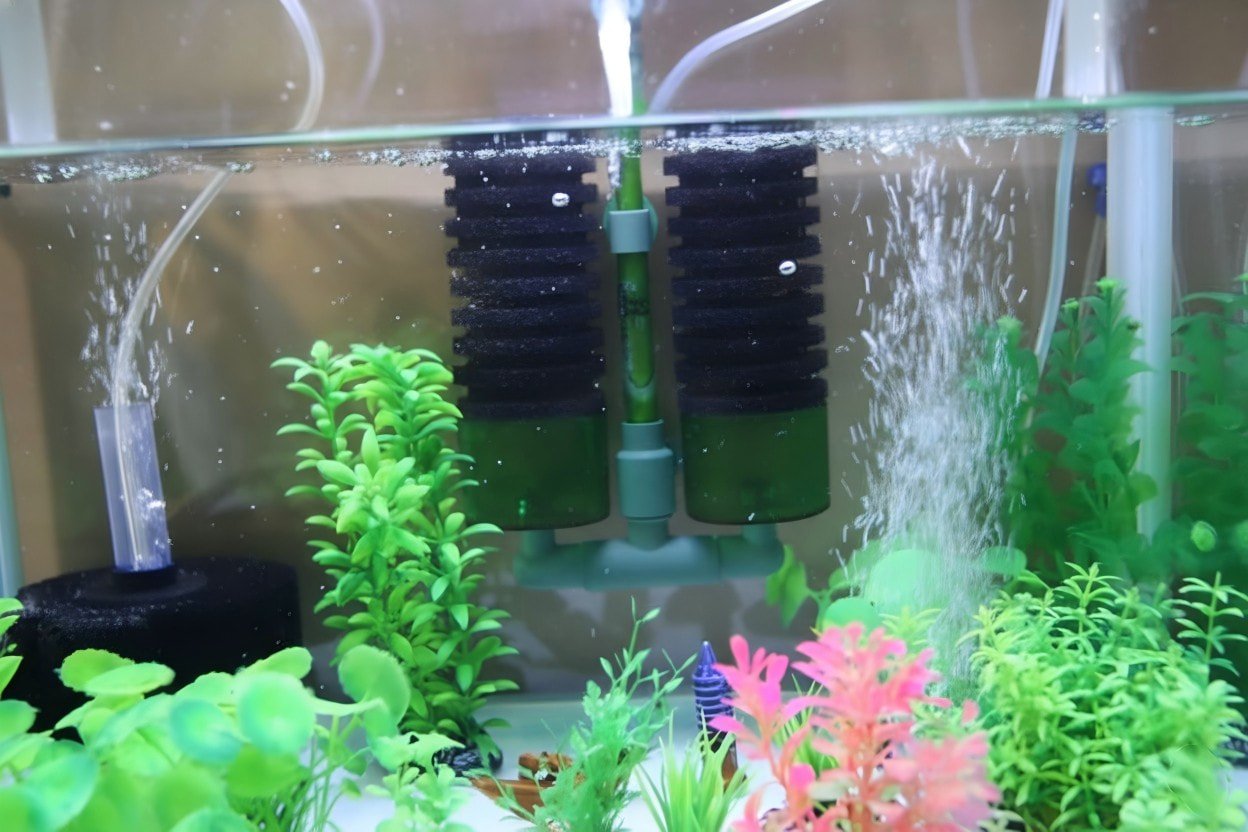
You want clean water for your fish and plants. The aquarium filter sponge helps you reach this goal. It cleans water softly, so fry and shrimp are safe. The aquarium filter sponge helps good bacteria grow. This keeps the water clear. You can clean and use the aquarium filter sponge again. Many people pick the aquarium filter sponge because it is cheap. It also works well in hospital tanks.
The aquarium filter sponge gives steady filtration for sensitive species.
You can count on the aquarium filter sponge to make care easy.
Key Takeaways
Sponge filters give soft filtration. This makes them safe for fry and shrimp in your tank. They do not hurt small or delicate animals.
They do not cost much. You do not need to do a lot of work to keep them running. You only need to change the sponge every six months.
Sponge filters help good bacteria grow. These bacteria break down bad waste. This keeps the water clean for your fish.
It is easy to clean sponge filters. Rinse them in tank water every two to four weeks. This helps them work well.
These filters can be used in many types of tanks. You can use them in breeding tanks or hospital tanks. They work in different setups.
What Is an Aquarium Filter Sponge?
An aquarium filter sponge is a porous material used in fish tank filtration systems to trap debris and support beneficial bacteria growth. It plays a crucial role in maintaining water clarity and quality by physically filtering out waste particles and providing a surface for nitrifying bacteria to colonize.
Design and Components
An aquarium filter sponge has easy parts that help clean your tank. Most have a sponge, a lift tube, and an air pump. The sponge sits on the bottom or side of the tank. The lift tube links the sponge to the air pump. The air pump sends air through the tube. This makes water move through the sponge.
The sponge’s material is very important. You can check the table to see how materials work:
Material Type | Impact on Filtration Performance |
|---|---|
Non-toxic Polyurethane | Catches dirt well and helps good bacteria grow. |
Polyethylene | How well it works depends on its quality. |
Low-quality sponges | Can break down and stop water from moving right. |
Good sponges catch dirt and help bacteria grow. Bad sponges can get blocked and slow water flow.
Tip: Pick a sponge made from safe materials. This keeps your fish safe and helps your filter work better.
How It Works
The sponge filter uses a simple way to clean. Air bubbles from the pump pull water through the sponge. The sponge catches dirt and waste as water moves in. This is called mechanical filtration. The sponge also gives a place for good bacteria to live. These bacteria break down bad chemicals in the water. This is called biological filtration.
Here is how the parts help your tank:
The sponge has holes that catch dirt and waste.
The big surface lets good bacteria grow.
The air pump keeps water moving for cleaning and bacteria.
You can see the two main ways the filter works in this table:
Filtration Type | Description |
|---|---|
Mechanical Filtration | The sponge catches dirt, waste, and other things as water goes through. |
Biological Filtration | Good bacteria live on the sponge and change bad stuff into safer things for your tank. |
This simple filter gives you clean water and a healthy tank.
How Do Sponge Filters Filter Aquarium Water?
Sponge filters clean aquarium water by drawing it through a porous sponge, which captures debris and promotes beneficial bacteria growth. Water is pulled into the sponge via an air pump or powerhead, trapping particles and providing a surface for bacteria that break down harmful compounds.

Gentle Filtration Explained
You want your fish and plants to stay safe. Sponge filters move water gently in the tank. An air pump pulls water through the sponge. The sponge has many tiny holes. These holes slow down the water. This keeps fry and shrimp from getting hurt. Gentle filtration does not make strong water movement. Sensitive fish can swim and eat without worry.
Sponge filters use an air pump to move water through the sponge.
This design helps protect small and gentle aquatic animals.
They clean the water and give good bacteria a place to live.
Sponge filters make a soft current that does not bother sensitive fish.
The gentle flow helps keep the tank balanced.
You can set up a sponge filter by doing these steps:
Take the sponge filter apart and pull out the plastic strainer.
Remove the bullseye from the strainer and put an airstone at the bottom.
Put the bullseye back on the strainer and put it back in the foam.
Attach the lift tube to the top of the bullseye.
Put the sponge filter in the tank and squeeze out the air.
This setup gives you gentle filtration. It keeps your tank calm and clean.
Biological Filtration Benefits
Sponge filters do more than catch dirt. They help good bacteria grow on the sponge. These bacteria break down harmful waste. Fish make ammonia, which is bad for them. Good bacteria turn ammonia into nitrite. Then, they turn nitrite into nitrate. Nitrate is safer for your tank.
“The study shows sponge filters can catch very small particles. It also says the Mediterranean bath sponge Spongia officinalis is good for checking how well filtration works and the health of the water.”
You can see how sponge filters help water quality in this table:
Parameter | Description |
|---|---|
Ammonia (NH₃) | Fish make this toxic waste. It must be changed to something safer. |
Nitrite (NO₂) | Bacteria turn ammonia into nitrite. Nitrite is also toxic and needs to change to nitrate. |
Nitrate (NO₃) | Nitrate is less harmful. Plants can use it, but too much can cause algae. |
Sponge Filters | Give good bacteria a home. These bacteria change ammonia to nitrite and then to nitrate. |
Sponge filters help good bacteria grow. They keep your aquarium water safe and healthy.
What Are the Advantages of Sponge Filters?
Sponge filters offer several key advantages for aquarium enthusiasts: they provide efficient biological filtration, are economical, and ensure gentle water flow suitable for delicate species.

Low Maintenance
You want a filter that makes tank care simple. Sponge filters give you this advantage. You can clean them easily. You only need to rinse the sponge in aquarium water. This keeps good bacteria alive. You do not need to buy special cleaning tools. You can check the sponge during regular tank maintenance. If the sponge looks dirty or changes shape, you can replace it. Most aquarium owners clean sponge filters every two weeks. This schedule keeps your water clear and your fish healthy.
Tip: Always rinse your sponge filter in tank water, not tap water. This protects the helpful bacteria that keep your aquarium safe.
Sponge filters need little attention. You do not have to replace them often. You can use them for up to three years in a freshwater tank. Their simple design means fewer parts to break or clog. You can alternate cleaning if you use more than one sponge filter. This helps keep bacteria in your tank.
Inspect sponge filters during regular tank cleaning.
Rinse gently to avoid losing good bacteria.
Replace only when the sponge cannot be cleaned or loses its shape.
Cost-Effective Solution
You want to save money while keeping your aquarium healthy. Sponge filters help you do this. They cost less than other filters. You only need to replace the sponge every six months. Each replacement costs just over a dollar. Other filters, like carbon filters, need new cartridges every month. These cartridges cost several dollars each time. Sponge filters do not need extra parts or chemicals.
Sponge filters also save you time. You do not need to spend hours on maintenance. You can set them up quickly. You do not need special skills. Their low price makes them a smart choice for beginners and experts.
Filter Type | Initial Cost | Yearly Replacement Cost | Maintenance Time | Suitability for Beginners |
|---|---|---|---|---|
Sponge Filters | Low | Very Low | Minimal | Excellent |
Carbon Filters | Medium | High | Moderate | Good |
Canister Filters | High | Medium | High | Fair |
Sponge filters work well in tanks with high ammonia levels. They support good bacteria. You get effective filtration and save money.
Ideal for Fry and Shrimp Tanks
You want to protect small and sensitive creatures. Sponge filters give gentle filtration. They do not create strong currents. Fry and shrimp can swim safely. Sponge filters do not suck up or harm tiny fish. You can use them in breeding tanks. Many breeders trust sponge filters for fry tanks. They keep the water clean and safe.
Sponge filters also work well in hospital tanks. You can seed them with bacteria easily. They give great oxygenation. You do not need to worry about strong water movement. Sponge filters are fry-safe and shrimp-safe. You can use them in small tanks or large ponds.
Sponge filters do not harm fry or shrimp.
They provide soft water flow.
You can use them in hospital tanks for sick or new fish.
They work in many tank sizes.
Note: Sponge filters are popular because they last long, work in many setups, and cost less. You can rely on them for durability and safety.
Sponge filters help you care for sensitive species. You can use them in breeding, hospital, and display tanks. Their gentle action and easy cleaning make them a top choice.
How Do Sponge Filters Compare to Other Aquarium Filters?
Sponge filters offer unique advantages such as gentle water filtration and biological filtration, making them ideal for breeding tanks and fry tanks. Unlike other filters, they do not create strong currents, ensuring a safe environment for delicate aquatic life.

Comparison Table
You want the best filter for your tank. The table below shows how sponge filters are different from hang-on-back and canister filters. You can see how often you clean them, what kind of filtration they use, and how much they cost.
Filter Type | Filtration Strength | Cleaning Frequency | Cost | Water Flow | Suitability for Sensitive Species |
|---|---|---|---|---|---|
Sponge Filters | Biological & Mechanical | Low | Gentle | Excellent | |
Hang-on-Back | Mechanical & Chemical | Monthly | Medium | Moderate | Fair |
Canister | Mechanical, Chemical, Biological | Every 4-5 months | High | Strong | Good |
Sponge filters are great at biological filtration. Tests show sponge filters can do better at this than hang-on-back filters. You get a soft water flow that keeps fry and shrimp safe.
Pros and Cons
You want to know what is good and bad about each filter. Here is a list to help you pick:
Sponge Filters
Give great biological filtration for healthy water.
Make gentle water flow for sensitive fish and shrimp.
Cost less and are easy to take care of.
Cleaning is quick and simple for tank owners.
Work as both biological and mechanical filters.
Help lower waste and improve the nitrogen cycle.
Can be used before other filters to help them last longer.
Lower pollution by filtering out tiny algae and waste.
Hang-on-Back Filters
Give medium water flow and good mechanical filtration.
Need cleaning and new cartridges every month.
Cost more over time because you buy more parts.
May not keep small or sensitive fish as safe as sponge filters.
Canister Filters
Give strong filtration for big tanks.
Need cleaning every 4-5 months, which takes longer.
Cost the most and have lots of parts to clean.
Make strong currents that can bother delicate fish.
Tip: If you want a filter that is easy to clean, gentle for your fish, and saves money, sponge filters are a smart pick. You can use them alone or with other filters for extra help.
Sponge filters are good because they work well, cost less, and need little care. Picking the right filter helps your tank stay safe and healthy.
How Should You Maintain a Sponge Filter?
To maintain a sponge filter, regularly clean it by first removing the sponge from the filter unit, rinsing it gently in dechlorinated water to preserve beneficial bacteria, and then reassembling it. Cleaning should be done every 2-4 weeks, depending on the tank size and bioload.

Cleaning Steps
You want your aquarium to stay clean and healthy. Regular cleaning helps sponge filters work well. Start by unplugging the air pump and removing the filter from the tank. Squeeze the sponge in old tank water. This step keeps the helpful bacteria alive. You should clean the sponge every two to four weeks. If you keep shrimp, stick to a two-week schedule. Avoid using tap water because it can harm the bacteria.
Here is a table with best practices for sponge filter maintenance in tanks with high bioload:
Maintenance Tip | Frequency | Notes |
|---|---|---|
Clean pre-filter sponges | Every 1-2 weeks | Use old tank water to protect beneficial bacteria. |
Clean biological media | Every 3-6 months | Only clean if clogged; gentle swishing is enough. |
Inspect internal media | Monthly | Do not replace all media at once to preserve bacteria colonies. |
You do not need to replace sponge filters often. Many users say you should only replace them when they fall apart. Most sponges last much longer than six months. Manufacturers may suggest changing them more often, but this is not always needed.
Tip: Always use water from your aquarium for cleaning. This keeps your filter working and your fish safe.
Positioning for Best Results
Proper sponge filter setup helps your tank stay clean. The placement of sponge filters affects water flow and surface movement. Good positioning prevents dead zones and spreads oxygen and debris evenly. If you put the filter in a back corner, the current slows down in the front. This can cause debris to pile up. Instead, aim the uplift tube toward the middle of the front wall. This pushes water across the surface, hits the front wall, and moves down. You get better circulation and cleaner water.
Place sponge filters where water can move freely.
Adjust the uplift tube to direct flow toward the center.
Check for areas where debris collects and move the filter if needed.
You can use more than one filter in large tanks. This helps keep water moving everywhere. Good positioning makes sponge filters more effective and keeps your aquarium healthy.
You can count on an aquarium filter sponge to keep your tank safe. Many people pick sponge filters for good reasons. The table shows why aquarists like them:
Advantage | Description |
|---|---|
High Effectiveness | Removes more than 97% of waste, oils, and plastics from water. |
Durability | Works well even after many times being cleaned. |
Gentle Filtration | Keeps fry and shrimp safe from strong water movement. |
Easy Maintenance | Very easy to clean and lasts a long time. |
“Good sponge filters are best for shrimp tanks, especially when shrimp are breeding. They make a soft current and stop baby shrimp from being sucked in, which other filters can do.”
If you want to know how to care for a sponge filter, follow these steps: 1. Clean the sponge in a bag with tank water. 2. Take out all the parts before you rinse them. 3. Squeeze the sponge until the water is clear. 4. Rinse the other parts if they need it.
Sponge filters help you keep your aquarium water safe and clean.
FAQ
How often should you clean a sponge filter?
Clean your sponge filter every two to four weeks. If water moves slower or the sponge looks dirty, clean it sooner. Always use old tank water to keep good bacteria safe.
Can you use a sponge filter in saltwater tanks?
Yes, you can use a sponge filter in saltwater tanks. You should rinse it more often because saltwater tanks get more debris. Sponge filters are good for quarantine and breeding tanks in both freshwater and saltwater.
Do sponge filters remove chemicals from the water?
Sponge filters do not take out chemicals like chlorine or medicine. They only do mechanical and biological filtration. If you need to remove chemicals, use activated carbon or a chemical filter with your sponge filter.
Can you run more than one sponge filter in a tank?
You can use more than one sponge filter in a tank. This helps water move and stay clean, especially in big tanks. Put each filter in a different spot to stop dead zones and help water flow.