
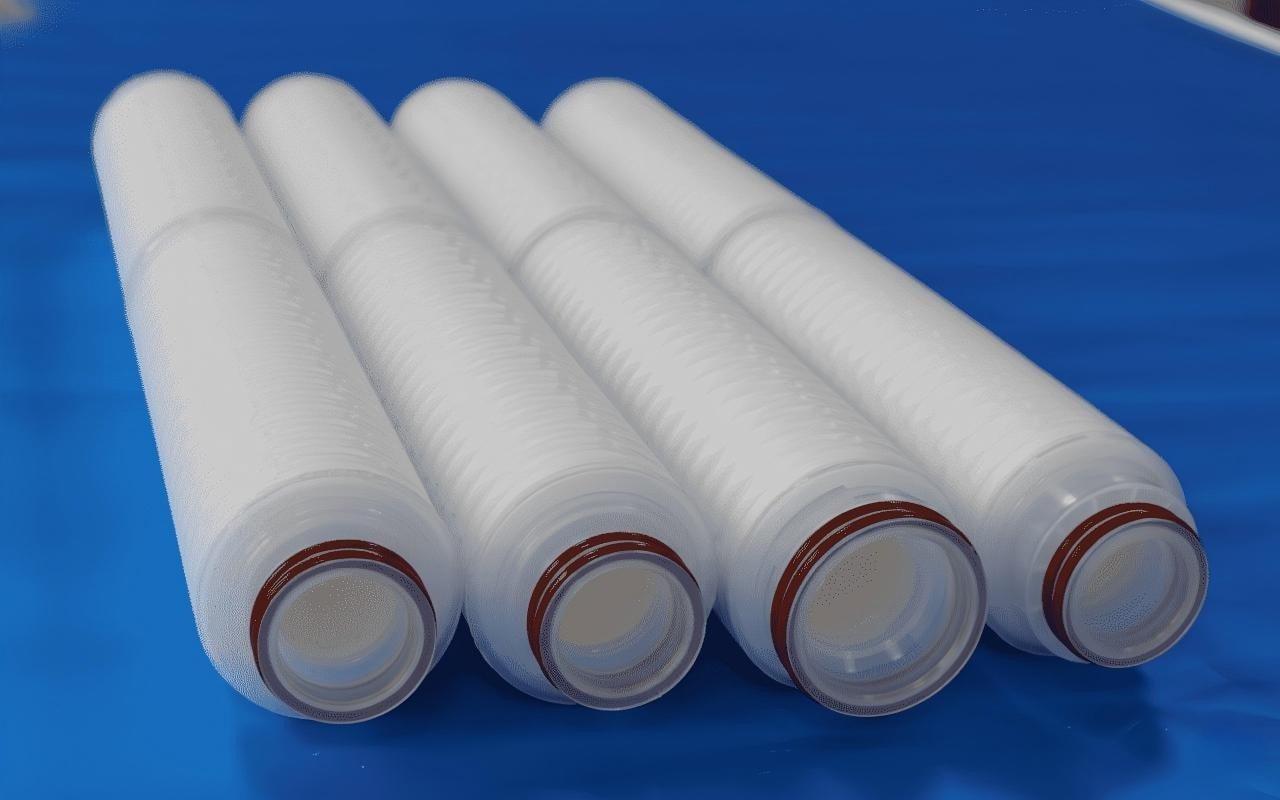
Are you asking if you need a Biochemical Filter Sponge in your tank? Your answer may depend on your tank setup. It also depends on the fish you have. Think about how much time you want to spend cleaning. Many people choose this filter because it is easy to use. It does not need to be cleaned all the time. Some people think about their money or special needs first. If you want something simple, this filter might be good for you.
Easier to take care of if you are busy
Needs cleaning less often than other filters
Your choice depends on what you need and your budget
Key Takeaways
A biochemical filter sponge gives three kinds of filtration: mechanical, biological, and aeration. This makes it a good choice for many aquariums.
This filter is simple to take care of. You only need to clean it once a month. This saves you time and work when caring for your tank.
Sponge filters make the water move gently. This is good for delicate fish and shrimp. It helps keep them safe and comfortable.
Think about your tank size and fish type before picking a sponge filter. It works best in small or medium tanks with not too many fish.
Using a sponge filter with another filter can make the water even cleaner. This is helpful in big tanks or tanks with lots of fish.
What Is a Biochemical Filter Sponge and What Is It Used For?
A biochemical filter sponge is a porous material used in aquariums to house beneficial bacteria. These bacteria break down harmful substances like ammonia and nitrites, thus maintaining a healthy environment for aquatic life.
Main Features
A biochemical filter sponge is a special type of filter you can use in your aquarium. You might hear people call it a biochemical sponge filter or just a sponge filter. This filter helps keep your tank clean and safe for your fish. It does three main jobs at once: it catches dirt, grows helpful bacteria, and adds air to the water.
Here’s what makes it stand out:
You get three types of filtration in one device: mechanical, biological, and aeration.
It works with an air pump or water pump, so you don’t need anything fancy.
The sponge is soft and safe for small or delicate fish.
You can use it in many types of tanks, like breeding tanks or shrimp tanks.
Let’s look at what each type of filtration does:
Type of Filtration | Function |
|---|---|
Removes solid debris such as uneaten fish food and fish waste from the water. | |
Biological Filtration | Utilizes bacteria to break down harmful substances like ammonia and nitrite into less toxic nitrate. |
Aeration | Adds oxygen to the water, which helps your fish breathe and keeps the tank healthy. |
How It Works
You might wonder how this filter actually cleans your aquarium. The process is simple and easy to follow:
Rising bubbles create suction through the sponge.
The sponge traps debris and dirt from the water.
Water passes through the sponge, where helpful bacteria live and break down waste.
Clean, oxygen-rich water goes back into your tank.
Tip: You don’t need to worry about strong water flow. The sponge filter is gentle, so it won’t bother your fish or shrimp.
A biochemical filter sponge gives you a simple way to keep your aquarium water clear and healthy. If you want something easy to use and safe for your fish, this filter could be a great choice.
How Does a Biochemical Sponge Filter Actually Work?
A biochemical sponge filter operates by using a porous material to mechanically trap debris while also providing a large surface area for beneficial bacteria to colonize, aiding in biological filtration. This dual action supports clean and healthy aquatic environments efficiently.

Air and Water Pump Operation
When you set up a sponge filter in your aquarium, you connect it to an air pump. The air pump pushes bubbles through a tube and into the bottom of the filter. As the bubbles rise, they pull water up with them. This movement creates a gentle flow that draws water through the sponge. The lift tube helps focus the force of the bubbles, so water moves smoothly through the filter. If you leave out the lift tube, water might just go back into the sponge without getting cleaned well.
Here’s what happens step by step:
The air pump sends bubbles into the bottom of the sponge filter.
The bubbles rise and create a water column inside the lift tube.
Water gets pulled through the sponge, trapping dirt and debris.
Clean water flows back into your tank.
Tip: The gentle flow from a biochemical filter sponge keeps your fish safe and calm, especially if you have small or delicate species.
Cultivating Beneficial Bacteria
The sponge filter does more than just catch dirt. The sponge has lots of tiny holes, which give bacteria a place to live. These bacteria are very important for biological filtration. They help break down fish waste and leftover food. When fish release ammonia, the bacteria change it into nitrite and then into nitrate, which is much safer for your fish.
You can see how this works:
The sponge traps big particles, like leftover food.
The porous sponge gives bacteria a home.
Nitrifying bacteria turn harmful ammonia into less harmful nitrites and nitrates.
This process keeps your aquarium water healthy and safe.
If you want a simple way to keep your tank clean, a biochemical filter sponge is a great choice. It uses both mechanical and biological filtration to protect your fish and make maintenance easy.
What Are the Advantages of Using a Biochemical Sponge Filter?
Biochemical sponge filters are advantageous due to their dual filtration capacity, cost-effectiveness, and easy maintenance. They provide both mechanical and biological filtration, efficiently removing debris and promoting beneficial bacteria growth, essential for a balanced aquatic ecosystem.

Biological Filtration Benefits
You want your fish to stay healthy and happy. A sponge filter helps you do that by giving bacteria a place to live and grow. These bacteria break down harmful waste like ammonia and nitrite. This keeps your water clean and safe. You also get less stress for your fish, which means they live longer and look better.
Here’s what you get with a sponge filter:
Cleaner water because bacteria break down waste.
Less stress for your fish, so they stay healthy.
A stable home for good bacteria, which keeps your water safe.
The sponge has lots of tiny holes, so bacteria have plenty of space to grow.
Bacteria turn ammonia into nitrite, then into nitrate. You still need to change water sometimes, but it’s much safer for your fish.
If you look at how many fish each filter can support, you’ll see sponge filters do a great job:
Filter Media | Fish Supported (5-inch) |
|---|---|
Foam | 35 |
Static K1 media | 20 |
Ceramic rings, Matrix | 4 |

Mechanical and Aeration Functions
A sponge filter does more than just help bacteria. It also catches dirt and leftover food before they can rot. The sponge acts like a net, grabbing debris and keeping your water clear. At the same time, the air pump pushes bubbles through the filter. These bubbles help mix oxygen into the water, so your fish can breathe easily.
Tip: You get both clean water and good airflow with one simple device.
Here’s how it works:
Step | Description |
|---|---|
1 | The air pump pushes air through the air stone. |
2 | Rising bubbles create suction through the sponge. |
3 | Sponge filters debris (mechanical filtration). |
4 | Water passes through ceramic media (biological filtration). |
5 | Clean, oxygen-rich water rises back into the tank. |
Quiet and Easy Maintenance
You don’t want a noisy filter in your room. A sponge filter runs quietly, so you can enjoy your aquarium without loud sounds. You also save time on cleaning. The filter keeps your water clean, so you don’t need to change water as often. You just squeeze the sponge in old tank water every few weeks. That’s it!
Better water quality means less work for you.
You lower the risk of problems like high nitrite levels.
You spend less time on maintenance and more time enjoying your fish.
Note: Many people love sponge filters because they are simple, quiet, and easy to clean.
What Are the Disadvantages or Limitations of Sponge Filters?
Sponge filters, while beneficial for biological filtration, have several limitations. They can become clogged easily, reducing water flow and filtration efficiency. Maintenance is frequent to prevent clogging. Additionally, sponge filters provide limited mechanical filtration, mainly handling small debris, and they lack chemical filtration capabilities.

Limited Biological Capacity vs. Ceramic Media
You might think a sponge filter can do everything. It does a lot, but it has some limits. When you compare it to ceramic media, you see some differences. Many people say ceramic rings have more surface area for bacteria. This sounds great, but those rings can clog up fast. You may need to replace them every few months. That means their power to clean water drops over time.
A sponge filter gives you steady performance. It does not clog as quickly as ceramic rings. Still, it may not hold as many bacteria as you want for a big tank. If you have a lot of fish or a large aquarium, you might need more than one sponge filter or a different type of filter.
Note: Sponge filters work best in small to medium tanks with light to moderate fish loads.
Frequent Cleaning Needed
You will need to clean your sponge filter. It traps a lot of dirt and leftover food. Most people clean their sponge filter about once a month. This is not hard, but you should not forget. If you skip cleaning, the filter can get blocked. Water will not flow well, and your tank can get dirty.
Here’s a quick look at cleaning needs:
Filter Type | Cleaning Frequency |
|---|---|
Sponge Filter | About once a month |
Other Filters | Varies (can be more or less) |
You just squeeze the sponge in old tank water. That keeps the good bacteria safe.
Not for All Tank Sizes
A sponge filter does not fit every tank. If you have a very large aquarium, one sponge filter may not be enough. You may need a bigger filter or more than one sponge filter. Some people use them in breeding tanks, shrimp tanks, or small community tanks. If you keep big fish or have a lot of fish, you may want to look at other options.
Tip: Always match your filter to your tank size and the number of fish you keep.
A biochemical filter sponge gives you many benefits, but you need to know its limits. Think about your tank size, your fish, and how much cleaning you want to do before you choose a sponge filter.
Do You Really Need a Biochemical Filter Sponge for Your Aquarium?
A biochemical filter sponge is essential for maintaining a healthy aquarium environment. It provides mechanical filtration by trapping debris and biological filtration by hosting beneficial bacteria that break down harmful ammonia and nitrites. This dual action helps in stabilizing water quality and supporting aquatic life.

Tank Size and Fish Type
You want your fish to thrive, so you need to match your filter to your tank and your fish. Start by looking at your aquarium size. A small tank, like a 10-gallon or a shrimp tank, works well with a sponge filter. If you have a big tank or lots of fish, you might need more than one filter or a different type.
Think about your fish, too. Some fish like gentle water flow. Others need strong currents. A sponge filter gives a soft flow, which is perfect for baby fish, shrimp, or slow swimmers. If you keep big, messy fish, you may need a stronger filter.
Here are some things to check before you pick a sponge filter setup:
Tank size: Make sure your filter can handle all the water.
Bioload: More fish means more waste. You need a filter that can keep up.
Sponge pore size: Small pores catch more dirt but need more cleaning.
Water flow rate: Match the flow to your fish’s needs.
Extra features: Some filters let you adjust the air flow.
Tip: If you keep delicate fish or want to breed fish, a sponge filter is a safe choice.
Comparing to Other Filter Media
You have a lot of filter options. How does a sponge filter compare to other types? Let’s look at some common choices.
Pore Size (μm) | Best For | Notes | |
|---|---|---|---|
Sponge Filter | Various | Small fish, shrimp, fry | Gentle flow, easy to clean |
Ceramic Media | 1.0–5.0 | Large tanks, heavy bioload | High surface area, can clog |
Glass Fiber | 0.45 | Common carp, general use | Fine filtration, may need frequent changes |
Nylon | Various | Many species | Durable, reusable |
Polyethersulfone | Various | Many species | Good for specialty tanks |
A sponge filter stands out for its simple design and gentle flow. Ceramic rings and glass fiber filters can handle more waste in big tanks, but they clog faster and need more work. If you want a filter that is easy to use and safe for small fish, a sponge filter is a great pick.
Note: Some filters, like ceramic media, support more bacteria but need more cleaning and can lose power if clogged.
Maintenance Preferences
You should think about how much time you want to spend on tank care. A sponge filter is easy to clean. You just squeeze it in old tank water every few weeks. This keeps the good bacteria alive and your water clear.
You need to clean them, but not too much. Too much cleaning can hurt the bacteria.
If you want a filter that is simple and does not need a lot of work, a sponge filter is a smart choice.
If you like low-maintenance tanks, you will enjoy using a sponge filter. If you want the highest water clarity or have a lot of fish, you might want to add another filter.
So, do you really need a biochemical filter sponge? If you have a small or medium aquarium, gentle fish, or want easy care, you will love this filter. If you have a big tank or messy fish, you may need to combine it with other filters. Always match your filter to your tank, your fish, and your own style.
How Do You Choose and Properly Use a Biochemical Sponge Filter?
To choose a biochemical sponge filter, consider the tank size and type of aquatic life. Ensure the filter is appropriately sized for your tank’s volume and bioload. Proper use involves positioning the filter to maximize water circulation, regularly cleaning the sponge, and maintaining a consistent water flow.

Selecting the Right Sponge
You want your aquarium to stay clean and healthy. Picking the right sponge filter makes a big difference. Look at the size of your tank first. Small tanks need a smaller sponge. Large tanks need a bigger one or maybe more than one. Check the pore size on the sponge. Fine pores trap tiny dirt but need more cleaning. Coarse pores let water flow faster and clog less often. Think about your fish. Delicate fish and baby fish like gentle water flow. If you have big fish, choose a sturdy sponge.
Here’s a quick table to help you decide:
Tank Size | Sponge Size | Pore Type | Best For |
|---|---|---|---|
Under 10 gal | Small | Fine | Shrimp, fry |
10–30 gal | Medium | Medium | Community fish |
Over 30 gal | Large | Coarse | Big fish |
Tip: Always check the sponge filter components before buying. Make sure you get all the parts you need.
Installation Tips
Setting up your sponge filter is easy if you follow the right steps. Here’s what you should do:
Take apart the sponge filter and check for missing pieces.
Swap the bullseye for an airstone and connect it with airline tubing.
Put the strainer into the foam and secure it with the weighted base.
Attach the lift tube to the bullseye.
Place the sponge filter in your aquarium and squeeze out any trapped air bubbles.
Connect the air pump to the filter using tubing cut to the right length.
Add a check valve to stop water from flowing backward if the pump turns off.
Make a drip loop in the power cable and turn on the air pump.
Note: Removing air bubbles helps your filter work better right away.
Cleaning and Replacement
You need to clean your sponge filter to keep it working well. Squeeze the sponge in old tank water every few weeks. This keeps the good bacteria alive. Never use tap water because it can kill helpful bacteria. If the sponge starts to fall apart or gets too dirty, replace it with a new one. Always check the sponge filter components when you clean or swap parts.
Cleaning your filter keeps your aquarium safe for your fish.
User Experiences

Success Stories
You might wonder if a sponge filter really makes a difference. Many aquarium owners say yes! People love how easy it is to set up and clean. You just drop it in, connect the air pump, and you are ready to go. The gentle water movement keeps your small fish and shrimp safe. You do not have to worry about strong currents hurting delicate fins.
Some users say their tanks stay much quieter. You can enjoy your fish without a loud buzzing sound in the background. Many also mention that sponge filters save money because you do not need to buy new cartridges all the time.
You will see the biggest improvements in certain tanks:
Betta bowls or tanks. Your betta will not get its fins torn, and the water stays clean.
Breeding setups. Breeders, even those with expensive discus, trust sponge filters for safe, healthy fry.
“My betta is so much happier now. The water is clear, and I do not worry about his fins anymore!”
Common Issues
You may run into a few problems, but most have simple fixes. Here are some common issues and what you can do:
Air lock or loss of priming? Tilt or rock the filter to let out trapped air.
Motor or impeller not working? Take out the impeller and check for dirt or if it is out of place.
Weak water flow? Look for blocked intake or output valves.
Power problems? Make sure plugs are tight and replace any blown fuses.
Clogs? Rinse the sponge in old tank water and clean the tubing.
Broken parts? Order new impeller or motor parts if needed.
Most users find that a little cleaning and checking keeps their filter running smoothly. You can keep your tank healthy and your fish happy with just a few simple steps.
You’ve seen that a biochemical sponge filter brings lots of benefits, but it’s not perfect for every tank. Here’s a quick look:
Cons of sponge filtration | |
|---|---|
Mechanical and biological filtration, gentle flow, boosts oxygen, works in small tanks | Limited chemical filtration, not much space for extra media |
If you want easy setup and simple care, sponge filters work well. For bigger tanks or special needs, you might need more. Always check your tank size, fish type, and how much time you want to spend on maintenance. Try pairing a sponge filter with another filter for extra safety. 🐟
FAQ
How often should you clean a sponge filter?
You should clean your sponge filter every 2 to 4 weeks. Squeeze it in old tank water. This keeps good bacteria safe and your filter working well.
Can you use a sponge filter with other filters?
Yes, you can! Many people use sponge filters with hang-on-back or canister filters. This gives your tank extra cleaning power and keeps water clear.
Will a sponge filter work in a planted tank?
A sponge filter works well in planted tanks. It gives gentle water flow and adds oxygen. Your plants and fish both stay healthy.
Do sponge filters remove ammonia?
Sponge filters do not remove ammonia directly. They give bacteria a place to live. These bacteria break down ammonia and keep your water safe.