
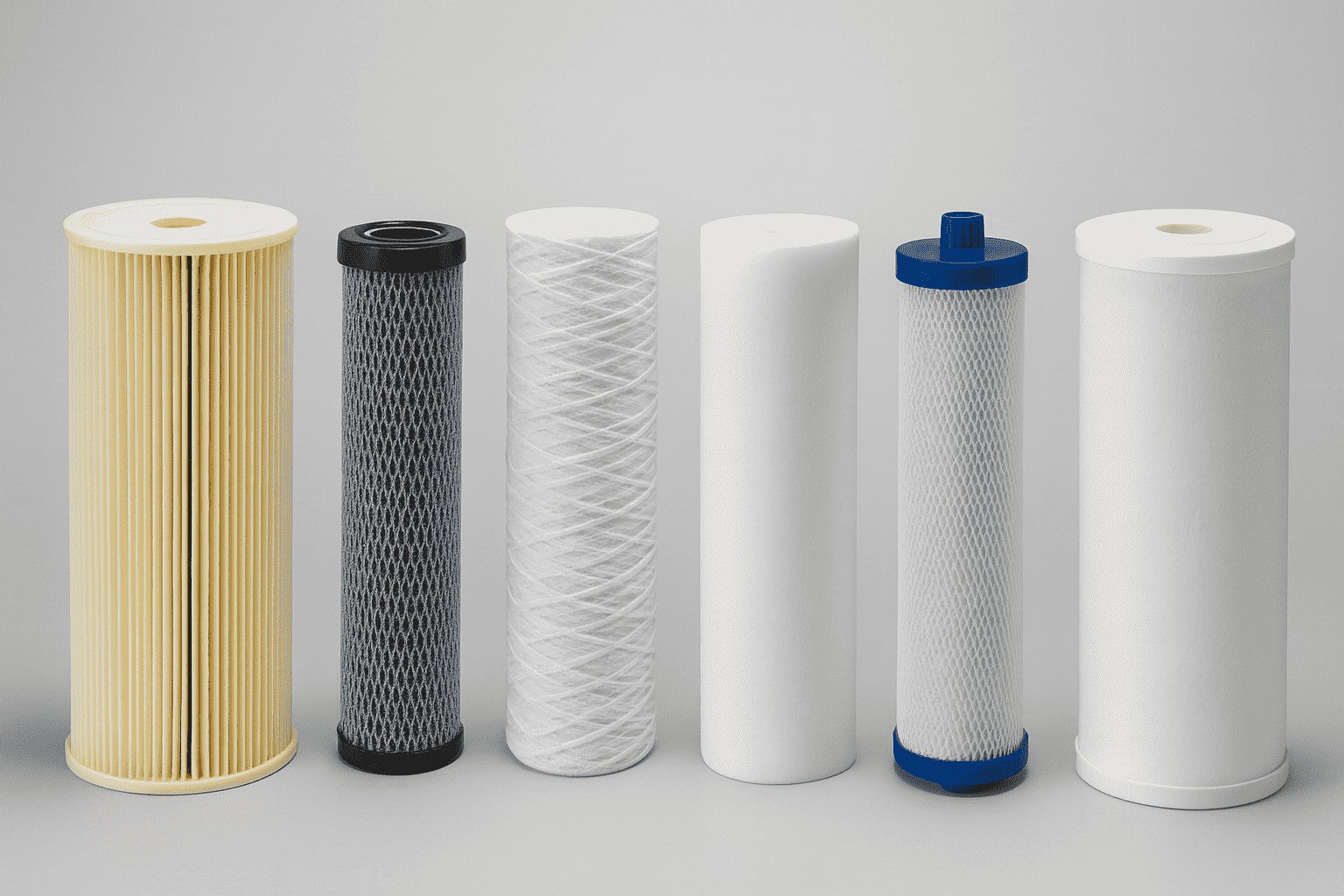
A Resin Filter Cartridge helps take out bad ions from water. It uses a process called ion exchange. The resin beads inside the cartridge trade minerals like calcium and magnesium for safe ions like sodium or hydrogen. You get softer water that is better for cleaning and tastes better to drink. This cartridge makes water better and lowers hardness, so daily tasks are easier.
Key Takeaways
A Resin Filter Cartridge takes out hard minerals from water. It uses ion exchange to do this job. It removes things like calcium and magnesium. This makes the water softer and safer to use every day.
You need to take care of the cartridge often. Change the cartridge every 3 to 6 months. This helps keep your water clean. It also helps the filter work its best.
Resin cartridges can also take out bad metals. They remove things like lead and mercury. This makes the water better for drinking and cleaning.
Using a resin filter with a reverse osmosis system makes water even cleaner. It also keeps the RO membrane safe from harm.
Always look for certifications on your filter. This helps you know it is safe for drinking water.
How Does the Resin Filter Cartridge Process Work?
The resin filter cartridge process works by using ion exchange resins to remove impurities from water or other liquids. The cartridge contains resin beads that attract and bind unwanted ions, such as calcium and magnesium. This process softens and purifies the liquid, making it suitable for various applications.
Ion Exchange Basics
When you use a Resin Filter Cartridge, it uses ion exchange. This process helps take out minerals you do not want in your water. Here is what happens:
Water has ions, which are tiny charged pieces. Some ions, like calcium and magnesium, make water hard.
When water goes through the Resin Filter Cartridge, the resin beads act like magnets. They pull in and hold these unwanted ions.
The resin beads then trade the hard minerals for safer ions, like sodium or hydrogen. This makes your water softer and better for daily things.
Tip: Ion exchange does more than just remove minerals. It also puts in ions that are safer for your pipes and machines.
Inside the Cartridge
The main part of the Resin Filter Cartridge is the resin bed. This bed has millions of tiny beads. Each bead holds special ions to swap with the minerals in your water.
When hard water comes into the cartridge, the calcium and magnesium ions stick to the resin beads.
The beads let go of sodium or hydrogen ions into the water.
This swap keeps going as long as the resin has enough sodium or hydrogen ions left.
You can recharge the resin by washing it with salty water. This pushes the calcium and magnesium off the beads and puts in new sodium ions. Your Resin Filter Cartridge can then keep making your water soft.
Cation and Anion Resins
A Resin Filter Cartridge can have two kinds of resin: cation and anion. Each kind takes out different things.
Cation resins remove ions with a positive charge, like calcium and magnesium. These are the main things that make water hard. Anion resins pull out ions with a negative charge, like chloride or sulfate.
Some cartridges only use cation resin to soften water. Others, called deionization cartridges, use both cation and anion resins. These special cartridges can take out almost all ions from your water. You get very pure water, which is needed for labs or making electronics.
Note: Deionization cartridges can make water up to 99.9% pure. This very pure water is needed for special jobs, not just for drinking or cleaning.
The cation and anion resins work together to grab and hold minerals until the cartridge needs to be recharged or changed. This teamwork makes the Resin Filter Cartridge great for making your water better.
What Contaminants Can a Resin Filter Cartridge Remove?
A resin filter cartridge effectively removes a range of contaminants, including heavy metals, hardness ions, and certain organic compounds. These filters utilize ion exchange resins to target specific impurities, making water cleaner and safer for consumption.

Hardness Minerals
Tap water often has minerals like calcium and magnesium. These minerals make water hard. Hard water can leave spots on dishes. It can also build up inside pipes. A Resin Filter Cartridge helps remove these minerals. It uses ion exchange to do this. The resin beads catch the calcium and magnesium ions. Then, they trade them for sodium or hydrogen ions. This makes your water softer. It also helps protect your appliances.
Tip: Soft water lets soap clean better. Your clothes and dishes will look cleaner.
Other Ions and Metals
A Resin Filter Cartridge does more than soften water. It can also take out other unwanted ions and metals. It can filter out:
Mercury, nickel, and chromium
Cadmium and copper
Trace metals like sodium, iron, potassium, and calcium (reduces them to very low levels)
The table below shows how well different filters work:
Filter Type | Contaminants Removed | Effectiveness |
|---|---|---|
3M™ Zeta Plus™40Q Series | Na, Fe, K, Ca (trace metals) | |
Heavy Metals Filter Cartridge (KDF) | Lead, Mercury, Cadmium, Copper | Removes up to 99% of water-soluble metals |
Ion-exchange resin | Alkali metals (e.g., sodium ions) |
You can remove a lot of copper and lead with the right resin. You also need to keep the water at the right pH. This helps the filter work better.
Chemical Reactions
The resin beads use chemical reactions to clean water. When water goes through, the beads swap safe ions for harmful ones. This happens fast and keeps working until the resin is full. You can recharge the resin with a salt solution. This pushes out the trapped minerals. Then, the resin is ready to use again.
Note: These chemical reactions help make your water safer to drink and use every day.
How Does a Resin Filter Cartridge Compare to Other Filter Types?
A resin filter cartridge excels in ion exchange, effectively removing specific ions like calcium and magnesium, which cause water hardness. Compared to other filter types, it offers precise ion removal and is ideal for applications requiring soft water, such as in industrial settings or for household water softeners.

Mechanical and Carbon Filters
You may wonder how a Resin Filter Cartridge compares to other filters. Mechanical filters catch dirt and sand. Carbon filters remove chemicals and bad smells. Each filter solves different problems. Resin cartridges do more. They swap minerals and ions that make water hard or unsafe. This gives you softer water and less metal in your water.
Here is a quick look at what makes resin cartridges special compared to other filters:
Benefit | Description |
|---|---|
Filtration Effectiveness | Catches tiny particles deep inside the filter. |
Durability | Works longer and needs fewer changes. |
Cost-Effectiveness | Saves money because you change it less often. |
Low Maintenance | Handles more bad stuff without needing lots of changes. |
Efficiency | Helps factories work better and meet rules. |
Tip: If you want to take out minerals and metals, resin cartridges work better than mechanical or carbon filters.
Reverse Osmosis Integration
You can use a Resin Filter Cartridge with a reverse osmosis system. This gives you cleaner water. The resin cartridge works as a pre-filter. It keeps the RO membrane safe from damage and clogging. You spend less money fixing and cleaning the system.
See how resin cartridges help RO systems:
Feature | Description |
|---|---|
Stops RO membranes from getting clogged. | |
Specialized Filters | Removes particles and keeps water clean. |
Trap Filters | Stops tiny bits from reaching the RO membrane. |
Highly Retentive Filters | Makes RO membranes last longer and lowers cleaning costs. |
Advanced Pre-RO Filters | Takes out solids and organic stuff before water goes to the RO membrane. |
Note: Using resin cartridges with RO systems gives you pure water and saves money on repairs.
Choosing the Right Filter
You need to pick the best filter for your needs. Look for certifications if you use water for food, drinks, or medicine. These show the filter is safe.
Industry | Certification/Standard |
|---|---|
Food and Beverage | FDA and NSF certifications |
Pharmaceutical | USP Class VI and European Pharmacopeia |
Think about what you want to remove from your water. If you need to get rid of minerals, metals, or ions, choose a Resin Filter Cartridge. If you want to remove dirt or chemicals, mechanical or carbon filters may work better.
Tip: Always check the filter’s certifications before you buy. This helps keep your water safe.
Installation and Maintenance

Installing the Cartridge
You can install a resin filter cartridge in your home with a few careful steps. Follow this order for best results:
Close the shut-off valve to stop water flow.
Open the faucet to release pressure.
Loosen the filter housing with your hand or a wrench. Hold it upright to avoid spills.
Remove the old cartridge and housing.
Check the O-rings. Clean them and their grooves. Replace them if needed.
Inspect the old cartridge for dirt or buildup.
Wash the housing with warm soapy water and a brush. Rinse well.
Sanitize the housing with a mild bleach solution.
Reassemble the housing without the cartridge and fill with water. Let the bleach sit for 30 minutes.
Remove the housing again and insert the new cartridge.
Run water through the system for five minutes to flush and activate the filter.
Check for leaks.
Tip: Always check the O-rings and flush the system. This prevents leaks and cloudy water.
Maintenance Tips
You should keep your filter working well with regular care:
Monitor water pressure and flow. A drop may mean the filter is clogged.
Replace cartridges as the manufacturer suggests, usually every 3 to 6 months.
Clean the filter housing and area to stop dirt and germs.
Keep a log of changes and cleanings.
Choose the right flow rate for your system. This keeps filtration strong and saves energy.
Avoid very cold or hot water. Extreme temperatures can damage the filter.
Note: Regular checks help you spot problems early and keep your water safe.
Replacement and Regeneration
You will know it is time to replace or regenerate your cartridge if:
Water looks cloudy or has particles.
You notice strange smells or tastes.
The cartridge looks dirty.
It has been over 6 months since the last change.
To regenerate a spent resin cartridge:
Mix a strong salt solution with water softener salt.
Soak the cartridge in the solution for at least 20 minutes or overnight.
Rinse the cartridge with clean water before use.
Caution: Dispose of used cartridges properly. Old resin can leak harmful metals into soil and water. Always follow local rules for safe disposal.
You can make your water better with a Resin Filter Cartridge. This filter helps you spend less money. It also helps your appliances last longer. Your skin feels softer and your clothes get cleaner. Many people say their water tastes better. They also need fewer repairs at home. If you want to know more about water treatment, look at these resources:
FAQ
How often should you replace a resin filter cartridge?
You should get a new resin filter cartridge every 3 to 6 months. Watch your water for changes in how it looks or flows. If your water gets cloudy or the pressure drops, change the cartridge sooner.
Can you use a resin filter cartridge for drinking water?
Yes, you can use a resin filter cartridge for water you drink. Make sure the cartridge has NSF or FDA approval. This helps keep your water safe and clean.
What happens if you do not regenerate the resin?
If you do not recharge the resin, the beads stop working. Hard minerals will stay in your water. You might see stains, taste changes, or your appliances could get damaged.
Does a resin filter cartridge remove chlorine or bad smells?
No, resin filter cartridges do not take out chlorine or bad smells. You need a carbon filter to remove those things. Resin cartridges are made to remove minerals and metals.
Tip: Use both resin and carbon filters for the best water. 🛠️