
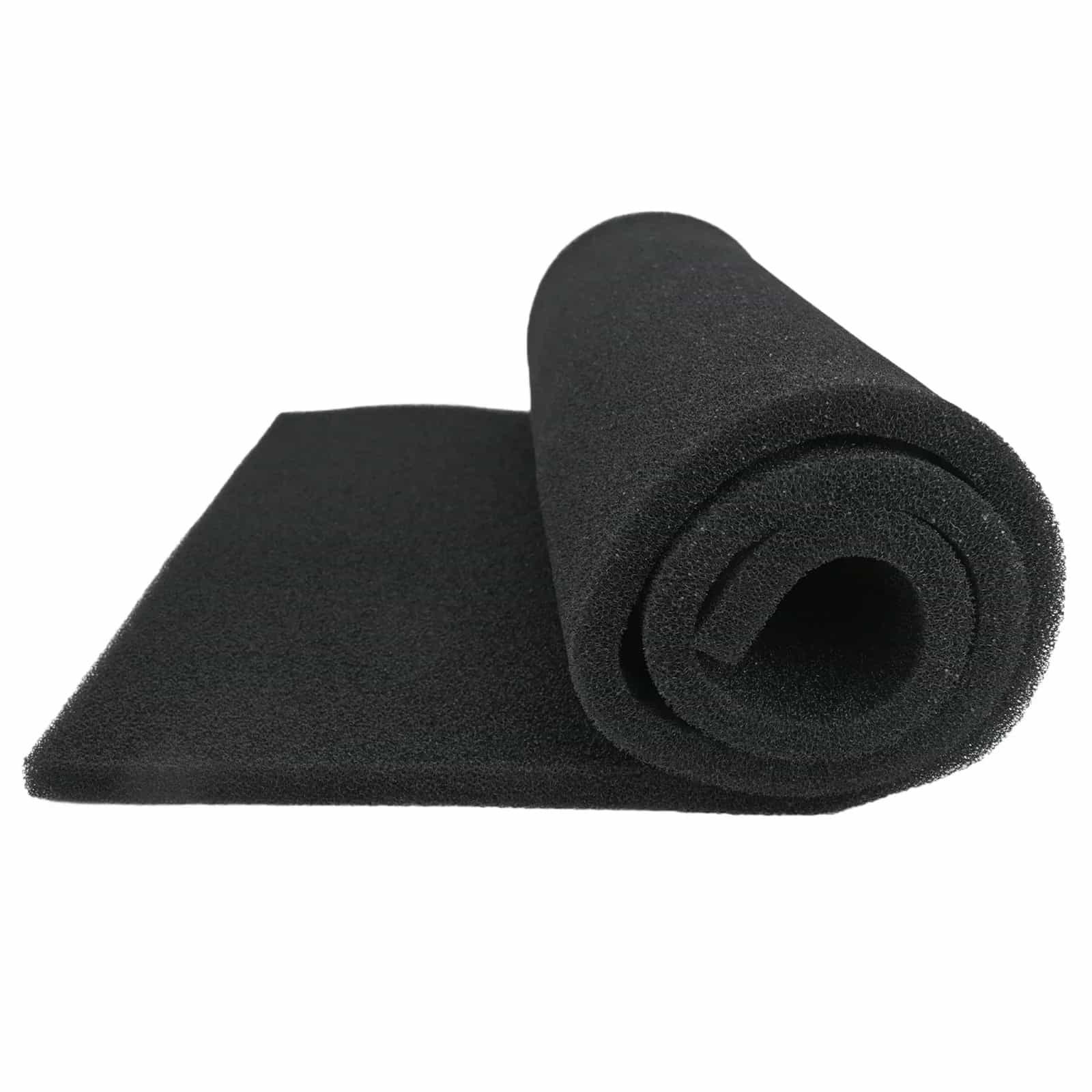
You can use an activated carbon sponge filter to clean air and water. This filter has a sponge that catches big particles. It also has activated carbon that soaks up chemicals and smells. It helps make air cleaner by lowering odors and some bad stuff. It also keeps water clear by taking out some harmful things. Many people like these filters because they are easy to use. They also work in many places. But, you should know these filters do not take out every bad thing. The table below shows some common worries about using this filter:
Concern | Explanation |
|---|---|
Regular Replacement | Filters need to be changed often because they can fill up and stop working well. |
Inability to Remove All Pollutants | They cannot take out every harmful thing, like heavy metals or nitrates. |
Potential for Outgassing | When full, filters might let trapped bad stuff go back into the air or water. |
Key Takeaways
Activated carbon sponge filters help clean air and water. They trap dirt and soak up bad chemicals. Change the filters every 4 to 6 weeks. This keeps them working well and stops bad smells. These filters help good bacteria grow. This makes the water cleaner and safer for fish. Pick the filter that fits what you need. Some are for air, and some are for water. Sponge filters do not cost much and are easy to use. They save you time and money over time.
How Do Activated Carbon Sponge Filters Work?
Activated carbon sponge filters work by using porous carbon material to adsorb impurities from water or air. The activated carbon has a high surface area, allowing it to trap contaminants effectively. This process involves three main steps: adsorption, filtration, and saturation.
Structure Of Activated Carbon Sponge
An activated carbon sponge uses two main materials. The sponge part has many tiny holes. These holes catch big pieces of dirt and debris. The activated carbon part has even smaller holes. These tiny holes help remove chemicals and smells. Activated carbon has a huge surface area. It can be between 500 and 2000 square meters for each gram. This large area helps the filter work well. The holes come in different sizes:
Micropores are smaller than 2 nanometers. They trap tiny things like gases.
Mesopores are between 2 and 50 nanometers. They catch bigger things like dyes and VOCs.
Macropores are bigger than 50 nanometers. They help move dirt to the smaller holes.
The sponge and activated carbon work together. They make a filter that cleans both air and water. The special structure helps remove many kinds of dirt and chemicals.
Property | Value |
|---|---|
Specific Surface Area | |
Mean Pore Size | 2.63 nm |
Contact Angle | ~0° |
Breakpoint Time (10 mg/L) | 2476 min |
Regeneration Efficiency | 92.5% after 2nd regeneration |
Filtration And Adsorption Process
This filter cleans in two ways. The sponge traps big pieces of dirt. This keeps your tank or air space looking clean. The activated carbon cleans in another way. It grabs chemicals and toxins that are dissolved. When water or air goes through, bad stuff sticks to the carbon. This is called adsorption.
Activated carbon has lots of tiny holes. These holes give dirt and chemicals a place to stick. Activated carbon likes to grab organic molecules. It holds onto many harmful things. This gives you cleaner water and fresher air. Using both types of cleaning makes the filter work better.
Evidence Description | Key Points |
|---|---|
Porous Structure | Activated carbon has lots of tiny holes. This makes it better at grabbing dirt and chemicals. |
Adsorption Mechanism | Activated carbon grabs bad stuff as water or air moves through it. |
Chemical Affinity | Activated carbon likes to hold onto organic molecules. This helps it clean better. |
Tip: Change your filters often. This keeps your filter working well.
Biological Filtration Benefits
Sponge filters help in another way too. The sponge gives good bacteria a place to live. These bacteria break down harmful things in the water. Activated carbon also gives bacteria a place to grow. This is called biological filtration. It helps keep your water clean and your tank healthy.
Here is how biological filtration works in your tank:
It helps good bacteria grow and work as a biological filter.
You need to take care of the activated carbon to keep water clean and bacteria healthy.
You get a filter that cleans in three ways. It uses mechanical, chemical, and biological filtration. This helps keep your water safe for fish and other animals.
What Contaminants Can Activated Carbon Sponge Filters Remove?
Activated carbon sponge filters are highly effective at removing a variety of contaminants from water and air. They primarily eliminate organic compounds, chlorine, and odors through adsorption. This process enhances the quality and taste of water and improves air purity by capturing volatile organic compounds (VOCs).

Water Pollutants And Odors
You want clean water in your aquarium. An activated carbon sponge filter helps you do this. It takes out many common water pollutants. These include ammonia, nitrites, chlorine, and some heavy metals. The filter also removes waste from fish and leftover food. This keeps the water clear and safe for fish.
Sometimes, your aquarium smells bad. The filter can get rid of these smells. It traps the smelly molecules in its tiny pores. This makes your aquarium nicer for you and your fish. Many people use these filters at home to clean water.
Here are some things this filter can remove from water:
Ammonia and nitrites from fish waste
Chlorine from tap water
Organic compounds that make water cloudy
Odors from old plants or food
Sponge filters help keep your tank healthy. They support good bacteria that break down harmful chemicals. This keeps your aquarium safe.
Airborne Contaminants And VOCs
You can use an activated carbon sponge to clean air too. The filter removes many things from the air. These include smoke, dust, and VOCs. VOCs are chemicals from paint, cleaners, and furniture. They can make air unhealthy.
The filter traps these things in its pores. You get cleaner air and a better place to live. Studies show these filters can remove 50% to 80% of VOCs. If you heat the filter, it works even better. Some VOCs, like formaldehyde, are harder to remove. Heated filters only take out about 25% to 30% of formaldehyde.
Here are things the filter can remove from air:
Smoke from cooking or cigarettes
Dust particles
VOCs from household products
Odors from pets or trash
You can use these filters at home, work, or in your aquarium room.
Comparison With Other Activated Carbon Filters
You might wonder how this filter compares to others. Each type has its own strengths. Granular activated carbon filters are good for chlorine and VOCs. They do not remove minerals, salts, or some germs. The activated carbon sponge filter has a special structure. It has a large surface area and many tiny pores. This helps it catch more contaminants.
Let’s see how different filters work for air:
Filter Type | Notes | |
|---|---|---|
Activated Carbon Sponge | Good for gases and odors | Traps gases; works better with some types of carbon. |
HEPA Filters | Good for dust | Catches dust well but not gases or odors. |
Coconut Shell Carbon | Not as good for odors | Makes dust; has fewer tiny pores than coal carbon. |
Coal-Based Carbon | Very good for gases | Has more tiny pores; best for air cleaning. |
Activated carbon filters work best for gases and smells. HEPA filters are better for dust but not for odors. Coal-based carbon has more tiny pores, so it is good for air.
One gram of activated carbon can have a huge surface area. It can be up to 1,000 square meters. This gives the filter lots of space to trap bad stuff. You get better results when you pick the right filter. In your aquarium, the activated carbon sponge filter keeps water clean and helps fish stay healthy.
Tip: Pick the filter that fits your needs. For aquariums, use a filter that does mechanical and biological cleaning. For air, choose a filter that removes the main contaminants in your space.
What Are the Key Features of Activated Carbon Sponge Filters?
Activated carbon sponge filters are primarily known for their high adsorption capacity and efficient removal of impurities from air and water. These filters effectively trap pollutants, odors, and chemicals, making them essential for air purifiers and water filtration systems.

Adsorption Capacity And Odor Control
Activated carbon sponge filters help with bad smells. They have lots of tiny holes. These holes catch many harmful things. The filter grabs chemicals and traps them. This makes the air in your room much cleaner. You will notice less smell in your house or business. The filter works well in small and big spaces. It helps keep the air fresh and safe.
Did you know? The many tiny holes in activated carbon sponges help them catch lots of bad stuff in the air. This makes your indoor air much cleaner.
Durability And Cost-Effectiveness
These filters last a long time. You do not need to change them often. This saves you money over time. The filter keeps your tank or air system safe. It blocks harmful things from getting in. You get good value and strong results.
Here is why these filters are a smart pick:
Feature | Benefit |
|---|---|
Long-lasting | You change them less |
Affordable | You save money |
Reliable | Your system stays safe |
Heat Resistance And Maintenance
Activated carbon sponge filters can handle heat. You can use them in many places. Keeping the filter clean is important. Follow these steps to care for your filter:
Clean and change the pre-filter often. This stops dirt from reaching the activated carbon.
Check the filter part and change it every 6 months.
Clean the activated carbon to keep it working well.
Watch your water to make sure the filter works.
Sponge filters are easy to take care of. You can keep your tank or air system working well with simple steps.
Practical Uses And Tips

Where To Use Activated Carbon Sponge Filters
Activated carbon sponge filters can be used in many places. You can use them at home or at work. Big water plants use them too. These filters help clean air and water. The table below shows some ways people use them:
Application Type | Description |
|---|---|
Drinking Water Purification | Cleans drinking water to make it safer and taste better. |
Ground and Municipal Water Treatment | Treats big water systems so they meet safety rules. |
Air Purification | Removes bad smells and VOCs from air in homes and offices. |
Odor Control | Traps and stops bad smells in many places. |
Landfill Gas Emissions | Cuts down harmful gases from landfills to help the environment. |
Precious Metal Recovery | Used in factories to get valuable metals from waste. |
These filters also help clean air by trapping gases and smells. Many people use them in fish tanks to keep water safe for fish.
Installation And Replacement
When you put in a filter, think about your system. Air filters need enough carbon and good airflow. This helps them catch bad stuff. Water filters need the right setup to clean chemicals. Always read and follow the instructions for your filter.
Check your filter often for best results. Change it when water or air does not flow well. In fish tanks, you might rinse and reuse the filter instead of getting a new one. If your tap water has chlorine, use tank water to rinse the sponge. This keeps good bacteria alive.
Tip: Activated carbon fills up quickly. If you do not change it, it can let bad stuff back into your tank or water.
Maintenance Best Practices
Taking care of your filter helps it last longer. Here are some easy tips:
Use a pre-filter to catch big pieces before they reach the main filter.
Clean your filter system often so it does not get clogged.
Watch for changes in water to know when to change the filter.
Check your system every month for problems or damage.
Clean the filter case when you change the filter.
Set reminders so you remember to change the filter.
Always follow the maker’s instructions for your filter.
If you use a hang-on-back filter in your fish tank, add an air stone. This helps good bacteria grow and keeps oxygen high.
Note: Good care helps your sponge filter last longer. It keeps your tank or air system healthy.
Activated carbon sponge filters help clean air and water. They have strong adsorption power. They make water taste and smell better. They save you money over time. You can use them in aquariums. You can use them in home air purifiers. They help keep water healthy. They help keep air fresh. These filters are easy to clean. They do not need much care.
Feature | Benefit |
|---|---|
Large surface area | Takes out more bad stuff |
Low maintenance | Saves you time and work |
Cost-effective | You get good value |
Think about what you need. Pick the filter that works best for your space.
FAQ
How often should you replace an activated carbon sponge filter?
You should replace the activated carbon sponge filter every 4 to 6 weeks. If you notice bad smells or cloudy water, change it sooner. Regular replacement keeps your air or water clean.
Can you rinse and reuse the sponge part?
Yes, you can rinse the sponge part with tank water. This keeps good bacteria alive. Do not use tap water because it can harm the bacteria.
What contaminants does the filter not remove?
The filter does not remove heavy metals, nitrates, or some bacteria. You need other filters or treatments for these contaminants.
Is the filter safe for all aquariums?
You can use the filter in most aquariums. It works well for freshwater and saltwater tanks. Always check the size and type before installing.
Do activated carbon sponge filters help with pet odors?
Yes, these filters trap pet odors in the air. You get fresher air in your home. Place the filter near pet areas for best results.