
You want great air filtration for your building in 2026. The nanofiber cartridge filter is the best pick. It works better, lasts longer, and saves energy. It also lowers pressure drop. Nanofiber filters show strong results:
Benefit | What You Gain |
|---|---|
Efficiency | Removes 50% more tiny particles than regular filters (rated MERV 15). |
Filter Life | Lasts longer, so you change filters less and have less downtime. |
Pressure Drop | Has lower resistance, so your system works better for more time. |
Energy Savings | Uses less energy and needs fewer cleanings, saving you money monthly. |
You want something that gives value for a long time. Nanofiber technology does that.
Key Takeaways
Nanofiber cartridge filters catch 50% more tiny bits than regular filters. This helps keep the air in your building cleaner. These filters last longer, so you do not need to change them as often. This saves you time and money on fixing things. Nanofiber filters have lower pressure drop. This means your HVAC system uses less energy. You will pay less for energy each month. Many nanofiber filters use biodegradable materials. This helps cut down on waste and keeps the environment safe. Using nanofiber filters can make air better and help things run smoother. They are a smart pick for businesses in 2026.
What Exactly Is a Nanofiber Cartridge Filter?
A nanofiber cartridge filter is a pleated, replaceable filter element that uses an ultrathin nanofiber layer (≈50–300 nm diameter fibers) laminated onto a substrate to capture submicron particles on the media surface. It delivers high initial efficiency, low pressure drop, and longer life in dust collection and HVAC/industrial air filtration systems.
How Nanofiber Filters Work
You want clean air in your room. A nanofiber cartridge filter helps with this. It has a special design that uses very tiny fibers. These fibers are much smaller than the ones in regular filters. The tiny fibers make a thick web that catches small dust and particles. The fibers are made by a process called electrospinning. This process uses electricity to stretch liquid into thin fibers. The fibers create a network with lots of space and holes. Air can move through the filter easily, but bad particles get stuck.
Nanofiber filters clean air better without making your system work harder. The filter lets air move with less force. You save energy and your equipment lasts longer. You also get cleaner air, so everyone stays healthier.
Key Features of Nanofiber Filtration
Nanofiber filtration works well because of its special structure. You can see the difference when you compare it to regular filters:
Feature | Traditional Filter Media | |
|---|---|---|
Fiber Diameter | Small | Larger |
Porosity | High | Lower |
Filtration Efficiency | High | Moderate |
Pressure Drop | Low | High |
Electrospinning makes fibers that are thin and have lots of holes.
The special structure helps the filter work better.
You get less pressure drop than with old filter materials.
You want a filter that is smart and saves energy. Nanofiber filters give you good results and use less power. You spend less money on fixing and changing filters. You also help the earth because the filter lasts longer and uses less energy. Pick nanofiber cartridge filters for the best air in 2026.
How Do Nanofiber Filters Perform and What Benefits Do They Offer?
Nanofiber filters achieve high capture efficiency for ultrafine particles at low pressure drop by using submicron fibers with large surface area. They rely on diffusion, interception, and electret effects to trap aerosols, improving air quality, energy use, and comfort across HVAC and personal protection. Benefits include stronger PM2.5 removal, longer service life, and easy retrofits.

Higher Efficiency and Longer Life
You want a filter that does a great job. Nanofiber filters work really well. They catch more tiny bits than regular filters. This helps your building have cleaner air. The fibers in nanofiber filters are very small. They make a thick web that grabs dust and pollen. Even the smallest pieces get trapped. This means you breathe cleaner air and stay healthier.
Nanofiber filters have high penetration efficiency with advanced materials.
They do better than gelatin filters in quality factor.
Dust stays on the surface, so the filter lasts longer.
You will not need to change filters as often. This saves you time and money. Your system works longer without trouble. Nanofiber filters keep your air clean and your machines safe.
Lower Pressure Drop and Energy Savings
You want your system to use less power. Nanofiber filters help with that. Air moves through them easily. This means fans do not have to work hard. You save money on your energy bills every month.
Nanofiber filters are very good at catching small particles like PM0.1–0.3.
You can use 10–30% less fan energy than with old filters.
A study of 122 filters showed nanofiber filters had a quality factor 116% higher than regular HVAC filters.
You get strong filtration and cleaner air. Your system stays clean and uses less energy. Nanofiber cartridge filters are also easier to clean. You spend less time and money fixing them. This means real savings for your business.
Tip: Pick nanofiber filters to save energy and keep your system working well.
Sustainability and Reusability
You want to help the environment. Nanofiber filters let you do that. Many are made from biodegradable materials like PLA and PCL. This means less trash goes to landfills. You can use these filters again because they last longer.
Nanofiber Filters | Traditional Filters | |
|---|---|---|
Biodegradability | Made from biodegradable polymers (PLA, PCL) | Usually not biodegradable |
Environmental Impact | Less waste because you can reuse them | More waste is made |
Reusability | Strong and can be used again | Mostly used once |
Filtration Efficiency | Big surface area for better cleaning | Smaller surface area |
You help the planet when you choose nanofiber filters. You make less waste and protect nature. You also get great filtration and strong performance for clean air.
Note: Nanofiber filters are a smart way to get better air and help the earth.
Nanofiber vs. Microfiber: What Are the Key Differences?
Nanofiber vs. Microfiber differ mainly in diameter, structure, and performance. Nanofibers are submicron (<1,000 nm) with very high surface area and tiny pores, ideal for fine filtration and barrier layers. Microfibers are larger (≈5–10 µm), stronger, and more absorbent, making them preferable for apparel, cleaning, and general-purpose textiles.

Filtration Efficiency Comparison
You want clean air in your building. Nanofiber filters use very thin fibers. These fibers catch tiny dust and dirt. Microfiber filters have thicker fibers. They only trap bigger pieces. Nanofiber filters work better at catching small stuff. Air moves through nanofiber filters easily. Your system does not have to work hard.
Here is a simple chart showing the differences:
Feature | Microfiber Filters | Nanofiber Filters |
|---|---|---|
Fiber Diameter | Larger | Ultra-fine |
Filtration Efficiency | Moderate | High |
Air Permeability | Lower at high efficiency | Excellent |
Particle Capture | Micron-sized | Submicron & nano-sized |
Advanced Applications | Limited | Extensive |
Nanofiber filters help protect your machines and people. You get cleaner air inside. There are fewer things that cause allergies. Everyone can breathe easier and stay healthy.
Operational Cost and Maintenance
Nanofiber filters save you money. They have lower pressure drop. Fans use less energy with these filters. You pay less for power each month. Microfiber filters need more energy. This means you spend more on bills.
Aspect | Nanofiber Filters | Microfiber Filters |
|---|---|---|
Pressure Drop | Lower pressure drop | Higher pressure drop |
Energy Requirements | Reduced energy consumption | Higher energy consumption |
Filtration Efficiency | Enhanced filtration efficiency | Standard filtration efficiency |
Operational Costs | Lower operational and maintenance costs | Higher operational and maintenance costs |
Nanofiber filters last longer. You do not need to change them often. This saves you time and money. Your business has fewer stops and less trouble.
Look at this chart to see the cost difference:
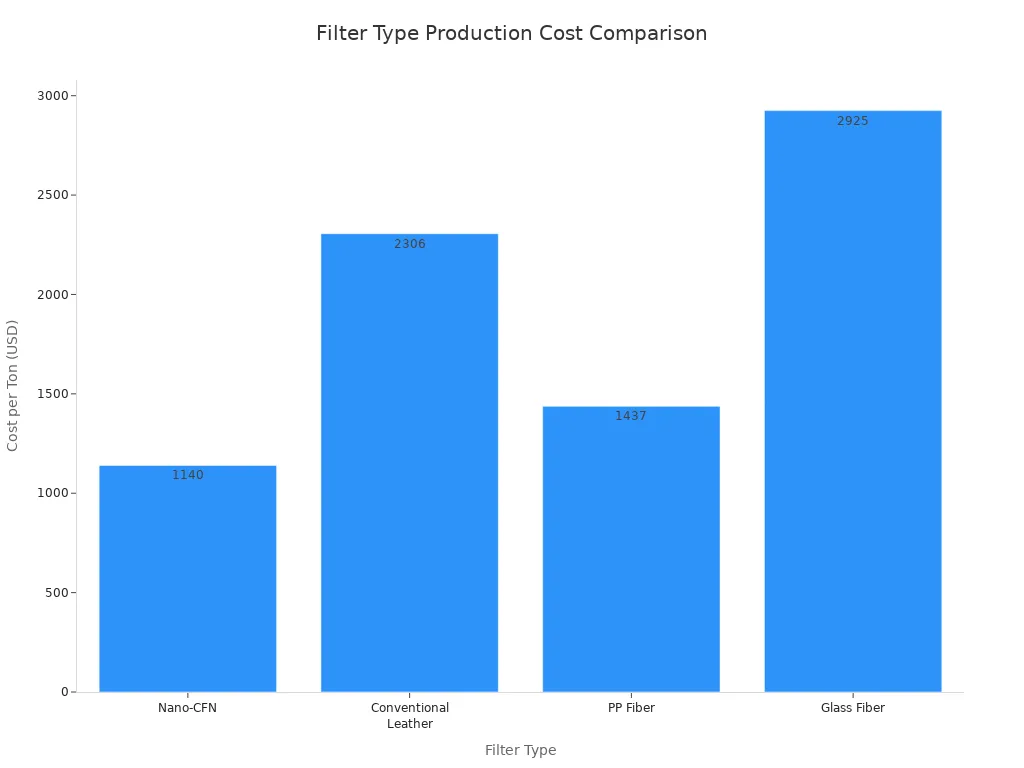
You want to make smart choices for the future. Nanofiber filters give you better air and lower costs. They help keep your building clean. Pick nanofiber cartridge filters for 2026.
Where Are Nanofiber Filters Used in Real-World Applications?
Nanofiber filters are primarily used in air purification systems, water filtration processes, medical applications such as face masks and respirators, and industrial filtration systems due to their high efficiency in trapping small particles and contaminants. These versatile applications make them an essential component in various environmental and health-related industries.
Industry Use Cases in 2026
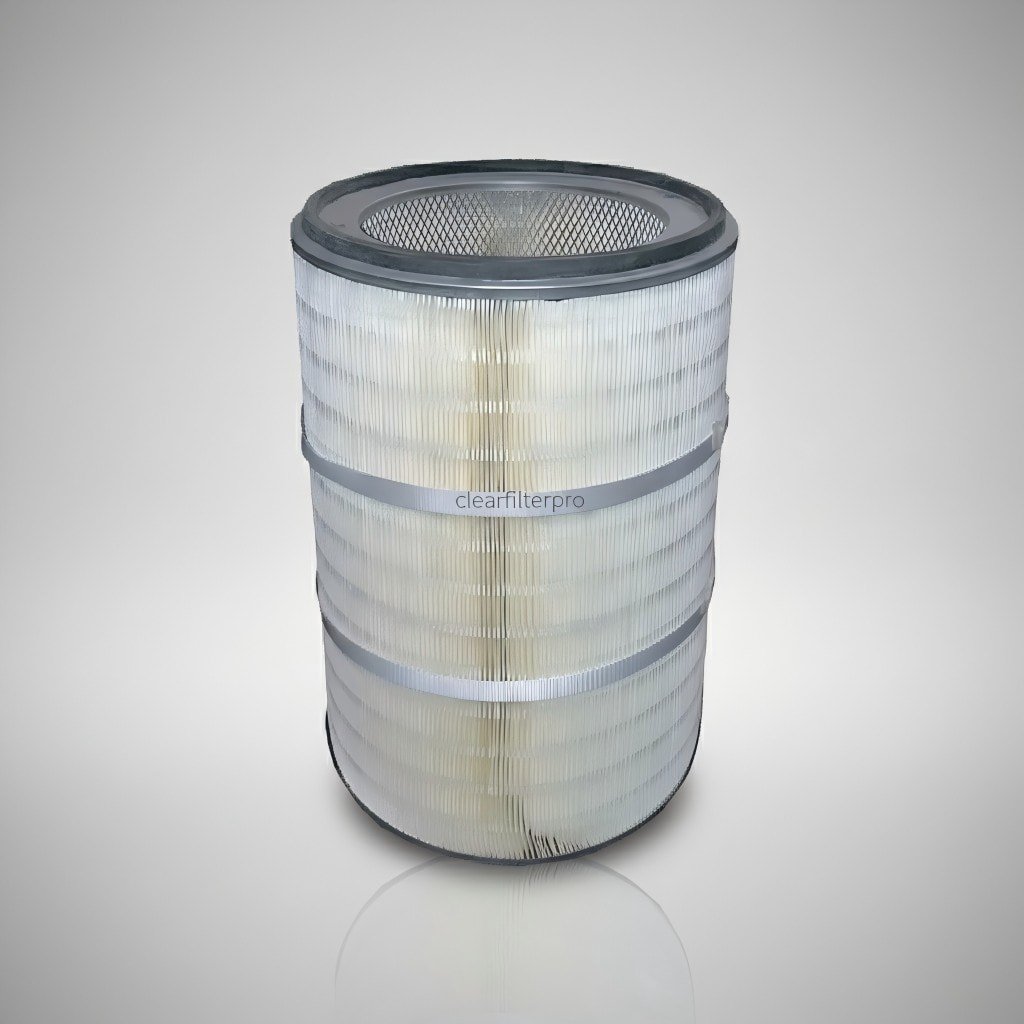
You want your business to work well. Nanofiber cartridge filter technology helps you do this. In 2026, many industries use nanofiber filters. Pharmaceutical plants use them to keep air clean. This protects products that need safe air. Automotive factories use nanofiber filtration to keep dust away. This helps engines and paint jobs stay good. Electronics makers need pure air for chips and circuit boards. Chemical plants trust these filters for safe work.
Here is a chart that shows how nanofiber and microfiber compare in big industries:
Industry | Nanofiber Benefits Over Microfiber | Dust Collection Efficiency | Filter Efficiency |
|---|---|---|---|
Pharmaceuticals | Catches more particles, lasts longer | High | Excellent |
Automotive | Protects machines, lowers damage | High | Excellent |
Electronics | Traps tiny bits, makes air cleaner | High | Excellent |
Chemical Processing | Handles fine dust, helps the environment | High | Excellent |
You get better filtering and longer machine life. Nanofiber filters work better than microfiber in every industry.
Impact on Downtime and Air Quality
You want less machine stoppage and cleaner air. Nanofiber filters last longer than regular ones. You change them less, so machines run more. You spend less time fixing things and more time working. Nanofiber filters mean fewer stops and lower costs.
Nanofiber filtration holds more dust.
You change filters less and wait longer between changes.
Data centers and big buildings have more running time and cleaner air.
Switching to nanofiber cartridge filter systems makes air cleaner. You remove fine dust, pollen, and PM2.5 particles. Donaldson nanofiber technology keeps air fresh for longer. Your team breathes easier and stays healthy. Nanofiber filters also help the earth by making less waste and using less energy.
Tip: Pick nanofiber filters to help your business, protect your machines, and make a healthier place to work.
What Common Concerns About Nanofiber Filters Should Be Addressed?
Common concerns about nanofiber filters include their durability, cost-effectiveness, and environmental impact. These filters often raise questions regarding their long-term performance, initial investment versus savings, and disposal process. Addressing these issues ensures optimal use and acceptance in various applications.
Upfront Cost vs Long-Term Value
Some people think nanofiber filters cost too much at first. The price is higher than regular filters. But you get more for your money over time. These filters last longer and work better. You do not have to change them as much. This saves you money on new filters and labor.
Nanofiber filters last about twice as long as standard filters.
They catch more dust and tiny particles, so your air is cleaner.
You use up to 60% less compressed air for cleaning, which saves energy.
The fibers are spread out evenly, so big holes do not form and filtration stays strong.
These filters work well in tough places. They keep working even in high heat or lots of dust. You spend less on repairs and downtime. Over time, you save real money.
Maintenance and Sustainability
You want filters that are easy to use and help the planet. Nanofiber filters make taking care of them simple. Many people say these filters are easy to put in and use. You do not need special tools or training.
VRC Metal Systems uses the Filter1 wet dust collection system to clean up powder from Cold Spray welding. The system is easy to set up and use, and it meets high standards.
Sometimes, you might see dust sticking or cleaning not working right. These problems do not happen often and are easy to fix with regular checks. Most people find nanofiber filters need less cleaning and last longer.
Nanofiber filters make filtration better, so you get good results.
They use less energy, which helps the earth and saves money.
The long life of these filters means less waste, which is good for the planet.
You help your business and the earth at the same time. You get clean air, spend less, and help make a greener future.
You want your business to do well. Nanofiber cartridge filter technology helps a lot. It works better, lasts longer, and stops machines less. Look at this chart to compare:
Feature | Nanofiber Cartridge Filters | Traditional Filters |
|---|---|---|
Filtration Efficiency | High | Moderate |
Dirt-Holding Capacity | Higher | Lower |
Replacement Frequency | Less frequent | More frequent |
New filter materials last longer and catch more dust.
Stricter rules make companies use better filters.
Experts say new materials help work faster and cost less.
More people are buying these filters every year. Switch now to get cleaner air and save money.
FAQ
What makes nanofiber cartridge filters better than regular filters?
Nanofiber filters catch smaller bits than regular filters. They work better and last longer. You use less energy with them. This helps you save money. Your air gets cleaner too. Pick nanofiber filters for the best results in 2026.
Can I use nanofiber filters in my existing HVAC system?
Yes, you can use them in most systems. Nanofiber cartridge filters fit standard HVAC units. You do not need special tools or big changes. Just switch your filters and get cleaner air fast.
How often do I need to replace nanofiber cartridge filters?
You change nanofiber filters less often than regular ones. They last about twice as long. This means you spend less time changing filters. You also save money and have less downtime.
Are nanofiber filters safe for the environment?
Many nanofiber filters use biodegradable materials. This helps make less waste. You protect nature and help the planet. It is a smart choice for your business.
Do nanofiber filters cost more than traditional filters?
You pay more at first for nanofiber filters. But you save money later because they last longer. Your energy bills go down. You get better value and strong performance.