
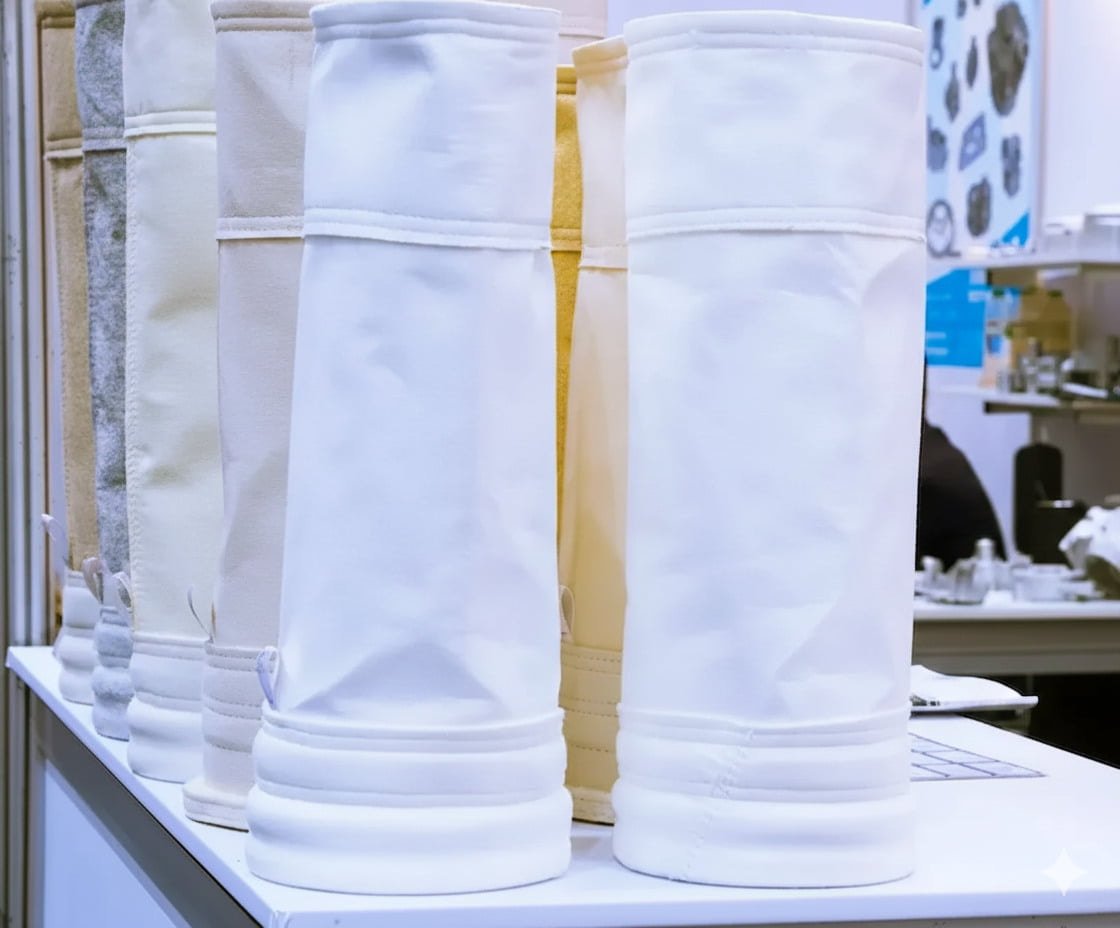
You use a Dust Collector Filter Bag to catch dust and particles in factories and workshops. This filter keeps the air clean by stopping bad stuff before it spreads. If you pick a high-efficiency filter bag, you make the air better, keep workers safe, and help machines work longer.
Impact Area | Description |
|---|---|
Takes out bad stuff in the air, so the air is cleaner in factories. | |
Worker Health | Lowers contact with harmful particles, making people safer and healthier. |
Equipment Longevity | Stops problems and helps machines last longer. |
Operational Efficiency | Less dust means less cleaning and work goes smoother. |
Environmental Emissions Reduction | Catches pollution, which helps protect the environment. |
Energy Efficiency | Sends clean air back, so you use less energy and save money. |
Regulatory Compliance | Follows rules, so you avoid fines and look good to others. |
Key Takeaways
Pick the correct dust collector filter bag to help clean the air and keep workers safe.
Check and clean your filter bag often so it works well and lasts longer.
Learn how filtration works: a dust cake builds up on the bag and helps catch smaller dust pieces.
Change filter bags if you see damage or if they do not work as well, so the air stays clean.
Choose the right materials and designs for your filter bag based on the kind of dust and where you use it.
What Is a Dust Collector Filter Bag and What Does It Do?
A dust collector filter bag is a critical component in dust collection systems, designed to capture and contain dust particles generated during industrial processes. Its primary function is to filter out airborne dust, ensuring a cleaner work environment and preventing particulate matter from polluting the air.
Definition and Function
A Dust Collector Filter Bag is a special fabric bag that you use in dust collection systems. You place it inside a dust collector to trap dust and tiny particles from the air. When air filled with dust enters the system, the filter bag acts like a barrier. It lets clean air pass through while holding back dust on its outer surface. Over time, a layer of dust, called a dust cake, builds up on the bag. This dust cake actually helps the bag catch even smaller particles, making the air even cleaner.
You can think of the Dust Collector Filter Bag as a shield for your workspace. It works by filtering dust-laden air, capturing dust particles, and forming a dust cake that boosts filtration. This process keeps your work area safe and helps your equipment last longer.
Importance in Air Filtration
You need a Dust Collector Filter Bag to keep the air in your factory or workshop clean. Clean air is important for your health and for the health of everyone around you. When you use a filter bag, you lower the amount of harmful dust in the air. This means you breathe easier and stay healthier.
A good filter bag also helps your machines run better. Less dust in the air means less dust gets into your equipment. This reduces wear and tear and helps your machines last longer. You also meet safety and environmental rules when you use the right filter bag.
Tip: Regularly check your filter bag to make sure it is working well. A clean and well-maintained filter bag gives you the best air quality and keeps your workspace safe.
How Is a Dust Collector Filter Bag Structured?
A dust collector filter bag is structured with multiple layers that capture dust particles effectively. The outer layer traps larger particles, while inner layers filter finer dust. Often made of felt or woven fabrics, these bags are designed to withstand high temperatures and varying pressure levels.

Materials and Design
Dust Collector Filter Bags are made from different fabrics. Some common ones are polyester, polypropylene, and aramid fibers. Each fabric is strong and can handle heat or chemicals in its own way. You pick the fabric based on the dust and temperature in your workspace.
Filter bags come in different shapes. Some are tubes, some are round, and some are flat. Tube-shaped bags go inside dust collectors and work with lots of air. Flat bags fit in small spaces. Round bags are strong and last a long time. Some bags have extra parts or folds. These help the bag catch more dust and make cleaning easier.
Note: Pick the right fabric and shape for your dust and system. This helps your filter bag work better and last longer.
Types of Filter Bags
There are many types of filter bags. Standard bags are for normal dust. High-temperature bags are for hot air and tough jobs. Chemical-resistant bags stop damage from harsh dust. Some bags have special covers to keep out water or oil.
The shape and extra parts change how the bag works. Tube bags hold more dust and are easy to clean. Flat bags fit in small places but need cleaning more often. Some systems use cartridge filters instead of bags. Cartridge filters are round and easy to put in, but they cost more and hold less dust.
Here is a table that compares cartridge filters and dust collector bags:
Feature | Cartridge Filters | Dust Collector Bags |
|---|---|---|
Shape | Cylindrical | Large fabric bags |
Capacity | Limited | High capacity |
Installation | Easy to install | More challenging to install |
Cost | Higher initial cost | Lower initial cost |
Filtration Efficiency | Available in various efficiencies | Effective for fine particles |
Maintenance | Requires more frequent replacements | May require more frequent cleaning |
The way your filter bag is made changes how much dust it can hold. It also changes how easy it is to clean and how long it lasts. You get better results when you pick the right shape and fabric for your job.
How Does a Dust Collector Filter Bag Work?
A dust collector filter bag works by trapping dust particles while allowing clean air to pass through. It acts as a barrier, capturing particulate matter from industrial processes, ensuring air quality and regulatory compliance.

Filtration Process
When you use a dust collector, the system pulls dirty air through the filter bag. The process works step by step:
The dust collector creates a vacuum. This vacuum pulls air filled with dust and particles into the system.
As the air moves through the filter bag, solid dust particles start to collect on the surface of the filter media.
Over time, these particles build up and form a layer called a dust cake. This dust cake helps the filter bag catch even smaller particles.
Sometimes, you might use a precoat. A precoat is a fine layer of powder that covers the filter media first. It helps trap tiny particles right from the start.
The filter bag holds the dust on its surface. This keeps the dust from escaping back into the air.
When the dust cake gets too thick, the system knocks the dust off the bag. The dust falls into a bin for safe disposal.
This step-by-step process helps you keep your air clean and your workspace safe.
Dust Layer Formation
The dust layer, or dust cake, forms on the surface of the filter bag as you use the system. This layer plays a big role in how well your filter bag works. The way dust collects depends on the type of filter and the stage of filtration. Here is a table that shows the different stages:
Stage of Filtration | Description | Filter Type |
|---|---|---|
Depth Filtration | Particles are captured within the filter media. | Conventional Filters |
Transient Filtration | A transitional phase where both depth and surface filtration occur. | Both Types |
Surface Filtration | Particles are captured on the surface of the filter media. | Membrane-Coated Filters |
At first, some dust gets trapped inside the filter material. As more dust builds up, most of it stays on the surface. This surface layer, or dust cake, makes the filter bag even better at catching fine dust. You get cleaner air as the dust cake grows, but you also need to clean the bag before the layer gets too thick.
Tip: Watch the pressure in your dust collector. A sudden rise means the dust cake is too thick and needs cleaning.
Cleaning Mechanism
You need to clean your Dust Collector Filter Bag to keep it working well. Most factories use dry cleaning methods. These methods use blasts of air or shaking to knock the dust off the bag. In 2024, dry cleaning systems make up almost 68% of the market. They work well, need little maintenance, and save money over time. You find these systems in places like cement plants, metal shops, and woodworking factories. Dry cleaning can remove more than 99% of dust, so it keeps your air very clean.
Some factories use wet cleaning. Wet cleaning works best for sticky or dangerous dust, like in food or chemical plants. Wet systems use water to wash the dust off the bag. You only need wet cleaning for special jobs.
Note: Clean your filter bag on a regular schedule. This keeps your dust collector running smoothly and helps your filter bag last longer.
How Should You Maintain a Dust Collector Filter Bag and What Affects Its Lifespan?
To maintain a dust collector filter bag effectively, regularly inspect and clean it to prevent clogging and ensure optimal airflow. Replace when necessary, especially if damage or excessive wear is observed. Factors affecting its lifespan include the type of dust collected, operating conditions, and cleaning frequency.

Inspection and Cleaning
You need to check your filter bags often to keep your dust collector working well. Start by looking for holes, tears, or signs of wear on the bag. Use a flashlight to see inside the collector if needed. If you see dust leaking or notice a drop in air pressure, you should inspect the bags right away.
Set up a cleaning schedule based on how much dust your system collects. In most factories, you clean the bags every week or two. If your workspace makes a lot of dust, you may need to clean more often. Use the cleaning method that matches your system. Most dust collectors use air pulses or shaking to remove dust from the bag. Wet cleaning works for sticky or dangerous dust, but you should only use it when dry cleaning does not work.
Tip: Write down each inspection and cleaning in a logbook. This helps you spot problems early and keeps your system running smoothly.
Here is a simple checklist for inspection and cleaning:
Check for holes, tears, or weak spots.
Look for dust leaks around the bag.
Measure air pressure before and after the filter.
Clean the bag using the right method.
Record each inspection and cleaning.
Replacement Guidelines
You cannot use a filter bag forever. Over time, dust and heat wear out the fabric. You should replace the bag when you see any of these signs:
The bag has holes or tears.
The bag feels stiff or brittle.
Cleaning does not lower the pressure drop.
Dust leaks into the clean air side.
Most filter bags last from one to five years. The exact time depends on how much dust you collect and the type of dust in your workspace. If you use your dust collector every day, check the bags more often. Always keep spare bags on hand so you can replace them quickly.
Here is a table to help you decide when to replace your filter bag:
Condition | Action Needed |
|---|---|
Small holes or tears | Replace immediately |
Stiff or brittle fabric | Replace soon |
High pressure drop | Clean or replace |
Dust leaks | Replace immediately |
Note: Do not wait for a total failure. Replace your filter bag as soon as you see signs of damage.
Troubleshooting
Sometimes, problems happen even if you follow all the rules. You can solve most issues by checking a few key points. If you notice poor air flow, dust leaks, or short filter life, look for these common causes:
The cleaning system does not work right.
The bag is the wrong size or type for your dust.
The dust is too sticky or oily.
The air flow is uneven inside the collector.
You can fix many problems by adjusting the cleaning cycle or changing the type of filter bag. If you see the same problem again and again, ask an expert for help.
Many things can affect how long your filter bag lasts. Here are some important factors:
The type and amount of dust in your workspace. More dust means more wear on the bag.
The size and shape of dust particles. Sharp or rough dust can damage the fabric faster.
The temperature inside the collector. High heat can make the bag wear out sooner.
The presence of acid gases like SO2. These gases can eat away at the filter material.
The amount of oxygen in the air. Too much oxygen can cause the bag to break down.
How well the air flows through the collector. Poor airflow can damage some bags more than others.
Callout: You can make your Dust Collector Filter Bag last longer by choosing the right bag for your dust, cleaning it on schedule, and fixing problems quickly.
If you follow these steps, you will keep your dust collector working well and protect the air in your workspace.
You make the air cleaner and keep machines safe by picking the right dust collector filter bag. Think about these important things:
Look at how well the filter works and its MERV rating.
Make sure the filter can handle heat and chemicals.
Choose the right size filter for your system.
Follow the rules for the environment.
Pick filters that are easy to clean.
Tip | Description |
|---|---|
Routine Inspections | |
Proper Installation | Check that seals are tight so dust does not escape. |
Cleaning Techniques | Use the cleaning method that works best for your system. |
Control Conditions | Keep temperature and pressure steady to help filters last longer. |
Taking care of your filter bags and making smart choices helps them last longer and keeps your workspace safe.
FAQ
How often should you replace a dust collector filter bag?
You should check your filter bag every few months. Replace it if you see holes, tears, or if cleaning does not help. Most bags last one to five years.
What happens if you do not clean the filter bag?
If you skip cleaning, dust builds up. Airflow drops. Your system works harder and may break. You also risk dirty air in your workspace.
Can you wash a dust collector filter bag with water?
You can wash some filter bags with water. Always check the manufacturer’s instructions first. Some bags only allow dry cleaning. Water can damage certain fabrics.
What is the main cause of filter bag failure?
Sharp dust, high heat, or chemicals can damage your filter bag. Using the wrong bag for your dust type also causes early failure.