
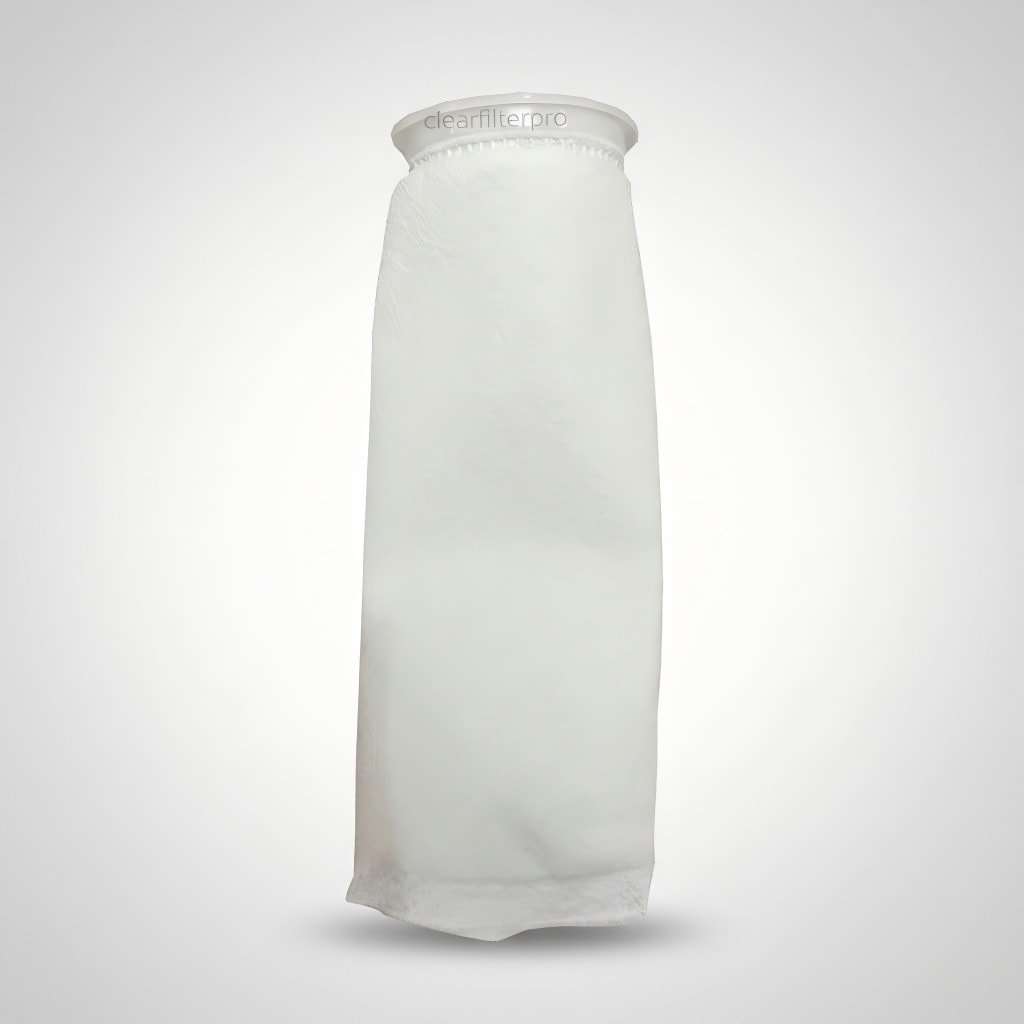
You should choose a 1-5 micron size for most fry oil filter bag applications. For vegetable oil, a 400-600 micron size works best. A micron measures tiny particles in oil. Cleaner oil means better food quality and longer equipment life. Tiny particles in oil can speed up oxidation, cause resins to form, and lead to machine wear. Using the right Oil Filter Bag helps keep food safe and your fryer running smoothly.
Key Takeaways
Pick a 1-5 micron size for regular fry oil. This helps keep the oil clean. It also makes food taste better. – Use a 400-600 micron size for vegetable oil. This size removes bigger pieces fast. – Choose a filter that matches your fryer and oil use. This stops clogging and keeps things working well. – Think about using reusable filter bags to save money. They also help keep oil good for longer. – Try multi-stage filtration for the best results. Use both coarse and fine filters together.
What Are Micron Ratings for Fry Oil Filter Bags?
Micron ratings for fry oil filter bags refer to the measurement of the pore size in the filter material, which determines the size of particles that the filter can capture. A lower micron rating indicates the ability to filter finer particles, enhancing oil clarity and quality. Common ratings range from 0.5 to 100 microns.
What Is a Micron
A micron is a very small unit of measurement. One micron equals one-thousandth of a millimeter. You cannot see something this small with your eyes. In fry oil filter bags, the micron size tells you how big the holes are in the mesh. These tiny holes let oil pass through but catch crumbs and other debris. When you choose an Oil Filter Bag, you pick a micron size that matches the particles you want to remove.
How Micron Size Affects Filtration
The micron rating of your Oil Filter Bag changes how well it cleans your oil. A lower micron number means the bag catches smaller particles. This helps keep your oil cleaner and makes your fried food taste better. Cleaner oil also lasts longer and keeps your fryer in good shape. If you use a bag with a higher micron rating, it will let more small particles pass through. You might use a higher micron size if you only need to catch large crumbs.
Tip: If you want the cleanest oil, choose a lower micron size. This will help you serve better food and save money on oil changes.
Recommended Micron Sizes
You can find different micron sizes for filter bags. Each size works best for a certain job. The table below shows common types and their uses:
Filter Bag Type | Micron Size Description | Purpose |
|---|---|---|
P Series EZ Flow | Medium micron size | Balances filtering small food particles and heavy crumbs |
T Series | Coarse micron size | Handles heavy crumb loads from thicker breaded foods |
F Series | Ultra fine micron size | Removes micron-size food particles for oil polishing |
Most users should choose a 1-5 micron size for regular fry oil. For vegetable oil, a 400-600 micron size works best. If you want a balance, try a medium micron bag like the MirOil P Series EZ Flow.
How Do Common Micron Sizes Compare for Fry Oil Filtration?
Fry oil filtration commonly uses micron filters ranging from 0.5 to 100 microns. Smaller micron sizes, such as 0.5 to 5 microns, are effective for removing fine particles and impurities, while larger sizes, like 50 to 100 microns, are suitable for filtering larger debris. Choosing the right micron size depends on the desired oil clarity and filtration efficiency.

Fine vs. Coarse Filtration
When you choose a micron size for your Oil Filter Bag, you decide how much debris stays in your oil. Fine filtration uses a small micron size, usually between 1 and 5 microns. This type of filter catches tiny food particles and keeps your oil very clean. You will notice your fried food looks and tastes better because the oil stays clear.
Coarse filtration uses a larger micron size, such as 400 to 600 microns. This filter lets small particles pass through but catches big crumbs and chunks. You might use coarse filtration if you fry foods with thick breading or if you want to filter vegetable oil quickly.
Note: Fine filters keep oil clean for longer, but they may slow down the filtering process. Coarse filters work faster but do not remove all small particles.
Best Uses for Each Size
You can match the micron size to your cooking needs. Here is a simple guide:
Micron Size | Best For | Benefits |
|---|---|---|
1-5 microns | Everyday frying, clean oil | Removes tiny particles, extends oil life |
10-50 microns | Medium breading, moderate debris | Balances speed and cleanliness |
400-600 microns | Vegetable oil, heavy crumbs | Fast filtering, catches large debris |
Use a fine Oil Filter Bag if you want the cleanest oil for delicate foods like fries or donuts.
Choose a coarse filter for foods with heavy breading or when you need to filter oil quickly.
Try a medium size if you want a balance between speed and oil clarity.
Tip: Always check your fryer’s manual to see which micron size works best with your equipment.
How Do You Choose the Right Micron Size for Fry Oil Filter Bags?
To choose the right micron size for fry oil filter bags, consider the type of particles you want to filter out and the desired oil clarity. Smaller micron sizes (e.g., 5-10 microns) capture finer particles, ensuring clearer oil, while larger sizes (e.g., 60-100 microns) allow faster filtration with less clarity.

Assessing Fryer Type and Oil Usage
Start by looking at your fryer. Small countertop fryers need a different filter than large commercial fryers. If you use your fryer all day, you will see more crumbs and food particles in your oil. Heavy use means you need a filter that can handle lots of debris. If you fry only a few batches each day, you can use a finer filter.
Think about the type of oil you use. Vegetable oil often has larger particles, so a coarse filter works well. If you use blended or specialty oils, you may want a finer filter to keep the oil clear. Your Oil Filter Bag should match both your fryer size and your oil type.
Matching Micron Size to Sediment and Clarity
Look at the food you fry. Foods with heavy breading, like fried chicken, leave behind large crumbs. You need a filter with a larger micron size for these foods. If you fry items like French fries or donuts, you want your oil to stay clear. A smaller micron size will catch tiny particles and keep your oil clean.
Cleaner oil makes your food taste better and look more appealing. Fine filters remove small bits that can burn and darken your oil. Coarse filters work faster but let more particles stay in the oil. You must decide what matters most: speed or clarity.
You also need to think about cost. Reusable oil filtration bags save you money over time. You can clean and reuse a 1 micron Oil Filter Bag many times. This means you buy fewer bags and keep your oil quality high. Businesses that want to save money and serve great food should consider reusable bags instead of disposable paper ones.
Regulations may also affect your choice. Some food safety standards require a certain level of filtration. For example, the table below shows how a 10 micron filter meets EU food safety standards:
Micron Size | Filtration Efficiency | Regulatory Requirement |
|---|---|---|
10 microns | 99.5% | EU food safety standards |
Check your local rules to make sure your filter meets all requirements.
Step-by-Step Selection Guide
Follow these steps to pick the best micron size for your Oil Filter Bag:
Check your fryer type and size. Large fryers need bigger bags and may need coarser filters.
Think about your oil usage. Heavy use means more debris, so choose a filter that will not clog quickly.
Match the filter to your food. Fine filters for fries and donuts, coarse filters for breaded foods.
Decide on oil clarity. If you want the cleanest oil, pick a lower micron size.
Consider cost savings. Reusable filter bags, especially 1 micron types, save money because you can wash and use them again.
Check regulations. Make sure your filter meets any food safety rules in your area.
Try multi-stage filtration. You can use a coarse filter first, then a fine filter. This method removes large crumbs quickly and then polishes the oil for the best clarity.
Tip: If you are not sure, start with a medium micron size. You can always adjust as you see how your oil looks and how often you need to change the bag.
Choosing the right Oil Filter Bag helps you serve better food, save money, and keep your fryer in top shape.
Advanced Filtration Tips

Multi-Stage Filtration
You can make your oil cleaner by using more than one filter. This is called multi-stage filtration. First, use a coarse filter to catch big crumbs and food pieces. Then, use a fine filter to get rid of tiny bits. Doing this keeps your oil clear and makes your food taste better.
Many busy kitchens use special ways to make filtering easier and better. The table below shows some common choices:
Technique | Benefits | Examples |
|---|---|---|
Built-in Filtration Systems | Saves time and lessens hard work; helps oil last longer | Frymaster series |
Filters out very small particles; cuts down on waste and cost | Anets | |
Smart Technology and Automation | Gives updates about oil; does filtering by itself | Various models |
You can use these ideas with your Oil Filter Bag for the best results. Multi-stage filtration is great for kitchens that are always busy. It helps keep oil clean and does not slow you down.
Tip: Try using a coarse filter first, then a fine one. This helps stop clogs and keeps your oil working well.
Maintenance Advice
Clean your filtration tools often. Dirty filters do not work well and can make oil look dark. Always check your filter bags for holes or clogs before you use them. Wash reusable bags with hot water and gentle soap. Let them dry all the way before you use them again.
If you use built-in systems or smart tools, follow the maker’s cleaning steps. Cleaning your equipment often keeps it working well and saves you money on fixing it.
Note: Change filter bags if you see damage or if they do not clean oil well. Clean tools help you make better food and keep oil fresh longer.
You can choose the best fry oil filter bag micron size by following a few simple steps. Match the micron size to your fryer and oil type for better food quality and lower costs.
Too little filtration lets contaminants stay in your oil.
Too much filtration causes clogging and higher expenses.
Use fine filtration for cleaner oil and better taste.
Use coarse filtration for faster flow and less clogging.
Check the FAQ for quick answers to common questions.
FAQ
What does “micron size” mean for oil filter bags?
A micron measures the size of particles the filter can catch. One micron equals one-thousandth of a millimeter. Smaller micron numbers mean the filter removes tinier particles from your oil.
How often should I change my fry oil filter bag?
You should change your filter bag when you see it clog or when oil flows slowly. If you fry often, check the bag daily. Clean reusable bags after each use for best results.
Can I use the same micron size for all types of oil?
No, you should match the micron size to your oil type. Use 1-5 microns for regular fry oil. Choose 400-600 microns for vegetable oil. This helps you get the best results.
What happens if I use the wrong micron size?
Using a filter that is too fine may slow oil flow and clog quickly.
Using a filter that is too coarse leaves more debris in your oil.
Always pick the right size for your fryer and food.
Are reusable filter bags better than disposable ones?
Reusable filter bags save you money over time. You can wash and use them again. Disposable bags are easy to use but cost more in the long run.