

When you pick an Activated Carbon Filter, you have two choices: CTO or GAC. CTO filters have a solid carbon block. This block removes more particles and helps stop channeling. GAC filters use loose carbon pieces. Water moves faster through GAC, but it may not catch as many particles. The table below shows the main differences:
Feature | CTO Carbon Block | GAC (Granular Activated Carbon) |
|---|---|---|
Filtration Efficiency | Removes more particles, less channeling risk | Catches fewer particles, more channeling risk |
Flow Rate | Slower flow because it is denser | Faster flow because it is looser |
Cost | Not specified | Not specified |
Think about what is most important to you. Do you want cleaner water, faster flow, or to save money? Decide before you choose.
Key Takeaways
CTO filters clean water better by taking out more bad stuff. This makes them good if you want cleaner water.
GAC filters let water move through faster. They are good if you need water quickly. But they might not catch tiny bits as well.
Think about your money: CTO filters cost more at first but last longer. GAC filters are cheaper but you need to change them more often.
Pick the filter that fits what you want: use CTO for cleaner water. Use GAC if you want better taste and smell.
Change your filter every 6 to 12 months. This keeps your water clean and flowing well.
What Are the Different Types of Activated Carbon Filters?
Activated carbon filters come in various types, each designed for specific applications. The main types include granular activated carbon (GAC), powdered activated carbon (PAC), and extruded activated carbon (EAC). These filters are effective in removing impurities and contaminants from air and water through adsorption.
When you search for an Activated Carbon Filter, you will see many kinds. Filters are grouped by what their shell is made of and the type of carbon inside. Some filters have stainless steel shells. Others use carbon steel shells. There are also filters made from FRP or ABS plastic. Most home water systems use powdered block filters or granular activated filters.
Type of Filter | Description |
|---|---|
Stainless Steel Shell | This type is the biggest and is growing fast in the market. |
Carbon Steel Shell | You can find this type in many uses. |
Others | These include FRP, MSEP, MSRL, and ABS plastic filters. |
CTO Filter
CTO filters have fine carbon powder pressed into a hard block. This design lets them filter better. The tight block holds more dirt and lasts longer. They remove small particles and VOCs well. CTO filters cost more, but you do not need to change them as often. They are good if you want cleaner water with fewer bad things in it.
Tip: CTO filters are best if you want to lower particulates and chemicals like chlorine.
GAC Filter
GAC filters use loose carbon granules inside a cartridge. Water moves through these granules easily, so you get water faster. GAC filters help with taste, smell, and color. They cost less, but you must replace them more often. Because the carbon is loose, they may not catch tiny particles.
GAC filters are good if you care most about taste and smell.
They work best for making water look and taste better, not for removing lots of contaminants.
How They Work
Activated Carbon Filters clean water by adsorption. The carbon has lots of tiny holes and a big surface area. When water goes through, bad stuff sticks to the carbon. Chemical reactions also help trap some things. CTO blocks use binders to stop channeling, so they filter better. GAC filters need water to touch the carbon longer to work well.
Activated Carbon Filters can take out chlorine, some heavy metals, and organic chemicals. They do not remove all bacteria or dissolved minerals.
How Do CTO and GAC Activated Carbon Filters Compare?
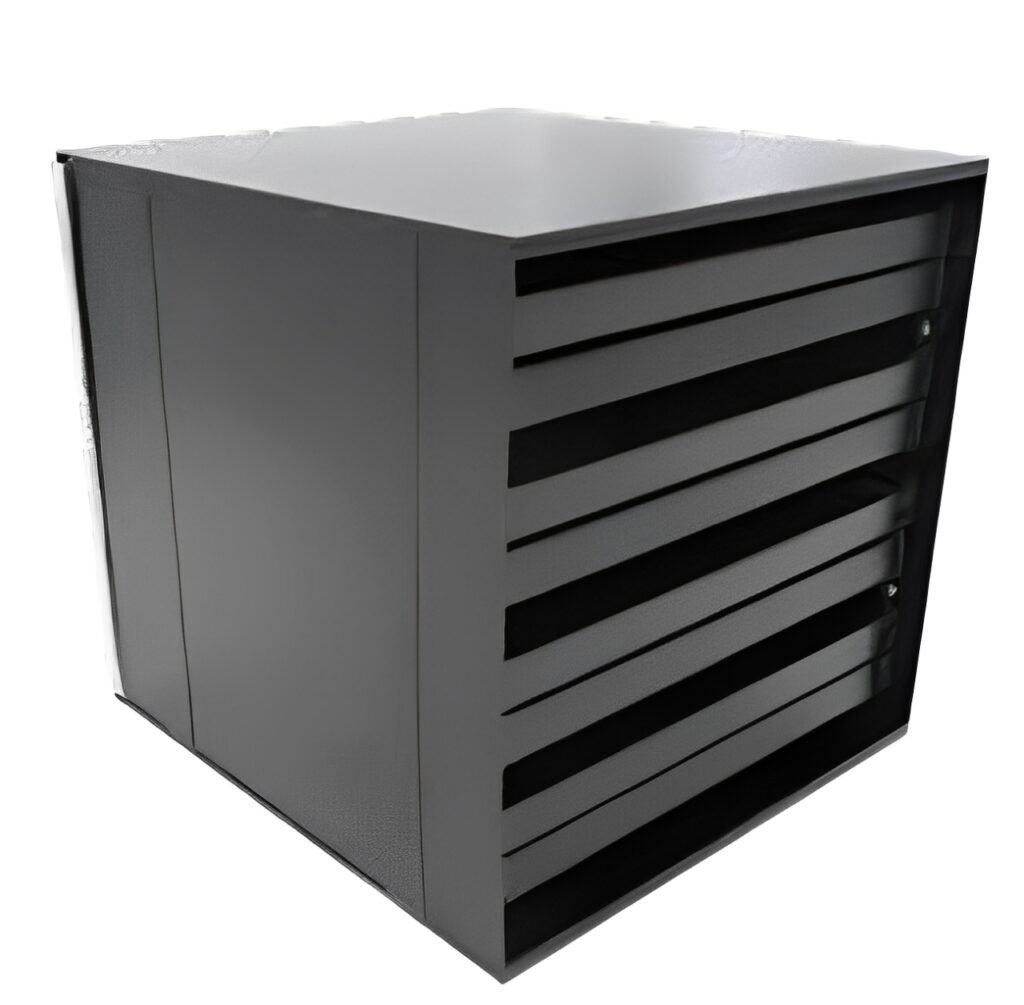
CTO (Chlorine, Taste, Odor) and GAC (Granular Activated Carbon) filters both use activated carbon but differ in structure and filtration efficiency. CTO filters have a denser block structure, allowing for finer filtration, while GAC filters have a more porous design, offering higher flow rates but less effective fine particulate removal.
Filtration Efficiency
You want your water to be as clean as possible. CTO filters use a solid carbon block. This block traps more dirt, chemicals, and tiny particles. The tight structure stops water from making channels, so all water touches the carbon. You get better removal of chlorine, bad tastes, and some chemicals. GAC filters use loose carbon granules. Water moves around the granules, which can let some particles slip by. GAC filters work well for removing smells and improving taste, but they may not catch as many small particles as CTO filters.
Tip: If you need to remove more contaminants, choose a CTO filter for higher filtration efficiency.
Flow Rate
Flow rate means how fast water moves through the filter. GAC filters have a looser structure, so water flows through them faster. This makes them a good choice if you want quick water for showers or sinks. CTO filters have a denser block, so water moves slower. You may notice a lower flow rate, but you get better filtration.
Here is a table showing typical flow rates for CTO filters:
MODEL | FLOW RATE (GPM) | CAPACITY (GALS) |
|---|---|---|
HFCTO-05 | 0.50 | 4,000 |
HFCTO-10 | 1.00 | 8,000 |
HFCTO-20 | 2.00 | 16,000 |
HFCTO-10-4 | 3.00 | 20,000 |
HFCTOX-10-4 | 3.00 | 30,000 |
HFCTO-20-4 | 7.00 | 50,000 |
A common GAC filter, like the ST-CTO Quick Twist GAC Filter Cartridge, has a flow rate of about 1 gallon per minute (GPM).

Note: If you need a faster flow, GAC filters are usually the better choice.
Lifespan
Both CTO and GAC filters last about the same amount of time. Most filters work well for 6 to 12 months. The exact lifespan depends on how much water you use and how dirty your water is. You should replace your Activated Carbon Filter regularly to keep your water clean and your flow rate strong.
Replace filters every 6 to 12 months.
Flush the filter for 3-5 minutes after installing or replacing it.
Tip: Changing your filter on time helps keep your water safe and your filter working well.
Cost
Cost is important when you pick a filter. CTO filters usually cost less at first. They also last longer, so you do not need to buy new ones as often. GAC filters may cost more up front, but they offer good value and strong performance.
Filter Type | Long-Term Maintenance Considerations | |
|---|---|---|
CTO | $45.00 | Requires less frequent replacements, saving time and money in the long run. |
GAC | $65.00 | Offers exceptional value without compromising on quality, ensuring durability. |
Note: Think about both the price and how often you need to replace the filter.
Applications
You can use CTO and GAC filters in many places. Each type works best for different jobs.
Setting | Application |
|---|---|
Residential | Water filtration pitchers, refrigerator filters, shower head filters, whole-house systems |
Commercial | Water filtration systems in restaurants, offices, and other businesses |
Industrial | Removal of VOCs, industrial solvents, and chemical residues in manufacturing processes |
CTO filters work well in places where you need to remove more particles and chemicals.
GAC filters are great for improving taste and smell in your water.
Tip: Match the filter type to your needs. Use CTO for cleaner water and GAC for better taste and faster flow.
What Contaminants Can Activated Carbon Filters Remove?
Activated carbon filters are highly effective at removing a wide range of contaminants from water. They primarily eliminate chlorine, volatile organic compounds (VOCs), and various chemicals that contribute to bad taste and odor. Additionally, these filters can reduce certain heavy metals and pesticides.
CTO Filter Capabilities
CTO filters can take out many bad things from water. The solid carbon block gives strong protection. It stops lots of organic and chemical contaminants. CTO filters trap small particles and chemicals. This helps make water safer and taste better.
Here is a table that shows what CTO filters remove well:
Contaminant Type | Effectiveness of Removal |
|---|---|
Organic Compounds | Effective |
Chlorine | Effective |
Lead (with specialized filters) | Reduced |
Radon | Effective (removal rates vary) |
Pesticides (e.g., Atrazine) | Effective |
Industrial Solvents | Effective |
Trihalomethanes (THM) | Effective |
PCBs | Effective |
PAHs | Effective |
CTO filters protect you from chlorine, pesticides, and many chemicals.
GAC Filter Capabilities
GAC filters use loose carbon granules to clean water. Water flows fast through GAC filters. They remove some chemicals and odors well. GAC filters are best for making water taste and smell better. They also help with some harmful substances.
Here is a table that shows what GAC filters remove best:
Contaminant | Removal Effectiveness |
|---|---|
Lead | Effective |
VOCs | Effective |
Iron | Not effective |
Nitrate | Not effective |
GAC filters also remove these things:
Organic chemicals
Hydrogen sulfide (smells like rotten eggs)
Chlorine
Pesticides
Herbicides
GAC filters help water taste better and remove common chemicals.
Limitations
No filter can remove everything from water. CTO and GAC filters have limits. Some contaminants can pass through. Some may build up inside the filter over time.
Here are things activated carbon filters do not remove well:
Sodium
Microbes like bacteria and viruses
Fluoride
Nitrates
Microbes can grow inside the filter. This makes the filter work less well. If you want to remove lead, use a filter made for that.
Always check your water quality. Pick the right filter for your needs. Activated Carbon Filters work best when matched to the right job.
How Can You Choose the Right Activated Carbon Filter for Your Needs?
To choose the right activated carbon filter, assess your specific filtration requirements, including contaminants to remove, flow rate, and filter lifespan. Select a filter with the appropriate activated carbon type and pore size for optimal efficiency.
Efficiency vs. Flow Rate
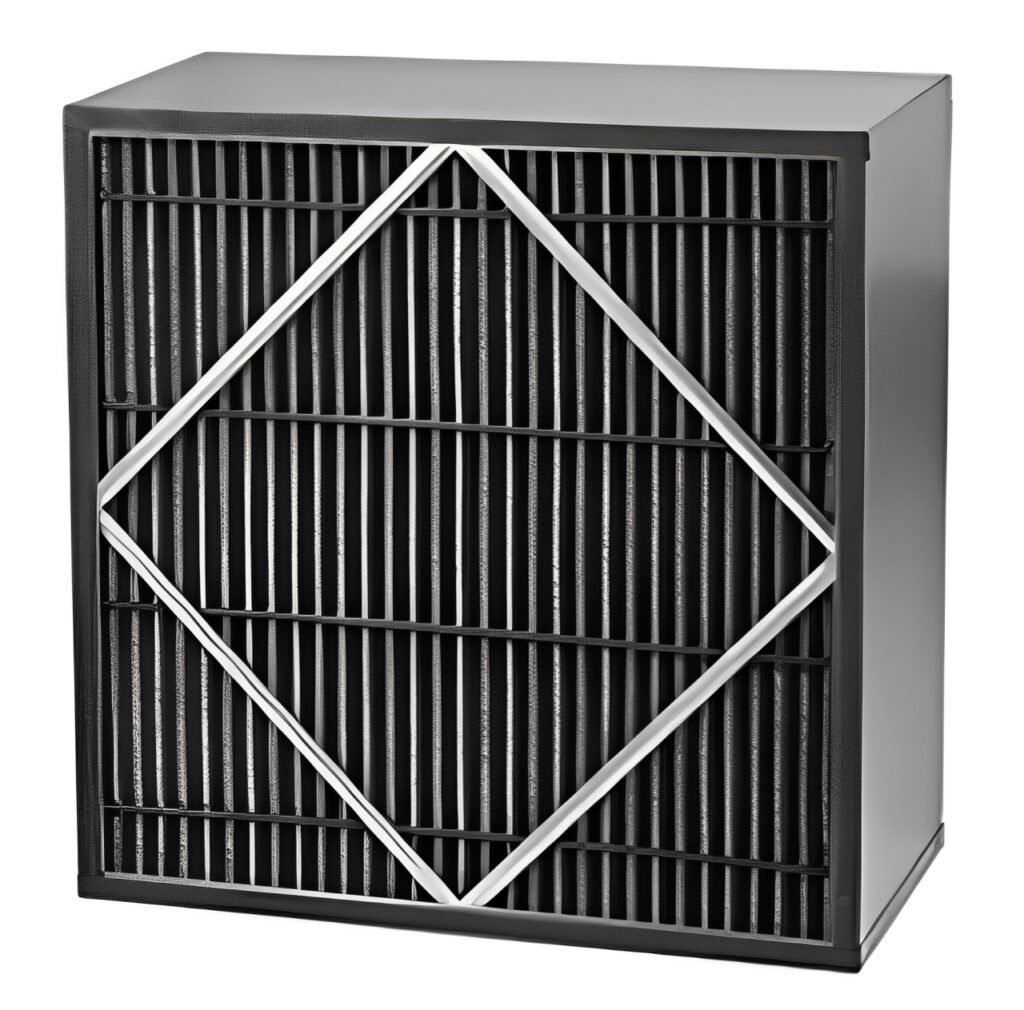
When you pick a filter, you need to think about how well it cleans your water and how fast the water comes out. CTO filters use tightly packed carbon. This design gives you higher filtration efficiency. You get water that is cleaner and has fewer contaminants. However, the water moves slower through the filter.
GAC filters use loose carbon granules. Water flows faster through these filters. You get a higher flow rate, which is great if you want quick access to water. However, GAC filters do not remove as many tiny particles or chemicals as CTO filters.
CTO filters trap more dirt and chemicals but slow down water flow.
GAC filters let water move quickly but may not clean as much.
If you want the cleanest water, choose a CTO filter. If you need fast water for showers or sinks, a GAC filter works better.
Budget Considerations
You should also look at how much you want to spend. The price of a filter can change based on its type and how long it lasts. Some filters cost more at first but save you money over time because you do not need to replace them as often.
Filter Type | Price | Key Features |
|---|---|---|
Standard Replacement Filters | Premium performance, removes many contaminants, lasts longer | |
SED GAC CTO | $45.00 | Good value, strong filtration, less frequent replacements |
You also need to think about how often you will replace your filter. If you use a lot of water or your water has many contaminants, you will need to change your filter more often. Here is a guide for replacement intervals:
Condition of Use | Replacement Interval |
|---|---|
Minimal usage | Up to 10 years |
Average usage | About 5 years |
High usage | Every year |

Remember to check your filter often. Changing it on time keeps your water safe and your filter working well.
Application Match
You should always match your filter to your needs. Think about where you will use the filter and what you want it to do.
If you want to improve drinking water, CTO filters work best. They remove chlorine, bad tastes, and odors.
For aquariums or places where you need to clean a lot of water quickly, GAC filters are a good choice. They handle larger amounts of water and remove many organic chemicals.
In factories or businesses, GAC filters can work well because they have different pore sizes and can handle many types of contaminants.
Both CTO and GAC filters need the same basic steps for installation. You turn off the water, remove the old filter, and put in the new one. The type of filter you choose will affect how often you need to replace it and how much maintenance you do.
Always pick the Activated Carbon Filter that matches your water quality, flow needs, and where you will use it. This way, you get the best results for your home or business.
Choosing between CTO and GAC filters depends on your needs. You should think about these points:
Decide how you will use the filtered water.
Check how fast you need the water to flow.
Match the filter to the contaminants you want to remove.
Many people think both filters work the same. In fact, CTO filters remove more impurities, while GAC filters work best for larger organic chemicals.
Metric | CTO Filter | GAC Filter |
|---|---|---|
Particle Size | Smaller | Larger |
Efficiency | Best for large organic chemicals | |
Longevity | Based on capacity and chlorine | Varies by use |
Pick the filter that fits your water and your goals. This helps you get the best results for your home.
FAQ
What is the main difference between CTO and GAC filters?
CTO filters have a hard carbon block inside. GAC filters have loose carbon pieces. CTO filters catch more tiny things in water. GAC filters let water move through faster.
How often should you replace your activated carbon filter?
You should get a new filter every 6 to 12 months. If your water is dirty or you use a lot, change it sooner.
Can you use CTO and GAC filters together?
Yes, you can use both types in one system. CTO filters trap small stuff. GAC filters help water taste and smell better. Using both makes your water cleaner and nicer.
Do activated carbon filters remove bacteria or viruses?
Activated carbon filters cannot take out bacteria or viruses. You need a different filter, like UV or reverse osmosis, for that job.