
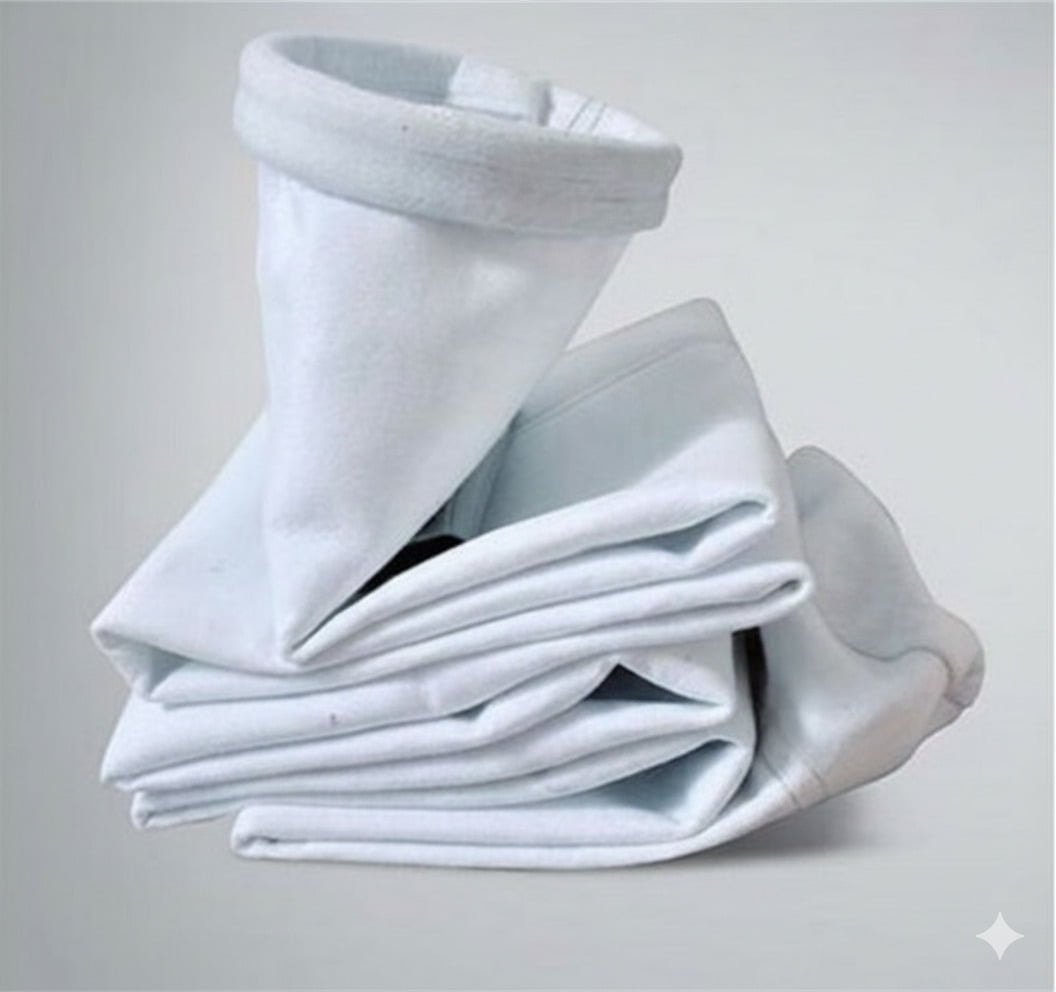
Choosing the right Fabric Filter Bag is important for clean air. It also helps things work well. You should look at many key things together to get the best results. Here are 10 important things you need to check:
Application needs
Particle size and distribution
Filter media type
Temperature and humidity limits
Chemical compatibility
Permeability and airflow
Pressure drop
Dust and contaminant properties
Size and housing fit
Cost and maintenance
Think about your own process while you read. Each thing can change how your filter works.
Key Takeaways
Know what your process needs. Find out exactly what your process requires so you can pick the right fabric filter bag.
Match the micron rating to the size of your particles. Pick a filter that can catch the smallest particles in your system. This helps the filter work its best.
Think about temperature and humidity limits. Make sure the filter bag material can handle the heat and moisture in your process. This stops the bag from getting damaged.
Check if the filter bag works with your chemicals. Pick a filter bag that does not get ruined by the chemicals in your system. This helps the filter bag last longer.
Watch the pressure drop. Keep the pressure drop low. This saves energy and helps the dust collection work well.
What Application Needs Should You Consider When Selecting a Fabric Filter Bag?
When picking a Fabric Filter Bag, think about what your process needs. Every industry and job is different. If you know what your system needs, you can choose the best filter.
Process Requirements
Start by looking at your process. Ask what material you want to filter. Think about how fast things move, how big the bag is, and what kind of particles are there. Each bag size works with a certain flow rate. If you pick the wrong size, your system might not work right.
Here is a table with things to think about:
Factor | Description |
|---|---|
Flow Rate Considerations | Each bag size can only handle a certain flow rate. |
Bag Size and Application | Different sizes fit different jobs and change how much they hold. |
Micron Rating | Tells you the smallest particle the filter can catch. |
Material Compatibility | The filter material must match the liquid or gas so it does not get ruined. |
Operating Conditions | Temperature and pressure can change how well the filter works. |
Application Suitability | Every industry has special needs for what they filter. |
You also need to think about what happens inside your system. Some jobs have high heat or strong chemicals. If your process has lots of rubbing, you need a tougher bag. If you have very hot or cold conditions, you need a bag that can handle those temperatures. The table below shows how these things can change your choice:
Factor | Impact on Fabric Filter Bags |
|---|---|
Bag Wear from Abrasion | You need stronger materials if there is a lot of wear. |
Temperature Extremes | You need bags that can stand heat or cold. |
Compatibility with Chemistry | The filter media must work with the chemicals or gases in your system. |
Filtration Goals
Know what you want your filter to do. Many people want to follow emission rules, make air cleaner, or lower bad gas levels. These goals matter in places like cement plants, steel factories, and power plants. Good filters help dust collection systems work better.
Follow emission rules
Make air cleaner at work
Lower bad gas levels
A Fabric Filter Bag can remove over 99 percent of particles from gas streams. This makes it a great choice for controlling air pollution.
How Do Particle Size and Distribution Affect Fabric Filter Bag Selection?
When you pick a filter bag, you must know the size of the particles. You also need to know how the particles are spread out. These facts help you choose a bag that works well. The right bag keeps your air or liquid clean. If you do not match the bag to the dust, you may not get good results.

Micron Rating Selection
Micron rating shows the smallest particle a filter can catch. You should match the micron rating to the particles in your process. Some jobs need a filter that catches very tiny particles, like 1 micron. This is important in food, medicine, or electronics. For most jobs, a 5-micron filter is enough. If you want to stop big particles, you can use a 10-micron or even a 50-micron filter.
Here is a table that shows common micron ratings and where you might use them:
Micron Rating | Typical Applications |
|---|---|
1 µm and lower | High-purity applications (food, pharmaceuticals, electronics) |
5 µm | General-purpose filtration |
10 µm | Capturing larger particles, protecting downstream equipment |
30 µm | Cooling tower filtration, pre-filtration for reverse osmosis |
50 µm and higher | Protecting pumps and compressors from large particles |
You can find 10-micron filter bags in chemical plants and water cleaning. A 25-micron bag works well in metalworking and food jobs. For building or mining, a 50-micron bag is a good pick.
Tip: Always check the smallest particle size in your process before you pick a filter bag.
Matching to Dust Properties
The size and shape of dust change how well your filter works. Small particles, like those around 2 microns, are harder to catch. Bigger particles are easier for the filter to trap. You can see this in the table below:
Particle Size (µm) | Separation Efficiency | Notes |
|---|---|---|
2 | Lowest | Characteristic effect observed in tests |
2 to 5 | Decreased efficiency | Demonstrated in studies by Jackiewicz and Gradoń |
>5 | Increased efficiency | Efficiency improves with larger particles |
If your dust has lots of small particles, you need a filter with a lower micron rating. If most particles are big, you can use a higher micron rating. Always check the dust in your process. This helps you pick the best Fabric Filter Bag for your needs.
How Should You Select the Right Filter Media for a Fabric Filter Bag?
To select the right filter media for a fabric filter bag, consider factors such as particle size, temperature, chemical compatibility, and airflow. The optimal media ensures efficient filtration and longevity of the bag.

Media Types Overview
You need to know the main filter media types before you choose. Each type is best for certain jobs and places. Here are the most common filter media you will see:
Woven felts
Non-woven felts
Natural fibers
Synthetics (like polypropylene, polyphenylene sulfide, polyester)
Woven felts are good for strong dust collection. Non-woven felts are best when you want a smooth surface. Natural fibers, like cotton, work for light dust and cool temperatures. Synthetics are strong and can handle heat and chemicals. Always pick the media that fits your process.
Tip: Check the gas stream, chemistry, temperature, and particle size in your system before you pick a filter media.
Media Performance Factors
You want your Fabric Filter Bag to last and work well. You should look at how each media works in real jobs. Here are some important things that affect how well it works:
Filter media type
Pore size
Flow rate
Pressure drop
You can use tests to see how well a filter media works. The table below shows some common tests and what they check:
Testing Method | Purpose |
|---|---|
Filtration Efficiency Test | Checks how well the filter media catches different particles. |
Dust Holding Capacity Test | Shows how much dust a filter can hold before it stops working well. |
Pressure Drop Analysis | Looks at filter health by checking pressure changes over time. |
Microscopic Analysis | Studies filter features like holes and how fibers are arranged. |
Chemical Composition Analysis | Finds out if the filter can resist damage from dust or chemicals. |
There are three main filter media designs you can pick:
Depth filter media: Holds a lot of dirt and is used for prefiltration (1-300 microns).
Pleated filter media: Has more surface area and holds more dirt (0.2-40 microns).
Membrane filter media: Catches the smallest particles (0.02-1.0 micron) and is best for sensitive jobs.
Picking the right filter media keeps your system safe and helps you follow clean air rules. It also protects your equipment and makes your product better.
What Temperature and Humidity Conditions Must Your Fabric Filter Bag Withstand?
When you pick a filter bag, you need to think about temperature and humidity. These things can change how well your filter works. They also affect how long your filter bag lasts. If you choose the wrong material, your filter bag might not last long. It may not clean the air as well as you want.

Operating Temperature Limits
Each filter bag material has a highest temperature it can handle. If you use a bag above this temperature, it can melt or shrink. It might also get weak and break. You should always check the temperature in your system before you choose a material.
Material | Applications | |
|---|---|---|
Fiberglass | 500°F | Energy, chemicals, minerals |
PPS | 375°F | Asphalt plants, incinerators |
P84 | 500°F | Waste-to-energy, coal-fired boilers |
PTFE | 500°F | Steel foundries, carbon black plants |
Polypropylene | 165°F (73°C) | General dust collection |
Polyester | 275°F (135°C) | Cement, food, woodworking |
Nylon | 350°F (176°C) | Chemical, food, mining |
Nomex | 425°F (218°C) | Asphalt, foundries, power plants |

Most regular fabrics can work up to 500°F. If your process is hotter than this, you need special materials. Sintered metal or ceramics can handle up to 1500°F. These cost more and need special design.
Moisture Impact
Humidity also changes how your filter bag works. High humidity makes the filter cake less thick. This lets air move through more easily. The pressure drop goes down. You do not need to clean the bag as much, so it lasts longer. But too much humidity can make the filter cake uneven. This can make your filter catch less dust.
Lower pressure drops help your filter bag last longer.
Sometimes, high humidity makes the filter cake uneven.
Uneven cakes can lower how well your filter works.
If the air is far from the critical dust moisture level (about 1.44%), the filter can work very differently.
You should always check both temperature and humidity in your system. This helps you pick the right Fabric Filter Bag. It also keeps your system working well.
How Does Chemical Compatibility Influence Fabric Filter Bag Selection?
Chemical compatibility is crucial in selecting fabric filter bags as it ensures the material can withstand the chemical environment without degradation. This prevents damage to the bag, maintains filtration efficiency, and prolongs the filter’s lifespan. Selecting incompatible materials can lead to filter failure, increased maintenance costs, and potential safety hazards.

Material Resistance
You must check if your filter bag can handle the chemicals in your process. Some chemicals can hurt the fibers and make the bag wear out fast. If you pick the wrong material, the filter might break soon. You need to know what chemicals are in your system. The table below lists some chemicals that can cause trouble:
Type of Chemical Agent | Description |
|---|---|
Acidic Agents | These include hydrochloric acid, sulfuric acid, nitric acid, and hydrofluoric acid. They can cause acid corrosion, especially where there is a lot of sulfur. |
Alkaline Agents | These are found in sodium salt and ammonia making, like sodium chloride and sodium carbonate. They can cause alkaline corrosion. |
Oxidative Agents | These include nitrogen oxide, oxygen, ozone, and strong sulfuric acid. They can cause oxidation damage, especially to PPS type media. |
Hydrolysis | Water molecules can break down the fiber’s polymer. This mostly affects synthetic fibers. |
Always pick a filter bag material that matches the chemicals in your process. This helps stop early damage and keeps your system working well.
Preventing Bag Degradation
You can do things to keep your filter bags safe from chemical harm. First, make sure the material fits the chemicals in your process. Try to keep the pH level close to neutral. Lowering the temperature can slow down hydrolysis. Stay away from strong acids and bases when you can. You can use stabilizers to make the material stronger. Store your filter bags away from sunlight, heat, and water. Check your bags often for any damage. Always read the material data sheets for special care tips. If you keep having trouble, try a different material that can handle chemicals better.
Make sure the material fits the chemicals.
Keep the pH level balanced.
Keep the temperature right.
Stay away from strong acids and bases.
Use stabilizers to make the bag stronger.
Store and handle bags the right way.
Check and take care of bags often.
Read the material data sheets for help.
Try other materials if you need to.
If you follow these steps, your Fabric Filter Bag will last longer. This saves you money and helps keep your air clean.
What Role Do Permeability and Airflow Play in Fabric Filter Bag Performance?
Permeability and airflow significantly impact fabric filter bag performance by determining filtration efficiency and dust-holding capacity. High permeability allows better airflow, reducing resistance and maintaining optimal filtration, while low permeability can increase resistance, leading to quicker clogging and reduced efficiency.

Fiber Permeability
You need to know about fiber permeability when picking a fabric filter bag. Permeability means how easily air can move through the filter. If a bag has high air permeability, air moves through it faster. This means filtration is quicker and uses less energy. If the bag has low permeability, it is harder for air to pass. Your system will use more energy to push air through. The size of the pores in the fabric also matters a lot. Small pores block more dust but slow down the air. Large pores let more air go through but may miss tiny dust.
The material and structure of the fibers change how the filter works. Some materials let air move easily, while others block it more. The way the fibers are woven or stacked also changes permeability. Tighter weaves can trap more dust but make airflow harder. You should think about these things before choosing a filter bag.
Here is a table that shows how different things affect fiber permeability and filtration:
Factor | Description |
|---|---|
High Air Permeability | Lets air move easily, so you use less energy and filter faster. |
Low Air Permeability | Makes it hard for air to pass, so energy use goes up. |
Pore Size | Small pores block more but slow air; big pores let more air through. |
Porosity | Tighter fabric lowers porosity and can catch more dust. |
Fiber Material | Different materials change how air and dust move through. |
Structure Design | How the fibers are put together changes pore size and how well the filter works. |
Tip: Always pick a filter bag with permeability that matches your airflow needs.
Airflow Velocity
Airflow velocity means how fast air moves through the filter bag. If air moves too fast, the filter might not catch all the dust. If air moves too slow, your system may not work well. You need to find the right speed for your system.
Most fabric filter bags work best when air moves at 3.3 to 4.9 feet per minute. This speed helps the filter catch dust and saves energy. If you keep airflow in this range, your filter bag will last longer and work better.
Airflow between 3.3 and 4.9 feet per minute works best.
Staying in this range saves energy and keeps your system working well.
Check your system’s airflow often to make sure it is right.
When you pick a fabric filter bag, always think about permeability and airflow speed. These things help you get clean air and save money on energy.
Why Is Pressure Drop an Important Factor When Choosing Fabric Filter Bags?
Pressure drop is crucial when selecting fabric filter bags as it directly impacts energy efficiency and system performance. A higher pressure drop means more energy is required to maintain airflow, leading to increased operational costs. Conversely, a lower pressure drop can enhance system efficiency and reduce energy consumption.

Energy Efficiency
You need to watch the pressure drop in your filtration system. Pressure drop means the difference in air pressure before and after the filter bag. If the pressure drop gets too high, your system must work harder to push air through the filter. This uses more energy and raises your costs.
A high pressure drop often comes from dust building up on the filter bag. When dust piles up, air cannot move as easily. Your fans or blowers must use more power. You can see how pressure drop affects energy use in the table below:
Aspect | Description |
|---|---|
Pressure Drop | A higher pressure drop means less airflow and more energy use. |
Dust Cake Accumulation | More dust on the bag increases pressure drop and energy costs. |
Cleaning Cycles Optimization | Cleaning the bags at the right time helps lower pressure drop and saves energy. |
Tip: You can save energy by keeping the pressure drop low and cleaning the filter bags when needed.
You can also look at real-world results from industries like coal-fired power plants and dust collection systems. These show that managing pressure drop helps lower energy bills and keeps systems running smoothly.
System Performance
Pressure drop does not just affect energy use. It also changes how well your dust collector works. If the pressure drop gets too high, airflow drops. This means your system may not catch as much dust. You want to keep the pressure drop in the right range for your equipment.
Inlet velocity affects both how well you collect dust and how much energy you use.
Higher air speeds can help catch fine dust but make pressure drop rise quickly.
The pressure drop goes up with the square of the air speed. If you double the speed, the pressure drop gets four times bigger.
Most industrial dust collectors work best with inlet velocities between 15 and 27 meters per second. This gives a pressure drop between 500 and 2000 Pa. If you go above this range, you use much more energy but do not get much better dust collection.
Note: Keeping pressure drop in the right range helps your system last longer and work better.
You should always check pressure drop when picking a fabric filter bag. This helps you balance energy use, dust collection, and system health.
How Do Dust and Contaminant Characteristics Affect Filter Bag Selection?
Dust and contaminant characteristics significantly influence the selection of filter bags by determining the material and design needed for effective filtration. Key factors include particle size, chemical composition, and temperature. These characteristics dictate the filter bag’s permeability, resistance to chemical reactions, and thermal tolerance.

Particle Shape and Nature
You need to check the shape and size of dust. Dust with the same shape and size packs together tightly. This makes a thick dust cake that blocks air. If dust has many shapes and sizes, the cake is more open. Air can move through more easily. This helps the filter work better and makes cleaning easier. Always look at your dust before picking a Fabric Filter Bag. If your dust is fine and round, use a filter with smaller pores. If your dust is rough or has many shapes, bigger pores may work better.
Tip: Test your dust to see how it acts on the filter. This helps you choose the best cleaning method and filter type.
Here is a table with important things to think about when picking your filter bag:
Characteristic | Description |
|---|---|
Air permeability | How easily air moves through the fabric |
Material density | The weight and strength of the filter bag |
Operating temperature | The highest temperature the fabric can handle |
Chemical resistance | How well the fabric stands up to harsh chemicals |
Contaminants | The type of particles you need to filter |
Retention capacity | How much dust the fabric can hold |
Anti-static properties | Helps stop dust from sticking and building up |
Cleanability | How easy it is to clean or change the filter bag |
Dust Cake Formation
Dust cake formation is important for how your filter works over time. When dust builds up, it makes a layer called the dust cake. This layer traps more dust but blocks air. You need to clean the filter bag often to keep it working well. If you do not clean it, pressure drop goes up and your system uses more energy.
Here is a table that shows how dust cake changes filter operation:
Factor | Effect on Filter Operation |
|---|---|
Pressure Drop | Goes up as dust cake gets thicker |
Filtration Cycle Duration | Needs regular cleaning to stay efficient |
Cake Density | Gets higher with faster airflow |
Specific Resistance | Rises with higher filtration velocity |
Dust Concentration | Has less effect on cake density and resistance |
Watch how the dust cake forms and plan cleaning times. This keeps your filter working well and saves energy. If you know your dust and how it builds up, you can pick the best filter bag for your needs.
How Do You Ensure Proper Size and Housing Fit for Fabric Filter Bags?
To ensure proper size and housing fit for fabric filter bags, you need to accurately measure the housing dimensions and match them with the filter bag specifications. This involves considering the diameter, length, and the type of sealing mechanism. Proper alignment guarantees optimal performance and prevents leaks.

Proper Sizing
You need to choose the right size for your fabric filter bag. The size of the filtering area controls how fast liquid or air moves through the bag. If you pick a bag that is too small, the flow rate drops. Thick or dense materials can also slow down the flow. You should always match the bag size to your system’s needs. Look at the viscosity and thickness of the liquid or air in your process. Thicker liquids need larger filter areas to keep the flow steady. When you select a filter bag, check the flow rate, pressure, and type of filter media. These factors help you find a bag that fits your application. If you use a bag that does not match your system, you may see clogs or slowdowns. Always measure your housing and check the manufacturer’s sizing chart before you buy.
Tip: A well-sized filter bag keeps your system running smoothly and helps you avoid costly downtime.
Equipment Compatibility
You must make sure your filter bag fits your equipment. The bag material, chemical compatibility, and emission control all play a role in how well your system works. If the bag does not match your equipment, you may see leaks or poor filtration. The table below shows key factors for equipment compatibility:
Factor | Description |
|---|---|
Bag Material | The right material lasts longer and works better. It must match your system’s conditions. |
Chemical Compatibility | The filter media should resist the chemicals in your process. |
Emission Control | Good compatibility helps you meet strict emission standards. |
You should also think about these points:
Temperature tolerance: The filter must handle the heat in your system.
Chemical resistance: The bag should not break down when exposed to harsh chemicals.
Dust characteristics: Smooth fabrics help prevent clogging and reduce wear.
When you match the filter bag to your equipment, you get better performance and longer life. You also make it easier to meet safety and environmental rules. Always check your equipment’s manual and talk to your supplier if you have questions.
Cost and Maintenance

Material Cost Factors
When you pick a Fabric Filter Bag, you should think about how much the materials cost. The price changes for many reasons. Filtering wind speed is one big reason for price changes. If wind speed is too high, the bag will not last long. The kind of dust also matters. Dust with acid or alkali needs special fabric. This special fabric costs more money. High temperatures can hurt filter bags and make them wear out faster. You should choose a material that matches your system’s temperature. The quality of the product changes both price and how well it works. Bags made with bad materials or poor processing can have problems. These problems can make the bag break early.
Factor | Description |
|---|---|
Filtering Wind Speed | The main reason for filter bag price changes; too much speed makes bags wear out faster. |
Nature of Dust | Dust with acid or alkali needs the right fabric to work well. |
Temperature | High heat can damage bags or make them wear out, so you must pick the right material. |
Product Quality | Bad materials or poor making can cause problems and change price and how well bags work. |
Tip: Always check your system’s wind speed, dust type, and temperature before you buy a filter bag.
Replacement and Cleaning
You need to plan for when you will change and clean your filter bags. The cost to replace bags is a big part of owning a dust collector. If you change bags a lot, you spend more on work and materials. Using better filter media helps you wait longer before changing bags. This saves you money over time. Cleaning and checking your filters also costs money. You need skilled workers for these jobs. If you skip maintenance, your system may not work well. You could have expensive repairs.
Regular care keeps your system working well. Cleaning and changing parts adds to your costs. If you ignore these jobs, your system can break down. This can mean higher costs and lost time.
You might wonder how long a filter bag lasts. In most factories, filter bags last about 2 to 3 years if you run your system for 8 hours each day. Some bags last longer if you use better materials or have easier working conditions.
Most filter bags last 2 to 3 years in normal use.
Better bags can last longer if the job is easier.
Note: If you balance the first cost with how long the bag lasts, you can save money and keep your system working well.
If you think about all 10 factors, your filter works better. This helps you not make mistakes like choosing the wrong size. It also stops you from picking the wrong material. Smart tools help you find problems early. They keep your system working well. Good filters help you follow rules and spend less money. Companies with a good plan fix things less often. They control dust better and save money over time. Start by checking temperature and chemicals. Look at dust type and safety needs too. You can ask a filtration expert for help.
FAQ
What is the main job of a fabric filter bag?
You use a fabric filter bag to catch dust and particles from air or liquid. This helps keep your workplace clean and safe.
How often should you replace your filter bags?
You should check your filter bags every few months. Most bags last 2 to 3 years with normal use. Replace them if you see damage or poor performance.
Can you wash and reuse fabric filter bags?
Some filter bags allow washing and reuse. Always check the manufacturer’s instructions. If the bag looks worn or damaged after cleaning, you should replace it.
What happens if you use the wrong filter bag size?
If you use the wrong size, your system may clog or leak. This can lower air quality and damage equipment. Always match the bag size to your system.
How do you know which filter media to choose?
Tip: Look at your process temperature, dust type, and chemicals. Choose a media that matches these needs. Ask your supplier for help if you are unsure.