
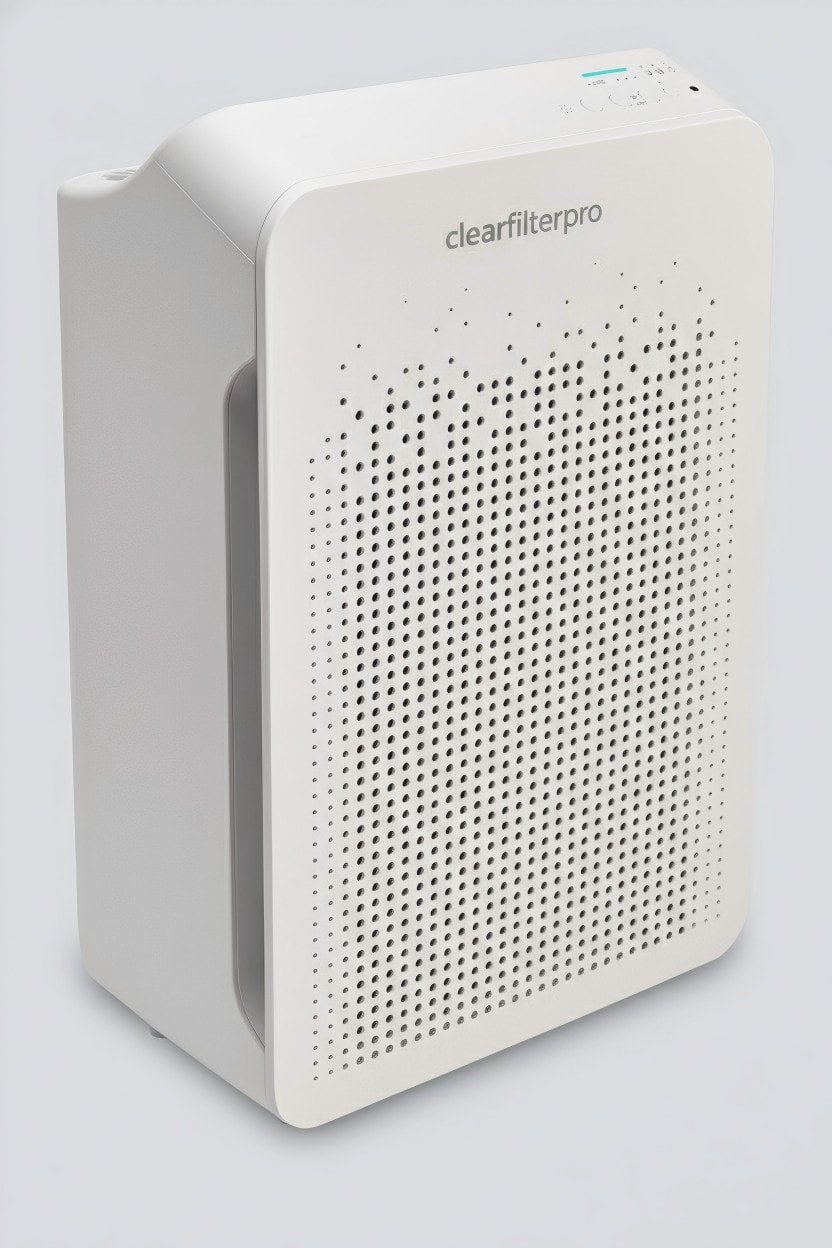
You want the best air purifier for your needs, your space, and your budget. Clean air matters, especially when you spend so much time indoors. Many people feel confused by all the choices in the air purifier market. Why do most people buy an air purifier? Some want a cleaner environment. Others worry about health or struggle with allergies. Air purifiers help with all these issues. If you have pets, smoke, or dust, you will see a difference. This air purifier buying guide will help you cut through the noise and find the right fit. Good air filters and proper placement can make a big impact.
Key Takeaways
Know why indoor air quality matters. Bad air can cause health problems. These include allergies, headaches, and trouble breathing.
Pick an air purifier that fits your room size. Make sure the Clean Air Delivery Rate (CADR) matches your needs. This helps clean the air well.
Find true HEPA filters. They trap very small particles and allergens. These filters are great for people with allergies and pet owners.
Think about noise when you pick an air purifier. A quiet one works best in bedrooms and work areas.
Take care of your air purifier often. Change filters when needed. Keep the unit clean so it works its best.
What Should You Know Before Getting an Air Purifier?
Before you start looking for an air purifier, it helps to know why this guide is important. If you care about the air in your house, you are not alone. Many people want better air inside, but all the choices can be confusing. This guide will help you focus on what matters for your health and comfort.

Why Indoor Air Quality Is Important
You may not notice, but air inside can be much dirtier than outside. Things like cooking, cleaning, or opening windows can bring in dust and pollen. Bad air inside your home can cause more than sneezing or coughing. Studies show that poor air can lead to:
Headaches, feeling dizzy, and being tired
More chances of feeling sad or worried
Trouble thinking and learning, especially for kids
Did you know? Research shows indoor air pollutants like radon can cause lung cancer. Thousands of people die from this each year in the U.S.
Here’s a quick look at what you should know before buying an air purifier:
Description | |
|---|---|
Air inside can be much dirtier than outside. Air purifiers help clean the air. | |
These machines take out bad particles, dust, and allergens. This makes it easier to breathe. | |
Lifetime of filters | Some filters last a year. Others need to be changed every few months. |
Range of air purifiers | Look for things like wheels, remote controls, and saving energy. |
Consumer Beliefs | Many people worry about noise, if they need one in polluted places, and ionization effects. |
Who Should Use an Air Purifier
You might ask if you really need an air purifier. The answer depends on your health and your home. People who get the most help include:
Anyone with allergies or asthma
Kids and babies, who are more sensitive to bad air
Older people, who may have better heart and lung health with clean air
People living where there is a lot of pollution or wildfire smoke
Pet owners who want less dander and fewer smells
If you or your family have sneezing, coughing, or trouble breathing, an air purifier can help a lot. Even if you feel fine, using one can stop future problems and make the air better for everyone at home.
What Key Factors Should You Consider When Choosing an Air Purifier?
Choosing the right air purifier can feel overwhelming, but you can break it down into a few simple steps. Each factor below affects how well the device works and how happy you’ll be with it in your home or office.

Room Size and Coverage
Start by measuring your room. Air purifiers work best when their coverage matches your space. If you pick a unit that’s too small, it won’t clean the air well. If it’s too big, you might waste money and energy.
Here’s a quick guide to help you match your room size with the right air purifier:
Room Size Category | Recommended CADR Coverage |
|---|---|
Small Room (up to 200 sq ft) | At least 133 CFM |
Medium Room (201-399 sq ft) | CADR varies based on size |
Large Room (400 sq ft and above) | CADR should be higher for efficiency |
For a 150-square-foot room, look for a CADR of at least 100.
In an open area of 450 square feet, you need a CADR of at least 300.
CADR should be about two-thirds of your room’s square footage.
If your ceilings are high, you’ll need a higher CADR for the same space.
If you want the best air purifiers for a large living room or office, always check the coverage area. This ensures the air purifier can handle the job and keep your air fresh.
Filter Types (HEPA, Carbon, UV)
The filter is the heart of any air purifier. Different filters target different problems:
Feature | HEPA Filters | UV Systems |
|---|---|---|
Mechanism | Physical trapping | DNA/RNA damage |
Particle Size | Size-dependent | Size-independent |
Pathogen Control | Traps microorganisms | Prevents replication |
Initial Cost | $1,000–$4,000 installed | $400–$800 basic systems |
Maintenance | Replace every 6–12 mo. | Bulb every 12–15 mo. |
Energy Use | More efficient | Higher consumption |
Safety | Minimal risks | Needs pro installation |
HEPA filters trap dust, pollen, and even virus-carrying aerosols. They can clear 90% of 0.3-micron particles in just a few minutes. These filters don’t kill germs, but they keep them out of your air.
True hepa filters are best for homes, especially if you have allergies or asthma.
Carbon filters remove odors and gases. If you have pets or cook a lot, you’ll want this type.
UV systems destroy germs by breaking their DNA. These are great for hospitals or places where killing germs is a must, but they use more energy and need careful setup.
Tip: For most homes, a combination of true hepa filters and carbon filters gives you the best results.
CADR and ACH Ratings
You’ll see two important numbers when shopping for an air purifier: CADR and ACH.
CADR stands for clean air delivery rate. It tells you how much clean air the purifier can deliver each minute. Higher cadr ratings mean the air purifier cleans your room faster.
Cadr ratings show how well the device removes dust, smoke, and pollen. For home use, this is a key number to check.
ACH means air changes per hour. This tells you how many times the air purifier can clean all the air in your room in one hour. More air changes per hour means cleaner air, especially if you have allergies or live in a polluted area.
Experts suggest at least two air changes per hour for most homes. If you have health concerns, look for a higher ACH.
Note: Cadr ratings don’t cover every type of pollutant, like viruses or chemicals, but they’re still a great way to compare models.
Noise Levels
You want your air purifier to work quietly, especially if you use it in a bedroom or office. Noise levels can make a big difference in how comfortable you feel.
Appliance | Noise Level (dB) |
|---|---|
Rustling leaves | 10 |
Whispering air purifier | 15 to 20 |
Normal air purifier on low | 30 to 40 |
Fridge | 50 |
Normal conversation | 60 |
Dishwasher | 55-70 |
Vacuum cleaner | 80 |
Lawn mower | 90 |

If you work from home or need quiet at night, look for air purifiers with noise levels below 40 decibels. Some models run as quietly as a whisper, so you won’t even notice them.
Energy Use and Maintenance
Air purifiers run for hours, so energy use matters. Most models use between 20 and 100 watts. That means you’ll spend less than $50 a year on electricity for most units.
Power Consumption (Watts) | Annual Energy Use (kWh) | Estimated Annual Cost ($) |
|---|---|---|
20 | 175 | < $25 |
30-100 | Varies | < $50 |
If you use your air purifier on medium speed, you’ll likely pay less than $25 a year.
Keeping filters clean is key. Dirty filters make the machine work harder and use more energy.
Plan to replace filters every 6 to 12 months, depending on the model and your air quality.
Pro Tip: Choose an air purifier with a lifetime warranty and high cumulative clean mass (CCM) for long-term savings and peace of mind.
When you look at all these factors—room size, filter type, cadr ratings, ach, noise, and energy—you’ll find the air purifier that fits your needs and keeps your air healthy.
Which Air Purifier Features Help Improve Indoor Air Quality?
When you buy an air purifier, you want features that really help. Some features make it easier to breathe and keep your home safe. Let’s see which ones matter most.

Smart Features and Sensors
Smart features make an air purifier much more useful. Many air purifiers now have sensors. These sensors check for dust, smoke, and gases all the time. The air purifier can change its speed and power by itself. It does this based on what the sensors find in your air. You can also use smart apps on your phone. These apps let you control the air purifier or set a timer. Some air purifiers even work with voice assistants like Alexa.
Feature | Contribution to Air Quality Management |
|---|---|
Air Quality Sensors | Monitor pollutants like PM2.5, PM10, and VOCs in real-time. |
Smart Apps | Enable remote control and detailed air quality reporting. |
Automation | Adjust settings automatically based on air quality data. |
Voice Control | Integrate with devices like Alexa for hands-free operation. |
Scheduling | Program the purifier to operate at optimal times. |
Air purifiers with these features can lower PM2.5 and PM10 a lot. Some can cut these particles by up to 80% or 90%. In some homes, the air got as clean as the air outside in clean places.
Filter Replacement Indicators
You should not have to guess when to change filters. A filter replacement indicator makes this easy. This feature tells you when to put in new filters. If you forget to change filters, your air purifier will not work well. Most air purifiers with this feature keep track of how much you use them. They will let you know when it is time for new filters.
Tip: Always reset the filter indicator after you put in new filters. This helps your air purifier work its best.
Air Quality Monitors
Air quality monitors show you what is in your air at home. Many air purifiers have built-in monitors. These monitors check for PM2.5 and other small things in the air. They give you updates right away, so you know if your air is clean. These monitors may not be as exact as lab tools, but they are good for seeing changes. Some popular monitors match lab equipment pretty well, with a score of 0.80 or higher.
You can trust these monitors to notice big changes in air quality.
Calibration can make them work better for your home.
With these features, your air purifier does more than just blow air through a filter. It becomes a smart helper that keeps your air clean and your family healthy.
How Do You Match the Right Air Purifier to Your Specific Needs?
Choosing the right air purifier depends on what you want to fix in your home. Do you have allergies, pets, smoke, or just need cleaner air in a big or small space? Let’s break it down so you can find the best fit.

Allergies and Asthma
If you or someone in your family deals with allergies and asthma, you want an air purifier that can trap even the smallest particles. Look for a model with a true HEPA filter. These filters catch up to 99.999995% of tiny things like pollen, dust, and pet dander. Clinical studies show that HEPA filters help people with asthma feel better, especially if they live with pets. You also want a purifier with a good CADR (clean air delivery rate) and quiet operation for all-day use.
Health Need | Helpful Additional Features | |
|---|---|---|
Allergies/Asthma | True HEPA filtration, Adequate CADR, Quiet operation, Continuous operation | Air quality sensors, Auto mode, Allergy UK Seal |
Tip: Air purifiers with air quality sensors and auto mode can adjust themselves, so you always get the cleanest air.
Pets and Odors
Pets bring joy, but they also bring dander and smells. You need an air purifier that can handle both. The best models use a three-stage system:
Pre-filter: Catches pet hair and big dust.
Activated carbon filter: Soaks up pet odors and gases.
Main particle filter: Traps tiny dander and pollen.
Activated carbon works by grabbing odors and stopping them from coming back into your room. Some brands, like the IQAir HealthPro Series, use special filters that catch even the smallest pet allergens.
Captures 99.9% of airborne particles, including pet dander.
Helps reduce pet allergies and keeps your home smelling fresh.
Designed for families and pets who want a cleaner space.
Smoke and VOCs
Smoke and chemicals (VOCs) can make your air unhealthy fast. If you live near wildfires or someone smokes indoors, pick an air purifier with a strong activated carbon filter and a HEPA or HyperHEPA filter. Some top choices include the IQAir HealthPro Plus and Alen BreatheSmart 75i. These models use lots of activated carbon to trap smoke and VOCs, making your air safer to breathe.
IQAir HealthPro Plus: Great for heavy smoke and chemicals.
Alen BreatheSmart 75i: Good for big rooms and comes with a lifetime warranty.
Alen 45i: Works well in smaller spaces and targets smoke.
Large vs. Small Spaces
The size of your room matters when picking an air purifier. For small rooms (up to 250 sq. ft.), choose a compact model that weighs less than 10 pounds. These are easy to move and fit well in bedrooms or offices. For bigger spaces, you need a purifier with a higher CADR and more power. Larger models clean the air faster and are often quieter and more energy-efficient.
Note: Some energy-efficient models, like the Blue Pure 411, work well in small spaces but can be noisier than bigger units like the Winix, which balances quiet operation and efficiency.
No matter your needs, matching the right air purifier to your space and lifestyle makes a big difference in how you feel every day.
What Common Pitfalls Should You Avoid When Shopping for an Air Purifier?
When you shop for an air purifier, you want clean air and good value. But the market has some traps. Let’s look at the most common mistakes and how you can avoid them.

Ozone Generators
You might see some air purifiers that promise to remove air pollution using ozone. These are called ozone generators. They sound high-tech, but they can actually make your air less safe. Ozone can hurt your lungs and make asthma worse. Even short exposure can cause throat irritation and chest pain. Here’s what health agencies say:
Risk Factors | Health Standards | |
|---|---|---|
Decreases in lung function | High ozone concentration | FDA: max 0.05 ppm |
Aggravation of asthma | Long exposure | OSHA: max 0.10 ppm (8 hours) |
Throat irritation, chest pain | Activities that raise breathing | EPA: max 0.08 ppm (outdoor air) |
Inflammation of lung tissue | Pre-existing lung diseases | NIOSH: upper limit 0.10 ppm |
Tip: Always avoid ozone generators. Choose an air purifier that uses mechanical filters like HEPA or activated carbon. These do not add harmful ozone to your home.
Unverified Claims
Some brands make big promises about their air purifier. You might see words like “HEPA-type” or “HEPA-like.” These do not mean the same thing as “True HEPA” or “Medical-Grade HEPA.” Some companies say their product “kills 99.9% of viruses” without proof. Others call ozone “activated oxygen” to sound safe. Watch out for these tricks.
Look for certifications from groups like AHAM Verifide or Allergy UK.
Check if the air purifier lists the size of particles it can capture.
Read reviews and see if there is real research behind health claims.
Note: Ionizers can move particles around but may not remove them. They can also create ozone as a byproduct.
Overpaying for Extras
You want the best air purifier for your money. Some models add features like heating, cooling, or fancy lights. These do not help with air pollution. You may pay more for things you do not need. The cost of replacement filters can also add up fast. Always check the total cost, not just the price tag.
Focus on what matters: true HEPA filtration, enough CADR for your room, and activated carbon for odors.
Look for energy star certified models. These save money on electricity and help the environment.
Read customer reviews to see if the air purifier works well in real homes.
Pro Tip: Choose an energy star certified air purifier. You get better efficiency and lower bills.
If you keep these tips in mind, you will avoid the most common mistakes. You will breathe easier and get the best value for your home.
What Are the Step-by-Step Stages in Buying an Air Purifier?
Ready to pick the right air purifier for your home? Here’s a simple checklist you can follow. These steps will help you avoid mistakes and make sure you get the best value for your money.

Assess Your Space
Start by looking at your room. You want your air purifier to match the space where you’ll use it most.
Measure the size of your room in square feet. This helps you find a model that can clean the air well.
Think about the layout. If you have a big, open room, you might need a more powerful air purifier or even two units.
Notice where you spend the most time. Bedrooms, living rooms, and kitchens often need the most help.
Check for airflow. Place your air purifier where air moves freely. Avoid corners or spots behind furniture.
Put the unit near pollution sources, like a litter box, kitchen, or smoking area, for better results.
Tip: Give your air purifier at least 3-5 feet of space on all sides. This helps it pull in dirty air and push out clean air.
Compare Features and Reviews
Now, look at what each model offers. Not all air purifiers are the same. Some have features that make life easier.
Check the Clean Air Delivery Rate (CADR): Pick a model with a CADR that matches at least two-thirds of your room’s size. This means it can clean the air quickly and well.
Look for True HEPA Filters: True HEPA filters trap tiny particles like dust, pollen, and pet dander. Avoid “HEPA-type” or “HEPA-like” filters—they don’t work as well.
See if it has Activated Carbon: If you want to get rid of odors or smoke, choose a model with an activated carbon filter.
Check Noise Levels: If you want to use your air purifier in a bedroom or office, look for a quiet model. Many people prefer units that run under 40 decibels.
Read Reviews: See what other people say. Reviews can tell you if a model is easy to use, reliable, and quiet. Look for comments about filter changes and customer service.
Check Certifications: Look for trusted labels like AHAM Verifide or Energy Star. These show the air purifier meets safety and performance standards.
Note: Some air purifiers can create ozone, which can be harmful. Always check the specs and avoid models that use ozone generators or ionizers.
Set Your Budget
You don’t have to spend a fortune to get clean air. Set a budget before you shop.
Basic air purifiers cost around $100 to $150. Some models, like the Taotronics AP-003, can be found for less, but prices may go up with third-party sellers.
Higher-end models with smart features or bigger coverage areas cost more.
Stick with well-known brands. They usually have better support and make it easier to find replacement filters.
Remember to check the cost of new filters. Some models need new filters every 6-12 months, and these costs can add up.
Think about energy use. An energy-efficient air purifier saves you money over time.
Callout: The Winix A231 improved air quality by 95% in a 194 sq. ft. room. You don’t always need the most expensive model to get great results.
Make Your Choice
You’ve done your homework. Now, pick the air purifier that fits your needs.
Double-check that the model has true HEPA filtration, the right CADR, and activated carbon if you need odor control.
Make sure it’s quiet enough for your space.
Look at the annual cost for filters and energy. Choose a model that’s easy to maintain.
Avoid models that only say “HEPA-type” or “HEPA-like.” These don’t clean as well as true HEPA.
Stay away from ozone generators and ionizers. These can make your air less healthy.
Before you buy, read a few more reviews and check for certifications. This helps you avoid surprises.
Pro Tip: Make a quick checklist before you buy. If the air purifier checks all your boxes, you’re ready to enjoy cleaner air.
Quick Checklist for Buying an Air Purifier:
Measure your room size.
Match the CADR to your space.
Choose a model with true HEPA and activated carbon (if needed).
Check noise levels.
Read reviews and look for certifications.
Set your budget, including filter costs.
Make your purchase and breathe easy!
You can use this checklist every time you shop for an air purifier. It keeps things simple and helps you make a smart choice for your home and health.
Tips to Maximize Air Purifier Performance
You want your air purifier to work its best, right? Here are some simple tips that help you get the most out of your device every day.

Best Placement Practices
Where you put your air purifier matters a lot. If you stick it in a corner or behind a couch, it won’t clean the air as well. You should place your air purifier in an open spot, away from walls and big furniture. This helps air flow freely and lets the purifier catch more dust and allergens.
Put your air purifier in the room where you spend the most time.
Keep it at least a few feet away from walls or large objects.
Avoid placing it near windows or doors that open often.
Make sure nothing blocks the air intake or outlet.
Tip: If you have pets, place your air purifier close to where they sleep or play. You’ll notice less pet hair and fewer smells.
Regular Maintenance
Your air purifier needs a little care to keep working well. Dirty filters slow it down and use more energy. You should check the filters every month. Some models have a light or indicator that tells you when it’s time to change them.
Task | How Often | Why It Matters |
|---|---|---|
Clean pre-filter | Every 2-4 weeks | Keeps airflow strong |
Every 6-12 months | Traps tiny particles | |
Wipe exterior | Monthly | Stops dust buildup |
If you keep up with maintenance, your air purifier will last longer and clean your air better.
Monitoring Indoor Air Quality
Many air purifiers come with smart features that help you track air quality. You can use built-in sensors or connect to an app on your phone. These tools show you when the air gets dirty and let you adjust settings fast.
Check the air quality display often.
Use auto mode if your air purifier has it. The device will change speed to match the air in your room.
Try connecting your air purifier to Wi-Fi for updates and tips.
Note: Smart technology makes it easy to keep your air clean without guessing. You can relax and let your air purifier do the work.
If you follow these tips, you’ll notice fresher air, fewer allergies, and a healthier home.
Choosing the right air purifier makes a big difference in your home. You want an air purifier that fits your space and solves your main problems. Use the checklist to compare each air purifier and pick the one that matches your needs. Place your air purifier where it can work best. Clean or replace filters often. When you follow these steps, your air purifier will help you breathe easier every day. Remember, the right air purifier keeps your air fresh and your family healthy. 😊
FAQ
How often should you change the filter in your air purifier?
Most filters need changing every 6 to 12 months. Some models have a light that tells you when it’s time. Check your manual for exact timing.
Can you use an air purifier all day and night?
Yes, you can run your air purifier 24/7. This keeps your air clean all the time. Just make sure to check the filter often.
What is the difference between a portable air purifier and a whole-house air purifier?
A portable air purifier cleans one room at a time. A whole-house air purifier connects to your HVAC system and cleans air in every room.
Do air purifiers help with pet hair and odors?
Air purifiers with HEPA and activated carbon filters trap pet hair and remove smells. Place the unit near where your pets spend time for best results.
Will an air purifier remove cigarette smoke?
Air purifiers with strong activated carbon filters can help reduce smoke and its smell. For heavy smoke, pick a model with a high CADR rating.