

You may see the words HEPA filter and laminar air flow in labs or cleanrooms. A HEPA filter is a special filter. It takes out very small bits from the air. This helps keep your work area clean. Laminar air flow means air moves in one way at a steady speed. This stops dust or germs from spreading. These tools help keep important places safe.
HEPA filters catch at least 99.97% of tiny particles as small as 0.3 microns. This helps meet very strict cleaning rules.
Application Sector | ULPA Filter Usage | |
|---|---|---|
Medical Applications | 34% | N/A |
Vaccine Production Sites | 92% | N/A |
Key Takeaways
HEPA filters take out at least 99.97% of tiny particles. These particles can be as small as 0.3 microns. This makes HEPA filters very important in hospitals and labs for clean air.
Laminar air flow systems give a steady flow of clean air. This stops dust and germs from getting into special work areas.
Use HEPA filters when you need to clean the air in general. Laminar air flow systems work best where the air must be super clean, like in surgery rooms.
Using both HEPA filters and laminar air flow systems together makes the air even cleaner. This lowers the chance of germs or dust in important places.
It is very important to check and clean filters and systems often. This helps them work well and keeps them safe to use.
What Is the Basic Difference Between a HEPA Filter and Laminar Air Flow?
When you work in a lab or cleanroom, you need clean air. Two main tools help with this. These are HEPA filters and laminar air flow systems. Both are important, but they do different things. They also help in different ways.

Key Difference
You might ask how a HEPA filter is different from a laminar air flow system. The big difference is how they move air and stop germs.
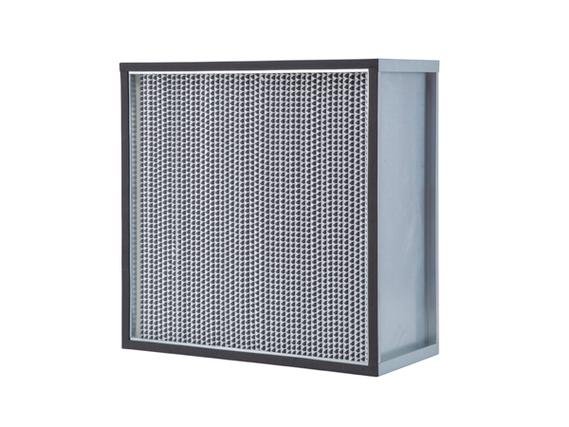
A HEPA filter grabs tiny things from the air. It has thick fibers that catch dust, pollen, and germs. You can find HEPA filters in air purifiers, hospital rooms, and cleanrooms.
A laminar air flow system does more than just filter air. It pushes clean air in one direction. This is usually from top to bottom or side to side. The smooth air stops dust and germs from moving around and landing on your work.
Here is a table that shows the main differences:
Feature | HEPA Filters | Laminar Air Flow Systems |
|---|---|---|
Air Filtration Efficiency | High efficiency in capturing particles | Utilizes HEPA filters for air quality |
Air Change Rate | 15-25 changes/hour | More than 300 changes/hour |
Colony-Forming Units (CFU/m3) | Not specified | Less than 10 CFU/m3 |
Air Flow Direction | Non-directional | Unidirectional flow |
Application Context | General air filtration | Surgical environments |
Laminar air flow systems have HEPA filters inside them. The system moves the clean air in a straight line. This makes the air even cleaner. This is very important in places like surgery rooms.
HEPA filters work in three main ways:
Inertial impaction: Big particles hit the fibers and get stuck.
Interception: Medium particles follow the air and stick to the fibers.
Diffusion: Tiny particles move randomly and bump into the fibers.

You can use this information to pick the right system. If you only need basic air cleaning, a HEPA filter is good. If you need super clean air, like in surgery or medicine making, use a laminar air flow system.
What is HEPA Filter?
A HEPA (High-Efficiency Particulate Air) filter is a type of air filter that removes at least 99.97% of airborne particles 0.3 micrometers in diameter. These filters are essential in environments requiring high air quality.
Definition
You may wonder what makes a HEPA Filter special. This filter stands for High Efficiency Particulate Air filter. It removes tiny particles from the air, making your environment much cleaner. According to international standards, a HEPA Filter must trap at least 99.97% of particles that are 0.3 micrometers in size. This size is important because it is the hardest for filters to catch.
You can trust a HEPA Filter to meet strict rules set by agencies around the world. These filters often have a MERV rating between 17 and 20, which means they work at a very high level.
The European Standard EN 1822-1:2019 groups air filters by how well they catch particles. Here is a simple table to show the main groups:
Classification | Description |
|---|---|
Group E | EPA filters (Efficient Particulate Air filter) |
Group H | HEPA filters (High Efficiency Particulate Air filter) |
Group U | ULPA filters (Ultra Low Penetration Air filter) |
A true HEPA Filter also needs to have clear markings. This helps you install it the right way. The filter must not leak air around the edges. It should also be safe for you to use, with no harmful dust or fibers coming out.
Role in Air Filtration
You use a HEPA Filter when you want to remove dust, pollen, mold, bacteria, and even some viruses from the air. This filter works by forcing air through a fine mesh. The mesh traps harmful particles and keeps them from spreading.
You will find HEPA Filters in hospitals, labs, cleanrooms, and even in some home air purifiers.
These filters help protect you from breathing in dangerous particles.
They also keep sensitive work areas free from contamination.
A HEPA Filter uses three main ways to catch particles:
Large particles hit the fibers and get stuck.
Medium particles follow the air flow and touch the fibers.
Tiny particles move in random paths and bump into the fibers.
When you choose a HEPA Filter, you make sure your air stays clean and safe. This is why so many professionals trust these filters for critical jobs.
What is Laminar Air Flow?
Laminar air flow refers to a streamlined flow of air in which air particles move in parallel layers, with minimal disruption between the layers. This technique is crucial in environments requiring contamination control, such as operating rooms and cleanrooms.
Definition
You often see laminar air flow in labs and cleanrooms. This system moves filtered air in one direction, usually downward, in a steady stream. You get a constant flow that covers the whole workspace. Laminar air flow is also called unidirectional air flow. You find it in cleanrooms with strict standards, such as ISO-1 to ISO-4. The system often covers the entire ceiling to make sure air moves smoothly and evenly. You can use laminar air flow in portable workstations, too. The main goal is to keep the air free from dust and germs.
Laminar air flow creates a protective shield over your work area. You get clean air that pushes away particles and keeps your workspace safe.
Here is a simple table to show how laminar air flow works:
Feature | Description |
|---|---|
Air Direction | One-way, steady stream |
Filter Type | |
Common Locations | Labs, cleanrooms, workstations |
ISO Class Use | ISO-1 to ISO-4 |
Role in Clean Environments
You need laminar air flow to keep your workspace sterile. The system pushes air through a HEPA filter, then sends it in a single direction. This stops air from swirling and keeps dust and microbes from settling. You avoid stagnant air, which can let germs grow. Laminar flow hoods help you do sensitive work, like preparing medicine or running experiments, without worrying about contamination.
You get a barrier of clean air that protects your samples and tools.
You lower the risk of mistakes caused by dirty air.
You keep your results accurate and your workspace safe.
Laminar air flow hoods use a continuous stream of filtered air. This air sweeps away dust and germs, whether the flow is horizontal or vertical. The HEPA filter traps tiny particles, so only clean air reaches your work area. You can trust laminar air flow to keep your environment clean, especially when you need to follow strict safety rules.
Tip: Always check that your laminar air flow system uses a certified HEPA filter. This helps you meet high standards for cleanliness and safety.
What Are the Main Applications of HEPA Filters and Laminar Air Flow Systems?
HEPA filters and laminar air flow systems are primarily used in environments requiring stringent air quality control. Key applications include healthcare facilities, pharmaceutical manufacturing, and cleanrooms.

HEPA Filter Uses
HEPA Filter technology is used in many places. It helps keep air clean and safe. Factories use these filters to catch almost all tiny particles in the air. This helps them follow strict rules about the environment. Hospitals put HEPA filters in their HVAC systems. This protects patients and workers from germs and dust. Food processing plants also use these filters. They help keep food fresh and safe by removing small things that could spoil it. In places where people make computer chips, HEPA filters control dust and gases. Even a tiny bit of dust can ruin a microchip.
Here is a table that shows where you might find HEPA filters and why they matter:
Industry | Application Description |
|---|---|
Industrial Filtration | Catches 99.97% of tiny particles, helping meet rules. |
HVAC Systems | Makes hospital air better by filtering out bad stuff. |
Food Processing | Keeps food clean and helps it last longer. |
Semiconductor Manufacturing | Controls dust and gases in cleanrooms for chips. |
Tip: You can use HEPA filters in home air purifiers. This helps lower allergies and keeps your air clean.
Laminar Air Flow Uses
Laminar air flow systems are used where super clean air is needed. Drug makers use these systems to keep medicine free from germs. This happens during filling and packing. You also see laminar air flow in factories that make microchips. The system stops even tiny dust from landing on chips. Research labs use laminar air flow to protect experiments from getting dirty. Hospitals use these systems in surgery rooms. Clean air moves over the patient and lowers the chance of infection.
Here is a table that shows common uses for laminar air flow:
Industry | Primary Use |
|---|---|
Pharmaceutical | Keeps medicine clean during making and packing. |
Semiconductor | Stops dust from causing problems with microchips. |
Biotechnology/Research | Protects experiments by giving clean air. |
Medical Environments | Lowers infection risk in surgery rooms. |
Note: Laminar air flow systems often have HEPA filters inside. This gives you extra protection from germs and dust.
How Do HEPA Filters Compare With Laminar Air Flow?
HEPA filters and laminar air flow systems both aim to reduce airborne contaminants, but they operate differently. HEPA filters trap particles as air passes through, while laminar air flow directs air in a uniform, unidirectional stream to minimize contamination.

Features
You might wonder how HEPA filters and laminar air flow systems are different. Both help keep air clean, but they work in their own ways. They also help with different jobs. Here are their main features:
Feature/Aspect | HEPA Filter | Laminar Air Flow System |
|---|---|---|
Mechanism | Filters air by trapping particles in a dense mat of fibers | Moves filtered air in a single, steady direction over a workspace |
Particle Removal Efficiency | Depends on air velocity and filter quality | |
Function | Removes dust, pollen, bacteria, and some viruses from the air | Provides a constant stream of clean air to prevent contamination |
Application | Used in air purifiers, HVAC, cleanrooms, hospitals, and labs | Used in clean benches, surgical rooms, pharmaceutical production |
Contamination Control | Reduces airborne particles in general spaces | Maintains ultra-clean zones for sensitive work |
Air Flow Direction | Non-directional | Unidirectional (vertical or horizontal) |
Maintenance | Replace filter every 1-3 years; inspect for damage | Clean work surface daily; monitor airflow; replace filters regularly |
Energy Use | Lower, depends on fan and filter resistance | Higher, due to need for steady airflow and pressure drop across filter |
Regulatory Standards | Required by FDA, ISO, USP for cleanrooms | Must meet ISO Class 5 or better for critical environments |
Tip: Using both systems together gives you the best protection. Laminar air flow systems always have a HEPA filter inside. This makes sure only clean air gets to your workspace.
Particle Removal and Air Quality
HEPA filters catch almost all tiny particles in the air. They trap at least 99.97% of things that are 0.3 microns or bigger. Laminar air flow systems use these filters too. But how well they work also depends on how fast and steady the air moves. If the air slows down or swirls, dust can settle and make your work dirty.
Aspect | HEPA Filter | Laminar Airflow |
|---|---|---|
Efficiency | 99.97% for particles ≥ 0.3 microns | Depends on air velocity and filtration system used |
Function | Filters particles from the air | Provides clean, unidirectional airflow |
Where You Use Each System
HEPA filters are found in many places. They help keep labs, hospitals, and food factories safe. Laminar air flow systems are used where the air must be super clean. You see them in surgery rooms and medicine factories.
Industry | |
|---|---|
Laboratory | Protect experiments and samples from outside contaminants, ensure research results stay accurate. |
Pharmaceutical | Keep drugs sterile during production, ensure product safety. |
Food | Help with yeast culture, mushroom growing, and food packaging. |
Technology & Electronics | Keep dust away during assembly of electronics, like phones and hard drives. |
Healthcare | Maintain sterile conditions during surgery and medication prep. |
How HEPA Filters Work Inside Laminar Air Flow Systems
Every laminar air flow system has a HEPA filter inside. The system pushes air through the filter before it reaches your workspace. This keeps your area free from dust and germs. The design must think about airflow speed, filter power, and how easy it is to take care of.
Vertical laminar flow sends clean air straight down. This keeps your work safe from dust above.
Horizontal laminar flow pushes air across your table. You need to stand so you do not block the clean air.
Modern laminar air flow systems have monitors and controls. These help you check if the air and filter are working right. You must keep up with cleaning and checks to avoid problems.
System Design and Fan Power
Laminar air flow systems need the air to move at the right speed. ISO 14644 says the air should move about 0.45 meters per second. The range is from 0.36 to 0.54 meters per second. This helps keep your workspace clean.
Parameter | Value |
|---|---|
Standard Airflow Velocity | 0.45 m/s |
Minimum Airflow Velocity | 0.36 m/s |
Maximum Airflow Velocity | 0.54 m/s |
Power Consumption | 200-800W |
Faster air means the fan works harder. The HEPA filter makes the fan use more power.
Keeping the right speed saves energy and keeps air clean.
Maintenance and Lifespan
You should clean the work surface every day. Check pre-filters each week. Change HEPA filters every 1-3 years, depending on use and air dirtiness. Smart systems can help your filters last longer and save money.
Replacement Method | Average Filter Lifespan | Cost Efficiency |
|---|---|---|
Fixed Schedule | 12-24 months | Baseline |
Condition-Based | 18-36 months | 25-40% improvement |
Predictive Maintenance | 24-48 months | 40-60% improvement |

Note: Using pre-filters and smart systems can help your HEPA filter last longer and make less waste.
Environmental Impact
Making and throwing away filters uses up resources and makes trash. Most old filters cannot be recycled. They end up in landfills. Choosing energy-saving systems and changing filters only when needed helps the environment.
Regulatory Standards
If you work in healthcare or medicine, you must follow strict rules. Groups like the FDA, WHO, and ISO say you must use HEPA filters and keep air at ISO Class 5 or better. You need to test and check your systems often to follow the rules and keep things safe.
HEPA filters catch bad stuff in the air and help you meet air quality rules.
Laminar air flow systems make the cleanest spaces for your most important work.
Remember: Both HEPA filters and laminar air flow systems are needed to control germs and dust. Pick the right one based on what you need, how clean the air must be, and how much work you can do to keep it running.
What Are the Typical Use Cases for HEPA Filters Compared to Laminar Air Flow Systems?
HEPA filters are commonly used in environments where high levels of air purity are required, such as hospitals, laboratories, and cleanrooms. Laminar air flow systems, on the other hand, are typically utilized in surgical theaters and certain laboratory settings where both air purity and airflow direction control are critical.

When to Use HEPA Filter
You should use a HEPA Filter when you want to remove dust, pollen, or germs from the air. You often see these filters in hospitals, labs, and even some homes. If you have allergies, a HEPA Filter can help you breathe easier. You also find them in places where people make medicine or food. These filters keep the air clean and protect products from getting dirty. When you need to meet strict air quality rules, this filter is a smart choice.
Hospitals use them to protect patients.
Labs use them to keep experiments safe.
Factories use them to keep products clean.
Tip: If you want to lower the risk of sickness from the air, choose a HEPA Filter.
When to Use Laminar Air Flow
You should use laminar air flow when you need a very clean workspace. This system works best in surgery rooms, medicine factories, and research labs. Laminar air flow moves clean air in one direction. This stops dust and germs from landing on your work. If you work with sensitive tools or samples, this system helps you avoid mistakes.
Use it for surgery to protect patients.
Use it in drug making to keep medicine safe.
Use it in labs to protect your work.
Note: Laminar air flow gives you a shield of clean air over your workspace.
Combined Use
You get the best results when you use both systems together. Many cleanrooms and labs use a HEPA Filter inside a laminar air flow system. This setup gives you cleaner air and better protection. You lower the number of germs and dust in the air. You also help stop the spread of sickness.
Here is a table that shows what you gain and what you need to watch out for when you use both systems:
Challenges of Using HEPA Filters and Laminar Air Flow Systems | |
|---|---|
Enhanced air quality and reduced infection rates | High air resistance |
Continuous flow of bacteria-free air | Higher energy consumption |
Lower levels of particles and bacteria in the air | Retrofit limitations |
Improved indoor air quality (IAQ) | |
Protection against airborne pathogens |
Using both systems gives you cleaner air, but you may need more power and special equipment.
If you want the cleanest air for your work, think about using both a HEPA Filter and laminar air flow. This helps you meet strict safety rules and keeps your workspace safe.
How Should You Choose Between a HEPA Filter and a Laminar Air Flow System for Your Needs?
Choosing between a HEPA filter and a laminar air flow system depends on your specific air quality requirements. HEPA filters are suitable for general air purification, while laminar air flow systems are ideal for environments needing sterile conditions, like laboratories.

Factors
When you choose a HEPA Filter for your lab or cleanroom, you need to think about several important factors. Each factor helps you make sure your air stays clean and safe. You want your filter to work well in your environment.
Factor | Description |
|---|---|
Airflow and Pressure Drop | Check how much air you need and how the filter affects airflow. A high pressure drop can slow down air movement. |
Environmental Conditions | Look at the temperature and humidity in your space. Most filters work up to 160°F and 95% humidity. |
Chemical Resistance | If you use chemicals, make sure your filter can handle them. Some filters need special materials. |
Testing and Validation | Test your filter to make sure it works. Use methods like DOP testing and particle counting. |
Installation and Maintenance | Install your filter the right way to stop leaks. Watch the pressure drop and change filters when needed. |
Tip: Always check the filter’s label and instructions before you install it. This helps you avoid mistakes and keeps your air clean.
You have learned that a HEPA Filter takes out tiny bits from the air. Laminar air flow gives a steady stream of clean air over your work area. In surgery, a mobile laminar air flow screen with a HEPA Filter keeps the space free from germs, even if people walk around. For rooms that need very clean air, using positive or negative pressure with HEPA filters works best. Look at this table to help you decide:
Consideration | Details |
|---|---|
Filtration Efficiency | |
Compliance with Standards | Follows ISO 14644-1 for cleanrooms |
Airflow Rate | Needed for sensitive environments |
Choose the system that fits your safety and cleanliness needs.
FAQ
What does a HEPA filter remove from the air?
A HEPA filter removes dust, pollen, mold, bacteria, and some viruses. You can trust it to catch at least 99.97% of particles that are 0.3 microns or larger.
Can you use a laminar air flow system without a HEPA filter?
No, you cannot. Every laminar air flow system needs a HEPA filter. The filter makes sure the air that flows over your workspace stays clean and safe.
How often should you replace a HEPA filter?
You should replace a HEPA filter every 1 to 3 years. The exact time depends on how dirty your air is and how much you use the system.
Where do you see laminar air flow systems most often?
You see laminar air flow systems in hospital surgery rooms, labs, and places where people make medicine or computer chips. These systems help keep the air very clean.
What is the main benefit of using both systems together?
Using both systems gives you the cleanest air. You lower the risk of germs and dust. This helps protect your work, your products, and your health.