
Filtration Technology Insights
Explore expert articles, technical guides, and the latest innovations in high-efficiency particulate air purification, high-temperature resistance, and advanced ventilation systems.
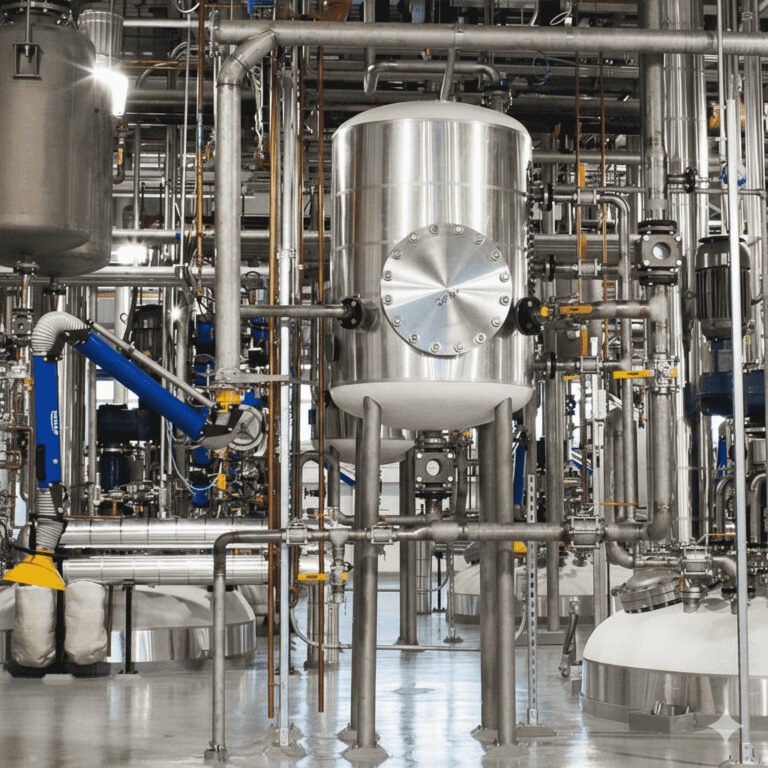
How Chemical and Activated Carbon Filters Work
Chemical filter systems use reactions to neutralize contaminants, while activated carbon filters trap pollutants by adsorption for cleaner air and water.
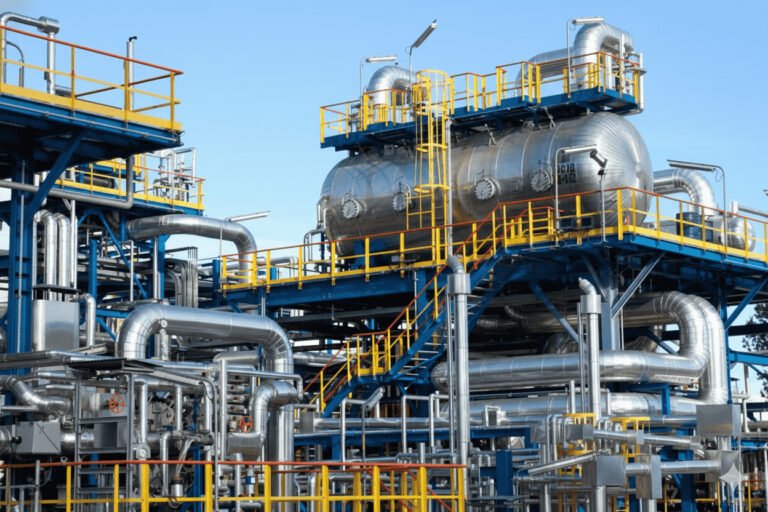
How To Choose The Right Chemical Filter?
Choose the right chemical filter by matching filter material, pore size, and system needs to effectively remove targeted pollutants and ensure compatibility.
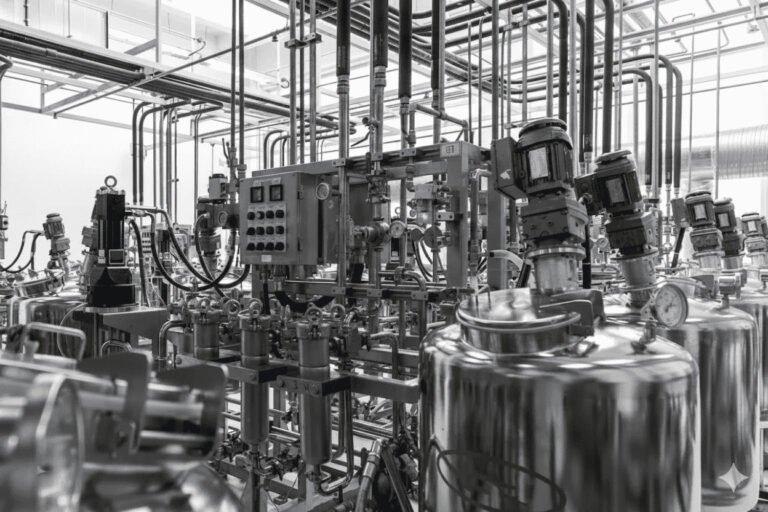
What Is Chemical Filter
A chemical filter removes harmful chemicals from water or air using special media, improving safety and meeting environmental standards in various settings.
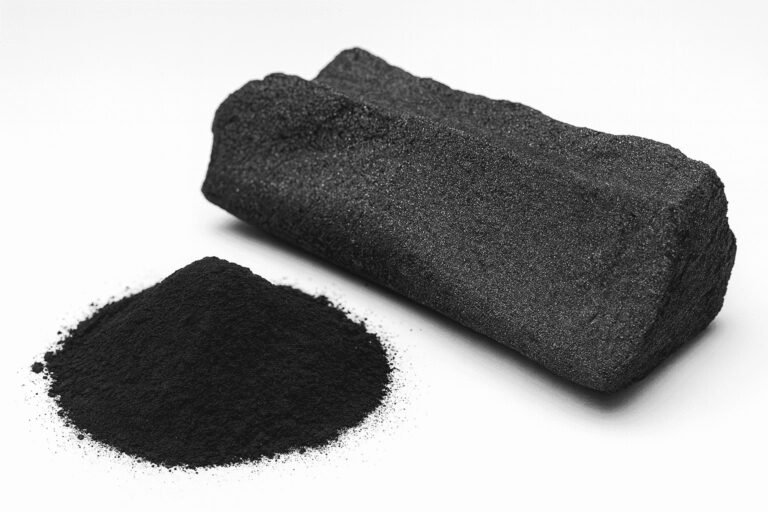
Comparing Coconut Activated Carbon from Shell, Coal, and Wood
Coconut activated carbon from shell, coal, and wood differs in pore size, adsorption, and eco-friendliness. Find the best type for your application.
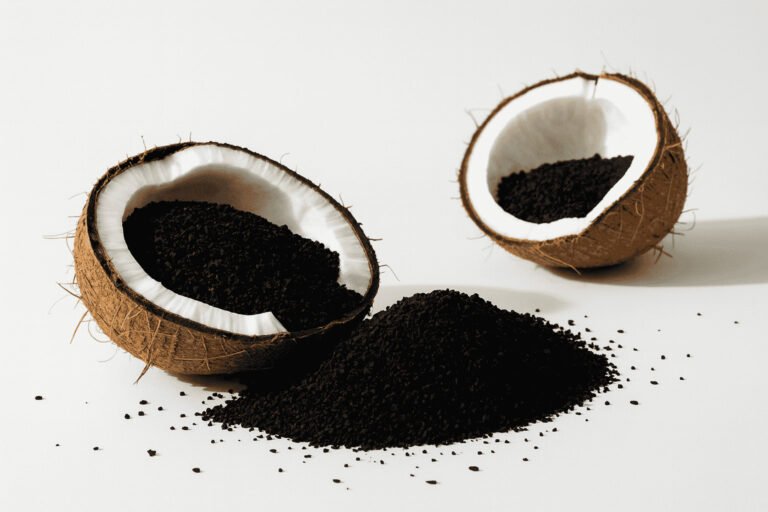
How a Coconut becomes Activated Carbon
Coconut activated carbon is made by cleaning, carbonizing, and activating coconut shells to create a porous, eco-friendly filtration material.
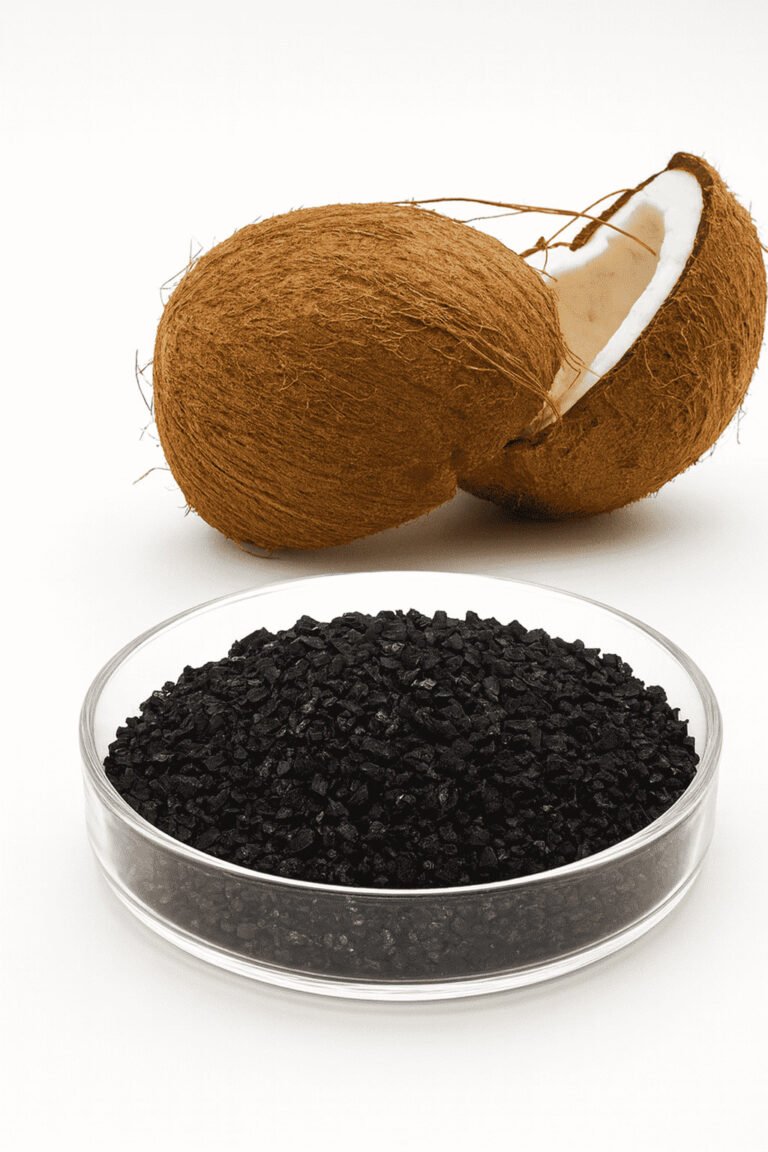
Coal-Based Activated Carbon Compared to Coconut Shell Activated Carbon
Coal-based activated carbon excels at odor removal, while coconut shell activated carbon offers better small molecule adsorption and is more eco-friendly.
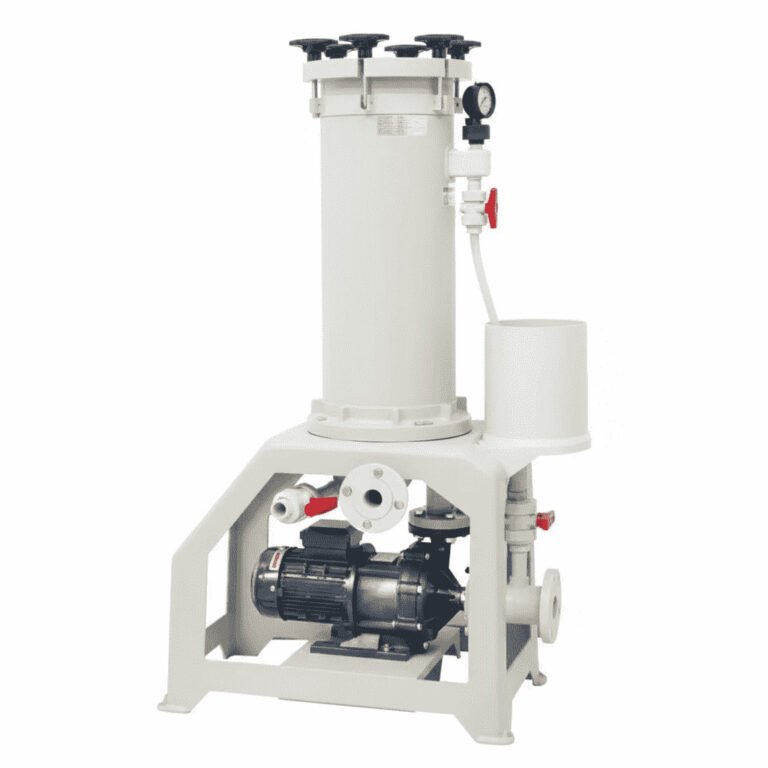
Understanding industrial chemical filters
Industrial chemical filters remove harmful particles from air, gas, and liquids, protecting equipment, improving product quality, and ensuring safety.
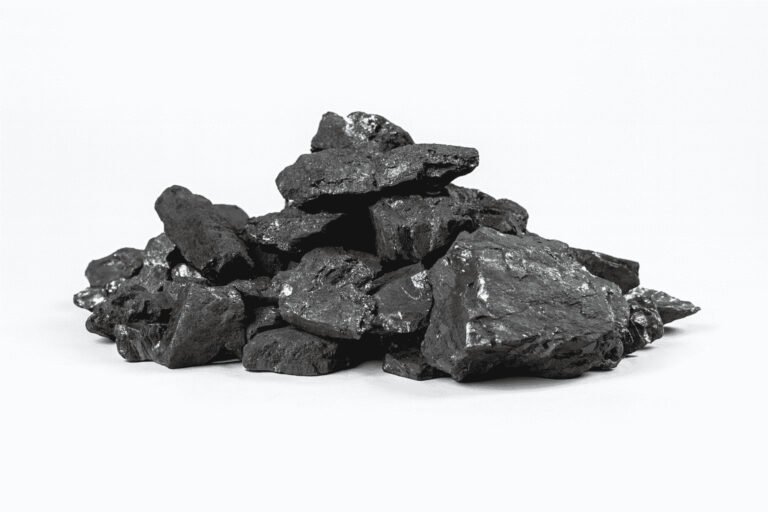
Application of coal-based activated carbon
Coal-based activated carbon is widely used for water purification, air filtration, odor control, and industrial decolorization due to its high adsorption capacity.
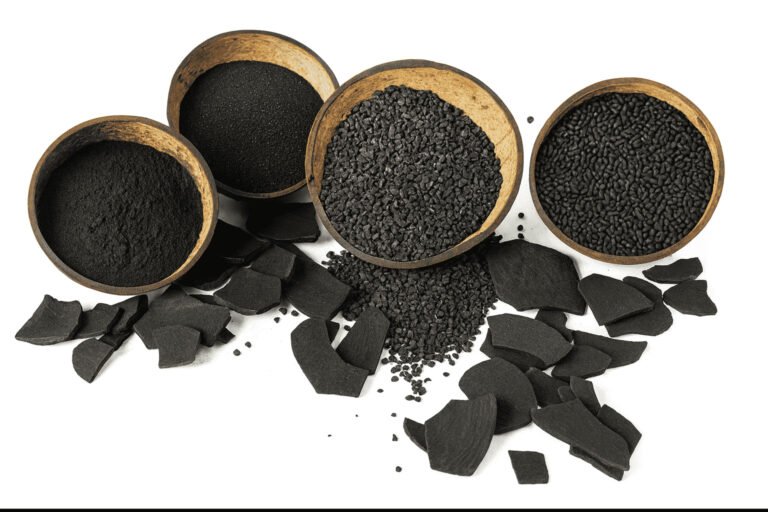
Coconut Shell Activated Charcoal: Benefits and Uses
Coconut shell activated carbon offers eco-friendly detox, water and air purification, and personal care benefits for home and health.
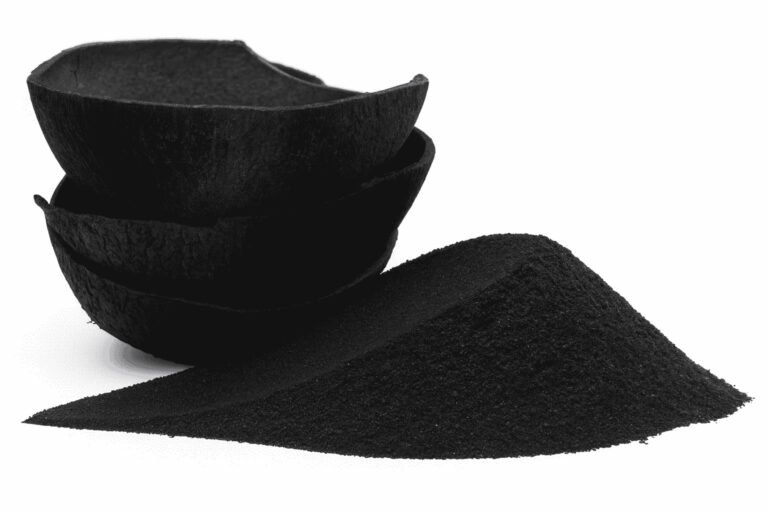
Understanding Acid Washed Coconut Shell Activated Carbon for Beginners
Acid washed coconut shell activated carbon offers high purity, low ash, and strong adsorption for cleaner water and air in home and commercial filtration systems.
Stay Ahead in Air Quality Standards
Subscribe to the ClearFilter technical newsletter for the latest updates on global ventilation standards, product engineering breakthroughs, and maintenance best practices.
We respect your privacy. No spam, ever.
Frequently Asked Questions
Common inquiries regarding our technical resources and publications.