
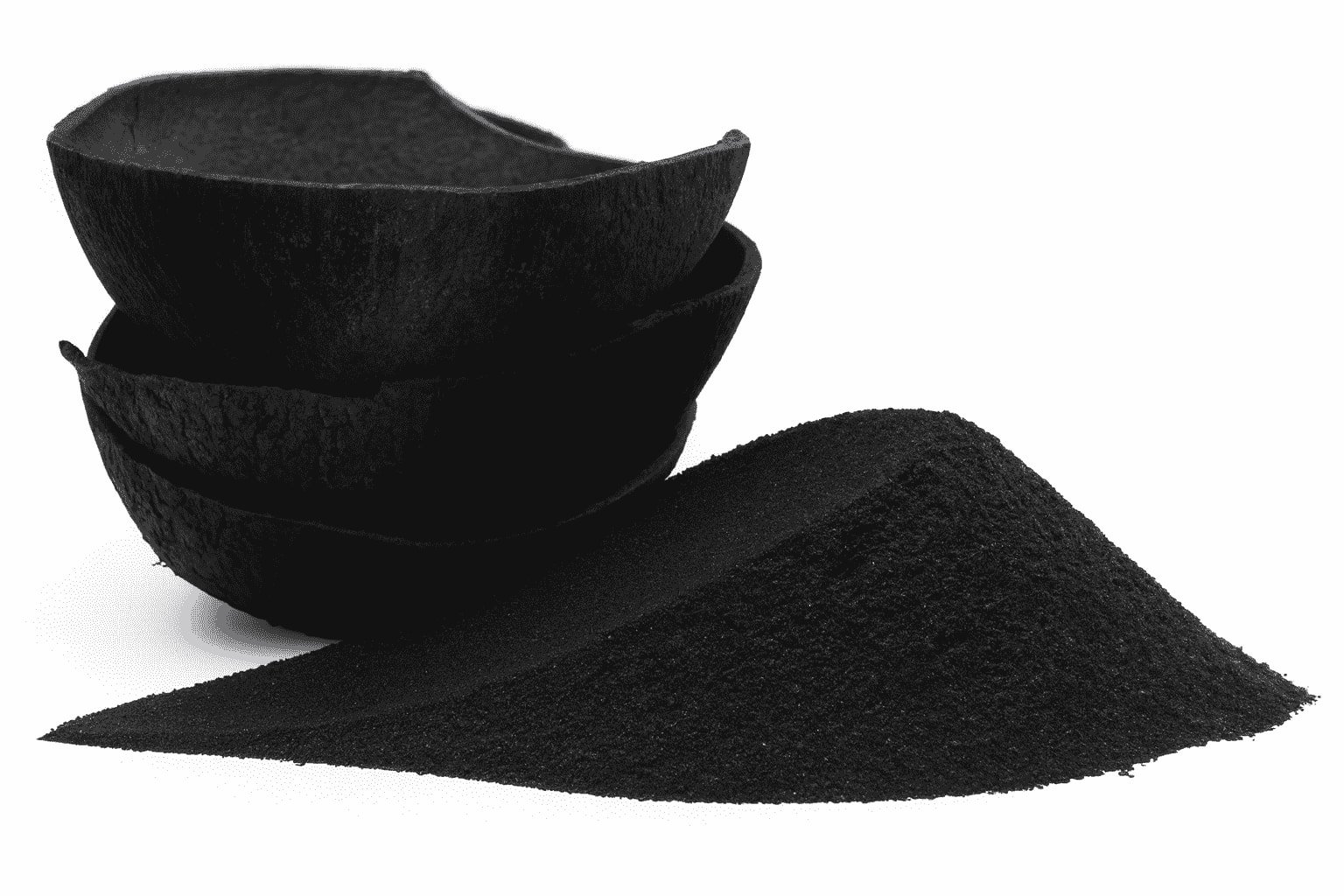
You use acid washed coconut shell activated carbon to help clean water and air at home or work. This material is made from coconut shells. Coconut shells are a renewable resource. They are better for the environment than other sources. Making this carbon helps local people get jobs. It also uses byproducts that might be thrown away.
Main uses: water purification, air filtration, and odor removal
Unique features: high surface area, strong adsorption, and natural origin
Key Takeaways
Acid washed coconut shell activated carbon is good for the environment. People use it to clean water and air. It helps take out bad stuff and gives jobs to local people.
The acid washing process lowers ash and removes heavy metals. This makes water and air cleaner for homes and businesses.
This carbon has a big surface area and strong adsorption power. It traps chemicals, smells, and pollutants. This makes your water and air better.
Picking acid washed carbon makes filters work better. It is great for things like food and medicine, where clean is very important.
Always look for certifications like NSF/ANSI Standard 61. This helps make sure the activated carbon is safe and works well for you.
What Is Coconut Shell Activated Carbon and How Is It Made?
Coconut shell activated carbon is a type of charcoal derived from the shells of coconuts, known for its high adsorption capacity and large surface area, making it effective in purifying air and water. It is created through a process involving carbonization and activation.
Basic Definition
Coconut shell activated carbon is a cleaning material made from coconut shells. Manufacturers pick strong coconut shells for making it. They use a few steps to turn shells into carbon. The process makes lots of tiny holes called pores. These pores trap things you do not want.
Some important features of coconut shell activated carbon are:
Most pores are very tiny and called micropores. More than 80% of the pores are micropores.
The surface area is very big, between 800 and 1,200 square meters per gram. This gives lots of space to catch impurities.
The material is tough and does not break easily. It has a ball-pan hardness of 97-99%.
It has very little ash, less than 3%. This makes it cleaner than other activated carbon.
The pH is almost neutral, so it does not change water taste or smell.
Tip: Coconut shell activated carbon is strong, clean, and has a huge surface area. You can use it for many jobs.
Making coconut shell activated carbon takes several steps. Here is a simple list:
Get fresh, good coconut shells.
Wash and crush the shells into small pieces.
Heat the pieces in a furnace to make carbon. This is called carbonization.
Wash the carbon to get rid of impurities.
Heat the carbon with steam or chemicals to activate it. This step opens the pores and makes more surface area.
Wash the activated carbon again to make it even cleaner.
Dry and pack the final product for use.
This process gives you carbon with lots of pores, great adsorption, and high strength. You can use it many times because it is easy to clean and reuse.
Acid Washing Process
The acid washing process makes coconut shell activated carbon cleaner and better. In this step, manufacturers wash the activated carbon with acids like sulfuric acid or phosphoric acid. These acids help remove minerals, heavy metals, and ash.
Here is a table comparing acid washed and non-acid washed carbon:
Aspect | Non-Acid Washed Carbon | Acid Washed Carbon |
|---|---|---|
Impurity Levels | Higher | Much Lower |
Heavy Metals Removal | Limited | Extensive |
Ash Content | Up to 5% | Less than 1% |
Adsorption Capacity | Lower | Higher |
Risk of Black Water | Higher | Lower |
When you use acid washed coconut shell activated carbon, you get much lower impurity levels. The ash content drops to less than 1%. The risk of black water in your filter is much lower. The carbon removes more pollutants from water and air. Acid washing makes the carbon better at trapping chlorine, odors, and harmful chemicals.
Note: The acid type can change how well the carbon works for some jobs. For example, using phosphoric acid can help the carbon remove some dyes from water.
You can trust acid washed coconut shell activated carbon for clean and effective filtration at home or work.
Why Should You Choose Acid Washed Coconut Shell Activated Carbon?
Acid washed coconut shell activated carbon is highly effective for purifying air and water due to its high microporosity, making it ideal for removing impurities and contaminants. Its durability and low ash content further enhance its filtration efficiency, ensuring a longer lifespan and reduced maintenance.

Purity and Low Ash Content
You want clean water and air in your home. Acid washed coconut shell activated carbon helps you reach that goal. This material goes through a special cleaning step called acid washing. The process removes unwanted minerals and metals. You get a product with very low ash content.
When you use acid washed carbon, you lower the risk of black water and strange tastes in your filter.
Laboratories use a test called ASTM D7582 to measure ash content. They heat the carbon to 750°C. The results show that acid washed coconut shell activated carbon has less ash than coal-based or wood-based carbons. You get a cleaner product that works better for you.
Acid washing removes inorganic impurities.
You get less than 1% ash in the final product.
Lower ash means fewer problems in your water or air filter.
You can trust this carbon to keep your water and air pure.
Superior Adsorption Capacity
You want your filter to catch as many pollutants as possible. Acid washed coconut shell activated carbon gives you that power. The acid washing step opens up more pores in the carbon. These tiny holes trap chemicals, odors, and even chlorine.
More pores mean more space to catch unwanted substances.
You get better removal of chlorine, bad smells, and harmful chemicals.
Your water tastes better and your air smells fresher.
Acid washed carbon works well in both home and commercial filters.
You can use this material for drinking water, aquariums, or air purifiers. You get strong performance and peace of mind. Choose acid washed coconut shell activated carbon if you want the best results for your family or business.
How Does Coconut Shell Activated Carbon Compare to Other Types of Activated Carbon?
Coconut shell activated carbon offers superior microporosity, making it highly effective in removing small contaminants, such as volatile organic compounds (VOCs), from air and water. It is more sustainable and renewable compared to coal or wood-based carbon, with a longer lifespan and higher adsorption capacity.

Raw Material Differences
Activated carbon can come from different things. The main types are coconut shell, coal, and wood-based activated carbon. Each one starts with a different material and uses its own process. The table below shows how they are not the same:
Type of Activated Carbon | Raw Material Source | Activation Temperature (°C) |
|---|---|---|
Coconut shell | Coconut Shell | 800-1000 |
Coal-based | Anthracite, Lignite | 800-1000 |
Wood-based | Wood, Coconut Shell | 500-800 |
Coconut shell activated carbon is made from coconut shells. These shells are left over from making other coconut products. Coal-based carbon comes from coal that is mined from the ground. Wood-based carbon uses wood or wood waste. Coconut shell carbon is harder and lasts longer. Coal-based carbon has bigger pores but can have more ash and dirt. Wood-based carbon is lighter and needs less heat to make.
Tip: If you want strong and clean carbon for filters, coconut shell is a good pick.
Environmental Sustainability
Choosing coconut shell activated carbon helps the environment. Coconut shells grow back fast and do not need trees to be cut down or coal to be mined. Making this carbon also makes less pollution than coal-based carbon.
Coconut shells are a byproduct, so you do not hurt nature.
The carbon footprint is low for coconut shell-based carbon.
It causes about half as much global warming as coal-based carbon.
What you use and how you make it changes the effect on the environment.
Many places have rules to keep the environment safe during production. Companies must keep carbon emissions low, use safe chemicals, and throw away waste the right way.
Regulation Type | Description |
|---|---|
Carbon Emissions | Companies must keep carbon emissions low when making carbon. |
Hazardous Chemicals | There are strict rules for using chemicals in the process. |
Waste Disposal | Companies must get rid of waste in a safe and approved way. |
When you choose coconut shell activated carbon, you help the planet. You support cleaner ways to make things and safer factories.
What’s the Difference Between Acid Washed and Regular Coconut Shell Activated Carbon?
Acid washed coconut shell activated carbon is treated with acid to remove impurities, enhancing purity and adsorption capacity. Regular coconut shell activated carbon lacks this treatment, making it less pure but suitable for general filtration needs.

Purity and Performance
You might wonder how acid washed and regular coconut shell activated carbon are different. The biggest difference is how clean each type is. Acid washed carbon gets a special cleaning step. This step takes away most ash and metal impurities. Regular carbon does not get this cleaning, so it keeps more ash and metals. You can look at the table below to see the difference:
Type of Activated Carbon | Purity Level | Characteristics | Applicable Scenarios |
|---|---|---|---|
Acid Washed | High | Removes most ash and metal impurities | Food, pharmaceuticals, electronics |
Non Acid Washed | Low | High ash and metal impurity content | Low-cost applications |
Acid washed carbon is much cleaner. You get less unwanted stuff in your water or air. This makes it safer for things like food or medicine. Regular carbon is fine for jobs that do not need high purity.
Tip: Pick acid washed carbon if you want the cleanest results. It helps keep your water, air, and products safe.
Best Use Cases
You need to choose the right carbon for your needs. Acid washed coconut shell activated carbon is best when you want high purity and strong results. Here are some good uses:
Water treatment at home or in factories
Treating acidic waste streams safely
Making filters last up to 40% longer than regular carbon
Taking out heavy metals like lead, copper, and cadmium from water
Regular carbon is good for cheap jobs where purity is not important. Acid washed carbon helps protect your health and keeps filters working longer. You get cleaner water and air with less risk of chemicals getting through.
Note: Acid washed carbon is the best pick for drinking water, aquariums, and places where safety matters most.
Why Is Surface Area Important in Coconut Shell Activated Carbon?
The surface area of coconut shell activated carbon is crucial because it determines the material’s adsorption capacity. A higher surface area allows for more contaminants to be captured, making it highly effective for filtration and purification processes in water and air treatment.

What Surface Area Means
You may ask what surface area means for coconut shell activated carbon. Surface area is the space inside and outside each tiny carbon piece. Scientists measure this space in square meters per gram. More surface area means more room to catch things you do not want.
BET surface area can be as high as 2825 m²/g.
Most coconut shell activated carbon has 800 to 1600 m²/g.
Some special types can go over 3000 m²/g.
Think about holding a small spoonful of activated carbon. It looks small, but the surface area inside could cover many tennis courts. This big space comes from millions of tiny pores. These pores work like traps for chemicals, smells, and impurities.
Surface area is a key reason activated carbon works well in filters.
Impact on Filtration
You want clean water and air at home. Surface area helps your filter work better. When coconut shell activated carbon has lots of surface area, it gives more places for pollutants to stick. Each pore is a spot where chemicals and bad smells get trapped.
High porosity and wide surface area help the carbon catch organic chemicals fast. More surface area means your filter works better. It can remove more chlorine, bad smells, and harmful chemicals. You get cleaner water and fresher air.
If you pick activated carbon with more surface area, your filter works stronger. You protect your health and get better results every day.
Tip: Choose products with higher surface area for the best filtration at home or work.
What Are the Key Benefits and Applications of Coconut Shell Activated Carbon?
Coconut shell activated carbon helps clean water and air in many ways. You can use it at home or in businesses. This material is natural and strong. It comes from a renewable source. Using it in filters helps the planet.

Water Purification
You want water that is safe for drinking and washing. Coconut shell activated carbon helps you get this. It takes out chlorine, bad tastes, and smells. It also traps tiny chemicals you cannot see.
You can use it in water pitchers and faucet filters. It also works in big water plants.
It works for both city and well water.
The carbon removes harmful chemicals like pesticides and some heavy metals.
You get water that tastes better and is safer. Many people use this carbon in aquariums. Fish need clean water, and this carbon keeps them safe.
Tip: Coconut shell activated carbon has a high surface area. This means it can catch more bad things and keep your water fresh.
Air Filtration and Odor Removal
You breathe cleaner air when you use this carbon at home or work. It traps odors, smoke, and harmful gases. It works in air purifiers, HVAC systems, and car air filters.
Coconut shells make pores smaller than 2 nanometers. Wood makes bigger pores over 50 nanometers. More micro-pores help trap more chemicals and pollutants.
Studies show this carbon can cut VOCs in the air by 51% to 91%.
You get good results for both indoor and outdoor air.
The carbon is tough and lasts a long time.
Many big companies use this carbon in their air systems. They see up to 50% less VOCs in offices. This is good for people in cities. Unlike fake filters, this carbon comes from renewable sources. You get clean air and help the earth.
Note: You can use this carbon to remove pet smells, cooking odors, and even cigarette smoke at home.
Residential and Commercial Uses
You find coconut shell activated carbon in many places. At home, you use it in water filters and air purifiers. You also use it in refrigerator deodorizers. In businesses, it helps clean water for factories, restaurants, and hospitals.
In food and drinks, this carbon removes color, taste, and odor.
It helps make drinks and foods look and taste better.
You also see it in gold recovery, gas masks, and chemical plants.
Here is a table showing common uses:
Application Area | How It Helps |
|---|---|
Home water filters | Removes chlorine, taste, and odor |
Air purifiers | Traps VOCs, smoke, and bad smells |
Food and beverage | Decolorizes and purifies products |
Aquariums | Keeps water clean for fish |
Industry | Cleans water and air in factories |
You can trust coconut shell activated carbon for many jobs. It works well and lasts a long time. It comes from a source that does not harm the planet. You help your family and the earth when you use this material.
How Can You Choose the Right Coconut Shell Activated Carbon for Your Needs?
Selecting the right coconut shell activated carbon involves evaluating your specific application requirements, such as the type of contaminants you need to remove and the physical properties required. Consider the carbon’s pore structure, iodine number, and surface area to match your purification needs.

Factors to Consider
You want the best results from your filter. You need to look at a few important things before you buy. First, check the mesh size. Mesh size tells you how big or small the carbon pieces are. Smaller mesh sizes work well for water filters because they trap tiny particles. Larger mesh sizes let water flow faster but may miss some impurities.
Next, think about purity. High-purity carbon means fewer unwanted chemicals in your water or air. Acid washed carbon is cleaner and safer for drinking water. You should also match the carbon to your use. For example, use special carbon for removing chlorine, odors, or heavy metals.
Certifications help you know the product is safe. Look for these on the label:
Certification | Description |
|---|---|
Safe for drinking water systems. | |
ISO 9001 | Made with good quality controls. |
AWWA Guidelines | Meets industry standards for purity and performance. |
You can also check for NSF, California Proposition 65, or Water Quality Association (WQA) marks. These show the carbon is safe and works well.
Tip: Store your carbon in a cool, dry place. Keep it away from water and dust to make it last longer.
Common Mistakes to Avoid
Many people make simple mistakes when choosing carbon. You can avoid these problems:
Do not pick only by price. Cheap carbon may break down fast and not clean well.
Do not ignore mesh size. The wrong size can slow water flow or miss pollutants.
Always check what is in your water. Some water needs special carbon to remove iron or sulfur.
Never skip certifications. Unchecked products may add bad stuff to your water.
Replace your filter on time. Old carbon can stop working and release trapped chemicals.
If you follow these steps, you will get the most from coconut shell activated carbon. You will have cleaner water and air for your family.
You now know why acid washed coconut shell activated carbon stands out. It gives you clean water and fresh air. You help the planet by choosing a natural, renewable material. Think about what you need for your home or business. Check product labels and certifications before you buy. If you want to learn more, read guides or ask experts. Understanding these basics helps you make smart choices for your health and safety.
FAQ
What makes acid washed coconut shell activated carbon different from regular activated carbon?
Acid washed coconut shell activated carbon is cleaner than regular activated carbon. The acid washing step takes out more ash and metals. This makes it safer to use in water and air filters.
Can you use coconut shell activated carbon for both water and air filtration?
Yes, you can use it for both water and air. It works well in water filters and air purifiers. The high surface area helps catch chemicals, odors, and other pollutants in water and air.
How often should you replace your activated carbon filter?
Check your filter every 2 to 3 months. Change it if your water tastes strange or your air smells bad. Always follow the instructions from the manufacturer for the best results.
Is coconut shell activated carbon safe for aquariums?
Yes, it is safe for aquariums. It takes out chlorine, odors, and harmful chemicals from the water. Your fish and plants stay healthy when you use the right amount.
Does acid washed coconut shell activated carbon remove heavy metals?
Yes, it can take out some heavy metals like lead and copper from water. The acid washing step helps it trap these harmful substances better.