
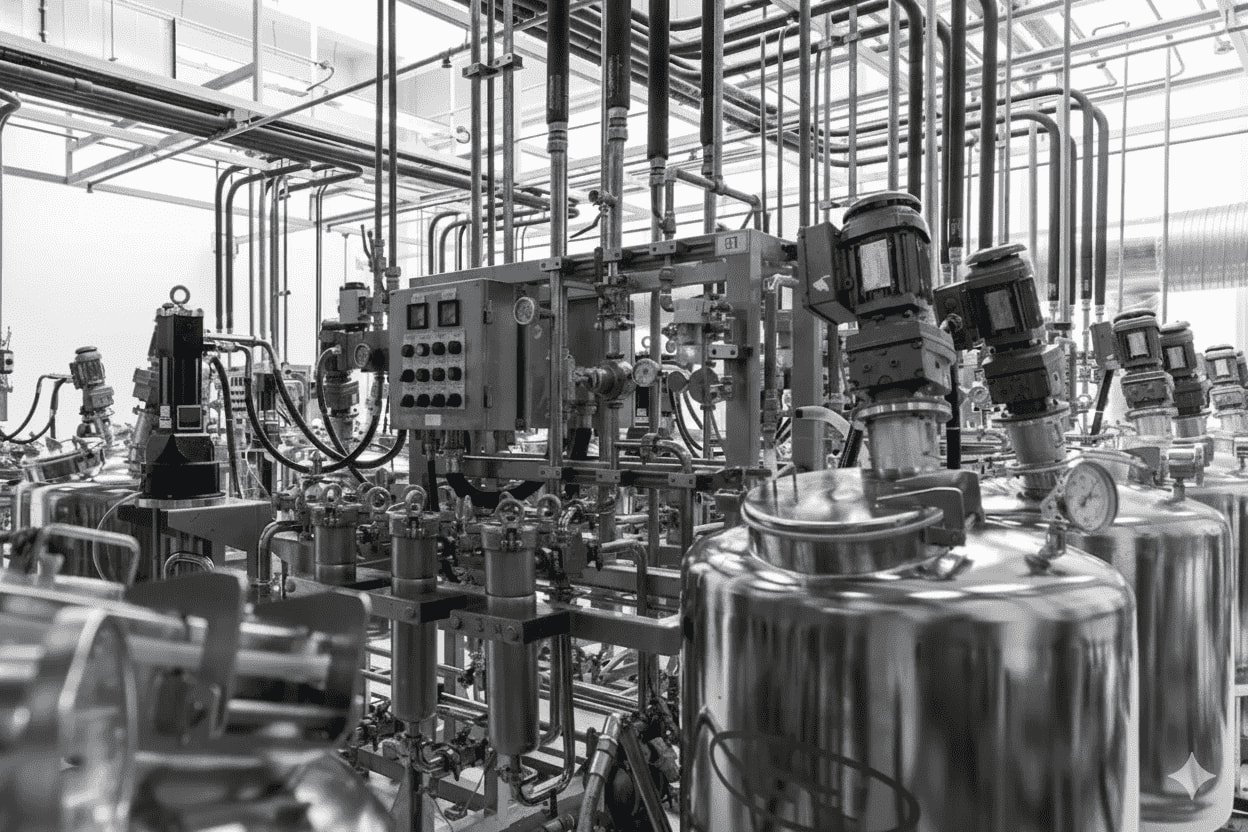
A chemical filter is a tool that helps take out bad things from water, air, or other liquids. You can find these filters in places like food factories, chemical plants, and power stations. Chemical filters are important for keeping air and water clean. This helps protect your health and makes products safer.
Application Area | Common Uses |
|---|---|
Air Filtration | Needed for HVAC systems. They remove smoke and pollution. They help keep indoor air clean. |
Industrial Filtration | Used in food, chemicals, medicine, and energy. They help keep products pure. |
Environmental Compliance | Makes sure companies follow Clean Air and Clean Water Act rules. Used in chemical factories. |
Key Takeaways
Chemical filters take out bad things from water and air. This makes them safer for you and the earth.
There are different chemical filters, like activated carbon and ion exchange. Each one works in its own way to remove certain bad things.
You must take care of filters and change them on time. This helps them work well and keeps your air and water clean.
The best filter for you depends on what you want to clean. It also depends on the kind of bad things and the system you use.
Chemical filters can help your health. They lower allergens and bad chemicals in your home or work.
What Are the Basics of a Chemical Filter?
A chemical filter removes contaminants from air or water through chemical reactions or adsorption. It is commonly used in aquariums, air purifiers, and industrial applications to improve quality and safety. Chemical filters utilize materials like activated carbon or zeolites to capture unwanted molecules.
Definition
A chemical filter is a tool that takes out bad chemicals from water, air, or other liquids. It can trap or change these chemicals so they do not get to you or your surroundings. The filter uses special stuff that grabs, soaks up, or reacts with the chemicals you want gone. Some filters have activated carbon. Others use ion exchange resins or special membranes. Each kind of chemical filter works in its own way to catch or break down bad things.
Tip: You can find chemical filters in lots of places. They are in your kitchen faucet and in big factories. They help keep your water and air safe.
Purpose & Applications
You use a chemical filter to keep yourself and your area safe from dangerous chemicals. These filters are important in many jobs and in your daily life. Here are some ways you might see them used:
A chemical filter can clean your drinking water and make it safe.
Factories use chemical filters to clean materials and take out bad stuff.
Air systems use chemical filters to keep air fresh by removing smoke, smells, and pollution.
Museums and airports use chemical filters to protect things and keep air safe for people.
In chip factories and the nuclear industry, chemical filters take out tiny things that could hurt equipment.
Wastewater plants use chemical filters to clean water before it goes back to rivers or lakes.
A chemical filter does more than clean water or air. It helps companies follow rules and standards. For example, air filters must meet rules like ASHRAE 52.2 or ISO 16890. These rules check how well they remove particles. Water filters often follow NSF/ANSI 53 rules to make sure they lower bad things like lead and asbestos.
Application Area | Example Use Cases |
|---|---|
Home | Water pitchers, faucet filters, air purifiers |
Industry | Food processing, chemical plants, chip factories |
Public Spaces | Airports, museums, hospitals |
You can see chemical filters almost everywhere. They help you breathe better air and drink safer water. They also help stop bad chemicals from hurting the environment.
How Do Chemical Filters Work?
Chemical filters function by using active materials to remove contaminants from air or water. They target specific pollutants through chemical reactions, adsorption, or ion exchange, ensuring a purified output.

Filtration Processes
You may ask how a chemical filter gets rid of bad stuff. There are different ways to clean water, air, or other liquids. Each way works to catch or separate harmful chemicals. Here is a table that shows some common ways and how they work:
Filtration Process | Mechanism Description | Common Applications |
|---|---|---|
A vacuum pump pulls liquid through the filter fast. | Used when you need to filter things quickly. | |
Pressure filtration | High pressure pushes liquid or gas through the filter. | Good for fine solids or fast filtering. |
The mixture spins fast to split solids from liquids. | Used to separate solids in mixtures. | |
Membrane filtration | A thin membrane blocks particles by their size. | Removes tiny things like ions or colloids. |
Tip: Membrane filtration is great for taking out very small things, like bacteria or dissolved metals.
Key Components
A chemical filter has many important parts. Each part helps the filter do its job. Here is a table that shows the main parts and what they do:
Component | Role in Filtration |
|---|---|
Bag Filter Housing | Holds all the parts and lets air or liquid move through. |
Bag Filter | Catches and takes out bad stuff from the flow. |
Filter Screen | Holds up the filter bag and keeps it safe. |
Seals | Stops leaks and keeps clean and dirty sides apart. |
Control Devices | Watches pressure changes and tells you when to clean or change the bag. |
You will see different materials inside a chemical filter. Some common ones are:
Activated carbon, which takes out gases and chemicals from air and water.
Activated alumina, which soaks up many kinds of chemicals.
Zeolites, which trap and hold harmful things.
When you use the right way and the right parts, a chemical filter can help keep your air and water safe and clean.
What Are the Different Types of Chemical Filters?
There are many types of chemical filters. Each type cleans air or water in its own way. Here are some main types you might see:

Activated Carbon
Activated carbon filters have tiny holes. These holes trap chemicals and bad smells. You can find these filters in water pitchers and air purifiers. Factories use them too. They remove chlorine, pesticides, and organic stuff. These filters make water taste and smell better.
Tip: Activated carbon filters help get rid of bad smells and gases at home.
Here is a table that shows where activated carbon filters are used:
Application Type | Description |
|---|---|
Air Purification | Takes away smells and VOCs from the air. |
Water Purification | Traps chlorine, pesticides, and medicine to make water safer. |
Industrial Uses | Cleans up spills and treats dirty water in factories. |
Renewable Energy | Cleans biogas so making energy is safer and cleaner. |
There are special types like tray type and honeycomb activated carbon filters. These can remove smoke, formaldehyde, and bacteria from the air.
Ion Exchange
Ion exchange filters use beads called resins. These beads swap bad ions for safer ones. This helps soften water and takes out metals. It keeps your pipes safe and helps protect your health.
Mechanism of Ion Exchange | Contaminants Targeted |
|---|---|
Resins grab and swap out bad ions for safe ones. This makes water cleaner. | Iron, copper, calcium, magnesium, carbon dioxide, silica |
You will see ion exchange filters in water softeners. Factories use them when they need very clean water.
Catalytic & Specialized
Catalytic filters use special treatments. They break down tough chemicals like chlorine and hydrogen sulfide. These filters work better than regular carbon filters for some jobs. You can use them for your whole house or under your sink. Aquariums use them to keep water safe for fish and plants. Restaurants and medicine factories use them to make sure water is clean.
Note: Some special filters, like sponge or pleated chemical filters, take out gases and organic pollution from indoor air. You might see these in hospitals or museums where air must be very clean.
A chemical filter helps you pick the best way to clean air or water. You can use them at home or in a factory to stay safe.
What Contaminants Can Chemical Filters Remove and How Effective Are They?
Chemical filters effectively remove various airborne contaminants, including volatile organic compounds (VOCs), odors, gases, and some particulates. Their effectiveness depends on the filter type and application, with activated carbon being particularly efficient for VOCs and odors.

Common Contaminants
You may ask what a chemical filter can take out from water or air. These filters target many things that can hurt your health or make you uncomfortable. Here is a table that shows some common things chemical filters remove from water and air:
Medium | Contaminants Removed |
|---|---|
Water | Chlorine, volatile organic compounds (VOCs), pesticides, other chemicals affecting taste and odor |
Air | Airborne particles, dust, odors, volatile chemical pollutants |
These bad things are often found in tap water, especially near farms or factories. In the air, chemical filters help get rid of dust, smoke, and strong smells at home or work. Taking these out can make water taste better and air feel fresher.
Performance & Limitations
How well a chemical filter works depends on its type and the water or air quality. Some filters can take out almost all bad things. Others only remove some. For example, ZeroWater and ClearlyFiltered filters can take out up to 99% or more of certain chemicals from tap water. Other filters, like Brita, may take out less.
Filter Type | Removal Efficiency (Saint-Donat Tap Water) | Removal Efficiency (Montreal Tap Water) |
|---|---|---|
ZeroWater | 99% | ≈100% |
ClearlyFiltered | 99% | 96% |
Aquagear | 77% | 60% |
Brita (Elite) | 20% | 48% |
Brita (Standard) | N/A | 38% |

Some under-sink two-stage systems can take out between 74% and 99% of bad things. Reverse osmosis filters often remove 75% to 100%. Pitcher filters may take out 36% to 71%.
Note: The amount a filter removes can change based on the water source and the kind of chemical. Some filters work better with certain chemicals than others.
Chemical filters have limits. You need to change them every six months for best results. If you use a filter too long, it can let trapped chemicals go back into your water. If pollution is high or you use the filter a lot, you may need to change it more often. Old filters can also let bacteria grow, which can make water unsafe.
Aspect | Details |
|---|---|
Lifespan | Filters last about six months for best results. |
Impact of Contaminants | More pollution or heavy use means you need to change filters more often. |
Compromise of Water Quality | Old filters can release trapped chemicals back into your water. |
Bacterial Growth | Bacteria can grow in old filters and make water unsafe. |
You should always follow the maker’s advice for changing your filter. This helps keep your water and air clean and safe.
How Should You Choose and Maintain a Chemical Filter?
To choose and maintain a chemical filter effectively, prioritize selecting a filter based on the specific contaminants you need to remove and regularly schedule maintenance to ensure its efficiency. These two steps are key to optimal filter performance and longevity.

Selection Factors
When you pick a chemical filter, you need to think about several important things. First, look at what you want to filter. Is it water, air, or another liquid? You should know the type and amount of contaminants. Next, check if the filter fits your system and can handle the flow rate. Make sure the filter can work with your system’s temperature and pressure. If you use the wrong filter, it might break or let bad stuff pass through.
Here is a table to help you compare key factors:
Factor | Description |
|---|---|
Filter Materials | Must match the liquid and resist heat and pressure. |
Compatibility | Know the fluid’s pH, concentration, and temperature. |
Proper Fit | Prevents leaks and makes installation easy. |
Gasket/O-ring Selection | Needs to resist chemicals and last long. |
Filtration Requirements | Decide on flow rate and what particles you want to remove. |
Micron Rating | Tells you the smallest particle the filter can catch. |
Operating Conditions | Check the highest temperature and pressure the filter can handle. |
Tip: Always check the filter’s maximum operating temperature and pressure rating. This helps you avoid filter failure and keeps your system safe.
You should also choose filter media that will not break down when exposed to chemicals or heat. If you have a special process, you may need a custom solution.
Maintenance Tips
To keep your chemical filter working well, you need to take care of it. Regular checks help you spot damage or clogs early. Clean the filter often to stop debris from building up. Make sure you install the filter the right way so nothing slips past. Watch for changes in pressure. If the pressure drops too much, you may need to replace the filter.
Here are some steps you can follow:
Inspect the filter for damage or clogs.
Clean the filter to remove debris.
Install the filter correctly to prevent leaks.
Monitor pressure changes to know when to replace the filter.
Keep records of all maintenance.
You should replace filters based on how much you use them and what the manufacturer recommends. For example, some filters need changing every few weeks, while others last months. Here is a table with common replacement intervals:
Application | Replacement Interval |
|---|---|
Painting | Every 1-3 weeks |
Abrasive Blasting | Every 2-4 weeks |
Welding/Grinding | Every 9-12 months |
If you notice problems like poor filtration or leaks, you may need a high-efficiency filter or a custom solution. Good maintenance helps your chemical filter last longer and keeps your air and water clean.
Chemical filters help keep you healthy and make life better. You can use them to clean the air and water at home or work. Many people feel better when air filters take out dust and things that cause allergies. Kids and older people can breathe easier with these filters. Experts say people with asthma should use them. If you want to know more, you can look into these ideas:
How nanomaterials make water filters work better
Ways to get arsenic out of groundwater
Problems with new filter materials
Using chemical filters is a smart way to stay safe and have good quality.
FAQ
What is the difference between a chemical filter and a regular filter?
A chemical filter removes harmful chemicals from water or air. A regular filter usually catches dirt or particles. You need a chemical filter when you want to clean out things you cannot see or smell.
How often should you replace a chemical filter?
You should check your filter every month. Most chemical filters need changing every six months. Heavy use or dirty water means you may need to replace it sooner.
Tip: Always follow the instructions from the manufacturer for best results.
Can you use a chemical filter for both water and air?
Some chemical filters work for both water and air. You must choose the right type for your needs. Check the label to see if the filter matches your system.
What signs show your chemical filter needs changing?
You may notice bad smells, poor taste, or slow flow. These signs mean your filter is full or clogged. You should replace it to keep your water or air clean.
Sign | What It Means |
|---|---|
Bad smell | Filter is full |
Slow flow | Filter is clogged |
Poor taste | Chemicals remain |