
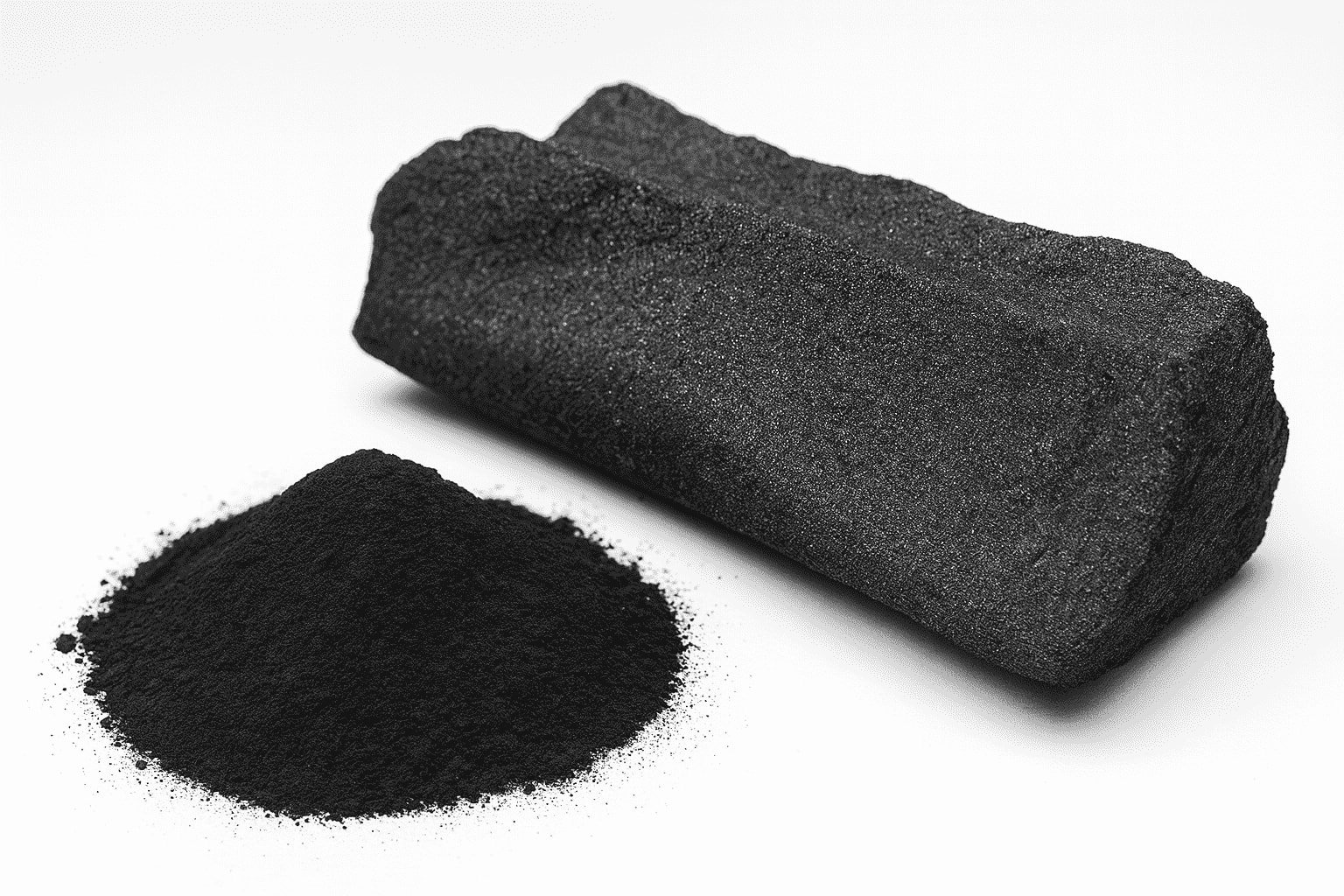
You often see coconut activated carbon used for cleaning water and air. This type is special because it has mostly micropores. These tiny holes help catch very small contaminants. When you look at coal or wood-based carbon, you notice some big differences:
Coconut shell carbon has lots of micropores. It works well for removing tiny particles.
Wood-based carbon has more mesopores and macropores. It is better for catching bigger molecules.
Coal-based carbon has a mix of pore sizes. But it usually has more macropores.
Picking the right carbon helps things work better. It also helps save money and is better for the environment.
Key Takeaways
Coconut activated carbon is very good at removing tiny contaminants. This is because it has many small holes called micropores. It works well for cleaning water and air.
Coal-based activated carbon has different pore sizes. This helps it remove many kinds of pollutants. But it does not work as well for the smallest particles.
Wood-based activated carbon is good for taking out color and taste from liquids. It works best for bigger molecules. It does not remove tiny impurities well.
Picking the right activated carbon can help your filter work better. It can also help you save money. Think about the size of the contaminants you want to remove.
Coconut and wood-based carbons are better for the environment. Coal-based carbon is not as eco-friendly. It has a bigger carbon footprint.
What Are the Basics of Activated Carbon and How Is It Made?
Activated carbon is a highly porous material used primarily for adsorption and filtration purposes. It is produced by carbonizing organic materials, such as wood or coconut shells, at high temperatures in the absence of oxygen, followed by activation with gases like steam or carbon dioxide to create a network of pores.
What Is Activated Carbon
You might ask why activated carbon is important. Activated carbon is a type of carbon with a very large surface area. It has many tiny pores that can trap different things. People make activated carbon from coconut shells, coal, or wood. Each material gives the carbon special features.
Activated carbon holds onto materials using van der Waals force or London dispersion force. This is very important for how it works in adsorption.
How you make activated carbon changes what it can do. The table below shows how companies make activated carbon from coconut shell and wood:
Source | Production Method | Description |
|---|---|---|
Coconut Shell | Physical Activation | Uses high heat and air steam gas. This makes lots of pores and keeps the carbon very pure. |
Carbonization | The coconut shell is dried and heated at 170-600℃ to make charcoal. | |
Activation | The charcoal is treated with water vapor and other gases at high heat. | |
Grinding and Screening | The finished carbon is ground and sorted by size. | |
Pickling and Washing | Sometimes, hydrochloric acid is used to clean out impurities. | |
Wood | Chemical Activation | Uses phosphoric acid with sawdust, often from coniferous trees, for better results. |
Preparation of Materials | Fresh sawdust is treated first to help the activation process. |
Coconut activated carbon is usually made by physical activation. This makes it strong and very pure.
How It Works
Activated carbon traps molecules inside its pores. This is called adsorption. The carbon does not soak up the molecules like a sponge. It just holds them on its surface.
Activated carbon has a special surface area and pore shape. These control how well it can adsorb things.
Things like ash, density, and hardness also change how it works.
The starting material, like coal or coconut, changes the final carbon.
Activated carbon can have a surface area over 500 m². Many types have up to 3,000 m².
The activation step makes more pores, which helps with adsorption.
Micropores let the carbon catch many different molecules.
Scientists use models to see how activated carbon attracts things. They use peptidoglycan to show big organic molecules and p-xylene for water-hating compounds. These tests show that van der Waals forces are very important for trapping things.
The way you activate the carbon also matters. Chemical activation lets you pick the size and number of pores. Physical activation is better for the environment. Both ways make the carbon better at adsorbing things.
What Are the Characteristics of Coal-Based Activated Carbon?
Coal-based activated carbon is known for its high adsorption capacity and large surface area, making it highly effective for purifying liquids and gases. It is produced through the carbonization and activation of coal, resulting in a porous structure that enhances its filtration properties.

Pore Structure and Adsorption
Coal-based activated carbon has many different pore sizes. It has both small and big pores. This helps it trap many kinds of molecules. It is especially good at catching small ones. The table below shows how its pores compare to other types:
Type of Activated Carbon | Pore Size Distribution Characteristics |
|---|---|
Coal-based Activated Carbon | Broader pore size distribution |
Biomass-based Activated Carbon | Stronger dominance of narrow pores in the size range 3.5–15Å |
Coal-based activated carbon can remove small contaminants from water. It works well for things like salicylic acid and paracetamol. These are common pollutants found in water. The carbon holds onto these molecules. This keeps them out of your water. That makes it a good choice for cleaning water with medicines or small chemicals.
Sustainability and Environmental Impact
Coal-based activated carbon can hurt the environment. Here are some important things to know:
Making it causes a lot of carbon emissions because coal is burned.
Mining hard coal uses up resources and harms the land.
Climate change is the biggest problem, making up almost 99% of the impact.
Getting hard coal is very bad for the environment, especially where brown coal power plants are used.
Coconut activated carbon usually has a smaller carbon footprint. If you want to help the planet, coconut or wood-based carbon is better.
Common Uses
Coal-based activated carbon is used in many places. You can find it in water plants, air filters, and factories. Here is a table that shows what it is used for:
Application Type | Specific Uses |
|---|---|
Water Treatment | Removal of organic contaminants, chlorine, taste and odor compounds, heavy metals |
Air & Gas Purification | VOC removal, mercury capture, odor control, biogas purification, HVAC air quality improvement |
Industrial Processing | Decolorization of liquids, purification of food-grade products, chemical recovery, catalyst support |
It can clean drinking water and remove bad smells from air. It also helps make food and medicine safer. Coal-based activated carbon is useful for many cleaning jobs.
What Are the Features of Wood-Based Activated Carbon?
Wood-based activated carbon is known for its high porosity and large surface area, making it effective for adsorption processes. It primarily features a microporous structure, which enables the efficient removal of impurities from liquids and gases. This type of activated carbon is particularly valued for its ability to purify water, air, and various industrial fluids.

Pore Structure and Properties
Wood-based activated carbon has a special pore structure. It has many mesopores and macropores. These bigger pores help trap larger molecules. The surface area is large, so it can adsorb many contaminants. The natural fibers in wood make the carbon light and full of holes. This is why it feels porous. People use wood-based carbon to remove color or taste from liquids. It does not catch very tiny particles as well as coconut activated carbon. But it works great for bigger molecules.
Advantages and Drawbacks
It is important to know the good and bad sides of wood-based activated carbon. The table below shows both:
Advantages | Disadvantages |
|---|---|
Renewable source from mature trees | Long maturity period affects immediate availability |
Effective in removing taste and color | Limited in filtering finer contaminants |
Non-toxic nature and large surface area | Less ideal for high-grade filtration |
Wood-based carbon comes from trees, so it can be replaced. It is safe to use because it is non-toxic. It is good at taking out bad tastes and colors. But it is not as good for catching the smallest contaminants. Trees take a long time to grow, so new material is slow to get.
Typical Applications
Wood-based activated carbon is used in many places. Here are some common uses:
Potable water purification
Surface and wastewater treatment
Food and beverage decolorization
Pharmaceutical industry applications
Purification and decolorization of edible oils
You can use it to clean drinking water and treat wastewater. It helps make food and drinks look and taste better. Many companies use it to keep their products safe and nice. Its porous structure helps remove many contaminants. It is often used in water treatment and factories. When you need to take out color or improve taste, wood-based carbon is a good choice.
How Do Coconut, Coal, and Wood Activated Carbon Compare in Key Aspects?
Coconut, coal, and wood activated carbon differ primarily in their pore structures, adsorption capacities, and environmental impacts. Coconut activated carbon is known for its micro-porosity, making it ideal for gas and small molecule adsorption. Coal-based carbon has a broader pore structure, suitable for both gases and larger molecules. Wood activated carbon features larger pores, best for decolorization and liquid phase applications.

Production and Pore Structure
Each type of activated carbon is made in a different way. This changes how the pores look and work.
Coconut activated carbon has lots of micropores. These tiny holes trap small molecules. It is good for removing things like volatile organic chemicals.
Coal-based carbon, made from bituminous coal, has both small and big pores. This mix lets it filter many contaminants. But it is not the best for the tiniest particles.
Wood-based carbon has mostly mesopores and macropores. These bigger pores catch larger molecules. They help remove things that cause bad tastes or colors.
The activation step makes the surface area much bigger. Regular carbon starts with about 10 to 15 square meters per gram. After activation, it can reach 1,000 to 1,200 square meters per gram. All types get more pores, but the size and shape depend on the starting material.
A study found that all three types have similar pore shapes. But the way the pores are spread out changes how well they filter different things.
Pros and Cons
Each type of activated carbon has good and bad points:
Coconut activated carbon is best for catching small molecules. This is because it has many micropores.
Coal-based carbon is strong and lasts a long time in big systems. Its mix of pore sizes makes it useful for many jobs.
Wood-based carbon is light and easy to use as a powder. It works best for removing bigger impurities.
You should choose the type that fits your needs. If you want to catch tiny contaminants, coconut activated carbon is a great pick. For bigger jobs or many kinds of pollutants, coal-based carbon is a good choice. Wood-based carbon is best for fixing taste and color problems.
Decolorizing and Other Uses
Wood-based carbon is often used to remove color from liquids. It works well in powder form. It takes out unwanted colors from drinks and oils. Coal-based carbon is strong at removing bad smells from air and water. Coconut activated carbon is great for dechlorination and catching small impurities in water.
Coconut activated carbon is chosen in many industries for its high adsorption and micropores.
Wood-based carbon is best for decolorizing. Coal-based carbon is best for odor control.
You can pick the right carbon by thinking about what you want to remove and the size of the molecules you need to catch.
How Can You Choose the Right Type of Activated Carbon for Your Application?
Picking the best activated carbon helps your filter work well. You should check how each type does in different ways. These ways include porosity, adsorption, purity, sustainability, and cost. Let’s look at each part so you can choose what fits your needs.

Porosity and Adsorption
Porosity means how many pores and what size they are. Adsorption shows how well the carbon can trap things. Each type of activated carbon has its own pore shape and adsorption power.
Here is a table that shows porosity and adsorption:
Precursor | BET Value (m²/g) | Micropore Volume (cm³/g) |
|---|---|---|
Coconut shell | 1687 | 0.79 |
Solumnar coal | 334.27 | 0.93 |
Coconut activated carbon has a much bigger BET value. This means it has more space to catch small molecules. Coal-based carbon has more micropore volume. This helps it hold some types of contaminants. Wood-based carbon has more mesopores and macropores. It is better for catching bigger molecules.
Tip: Use coconut activated carbon for tiny contaminants or heavy metals. Wood-based carbon is good for bigger organic molecules.
Purity and Contaminant Removal
Purity is important when you want to remove certain contaminants. Each type of activated carbon works best for some pollutants.
Type of Activated Carbon | Effectiveness in Removing Contaminants |
|---|---|
Coconut Shell | Highly effective for small-sized contaminants, heavy metals, and VOCs |
Coal | Effective for initial COD knockdown but reaches breakthrough faster in high-strength wastewaters |
Wood | Excellent for adsorbing larger organic molecules |
Coconut shell carbon is great for small molecules like phenols and heavy metals such as chromium and mercury.
Coal-based carbon is good for many organic compounds, especially at the start of treatment.
Wood-based carbon is best for removing color or big organic molecules from liquids.
You should pick the carbon that matches what you want to remove. For example, if you want to clean water and take out heavy metals, coconut activated carbon is a good pick.
Sustainability
Sustainability means how making and using the carbon affects the earth. Some types of activated carbon are better for the planet.
A study found that making activated carbon from woody biomass makes more greenhouse gases than from date palm biochar. Woody biomass makes 8.96 kg CO2 per kilogram. Date palm biochar makes only 1.53 kg CO2 per kilogram. Using solar power can lower these numbers even more.
Coconut activated carbon often comes from waste coconut shells. This makes it a renewable and eco-friendly choice. Coal-based carbon has a bigger carbon footprint because mining and burning coal hurts the earth. Wood-based carbon is renewable, but cutting trees can still hurt forests.
Note: If you care about the earth, pick activated carbon from renewable sources and made with clean energy.
Cost Factors
Cost is also important. You want to balance price, performance, and sustainability.
Coconut activated carbon can cost more because it is very pure and adsorbs well. It is often worth it for important uses like drinking water or air cleaning.
Coal-based carbon is usually cheaper and works well for big or factory jobs.
Wood-based carbon is in the middle. It is not too expensive and is good for removing color and taste in food and drinks.
Think about your budget and how clean you need your water or air. Sometimes, paying more for better or greener carbon saves money later.
The best activated carbon depends on your needs. Think about what you want to remove, how pure you need things, and your budget. Always remember to think about the earth, too.
Choosing the Right Carbon

Application Match
You need to pick the right activated carbon for your job. Each type works best in certain places. Granular Activated Carbon (GAC) is tough and lasts a long time. People use it in water filters and systems that run all the time. Powdered Activated Carbon (PAC) works quickly. It is good for emergencies, like spills or sudden pollution. Extruded Activated Carbon (EAC) is made into pellets. It is used for special jobs, like cleaning air where shape matters. Honeycomb Activated Carbon lets air move easily. It is great when you want low pressure.
Here is a table to help you choose the best type:
Application Area | Goals | Recommended Type of Activated Carbon |
|---|---|---|
Water and wastewater | Remove trace organics, taste, odor | GAC or PAC |
Food and beverage | Decolorization, deodorization | GAC |
Air and gas purification | Remove VOCs, odors, acid gases | Pellets or uniform granular carbon |
Solvent recovery | Capture and reuse valuable organics | GAC |
Pharmaceutical | Impurity polishing, color reduction | PAC |
Environmental response | Spill cleanup, remediation | GAC |
Metals and mining | Precious metal recovery | Specialized grades of activated carbon |
Tip: Always check the shape and size before you buy. The right form helps your filter work better and last longer.
You should also look at things like granule size, ash, and surface area. If the granules are the same size, water or air flows better. Less ash means better cleaning and fewer clogs. More surface area means it can catch more pollution.
Contaminant Type
The kind of pollution you want to remove matters a lot. Coconut shell activated carbon has lots of micropores. It is best for small things like VOCs and heavy metals. Wood-based carbon has bigger pores. It is good for taking out colors, flavors, and smells from liquids. Coal-based carbon works for many jobs. But it is not as good for the tiniest particles.
Here is a quick table to compare:
Type of Activated Carbon | Best For | Limitations |
|---|---|---|
Coconut Shell | VOCs, heavy metals, small contaminants | Not as good for large particulates |
Wood | Flavors, odors, colors (large molecules) | Not effective for fine contaminants |
Coal | General use, many organics | Less effective for fine contaminants |
You should also check the iodine value and surface area. Higher iodine value means it can catch more stuff. If you need to remove tiny things, pick coconut shell carbon. For taste and color, wood-based carbon is better.
Note: Some rules, like the Clean Air Strategy, say you must use carbon that meets strict standards for cleaning pollution.
Environmental Considerations
You help the earth when you pick carbon from renewable sources. Coconut shell activated carbon is the most eco-friendly. It comes from waste shells, so it does not use new resources. Making coconut shell carbon saves up to 78% energy. It also cuts carbon emissions by 75% compared to coal-based carbon. It uses 80% less fossil fuel.
Here is a table to show the environmental impact:
Aspect | Coal-Based Carbon | Coconut Shell-Based Carbon |
|---|---|---|
Raw Material Source | Fossil fuel (coal deposits) | Renewable (coconut shells) |
Carbon Content | High (70–90%) | Moderate to high (60–80%) |
Ash Content | High | Low |
Environmental Impact | Non-renewable, high CO₂ emissions | Eco-friendly, low emissions |
Wood-based carbon is also renewable. But you need to think about how fast trees grow and what happens when you cut them. Granular activated carbon from coconut shells is best for the planet. It does not add chemicals to water and keeps your carbon footprint small.
Choosing coconut shell activated carbon helps you protect the earth and reach your green goals.
When you pick activated carbon, always think about where it comes from. Think about how it affects the planet. You make a difference by choosing options that are good for the earth.
You should pick activated carbon based on what you need and the earth. Coconut shell carbon is good for catching tiny impurities. It is also better for the environment. Coal-based carbon is cheaper and helps remove bad smells. Wood carbon is best for taking out color and costs less.
Best For | Main Use | Cost | |
|---|---|---|---|
Coconut | < 100 angstroms | Dechlorination | More expensive |
Coal | 100–1000 angstroms | Odor removal | Cost-effective |
Wood | > 1000 angstroms | Decolorization | Less expensive |
Think about the size of particles, how well it adsorbs, and if it is eco-friendly.
Check for research on green adsorbents and how they affect the planet.
FAQ
What makes coconut shell activated carbon better for water filters?
Coconut shell carbon has lots of micropores. These tiny holes catch small things like heavy metals. It also traps chemicals in your water. This helps make your water cleaner. It is safer to drink after using this carbon.
Can you reuse activated carbon after it gets dirty?
You should not use activated carbon again at home. When it is full, it cannot trap more dirt. It will not work well anymore. You need to change it to keep your filter strong.
Is wood-based activated carbon safe for food and drinks?
Wood-based carbon is safe for food and drinks. It helps take out color and bad tastes. Food-grade carbon is made to be safe. It meets the rules for food and drink use.
How do you know which type of activated carbon to choose?
Think about what you want to clean. Use coconut shell carbon for tiny things. Pick wood-based carbon for color or taste. Coal-based carbon is good for many jobs.
Does activated carbon harm the environment?
Coconut shell or wood activated carbon is better for the earth. Using these helps cut down waste. It also lowers pollution and emissions.