
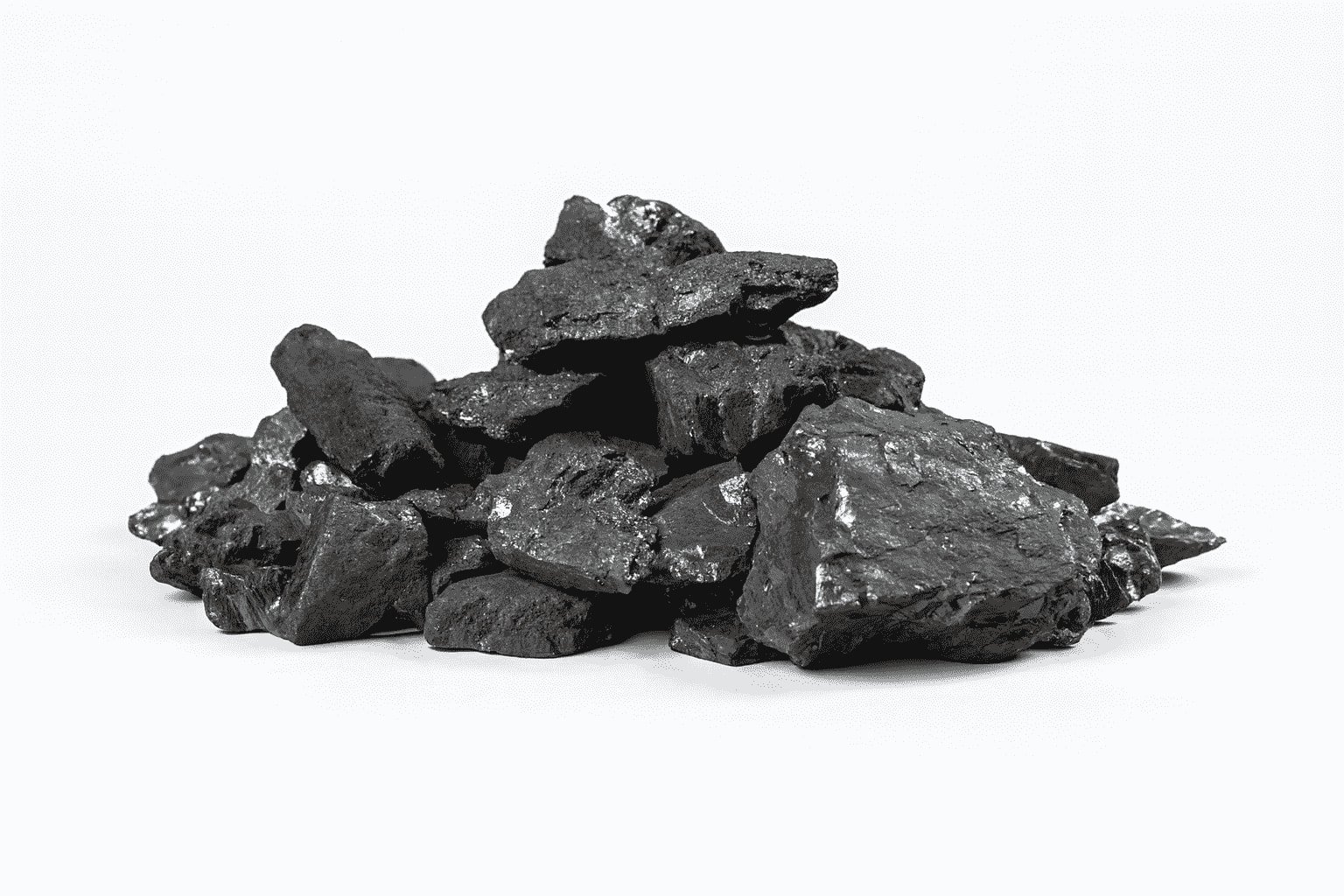
You find coal-based activated carbon used in many industries. It has tiny holes that catch molecules. This makes it useful in different ways:
Water treatment helps make drinking water safer.
Odor control takes away bad smells from air and liquids.
Decolorization takes out colors that should not be in liquids.
This material works with both liquids and gases. It helps solve many common problems.
Key Takeaways
Coal-based activated carbon is very important for cleaning water. It helps take out harmful things so people can drink safe water. Its special tiny holes let it trap both organic compounds and heavy metals. This makes it useful for cleaning dirty water. This material does not cost a lot and lasts a long time. It works well in many factories and businesses. Coal-based activated carbon can do many jobs. It helps stop bad smells, makes liquids clear, and cleans gases in many places. More people want clean air and water now. This makes coal-based activated carbon even more important for protecting the environment.
What Is Coal-Based Activated Carbon and How Is It Produced?
Coal-based activated carbon is a form of carbon processed from coal to have small, low-volume pores that increase the surface area available for adsorption or chemical reactions. Typically, it is used for water purification, air filtration, and industrial processes.
Production and structure
You make coal-based activated carbon by doing several steps. Each step is important to make a strong adsorbent. Here is how you do it:
Selection of Coal: You pick coal, like bituminous or anthracite. These types give the best results.
Grinding and Shaping: The coal gets ground into powder. You mix it with coal tar and water to make a paste. The paste is shaped, often by pushing it through a mold.
Carbonization: The shaped coal is heated without oxygen at 600-900°C. This step takes out things you do not want and makes small holes.
Activation: You treat the coal with steam at high heat. This step makes more holes and helps it catch more molecules.
Drying and Cooling: The activated carbon is cooled down to room temperature. This keeps it safe and ready to use.
Screening and Classification: You sort the carbon by size. This makes sure each batch is the same.
Quality Control: You test the final product for quality before packing it.
Tip: The activation step is very important. It makes the tiny holes that help coal-based activated carbon work so well.
Forms and properties
Coal-based activated carbon comes in different forms. These are granular, powdered, and pelletized. Each form is good for certain jobs. Its structure has mostly mesopores, which are medium-sized holes. These holes help trap medium and large molecules.
Here is a table to compare the pore structure of different activated carbon types:
Type of Activated Carbon | Pore Structure | Suitable For |
|---|---|---|
Coal-based Activated Carbon | Predominantly mesoporous | Adsorbing medium to large molecules |
Coconut Shell-based Activated Carbon | High density of micropores | Adsorbing small molecules, purifying air |
Coal-based activated carbon is strong and dense. It has a specific surface area of 800-1200 m²/g. This makes it great for cleaning gases and liquids. You can see more differences in the table below:
Property | Coal-based Activated Carbon | Coconut-based Activated Carbon | Wood-based Activated Carbon |
|---|---|---|---|
Raw Material | Bituminous, anthracite, or lignite coal | Coconut shells | Hardwood or softwood |
Production Method | Physical carbonization and chemical activation | Mainly chemical processes like steam activation | Chemical methods such as steam activation and phosphoric acid treatment |
Pore Structure | Micropores and mesopores | Predominantly microporous | Numerous mesopores and macropores |
Mechanical Strength | High (≥90%) | Low (70-85%) | Moderate |
Density | High (0.45-0.55g/cm³) | Lower density | Varies |
Specific Surface Area | 800-1200 m²/g | About 500-1000 m²/g | About 500-1000 m²/g |
Main Applications | Industrial waste gas treatment, air purification | Drinking water purification, food decolorization | Pharmaceutical purification, high safety requirements |
Coal-based activated carbon is made at higher heat than wood-based types.
Its large surface area makes it a top pick for cleaning gases.
You can count on its strength and toughness for hard jobs.
What Are the Key Water Treatment Applications of Coal-Based Activated Carbon?
Coal-based activated carbon is very important for cleaning water. People use it to clean both drinking water and wastewater. Its special pore structure has many meso- and macro-pores. These holes help trap many kinds of contaminants. This makes it a great choice for making water better in many places.

Potable water purification
People want safe and clean drinking water at home and in public. Coal-based activated carbon helps reach this goal. It adsorbs things in water like organic compounds, chlorine, and things that make water taste or smell bad. The granular form is used a lot in home and business water filters. This is because it has a big surface area and strong adsorption power.
Here is a table that explains why granular activated carbon works so well for drinking water:
Evidence Description | Importance in Water Purification |
|---|---|
Coal-based granular activated carbon has high porosity and specific surface area. | This property enhances its ability to adsorb impurities, making it effective for ensuring safe drinking water. |
Selective adsorption properties enable targeted removal of various pollutants. | This allows for efficient treatment of different water sources, improving overall water quality. |
It plays a key role in both drinking water purification and industrial wastewater treatment. | Its versatility indicates broad applications and effectiveness in various water treatment scenarios. |
This material takes out many contaminants that other filters miss. It also makes water taste and smell better than most other ways. Some main benefits are:
It can adsorb a lot of chlorine and organic compounds that change taste and smell.
It lasts longer and costs less than other types of activated carbon.
It removes odors well, but sometimes it can add small byproducts that change taste.
Wastewater treatment
Coal-based activated carbon is also used in factories to clean water. It removes organic pollutants and other harmful things from wastewater before it goes back to nature. Its large surface area and many pores help it adsorb lots of contaminants.
Activated carbon can adsorb many kinds of organic compounds.
It is very important in today’s wastewater treatment.
Its porous structure and big surface area make it a good adsorbent.
This means coal-based activated carbon helps keep rivers, lakes, and groundwater clean. It helps protect the environment by lowering the amount of harmful chemicals in treated water.
Removal of heavy metals and contaminants
Heavy metals like lead, copper, and zinc are dangerous in water. Coal-based activated carbon helps remove these metals from drinking water and factory wastewater. Its meso- and macro-pore structure lets it catch and hold many contaminants.
Here is a chart that shows how well coal-based activated carbon removes heavy metals from factory wastewater:

You can see that metals like iron, nickel, copper, zinc, manganese, and lead drop a lot after treatment. This makes water much safer for people and nature.
Tip: The special pore structure of coal-based activated carbon lets it catch both organic and inorganic contaminants. This makes it a good choice for removing organic contaminants and heavy metals in water treatment.
By using coal-based activated carbon, you help make water safe to drink and safe for the environment. Its many uses and strong results make it a key tool for anyone who wants better water quality.
What Other Industrial Applications Use Coal-Based Activated Carbon?
Coal-based activated carbon is essential in multiple industrial applications due to its high adsorption capacity and surface area. It is widely used in water treatment to remove impurities and contaminants. Additionally, it plays a critical role in air purification systems by capturing pollutants and volatile organic compounds (VOCs).

Odor and taste control
Coal-based activated carbon helps control smells and taste. Its special structure gives it a big surface area. This lets it trap and stop bad-smelling molecules in air and liquids. You see it used in air cleaning systems. It takes away bad smells from places like factories, kitchens, and public areas. It also helps in food and drink making by removing unwanted tastes and odors.
Activated carbon grabs many kinds of air pollutants, including smells.
It makes the air smell fresh and clean by soaking up odor molecules.
You can trust it to keep spaces safe and comfortable.
Liquid decolorization
Coal-based activated carbon helps make liquids look clear and nice. In food and drink factories, it removes colors from things like sugar, juice, and cooking oils. This helps products look the same and improves their quality.
Application Area | Description | Key Advantages |
|---|---|---|
Beverage & Juice Clarification | Takes out natural colors and haze in drinks. | Makes drinks look the same, less cloudy, and removes bad tastes. |
Food Additive Purification | Removes color from things like citric acid and MSG. | Meets safety rules, works in different systems, keeps food safe. |
It also cleans high-fructose corn syrup and takes out brown stuff from fruit juices. This helps factories work better and makes sure products are good enough for stores.
Gas phase purification
Coal-based activated carbon is used in gas cleaning systems in many places. It takes out harmful gases and VOCs from the air. This is important in power plants, chemical factories, and places with strict air rules.
Compound Type | Adsorption Capacity (mg/g) |
|---|---|
Aromatic 1 | |
Aromatic 2 | 52.7 |
This shows it is very good at catching pollutants. You see it used in food factories, medicine making, and projects to make air cleaner.
Industrial Sector | Application Description |
|---|---|
Cleans sugar, drinks, and helps with food safety. | |
Pharmaceutical Manufacturing | Helps with quality checks and cleaning. |
Air Quality Improvement Initiatives | Controls pollution and helps make air better, especially in power plants. |
Tip: Coal-based activated carbon is cheap and works well in many factories. This makes it a top choice for removing smells and cleaning gases.
What Are the Advantages of Using Coal-Based Activated Carbon?
Coal-based activated carbon offers significant advantages due to its high adsorption capacity and cost-effectiveness. It is widely used for water purification, air filtration, and industrial processes, effectively removing impurities and contaminants.

High adsorption capacity
Coal-based activated carbon can trap many pollutants. It holds both small and large molecules. For example, it can adsorb 15.0 mg of methylene blue per gram. If treated with sodium hydroxide, it can catch 51.41 mg of carbon dioxide per gram. These strong adsorption abilities make it great for cleaning water and air. It helps solve pollution problems in homes, factories, and public places.
Cost-effectiveness and durability
Coal-based activated carbon saves money and lasts long. It costs less than many other filter materials. You can use it many times before replacing it. Coconut shell carbon can treat more water with less material. It may be cheaper for some uses. Still, coal-based activated carbon is strong and works well for hard jobs. You can trust it in factories and city water systems.
Sustainability and regeneration
Coal-based activated carbon comes from non-renewable resources. This means it affects the environment more than coconut shell or almond shell carbon. Making one kilogram of coal-based activated carbon releases 11.1 kilograms of carbon dioxide. Almond shell carbon only releases 0.37 kilograms. Regenerating coal-based activated carbon can make toxic waste and use lots of energy. Some countries have rules for handling this waste. If you want to help the environment, you might pick renewable options. You can also use better technology to save energy and water.
Note: Picking the right material helps protect nature and follow the law.
Market trends and future outlook
Growing demand in environmental sectors
The market for coal-based activated carbon is getting bigger. This is because people need clean air and water. Many countries have made new rules to stop pollution. These rules make factories and cities clean water and air better. Coal-based activated carbon helps remove bad stuff, so more people use it for cleaning.
People worry more about health now. They want water and air that are safe. Companies spend more money on water filters and air cleaners. Governments give rewards for using clean technology. As cities and factories get bigger, pollution control becomes more important. Coal-based activated carbon is used in many new places.
Here is a table that shows why the market is growing:
Market Drivers | Description |
|---|---|
Demand for Air and Water Purification | Better filters help fight pollution and meet new rules. |
Stricter Environmental Regulations | New laws mean more activated carbon is needed. |
Expansion of Applications | Food and drink companies need good carbon for their work. |
Note: Experts think the activated carbon market will grow 9.32% every year from 2025 to 2032.
Technological advancements
New technology helps make coal-based activated carbon better. Factories use new ways that are good for nature. They use smart methods to make activated carbon last longer. Some companies mix carbon with other materials to make it work better.
Powdered activated carbon (PAC) is getting more popular. Its tiny size helps clean water faster. Many places use PAC to make water safer. Computers and machines help factories work faster and better.
New ways to make activated carbon help nature.
Smart methods help activated carbon last longer.
Mixing carbon with other things makes it work better.
You will see more new ideas as technology gets better. These changes help you get cleaner water and air. They also help save energy and money.
You find coal-based activated carbon in water and air cleaning. It works well and does not cost a lot. People use it for many things. The table below lists its main good points:
Benefit | Description |
|---|---|
Effectiveness | It adsorbs many things in lots of uses. |
Cost-effectiveness | It saves money over other choices. |
Versatility | It cleans water, air, and gas. |
Environmental sustainability | It helps the environment. |
Abundant raw materials | It is easy to get and use a lot. |
People will find new ways to use it soon. It may help smart air systems, PFAS cleanup, and energy storage. Coal-based activated carbon gives good results now and later.
FAQ
What makes coal-based activated carbon different from other types?
Coal-based activated carbon has more mesopores. These mesopores catch bigger molecules. Coconut shell carbon has more micropores. You use coal-based carbon to clean water and air in factories.
Can you reuse coal-based activated carbon?
You can reuse coal-based activated carbon. Heating it takes out trapped pollutants. Some ways use chemicals to clean it. Regeneration saves money, but you must follow safety rules.
Is coal-based activated carbon safe for drinking water?
You can use coal-based activated carbon in water filters. It takes away bad tastes and smells. You need to change it often to keep water safe. Always follow what the filter maker says.
How do you choose the right form of coal-based activated carbon?
Tip: Use granular carbon for water filters. Pick powdered carbon for quick cleaning. Pelletized carbon is best for cleaning air. Think about your needs before you buy.