
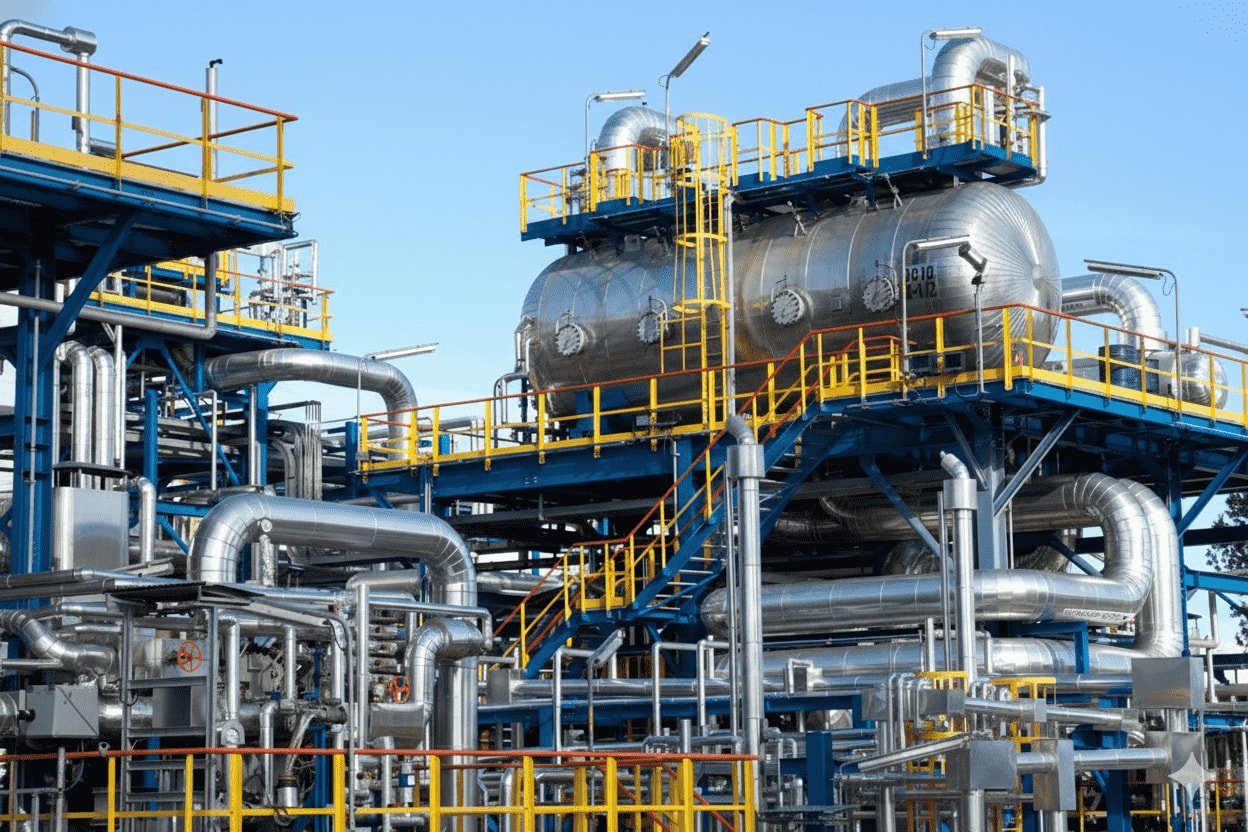
To pick the right chemical filter, you should look at a few important things. First, figure out what you will use the filter for and what pollutants you want to get rid of. Then, check what your system needs, like how fast the liquid moves, how much pressure there is, and the temperature. You should also think about what the filter is made of, how big the holes are, and if the filter works well with your system. Always look at how long the filter will last and when you need to change it.
Use these steps to make sure your chemical filter is right for you:
Key Takeaways
Figure out what you need the filter for. Decide which pollutants you want to get rid of and where you will use the filter.
Think about what your system needs. Look at the temperature, pressure, and flow rate to make sure the filter will work.
Pick the right filter material and pore size. Make sure the filter matches the contaminants you want to remove so it works well.
Watch how long the filter lasts. Remember when to change it so it keeps working its best.
Follow safety and rules for your industry. Make sure your filter has the right certifications.
What Is a Chemical Filter and What Does It Do?
A chemical filter is a device or material that uses chemical reactions to remove contaminants from air or liquid. It plays a crucial role in purifying environments, ensuring safe and clean conditions for various applications.
Definition And Function
A chemical filter helps take out bad stuff from air or liquids. It traps or changes harmful things so they do not get into your product or the environment. Chemical filters work in different ways:
The filter material reacts with contaminants and stops or holds them.
Some filters in cars turn dangerous gases into safer ones.
Water filters use special resins to remove minerals and make water softer.
You pick a chemical filter based on what you want to clean and how the filter works with those substances. This helps you get the right results for your system.
Tip: Always check if the filter works well with the pollutants you want to remove. This helps you choose the best filter for your needs.
Common Applications
Chemical filters are used in many industries and products. Here are some common uses:
Pharmaceuticals and biotechnology use filters to keep medicines pure and safe.
Food and beverage companies use filters to remove particles, sediments, and germs.
Chemical plants use filters to clean raw materials and control quality.
Automotive and manufacturing industries use filters to keep fluids clean and protect machines.
Electronics and semiconductor factories use filters to make microchips very pure.
Water treatment plants use chemical filters to meet safety rules. You also see them in making chemicals, disinfectants, and fertilizers. Food processing uses filters to keep products safe to eat. In the chemical industry, filtration helps with cleaning, separating, and clarifying. This keeps products safe and high-quality.
What Criteria Should You Consider When Selecting a Chemical Filter?
When selecting a chemical filter, consider factors such as filtration efficiency, compatibility with the chemical being filtered, flow rate, and operational environment. These criteria ensure the filter effectively removes contaminants and operates safely and efficiently within its intended application.

Identify Application And Pollutants
First, you need to know what you want your chemical filter to do. Think about where you will use it and what you want to remove. Different jobs need different filters. For example, water treatment plants try to remove things like pharmaceuticals, personal care products, PFAS, surfactants, microorganisms, microplastics, and endocrine disrupting chemicals. Air treatment systems often focus on organic chemicals, chlorine, and hydrogen sulfide.
Pharmaceuticals
Personal care products
PFAS
Surfactants
Microorganisms
Microplastics
Endocrine disrupting chemicals
Organic chemicals
Chlorine
Hydrogen sulfide
When you know what you want to clean and what you want to remove, you can pick the best filter for your needs. This helps you choose the right filter material and design for good results.
Tip: Always make sure your filter matches the pollutants in your system. This helps you get the best outcome.
System And Volume Requirements
Your system’s needs are important when picking a chemical filter. You should check the temperature, pressure, and where the filter will be used. Some filters work better in hot places, while others are better in cold or wet spots. You also need to think about how much liquid or air will go through the filter and how fast it moves.
Factor | Description |
|---|---|
Temperature | Check the filter’s highest temperature. Sintered metal elements work better in high heat than polymer-based media. |
Pressure | Pick filters that can handle pressure spikes. Pleated designs can hold more dirt and handle pressure better. |
Environment | Think about if the filter will be in a place with strong chemicals or where explosions could happen. ATEX-certified filters may be needed. |
Regulatory Standards | Make sure the filter meets rules like API, ISO 16890, or NACE MR0175. You may need certifications like NSF/ANSI or FDA for food or medicine. |
If you use a filter that is too big, you might waste energy and cause problems with the flow. If the filter is too small, it can clog fast and make the liquid or air dirty. High flow rates can make the filter clog faster and lower pressure. Low flow rates can help the filter last longer but might let dirt build up.
Using a filter housing that is too big can waste energy and cause flow problems.
Using a filter housing that is too small can make it clog fast and lower quality.
High flow rates can lower pressure and clog the filter faster.
Low flow rates can help the filter last longer but may let dirt build up.
Filter Material And Pore Size
The filter material and pore size decide what the filter can catch and how well it works. You should pick a filter material that matches what you want to remove and your system’s needs. Here are some common filter materials and what they do:
Filter Material | Advantages |
|---|---|
Activated Carbon Filter | Grabs and removes toxins and pollutants from fluids. |
Reverse Osmosis | Splits water into freshwater and saltwater, taking out pollutants. |
UV Light Filter | Kills bacteria and breaks down chemicals in water. |
Pore size matters too. Smaller pores, like 0.2 micrometers, can catch tiny particles and microorganisms. Bigger pores let more liquid through but might miss small things. You need to balance how well the filter works with how fast the liquid moves. If you want to catch tiny things, pick a filter with small pores. If you want faster flow, pick a filter with bigger pores.
Note: The right pore size helps you remove the pollutants you want without slowing your system too much.
Compatibility And Lifespan
You need to make sure your chemical filter works with your system’s adhesives, seals, and other parts. Changes in temperature and pressure can change how these parts work together. Vibrations can also affect how seals work over time. Always pick adhesives and sealants that work with the fluid you filter and the filter’s temperature. The adhesive should not get soft or mix into the fluid.
Make sure adhesives and seals work with the fluid and temperature.
Check the filter after you put it in because things can change.
If you upgrade your system or change chemical suppliers, check for compatibility.
You should also think about how long the filter will last and when to replace it. High flow rates can make the filter clog faster, so you may need to change it more often. Low flow rates can help the filter last longer but might not clean as well. Always keep track of how long the filter lasts and plan when to replace it.
Tip: Checking your filter often and changing it on time helps your system work well and keeps pollutants out.
What Are the Different Types of Chemical Filters?
Chemical filters are devices used to remove contaminants from air or liquids through chemical reactions. The main types include activated carbon filters, ion exchange filters, and catalytic filters. Each type targets specific pollutants, making them suitable for various applications in industries and households.

Activated Carbon Filters
You can find activated carbon filters in many homes and factories. These filters work by catching bad stuff on the carbon’s surface. When water or air goes through, the carbon grabs the contaminants. The filter has lots of tiny holes, so it can catch things like chlorine, VOCs, and smells. People use these filters to make water taste better or to take away bad smells from the air.
Note: Activated carbon filters need to be changed often because they fill up and stop working well. You should not use them with hot water, and you need to think about how much it costs to replace them.
How activated carbon filters work:
Water or air goes into the filter.
Contaminants stick to the carbon.
The filter catches organic compounds and odors.
Specialty And Industry Filters
Specialty filters are used in places with strict rules, like labs and factories. Membrane filters are used to clean liquids because they have tiny holes. Depth filters can hold a lot of dirt and are good for the first step of cleaning. HEPA and ULPA filters clean air in hospitals and places where microchips are made. These filters have different fibers and hole sizes, which help them catch very small particles.
Ideal Use | Key Features | |
|---|---|---|
Membrane Filters | Cleaning liquids | Tiny holes, very good at filtering |
Depth Filters | First step cleaning, lots of dirt | Saves money, holds lots of dirt |
HEPA Filters | Hospital cleanrooms | |
ULPA Filters | Microchip cleanrooms | 99.999% good at 0.12 microns |
Tip: Specialty filters help keep places clean and safe by stopping contamination.
Comparing Filter Performance
You can see how well filters work by checking efficiency, resistance, and quality factor. The quality factor (QF) uses a formula: QF = -ln(1 – η) / Δp, where η means efficiency and Δp means resistance. A higher QF means the filter works better. Nano filters can catch more pollutants than regular filters, but they do not make it harder for air or water to pass through. You should also look at things like oxidative potential, what chemicals are in the filter, and how it reacts with living things.
Filtration resistance
Quality factor
Oxidative potential
Chemical composition
Bioactivity
Remember: Pick a chemical filter that fits your needs for how well it works, how much it costs, and how often you need to take care of it.
Other Considerations

Operating Conditions
You must watch the conditions where you use your chemical filter. These conditions can change how well the filter works and how long it lasts. The table below shows important operating conditions and what they do:
Operating Condition | Impact on Performance and Longevity |
|---|---|
Flow Rate | Changes how well the filter works and how long it lasts; the best range stops clogging and keeps the filter working. |
Chemical Compatibility | If chemicals do not match, the filter can swell, crack, or leak, which hurts how well it works and keeps things clean. |
pH Range | Using the wrong pH can break down the filter and glue. |
Cleaning and Sterilization | Cleaning the right way helps the filter last longer; using the wrong cleaner can hurt the filter. |
Startup and Shutdown | Fast changes in pressure or flow can damage the filter parts over time. |
Temperature and humidity matter a lot too. High heat can make the filter work less well, especially if it stays hot for a long time. For example, at 90°C, the filter works at 81% after one day. At 110°C, it drops to 64%. High humidity makes things worse and lowers how well the filter works even more.
Think about how open the filter is and how much it slows down flow. A filter with more open space lets more liquid or air through and keeps pressure low. If the filter has less open space, it slows down flow and raises pressure. This makes your system work harder.
Tip: Always clean and sterilize your filter the right way to help it last longer.
Physical Size And Connections
Picking the right size and connection helps your filter fit and work well. Filters come in different lengths, widths, and wall thicknesses. Here are some choices:
Dimensions | Options |
|---|---|
Length | 6” to 120” |
Standard Diameters | 1”, 1.5”, 2”, 2.5”, 2.75”, 3” |
Wall Thickness | .039” to .093” (depends on media grade) |
Connections | Options |
|---|---|
Open End | NPT, straight tube, O-ring, compression, flange |
Blind End | End caps, hex nut, bayonet |
You can choose single open ended cartridges. These seal on one side and stop leaks. They work well in clean places. Double open ended cartridges are used more often and need the filter housing to stop leaks.
When you put in a filter, check gaskets and O-rings for damage. Follow the maker’s instructions for flow and alignment. Clean all parts before you put them together. Use real filters and change them when needed.
Note: Some jobs, like food, medicine, and chemicals, have special rules. You may need to follow standards from groups like the EPA, OSHA, or NFPA to keep your system safe and legal.
Picking the right chemical filter means you must match it to your needs. First, find out what you want to filter. Check the material and the size of the particles you need to remove. Make sure the filter works with your system’s flow and pressure. Always look for certifications and buy from trusted suppliers. If the job is hard, ask experts or read product guides.
Common Mistake | How to Avoid It |
|---|---|
Ignoring system requirements | |
Overlooking filter lifespan | Track replacement cycles for best performance |
Skipping compatibility checks |
Tip: Ask your suppliers for help and write down your filter choices so you can remember them later.
FAQ
How often should you replace a chemical filter?
You should check your filter’s lifespan in the product guide. Most filters need replacement every few months. If you notice lower flow or bad smells, change it sooner. Always follow the manufacturer’s advice for best results.
Can you clean and reuse a chemical filter?
Most chemical filters are not reusable. Cleaning can damage the filter or reduce its ability to remove pollutants. Always use a new filter when the old one reaches the end of its life.
What happens if you use the wrong filter material?
If you use the wrong material, the filter may break down or let harmful chemicals pass through. This can damage your system or make the filtered product unsafe.
Tip: Always match the filter material to the chemicals in your system.
How do you know which pore size to choose?
Check what you want to remove. Use small pores for tiny particles like bacteria. Use larger pores for bigger particles. The product label or a supplier can help you pick the right size.