

An activated carbon filter helps take out bad chemicals, smells, and tastes from air or water. This filter uses special carbon to catch small particles and gases. It makes your air or water cleaner and safer. You can find activated carbon filters in many places. People want better air and water quality.
The market size for these filters may reach USD 214.87 million in 2025.
It could grow to USD 300.57 million by 2034 as more people need them in healthcare, cars, and factories.
Key Takeaways
Activated carbon filters help clean air and water. They trap bad chemicals, smells, and tiny bits. This makes air and water safer for people.
These filters can take out chlorine, VOCs, and pesticides. They also remove some heavy metals. This helps water taste and smell better.
You need to take care of the filter often. Change the filter every 2 to 6 months. This keeps it working well and gives you clean air and water.
Activated carbon filters can be used in many places. People use them at home, in factories, and in hospitals. They help clean air and water in these places.
Picking the right filter is important for you. Think about what you want to remove. Also look at how good the filter is. This helps you get the best results.
What Are the Basics of Activated Carbon Filters?
Activated carbon filters are used to remove contaminants and impurities from water and air through adsorption. They work by trapping pollutants in their porous structure, making them highly effective for purification.
What Is It
An activated carbon filter is a kind of filter that helps clean air and water. You can see these filters in homes, factories, and even fridges. The main job of this filter is to catch harmful things. This makes air or water safer for you.
Here is a table that lists the main parts and materials in activated carbon filters:
Component/Material | Description |
|---|---|
Activated Carbon (AC) | Amorphous carbon with a large specific surface area and good adsorption capacity. |
Activated Carbon Fibers (ACF) | High-performance adsorbent with unique adsorption surface structure characteristics. |
Chemical Additives | Includes oxygen and hydrogen, which are chemically bound due to incomplete carbonization. |
Ash | The inorganic part of activated carbon, contributing to its overall composition. |
Properties | Stable chemical properties, high mechanical strength, acid and alkali resistance, heat resistance. |
Applications | Used in chemical engineering, environmental protection, food processing, and more. |
You can see that activated carbon filters use materials that are good at grabbing things. These materials help take out things you do not want in your air or water.
How It Works
Activated carbon filters work by holding onto bad stuff inside the filter. When air or water goes through, the activated carbon grabs chemicals and gases. This is called adsorption. The filter does not just block things; it keeps them stuck to its surface.
The secret is in the carbon’s tiny holes. These holes are called micropores, mesopores, and macropores. Micropores catch small things. Mesopores and macropores grab bigger things. Because of these different holes, the filter can remove many types of bad stuff. You get cleaner water and air because it catches both big and small particles.
Tip: For the best results, pick the right size and type of activated carbon filter for what you need.
Activated carbon filters are good at taking away bad smells, tastes, and chemicals. You can count on them to make your air and water better.
What Contaminants Does an Activated Carbon Filter Remove?
An activated carbon filter effectively removes a wide range of contaminants, including volatile organic compounds (VOCs), chlorine, sediment, and certain heavy metals. These filters are particularly effective at improving taste and odor in drinking water.


What It Removes
Activated carbon filters can take out many bad things from water or air. These filters help remove stuff that can hurt you or make water taste and smell bad. Here are some main things activated carbon filters can get rid of:
Chlorine: This is put in water to kill germs. Activated carbon filters can remove chlorine. This makes water taste better.
Volatile Organic Compounds (VOCs): These chemicals come from cleaners, paint, or factories. Activated carbon filters lower VOCs in air and water.
Pesticides and Herbicides: Farms and gardens use these chemicals. Activated carbon filters can trap many of them.
Some Heavy Metals: Not all heavy metals go away, but some like lead can be lowered by certain filters.
Tastes and Odors: If water tastes or smells weird, activated carbon filters can help.
Natural Organic Matter (NOM): This is stuff from plants or animals. It can make water look or taste bad.
Industrial Chemicals: Activated carbon filters can also help remove chemicals from factories.
Lab tests show activated carbon filters work best for organic compounds, chlorine, and dissolved radon. They are very good at taking out organic chemicals with big molecules and low polarity. You get the most help when you pick the right filter for your needs.
Note: How well a filter works depends on the filter type, the kind of contaminant, and how much water or air you need to clean.
How Adsorption Works
Adsorption is the main way activated carbon filters clean water or air. When water or air goes through the filter, bad stuff sticks to the carbon. The filter has lots of tiny holes. This gives it a huge surface area. It can trap many contaminants at once.
Adsorption works better for some things than others. Activated carbon filters are great at removing organic compounds, VOCs, and pesticides. The size and polarity of the contaminant matter. If a contaminant is big or does not dissolve well in water, the filter can catch it more easily.
Not all filters work the same. The quality of the carbon, the filter design, and the type of contaminant all matter. For the best results, pick a filter that fits what you need to remove.
Where Are Activated Carbon Filters Used?
Activated carbon filters are primarily used in water purification, air purification, and industrial processes. They are highly effective in removing contaminants, odors, and impurities due to their large surface area and porous structure.
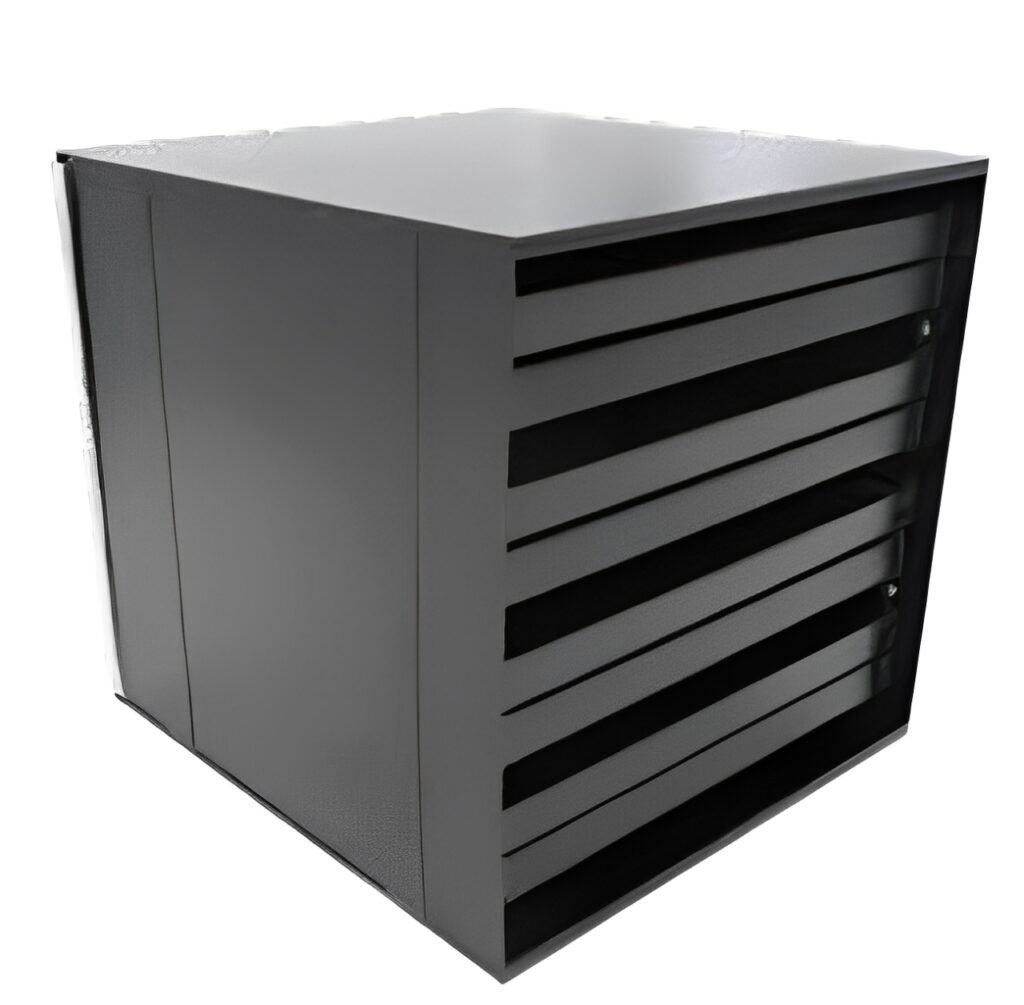
Water Filtration
Many water filters at home use activated carbon filters. These filters help take out bad stuff from your drinking water. You can find them in pitchers, on faucets, and in big house systems. They catch things like chlorine, VOCs, and pesticides. This gives you cleaner water for drinking and cooking. The filters also make water taste and smell better. Lots of people use them in shower filters too. They help keep your skin safe from harsh chemicals.
Activated carbon is great at soaking up smells, so it works well as a natural deodorizer in your house.
Here is a table that shows how people use water filters at home:
Type of Water Filter | Purpose |
|---|---|
Drinking Water Filters | Take out bad stuff and make water taste better |
Whole House Filtration Systems | Clean water for every tap |
Shower Filters | Keep skin safe from bad things |
You trust activated carbon filters to make your water safer and nicer.
Air Purification
Activated carbon filters are important in air cleaning systems. You use them to get rid of bad gases and smells in the air. These filters trap things like VOCs and other harmful vapors. You see them in home air cleaners, HVAC units, and big factory air systems. They help you breathe better and keep your air fresh.
Factories use activated carbon filters in big air cleaning systems.
They take out dangerous gases and vapors.
Using them makes air better and work places safer.
You get cleaner air at home and at work. Activated carbon filters help you control smells and chemical pollution.
Other Applications
You can find activated carbon filters in many other places. They work in fridges to keep food fresh by taking away smells. You see them in gas masks and respirators to keep people safe. Factories use them to clean water and air. Hospitals use them to protect patients from bad things in the air.
Taking away smells
Getting rid of VOCs
Filtering out bad gases
You count on activated carbon filters for lots of jobs. They help you take out bad stuff from water and air. You get better safety from things you do not want around you.
What Are the Pros and Cons?
The pros of a given situation or decision are the positive aspects or benefits, while the cons are the negative aspects or drawbacks. Understanding both sides helps in making informed choices.
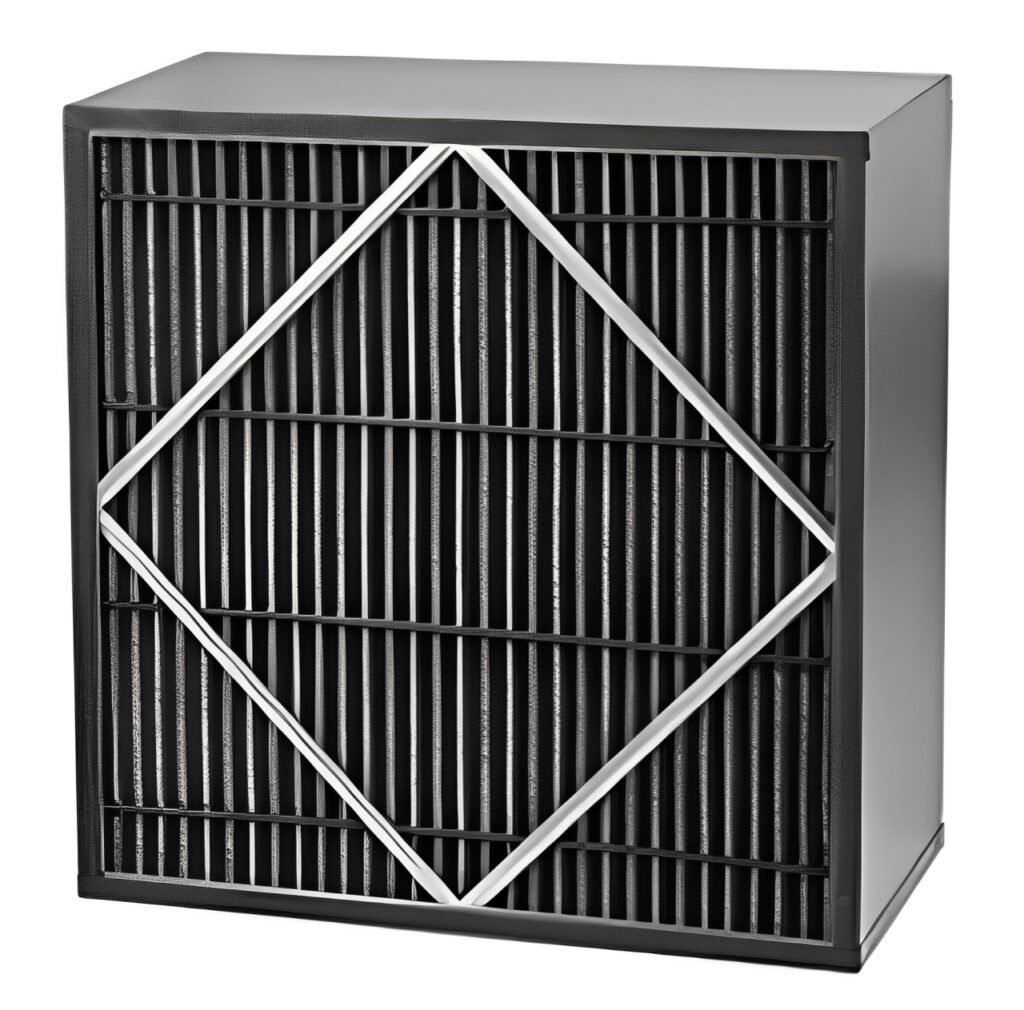
Advantages
Activated carbon filters have many good points. They help clean both air and water. You can use them at home or work. These filters remove lots of chemicals like chlorine. Your water tastes and smells better. They work for air and water, so they are flexible. You do not need electricity to use them. This saves you money on bills. Changing the filter is easy. You do not need special tools. Most filters use natural things like coconut shell or wood. This means safe cleaning without bad chemicals. Activated carbon filters cost less and need little care. You save money and time. You will notice water and air taste and smell better. These filters often work better than other cheap ones. They can trap organic chemicals, gases, and sometimes microorganisms.
Tip: Activated carbon filters are a simple and cheap way to make your air or water better.
Disadvantages
Activated carbon filters also have some problems. They cannot take out every contaminant. They do not work well for dirt, heavy metals like lead or mercury, or germs like bacteria and viruses. You need to change the filter often. Some need changing every month, some every few months, or once a year. If you forget to change it, the filter will not work well. You may not get clean air or water.
Note: Always read the filter’s instructions and change it when needed. This helps your system work its best.
What Factors Affect the Performance of Activated Carbon Filters?
The performance of activated carbon filters is primarily influenced by factors such as the type of activated carbon used, the surface area of the carbon, the flow rate of the air or liquid through the filter, and the concentration of contaminants.

Filter Quality
You want your activated carbon filter to work well and last long. The filter’s quality is very important. Filters made with better materials, like coconut shell carbon, last longer. They also clean water better than filters with lower-quality materials. You should also think about how much water you use each day. If you use lots of water, the carbon fills up faster. More contaminants, like chlorine or VOCs, make the filter fill up sooner too.
Here are some things that change filter quality:
Filters with more activated carbon or better materials last longer.
If your water has lots of contaminants, the filter fills up fast.
Using more water each day makes the filter wear out quicker.
To get the best results, pick a filter with good carbon and enough size for your needs. Good filter quality means your water or air gets cleaner and your filter lasts longer.
Maintenance
Taking care of your activated carbon filter helps it work well. You should follow some easy steps to keep your filter clean. Always stop using the filter and let out any pressure before cleaning. Use the right tools to take the filter apart safely. Clean off dust and dirt with a soft brush or vacuum. Rinse the activated carbon to wash away dirt. Sometimes, you may need to soak the filter in a cleaning solution. After cleaning, rinse it again and let it dry before putting it back together.
Here is a simple checklist for filter care:
Stop using the filter and let out pressure.
Take the filter apart with the right tools.
Clean off dust and dirt.
Rinse or backwash the carbon.
Soak in a safe cleaner if needed.
Rinse again and dry the filter.
Put the filter back together and reinstall it.
You should wear safety gear and check the filter before cleaning. Use the right cleaner so you do not hurt the filter. Clean or change any pre-filters often. Watch the filter to know when it needs changing. Doing regular care helps your activated carbon filter give you clean water and air for a longer time.
What Are the Models and Specifications?
Models and specifications refer to detailed descriptions of a product’s design, functionality, and performance capabilities. Models are different versions or variants of a product, while specifications outline the technical details and features.
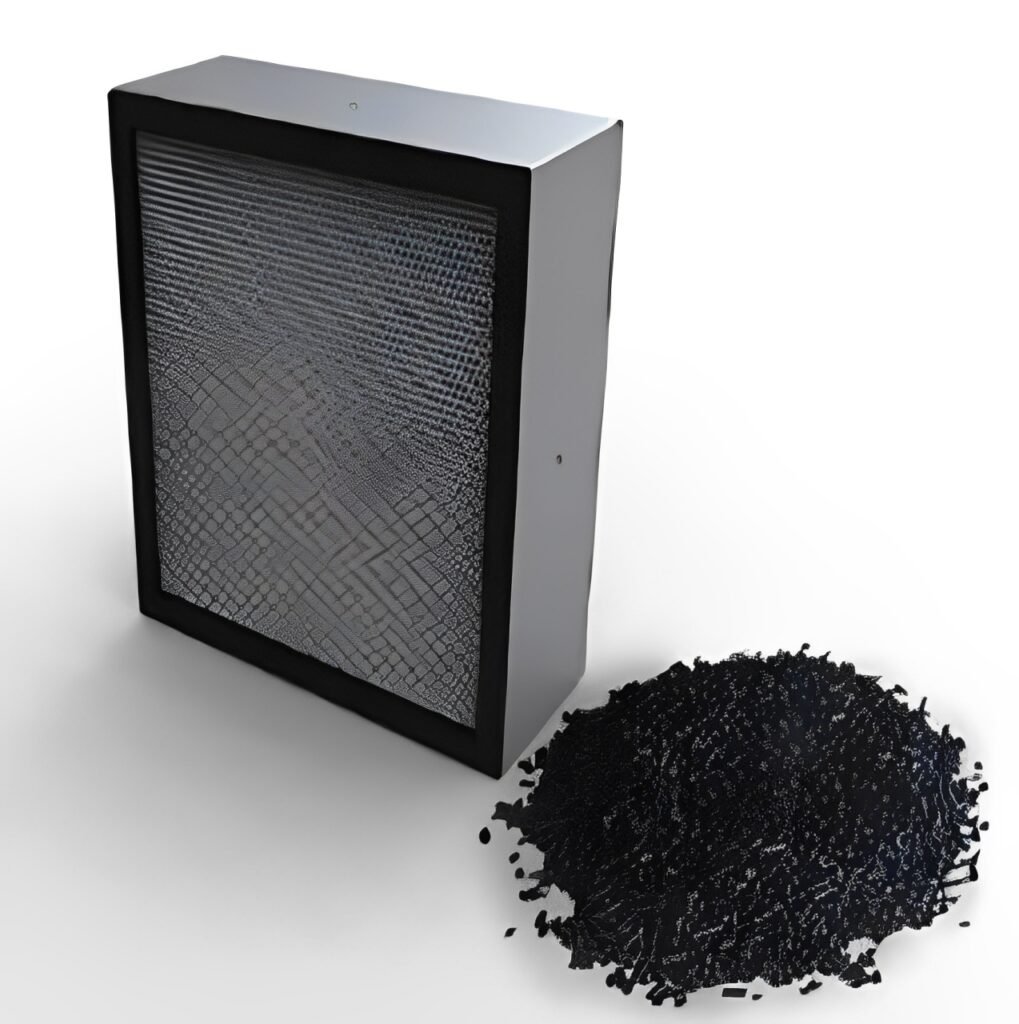
Testing Methods
You can check how well an activated carbon filter works with tests. One test is called ISO 10121-3:2022. This test shows how much the filter removes before it drops below 50%. It also checks the pressure difference. There are quick tests for powdered activated carbon too. These use a syringe filter to see how fast it removes organic micropollutants from water. These tests take less than a minute. They help you make better filters and use them well.
Testing Method | Description |
|---|---|
ISO 10121-3:2022 | Measures filter efficiency and pressure drop, sorts filters into duty classes. |
Syringe Filter Test | Checks adsorption of organic micropollutants in under 60 seconds for fast assessment. |
You also need to check how hard it is for air to move through. You measure the pressure drop across the filter. Filters with lower CPSI let air move easier. Filters with higher CPSI catch more but slow down air.
Key Technologies
There are many new ideas in activated carbon filters. Makers add special groups or nanoparticles to the carbon. These changes help the filter catch heavy metals and other bad things. Some filters use nanotechnology to make more surface area. This makes it easier to remove the filter. Some filters mix carbon with chitosan or metal oxides. Microwave radiation can change the carbon and make more pores. It also uses less energy. Some filters even use bacteria to break down organic stuff inside the carbon.
Activated carbon filters have different pore sizes. You need to pick the right pore size for what you want to remove. Makers design filters with special pores for water or air cleaning.
Structural Design
You want a filter that lasts long and works well. Filters with low starting resistance use less energy and last longer. New filter media technology gives high efficiency with low resistance. A bigger filter area lowers wind speed and resistance. Good pleat spacing helps air move and saves space. Aluminum foil separators help air move better than glue lines.
Structural Design Feature | How It Helps You |
|---|---|
Low Initial Resistance | Saves energy and extends filter life |
Advanced Filter Media | High efficiency with less resistance |
Larger Filter Area | Reduces wind speed and resistance |
Optimized Pleat Spacing | Balances airflow and space |
Aluminum Foil Separators | Improves airflow |
Hydrodynamic optimization and high-density filling help the filter adsorb more and save energy. Gradient adsorption design can make the filter work up to 30% better and last longer.
Application Scenarios
You use activated carbon filters in many places. At home, you put them in air purifiers to take out VOCs and smells. Air conditioning systems use them to clean indoor and outdoor air. These filters help remove formaldehyde and benzene. Humidity and treatment can change how well they work.
Application Scenario | What It Does |
|---|---|
Home/commercial air purifier | Removes VOCs and odors from indoor air |
Air filtration in air conditioning systems | Cleans harmful gases and odors |
In factories, you use these filters for cleanroom air and process exhaust. They help you meet air quality rules and save money. You need to change or clean the filter when it gets full. When you pick a filter for your business, look at how much it can adsorb, pore size, efficiency, and how easy it is to take care of.
You can trust activated carbon filters to make air and water better. These filters take out chemicals, odors, and VOCs. This helps keep your home or work safe and fresh. When you pick a filter, think about your money. Also, think about what you want to remove. You should also think about how often you can change the filter.
Pros | Cons | |
|---|---|---|
Activated Carbon | Works well, simple, saves energy | Needs new filter often |
Reverse Osmosis | Removes most bad stuff | Costs more, harder to use |
Tip: Check your water or air first. Look up brands and models. Choose the best filter for what you need.
FAQ
How often should you change an activated carbon filter?
You need to change your activated carbon filter every 2 to 6 months. The exact time depends on how much you use the filter. It also depends on how dirty your water or air is. Always read the manufacturer’s instructions for the best advice.
Can you clean and reuse an activated carbon filter?
Most activated carbon filters cannot be cleaned and used again. Washing them does not make them work like new. You should get a new filter when it stops working well.
Do activated carbon filters remove bacteria or viruses?
Activated carbon filters do not take out bacteria or viruses. They are best for removing chemicals, smells, and some heavy metals. If you want to remove germs, you need a different filter or purifier.
Are activated carbon filters safe for drinking water?
Activated carbon filters are safe for cleaning drinking water. They are made from natural things like coconut shells or wood. These filters do not put harmful chemicals in your water.