
Turbine Oil Filter Cartridges are essential for keeping turbines running efficiently. These cartridges remove dirt, water, and other contaminants from the oil. Clean oil protects moving parts and prevents them from wearing out quickly. By following a reliable Turbine Oil Filter Cartridges Guide, you can prevent damage and save money on repairs. Choosing the right oil filter cartridge extends the life of your equipment.
The table below highlights how effective oil filtration improves turbine performance:
Key Findings | Description |
|---|---|
Importance of Oil Monitoring | Regularly monitoring and treating oil is crucial for extending turbine lifespan. |
Oil Ageing Mechanisms | Factors like oxidation and additive depletion reduce oil performance over time. |
Lifelong Lubrication | Timely restoration of used oils can recover their properties and maintain effective lubrication for longer periods. |
Impact on Downtime | Proper lubrication leads to less downtime and reduces costs for oil changes and repairs. |
Experimental Results | Simulated oil ageing showed minimal impact on wear, even with lower additive levels. |
Using a trusted Turbine Oil Filter Cartridges Guide gives you peace of mind. You ensure your turbine oil stays clean, your equipment operates efficiently, and you reduce the risk of unexpected breakdowns.
Key Takeaways
Turbine Oil Filter Cartridges help turbines work well. They take out dirt and water from oil. Clean oil stops damage to moving parts.
Checking oil and using filters often is important. This helps your turbine last longer and saves money on repairs.
Pick the right filter by looking at micron ratings. Make sure it works with your oil type. A lower micron rating removes more dirt.
Change filters on a set schedule. Check them often to stop clogs. This keeps your turbine working well.
Buy filters from brands you trust. Good filters work better and last longer. They help keep your turbine safe.
What Are the Main Contaminants and Risks in Turbine Oil Systems?
The main contaminants in turbine oil systems are water, particulates, and air. These contaminants pose risks such as oxidation, corrosion, and reduced lubrication efficiency.

Types of Contaminants
There are different contaminants in turbine oil systems. These can come from outside or inside the equipment. The most common ones are abrasives, water, and wrong lubricants. Abrasives like dust or dirt can hurt moving parts. Water can be mixed in or separate from the oil. It can cause rust and other problems. Using the wrong lubricant can make equipment stop working.
Contaminant Type | Description |
|---|---|
Abrasives | Hard particles like dust or dirt that damage equipment. |
Water | Causes rust, corrosion, and impedes oil film production. |
Incorrect Lubricants | Lubricants that do not meet specifications and can cause equipment failure. |
Note: Contaminants can cause rust, stop oil from working well, make parts wear out faster, and even cause bubbles that damage the system.
System Risks
Contaminated oil brings many risks to turbines. Soft contaminants form when oil breaks down. These can make turbines shut down suddenly. Polar contaminants make it hard for oil and water to separate. This can make the system less safe. Tiny particles, even smaller than 2 microns, can get through filters and cause harm. You should also look out for sulfur, alkali metals, and heavy metals. These can react and make harmful chemicals that damage turbines over time. Organic contaminants make oil break down faster and create more soft contaminants.
Soft contaminants can make turbines stop.
Poor demulsibility makes the system less safe.
Tiny particles can hurt bearings and servo systems.
Sulfur and metals can damage turbine parts.
Organic contaminants make oil break down faster.
Impact on Turbines
Contaminants can hurt how turbines work in many ways. Dirty oil makes it harder for oil and water to separate. This can cause problems with oil thickness and rust. Small amounts of contaminants can stop oil from getting rid of water. This leads to more problems. If oil cannot separate from water, the system is less reliable. You need good filters and regular cleaning to keep turbines working well. Good filtration keeps equipment safe and helps it last longer.
What Should You Know About Turbine Oil Filter Cartridges?
Filtration Principles
It is important to know how filtration works in turbine oil systems. The process has a few steps to keep oil clean and protect machines. First, pre-filtration catches big pieces before they get to the main filter. Next, the oil pump pushes dirty oil through the system. The filtration system uses different ways to clean oil. Physical filtration grabs solid dirt and debris. Vacuum dehydration takes out water by turning it into vapor. Centrifugal separation spins out heavy stuff. After cleaning, the oil goes back to the turbine for use. Full-flow filtration treats all the oil in the system. Full-flow cartridge filters make sure no oil skips cleaning. This helps your turbine work well and lowers the chance of damage.
Tip: Filtering oil often helps you avoid expensive repairs and keeps your turbine oil working well.
Cartridge Types
There are different cartridges for turbine oil systems. Each type has its own design and job. The table below lists the main types and their features:
Type of Filter Element | Filter Media Types | Working Pressure | Working Temperature | Construction Materials | Gasket Type |
|---|---|---|---|---|---|
OEM Brand Replacement | Impregnated Paper, Micron Fiberglass, Stainless Steel 304 & 316 Wire mesh | 30 Bar to 280 Bar | Up to 180 °C | MS, SS 304, SS 316 | Silicon |
Customized Filters | Glass Fiber Media | 30 Bar to 280 Bar | Up to 180 °C | MS, SS 304, SS 316 | Silicon |
You can use these filters in power plants, wind turbine gearboxes, and other turbine systems. Some cartridges replace original parts, while others are made for special needs.
Filter Materials
The material inside your filter changes how well it works and how long it lasts. Here is a quick look at common filter materials:
Material Type | Advantages | Disadvantages |
|---|---|---|
Synthetic Fibers | High durability, reliable depth filtration, longer filter life | Non-biodegradable, higher cost, limited use in some industries |
Natural Fibers | Biodegradable, good at capturing particles, chemical-free | Less durable, may need more frequent changes, not ideal for extreme conditions |
Synthetic fibers work well and last longer, but they cost more and are not good for the environment. Natural fibers are better for nature and catch many kinds of particles, but you might need to change them more often. Pick the right material for your turbine and your maintenance plan.
How Are Oil Filtration and Condition Monitoring Performed in Turbine Systems?
Oil filtration and condition monitoring in turbine systems are performed using filtration units to remove contaminants and sensors to track oil quality. Filtration units clean the oil, while sensors monitor parameters such as viscosity, temperature, and particle count.


Oil Testing
You should check turbine oil often to see if it is clean. Oil filtration helps keep dirt and harmful bits out of the oil. Standard tests can show how clean the oil is. These tests help you know if your filtration system works well. The table below shows some common standards used:
Standard | Description |
|---|---|
ISO 4406 | Tells how clean oil is by counting particles. |
NAS 1638 | Rates oil cleanliness by how much contamination is present. |
SAE AS 4059 | Gives rules for oil cleanliness in aerospace uses. |
Many companies want very clean oil. Some say you should reach levels like 16/13. Others want even cleaner, such as 14/11. If you set your goals lower than these, your equipment can last longer. Oil filtration takes out particles that can hurt your turbine. You should use oil filtration systems that save money and keep oil clean. This lowers the chance of breakdowns. Testing oil often helps you find problems early. You can then remove contaminants before they damage your turbine.
Monitoring Practices
You need to watch many things to make sure oil filtration works well. Good monitoring helps you find problems before they get worse. You should check oil temperature at different places, like near the bearings or in the return line. You can use contact thermocouples or RTDs for this. You also need to check other things like air temperature, air pressure, RPM, fuel flow, exhaust pressure, vibration, and lubricant oxidation. These checks show if the oil filtration and varnish removal systems work right.
Best Practice | Description |
|---|---|
Check oil temperature at the bearings, return line, or with thermocouples/RTDs. | |
Online Condition Monitoring | Watch air temperature, air pressure, RPM, fuel flow, exhaust pressure, vibration, and lubricant oxidation. |
Scheduled Inspections | Do yearly checks on fuel nozzles, control systems, and use a borescope to look inside the turbine. |
You should plan regular inspections. These include checking fuel nozzles, testing control systems, and using a borescope to look inside the turbine. These steps help you find problems with oil filtration and varnish removal. Advanced varnish removal systems can help get rid of sticky deposits. You need to focus on removing water, dirt, and varnish to keep your turbine working well. Using oil filtration systems that save money and regular monitoring helps you get good oil filtration and make your equipment last longer.
How Do You Choose a Turbine Oil Filter?
Choosing a turbine oil filter involves considering filter efficiency, compatibility, and maintenance requirements. Start by assessing the oil cleanliness standards required by your turbine. Select a filter that meets or exceeds these standards, ensuring it can handle the specific contaminants present in your system.


Efficiency & Micron Ratings
When you choose a turbine oil filter, you need to look at filtration efficiency and micron ratings. These numbers tell you how well the filter removes dirt from your turbine lube. A lower micron rating means the filter can catch smaller particles. High filtration efficiency means the filter traps more dirt. You want your lube oil filters to keep your oil clean and protect your turbine lube system.
Micron Rating | Efficiency | Description |
|---|---|---|
25 microns | 95% | Captures 95% of particles 25 microns or larger |
10 microns | 90% | Traps 90% of particles 10 microns or larger |
5 microns | 50% | Only captures 50% of particles 5 microns or larger |
You should match the micron rating to your turbine lube needs. If your system needs very clean oil, pick a filter with a lower micron rating and high filtration efficiency. Always check your equipment manual for the right numbers.
Compatibility & Viscosity
You must make sure your turbine oil filter works with your oil type. Some lube oil filters do not work well with certain oils. For example, #140 turbine oil has a specific viscosity. The filter must handle this thickness. If you use the wrong filter, your turbine lube system may not work right. Always check the filter material and make sure it matches your oil. This step helps you avoid damage and keeps your turbine lube running smoothly.
Flow Rate & Pressure
Your turbine oil filter must let oil flow at the right speed. If the filter slows the oil too much, your turbine lube system can lose pressure. This can hurt your equipment. You should look at the flow rate and pressure drop for each filter. The ISO 3968 standard helps measure how much pressure drops as oil moves through the filter. The table below explains this:
Description | |
|---|---|
Standard | ISO 3968 |
Method | Measures the pressure difference across the cartridge under various flow conditions, creating a flow rate-differential pressure curve. |
Purpose | Evaluates the cartridge’s pressure drop at different flow rates to ensure it meets turbine system oil flow requirements and minimizes energy loss. |
Pick lube oil filters that keep oil moving fast enough for your turbine lube system. This step helps you avoid problems and keeps your oil clean.
Maintenance Intervals
You need to change your turbine oil filter at the right time. If you wait too long, the filter can clog. Dirty lube oil filters cannot clean your oil well. Check your equipment manual for the best schedule. Some filters need changing after a set number of hours. Others need changing when the pressure drops too much. Regular checks help you keep your turbine lube system safe. By selecting the perfect lube oil filter and following a good maintenance plan, you protect your turbine lube and keep your oil clean.
Tip: Always use filters that match your oil type, viscosity, and system needs. This step helps your turbine lube system last longer.
How Do You Install and Replace a Turbine Oil Filter Machine?
To install and replace a turbine oil filter machine, first, ensure the system is shut down and depressurized. Then, remove the old filter, install the new one, and restart the system.
Installation Steps
Follow simple steps to put in a turbine oil filter machine. First, read the manual for your equipment. Make sure you have the right filter and tools. Clean the area around the filter housing. Take out the old filter if there is one. Check the gasket and sealing surfaces for dirt or damage. Put the new filter into the housing. Tighten the filter as the instructions say. Fill the system with fresh oil. Run the turbine oil filter machine for a short time. Look for leaks while it runs. If you see leaks, stop and fix them before you go on.
Tip: Always wear clean gloves and use clean tools. This keeps dirt out of the oil system.
Replacement Tips
Change the filter in your turbine oil filter machine often. Watch the pressure gauge to see if the filter is clogged. If the pressure drops too much, change the filter right away. Only use filters that fit your machine’s needs. Before you take out the old filter, drain the oil from the housing. Wipe the area clean so no dirt gets in. Put in the new filter and refill with oil. Write down the date and running hours after each change. This helps you keep track of maintenance and avoid trouble.
Step | Action |
|---|---|
Check Pressure | Look for signs of clogging |
Drain Oil | Remove oil before taking out old filter |
Clean Area | Wipe surfaces to prevent contamination |
Install New Filter | Use correct filter for your machine |
Refill Oil | Add fresh oil after installation |
Troubleshooting
You might have problems when working with a turbine oil filter machine. Dirt can get into the oil system during setup or use. This causes deposits and makes you use more filters. Putting the filter in wrong can cause leaks and make the system unsafe. You need to flush and clean the system often to keep oil clean and stop rust. If you see leaks, check the gasket and tighten the filter. If the oil looks dirty after you change the filter, flush the system and put in a new filter again. Always write down problems and fixes to help with future maintenance.
Note: Cleaning often and installing carefully helps you avoid most problems with your turbine oil filter machine.
What Are the Leading Brands and Suppliers of Turbine Oil Filter Cartridges?
Leading brands and suppliers of turbine oil filter cartridges include Pall Corporation, Parker Hannifin, and Hydac. These companies are known for their high-quality filtration products and advanced technology in the industry.
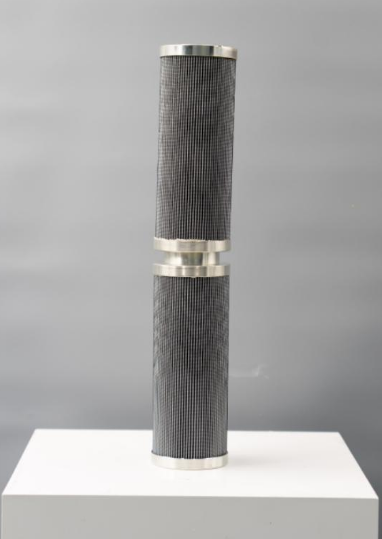

Trusted Manufacturers
It is smart to pick turbine oil filter cartridges from well-known brands. Many companies make good products for turbines in big factories and power plants. Some trusted names are Pall Corporation, HYDAC, Parker Hannifin, and Donaldson. These brands have made strong filter cartridges for many years. Eaton and Mahle also offer special filter solutions. Each company checks its products to meet tough rules. This means you get filters that work well and last a long time.
Manufacturer | Main Strengths | Industry Focus |
|---|---|---|
clearfilterpro | Advanced filtration technology | Power, chemical, oil |
HYDAC | Custom solutions, durability | Energy, metallurgy |
Parker Hannifin | Wide range, global support | Industrial, turbines |
Donaldson | High efficiency, innovation | Power generation |
Eaton | Reliable OEM replacements | Oil & gas, turbines |
Tip: Always check if the brand gives support and a warranty for their filter cartridges.
Sourcing Tips
You should buy turbine oil filter cartridges from real suppliers. First, ask for certificates like ISO or CE. These show the filters are safe and high quality. Compare prices and delivery times from different sellers. Good suppliers help you with questions and give fast answers. Read reviews to see if the supplier ships on time and gives good service.
Here are some steps to help you pick a good supplier:
See if the supplier knows about turbine oil filter cartridges.
Ask for proof of quality, like test reports or certificates.
Make sure the supplier has filters that fit your machines.
Ask about help after you buy and about the warranty.
Read what other customers say about the supplier’s service.
Note: Always keep records of what you buy and when you do maintenance. This helps you watch how your oil filter cartridges work and plan your next orders.
What Are the Applications and Specifications of Turbine Oil Filter Cartridges?
Turbine oil filter cartridges are essential for maintaining the purity and efficiency of turbine oil systems. They are primarily used for power generation turbines, industrial turbines, and marine turbines, ensuring that contaminants are removed to protect machinery and enhance performance.

Key Applications
Turbine oil filter cartridges are used in many places. Power plants and chemical factories need them. Metallurgy sites also use these filters. They help turbines by taking dirt and water out of oil. Food and drink factories use them too. Microelectronics and medicine makers need clean oil for their machines. Every industry wants clean oil to keep equipment safe.
Types and Specifications
You can pick different filters for your needs. Some filters catch tiny particles. Others catch bigger pieces. The table below shows how filters work in different jobs:
Filtration Stage | Filtration Accuracy (μm) | Applications |
|---|---|---|
Precision filtration grade | 0.1 – 1 | Ultrapure water, microelectronics, pharmaceutical pre-sterilization |
Conventional filtration | 5 – 70 | Power plant condensate, food and beverage, reverse osmosis pretreatment |
Coarse filtration stage | 100 – 200 | Chemical solvents, industrial oil purification |
Quality Control & Certifications
Always check if your filters have the right standards. These rules make sure filters work well and last long. Some common certifications are:
Standard | Description |
|---|---|
BSI BS 489:1999 | British standard for turbine oils |
DIN 51515 | German standard for turbine oil performance |
ASTM D4304 | American standard for turbine oil quality |
ABB G12106 | ABB’s standard for compatibility and performance |
GE GEK-32568 | General Electric’s turbine oil specification |
Technical Performance & Compatibility
Filters must fit your machines and oil type. Good filters keep oil clean and work well. Always check how well the filter works, how fast oil flows, and the pressure it can take. Make sure your filter fits big brands and matches your system.
Service Life & Maintenance
To help your filters last, do these things:
Follow the maker’s schedule for service.
Check filters often and change them if they are dirty or broken.
Clean the filter holder when you change filters.
Use good replacement filters.
Watch filter performance with sensors.
Do not put too much strain on the filter.
Put seals in right to stop leaks.
Tip: Clean oil and good filter care help your turbine work longer.
Pricing & Procurement
You can save money by planning when you buy filters. Try these ideas:
Strategy | Description |
|---|---|
Reset supplier relationships | Build strong ties with suppliers for better deals. |
Aggregate demand | Buy in bulk to get discounts. |
Embrace standardization | Use standard filters to lower costs. |
Avoid onerous terms | Keep contracts fair to avoid price hikes. |
Adopt low-cost solutions | Work with suppliers to find savings. |
Case Studies & Customer Feedback
Tests show some filters work better than others. For example, the Tenkay GTC F9 filter did well at the Watson Cogeneration Plant. It kept pressure low and worked well even when things were hard. Customers say clean and dry oil stops breakdowns and keeps turbines safe. Many people trust good oil filters to keep machines running and avoid downtime.
You help turbines work well and last longer. Picking the right oil filter cartridge is important. Following a good maintenance plan means less downtime. Makers say you should use oil conditioning and monitoring equipment:
Equipment Type | Function |
|---|---|
Oil Conditioning Equipment | Cleans and treats lubricating oils to keep them working well and lasting longer. |
Oil Condition Monitoring Equipment | Checks oil quality all the time so you can fix problems quickly. |
Regular oil tests look at how many particles are in the oil. They also check how thick the oil is, how sour it is, how much water is in it, and if there is any iron debris. Always read your equipment manual and ask trusted suppliers for advice to get the best results.
FAQ
How often should you change turbine oil filter cartridges?
You should check your equipment manual for the best schedule. Most systems need a new filter every 2,000 to 4,000 hours. If you see a big drop in oil pressure or dirty oil, change the filter sooner.
Can you clean and reuse turbine oil filter cartridges?
Most turbine oil filter cartridges are not reusable. You should replace them with new ones. Cleaning may damage the filter material. Always use a fresh cartridge to keep your turbine safe.
What happens if you use the wrong filter cartridge?
Using the wrong filter can cause poor oil flow or let dirt pass through. This can damage your turbine and shorten its life. Always match the filter to your oil type and system needs.
How do you know if your filter is clogged?
Watch the pressure gauge on your system. A sudden drop or rise in pressure means the filter may be clogged. You may also see dirty oil or hear unusual noises from the turbine.
Why do some filters have different micron ratings?
Micron ratings show the size of particles a filter can catch. A lower micron rating means the filter traps smaller dirt. You should pick the right rating for your system to keep oil clean and protect your turbine.