
You use high temperature filters to protect equipment from harmful particles in very hot places. These filters work where normal filters do not, like in factories or cleanrooms. Many filters catch very small particles. HEPA filters catch particles as small as 0.3 microns with 99.97% efficiency. ULPA filters remove even smaller particles from 0.1 to 0.3 microns at 99.999% efficiency.
Filter Type | Particle Size Range (microns) | Efficiency |
|---|---|---|
HEPA | 0.3 and larger | 99.97% |
ULPA | 0.1 to 0.3 | 99.999% |
You should know these features to keep your equipment and work safe in places with high heat.
Key Takeaways
High-temperature air filters keep machines safe from bad particles in very hot places. They are very important in jobs like food, electronics, and aerospace.
Pick the right filter for what you need. HEPA filters trap very small particles. ULPA filters catch even smaller ones and work better.
Check and clean your filters often to keep them working well. Clean filters help your system run better and last longer.
Use tough materials like stainless steel and ceramics in filters. These materials can handle high heat and last a long time.
Change filters on a schedule that fits your area. Check them often to find problems early and keep your machines safe.
What is The Overview Of High Temperature Filters?
High temperature filters are designed to operate effectively in environments with extreme temperatures, typically ranging from 250°C to 400°C. They are essential in industries like pharmaceuticals, chemical processing, and power generation to ensure air quality and protect equipment.
What Are High Temperature Filters
High temperature filters clean air or gas in very hot places. You use them in ovens, kilns, and other hot spots. These filters can take heat that would break normal filters. You see them in food factories, electronics, and planes.
High temperature filters let hot air or gas move through special stuff. This stuff catches dust, smoke, and tiny bits. The filter stays strong and keeps its shape, even when it gets really hot.
Here is a table that shows the main features and design ideas:
Feature | Description |
|---|---|
Heat-Resistant Materials | Made from stainless steel, ceramics, or special plastics. |
Advanced Filtration Media | Uses glass fiber or metal mesh for better filtering. |
Durability | Built to last in tough, hot places. |
Applications | Used where clean air is needed at high heat. |
Why They Matter
High temperature resistant air filter systems protect machines and products. Dirty air can hurt your equipment and make things worse. Clean air helps everything work well and keeps people safe. These filters also help you follow safety rules in many jobs.
What are 3 types of filters?
There are three main kinds of high temperature filters:
Panel filters: Flat and simple, good for catching dust.
Pleated filters: Folded shape, traps more stuff.
HEPA filters: Catch very tiny particles.
What are 2 types of HEPA?
There are two main kinds of HEPA filters for high heat:
Standard HEPA: Works up to about 120°C, good for most cleanrooms.
High temperature HEPA: Handles up to 250°C or more, used in ovens and sterilizers.
What Are Filter Characteristics?
Materials and Build
High temperature filters need tough materials to work well. They use stainless steel, ceramics, and special synthetic fibers. Each material helps the filter in a different way. Stainless steel does not rust and can take a lot of heat. Ceramics can handle even hotter places and do not break down fast. Synthetic fibers make the filter flexible and help catch tiny bits.
Material Type |
|---|
Stainless Steel |
Ceramics |
Heat-Resistant Synthetic Fibers |
How the filter is built is important too. Some filters have lots of tiny holes. This is called high porosity. It lets air move through easily but still traps dust. High air permeability means air flows well. This keeps the pressure drop of air filter low. Fans and machines do not have to work as hard.
Evidence Description | Details |
|---|---|
High air permeability | Adding SiO2 particles helps air move better. This makes passive filtration work much better. |
Filtration efficiency | At 260°C for 240 minutes, the membrane caught 99.1668% of PM0.3. The pressure drop was only 109 Pa. |
Long-term performance | The filter bag collects dust well for a long time. It reaches 99.9993% efficiency with a pressure drop of just 133 Pa. |
These features help filters work well and keep the pressure drop of air filter low, even when it is very hot.
Temperature Resistance
Filters must handle very high heat. Special materials and sealants help them work when it gets hot. Ceramic filters can take heat above 1600°C. You find these in places like metal factories and airplanes.
Maximum Temperature Resistance | Application Areas |
|---|---|
Above 1600°C | Advanced metallurgy, aerospace sectors |
Sealants are important too. Some sealants work from 230°C to 1300°C. Silicone sealants can handle -55°C to 300°C. These keep the filter strong and stop leaks, even if the temperature changes fast.
Property | Description |
|---|---|
Thermal Resistance | Handles 230°C to 1300°C and does not break with temperature changes. |
Chemical Stability | Stays strong against acids and bases in hot places. |
Durability | Keeps working well in tough conditions. |
Silicone Sealants | Works from -55°C to 300°C, good for many uses. |
Good filters keep their shape and work well. They do not melt, crack, or lose power when it gets hot.
Filtration Efficiency
Filtration efficiency shows how well a filter catches tiny bits. How well a filter works depends on its design and materials. Sintered porous metal HEPA filters can catch 99.999% of 0.3 µm particles. Some filters, like AstroCel® I HT, keep catching 99.97% to 99.999% of 0.3 µm particles, even when it is hot.
Filter Type | Filtration Efficiency |
|---|---|
Sintered Porous Metal HEPA Filter |
Filter Model | Filtration Efficiency |
|---|---|
AstroCel® I HT (500°F) | 99.97% to 99.999% for 0.3 µm particles |
AstroCel® I HT (750°F) | 99.97% for 0.3 µm particles |
You want high filtration efficiency and a balanced pressure drop of air filter. If the pressure drop of air filter is too high, your system uses more energy. If it is too low, you may not catch enough particles. HEPA filter performance depends on keeping this balance.
Efficiency can change after using the filter for a long time in heat. The table shows how efficiency drops when temperature and humidity go up.
Temperature (°C) | Treatment Duration (h) | Filtration Efficiency (%) |
|---|---|---|
50 | 24 | |
70 | 24 | 96.92 |
90 | 24 | 81.02 |
110 | 24 | 64.02 |
110 | 1 | 86.61 |
110 (90% RH) | 24 | 40.45 |

You should check your filters often, especially in hot and wet places.
MPPS
MPPS means Most Penetrating Particle Size. It is the hardest size for the filter to catch. You need to know MPPS when picking a filter. MPPS shows the worst case for filtration efficiency and pressure drop. For HEPA filters, MPPS is usually 0.1 to 0.2 microns.
MPPS helps test how well HEPA filter works.
It shows how the filter does in tough spots.
Filtering Tar, Coal Smoke, and Dust
High temperature resistant air filter systems can remove tar, coal smoke, and dust. Filters rated MERV-13 and higher do a great job. Wildfire smoke has an average size of 0.3 µm. These filters can catch it. Studies show these filters lower indoor particle counts by 61-85% during smoke events. They use mechanical and electrostatic ways to catch particles. But, if the filter gets clogged with smoke, it may not work as well.
Evidence Type | Description |
|---|---|
Filter Rating | Filters rated MERV-13 and higher remove fine particles like tar, coal smoke, and dust. |
Particle Size | Wildfire smoke is about 0.3 µm, which these filters catch well. |
Performance Data | Studies show indoor particles drop by 61-85% during smoke events. |
Mechanism of Action | Filters use mechanical and electrostatic ways to catch particles. |
Performance Decline | Filters can work less well when clogged with smoke, lowering Clean Air Delivery Rate (CADR). |
Tip: Check your filters often and change them when the pressure drop of air filter gets too high. This keeps your system working well and protects your equipment.
Strong materials, high porosity, and high air permeability help high temperature filters work their best. These features give you high filtration efficiency and low pressure drop of air filter. You can use these filters in tough places and keep your air clean.
What is the Application in Industry?
High temperature filters are important in many industries. They help keep air clean where it really matters. These filters protect machines and help your work stay safe and run well.

Food and Pharma
You use high temperature resistant air filter systems in food and drug factories. These filters help keep products safe and work areas clean. Here are some ways you use them:
Keep medicine factories free from germs.
Take out dust and dirt in food making.
Stop bad stuff from getting into products.
Make air better for workers’ health and safety.
Lower the chance of dust blowing up by catching it.
You also save energy with these filters. Good filters make HVAC systems work less hard. This means you spend less money and your system works better. Filters with MERV 13 or higher catch more dust, so your system does a better job.
Electronics and Semiconductors
Electronics and chip factories need very clean air. High temperature filters help by keeping dust and dirt out. You use them in:
Air systems and vents.
Medicine and circuit board making.
These filters help you follow strict clean rules. They protect your machines and help your factory work better.
Aerospace and Optoelect
Aerospace and optoelectronic jobs need the best air filters. You need filters that can take a lot of heat and still clean the air. The table below shows what to look for in a high-efficiency particulate air filter for these jobs:
Requirement/Feature | Description |
|---|---|
Frame Design | 1.5-2.00mm stainless steel frame for strength |
Filter Protection | Corrugated peaks protect filter paper and reduce resistance |
Filter Area | 4mm spacing for large dust holding capacity |
Adhesive | One-component adhesive for up to 250°C |
Material | Glass fiber filter with high temp rubber gasket |
Applications | Aerospace, electronics, semiconductors, biopharma |
You use these filters to give clean air to important machines and save heat in tough places. Using them helps your systems work well and your products meet tough rules.
What is the Test Standard of High Temperature Filters
The test standard for high-temperature filters is primarily defined by ISO 16890 and ASHRAE 52.2, focusing on efficiency, pressure drop, and resistance to thermal stress. These standards ensure that filters perform effectively under high-temperature conditions.

International Standards
You must use strict rules when you test high temperature air filters. These rules help you see if the filters work well in hard situations.
ISO 29463 Series
ISO 29463 tells you how to test HEPA filters and their parts. You use this rule to check filters at high heat, sometimes up to 250°C. The rule also has a 1,000-hour test to see if the filter still works after a long time.
EN 1822
EN 1822 helps you put HEPA filters into groups by how they work in hot places. This rule looks at how well the filter works with the hardest particle size to catch, called MPPS. You use this to make sure your filter gives the right safety.
IEST-RP-CC007.3
IEST-RP-CC007.3 gives you steps to test HEPA and ULPA filters. You check how the filter does with heat changes from 20°C to 250°C, different wetness, and even salt spray for fast aging. This helps you see if the filter keeps working in real life.
Key Performance Requirements and Test Methods
You need to check a few things to make sure your filter passes the rules.
Temperature Resistance
Filters can take different top temperatures. You can see the differences in this table:
Filter Type | Maximum Operating Temperature (°F) | Maximum Operating Temperature (°C) |
|---|---|---|
Alpha HT | 500 | 260 |
AstroCel I HT | 750 | 399 |
ATMCU HEPA | 752 | 400 |
HEATMOS | N/A | N/A |

Filtration Efficiency
Your filter should remove at least 99.97% of 0.3 micron particles. Some rules want 99.95% removal at the hardest particle size, which is usually 0.1 to 0.2 microns. This high level keeps your air clean and your machines safe.
Structural Integrity
Your filter should not bend, melt, or break after being heated and cooled many times. You look for any damage after heating and cooling. If the filter keeps its shape, it will work well in tough jobs.
Leakage Rate
You also need to check how much air leaks through the filter. For H13 filters, only 0.1% of particles should get through. For H14 filters, this drops to just 0.01%. Low leaks mean your filter works well and keeps your space safe.
Common Causes of Test Failure
You may see test problems if you use the wrong materials or make mistakes during testing.
Improper Filter Media Selection
If you pick a filter material that cannot take the heat, the filter will fail fast. Always match the filter media to the real heat in your system.
Inadequate High-Temperature Sealant
Sealants must take high heat. If you use the wrong sealant, leaks can happen and the filter works worse. Silicone and ceramic-based sealants are best for high heat.
Poor Micropore Design
If the holes in the filter are too big or too small, you lose performance. The filter may not catch enough particles or may block air too much.
Manufacturing Defects
Problems like bad sealing, poor welding, or dirty parts can ruin filter performance. Even a small heat change inside the filter during testing can cause errors of 20-40%. You must keep the heat steady and check for leaks, tool problems, or mistakes in building.
Tip: Always follow the test rules and check your filters often. This helps you keep the best performance and avoid big problems.
What are the Performance and Maintenance?
Performance and maintenance refer to the efficiency and upkeep of a system, ensuring it operates at optimal levels and remains functional over time. Performance focuses on the system’s speed, reliability, and resource utilization, while maintenance involves regular updates, troubleshooting, and improvements.
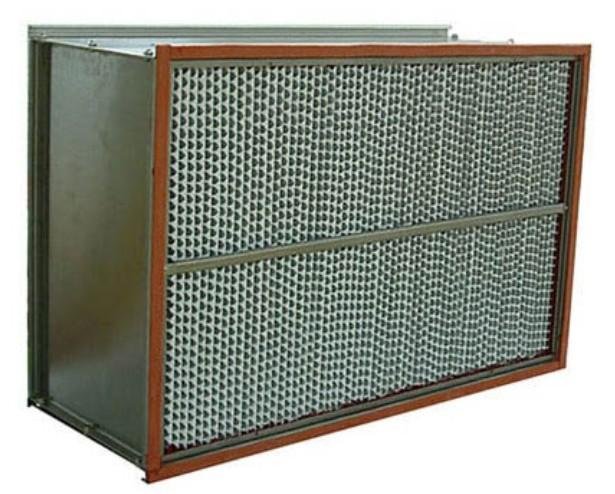
Cleaning and Replacement
You must keep your high temperature resistant air filter clean. This helps it work well and protects your equipment. Clean and replace the filter often. Use gentle cleaning, like rinsing with water or using a soft brush. Always let the filter dry before putting it back. This stops mold and bacteria from growing. Water may not get all the dirt out, so check the filter closely.
Application Area | |
|---|---|
Manufacturing (light duty) | Every 3–4 weeks |
Heavy industry (e.g., mining) | Every 1–2 weeks |
Cleanrooms & Labs | Weekly |
Food & Beverage Processing | Every 2–3 weeks |
HVAC in Commercial Buildings | Monthly |
Tip: Wear gloves and a mask when you handle dirty filters. Write down every time you check or change the filter. This helps you track how well the filter works.
Lifespan Factors
Many things change how long your high temperature resistant filters last. Air quality matters a lot. If there is lots of dust or smoke, the filter fills up faster. Cleaning and checking the filter often helps it last longer. The place where you use the filter also matters. Lots of moisture or pollution can hurt the filter and make it work less well.
Factor | Explanation |
|---|---|
Air Quality | Catches more particles, keeps machines safe |
Maintenance Practices | Cleaning and changing filters keeps air moving well |
Environmental Conditions | Less moisture and pollution means less damage |
Always follow the replacement schedule from the company that made the filter. If the filter does not work as well, change it sooner.
Signs of Wear
You can find signs of wear by checking pressure and airflow. If the pressure drop goes up, the filter might be clogged. Sensors behind the filter show if air moves slower than normal. Microthermal differential pressure sensors are good for small changes and give accurate results.
Look for higher pressure drop numbers.
Check if air moves slower behind the filter.
See if there is dirt, damage, or wet spots on the filter.
If you see any of these signs, change the filter. This keeps your system working well and protects your equipment.
High temperature filters keep your machines safe and your air clean. These filters use tough materials and smart designs to handle heat. They trap tiny particles in hard places.
You get better results if you pick the right filter.
Check your filter often to make sure it works well.
Clean and change your filter on time to protect your equipment.
Tip: Think about what you need and ask a filter expert before buying. This helps you choose the best filter for your job.
FAQ
What makes high temperature air filters different from regular filters?
High temperature air filters work in places with a lot of heat. They use special materials that do not melt or break. These filters help keep your system safe and the air clean.
How often should you replace high temperature filters in your system?
Check your filters every month to see if they are dirty. If you notice less air or more pressure, change the filter. Clean filters help your system work better and last longer.
Can air cleaning technology remove smoke and tar from the air?
Yes, these filters can catch smoke, tar, and dust from the air. They use advanced technology to trap tiny bits. This helps keep your air clean and protects your equipment.
Why does your system need advanced air cleaning technology?
Your system needs this technology for hard jobs. It keeps bad particles away from your machines. This means your equipment works better, lasts longer, and the air is safer.
What should you look for when choosing a filter for your system?
Pick filters that match your system’s heat and airflow needs. Make sure the air cleaning technology fits your system. The right filter will help your system run well and stay safe.