
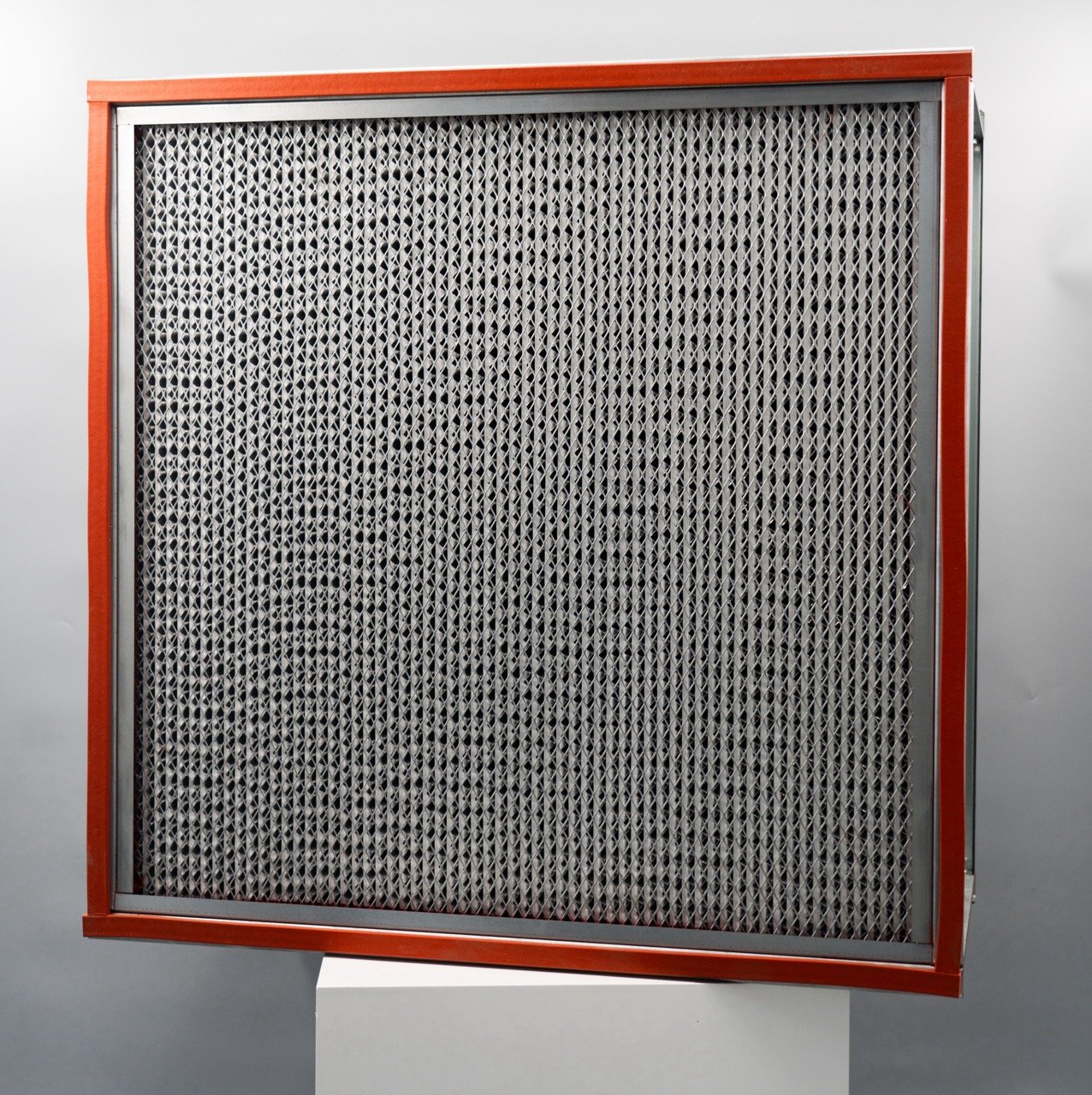
A high temperature filter is a specialized filtration device designed to operate effectively in environments with elevated temperatures, typically over 250°C (482°F). These filters are utilized in various industrial applications, including chemical processing, power generation, and metallurgy, where standard filters would fail due to heat degradation.
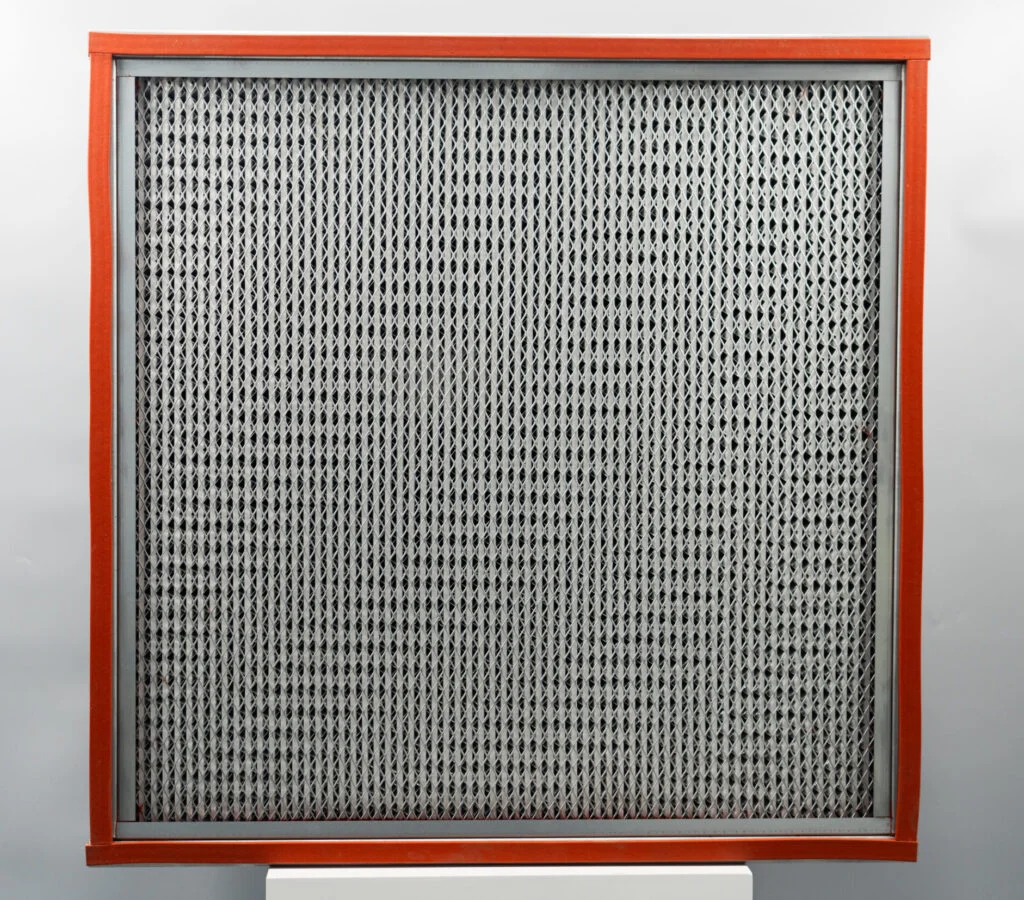
Key Features of High Temperature Filters:
- Heat-Resistant Materials: Constructed from materials like stainless steel, ceramics, or specialized polymers that can withstand extreme temperatures.
- Advanced Filtration Media: Utilizes robust media such as glass fiber or metal mesh to maintain filtration efficiency.
- Durability: Designed for longevity and consistent performance in harsh conditions.
- Applications: Commonly used in industries requiring high-temperature air or gas filtration.
Working Principle:
High temperature filters operate by allowing hot gases or air to pass through their heat-resistant media, trapping particulate matter while maintaining structural integrity. This ensures clean output without compromising the system’s efficiency due to thermal stress.
What is a High Temperature Air Filter Media?
A high temperature air filter media is a specialized material designed to withstand and efficiently filter air at elevated temperatures, often ranging from 300°F to 800°F (150°C to 425°C). These media ensure clean air by capturing particulates without degrading under heat stress.
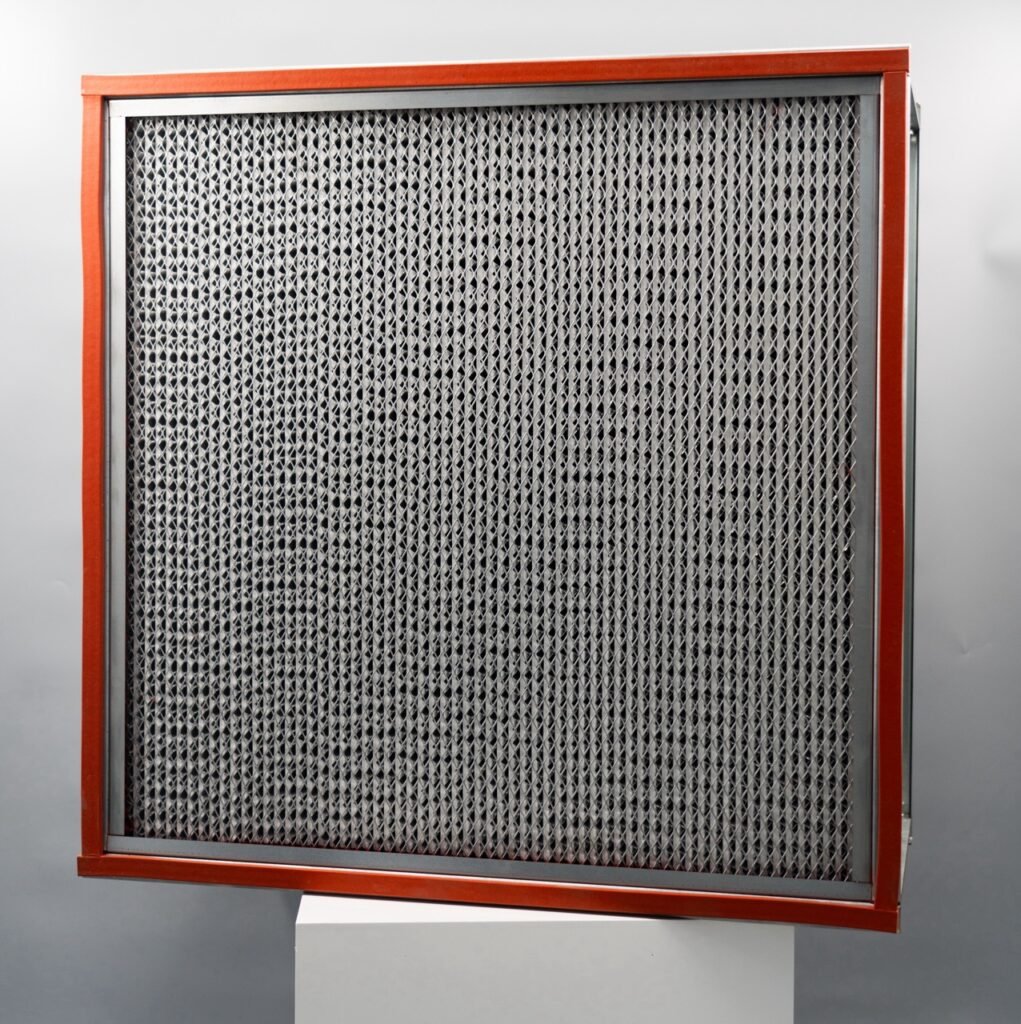
Key Properties:
- Heat Resistance: Can operate at high temperatures without losing integrity.
- Durability: Maintains performance over prolonged exposure to extreme conditions.
- Filtration Efficiency: Effectively captures fine particles and pollutants.
Common Materials:
- Fiberglass: Known for its high heat resistance and stability.
- Stainless Steel: Offers excellent durability and reusability.
- Ceramic: Provides superior filtration and thermal stability.
Applications:
- Industrial Processes: Used in high-temperature manufacturing environments.
- Automotive: Employed in exhaust systems and engine compartments.
- Aerospace: Crucial for maintaining air quality in high-temperature conditions.
High temperature air filter media are essential for ensuring air quality and protecting equipment in various high-heat applications.
What is the Maximum Temperature for a HEPA Filter?
The maximum temperature for a HEPA filter typically ranges between 250°F (121°C) and 400°F (204°C), depending on the specific materials and construction of the filter.

Key Factors Influencing the Maximum Temperature:
- Material Composition: HEPA filters are made from various materials like fiberglass, polypropylene, and PTFE. The material dictates the temperature tolerance.
- Manufacturing Quality: Higher quality filters often withstand higher temperatures due to better construction techniques.
- Application Requirements: Industrial HEPA filters used in high-temperature environments are designed to handle up to 400°F (204°C).
Considerations:
- Operating Environment: Always check the manufacturer’s specifications to ensure the filter suits your particular application.
- Safety Margins: Allow for a safety margin below the maximum temperature to prolong filter life.
Understanding these factors is crucial for ensuring optimal performance and longevity of HEPA filters in different applications.
What is a High Temperature Pressure?
A high temperature pressure refers to a condition in which a gas or liquid is subjected to both elevated temperatures and pressures simultaneously. This environment is often encountered in industrial processes, such as chemical reactions, material synthesis, and power generation.
Key Characteristics
- Elevated Temperature: Typically above 200°C (392°F).
- High Pressure: Often exceeding 10 bar (145 psi).
Common Applications
- Chemical Engineering: Used in processes like hydrocracking and polymerization.
- Material Science: Essential for creating high-performance materials.
- Power Plants: Critical in steam turbines for electricity generation.
Importance
- Efficiency: Enhances reaction rates and product yields.
- Material Properties: Alters characteristics of materials to desired specifications.
- Energy Production: Improves the efficiency of power generation systems.
Understanding high temperature pressure is crucial for optimizing industrial processes and developing advanced materials.
What is a High-Temperature Pressure Measurement?
A high-temperature pressure measurement involves measuring the pressure of gases or liquids in environments where temperatures exceed standard conditions, typically above 150°C (302°F).
Key Aspects
- Sensors: Utilizes specialized sensors like silicon-based piezoresistive or thin-film transducers.
- Materials: Made from high-temperature resistant materials such as ceramics or stainless steel.
- Applications: Common in industries like power generation, aerospace, and chemical processing.
Working Principle
- Sensor Selection: Choose a sensor designed for high temperatures.
- Installation: Install the sensor in the high-temperature environment.
- Data Collection: The sensor detects pressure changes and converts them into an electrical signal.
- Signal Processing: The electrical signal is processed and displayed or transmitted for monitoring and control.
Benefits
- Accuracy: Reliable pressure readings in extreme conditions.
- Durability: Withstands harsh environments, reducing maintenance needs.
- Safety: Enhances operational safety by providing precise data.
High-temperature pressure measurement is crucial for maintaining efficiency and safety in high-stress industrial applications.