

You might wonder when to swap out your Activated Carbon Filter. If your water starts to taste odd or look cloudy, it is time for a change. Regular use means quicker replacement. Poor filter quality also makes a difference. Check your filter often to keep your water safe and fresh.
Key Takeaways
Change your activated carbon filter every 3 to 6 months. This helps keep your water clean and safe.
Look for signs like strange tastes, smells, or cloudy water. These signs tell you it is time to get a new filter.
Check your filter often. This helps stop health problems and keeps your appliances working well.
Why Change Your Activated Carbon Filter
Changing your activated carbon filter is crucial to maintain optimal air or water quality. Over time, the filter gets saturated with contaminants, reducing its efficiency and potentially releasing trapped pollutants back into the environment.
Health Impact
You need clean water for drinking and cooking. An old activated carbon filter does not work well. Here is what might happen:
The filter fills up and cannot catch new contaminants.
Dirty water can get through and bring in bad stuff.
Water may move too fast and not get cleaned enough.
If you have allergies or get sick easily, this is dangerous. You should not risk your health.
Water Quality
A new activated carbon filter helps water taste and smell better. It also takes out many things you do not want. Look at what a good filter can remove:
Contaminant Type | Examples |
|---|---|
Organic Compounds | Benzene, trichloroethylene, carbon tetrachloride |
Chlorine | Common disinfectant causing taste and odor |
Heavy Metals | Lead |
Pesticides | Atrazine, common in agricultural runoff |
Taste and Odor Compounds | Sulfur-like smells, earthy or musty tastes |
If your water tastes weird or smells bad, change your filter. Clean water should look clear and taste good.
Safety
Using an old activated carbon filter can cause trouble. When it gets too old, it might let trapped pollutants go back into your water or air. This can make your indoor air worse and harm your health. You do not want to drink or breathe anything unsafe. Changing your filter on time keeps your home safe for everyone.
How Often Should You Replace an Activated Carbon Filter?
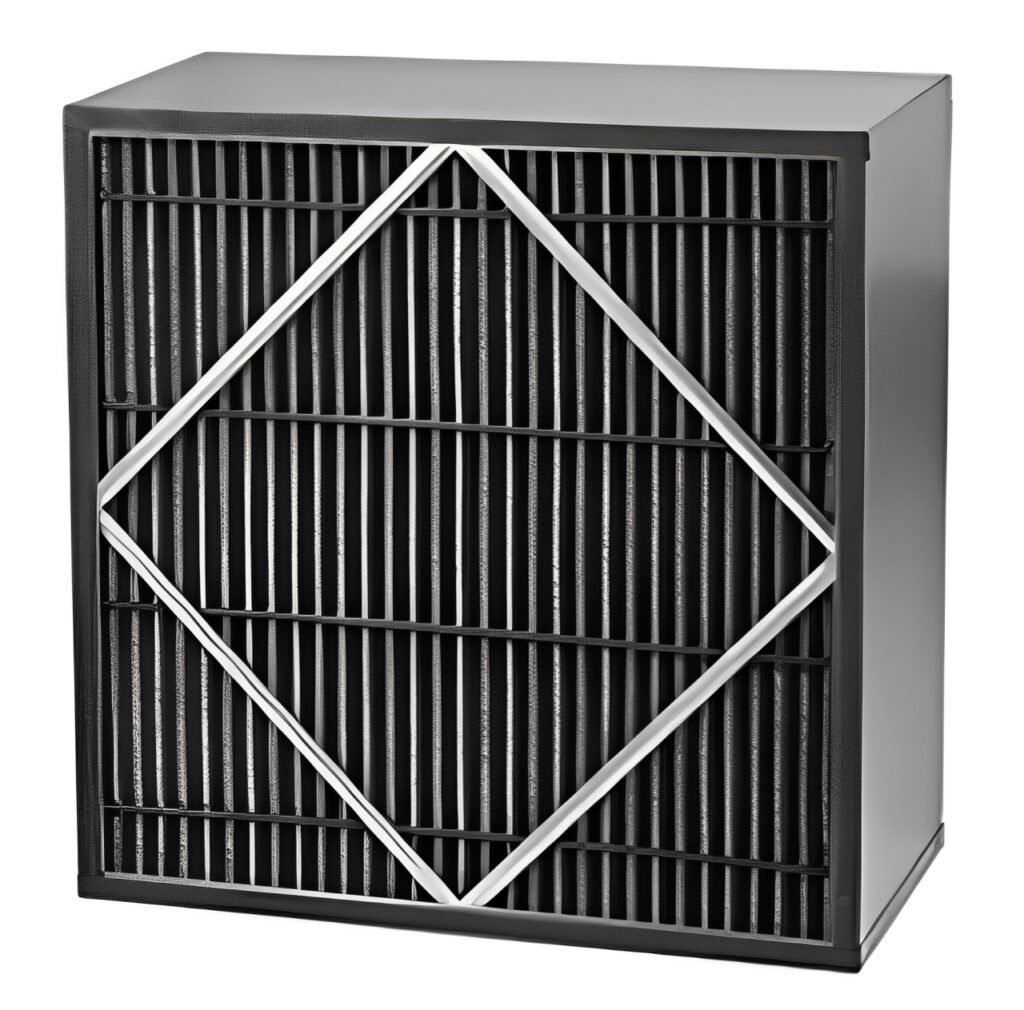
You should replace an activated carbon filter every 3 to 6 months. This timeline ensures optimal filtration efficiency and prevents the buildup of contaminants.
Manufacturer Guidelines
You might wonder how often you should change your filter. Most brands suggest you replace your activated carbon filter every three to six months. Some even say you can wait up to a year, but never longer. Each filter has a limit on how much water it can clean. If you use more water, you will need to change it sooner. Always check the instructions that come with your filter. They tell you the best time to swap it out. If you ignore these rules, your filter will not work well.
Tip: Never try to wash or reuse your filter. It will not work the same way again and could even break.
Here is a quick look at what most manufacturers recommend:
Brand/Model Type | Suggested Replacement Interval |
|---|---|
Standard Pitcher | 2-3 months |
Faucet Attachment | 3-6 months |
Whole House System | 6-12 months |
Usage Factors
How you use water at home changes how long your filter lasts. If your family uses a lot of water each day, your filter will fill up faster. More water means more stuff for the filter to catch. If you have many people in your house or use water for lots of cooking and cleaning, you will need to change the filter more often.
High water use shortens filter life.
More people in the house means more frequent changes.
Using water for pets or plants adds to the load.
Some people make mistakes that cause filters to fail early. For example, folding the filter or trying to dry it in the sun can damage it. These tricks do not make the filter last longer. In fact, they can make it stop working.
Water Quality Effects
The quality of your tap water matters a lot. If your water has lots of dirt, chemicals, or other pollutants, your filter will fill up faster. Water from a well often has more stuff in it than city water. If you live in an area with hard water or lots of farming, you may need to change your filter more often.
Dirty or hard water wears out filters quickly.
High levels of chlorine or heavy metals mean more frequent changes.
If your water tastes or smells strange, check your filter right away.
Note: Always follow the care instructions for your filter. This keeps your water safe and your filter working well.
If you want your activated carbon filter to do its job, keep an eye on how much water you use and what is in your water. Stick to the schedule from the maker, and do not try to stretch it out. Your health and safety depend on it.
What Are the Signs That Your Activated Carbon Filter Needs Replacing?
You might not always know when your filter needs a swap, but your senses can help you spot the warning signs. Let’s break down what to look for so you can keep your water clean and safe.
Smell and Taste
Your nose and taste buds are your first line of defense. If your water starts to taste funny or smells off, it’s time to check your filter. Here’s what you can do:
Take out the filter and hold it close to your nose—about one to three centimeters away.
If you notice a sour, acidic, or chemical smell, the filter is full and needs replacing.
Water that tastes bitter, metallic, or just plain odd means the filter isn’t working right.
Tip: Make it a habit to do a quick smell test every one to two weeks. This simple step helps you catch problems early.
You might also notice that your water tastes or smells like chlorine or rotten eggs. These are clear signs your filter can’t remove contaminants anymore.
Color and Flow
Sometimes, you can see the problem before you taste it. Watch for these changes:
Indicator | What It Means |
|---|---|
The filter is clogged or worn out. | |
Water flow slows down | The carbon layer is blocked and needs changing. |
Water smells stronger or odd | The filter is reaching its limit. |
If you see any build-up or gunk on the filter itself, don’t wait—replace it right away. A drop in water pressure or a sudden change in color means your filter can’t keep up with the job.
Cloudy or yellow water is a big red flag.
If water starts to pool or drip slowly, the filter is likely blocked.
Time Indicator
Even if your water looks and tastes fine, you shouldn’t ignore the calendar. Filters have a lifespan, and using them too long can put your health at risk. Most filters need changing every six to twelve months, but heavy use or poor water quality can shorten this time.
Mark your calendar when you install a new filter.
Some systems have reminders or lights to tell you when it’s time for a change.
If you use well water or notice changes after storms or repairs, check your filter sooner.
Feature | Benefit |
|---|---|
Scheduled reminders | Help you plan filter changes and avoid problems. |
Real-time alerts | Let you know right away if something is wrong. |
Regular checks | Keep your water safe and your filter working well. |
Note: Don’t wait for problems to show up. Stick to a regular schedule, and your activated carbon filter will keep doing its job.
If you pay attention to these signs, you’ll always know when it’s time for a new filter. Clean water starts with a filter that works.
What Happens If You Don’t Replace Your Activated Carbon Filter?
If you don’t replace your activated carbon filter, it will lose its effectiveness over time, resulting in poor air or water quality. The filter becomes saturated with contaminants and can no longer absorb new ones, leading to potential health risks and reduced system efficiency.

Health Risks
If you keep using an old filter, your water can become unsafe. Over time, the filter fills up and stops blocking harmful things. You might not see the danger, but it is there. Here’s what can happen:
Bacteria and mold can grow inside the filter, especially if your home is humid.
Drinking this water can make you sick or cause stomach problems.
If you notice a strange taste or smell, your filter might already be full of germs. Changing it on time helps protect your health.
Filter Ineffectiveness
An expired filter does not clean water well. As the filter ages, it loses its power to trap contaminants. You may think your water is safe, but the filter is not doing its job. Here are some facts:
The filter’s ability to remove bad stuff drops a lot as it gets older.
Old filters can only remove a small amount of contaminants compared to new ones.
Water may flow slower because the filter is clogged.
You trust your filter to keep your water clean. If you do not replace it, you lose that protection.
Appliance Issues
A clogged filter can also hurt your appliances. Your refrigerator or water dispenser has to work harder when the filter is blocked. This can cause problems like:
Pressure imbalances that damage parts inside your fridge.
Higher energy bills because your appliances use more power.
More repairs and a shorter life for your machines.
Replacing your activated carbon filter on schedule saves money and keeps your appliances running smoothly.
Changing your Activated Carbon Filter on time keeps your water clean and safe. Regular checks help you avoid hidden toxins and keep your filter working well.
Protect your health
Keep your water fresh
Make your filter last longer
Stay proactive and enjoy peace of mind!
FAQ
How do I know if my activated carbon filter is working?
You should notice clean, fresh-tasting water. If you smell or taste anything odd, your filter might need a change.
Can I clean and reuse my activated carbon filter?
No, you cannot reuse it. Once the filter fills up, it stops working. Always replace it with a new one for safe water.
What should I do with my used filter?
Place your used filter in the trash unless the manufacturer offers a recycling program. Some brands let you mail them back for recycling. ♻️