

Turbine oil filtration helps your machines by keeping oil clean. It stops bad particles from getting in the oil. This helps you avoid bearing damage and loss of lubrication. It also stops sludge from building up. Good filtration keeps turbines working for a longer time. It helps prevent sudden breakdowns. It also lowers the need for expensive repairs. Using Turbine Oil Filter Cartridges often removes water and dirt. This makes your equipment last longer and work better. Clean oil means you spend less on maintenance. It also lowers the chance of big failures.
Key Takeaways
Turbine oil filtration keeps oil clean. This stops damage and helps machines last longer.
Using Turbine Oil Filter Cartridges means fewer breakdowns. It also lowers maintenance costs and saves money.
Regular oil analysis finds problems early. This lets you fix things on time and avoid big failures.
Picking the right filtration system for your oil and contaminants makes things work better. It also makes machines more reliable.
Clean oil helps turbines work better. It also saves energy and is better for the environment.
How Does Turbine Oil Filtration Improve Reliability and Reduce Costs?
Turbine oil filtration significantly enhances equipment reliability and lowers operational costs by removing contaminants that cause wear and tear. This process extends the lifespan of turbine components, reduces maintenance frequency, and improves overall efficiency.
Oil Cleanliness and Performance
Turbine oil helps your machines work well. Clean oil keeps turbines running smoothly. Turbine Oil Filter Cartridges take out dirt and water. This protects the moving parts inside turbines from harm.
Clean oil helps machines last a long time.
You have fewer breakdowns and less repair work.
Turbines use less energy and work better.
If dirt builds up, it can hurt important parts. Dirty oil can block filters and mess up control systems. Your turbines might lose power or run rough. Keeping oil clean helps stop these problems.
Keeping turbine oil clean is very important for power equipment. An ISO cleanliness level of 16/14/11 means there are fewer particles. This helps stop mechanical problems. TURBO-TOC® filtration systems remove dirt and keep oil working well. This makes turbines work better and more reliably.
Industry rules tell you how clean oil should be. Here is a table with the best particle counts for turbine oil:
Standard | Maximum Particle Count | Application |
|---|---|---|
D4378 | 18/16/13 | Steam/Gas Turbine Lube Oil |
D8323 | 16/14/11 | EHC Fluids/Steam Turbine Oils |
You can meet these rules by using good Turbine Oil Filter Cartridges and checking oil often.
Financial Impact of Contamination
Dirty oil does not just hurt machines. It can cost a lot of money too. If dirt and water stay in oil, you could have sudden failures. These failures can stop turbines and cause big losses.
A forced outage can cost $250,000 to $1,000,000 each day. This shows why good oil care is needed to keep things running.
You might need to buy new parts or even new machines.
You spend more on fixing things and paying workers.
Using good oil cleaning systems lowers these risks. The TURBO-TOC® system gives better protection by catching tiny particles. It lasts longer than old filters. Clean oil helps you avoid costly stops and keeps your plant working.
You also save money because your machines last longer. Clean oil means less damage. You do not need new parts as often. You also avoid high costs from emergency shutdowns.
By picking the right Turbine Oil Filter Cartridges and having a good maintenance plan, you protect your machines and your money. Clean oil is not just for better work—it saves money and keeps turbines running when you need them.
What Are the Basics of Turbine Oil Filtration?
Turbine oil filtration is essential for maintaining the efficiency and longevity of turbine machinery. It involves removing contaminants like dirt, water, and particles from the oil to prevent damage and ensure optimal performance.

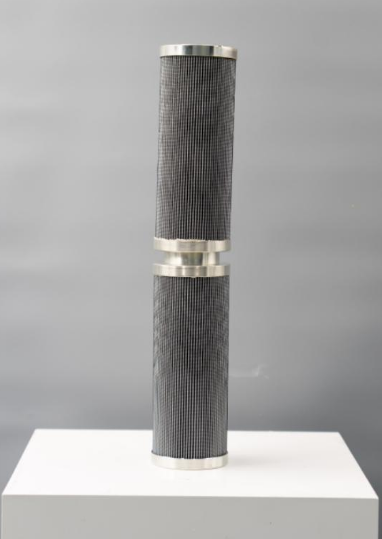
What Is Turbine Oil Filtration?
Turbine oil filtration is a way to keep oil clean. It removes dirt, water, and other bad things from the oil. Clean oil helps turbines work well and last longer. Many places like power plants and chemical plants use filtration. It protects machines and helps them run better.
Here is a simple table that shows the main steps:
Step | Description |
|---|---|
1 | The oil goes into the main filter. Large particles are removed. |
2 | The oil gets heated in a tank. |
3 | The hot oil moves into a vacuum tank. It turns into oil mist. |
4 | Water turns into vapor and leaves through the condenser. |
5 | The clean oil comes out of the system. |
Each step takes out a different kind of contaminant. Turbine Oil Filter Cartridges are important in the first step. They catch big particles.
Common Contaminants
Turbine oil can have many kinds of contaminants. These include:
Water can mix with oil and cause rust.
Bacteria like sulfate reducing bacteria and acid producing bacteria. They break down oil and make acids.
Contaminants from dirty funnels, containers, or storage places.
If you do not control these contaminants, machines wear out faster. They can break down more often.
Why Clean Oil Matters
Clean oil is needed for many reasons. It helps turbines work well and stops expensive repairs. Clean oil lowers the risk of damage from water and dirt. It also stops varnish from forming. Varnish can block parts and slow down machines. Checking oil often helps you find problems early. You can fix them before they get worse.
Tip: Clean turbine oil means fewer breakdowns. It helps machines last longer and saves money. It also helps the environment by making less waste and saving energy.
Using good filtration like Turbine Oil Filter Cartridges keeps oil clean. It protects your machines and your money.
What Are the Key Benefits of Turbine Oil Filtration?
Turbine oil filtration provides critical advantages such as extending equipment lifespan, enhancing performance efficiency, and reducing maintenance costs. By removing contaminants, it ensures the turbine operates smoothly, preventing wear and tear and minimizing downtime.

Efficiency and Equipment Life
You want your turbines to run smoothly and last as long as possible. Clean oil helps you reach this goal. When you use Turbine Oil Filter Cartridges, you remove dirt and water from the oil. This keeps moving parts safe from wear and tear. You also help your machines use less energy.
Here are some ways filtration boosts efficiency and equipment life:
Upgrading frame filters for both fine and coarse cleaning makes oil much cleaner.
Checking oil cleanliness and equipment health on a regular schedule helps turbines last longer.
Finding where dirt comes from lets you fix problems before they cause damage.
Clean oil reduces friction, so turbines run better.
Removing particles and moisture helps your equipment last longer.
You spend less on oil changes and repairs.
Tip: Cleaner oil means your turbines work better and save you money over time.
Maintenance and Downtime
You can lower the number of shutdowns by keeping oil clean. When you use new polyester filters, oil stays cleaner. This means fewer problems with hydraulic valves. In fact, some plants have not had a single valve failure in two years after switching filters.
Fewer breakdowns mean less time spent fixing machines.
Turbines stay cooler, which is important during busy times.
You avoid costly emergency repairs.
A good filtration system helps you plan maintenance instead of reacting to sudden failures. This keeps your plant running and your costs down.
Operational Reliability
You need your turbines to work when you need them most. Filtration systems play a big role in making sure this happens. Clean oil keeps gas turbines reliable and safe. If fuel or oil gets dirty, machines can break down or run poorly.
Good filtration stops dirt from causing trouble in your turbines.
Reliable turbines help you meet power demands without worry.
You protect your investment and keep your plant safe.
Note: Using Turbine Oil Filter Cartridges as part of your routine helps you avoid unexpected problems and keeps your operations steady.
What Filtration Technologies Are Used for Turbine Oil?
Modern turbine oil filtration uses different methods to keep machines working well. You can pick from filter cartridges, electrostatic systems, or chemical treatments. Each one removes certain contaminants and helps your oil and machines last longer.

Here is a table that explains how some filtration methods work:
Filtration Technology | Mechanism | Effectiveness |
|---|---|---|
Centrifugal Separation | Spins oil fast to pull out big particles. | Works well for large particles. |
Adsorption | Uses special materials to soak up bad chemicals. | Good for chemical impurities. |
Chemical Treatment | Uses acids or bases to break down some impurities. | Works for certain chemical problems. |
Electrostatic Filtration
Electrostatic filtration uses high voltage to grab tiny particles in oil. This method removes varnish and very small contaminants that other filters miss. It works by charging the particles so they stick to a mat. This keeps your oil much cleaner.
Here is a table that compares electrostatic filtration and filter cartridges:
Filtration Technology | Efficiency in Removing Fine Particles | Maintenance Requirements | Reusability |
|---|---|---|---|
Electrostatic Filtration | High | Low | Yes |
Traditional Filter Cartridges | Moderate | High | No |
Electrostatic filters pull in fine particles and smoke. You can wash and use these filters again, so you make less waste. The system removes over 95% of tiny particles between 0.01 and 0.5 microns. This helps turbines stay cleaner and last longer.
Tip: Electrostatic filtration helps stop varnish and keeps turbines reliable. It works best when you also use Turbine Oil Filter Cartridges for bigger particles.
Antioxidant Replenishment
Antioxidants protect turbine oil from breaking down. Over time, these chemicals get used up, but the base oil is still good. You can make oil last longer by adding more antioxidants instead of changing all the oil.
Antioxidants help oil fight off damage and last longer.
Adding antioxidants can make turbine oil last twice as long.
For big systems, this saves a lot of money on oil changes.
When you add antioxidants, your oil can last a very long time. This means less waste and lower costs for your plant. Your turbines run longer and you do not need as much maintenance.
Note: Adding antioxidants often, along with good filtration, helps you get the most from your turbine oil and equipment.
What Are the Best Practices for Turbine Oil Filtration?
The best practices for turbine oil filtration include regular monitoring, proper filter selection, and maintaining optimal operating conditions. This ensures the longevity and efficiency of the turbine system by preventing contaminants and wear.


Proactive Oil Analysis
You can keep turbine oil clean by checking it often. Proactive oil analysis helps you find problems before they get worse. You learn what is in your oil and why it gets dirty. Here are some best ways to check oil:
Test oil on a set schedule to find issues early.
Use the right cleaning method for each type of dirt. Centrifugation works for solid particles. Vacuum dehydration works for water.
Check your system often. Look for leaks or worn parts.
Keep extra oil in clean, dry places to stop new dirt.
Tip: Testing oil early helps you avoid big repairs. It also helps turbines last longer.
Maintenance Tips
Good maintenance keeps your filtration system working well. You should follow a plan and check important parts. The table below shows some key tips:
Maintenance Strategy | Description |
|---|---|
Regular Inspections | Check fuel nozzles and control systems every year to find problems early. |
Proper Lubrication | Lubricate parts as the manufacturer suggests to keep things running smoothly. |
Monitoring Oil Quality | Use sensors to watch oil viscosity and temperature for best performance. |
Sensors can help you track oil quality. This lets you know when to change filters or add oil. Regular checks stop small problems from getting worse.
Choosing the Right Solution
You need to pick the best filtration system for your plant. Think about what kind of dirt is in your oil. High-capacity purifiers work well if there is a lot of water. Some power plants switched to EPA filtration systems. They had fewer shutdowns and longer oil life.
Match your filter to your oil and turbine type.
Upgrade your system if you have many problems.
Ask experts for help if you are not sure what to do.
Note: The right filtration system saves money and keeps turbines working. Always check your needs and update your system as your plant grows.
You can make turbines work better and save money if you keep turbine oil clean. Checking oil often helps you find problems early. This means you can fix things before they get too bad or cost a lot. New filtration methods help turbines last longer and work well. Watching your machines and doing regular care keeps them running.
Checking machines often and picking the right filter helps stop breakdowns.
Making your filtration system better helps your machines use less energy and saves money.
Having an expert check your oil system can help you find problems before they stop your machines.
Benefit | Description |
|---|---|
Timely Detection | You can find problems early and stop sudden failures. |
Reduced Downtime | Turbines can run longer without stopping. |
Lower Maintenance Costs | You spend less money fixing or replacing parts. |
Tip: Ask experts for help or get your oil system checked. This makes sure your filtration is right for your machines.
FAQ
What happens if you do not filter turbine oil?
If you skip filtration, dirt and water build up in the oil. Your turbines wear out faster. You face more breakdowns and higher repair costs. Clean oil keeps your machines safe and working longer.
How often should you change turbine oil filters?
You should check filters every three months. Replace them if you see dirt or lower oil flow. Regular changes help you avoid sudden failures and keep turbines running smoothly.
Can you use the same filter for all turbine oils?
You need to match the filter to your oil type and turbine model. Some filters work better for water, others for dirt. Always check your machine’s manual before choosing a filter.
What is the best way to test turbine oil quality?
You can use oil analysis kits. These kits test for dirt, water, and chemicals. Regular testing helps you spot problems early and keep your turbines safe.
Does clean turbine oil help save energy?
Yes! Clean oil reduces friction inside your turbines. Your machines use less energy and run cooler. You save money on power bills and repairs.