
You need clean lube oil to keep your machines working well in the Oil & Gas industry. Dirt, water, and the wrong lubricants can get into your machines and cause big problems:
Abrasives make moving parts wear out faster.
Water can mix with oil and make bad mixtures.
Dirty oil can wear out seals, block pipes, and even make machines too hot or rusty. These problems can make machines break sooner and stop working more often. Clean oil helps your machines last longer and break less. Good filtration, like Turbine Oil Filter Cartridges, helps your machines work better and last longer. The table below shows how filtration helps your machines work better:
Benefit | Impact on Operational Efficiency |
|---|---|
Minimizing Maintenance Costs | Lowers how often you fix machines and saves money, making work smoother. |
Extending Equipment Lifespan | Keeps machines working well, so you replace them less and have fewer stops. |
Optimizing Operational Efficiency | Makes oil flow better, uses less energy, and helps you do more work. |
Reducing Downtime | Stops breakdowns and clogs, so work keeps going and output stays high. |
Improving Resource Utilization | Cuts down on waste and helps use resources better. |
Key Takeaways
Clean lube oil helps machines last longer. Filtering oil often stops dirt and water from causing damage.
Good filtration systems, like Turbine Oil Filter Cartridges, save money on repairs. They also help machines work better and stop delays.
A strong oil filtration process keeps equipment safe from harm. Checking and fixing filters often helps machines work well.
Using the best filtration methods makes oil much cleaner. This means machines break down less and cost less to fix.
Keeping oil clean and using good filters is important for safety. This lowers the chance of leaks and accidents. It helps protect workers and the environment.
Why Does Filtration Matter in the Oil & Gas Industry?
Filtration is crucial in the oil and gas industry to ensure the purity of the extracted resources, protect equipment from damage, and comply with environmental regulations. Effective filtration enhances operational efficiency and reduces maintenance costs.

Equipment protection
You use your equipment every day. Clean oil helps machines work well. Oil filtration systems take out dirt and metal from oil. This keeps pumps, turbines, and engines safe from harm. Changing filters often stops them from getting blocked. Blocked filters can make machines wear out faster. Turbine Oil Filter Cartridges catch tiny bits and keep oil clean longer.
Tip: Oil with no dirt is needed for safe work in oil and gas plants. Experts say you should filter oil often to keep it clean and protect machines.
Here is how filtration helps your equipment:
Takes out dirt and metal before they reach parts that move.
Stops seals and bearings from getting damaged.
Makes your machines last longer.
Keeps oil moving well, so there is less heat and rubbing.
Reducing downtime
Downtime costs a lot of money every hour. Most machine problems—about 75%—happen because oil is dirty. Good filtration lowers the chance of machines breaking. Lubrication filters take out dirt and metal from engine oil. This helps stop too much wear on important parts. Clean oil lasts longer, lowers friction, and keeps machines running more.
Here are ways filtration cuts downtime:
Makes machines go longer before breaking, which saves money.
Lowers repair costs by keeping machines in better shape.
Makes your equipment work better and more often.
Cuts down on emergency repairs.
Findings | Conclusions |
|---|---|
Cleaner oil means less wear on machine parts. | Machines work better and more often. |
Less dirt in oil means fewer breakdowns. | You spend less on repairs. |
Good oil filters lower costs to run machines. | Less waste helps the environment. |
Better filtration means machines break less and repairs cost less. For example, using oil mist lubrication at a refinery made machines last 25% longer in just over a year. This saved money and made machines more reliable.
Safety benefits
Safety is important everywhere you work. Bad filtration can cause danger. If filters get blocked or break, machines can get too hot or leak oil. One time, a crew tried to clean a filter on a fuel oil pump. Hot oil sprayed out and burned someone. This shows why you must use safety steps when working with oil filters.
You can stay safe by doing these things:
Check filters before you start fixing anything.
Use the right filter for your machine.
Follow the rules for oil filtration.
Make sure oil is clean to stop leaks and spills.
Note: Oil filtration is needed to meet safety rules in refineries and drilling. Clean oil stops accidents and keeps workers safe.
When you use good filtration, you keep people and the environment safe. Clean oil means fewer leaks and spills. This helps you avoid big cleanups and keeps your site safe.
How Does Turbine Oil Filtration Work?
Turbine oil filtration works by removing contaminants like particles, water, and sludge from the oil, ensuring efficient turbine operation. This process is essential for extending the lifespan of turbine components and maintaining optimal performance.
Contaminant types
There are many things that can get into turbine oil. Each one can hurt your equipment in its own way. Here are the main things you need to look out for:
Particulate contamination: These are tiny bits like dirt, dust, and metal pieces. They can harm bearings and gears. They also cause trouble for servo-valves and make oil foam up.
Water: Even a little water can cause rust and corrosion. Water keeps oil from making a good shield. It can also make parts wear out faster, create acids, and cause sludge and varnish.
Air: Air can get in from leaks or when oil moves too quickly. This makes bubbles and foam, which makes oil protect machines less.
Tip: Check for these things often. Finding them early helps you stop bigger problems later.
Filtration process
You need a strong process to keep turbine oil clean. This process takes out bad particles, water, and gases. Here is how a normal turbine oil filtration system works:
Oil Filtration (Particulate Removal): You use special filters, like mesh or paper, to catch solid bits. Turbine Oil Filter Cartridges are important here because they trap even tiny debris.
Dehydration (Water Removal): You heat the oil and put it in a vacuum. The water turns into vapor and leaves the oil.
Degasification (Gas Removal): You heat the oil again in a vacuum to get rid of trapped air and gases.
Acid Removal (Deacidification): You add chemicals to stop acids that form as oil gets old.
Oil Regeneration (Optional): If oil is very dirty, you take out old stuff from oxidation to make it better.
Fine Polishing (Final Filtration): You filter the oil again to remove any last tiny bits.
Final Oil Testing and Quality Control: You test the oil to make sure it is good before using it again.
Note: Doing every step helps keep oil clean and equipment safe.
Impact on machinery
Clean turbine oil helps your machines a lot. Good filtration protects your equipment and saves money. The table below shows how better oil care helps you:
Key Point | Explanation |
|---|---|
You make oil stronger so it does not break down. This stops varnish and keeps machines working well. | |
Cost Reduction | Oil lasts longer, so you do not change it as much. This saves you money. |
Reliability Maintenance | Your equipment runs smoothly. You avoid sudden problems after oil changes. |
When you filter oil the right way, machines break down less. You do not need as many emergency repairs. Clean oil helps machines stay cool and run better. You get more work done with less stopping. Using the right filters, like Turbine Oil Filter Cartridges, keeps oil clean and equipment strong.
What Are the Main Filtration Methods for Turbine Oil?
There are a few ways to keep turbine oil clean. Each way removes dirt, water, or other bad things from oil. Picking the right method helps machines last longer and work better.

Mechanical filtration
Mechanical filtration uses filters to catch solid bits. You put these filters in the oil path. When oil moves through, the filter grabs dirt and metal. This is used in many oil filters and big cartridge filters. It is good for daily cleaning of turbine oil. Mechanical filtration is best for getting rid of solid debris.
Centrifugal and coalescence
Centrifugal purification spins oil very fast. Heavy stuff, like water and big particles, moves out and leaves the oil. This way does not need filter elements. It is used when you want to remove water or big bits fast.
Coalescing separation makes tiny water drops join together. When they join, they get big enough to leave the oil. This method cleans oil by taking out free and mixed water. You use it to get rid of moisture that can hurt machines.
Here is a table that shows how these methods are different:
Filtration Method | Mechanism | Applications in Oil Purification |
|---|---|---|
Mechanical filtration | Uses filter elements to physically trap particles. | Common in commercial oil filters and large cartridge filters. |
Centrifugal purification | Spins oil at high speed to separate heavier contaminants by gravity. | Effective for removing water and larger particles. |
Coalescing separation | Encourages tiny water droplets to merge for efficient separation. | Polishes oil by removing free and emulsified water. |
Turbine Oil Filter Cartridges
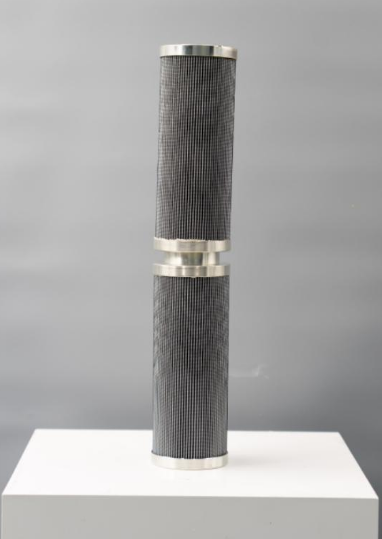
Turbine Oil Filter Cartridges are important for clean oil. These cartridges take out dirt, water, and other bad things. You use them to keep machines safe and working well. The cartridges use filters to catch solid bits. They also work with vacuum dehydration to take out water. Full-flow filtration treats all the oil. This lowers the chance of machine damage.
New turbine oil filtration technology gives more benefits. Now, you can use systems with automation and data tools. These systems help you know when to do maintenance. They also clean more oil faster and keep it pure. Better automation lets you make small changes easily. This means less work by hand and better safety.
Tip: Using the right filtration method and Turbine Oil Filter Cartridges keeps your machines running well and saves money on repairs.
What Are the Key Challenges and Best Practices in Turbine Oil Filtration?
The key challenges in turbine oil filtration include contamination control, maintaining oil viscosity, and ensuring filter efficiency. Best practices involve regular monitoring, using high-efficiency filters, and adhering to a strict maintenance schedule.

Common issues
It is hard to keep turbine oil clean in Oil & Gas plants. Lots of dirt can hurt your machines and stop your work. Some oils are thick and can block filters. This makes the system slow. Strong chemicals can eat away at filters and cause leaks. These problems make you spend more money on repairs.
Here are some common problems you might see:
Dirty fuels and lubricants bring in sludge and small bits.
Thick fluids can block filters and need more force to move.
Strong chemicals can damage filters and make things unsafe.
Cleaning filters takes time and can slow your work.
If you do not check oil quality, you might miss dirt that causes overheating or bad lubrication.
Wrong oil flow can mean the oil is not filtered well or the process is too slow.
Handling dirty oil the wrong way can cause spills and hurt people.
Not doing regular maintenance can make the system break.
System design tips
You can fix many problems by making your filtration system better. Pick filters that fit your machines and the oil you use. Check the beta ratio and micron rating to make sure you catch enough dirt. Think about how much it costs to use and keep the filter, not just the price. Using more than one filter stage can help catch more dirt and keep machines safe.
Best Practice | Description |
|---|---|
Prioritize Filtration Efficiency | Use filters with the right beta ratios and micron ratings for your needs. |
Ensure System Compatibility | Pick filters that work with your equipment and can handle chemicals in your system. |
Assess Lifecycle Costs | Check costs for maintenance and energy, not just the filter price. |
Implement a Preventive Maintenance Plan | Set up regular checks and replace filters based on oil condition. |
Consider Multi-Stage Filtration Systems | Use more than one filter stage to catch different types of contaminants. |
Test Before Full Implementation | Try new filters on a small scale before using them everywhere. |
Monitoring and maintenance
You need to watch your filtration system to make sure it works. Checking often helps you find problems early. Use sensors or oil tests to look for dirt or water. Change filters when needed and follow your maintenance plan. If you use Turbine Oil Filter Cartridges, check them for clogs or damage. Good checks and care keep machines safe and stop big breakdowns.
Tip: A good maintenance plan and regular checks help you find problems early. This keeps your oil clean and your machines working well.
What Are Some Real-World Examples of Turbine Oil Purification in the Oil & Gas Industry?
Turbine oil purification is crucial in the oil & gas industry to maintain turbine efficiency and longevity. Examples include filtration systems in refineries and offshore platforms where contaminants such as water, particulates, and varnish are removed from turbine oil.

Reliability improvements
You can see big changes when you use advanced turbine oil purification in Oil & Gas plants. Many companies have saved money and made their machines more reliable. When you use better oil cleaning systems, you lower the acid number in your oil and cut down on how often you need to replace it. You also stop machines from breaking down as much. Here is a table that shows what some plants have achieved:
Metric | Value |
|---|---|
TAN Reduction | Yes |
Cost Savings from Oil Replacements | ₹78 Lakh |
Cost Savings from Downtime | |
CO2 Reduction | 14,400 kg |
Improved Turbine Reliability | Yes |
Another plant used new oil purification systems and saw even more benefits:
Metric | Value |
|---|---|
Cost Savings from EH Oil Replacement | ₹60 Lakh |
Cost Savings from Preventing Downtime | |
CO2 Reduction | 14,400 kg |
Extended Oil Life | Yes |
Elimination of Turbine Hunting Risks | Yes |
Improved Plant Efficiency | Yes |
Client Satisfaction | Significant improvements |
When you use Turbine Oil Filter Cartridges and modern purification, you help your plant run better and save money.
Lessons learned
You can learn a lot from past mistakes in oil filtration. Some plants tried to save money by buying cheap oil and filters. This led to more dirt in the oil and more metal pieces in the system. Dirty oil damaged seals and caused leaks. Water got into the oil and made things worse. The oil could not cool the machines well, and pumps did not work right. Workers did not get enough training, so they missed signs of oil problems. This led to oil turning bad and bearings failing.
Here are some important lessons:
Cheap filters and oil can cause more harm than good.
Dirt and water in oil can damage seals and let in more water.
Bad oil weakens cooling and pump work.
Not checking oil often can lead to big failures.
Tip: Use advanced water removal tools like coalescers or vacuum dehydration. Train your team and check oil often to catch problems early.
You can avoid these problems by using good filters, keeping water out, and making sure your team knows what to look for.
Keeping lube oil clean helps your equipment work better. It also makes your machines last longer and saves money. If you take care of your filtration system, your machines do not wear out as fast. Using better filter cartridges gives you even more good results:
Benefit | Impact on Operations |
|---|---|
Parts do not wear out as quickly | |
Longer Oil Life | You do not need to change oil often |
Reduced Costs | You can save more money |
Environmental Benefits | Helps the environment stay healthy |
Look at your filtration system often. Pick the best filters and do regular maintenance. This will help your plant work well every day.
FAQ
What is the main purpose of lube oil filtration?
You use lube oil filtration to remove dirt, water, and metal from oil. Clean oil helps your machines run longer and break less. Good filtration keeps your equipment safe and saves you money.
How often should you change turbine oil filters?
You should check your filters every month. Change them when you see dirt or when your machine tells you. Clean filters keep oil flowing and protect your equipment.
Can you reuse lube oil after filtration?
Yes, you can reuse lube oil if you filter it well. Filtration removes most dirt and water. Always test the oil before using it again to make sure it is safe for your machines.
What happens if you skip oil filtration?
If you skip filtration, dirt and water stay in the oil. Your machines can wear out faster and break down more often. You may spend more money on repairs and lose work time.