
Primary and secondary fuel filters have different roles in your engine. The primary filter stops big pieces of dirt. The secondary filter takes out tiny bits. Knowing how each filter works helps you protect your engine. Using both filters makes your engine last longer. It also lowers the cost to fix your engine. Both filters work together to keep bad stuff out of the fuel system.
Primary filter grabs large pieces.
Secondary filter gets small bits.
Key Takeaways
Primary fuel filters trap big pieces of dirt. They keep your engine safe from harm.
Secondary fuel filters catch small bits that can hurt engine parts. They make sure clean fuel goes to the injectors.
Using both filters helps your engine work longer. It also lowers repair costs.
Check and change your fuel filters often. Do this every 20,000 to 40,000 miles for best engine performance.
If you ignore filter care, your engine may have problems. Repairs can become expensive.
What Is a Primary Fuel Filter and What Does It Do?
A primary fuel filter is a component in a vehicle’s fuel system that removes contaminants from fuel before it reaches the engine. Its main function is to protect the engine by filtering out dirt, rust, and other particles, ensuring efficient combustion and preventing engine damage.
What Does a Primary Filter Do?
You count on the primary filter to keep your engine safe from bad stuff. This filter stops big pieces before they get to important engine parts. Inside, there is pleated paper or cloth. These trap dirt, rust, and water. Some filters can remove water and dirt at the same time. Using a primary filter blocks sand, dust, and old plant bits from getting into the fuel system. This helps your engine work well and saves you money on repairs.
Tip: Check your primary filter often for clogs. A clean filter helps your engine run better.
Where Is the Primary Filter Located?
You can find the primary filter in different places, based on your car. Most new cars put it in the fuel tank with the fuel pump. Older cars and trucks place it under the car along the fuel line. Some diesel engines have it in the engine area, on the fender or firewall. A few cars put it near the fuel rail or injectors, but this is rare.
Common Locations for Primary Filters:
In the fuel tank with the fuel pump
Under the car along the fuel line
In the engine area on the fender or firewall
Near the fuel rail or injectors
Putting the filter after the pump helps stop engine problems like cavitation. If you put the filter before the pump and it gets blocked, the pump can break and the engine may not work well.
Primary Filter Micron Ratings
The micron rating shows how tiny a piece the filter can catch. Most primary filters catch things between 10 and 30 microns. This lets the filter grab bigger bits and still let fuel move easily. If you use a filter with a lower micron rating, it can block faster and make high vacuum pressure. That can hurt the lift pump. A higher micron rating helps the primary filter catch most dirt and makes the secondary filter work less.
Filter Type | Micron Rating |
|---|---|
Primary Filter | |
Secondary Filter | 10 microns |
You need both filters to work together. The primary filter grabs big pieces. The secondary filter takes out smaller bits. This two-step system keeps your fuel clean and your engine safe.
What Is a Secondary Fuel Filter and How Does It Work?
A secondary fuel filter is an additional filtration system in vehicles that removes finer impurities from fuel after it passes through the primary filter. It ensures cleaner fuel reaches the engine, enhancing performance and longevity.

Function of Secondary Filter
You need the secondary fuel filter to keep your engine safe. This filter is the last stop before fuel goes to important parts. It blocks tiny bits that get past the primary filter. These small pieces can hurt your engine if they get in. The secondary filter takes out these tiny things. This helps your engine last longer. Clean fuel means your engine works better and needs fewer fixes.
Note: The secondary filter is very important. It removes small bits so your fuel system stays safe.
Location of Secondary Filter
You often find the secondary fuel filter near the engine. Many cars put it on the fuel line before the injectors. Some newer cars have it inside the fuel pump module. This spot helps catch tiny dirt before fuel goes to engine parts. Putting the filter here gives extra safety for the fuel system.
Filter Type | Filtration Media | Construction Characteristics |
|---|---|---|
Primary Filter | 10–30 microns efficiency | Low restriction, mounted on suction side of pump |
Secondary Filter | 4–10 microns efficiency | Designed for higher pressures, captures finer contaminants |
High-Pressure Filtration
High-pressure filtration is important for new engines. Clean fuel is needed for systems like GDI. The secondary filter stops bad bits before they reach the engine. This keeps engine parts safe and helps your engine work well.
High-pressure filtration takes out dirt before it gets to the engine.
Clean fuel is needed for high-pressure systems like GDI.
The secondary filter blocks tiny bits that could hurt injectors and pumps.
Your engine works better and lasts longer with a secondary filter. It teams up with the primary filter to give your engine strong protection.
How Do Primary and Secondary Fuel Filters Differ?
Primary and secondary fuel filters serve distinct roles in engine fuel systems. The primary filter removes larger debris and water from the fuel before it enters the engine. It acts as a first line of defense, ensuring that significant contaminants are caught early. The secondary filter, on the other hand, captures finer particles, providing a more thorough cleaning before the fuel reaches the engine’s combustion chamber.


Comparison of Functions
You may wonder how these two filters are different. Each filter does a special job in your fuel system. The primary filter is the first to clean the fuel. It takes out big pieces and free water before the fuel gets to the pump. This helps keep your engine safe from large debris. The secondary filter works after the primary filter. It catches tiny things like dust and rust that get past the first filter. This filter makes sure only clean fuel goes to important engine parts like the injectors.
Here’s a simple way to see how their jobs compare:
Filter Type | Function | Micron Rating |
|---|---|---|
Primary Fuel Filter | Removes bigger particles and free water before the pump | 50 microns to 7 microns |
Secondary Fuel Filter | Filters smaller bits for parts like injectors | 5 microns to 2 microns |
The primary filter takes out the biggest waste first.
The secondary filter removes tiny bits and moisture next.
Tip: Using both filters keeps your engine safer from bad stuff.
Comparison of Locations
These filters are found in different places on your vehicle. The primary filter is usually between the fuel tank and engine. This spot lets it catch big debris right after fuel leaves the tank. The secondary filter is often on the engine. This spot lets it clean the fuel one last time before it goes to the injectors.
Where the filters are can change with your vehicle type:
Vehicle Type | Primary Filter Location | Secondary Filter Location |
|---|---|---|
Cars | Under the vehicle along the fuel line | Inside the engine compartment |
Trucks | Near the fuel tank along the fuel line | Inside the engine compartment |
Heavy Equipment | On the chassis along the fuel line | Inside the fuel tank assembly |
In cars, the primary filter is under the car and the secondary filter is in the engine compartment.
Trucks put the primary filter near the fuel tank and the secondary filter on the engine.
Heavy equipment may have the primary filter on the chassis and the secondary filter inside the fuel tank.
Note: Always check your vehicle manual for where to put and change filters.
Why Both Are Needed
You need both filters to help your engine work well. The primary filter takes out most dirt and big pieces before they reach the engine. The secondary filter is a backup. It catches any dirt or water the first filter missed. This two-step cleaning keeps your fuel very clean.
The primary filter protects the pump and helps the secondary filter.
The secondary filter stops tiny bits from getting to important engine parts.
Using both filters helps your engine work better and last longer.
If you use only one filter, your engine can clog or break. Both filters work together to help your engine stay healthy for a long time.
Need Both Filters?
Yes, using both primary and secondary fuel filters is essential for optimal engine performance and longevity. The primary filter removes larger contaminants like rust and debris, while the secondary filter captures finer particles, ensuring cleaner fuel reaches the engine. This dual-filter system enhances fuel efficiency and reduces wear on engine components.

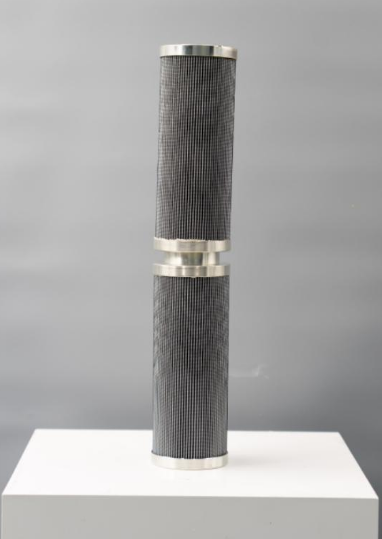
Engine Protection Benefits
Your engine stays safest when you use both filters. Each filter takes out different sizes of dirt and water. This two-step system keeps your engine from getting hurt. If you skip a filter, bad stuff can reach important engine parts. Over time, this can break your engine and cost a lot to fix.
Here is a table that shows how both filters help your engine:
Benefit | Description |
|---|---|
Contaminant Removal | Takes out dirt and dust so engine parts stay clean. |
Corrosion Prevention | Stops rust and corrosion from dirty fuel. |
Improved Engine Performance | Filters water from diesel fuel so your engine runs better. |
Reduced Maintenance Costs | Makes repairs to injectors and pumps less likely and less costly. |
Wear and Tear Reduction | Cleaner fuel helps moving parts last longer. |
Micron Filtration Efficiency | Primary filter catches up to 30 microns; secondary filter catches up to 10. |
If you use only one filter, repairs can cost a lot. Fixing fuel injectors can cost $3,000 to $8,000. High-pressure fuel pump repairs are also very expensive. Clean fuel helps your engine last longer and saves you money.
Tip: The primary filter is the first thing that blocks most dirt before it causes problems.
Maintenance Tips
You keep your engine working well by checking and changing your fuel filters on time. Most experts say to replace fuel filters every 20,000 to 40,000 miles. Always look at your vehicle’s manual for the best advice.
Watch for these signs that your filter might be clogged or not working:
Engine stops or slows down when you speed up.
Hard to start or takes a long time to start.
Engine shakes or does not run smoothly.
Engine loses power.
Engine sputters or misfires when driving fast.
You use more fuel than usual.
The check engine light comes on.
If you see any of these problems, check your filters right away. Keeping both filters clean stops engine damage and helps your car run well.
Note: Regularly taking care of both filters helps you avoid big repair bills and keeps your engine strong.
Using both primary and secondary fuel filters keeps your engine safe. The primary filter stops big dirt pieces. The secondary filter takes out tiny bits. Clean fuel helps your engine work well and last longer. Changing filters often gives you better gas mileage and quicker starts.
Clean filters stop clogs and help your engine run smooth.
Taking care of filters makes the engine work less and burn fuel better.
You spend less on repairs and keep your engine strong.
Look at your filters often and change them when needed. Your engine will work better and last longer.
FAQ
What happens if you skip changing your fuel filters?
Your engine might lose power or stop running. Dirty filters can block the fuel from moving. You could get worse gas mileage. Ignoring filter changes can lead to costly repairs.
How do you know when to replace your fuel filters?
Look for slow starts, sputtering, or less power. Check your owner’s manual for the right mileage. Most experts say to change filters every 20,000 to 40,000 miles.
Can you use only one fuel filter instead of two?
You need to use both filters. The primary filter grabs big pieces. The secondary filter takes out tiny bits. Using just one filter can put your engine in danger.
Do diesel and gasoline engines use the same type of fuel filters?
Diesel engines usually have both primary and secondary filters. Gasoline engines often use just one filter. Diesel fuel needs more cleaning because it has more dirt in it.