
When you look at filters for clean rooms, you should see how each one works. Separator HEPA Filter uses aluminum foil to keep the pleats apart. Deep-pleat HEPA filters use hot-melt glue instead. If you look at how they work, you will find differences in airflow, pressure drop, and filtration area.
Air flow (m³/h) | Initial pressure (Pa) | Filtration area (m²) | |
|---|---|---|---|
Separator Filter | 1000 | 220 | 10 |
Deep-pleat HEPA Filter | 1000 | 150 | 15 |
You should think about these things when picking a filter.
Key Takeaways
Separator HEPA Filters are big and heavy. They work well in places with high heat and humidity.
Deep-pleat HEPA Filters are small and light. They fit well in small spaces and are easy to install.
Pick filters based on how much air you need to move. Deep-pleat filters let air move better and help save energy.
Check and take care of filters often. This helps them last longer and keeps the air clean.
Think about how much the filters cost over time. Deep-pleat filters may cost more at first but last longer and save money later.
What Is the Quick Comparison Overview Between Separator and Deep-pleat HEPA Filters?
Separator HEPA filters use narrow sheets of paper or plastic to maintain pleat spacing, offering efficient airflow and less resistance. Deep-pleat HEPA filters, on the other hand, have a larger surface area due to deeper pleats, allowing for higher dirt-holding capacity and longer service life.
Main Differences
When you look at Separator HEPA Filter and deep-pleat HEPA filters, you can spot some big differences. The table below lists the main things to know:
Key Points | Separator HEPA Filters | Deep-Pleat HEPA Filters |
|---|---|---|
Structural Characteristics | Aluminum foil or paper separators keep pleats apart | Hot melt adhesive holds pleats, no partition |
Volume | Large size | Compact structure |
Weight | Relatively heavy | Lightweight |
Manufacturing Costs | Relatively high | Relatively low |
Installation and Maintenance | Installation is more complicated | Easy to install |
Ordinary clean environments, high temperature and humidity | Clean room air outlets, FFU, clean equipment |
Separator HEPA Filter uses aluminum foil or paper to keep the pleats apart. This makes the filter bigger and heavier. Deep-pleat HEPA filters use hot melt adhesive instead. This makes them smaller and lighter. Deep-pleat filters are also easier to put in and take care of.
Tip: If you want a filter that is easy to use and install, deep-pleat HEPA filters are a smart pick.
Application Scenarios
Pick your filter based on where you need it. Separator HEPA Filter works well in normal clean places. It also works in places with high heat and humidity, like some hospital exhaust systems. The micro glass fibre media in separator filters helps catch tiny particles. This makes them good for healthcare use.
Deep-pleat HEPA filters are best for clean room air outlets, fan filter units (FFU), and clean equipment. These filters have pleated media, so they have more surface area. This helps them catch more particles. H13 deep-pleat filters can trap at least 99.95% of 0.3-micron particles. You need to install them with the right airflow to keep them working well.
Note: Always check where you will use the filter before you pick one. The right filter helps keep your space clean and safe.
How Does a Separator HEPA Filter Compare to a Deep-pleat HEPA Filter?
A separator HEPA filter uses separators to maintain the pleat structure, ensuring consistent airflow and higher dust-holding capacity. In contrast, a deep-pleat HEPA filter features larger pleats without separators, allowing for more filter media and lower pressure drop.

Construction Differences
These two filters are built in different ways. Separator HEPA Filter uses corrugated metal, often aluminum, to keep pleats apart. This makes the spaces between pleats wider. Deep-pleat HEPA filters do not use metal to separate pleats. They use hot-melt adhesive to hold pleats together. This lets the pleats sit closer to each other.
Here is a table that shows the main construction differences:
Feature | Separator HEPA Filters | Deep-Pleat HEPA Filters |
|---|---|---|
Separator Type | Uses corrugated metal separators | No separators present |
Pleat Spacing | Wider pleat spacing due to separators | Closer pleat spacing |
Surface Area | Limited surface area due to wider spacing | Increased surface area due to closer spacing |
Wider pleat spacing in Separator HEPA Filter makes it bigger and heavier. Deep-pleat design uses more filter media in less space. This makes deep-pleat filters lighter and easier to put in.
Tip: If you need a filter for a small space or want one that is easy to move, deep-pleat HEPA filters are a good choice.
Filtration Efficiency
Both filters must meet tough rules for trapping tiny particles. These filters are rated by EN 1822 or ISO 29463 standards. These rules check how well the filter catches particles and if it leaks.
EN 1822 gives each filter a class for how many particles it can catch.
The standard also needs special tests to make sure the filter works well.
ISO 29463 uses similar rules and covers how to test and rate HEPA filters.
Here is a table with the usual efficiency ratings for these filters:
Filter Type | Standard | Minimum Efficiency | Spot Efficiency |
|---|---|---|---|
HEPA H13 | EN 1822 | ≥ 99.95% | ≥ 99.75% |
HEPA H14 | EN 1822 | ≥ 99.995% | ≥ 99.975% |
Both Separator HEPA Filter and deep-pleat HEPA filters can reach these high efficiency levels. This means both can trap at least 99.95% of particles as small as 0.3 microns.
If you work where there is a lot of dust, germs, or other harmful particles, you need a strong filter. High-efficiency filters like HEPA and ULPA are best for labs and clean rooms with lots of contamination. These filters help you follow safety rules and keep your air clean.
In HVAC systems, you should think about filter size, weight, how easy it is to put in, and how much air it can handle. Separator HEPA Filter works well in places with high heat or humidity, like hospital exhaust systems. Deep-pleat HEPA filters fit better in fan filter units, clean room outlets, and equipment where space is tight.
Note: Always check the standards and what your space needs before you pick a filter. The right filter keeps your air safe and your system working well.
How Are Airflow and Resistance Different in These Filters?
Airflow and resistance in filters are fundamentally distinct yet interrelated concepts. Airflow refers to the volume of air passing through a filter over a specified period, while resistance indicates the opposition the filter presents to this airflow. High resistance generally results in reduced airflow.
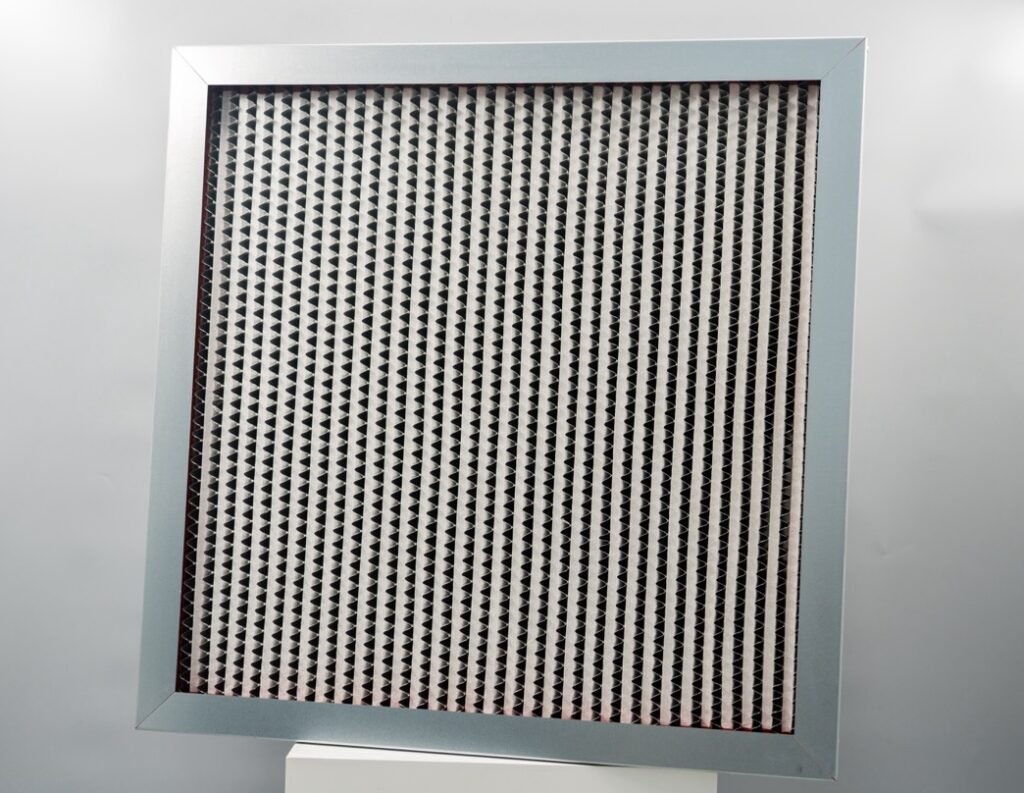
Airflow Performance
When picking a filter, you want air to move well. How the filter is made changes how air flows. Separator HEPA Filter has thick filter media and wide pleats. This makes it harder for air to pass through. Deep-pleat HEPA filters have pleats that are closer together. Air can move through them more easily. These filters do not block air as much. When resistance is low, fans do not work as hard. This saves energy and lowers your bills. If a filter has high resistance, your system uses more power. This can make your equipment wear out faster.
Always look at airflow ratings before choosing a filter. Good airflow helps your HVAC system work better. It also keeps your room comfortable.
Tip: Filters with less pressure drop save energy and help your system last longer.
Pressure Drop
Pressure drop shows how hard air must push to get through the filter. If pressure drop is high, your system works harder. This means you may need more repairs. Here are some things you can do to help your HVAC system:
Implication for HVAC Performance | |
|---|---|
Watch pressure gauges | You can spot clogs early and fix airflow problems. |
Track pressure drop over time | This helps you know when to change filters. |
Change or clean pre-filters | This keeps HEPA filters working well and air moving easily. |
Do leak tests | This makes sure your system works right and avoids pressure issues. |
Check the whole HVAC system often | This helps you find problems and fix them early. |
You should check pressure drop often and change filters when needed. If you ignore high pressure drop, your system can break or use too much energy. Checking often helps you avoid big repairs and keeps your air clean.
Note: Always watch pressure drop to keep your HVAC system safe and save money on repairs.
How Do Filtration Area and Longevity Compare Between the Two Filter Types?
The filtration area and longevity between the two filter types differ significantly. Pleated filters typically offer a larger filtration area due to their folded design, enhancing efficiency and lifespan compared to flat filters. Flat filters, in contrast, have a smaller surface area, often leading to more frequent replacements.

Filtration Surface Area
You should always look at the filtration surface area when choosing a HEPA filter. Deep-pleat HEPA filters use a special design that packs more filter media into the same space. This design gives you a larger surface area. When you have more surface area, the filter can trap more dust and particles before it gets clogged. This means you do not need to change the filter as often.
Take a look at this table to see how surface area affects dust holding and lifespan:
Filter Type | Dust Holding Capacity | Lifespan |
|---|---|---|
Deep Pleat HEPA | Higher because it is deeper | May last longer |
Mini-Pleat HEPA | Lower because it is thinner | May need more replacements |
Deep-pleat HEPA filters can hold more dust because they are deeper. You get a longer-lasting filter. Mini-pleat or separator filters have less surface area, so they fill up faster.
Tip: If you want fewer filter changes and better dust control, deep-pleat HEPA filters are a smart choice.
Filter Life and Cost
You want your filter to last as long as possible. In real-world cleanrooms, HEPA and ULPA filters usually last from 1 to 5 years. The exact lifespan depends on how much dust is in the air, how often you use the system, and how well you take care of the filters.
The lifespan of HEPA/ULPA filters in cleanrooms typically ranges from 1 to 5 years.
Air pollution, usage frequency, and maintenance practices all affect how long your filter lasts.
Regular inspections and monitoring help you get the best performance from your filter.
If you check your filters often and keep your system clean, you can make your filters last longer. Deep-pleat HEPA filters may cost a bit more at first, but they often save you money over time because you do not need to replace them as often. Separator filters may need more frequent changes, which can add to your costs.
Note: Always plan for regular filter checks. This helps you avoid sudden failures and keeps your air clean.
Choosing the Right Filter

Factors to Consider
You need to look at several things before you pick a HEPA filter for your space. Each factor helps you decide which filter will work best for your needs.
Airflow Needs: Check how much air your system moves. Deep-pleat HEPA filters often let air pass more easily. If your system needs strong airflow, you may want this type.
Space Limitations: Measure the area where you will install the filter. Deep-pleat HEPA filters fit better in tight spaces. Separator HEPA Filter may need more room because it is larger and heavier.
Temperature and Humidity: Think about the environment. If you have high heat or moisture, Separator HEPA Filter works well. It can handle tough conditions.
Maintenance and Replacement: Ask yourself how often you want to change filters. Deep-pleat HEPA filters last longer and need fewer replacements.
Budget: Look at both the price and the long-term costs. Deep-pleat HEPA filters may cost more at first, but you save money over time because they last longer.
Tip: Write down your needs before you choose a filter. This helps you find the best match for your system.
You should pick a HEPA filter based on what you need. Separator filters are good for places with lots of heat or moisture. Deep-pleat HEPA filters are better for small spaces and are simple to put in. Some new features, like thermal embossing and V-shaped pleats, help deep-pleat filters last longer and make it easier for air to move through.
Separator filters: Good for hot and wet places
Deep-pleat filters: Good for clean rooms and easy care
Choose deep-pleat HEPA filters if you want more airflow and a filter that lasts longer.
FAQ
What is the main difference between separator and deep-pleat HEPA filters?
You will see separator filters use aluminum foil to keep pleats apart. Deep-pleat HEPA filters use hot-melt glue. This makes deep-pleat filters lighter and easier to install.
Which filter lasts longer in most clean rooms?
You can expect deep-pleat HEPA filters to last longer. They have more surface area, so they trap more dust before needing replacement.
Can you use deep-pleat HEPA filters in high humidity areas?
You should avoid deep-pleat HEPA filters in high humidity. Separator filters work better in places with lots of moisture or heat.
How often should you check HEPA filters for replacement?
You should check HEPA filters every three to six months. Regular checks help you keep your air clean and your system working well.