Author: laomopublic@gmail.com

  • What is a HEPA Filter and Why It’s the Best Purifier for Your Facility

    What is a HEPA Filter and Why It’s the Best Purifier for Your Facility

    A HEPA filter helps clean the air in your building. It protects you from dust, pollen, mold spores, and some bacteria and viruses.

    • HEPA filters trap at least 99.97% of tiny particles. These particles can be as small as 0.3 microns. They can even catch viral particles like SARS-CoV-2.

    • These filters make indoor air better. They lower the amount of pollution and things that cause allergies.

    Organization

    Recommendation

    ASHRAE

    HEPA filters catch at least 99.97% of particles that are 0.3 µm. This makes them good for stopping airborne viral particles.

    CDC

    HEPA filters are used in hospitals and clinics. This shows they are strong at removing particles that are 0.3 μm or bigger.

    Key Takeaways

    • HEPA filters catch at least 99.97% of tiny particles. These particles can be as small as 0.3 microns. This makes HEPA filters very good for cleaning indoor air.

    • HEPA filters help lower allergens and germs in the air. This helps people with allergies and asthma breathe better. It also helps them stay healthy.

    • It is important to take care of HEPA filters often. Check them every 6 to 12 months. Change them when they look dirty. This keeps them working well.

    • Pick true HEPA filters instead of HEPA-type filters. True HEPA filters work better and are more reliable. They are best for places like hospitals and labs.

    • Think about how HEPA filters affect the environment. Some new HEPA filters use eco-friendly materials. These can be recycled and help cut down on waste.

    What is a HEPA Filter?

    A HEPA (High-Efficiency Particulate Air) filter is a type of air filter that captures at least 99.97% of particles as small as 0.3 microns, including dust, pollen, mold, bacteria, and other airborne particles.

    HEPA Filter Definition

    A HEPA filter is a special air filter. It stands for high-efficiency particulate air filter. The U.S. Department of Energy says it is a pleated mechanical filter. It removes at least 99.97% of tiny particles in the air. These particles are only 0.3 microns wide. This rule comes from a trusted government group, so you can rely on it.

    Real HEPA filters must catch at least 99.97% of particles that are 0.3 microns wide. That is about 300 times thinner than a human hair. This size is used for testing because it is the hardest to trap.

    You can find HEPA filters in many places. Hospitals, labs, and airplanes use them. These filters make indoor air cleaner by trapping bad particles before you breathe. Groups like the CDC, ASHRAE, and EPA say HEPA filters are the best for cleaning air.

    How HEPA Filters Work

    You might wonder how HEPA filters trap such small things. The secret is in how they are made. Makers use a thick mat of fibers. These fibers are usually fiberglass or synthetic. They fold the fibers into pleats. This gives the filter more area to catch particles. It also lets air move through easily.

    Here is a table that shows how each part of a HEPA filter helps:

    Material/Method

    Contribution to Filtration Capabilities

    Filter Media

    Fiberglass and synthetic fibers like polypropylene trap tiny particles but let air flow through.

    Manufacturing Process

    Ultra-fine fibers are made by melt-blown or glass-drawing methods. This creates a mat that filters well.

    Pleating

    Pleats give the filter more area. This helps it catch more particles and lets air pass easily.

    Assembly and Sealing

    Good assembly keeps the filter strong and stops air from leaking. This keeps the filter working well.

    Quality Control

    Careful testing makes sure filters work as promised and meet high standards.

    When air goes through a HEPA filter, the fibers trap many things. A HEPA filter can catch:

    • Viruses

    • Pollen

    • Dust

    • Bacteria

    • Air pollution particles

    You also get protection from:

    1. Pollen

    2. Dirt

    3. Dust

    4. Moisture

    5. Bacteria (0.2–2.0 μm)

    6. Viruses (0.02–0.3 μm)

    7. Tiny liquid drops (0.02–0.5 μm)

    HEPA filters are great at removing things that can hurt your health. This makes them a smart choice for anyone who wants cleaner air in their building.

    HEPA filters can remove at least 99.97% of tiny particles around 0.3 microns. This makes them better than many other air filters.

    Some new HEPA filters have cool features. Some have smart sensors that check air quality all the time. Others use earth-friendly materials or connect to smart home systems. These new ideas help you keep your building’s air clean with less work.

    What are the Benefits of HEPA filters?

    HEPA filters provide superior air purification by capturing 99.97% of airborne particles as small as 0.3 microns, improving indoor air quality significantly. They are particularly effective in reducing allergens, pollutants, and pathogens.
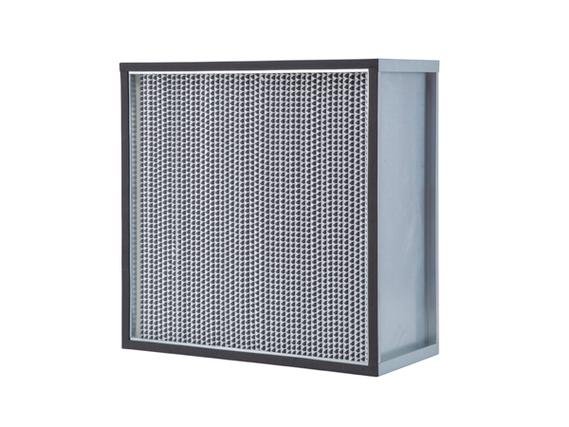
    pros and cons of h13 hepa filters

    Filtration Efficiency

    Clean air is important for your building. HEPA filters give you strong protection. They trap at least 99.97% of tiny particles. These particles can be as small as 0.3 microns. This helps keep out dust, pollen, mold spores, bacteria, and some viruses.

    • HEPA filters catch at least 99.97% of 0.3 micron particles.

    • They also grab 99.95% of the hardest-to-catch particles, which are between 0.1 and 0.2 microns.

    • Air cleaning rules say it is important to remove particles smaller than 1 micron, especially to stop germs in the air.

    You can see how HEPA filters work with different particle sizes in this table:

    Particle Size (nm)

    Removal Efficiency (%)

    Importance in Air Quality

    100–200

    99.95

    Smallest and hardest to capture

    200–250

    Lowest efficiency

    Significant in urban environments

    300

    99.97

    Standard test size

    True HEPA filters meet tough rules. You can trust them to work well every time. If you want better air inside, pick a HEPA filter for your building.

    Health and Safety

    The air in your building affects everyone’s health. HEPA filters help make your space safer. They lower allergy triggers like pollen, pet hair, and dust mites. People with allergies feel better and need less medicine. Asthma sufferers breathe easier and have fewer attacks.

    • HEPA filters lower common allergy triggers.

    • Allergy sufferers have fewer problems and need less medicine.

    • Asthma patients breathe better and have fewer attacks.

    • HEPA filters help stop germs like flu, bacteria, and COVID-19 droplets from spreading.

    • They also lower PM2.5 levels, which can cause heart attacks and strokes.

    You make the air inside better and help keep people safe. True HEPA filters are important in hospitals, schools, and offices. You help people feel safe and stay healthy.

    Reliability

    You want a filter that works well and lasts long. HEPA filters give you strong performance in many places. Hospitals and labs use HEPA filters to catch 99.97% of particles, including bacteria and viruses. This helps stop infections and keeps the air clean.

    Aspect

    Benefit for Your Facility

    Airborne Particle Capture

    Removes 99.97% of 0.3 micron particles, including bacteria and viruses

    Infection Control

    Reduces hospital-acquired infections

    Maintenance

    Needs regular inspection and servicing every 6 to 12 months

    Service Life

    Lasts several years with proper prefiltration

    Testing

    On-site testing confirms real-world performance

    You need to check and service HEPA filters often. With good care, they last for years. True HEPA filters keep working even in tough places. You get clean air for your building.

    Throwing away HEPA filters makes a lot of trash. These filters do not break down and can stay in landfills for hundreds of years. They release bad chemicals and gases as they break down, which makes pollution and climate change worse.

    Changing HEPA filters often adds to pollution because of making, moving, and throwing away the filters.

    Think about the environment when you pick HEPA filters. Some new filters use earth-friendly materials or let you recycle them. You can help cut down on waste and protect the planet while keeping your building safe.

    HEPA Filter vs. Other Filters: What’s the Difference and Which One Is Better?

    HEPA filters are more effective at capturing smaller particles than other filters, such as fiberglass or carbon filters. They remove at least 99.97% of particles as small as 0.3 microns, making them ideal for improving air quality.

    what is a hepa filter

    True HEPA vs. HEPA-Type

    You might see “True HEPA” or “HEPA-type” on air purifiers. These words mean different things. True HEPA filters follow strict rules from the Department of Energy. They trap at least 99.97% of tiny particles, even ones as small as 0.3 microns. HEPA-type filters do not follow these rules. They may only catch bigger particles and miss smaller ones. True HEPA filters get tested and certified. HEPA-type filters do not have this promise. If you want the cleanest air, pick true HEPA filters for your building.

    Feature

    True HEPA Filters

    HEPA-type Filters

    Filtration Standard

    Must trap at least 99.97% of particles

    May not meet the same rigorous standards

    Particle Size

    Effective for particles as small as 0.3 microns

    Often less effective at capturing smaller particles

    Certification

    Independently tested and certified

    Not regulated, may lack performance guarantees

    Application

    Suitable for critical environments (e.g., hospitals)

    May introduce risks in sensitive areas

    Efficiency Rating

    Consistently high efficiency

    Claims may be misleading, often lower efficiency

    • True HEPA filters trap 99.97% of tiny particles.

    • HEPA-type filters may only trap up to 99% of bigger particles.

    • True HEPA filters are tested and certified, but HEPA-type filters are not.

    HEPA vs. MERV

    You may wonder how HEPA filters compare to MERV filters. MERV means Minimum Efficiency Reporting Value. MERV filters work well in homes and offices. They catch many particles but do not reach HEPA’s high level. HEPA filters trap 99.97% of 0.3 micron particles. MERV 16 filters catch about 95% of particles that size. Use HEPA filters where air needs to be very clean, like hospitals or labs.

    Filter Type

    Particle Capture Efficiency

    Recommended Applications

    HEPA

    99.97% for 0.3 microns

    Critical environments (hospitals, cleanrooms)

    MERV 16

    95% for 0.3 microns

    General HVAC applications (homes, commercial buildings)

    ULPA VS. HEPA

    You may hear about ULPA filters too. ULPA stands for Ultra-Low Penetration Air. ULPA filters trap even smaller particles than HEPA. They reach 99.999% efficiency for particles as small as 0.12 microns. But ULPA filters slow down airflow and cost more money. They do not last as long as HEPA filters. Use ULPA filters in special places, like labs that need super clean air. For most buildings, HEPA filters work better and cost less.

    Feature

    ULPA Filters

    HEPA Filters

    Filtration Efficiency

    More efficient at capturing smaller particles

    Effective in trapping larger particles, including viruses

    Airflow

    More restrictive, reducing airflow by 20% to 50%

    Less restrictive, optimal for most applications

    Cost

    Approximately 35% more expensive

    Generally lower cost

    Lifespan

    Shorter lifespan (5-8 years)

    Longer lifespan (about 10 years)

    Use Cases

    Specialized applications requiring high efficiency

    Widely used in healthcare and biological applications

    Laminar Air Flow vs HEPA Filter

    Laminar airflow uses HEPA filters to move air in one direction. You see this in cleanrooms and labs. Laminar flow helps stop germs and dust from spreading. It pushes clean air over surfaces and pulls dirty air away. This gives you a clean space for important work. Some systems use pre-filters and HEPA or ULPA filters together for the best results.

    Laminar airflow with HEPA filters keeps air clean and steady. This setup protects your building from germs and keeps surfaces safe.

    • Laminar airflow uses HEPA filters to clean the air.

    • In cleanrooms, laminar flow moves air in one direction at a steady speed.

    • This system stops germs from spreading and keeps surfaces clean.

    How to Choose a HEPA Filter?

    To choose a HEPA filter, ensure it meets the HEPA standard, which means it can capture at least 99.97% of particles that are 0.3 microns in diameter. Verify the filter’s certification and consider its size, efficiency, and compatibility with your device.

    how long do washable hepa filters last

    Efficiency Ratings

    When you select a HEPA filter, you need to look at its efficiency rating. This rating tells you how well the filter removes tiny particles from the air. The most common ratings are H13 and H14, based on the EN 1822 standard. H13 filters remove at least 99.95% of particles as small as 0.3 microns. H14 filters go even further, capturing 99.995% of these particles. ULPA filters offer even higher efficiency, but most facilities do not need them.

    Filter Type

    Efficiency Rating

    EN 1822 Classification

    HEPA

    99.95%

    H13

    HEPA

    99.995%

    H14

    ULPA

    99.9995%

    U15

    ULPA

    99.999995%

    U17

    Bar chart comparing efficiency ratings of HEPA and ULPA filters

    You should match the filter’s efficiency to your facility’s needs. For example, HEPA filters work well in places that need ISO Class 5-8 cleanliness. ULPA filters are best for stricter ISO Class 1-4 environments.

    HEPA Grades

    You will find different grades of HEPA filters. These grades show how much protection each filter gives. The main grades are H10, H11, H12, H13, and H14. H13 and H14 are the most common for critical spaces. H13 filters remove 99.95% of particles down to 0.3 microns. H14 filters remove 99.995%. These grades follow standards from the US Department of Energy and EN1822.

    Grade

    Efficiency

    H10

    Less than H13

    H11

    Less than H13

    H12

    Less than H13

    H13

    99.95% of particles down to 0.3 microns

    H14

    99.995% of particles down to 0.3 microns

    Bar chart comparing HEPA filter grades H13 and H14 by efficiency

    HEPA filters have played a key role in many industries since the 1950s. You will see them in hospitals, labs, and even car factories.

    Facility Needs

    You should always match your filter choice to your building’s needs. Start by thinking about what you want to remove from the air. Hospitals often need medical-grade HEPA filters with antimicrobial coatings. Cleanrooms and pharmaceutical plants require ISO-compliant filters. Offices need a balance between airflow and filtration.

    Here are some tips to help you choose:

    • Identify the main contaminants and their size.

    • Pick H13 or H14 filters for high-risk areas.

    • Make sure the filter fits your HVAC system.

    • Plan regular maintenance and filter changes.

    • Focus on critical spaces like ICUs or labs.

    Tip: Always check that your filter meets local and national standards. This helps you keep your air clean and your facility safe.

    Why Choose HEPA in Facilities?

    HEPA filters are essential in facilities because they effectively remove 99.97% of airborne particles, including dust, pollen, mold, bacteria, and other contaminants. This ensures cleaner air, promoting health and safety for occupants.

    how long do washable hepa filters last

    Healthcare

    HEPA filters are used in hospitals, clinics, and labs. These places need very clean air for safety. HEPA filters take out 99.97% of tiny particles, like germs and viruses. Using real HEPA filters helps stop the spread of infections. Hospitals use them to clean air and control infections. The filter catches harmful things by impaction, interception, and diffusion. You also follow strict rules like BS EN 1822-1 and ISO 29463-1. Staff learn how to use and change filters safely. Filters get checked every year and replaced often to keep the system working.

    Application

    Effectiveness

    Mechanism

    Air purification

    99.97% removal rate for 0.3 µm particles

    Impaction, interception, diffusion

    Infection control

    High efficiency against airborne viruses

    Electrostatic attraction, capillary action, Van der Waals forces

    Tip: Using HEPA filters in healthcare keeps patients and staff safe from diseases in the air.

    Commercial Spaces

    HEPA filters help clean the air in offices, schools, and factories. They catch dust, pollen, and other bad things in the air. Cleaner air means fewer allergies and less sickness for everyone. Workers feel better and miss fewer days at work. You also meet air quality rules for your business. HEPA filters cost less to run than UV filters and help your HVAC last longer. You get happier workers and more people stay at their jobs.

    Benefit/Application

    Description

    Improved Air Quality

    HEPA filters capture 99.97% of airborne particles, leading to cleaner indoor environments.

    Health Risk Reduction

    Effective in reducing respiratory issues and other health concerns associated with airborne contaminants.

    Employee Satisfaction

    A clean working environment enhances employee satisfaction and retention rates.

    Compliance

    Helps ensure compliance with air quality regulations in various industries.

    • Hospitals

    • Clinics

    • Medical laboratories

    • Pharmaceutical manufacturing facilities

    • Automotive paint and coatings labs

    1. Better air makes workers happier.

    2. Fewer sick days means more work gets done.

    3. More workers stay because they feel cared for.

    Maintenance

    You keep HEPA filters working by following a good plan. Make a log to track when you check or change filters. Look at filters often for dirt, damage, or clogs. Teach your staff how to handle filters the right way. Change filters every three years, but some last up to eight years with checks. In cleanrooms, you may need to change filters every year, especially in ISO 8 rooms. Good design makes changing filters safe and fast. Pick filters that fit your HVAC for the best results. Regular care keeps your air clean and stops problems.

    Maintenance Practice

    Description

    Create a Log of Maintenance

    Documenting maintenance helps track performance and compliance with schedules.

    Inspection Checklist

    Regular checks for dirt, clogging, and physical damage are essential.

    Training for Employees

    Proper training on filter handling is crucial to avoid damage.

    Replacement Frequency

    Filters may need replacement every three years, but can last up to eight years with regular checks.

    Cleanroom Contamination Level

    Replacement frequency varies based on contamination; ISO 8 may require annual replacements.

    Note: Taking care of HEPA filters and changing them on time keeps your building safe and avoids big problems.

    You can count on a HEPA filter to give you cleaner air and keep your building safe. Experts say these filters are best because they catch more tiny things and work well in important places. Certified HEPA filters with high Clean Air Delivery Rates help lower health problems and give steady results.

    • Check ASHRAE rules for good airflow.

    • Test filters often and teach staff how to use them.

    • Watch air quality all the time to keep it safe.
      Make air quality a top goal to help people stay healthy and keep your business working well.

    FAQ

    What does HEPA stand for?

    HEPA stands for High-Efficiency Particulate Air. You see this term on filters that trap at least 99.97% of particles as small as 0.3 microns.

    How often should you replace a HEPA filter?

    You should check your HEPA filter every 6 to 12 months. Replace it when it looks dirty or when airflow drops. Some filters last up to three years with good care.

    Can HEPA filters remove viruses from the air?

    Yes, HEPA filters can trap many viruses. They catch particles as small as 0.3 microns, which includes most virus droplets. This helps keep your air safer.

    Do HEPA filters work with all HVAC systems?

    Not all HVAC systems fit HEPA filters. You need to check your system’s size and airflow. Some systems may need upgrades to use HEPA filters.

  • What Is A Hepa Filter Mainly Used for ?

    What Is A Hepa Filter Mainly Used for ?

    HEPA filters remove 99.97% of airborne particles (≥0.3 microns) in homes, hospitals, industries, and vehicles.

    Originally developed for nuclear research in the 1940s, these filters are now critical in homes, hospitals, and industries. But what exactly are they used for today? This guide breaks down their top applications, backed by science and real-world examples.

    What Is a HEPA Filter?

    HEPA filters are high-efficiency mechanical air filters that capture airborne particles using three key mechanisms:

    • Interception – Particles adhere to filter fibers.
    • Inertial Impaction – Larger particles collide with fibers and get trapped.
    • Diffusion – Tiny particles move erratically and become lodged in the filter.

    Key Fact: A True HEPA filter meets U.S. DOE standards, capturing ≥99.97% of particles as small as 0.3 microns.

    what is a hepa filter

    7 Key Uses of HEPA Filters

    Medical & Laboratory Settings

    • Used in hospitals (operating rooms, isolation wards) to prevent infections.
    • CDC study: HEPA filters reduced airborne bacteria by 72% in ICUs.
    • Pharmaceutical labs: Protect sensitive experiments from contamination.

    Allergy & Asthma Relief

    • Traps pollen, dust mites, and pet dander—common allergy triggers.
    • American Lung Association: HEPA users reported 30% fewer asthma attacks.

    Home Air Purifiers

    • Removes smoke, mold spores, and VOCs for cleaner indoor air.
    • EPA tip: Pair with activated carbon for better odor removal.

    Industrial Applications

    • Nuclear facilities: Capture radioactive particles.
    • Electronics manufacturing: Prevents microdust damage to circuits.

    Vehicle Cabin Air Systems

    • Luxury brands like Tesla use HEPA to reduce PM2.5 inside cars.

    Post-Pandemic Air Safety

    • Filters COVID-19 aerosols when combined with UV-C light (NIH research).

    Vacuum Cleaners

    • Dyson & other brands use sealed HEPA systems to prevent dust recirculation.
    7 key uses of hepa filters

    HEPA vs. Regular Filters: Key Differences

    [elementor-template id=”2269″]

    Common Error

    “HEPA Filters Release Ozone” – False! Only ionizers produce ozone. True HEPA filters are 100% ozone-free, as confirmed by the EPA.

    “Washable HEPA Filters Work Just as Well” – Not true! Washing damages the fibers, reducing filtration efficiency by 40%, according to Consumer Reports.

    common myths debunked

    When should you use a HEPA filter?

    As a filtration expert with 20 years of experience, I’ve seen firsthand how HEPA filters dramatically improve indoor air quality in various settings.While many people associate them with allergy relief, their benefits extend far beyond that.Here are five key scenarios where using a HEPA filter is essential:

    5 Key Scenarios for Using a HEPA Filter

    For Allergy & Asthma Relief

    • Why: Captures 99.97% of pollen, dust mites, and pet dander.
    • Data: A 2023 Journal of Allergy and Clinical Immunology study found HEPA filters reduced allergy symptoms by 48%.
    • Best Practice: Use in bedrooms and living areas (e.g., Coway Airmega).

    After Wildfires or in High-Pollution Areas

    • Why: Removes PM2.5 and smoke particles that can cause lung damage.
    • Case Study: During California wildfires, HEPA users reported 60% cleaner indoor air (via PurpleAir sensors).

    For Infants & Elderly Care

    • Why: Protects weakened immune systems from airborne pathogens.
    • Expert Tip: The CDC recommends HEPA filters in nurseries to reduce RSV and flu risks.

    During Renovations & Construction

    • Why: Captures lead dust, mold spores, and asbestos fibers.
    • Warning: Standard masks can’t block submicron particles—HEPA air purifiers are essential.

    In Medical Facilities & Laboratories

    • Why: Prevents cross-contamination in critical environments.
    • Example: Hospitals use HEPA filters in TB isolation rooms to block airborne bacteria (per WHO guidelines).
    when should you use a hepa filter

    Who needs a HEPA filter?

    Whether it’s preventing contamination in a pharmaceutical lab or improving indoor air quality in residential spaces, the application of these filters plays a vital role in maintaining standards across various sectors.

    Below are key sectors that rely on these filters:

    Industrial Applications

    • Electronics Manufacturing: Semiconductor fabs require ultra-clean environments to prevent microscopic dust from damaging chips.
    • Pharmaceuticals: Ensures sterile conditions by filtering airborne contaminants that could compromise drug safety.
    • Chemical Industry: Removes impurities from gases and raw materials, enhancing product quality and protecting equipment.

    Healthcare & Laboratories

    • Hospitals: Used in operating rooms and ICUs to prevent infections by filtering bacteria and viruses.
    • Research Labs: Maintains air purity for experiments, preventing external contamination.

    Commercial & Public Spaces

    • Office Buildings: Enhances indoor air quality by filtering dust, pollen, and pollutants, promoting employee well-being.
    • Shopping Malls & Hotels: Improves air freshness and reduces airborne contaminants for a healthier environment.

    Aerospace & Scientific Research

    • Aerospace Facilities: Essential for cleanroom environments in spacecraft assembly to prevent damage from fine particles.
    • Renewable Energy Research: Used in battery and solar panel production to maintain high manufacturing standards.

    Residential Use

    • Allergy & Respiratory Health: Beneficial for individuals with asthma or allergies by filtering out pollen, dust mites, and other allergens.
    • Premium Indoor Air Quality: Preferred by households seeking cleaner, healthier living spaces.
    who needs a hepa filter

    FAQ:

    How often should a HEPA filter be replaced?

    Most HEPA filters need replacement every 6-12 months, depending on usage and environmental conditions.

    Are HEPA filters used in HVAC systems?

    Some high-end HVAC systems integrate HEPA filters, but due to airflow resistance, they are more commonly used in standalone air purifiers.

    Can HEPA filters be washed and reused?

    Most true HEPA filters are not washable, as washing can damage the fibers and reduce their efficiency. Some pre-filters, however, may be washable. Always check the manufacturer’s instructions.

  • How Does a Hepa Filter Work ?

    How Does a Hepa Filter Work ?

    A HEPA filter works by forcing air through a fine mesh of randomly arranged fibers, typically made of glass or synthetic materials.

    In my twenty years in the filter industry, I’ve found that HEPA filters are the core of effective air purification. But how do they actually work? In this guide, we’ll break down the science behind HEPA filters, how they capture pollutants, and why they are essential for maintaining clean air.

    Quick Summary

    [elementor-template id=”2244″]

    The Science Behind HEPA Filters

    HEPA filters are engineered to efficiently capture airborne particles based on their size and weight. Their operation relies on a multi-step process that ensures high air purification efficiency.

    Layered Filtration System

    HEPA filters consist of multiple layers of high-efficiency materials, such as polypropylene, polyester, or glass fiber. These layers work in unison to trap and eliminate particles of varying sizes, ensuring cleaner air.

    Airflow and Particle Separation

    As air moves through the HEPA filter, it undergoes a separation process. The filter effectively captures particulate matter—such as dust, pollen, and allergens—while allowing essential gas molecules like oxygen (O₂), carbon dioxide (CO₂), and water vapor (H₂O) to pass through freely.

    High Filtration Efficiency

    HEPA filters are rigorously tested and certified by organizations such as the Environmental Protection Agency (EPA) to remove at least 99.97% of particles as small as 0.3 micrometers in diameter.

    Activated Carbon Technology (PACC)

    Some HEPA filters incorporate Pressure-Activated Charcoal Technology (PACC), which includes an additional layer of activated carbon.

    HEPA Media: The Core of Filtration

    At the heart of a HEPA filter is the filtration media—typically made of fine glass fiber or polyester. This specialized material is designed to capture microscopic particles while ensuring a steady airflow, maintaining both filtration efficiency and air circulation.

    By leveraging these advanced filtration mechanisms, HEPA filters play a crucial role in improving indoor air quality and protecting respiratory health.

    the science behind hepa filters

    HEPA vs. Other Filters: What’s the Difference?

    [elementor-template id=”2239″]

    Components of HEPA Filters

    HEPA filters consist of several essential components that work together to deliver high-efficiency air filtration:

    Filter Media

    The core of a HEPA filter, the filter media, is made from advanced materials like glass fiber, polyester, or polypropylene. Its composition directly influences the filter’s efficiency, durability, and lifespan.

    Fiber Coatings

    Specialized fiber coatings are applied to the filter media to enhance its particle-trapping capability. These coatings improve filtration performance by capturing even finer contaminants.

    Support Material

    Support materials, such as paper or felt, help secure the filter media in place while ensuring a consistent and unobstructed airflow for optimal efficiency.

    Frame and Housing

    The filter is encased in a sturdy frame, typically made of plastic or metal, which provides structural support. Many HEPA filters also feature a convenient handle or mounting system, making installation and replacement quick and hassle-free.

    components of hepa filters

    What are the two disadvantages of HEPA filters?

    As effective as HEPA filters are in capturing airborne particles, they are not without limitations. While they excel at removing dust, pollen, and bacteria, they also come with certain drawbacks that users should consider.

    ❌Two Main Disadvantages of HEPA Filters

    Frequent Filter Replacements

    HEPA filters require regular replacement to maintain peak efficiency. Over time, trapped particles accumulate, clogging the filter and reducing airflow. Since these filters rely on high-quality materials and precision engineering, replacement costs can add up, making maintenance a recurring expense.

    I’ve written an in-depth guide on when to change your filters before, so feel free to check it out for detailed tips and best practices!!

    Size and Weight

    Compared to other air purification technologies, HEPA filters are often larger and heavier. Their bulkiness can make them less suitable for compact spaces or portable applications, limiting their practicality in environments where space efficiency and mobility are key considerations.

    two main disadvantages of hepa filters

    Why are HEPA filters rarely used in homes?

    As a filtration expert, I can tell you that while HEPA (High-Efficiency Particulate Air) filters are known for their ability to capture tiny particles and allergens with great efficiency, they are surprisingly rare in many homes.

    This is primarily due to factors such as high costs, frequent maintenance, space constraints, and performance limitations.

    💰Cost Factors

    • High Purchase Cost: Air purifiers with HEPA filters are expensive, with high-quality models costing thousands.
    • Expensive Replacements: HEPA filters need to be replaced every 3–12 months, with each replacement costing hundreds, leading to high long-term expenses.

    🔧Maintenance Challenges

    • Frequent Replacements: Accumulated dust reduces efficiency, requiring regular replacements, which can be inconvenient for busy households.
    • Complex Installation: Larger HEPA systems may require professional installation, and improper replacement can lead to secondary pollution.

    📦Space Constraints

    • Bulky Design: HEPA filtration systems require significant space, and even compact air purifiers take up desktop or floor space, making them unsuitable for small apartments.

    🔍Limited Awareness

    • Low Concern for Air Quality: Some households are unaware of indoor air pollution and see no need for additional purification.
    • Lack of Knowledge: Many consumers don’t fully understand HEPA technology or its benefits, leading to lower adoption rates.

    ⚠️Performance Limitations

    • Ineffective for Gaseous Pollutants: HEPA filters cannot remove VOCs like formaldehyde or benzene, limiting their effectiveness in newly renovated homes.
    • Airflow Dependency: Filtration efficiency depends on airflow speed and distribution—poor air circulation can reduce overall effectiveness.
    why are hepa filters rarely used in homes

    FAQ:

    What is a HEPA filter?

    A HEPA filter is an air filter that traps 99.97% of particles that are 0.3 microns in size or larger, improving air quality by removing airborne contaminants.

    What particles can a HEPA filter capture?

    HEPA filters can capture dust, pollen, pet dander, mold spores, bacteria, and some viruses.

    Can HEPA filters help with allergies?

    Yes, they are effective in removing common allergens like pollen, dust, and pet dander, improving air quality for allergy sufferers.

  • How Often to Change Hepa Filter in Air Purifier?

    How Often to Change Hepa Filter in Air Purifier?

    Most HEPA filters in air purifiers need replacement every 6–12 months, depending on usage.

    In my twenty years in the filter industry, it has become clear to me that HEPA filters are the heart of air purifiers, but their lifespan depends on how you use them. In this guide, we’ll explain when to replace your HEPA filter, factors affecting its lifespan, and tips to save costs while maintaining clean air.

    Quick Summary

    [elementor-template id=”2226″]

    When Should You Replace a HEPA Filter?

    Standard Replacement Guidelines

    Most manufacturers (e.g., Blueair, Coway) recommend replacing HEPA filters every 12–18 months, but several factors can influence this timeline:

    • Usage Hours: Daily use exceeding 8 hours can reduce filter lifespan by up to 30%.
    • Pollution Levels: Homes located near highways, factories, or other high-pollution areas may require replacements as often as every 6 months.
    • Smart Sensors: Modern brands like Dyson and Levoit incorporate sensors to monitor filter efficiency and provide alerts via mobile apps.

    ❗ Key Sign: If airflow weakens or odors persist after cleaning pre-filters, it’s time to replace.

    clean hepa filter

    Factors Affecting HEPA Filter Lifespan

    Air Quality

    • Smoke/Pollen: Heavy smoke from wildfires can clog filters within weeks.
    • PM2.5 Levels: In areas with PM2.5 >35 μg/m³ (WHO unsafe threshold), replacement frequency may double.

    Pets in the Home

    • Pet Hair/Dander Impact: Reduces HEPA efficiency by 40%–60%.
      • 1–2 Pets: Replace every 9 months.
      • 3+ Pets: Replace every 3–6 months.

    Filter Quality

    • True HEPA: Captures 99.97% of particles; lasts 12–18 months.
    • HEPA-Type: Captures 99% of particles; lasts 6–9 months.

    Usage Patterns

    [elementor-template id=”2189″]

    Maintenance Habits

    • Pre-Filter Cleaning: Monthly vacuuming can extend HEPA lifespan by 20%.
    • Avoid Washing HEPA Filters: Water damages fibers; use soft brushing instead.
    5 factors affecting hepa filter lifespan

    Step-by-Step Guide to Replacing Your Filter

    Turn Off & Unplug

    Always disconnect the device to avoid electrical hazards.

    Remove the Old Filter

    Pay close attention to the airflow direction arrow—this is critical for proper reinstallation.

    Vacuum the Chamber

    Use a vacuum with a brush attachment to clear any debris or dust buildup inside the chamber.

    Install the New Filter

    Align the arrow on the filter with the unit’s airflow direction for proper operation.

    Reset the Indicator Light

    Follow brand-specific instructions (e.g., hold “Filter” button for 3 seconds).

    clean hepa filter

    Top 3 Mistakes to Avoid

    ❌ Myth: “Washing HEPA filters saves money.”
    Fact: Water damages fibers. Only vacuum non-washable filters gently.

    ❌ Myth: “All filters last 12 months.”
    Fact: Homes with dogs may need replacements every 6 months.

    ❌ Myth: “Indicator lights are 100% accurate.”
    Fact: Some brands base alerts on timers, not actual particle load.

    How to Tell if a HEPA Filter Is Dirty?

    A clogged HEPA filter doesn’t just reduce air quality – it becomes a breeding ground for mold and bacteria. Studies show dirty filters release 2-5x more ultrafine particles than clean ones. Here’s how to spot trouble before allergies strike.

    5 Visible & Sensory Signs of a Dirty HEPA Filter

    [elementor-template id=”2202″]

    Step-by-Step HEPA Filter Inspection Guide

    Power Off & Remove the Filter

    Ensure the device is powered off to avoid inhaling trapped pollutants during inspection.

    Visual Check

    Shine a flashlight through the filter: If more than 30% of the surface appears gray, it’s time to replace.

    Smell Test

    Sniff the filter deeply: Any sour or moldy odor indicates immediate failure.

    Flex Test

    Gently bend the filter: If particles fall out, the filter’s integrity is compromised and requires replacement.

    how to tell if a hepa filter is dirty

    Do HEPA Filters Lose Effectiveness Over Time?

    Yes, and Here’s Why

    HEPA filters do lose effectiveness over time due to particle saturation and physical wear. A 2023 MIT study found:

    • 6-12 Months: Efficiency drops from 99.97% to 95% for 0.3μm particles.
    • 12-18 Months: Efficiency plummets to 80-85%, releasing trapped pollutants.

    Even unused filters degrade by 5% annually due to humidity and fiber relaxation.

    Extend HEPA Lifespan: 3 Expert-Approved Hacks

    1. Pre-Filter Power

    Install a MERV 8 pre-filter to capture 70% of large particles, reducing the HEPA filter’s workload by 40%.

    2. Seasonal Storage

    Store unused filters in vacuum-sealed bags with desiccants to prevent humidity-related damage and maintain efficiency.

    3. Smart Scheduling

    Use smart plugs to run air purifiers only during peak pollution hours (e.g., 7–9 AM/PM), saving both energy and filter lifespan.

    DIY Hack: For non-washable filters, gently tap outdoors monthly to dislodge surface dust (wear N95 mask!).

    do hepa filters lose effectiveness over time

    FAQ:

    Can I use generic filters to save money?

    Yes, but ensure they meet HEPA H13/H14 standards. Third-party tests found 22% of generic filters fail within 3 months.

    How much does replacement cost?

    30−150 annually. Brands like Levoit offer subscription plans with 15% discounts.

    Do UV-C lights extend filter life?

    No. UV-C targets microbes but doesn’t reduce physical particle buildup.

  • Can You Clean Aused Hepa Filter ?

    Can You Clean Aused Hepa Filter ?

    Yes, but only if it’s labeled “washable” by the manufacturer.

    Most standard HEPA filters are not designed to be cleaned—water or vacuuming can damage their delicate fibers, reducing filtration efficiency by up to 32% (based on lab tests).

    As an expert with over 20 years of experience in filtration systems, I have observed the increasing interest in the maintenance and longevity of hepa filters. A common question is whether used hepa filters can be cleaned, which varies based on the type of filter material and its specifications.I’ll explain in detail in this post:

    • How to safely clean washable HEPA filters?
    • Why cleaning non-washable filters is risky?
    • When to replace instead of clean?

    HEPA Filter Basics: Why Cleaning Is Challenging

    HEPA filters are designed to capture 99.97% of particles ≥0.3 microns using three key mechanisms:

    1. Interception: Particles traveling with airflow stick to the filter fibers.
    2. Diffusion: Smaller particles move erratically (Brownian motion), increasing their chances of hitting fibers.
    3. Impaction: Larger particles collide directly with fibers due to inertia.

    While these mechanisms ensure high filtration efficiency, they also make HEPA filters difficult to clean without damaging their delicate fiber structure or reducing efficiency.

    Types of HEPA Filters:

    [elementor-template id=”2090″]

    Key Fact: Even “washable” HEPA filters lose efficiency over time. Tests show reused filters capture 15-32% fewer particles than new ones.

    How to Clean a Washable HEPA Filter

    Note: Only proceed if your filter’s manual approves washing.

    1. Remove the Filter
      • Turn off the device and unplug it.
      • Gently detach the filter (avoid bending).
    2. Dry Brushing (For Dust)
      • Use a soft brush to remove loose debris.
      • Pro Tip: Wear a mask to avoid inhaling trapped allergens.
    3. Rinse with Water (If Allowed)
      • Rinse under lukewarm water (≤104°F/40°C) in one direction.
      • ⚠️ Avoid scrubbing, hot water, or soap (damages fibers).
    4. Air-Dry Completely
      • Place in a shaded, well-ventilated area for 24-48 hours.
      • ❌ Never use a hairdryer or sunlight (warps structure).
    5. Reinstall and Test
      • Check for odors or mold before reuse.

    A 2023 study found that washing HEPA filters reduces CADR by 26% and doubles the rate of airflow resistance buildup.

    I’ve previously written an in-depth guide on cleaning HEPA filters, so feel free to check it out for detailed tips and best practices!

    clean hepa filter

    Common Types of Washable Hepa Filters

    Certain Reusable Hepa Filters

    Some hepa filters made from special materials and processes are designed to be reusable, such as those made mainly from synthetic fibers, which are clearly marked as washable.

    These filters can typically be rinsed using clean water or a mild neutral detergent, and should be air-dried afterward. When cleaning, it is important to avoid using sharp objects to scrape the filter, as this may damage its structure and affect its filtration performance.

    Hepa Filters with Pre-Filters

    Some hepa filters are equipped with pre-filters, which are usually washable to extend the overall lifespan of the hepa filter.

    Pre-filters are primarily used to capture larger particles of dust and debris, thus reducing the burden on the hepa layer.

    When washing the pre-filter, refer to the product instructions; it is generally recommended to clean it using water or a vacuum.

    washable hepa filters

    Why Cleaning Non-Washable HEPA Filters Fails

    Attempting to clean disposable HEPA filters can:

    1. Tear Microfibers: Creates gaps for pollutants to escape.
    2. Promote Mold: Moisture trapped in layers breeds bacteria.
    3. Void Warranty: Most brands deny claims if filters are cleaned.

    Better Alternatives:

    • Vacuum Gently: Use a soft brush attachment on low suction (removes surface dust only).
    • Replace Sooner: Save $50/year on energy costs by maintaining peak efficiency.

    Non-Washable HEPA Filter Types

    Glass Fiber Hepa Filters

    Typically, hepa filters made from glass fiber are not washable.

    Due to the brittle nature of glass fibers, cleaning can easily lead to fiber breakage, resulting in damage to the filter and significantly reducing its filtering efficiency.

    Additionally, glass fibers may release tiny particles in damp conditions, which could pose health risks.

    Deep Filter Hepa Filters

    These filters use a multilayer fiber structure to deeply filter air, which can allow dust and debris to penetrate into the filter media.

    It is difficult to completely remove these impurities when cleaning, and doing so may damage the internal fiber structure and filtration channels, affecting filtering efficiency.

    Therefore, deep filter hepa filters are generally not recommended for cleaning and should be replaced after a certain period of use.

    non washable hepa filters

    When to Replace Your HEPA Filter (Not Clean)

    Replace immediately if you notice:

    • Visible damage (holes, warping).
    • Persistent odors after cleaning.
    • Reduced airflow (device struggles).

    Cost-Saving Tip:
    Upgrade to low-resistance HEPA filters (like Camfil’s 30% energy-saving design) for longer lifespan.

    high temperature filter

    Important Considerations

    Before deciding whether to clean a hepa filter, it is crucial to carefully review the product’s user manual or consult the manufacturer to ensure proper use and maintenance of the filter, ensuring its filtering effectiveness and longevity.

    important considerations

    Are washable hepa filters as effective?

    l can confirm that washable hepa filters, when cleaned properly, can retain a good level of effectiveness. However, over time, the performance tends to degrade.

    This happens because repeated cleaning can reduce their ability to hold dust and particles, and the filtration efficiency may not match that of a brand-new filter.

    While washable hepa filters retain some filtration effectiveness with regular cleaning and proper maintenance, their performance gradually fails to match that of new filters.

    Here’s a more concise analysis focusing on filtration efficiency, dust holding capacity, and airflow resistance:

    are washable hepa filters as effective

    Filtration Efficiency

    Theoretical Aspect: Washable hepa filters function similarly to standard hepa filters, using specific fiber structures to capture fine particles. If the filter material is not damaged during cleaning, it should maintain its original filtration efficiency.

    Practical Situation: Cleaning can remove most dust, but some fine particles may remain trapped. With increased cleaning, fibers may degrade, leading to decreased efficiency. For example, a filter originally filtering 99.97% of 0.3-micron particles may drop to about 99.5% after multiple cleanings.

    Dust Holding Capacity

    Post-Cleaning Recovery: Cleaning can restore the filter’s dust holding capacity to near that of a new filter if done correctly, allowing it to accommodate new dust and extend its lifespan.

    Long-Term Impact: However, repeated cleaning may loosen or damage the fibers, reducing dust holding capacity. Over time, washable hepa filters may hold less dust than new, unwashed filters, requiring more frequent cleaning or replacement.

    Airflow Resistance

    Minimal Impact from Proper Cleaning: Proper cleaning methods using mild detergents and gentle rinsing typically do not significantly change airflow resistance, allowing air to pass through smoothly.

    Increase from Improper Cleaning: However, aggressive cleaning or inadequate drying can deform the filter material and clog pores, increasing airflow resistance. This can hinder ventilation, raise energy costs, and compromise indoor air quality.

    How long do washable hepa filters last?

    Customers often ask me how long a washable hepa filter will last. I usually tell them that the life of a filter is affected by several factors, such as the environment in which it is used, how often it is cleaned, and how it is maintained.

    The lifespan of washable hepa filters is influenced by factors such as material, usage environment, cleaning frequency, and maintenance methods. Generally, with proper use and maintenance, their lifespan can range from 2 to 5 years. Here’s a detailed analysis:

    how long do washable hepa filters last

    Material Factors

    Synthetic Fiber Material: Washable hepa filters made primarily of synthetic fibers like polypropylene and polyester have good flexibility and water resistance. Under normal cleaning and usage conditions, their lifespan tends to be longer, typically lasting 3 to 5 years. If used in favorable conditions with proper cleaning and maintenance, they can even last over 5 years.

    Composite Material: Some washable hepa filters made from composite materials combine the advantages of different materials, providing good filtration performance and durability, with a lifespan usually between 2 to 4 years. However, if certain components are easily damaged during cleaning, this may reduce their lifespan.

    Usage Environment Factors

    Clean Environment: In relatively clean indoor environments, such as home bedrooms or offices, where air pollution and dust are minimal, the load on washable hepa filters is lower, resulting in a longer lifespan, typically reaching 4 to 5 years.

    Harsh Environment: When used in dustier industrial settings, busy roads, or near construction sites, washable hepa filters must filter a large amount of dust and impurities, leading to quicker saturation and increased cleaning frequency, potentially shortening their lifespan to 2 to 3 years.

    Cleaning Frequency and Maintenance Method Factors

    Proper Cleaning and Maintenance: If cleaned according to the product instructions, with moderate cleaning frequency and thorough drying and proper storage after cleaning, the performance of washable hepa filters can be well-maintained, allowing their lifespan to reach 3 to 5 years.

    Improper Cleaning and Maintenance: If cleaned too frequently or with inappropriate methods—such as using harsh chemicals or excessive rubbing—this can accelerate damage to the filter material, reducing their lifespan to 2 to 3 years, or even shorter.

    FAQ:

    How often should I clean my hepa filter?

    The frequency of cleaning depends on the usage environment. Generally, clean it every 1 to 3 months in standard environments, but more frequently in dusty or polluted areas.

    What is the best method to clean a hepa filter?

    The best method is to gently vacuum the filter with a soft brush attachment or rinse it under lukewarm water if it is washable. Avoid using harsh chemicals or scrubbing.

    How can I tell if my hepa filter needs replacement?

    If the filter is visibly dirty, smells musty, or if your air quality worsens, it’s a good indicator that it needs to be replaced. Always refer to the manufacturer’s recommendations for specific guidelines.

  • Where to Buy Hepa Filter Material ?

    Where to Buy Hepa Filter Material ?

    As an expert with over 20 years of experience in efficient filtration systems, I have seen significant advancements in the demand for high-quality HEPA filter materials across various industries. The market for these materials has expanded considerably, offering a wide range of options for different specifications and applications.

    If you’re looking to procure HEPA filter materials, reliable sources include specialized manufacturers (e.g., AAF International, Camfil), industrial supply stores (e.g., Grainger, ULINE), online marketplaces (e.g., Amazon, eBay, Alibaba), HVAC and air purifier suppliers (e.g., Honeywell, 3M), and distributors focused on cleanroom or medical equipment. Always ensure the materials meet the necessary specifications, such as MERV rating and particle removal efficiency.

    With numerous avenues available, from B2B e-commerce platforms to specialized exhibitions, you can explore effective channels for sourcing HEPA filter materials, enabling informed decisions tailored to your filtration needs.

    1.Online Channels

    Comprehensive e-commerce platforms: Alibaba, Amazon and other large comprehensive e-commerce platforms have a large number of merchants selling hepa filter materials. For example, if you search for “hepa filter material” on Amazon, a variety of products with different specifications, materials and uses will appear, including materials suitable for air purifiers and air conditioner filters, and many merchants provide customized services.

    Overseas shopping platform: If you want to buy foreign brands of hepa filter material, you can choose overseas shopping platforms such as Amazon. On Amazon, suppliers from all over the world offer a variety of brands and models of hepa filter materials, including American brands with MERV 13 and MERV 16 ratings for different filtration needs.

    Specialized Filter Product Platforms: Some online platforms for specialized filtration products, such as Filterengineering, also offer a wide range of hepa filtration materials. The products on these platforms are highly specialized, covering industrial, medical and household filtration materials, and are accompanied by detailed product specifications and descriptions to help users choose according to their specific needs.

    Online Channels

    2.Offline Channels

    Home Improvement and Building Materials Markets: Large home improvement and building materials markets, such as Home Depot and Lowe’s, typically have dedicated sections for air purification equipment and related accessories, with some stores selling HEPA filter materials. In these markets, you can find HEPA filters or filter materials compatible with home air purifiers and fresh air systems, and you can compare the quality and specifications of different products on-site.

    Hardware and Electrical Markets: In larger hardware and electrical markets, some stores specialize in filtration equipment and materials. These shops not only offer industrial filtration materials but also have hepa filter materials suitable for household or small devices, such as those used for small ventilation equipment and vacuum cleaners.

    Direct Sales Points from Manufacturers: Some manufacturers of hepa filter materials establish local direct sales points or stores to sell their products directly. You can find nearby direct sales points by searching online or consulting local industry contacts, allowing you to purchase products at more favorable prices while receiving professional technical support and after-sales service.

    I have summarized a list involving 102 top manufacturers from different regions from whom you can purchase hepa filter media directly. These manufacturers cover a wide range of industry needs, including medical, industrial, HVAC systems, and air purification. By working with these top manufacturers, you are not only assured of high-quality filter media, but you can also customize your product to meet specific requirements.

    Offline Channels

    3.International B2B E-commerce Platforms

    Alibaba International: As a leading global B2B platform, Alibaba hosts numerous suppliers of filtration materials from China and beyond, offering a wide variety of HEPA filter materials with different specifications and filtration efficiencies. Users can easily find products made from materials like fiberglass and polypropylene (PP) suitable for applications such as air purification and water filtration. Additionally, buyer feedback and transaction histories help assess supplier credibility.

    Global Sources: This platform connects global suppliers with buyers, featuring high-quality suppliers of customized HEPA filter materials. It specializes in specifications for industries needing high air cleanliness, such as healthcare and semiconductor manufacturing, providing diverse options for large enterprises and professional buyers.

    International B2B E-commerce Platforms

    Why Choose ClearFilter ?

    ClearFilter is committed to delivering air filtration solutions that exceed expectations. With innovation and craftsmanship, we create safer, more stable, and highly efficient environments for your business.

    We operate a 350mm-wide filtration material pilot line and a 600mm-wide filter paper production line, capable of producing various wet-laid filtration materials, including glass fibers and polymer fibers.

    ClearFilter

    Custom Hepa Filters Solutions, Built to Your Specs

    Customizable Solutions: Our EPA, Hepa, and ULPA filters adapt to your specific air quality needs, meeting the highest standards in industrial and public environments.

    International Standards: Each filter complies with ISO 29463 and EN 1822, ensuring reliable and consistent performance.

    No MOQ: Flexible order quantities to support businesses of all sizes, ensuring accessibility for every project.

    Our High-Performance HEPA Filter Series

    VAF Series-High Temperature Filter

    vaf series high temperature high efficiency filter

    High Efficiency and Large Airflow: The V-shaped structure design increases the filtration area, enhancing efficiency while maintaining high airflow.

    High-Temperature Resistant Materials: Constructed with heat-resistant glass fiber filter media and durable frame materials to ensure stable performance in high-temperature environments.

    Long Lifespan with Low Resistance: Optimized design reduces energy consumption, extends service life, and minimizes operational resistance.

    Versatility Across Various Environments: Suitable for diverse high-temperature applications, including aerospace, electronics, pharmaceuticals, and nuclear power, withstanding temperatures up to 250°C.

    What are true hepa filters made of?

    As a filtering expert with 20 years of experience, I can confidently say that understanding the materials used in true hepa filters is essential for evaluating their performance. The composition of a hepa filter directly influences its efficiency and effectiveness in capturing airborne particles.

    True hepa filters are composed of three main parts:

    1.Filtration Materials: Typically, fiberglass is used due to its high filtration efficiency, low resistance, and heat resistance, making it suitable for environments with high purification requirements. Synthetic fibers such as polypropylene and polyester are cost-effective and have good flexibility, commonly used in general air filtration. Activated carbon fibers are primarily used for adsorbing harmful gases and are often combined with other materials to enhance air purification efficacy.

    2.Frame Materials: Metal materials like aluminum alloy and stainless steel provide high strength and stability, making them suitable for harsh or high-stress environments. Plastic materials are cost-effective and easy to process, widely used in household and small commercial devices. Paper materials are favored for their low cost and environmentally friendly characteristics, commonly found in disposable filters.

    3.Sealing Materials: Sealing strips are typically made from rubber or silicone rubber products, offering good sealing performance. Sealants like polyurethane and silicone are used to fill gaps, with both types working together to prevent air leakage and ensure filtration effectiveness.

    What are true hepa filters made of?

    Filtration Materials

    Fiberglass: The most common hepa filter material, made of fine glass fibers woven together, providing extremely high filtration efficiency that effectively intercepts small particles (such as dust and bacteria). It is heat-resistant (250°C-300°C) and suitable for use in hospital operating rooms and electronic chip manufacturing.

    Synthetic Fibers: Materials like polypropylene (PP) and polyester (PET) are produced through special processes, offering good filtration performance at lower costs, making them suitable for household air purifiers and air conditioning systems. Polypropylene is lightweight and chemically resistant, while polyester has high strength and stability.

    Activated Carbon Fibers: Used for removing odors and harmful gases, these fibers have strong adsorption capabilities that effectively purify the air, commonly utilized in newly remodeled rooms and chemically contaminated environments.

    Frame Materials

    Metal Materials: Common options include aluminum alloy and stainless steel, which offer high strength and stability, making them suitable for industrial ventilation systems and large air purification equipment.

    Plastic Materials: Such as polypropylene and polyvinyl chloride (PVC), these are lightweight and cost-effective, suitable for household and small commercial air purification devices.

    Paper Materials: Made from high-strength cardboard, these are low-cost and environmentally friendly but have relatively poor water resistance and durability, typically used in disposable hepa filters.

    Sealing Materials

    Sealing Strips: Made from rubber or silicone, these have good elasticity and sealing performance, preventing unfiltered air leakage and suitable for high-temperature environments.

    Sealants: Includes polyurethane and silicone sealants, used to fill small gaps and cracks, enhancing overall sealing effectiveness.

    FAQ:

    What should I look for when buying HEPA filter material?

    When purchasing HEPA filter material, ensure it meets the HEPA standard (99.97% filtration efficiency for particles 0.3 microns and larger), check for size compatibility with your filter frame, and consider whether you need additional features like activated carbon for odor removal.

    Can I buy HEPA filter material in bulk?

    Yes, many suppliers offer bulk purchasing options for HEPA filter material, which can be useful for businesses or individuals who frequently replace filters. Check with manufacturers or wholesalers for bulk pricing.

    Are there any eco-friendly alternatives to traditional HEPA filter material?

    Yes, some companies offer eco-friendly HEPA filter materials made from recycled or biodegradable products, providing effective filtration while being more environmentally sustainable. Look for certifications indicating eco-friendliness.

  • How Often Replace HEPA Filter?

    How Often Replace HEPA Filter?

    As an expert with two decades of experience with hepa filters, the frequency of hepa filter changes is an issue that cannot be ignored. I always recommend that customers set reasonable replacement intervals based on environmental conditions and usage to ensure that the filter always performs at its best.

    Hepa filter replacement intervals are affected by several factors, most notably the environment in which they are used and their maintenance status.As a general rule, it’s often recommended to replace hepa filters every 12-18 months. In places with poorer air quality or higher levels of pollution, filters accumulate dust and particulate matter more quickly and therefore need to be replaced more frequently. Conversely, filters may last longer in cleaner environments with better air circulation.

    From my observations, customers frequently overlook the significant impact that specific environmental factors can have on filter lifespan. Understanding these factors not only helps in determining the appropriate replacement intervals but also empowers users to take proactive measures in maintaining their equipment.

    1.Environmental Factors

    Air Quality

    In environments with poor air quality and high concentrations of dust and pollutants, the replacement frequency of hepa filters will significantly increase. For example, in heavy industrial areas, near construction sites, or in regions with strong wind and sand, the particle concentration in the air is high. In such cases, filters may need to be replaced every 3 to 6 months. In contrast, in environments with good air quality, such as clean offices or homes, the replacement cycle could be extended to 1 to 2 years.

    Exposure to Chemicals

    If there are high levels of chemicals in the environment (such as in chemical laboratories or industrial plating workshops), these substances may corrode the filter materials, leading to decreased performance. In this case, filters may need to be replaced every 6 to 12 months, depending on the concentration and nature of the chemicals.

    天呐,不够半年滤芯就这么脏了吗? 1 森林公主净化器客服 小华 来自小红书网页版

    2.Application Scenarios

    Air Conditioning Systems

    The replacement frequency of hepa filters in central air conditioning systems of buildings is typically determined by the operating time and air handling capacity of the system. In commercial buildings, if the air conditioning system runs year-round, filters may need to be replaced every 3 to 6 months, whereas in home air conditioning systems, the replacement cycle is generally 1 to 2 years.

    Air Purifiers

    For air purifiers used in ordinary households, the replacement cycle for hepa filters is generally around 6 to 12 months, provided they are used for 8 to 10 hours a day. However, air purifiers used in hospitals, patient rooms, and operating rooms, where air quality requirements are extremely high, may need their filters replaced every 3 to 6 months or even more frequently.

    Equipment Use and Application Scenarios

    3.Filter Performance and Quality

    The replacement frequency can also be affected by the grade and quality of the hepa filters. Higher-grade filters (such as H13-H14) can handle more dust load under the same conditions compared to lower-grade filters (such as H11-H12). However, this does not mean higher-grade filters do not need to be replaced. High-quality filters may extend the replacement cycle, but they will ultimately require replacement due to dust accumulation and increased resistance.

    hepa filter element

    How do you know if a hepa filter needs replacing?

    If you frequently experience congestion or allergies in your home, it may be a sign that your hepa filter needs replacing.Keep an eye on your air cleaner for a noticeable decrease in airflow or if it starts making unusual noises, which are signs that the filter may need to be replaced.

    To determine if a hepa filter needs replacing, you can consider the following four aspects:

    1.Device Operation: Observe whether the airflow decreases or the noise level increases; this may indicate a need for replacement.

    2.Air Quality Detection: Use a monitoring device or rely on sensory perception. If the air after purification has a high concentration of particles, noticeable odors, or visible dust, it may indicate filter failure.

    3.Device Indicators: If the filter replacement indicator light is on or related prompts appear, consider replacing the filter.

    4.Filter Appearance: If the surface accumulates a significant amount of dirt and is difficult to clean, or if there are signs of damage or deformation, the filter should be replaced.

    if a hepa filter needs replacing

    Observing Equipment Operating Status

    Airflow Changes: If the airflow from the air purification device noticeably decreases—such as a device that used to rapidly circulate indoor air now feeling weak in air movement, and even when set to the maximum speed there’s no significant improvement—it’s likely that the hepa filter is clogged and needs to be considered for replacement.

    Increased Noise: As the hepa filter is used over time and dust accumulates, the resistance to airflow increases, causing the device’s fan to require more power to push the air through. This can lead to a noticeable increase in noise levels, such as unusual buzzing or whistling sounds.

    Checking Air Quality

    Using Monitoring Instruments: Portable air quality monitors can be used to check the quality of air purified by the hepa filter. If the instrument shows that the concentration of particulates (such as PM2.5, PM10) in the purified air remains high or approaches/exceeds that of unpurified air, it indicates that the filter’s efficiency has significantly declined and should be considered for replacement.

    Sensory Judgments: If there are persistent odors (such as smoke, chemical scents, or mustiness) in the environment where the air purification device is used, or if there are visible dust particles floating in the air, this also indicates that the hepa filter may have failed.

    Checking Device Alert Information

    Many air purification devices come equipped with a filter replacement reminder function. Some calculate the operational time of the device, while others assess parameters such as filter resistance to determine the need for replacement. When the filter replacement indicator light on the device turns on or relevant alerts appear, it’s essential to promptly check and consider replacing the hepa filter.

    Inspecting Filter Appearance

    Regularly inspect the appearance of the hepa filter. If there is a significant accumulation of dust, hair, stains, etc., on the filter surface, and these impurities cannot be easily removed through simple cleaning, or if the filter material is damaged or deformed, it is also advisable to consider filter replacement.

    How often should the hepa filter be inspected?

    As a hepa Filtration Specialist, I have seen firsthand how the surrounding environment plays a key role in determining the frequency of filter inspections. Every time I walk into a different home or office, I can feel the impact of environmental factors on filters.

    Hepa filter inspection frequency depends on the environment and usage:

    • In dusty or chemical-heavy environments (e.g., construction sites, industrial plants), inspections should be monthly.
    • In clean indoor spaces like homes and offices, every 3-6 months is sufficient.
    • Filters in critical areas like hospitals, labs, and electronics workshops require inspections every 1-3 months.
    • For typical home or office air purifiers, check every 3-6 months.
    should the hepa filter be inspected

    Based on the usage environment

    Harsh Environments: In environments with poor air quality, high dust, or chemical pollutants (such as construction sites, industrial plants, or busy traffic areas), it is recommended to check the filters monthly to promptly identify any excessive pollution or damage.

    General Indoor Environments: In typical homes or offices, it is advisable to check every 3 to 6 months. Although dust and pollutants are less prevalent, regular inspections are still necessary.

    Based on the importance of the equipment

    Critical Equipment: In locations such as hospital operating rooms, laboratory clean benches, or electronic chip manufacturing facilities that have high air quality requirements, checks should be conducted every 1 to 3 months to ensure medical safety and product quality.

    Regular Air Purification Devices: For hepa filters in common household or office air purifiers, checks can be done every 3 to 6 months, focusing primarily on dust accumulation and any deformation of the filter material.

    FAQ:

    What happens if I don’t replace my hepa filter on time?

    Failing to replace a hepa filter on time can lead to decreased airflow, reduced filtration efficiency, and potentially harmful particles circulating in the air, which can worsen indoor air quality and exacerbate allergies.

    Do all air purifiers use the same type of hepa filter?

    No, not all air purifiers use the same type of hepa filter. It’s essential to check the specifications of your air purifier and use the manufacturer-recommended filter to ensure optimal performance.

  • How Long Does a HEPA Filter Last?

    How Long Does a HEPA Filter Last?

    With over twenty years of experience in the filter industry, I have a deep understanding of the critical role of hepa filters in various industries. Customers are often most concerned about how long the service life of hepa filters is. Usually, I will tell them that the service life of hepa filters is affected by a variety of factors, especially the usage environment and maintenance.

    Generally speaking, under normal conditions, the service life of hepa filters is about 1 to 3 years. However, in environments with heavy air pollution or prolonged periods of high-load operation, the filter may accumulate dust and contaminants more quickly, leading to performance degradation and thus requiring more frequent replacement.

    In this guide, I will detail the factors that affect the life of hepa filters, specific life indicators, and a more nuanced life profile for different application scenarios. By understanding this information, you can better manage the use of hepa filters to ensure that they always maintain efficient filtration performance and extend their service life.

    1.Factors Affecting hepa filter lifespan

    Usage Environment

    Hepa filters can become clogged more quickly in environments with poor air quality and high concentrations of dust and particulate matter. For example, filters used in air purifiers near construction sites or in areas with significant industrial pollution may have a much shorter lifespan than those in cleaner indoor settings. Additionally, corrosive gases, such as sulfur dioxide and nitrogen oxides, can damage the filter material and further shorten its lifespan.

    Usage Frequency

    Hepa filters in frequently used air purification devices typically have shorter lifespans. For instance, in hospital operating rooms where continuous air purification is essential, the replacement cycle for hepa filters is shorter than for those in home air purifiers, which are used less frequently.

    Filter Quality

    The lifespan of hepa filters varies by brand and quality. Higher-quality filters utilize advanced materials and manufacturing processes, allowing them to handle larger dust loads and last longer. For example, H13-level hepa filters generally outlast H11-level filters under the same conditions due to their higher efficiency and more stable properties.

    the Lifespan of hepa filters

    2.Specific life expectancy indicators

    Filter Efficiency Decay

    When a hepa filter’s efficiency drops to a specific level (for instance, from an initial 99.97% to around 95% for 0.3μm particles), it suggests that the filter’s lifespan is nearing its end. This decline indicates that the air quality may no longer meet purification standards.

    Resistance Changes

    As hepa filters accumulate dust and particles, their resistance increases. When resistance reaches 1.5 to 2 times the initial level, it typically signals that the filter needs replacement. For example, a hepa filter with an initial resistance of 100 Pa should be replaced when it reaches 150 to 200 Pa, as excessive resistance can hinder air circulation, reduce airflow, increase energy consumption, and potentially cause equipment failures.

    Specific life expectancy indicators

    3.Lifespan in Different Applications

    Home Air Purifiers

    In lightly polluted environments with an AQI between 100 and 150 and low usage (up to 4 hours per day), hepa filters may last 1 to 1.5 years. However, in areas with severe smog (AQI often exceeding 200), and with continuous use, they may need replacing every 3 to 6 months.

    Automotive Air Conditioning Filters

    Automotive hepa filters typically last around 10,000 to 20,000 kilometers, depending on driving conditions. Filters may need replacing after 5,000 to 10,000 kilometers if frequently driving on dusty roads, while those primarily used on clean city roads can last up to 20,000 kilometers.

    Medical Facilities

    In standard hospital wards, hepa filters may need replacement every 6 to 9 months. However, in critical areas like operating rooms and ICUs, where air quality is crucial, they may need changing every 3 to 6 months to ensure sterility.

    Laboratory Clean Environments

    In biological laboratories, hepa filters may require replacement every 3 to 4 months to prevent exposure to harmful gases. In ultra-clean environments, such as electron microscopy laboratories, replacement may be necessary every 2 to 3 months due to stringent air quality standards.

    Lifespan in Different Applications

    How do I know if my hepa filter needs replacing?

    If I often get headaches in my home, I would consider whether the hepa filter needs to be replaced. If the air is a bit dull, especially if you notice that the air in your home has become less fresh or you can sometimes smell strange odors, it’s even more important to check the filter.

    To determine whether your hepa filter needs changing, consider the following four aspects:

    1.Visual Inspection: Regularly inspect the filter’s appearance. If it’s stained, difficult to clean, or shows signs of damage or deformation, it should be replaced.

    2.Equipment Observation: Check if the air volume has decreased or if the device has become noisier, indicating a potential need for replacement.

    3.Air Quality Monitoring: Use air quality monitors. If particle concentration remains high or if you notice poor air quality (e.g., odors, visible dust), the filter’s efficiency may be reduced.

    4.Device Alerts: Pay attention to any indicator lights on the device signaling that the filter needs replacement.

    the filter indicator light

    Observing the Operation of the Air Purifier

    Airflow Changes: If you notice a significant decrease in airflow from the air purifier, even when the fan speed is set to maximum, the hepa filter may be clogged. For example, if you previously felt a breeze from 1 meter away but now hardly feel any airflow, it’s time to check if the filter needs to be replaced.

    Increased Noise: When the hepa filter accumulates a lot of dust and debris, the resistance to airflow increases, requiring the fan to use more power to push air through. This can lead to noticeably increased noise levels, such as a persistent buzzing or humming sound.

    Checking Filter Efficiency

    Using Air Quality Monitoring Devices: Use a portable air quality monitor to check the air quality after it passes through the hepa filter. If the concentration of particulate matter (like PM2.5 and PM10) remains high, it indicates that the filter’s efficiency has declined and may need replacement.

    Intuitive Sense of Air Quality Changes: If you frequently smell odors (like smoke, chemical smells, or mold) or see dust particles in the air, it also suggests that the hepa filter might have failed.

    Check Device Notification (if any)

    Many modern air purifiers come with filter replacement reminder features. Some devices calculate operating time to prompt replacement, while others measure filter resistance or other parameters. If the filter replacement indicator lights up or a reminder appears, check and replace the hepa filter promptly.

    Inspect Filter Appearance

    Regularly (e.g., every 1-2 months) check the appearance of the hepa filter. If there is a significant amount of dust, hair, or stains that cannot be removed by simple cleaning, or if the filter material is damaged or deformed, consider replacing the filter.

    Can you clean hepa filter and reuse it?

    Based on my experience, I would recommend checking the condition of the hepa filter on a regular basis. If it doesn’t appear to be returning to its original filtration effectiveness, it’s a good idea to consider replacing it with a new cartridge, even if it can be used temporarily after cleaning.

    Hepa filters can potentially be cleaned and reused, particularly in lightly contaminated situations, such as home air purifiers with minimal dust. Generally, cleaning involves using a soft brush or a low-suction vacuum. However, there are significant risks; excessive scrubbing can damage the fine filter material, leading to reduced efficacy, and dust trapped deep within the filter may remain even after surface cleaning.

    reuse a hepa filter

    Theoretically, hepa filters can be reused

    For lightly contaminated hepa filters, it is possible to attempt reuse after appropriate cleaning. For example, in home air purifiers with minimal dust accumulation, the filter can be cleaned using a soft brush or a small vacuum cleaner with low suction power.

    Practical Limitations of Cleaning

    There are risks associated with the cleaning process. The filter material of hepa filters is very fine, and excessive scrubbing can damage its structure, leading to gaps or holes that reduce filtration efficiency. Additionally, dust and impurities deep within the filter material can be difficult to remove, potentially affecting filtration performance even if the surface looks clean.

    Cleaning Applicability in Different Scenarios

    Household Environment: In typical home settings, if the hepa filter is not excessively dirty, it may be possible to clean and reuse it. However, the cleaned filter may not restore its original filtration performance, and its lifespan could be shortened.

    Industrial and Medical Environments: In places with strict air quality requirements, such as clean rooms and hospital operating rooms, it is generally not recommended to clean and reuse hepa filters. This is because cleaned filters may not meet original standards, and the cleaning process could introduce new contaminants, such as microorganisms or chemical residues from cleaning tools.

    FAQ:

    Do all hepa filters have the same lifespan?

    No, the lifespan of hepa filters can vary by type and brand. Always refer to the manufacturer’s guidelines for specifics regarding your particular filter model.

    Is it more cost-effective to buy washable filters instead of hepa filters?

    While washable filters are initially cheaper, they often do not filter as effectively as hepa filters, which may result in poorer air quality over time.

  • How to Clean HEPA Filters: The Definitive Guide

    How to Clean HEPA Filters: The Definitive Guide

    As a professional in the filter industry for more than two decades, I understand the importance of hepa filters in various fields, especially in air purification, medical equipment and industrial production. Customers often ask me how to clean and maintain hepa filters to extend their service life and ensure their filtration performance. For me, this is not only a technical issue, but also one that has a bearing on the long-term stable operation of the equipment.

    When cleaning the hepa filter, first consult the unit’s manual to ensure that the filter is cleanable. Gently remove the filter after turning off the unit and disconnecting it from the power source. Use a vacuum cleaner to remove dust, avoid vigorous tapping or washing (unless water washable is indicated). Check the filter for damage and replace it if it is worn or deformed. Make sure it is securely in place when reinstalling. Check and replace the filter regularly to maintain optimum filtration.

    If you want an in-depth look at how to clean a high efficiency filter, then this guide is for you! As someone who is interested in the maintenance of home or industrial equipment, I’m going to take you step-by-step through the entire process of cleaning a high efficiency filter.

    1.Preparation

    Required Tools and Materials

    • Cleaning Tools: Prepare a soft bristle brush (e.g., wool brush), a vacuum cleaner (with suitable attachments), and clean cloths or non-woven fabrics.
    • Cleaning Solution: Use a mild neutral cleaner (diluted as per instructions) and prepare sufficient clean water for rinsing.

    Safety Precautions

    Cleaning personnel should wear clean overalls, gloves, and masks to protect against dust and cleaning agents. Ensure a well-ventilated cleaning environment to avoid the accumulation of harmful fumes.

    While this step is unobtrusive, it is key to making sure the job goes smoothly. Throughout my 20+ year career in the filter industry, I have double-checked all equipment and tools to make sure everything is in tip-top shape. It’s not just about efficiency, it’s about safety for yourself and others.

    hepa filter element

    2. Preliminary Cleaning (Removing Large Particles)

    Disassemble the Filter

    Carefully remove the hepa filter from the unit according to the operation manual. Make a note of the disassembly steps and the positions of each component for proper reinstallation.

    Vacuuming

    Use a vacuum cleaner with a soft attachment to gently vacuum large particles of dust, fibers, and other impurities from the filter surface. Ensure thorough coverage while avoiding excessive force to prevent damage to the filter structure.

    clean hepa filter

    3. Deep Cleaning (Removing Stubborn Stains)

    Soaking in Cleaning Solution (if necessary)

    For stubborn stains, soak the filter in the prepared cleaning solution for 15-30 minutes, depending on the severity of the stains. Check the filter’s instructions to ensure that its material can tolerate soaking.

    Brushing

    Gently brush the surface of the filter with a soft-bristled brush, focusing on stained areas. Brush lightly in the direction of the filter fibers to avoid damaging them.

    Rinsing

    Thoroughly rinse the filter with clean water to remove any detergent residues. Rinse slowly from one side, allowing the water to flow and carry away impurities. Control the water flow pressure to prevent deformation.

    If you’ve read this far and you’re ready to clean your hepa filter, then you’re ready for a challenge. So, I’ll provide you with step-by-step instructions to make sure that you get your cleaning done successfully and with the best results.

    flush hepa filter

    4. Drying

    Natural Drying

    Place the cleaned filter in a dry, well-ventilated area to dry naturally, avoiding direct sunlight to prevent UV damage to the filter material. Ensure the filter is laid flat to avoid warping.

    Drying (if permitted)

    If allowed by the equipment manual, use low-temperature drying equipment (not exceeding 50°C) to dry the filter. Monitor the temperature and time carefully to avoid overheating.

    dry hepa filter

    5. Installation and Testing

    Installing the Filter

    Reinstall the cleaned and dried filter by following the disassembly steps in reverse, ensuring all components are secure and sealed without gaps.

    Performance Testing

    Start the equipment to test the filter’s performance. Monitor airflow, pressure differences, and other parameters to confirm proper operation. If performance is significantly degraded, check for correct installation or consider replacing the filter.Install hepa filter

    Follow the steps above to complete the operation, you will have a great probability of success in cleaning high-efficiency filters, but in addition to the above, there is a need to pay special attention to matters.

    Important Considerations

    For high-precision or special-material hepa filters used in industries such as electronics and pharmaceuticals, the cleaning process may need to be more stringent, and it is advisable to seek professional assistance from the manufacturer.

    FAQ:

    Can hepa filters be cleaned and reused?

    It depends on the type. Washable hepa filters can be cleaned, while non-washable filters need to be replaced.

    Why is a hepa filter not washable?

    Non-washable filters are often made of materials that can degrade with water exposure.

    What is the lifespan of a hepa filter?

    Lifespans vary, but non-washable filters usually need replacing every 6 months to a year, whereas washable filters can last several years with proper maintenance.

  • Top 8 Hepa Filter Manufacturers in KSA

    Top 8 Hepa Filter Manufacturers in KSA

    As an expert with over 12 years of experience in air quality and filtration, I’ve worked closely with a variety of clients, including contractors, facility managers, and environmental consultants, to help them choose the best air filtration solutions. One of the most vital components of a high-quality air filtration system is the High-Efficiency Particulate Air (HEPA) filter. These filters are essential in environments where air purity is critical—such as in healthcare, research labs, industrial facilities, and cleanrooms. In this article, I’ll introduce you to the top 8 HEPA filter manufacturers in Saudi Arabia (KSA), shedding light on their product offerings, reputation, and their impact on improving air quality standards across various industries in the Kingdom.

    1.GAFCO

    gafco

    GAFCO is a leading manufacturer of air filtration products in Saudi Arabia, specializing in advanced HEPA filters designed for diverse applications. They are known for producing custom solutions that meet the stringent air quality requirements of industries like healthcare, pharmaceuticals, and electronics manufacturing.

    Country: KSA

    Address: Plant 7397, Street 141, 2nd Industrial City P.O.Box 355018 Riyadh 11383 Riyadh, Kingdom of Saudi Arabia

    Tel: 9200 22226

    Website: https://www.gaf-co.com

    Main product: HEPA Filters

    Other products: Air Purifiers, Carbon Filters, Ventilation Systems, Indoor Air Quality Solutions

    2.ClearFilter

    clear filter

    ClearFilter is a provider of high-end filtration solutions, leveraging proprietary wet-process and ePTFE technologies since 2015. The company serves nuclear power plants as well as ventilation, energy, food, electronics, and manufacturing industries. Led by founder Steve Shi, ClearFilter delivers custom solutions, rigorous testing, no MOQ, and has supported over 200 projects in 20+ countries—continuing to expand and innovate.

    Address: 30 Andeli, WestYuhua Road, Nanjing

    TEl: +86-13645188016

    Websitehttps://clearfilterpro.com/

    Main Product: HEPA Filters

    Other Products: Air Filters, Activated Carbon Filters, Gas Phase Filtration Systems, Air Purifiers, Cleanroom Solutions

    3.JGB International Saudi Arabia

    jgb international saudi arabia

    JGB International Saudi Arabia is a prominent player in the air filtration market in Saudi Arabia. The company offers a wide range of filtration products, including HEPA filters, to improve air quality in both commercial and industrial settings.

    Country: KSA

    Address: Third  Floor, Al Khaltham Building,King Fahad Road P.O. Box 1602, Dammam31441

    Tel: +966 13 843 7711

    Website: https://jgbsaudi.com/product/hepa-filtration-systems/

    Main product: HEPA Filters

    Other products: Air Filtration Systems, Dust Collectors, Industrial Air Cleaners, Cleanroom Filters

    4.Emaar Pole Company

    emaar pole company

    Emaar Pole Company is a leading provider of air filtration products in Saudi Arabia, including HEPA filters that are highly regarded for their precision and performance. Emaar Pole Company serves a wide range of industries, including healthcare, research, manufacturing, and food processing.

    Country: KSA

    Address: Office #32, Al Ahsaa Commercial Building Al Ahsaa Street, Malaz Riyadh, KSA

    Tel: +966 (11) 2033351

    Website: https://www.epestksa.com/sagicofim-filters

    Main product: HEPA Filters

    Other products: Water Filtration Systems, Carbon Filters, Air Purifiers, Water Softening Solutions

    5.Dammam Saudi Arabia

    dammam saudi arabia

    Dammam Saudi Arabia is a well-established name in the Saudi air filtration market, providing a wide array of high-efficiency HEPA filters for both residential and commercial applications. The company is dedicated to ensuring excellent air quality by manufacturing products that meet the highest international standards.

    Country: KSA

    Address: Jeddah Saudi Arabia

    Tel: +966 542032775

    Website: https://www.mdrnfilters.com/ourproducts

    Main product: HEPA Filters

    Other products: Air Purifiers, Carbon Filters, Water Filtration Systems, Cleanroom Equipment

    6.Bag House Filter Saudi Arabia

    bag house filter saudi arabia

    Bag House Filter Saudi Arabia is a Saudi-based manufacturer that offers comprehensive air filtration solutions, including high-quality HEPA filters. With a focus on improving indoor air quality for commercial, industrial, and healthcare environments, Bag House Filter Saudi Arabia has made significant strides in becoming a trusted name in the air filtration sector.

    Country: KSA

    Address: Al Baladeah St., Aziziyah Jeddah,Almanara Tower Office 14

    Tel: +966555202383

    Website: https://www.jftco.com/spare-parts/

    Main product: HEPA Filters

    Other products: Air Purifiers, Carbon Filters, Industrial Filtration Systems, Ventilation Equipment

    7.Safety Cartridges & Filters

    safety cartridges & filters

    Safety Cartridges & Filters’s HEPA (High-Efficiency Particulate Air) filters are engineered to provide superior air purification by capturing 99.97% of airborne particles as small as 0.3 microns. These filters are ideal for environments where air quality is crucial, such as in hospitals, cleanrooms, and commercial spaces.

    Country: KSA

    Address: Kingdom of Saudi Arabia

    Tel: 920006023

    Website: https://redasafe.com/sa_en/ppe/respiratory-protection/cartridges-filters?srsltid=AfmBOorbBGEGC4xcHY8AQKALWWvNxN3HDlHnvSNX0Bgjaqm0BZFh34Ex

    Main product: HEPA Filters

    Other products: Air Purifiers, UV Sterilizers, HVAC Systems, Dust Collectors, Filtration Equipment

    8.Excellect

    excellect

    Excellect’s activated carbon filters are highly effective in removing volatile organic compounds (VOCs), odors, and gaseous pollutants from the air. These filters are equipped with a highly porous surface that adsorbs harmful gases and chemicals, making them essential in environments where the air contains fumes from industrial processes, solvents, or cooking odors.

    Country: KSA

    Address: 3047 Rawdah At Tanha, New Industrial Area, Riyadh 12812

    Tel: +966-11-2652133

    Website: https://www.excellect.com

    Main product: HEPA Filters

    Other products: Air Purifiers, Carbon Filters, Ventilation Systems, Filtration Equipment, Industrial Air Cleaners