
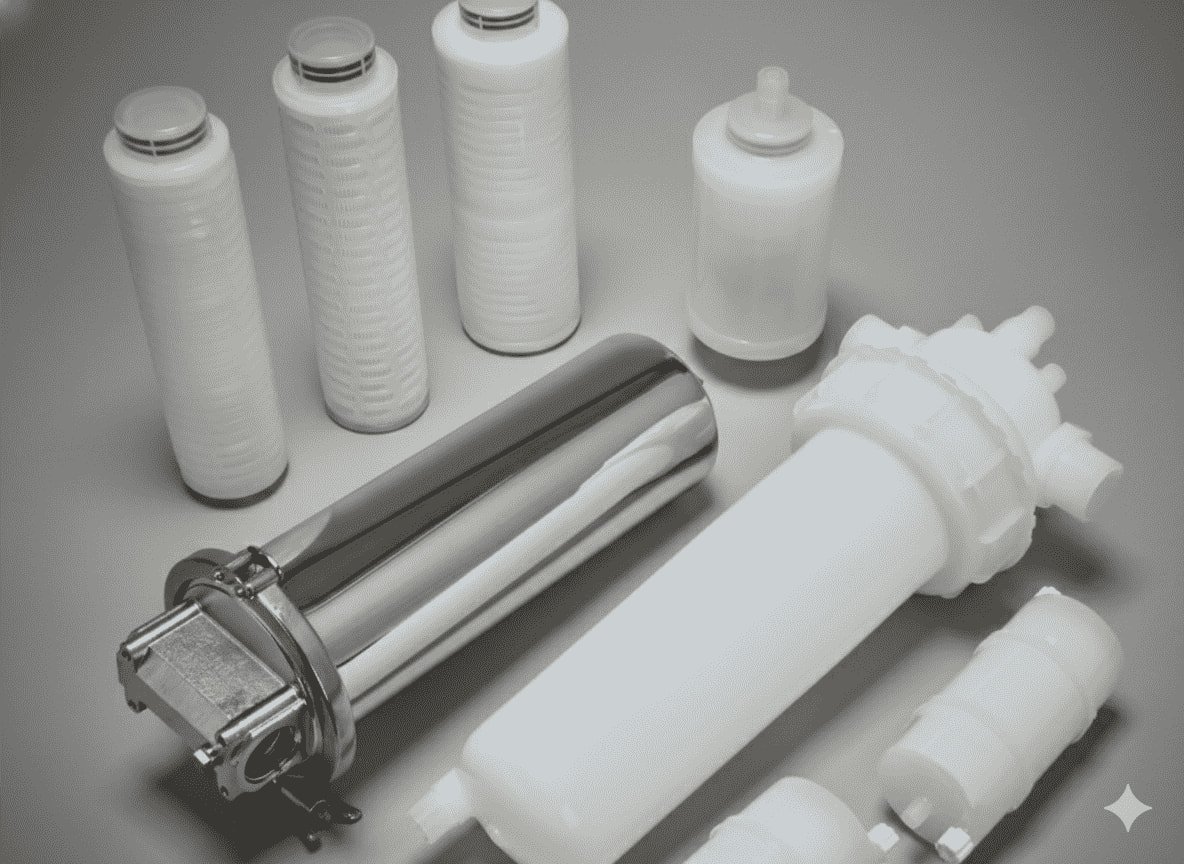
If you want to remove VOCs, odors, or smoke from your air, you need a chemical air filter with a large amount of activated carbon. This type of filter absorbs many chemicals and works well in homes or workplaces. When you choose a filter, think about what you want to remove, your health needs, and how much you want to spend.
Activated carbon filters handle VOCs, odors, and smoke best.
Make sure the air purifier is designed for gas filtration, not just dust or pollen.
Choosing the right filter helps you breathe easier every day.
Key Takeaways
Pick activated carbon filters to get rid of VOCs, smells, and smoke in your air. Think about what you need, like allergies or bad smells, before you pick a filter. Check and change filters often to keep your air clean and stop old filters from making air dirty. Choose a filter that fits your room size and how much you want to spend for the best air cleaning. Use chemical air filters with HEPA filters to remove both tiny bits and gases from your air.
How Do Different Air Filter Types Compare?
Different air filter types vary in efficiency, cost, and purpose. HEPA filters are highly efficient, capturing up to 99.97% of particles as small as 0.3 microns, ideal for allergies. Electrostatic filters use charged fibers to attract particles, offering a balance between efficiency and airflow. Carbon filters effectively remove odors and gases but are less effective against particles.
When you look for an air filter, you will see three main types. These are mechanical, electronic, and chemical filters. Each one works best for certain things in the air. Some filters are better for dust, while others help with gases or smoke. This table shows how they compare:
Filter Type | Best For | Efficiency | Maintenance | Energy Use (W) | Special Features |
|---|---|---|---|---|---|
Mechanical | Dust, pollen, dander | HEPA filters for particles | |||
Electronic | Allergens, smoke, fumes | Wash plates 3 mo. | 30-100 | May produce ozone | |
Chemical | VOCs, odors, gases | Varies | Replace as needed | 30-100 | Removes gases/chemicals |

Mechanical Filters Overview
Mechanical filters have thick fibers that catch things in the air. HEPA filters are a type you see a lot. They trap dust, pollen, and pet dander. These filters can catch almost all tiny particles. You should get a new filter every three months so it works well.
Removes: Dust, pollen, pet dander, small particles
Needs: Regular replacement
Electronic Filters Overview
Electronic filters use static electricity to grab things from the air. They work for allergens, dust, dander, smoke, and even germs. Some have plates you need to wash every three months. These filters might make ozone, which is not good for people with breathing problems.
Removes: Allergens, dust, dander, smoke, viruses, bacteria, fumes
Needs: Plate washing every three months
Chemical Air Filter Overview
A chemical air filter uses special stuff to clean the air. It is best for VOCs, odors, and gases that can be bad for you. Some use activated carbon, and others use things like potassium permanganate or titanium dioxide. These can take away or trap gases to make air safer. You should change chemical filters when they get full, which depends on how dirty your air is.
Tip: If you want to get rid of VOCs and smells, pick a chemical air filter.
What Types of Chemical Air Filters Are Available?
You can pick from different chemical air filters for your home. Each type works best for certain gases or chemicals. Here is what you should know about the main choices.

Activated Carbon Filters
Activated carbon filters have tiny holes that trap gases and chemicals. People use these filters in homes and offices a lot. They are good at removing VOCs, odors, and smoke. Activated carbon has a big surface area, so it can hold many pollutants.
Source | Adsorption Capacity |
|---|---|
EPA | |
LBL | 90 mg VOC per gram of ACF |
These filters work well and do not cost too much. Many people like activated carbon because it is useful and better for the environment.
Tip: Change your activated carbon filter if you smell odors again or after the time the maker suggests.
Potassium Permanganate Filters
Potassium permanganate filters use a special chemical to clean the air. These filters remove formaldehyde, hydrogen sulfide, nitric oxide, and sulfur dioxide. They do not work as well for chlorine, nitrogen dioxide, and toluene.
Contaminant | Effectiveness |
|---|---|
Formaldehyde | |
Hydrogen Sulfide | Effective |
Nitric Oxide | Effective |
Sulfur Dioxide | Effective |
Chlorine | Less Effective |
Nitrogen Dioxide | Less Effective |
Toluene | Less Effective |
Some systems, like GreensandPlus, can last 10-15 years or even longer before you need a new one.
Photocatalytic Oxidation Filters
Photocatalytic oxidation (PCO) filters use light and a catalyst to break down VOCs and other chemicals. You might see these filters in high-tech air purifiers. They can remove all formaldehyde in five minutes if the conditions are right. Some PCO filters get rid of almost 90% of VOCs.
The PCT-2 air purifier took out all formaldehyde at 0.5 ppm in 5 minutes.
The Cu2O/TiO2 filter removed almost 90% of VOCs. The TiO2 filter removed 76%.
Note: PCO filters can make byproducts like formaldehyde and acetaldehyde. These byproducts can be harmful if not handled.
Other Chemical Filters
There are also other chemical air filters you can find. Some use blends or special materials to target certain gases.
Product Name | Description | Key Features |
|---|---|---|
Sulphasorb FeXL™ | Targets and removes H2S using chemisorption and oxidation processes. | Converts H2S into a stable, solid compound; effective in humid conditions. |
CPS 12 Blend | A mixed-media approach for enhanced H2S removal efficiency. | 50/50 blend of potassium permanganate and activated carbon; broad spectrum. |
Sulphasorb XL™ | High-capacity H2S removal media with enhanced service life. | 2-3 times higher H2S removal than activated carbon; employs chemisorption. |
Other materials include activated alumina and zeolites. Activated alumina can soak up water and acidic gases. Zeolites can trap water and VOCs and do not mind moisture as much as carbon.
Other filters can adsorb well and may help the environment.
Some filters are biodegradable and good for short-term use.
You can choose the best chemical air filter by looking at the gases you want to remove and the filter’s features.
What Contaminants Do Chemical Air Filters Remove?
Chemical air filters are designed to remove specific gaseous contaminants and harmful chemicals from the air. These filters primarily target volatile organic compounds (VOCs), odors, and harmful gases such as formaldehyde, ammonia, and sulfur dioxide. By using activated carbon or other absorbent materials, chemical air filters effectively trap and neutralize these pollutants.

VOCs and Odors
VOCs and odors are common in indoor air. VOCs come from things like paint, cleaners, and furniture. Cooking can also release VOCs. These chemicals might give you headaches or make you dizzy. Some people get allergies from them. Odors from pets, food, or smoke can make your home smell bad.
A chemical air filter helps take away these smells and gases. Activated carbon filters trap VOCs and odors in their small holes. Potassium permanganate filters remove certain gases, like formaldehyde and hydrogen sulfide. Photocatalytic oxidation filters use light and a catalyst to break down VOCs.
Tip: If your home smells strong or you feel sick, you might have too many VOCs or odors. The right filter can help your air feel fresh and safe.
Smoke and Gases
Smoke has both tiny particles and gases. You might see smoke from cooking, wildfires, or cigarettes. Smoke gases include carbon monoxide and formaldehyde. These chemicals can be bad for your health.
Different filters work on smoke and gases in different ways:
HEPA filters catch smoke particles, dust, ash, and pollen.
Molecular filters, like activated carbon, soak up gases and odors.
Chemical air filters remove gases better than HEPA filters. HEPA filters are best for particles, not gases.
Filter Type | Removes Smoke Particles | Removes Gases |
|---|---|---|
HEPA | ✔️ | ❌ |
Chemical (Carbon) | ✔️ | ✔️ |
If you want to remove both smoke and gases, pick a filter with HEPA and chemical filtration. This will help keep you safe from both particles and gases in the air.
What Are the Pros and Cons of Chemical Air Filters?
Chemical air filters effectively remove airborne contaminants by neutralizing harmful gases and odors. They are ideal for environments with specific air quality needs, such as laboratories or industrial spaces, where particulate matter is not the only concern.

Advantages
A chemical air filter helps clean gases and odors from the air. It can remove VOCs, smoke, and other harmful chemicals. These filters work well in homes and offices. They are good for places with strong smells. After using one, your air will smell fresher and have fewer bad odors.
You can pick filters that remove certain gases.
Activated carbon filters are quiet and do not bother you.
Some filters help people with allergies breathe better.
You can use chemical filters with HEPA filters for cleaner air.
Tip: If you want to clean both particles and gases, get a purifier with HEPA and chemical filters.
Limitations
There are some things to think about before you buy a chemical air filter. These filters need regular care and can cost more as time goes on.
You might need to change filters often, which costs more.
Old filters can make your air dirty if you forget to change them.
Big systems can be pricey to buy and keep working.
Changing filters a lot makes more trash, which is bad for the planet.
Cheap systems may seem good, but they need more new filters and cost more later.
Note: Always check when to change filters and add the cost to your budget.
A chemical air filter can make your air better, but you need to think about the cost and care.
How Can You Choose the Chemical Air Filter That Works Best for You?
To choose the best chemical air filter, first determine the specific pollutants you need to remove, such as VOCs, odors, or particulate matter. Next, check for the filter’s efficiency rating, like MERV, HEPA, or activated carbon. Finally, consider factors like filter lifespan, maintenance needs, and room size compatibility.

Assessing Your Needs
Start by thinking about what you want to clean from your air. Every home or workspace has different needs. You might want to remove smoke, odors, or chemicals. Some people need to protect against allergies or keep the air safe for sensitive groups.
Ask yourself these questions:
Do you notice strong odors or chemical smells?
Does anyone in your home have allergies or breathing problems?
Do you live near busy roads, factories, or wildfire areas?
Do you use a lot of cleaning products or paints indoors?
How often do you clean your space?
You should also look at your environment. Some places have more dust, while others have more gases or chemicals. Temperature and humidity can change how well filters work. If you work in a lab or make medicines, you may need very pure air.
Here are some important things to consider:
How much energy and money do you want to save?
How will you handle used filters and trash?
What is your total budget for buying and running the filter?
Do you need to meet any air quality rules?
Do you need to protect workers or products?
Tip: Write down your main air quality concerns before you shop. This will help you pick the right filter.
Key Selection Criteria
When you choose a chemical air filter, you need to look at several key points. Each one can change how well the filter works for you.
Room Size: Bigger rooms need stronger air purifiers. Sometimes, you need more than one unit to clean the air well. Always check the size rating on the filter.
Filter Lifespan: Some filters last longer than others. You should know how often you need to replace them. This helps you plan for costs and keeps your air clean.
Cost: Filters come in many price ranges. You pay for the filter and for new filters over time. Here is a table to help you compare:
Filter Type | Cost Range | Lifespan |
|---|---|---|
HEPA | $50 – $100+ | 6 to 12 months |
Carbon | $20 – $50 | 3 to 6 months |
Electrostatic | $10 – $25 | 3 to 6 months |
Efficiency: Some filters remove more chemicals and odors than others. High-quality activated carbon filters work best for VOCs and smells. The more activated carbon in the filter, the better it works.
Maintenance: Think about how easy it is to change or clean the filter. Some need washing, while others need full replacement.
Environmental Impact: Some filters create more waste. Others use less energy or last longer, which is better for the planet.
Note: Proper sizing and regular maintenance keep your filter working its best.
Matching Filter to Situation
You need to match the filter to your specific needs. Here is a step-by-step guide to help you:
Identify Your Main Concern
For allergies or dust, look for HEPA filters.
For odors, smoke, or chemicals, choose a chemical air filter with activated carbon.
Check Room Size
Make sure the filter can handle your room. Large rooms may need bigger units or more than one purifier.
Pick the Right Filter Strength
The more activated carbon in the filter, the better it removes chemicals and odors.
See the chart below for how much carbon different models use:

Air Purifier Model | Activated Carbon Weight (grams) |
|---|---|
AltaPur 700 | 1280 |
TeraPur 600 | 640 |
NeoPur 400 | 400 |
PurCar | 30 |
Think About Filter Lifespan and Cost
Choose a filter that fits your budget for both the first purchase and future replacements.
Consider Special Needs
If you have strong chemical smells or work with special products, look for filters that target those chemicals.
If you want to protect workers or meet safety rules, check for filters that meet those standards.
Review Environmental and Energy Factors
Pick filters that use less energy and create less waste if you care about the environment.
Tip: Activated carbon filters are essential for removing VOCs and odors. The more carbon, the better the filter works.
You can use this guide to find the best filter for your home, office, or special space. Always match the filter to your main concern, room size, and budget. This way, you get the cleanest air possible.
Compatibility and Safety

Using with HVAC or Portable Systems
You can use chemical air filters in HVAC systems or portable purifiers. Many homes have HVAC systems that move air through ducts. You can add chemical filters to these systems to clean gases and smells in your whole house. Portable air purifiers are good for one room or small spaces. You can move them to where you need cleaner air.
Check if the filter fits your system before you buy it. Some filters only work with certain brands or models. Look at the size and shape of your filter slot. If you use a portable purifier, make sure it is strong enough for your room. Some portable purifiers use both HEPA and chemical filters for better cleaning.
System Type | Best Use | Filter Options |
|---|---|---|
HVAC | Whole house | Carbon, PCO, blends |
Portable | Single room, office | Carbon, PCO, HEPA-combo |
Tip: Always read the manual for your air purifier or HVAC system before you put in a new filter.
Safety Tips
You should follow safety steps when using chemical air filters. These steps help keep you and your family safe.
Turn off your HVAC system before using any chemical disinfectants.
Do not put disinfectants on filters that are still inside the system.
Only use disinfectants on filters if you will throw them away.
Wear gloves and a mask when you touch used filters.
Keep new filters in a dry, cool place.
Look for warning labels on the filter box.
If you use the filter at work, tell others when you will change it. Keep pets and kids away when you change filters.
Note: Handling filters the right way and doing regular maintenance helps your filter work better and keeps your air safe.
When you choose a chemical air filter, focus on your main air quality needs. You should look for certified filter materials and work with suppliers who test their products. Tailor your system to match the pollutants in your space. Use the selection guide to find the best fit for your room and budget.
Pick filters with proven efficiency.
Partner with experts for better results.
Check that your filter matches your environment.
Plan for regular maintenance and smart inventory.
Clean air starts with the right filter and good choices. You can improve your air quality by understanding filter types and matching them to your needs.
FAQ
What is the difference between a HEPA filter and a chemical air filter?
A HEPA filter traps dust and particles. A chemical air filter removes gases, odors, and chemicals. You need both if you want to clean particles and gases from your air.
How often should you replace a chemical air filter?
You should check your filter every three to six months. Replace it if you notice odors or if the maker suggests it. Some filters last longer, so always read the instructions.
Can you use a chemical air filter for allergies?
You can use a chemical air filter to help with allergies caused by gases or odors. For dust or pollen allergies, you need a HEPA filter. Many air purifiers use both types together.
Are chemical air filters safe for pets and children?
Yes, chemical air filters are safe when you use them correctly. Always follow the instructions. Keep used filters away from pets and children. Change filters on time to keep your air clean.