
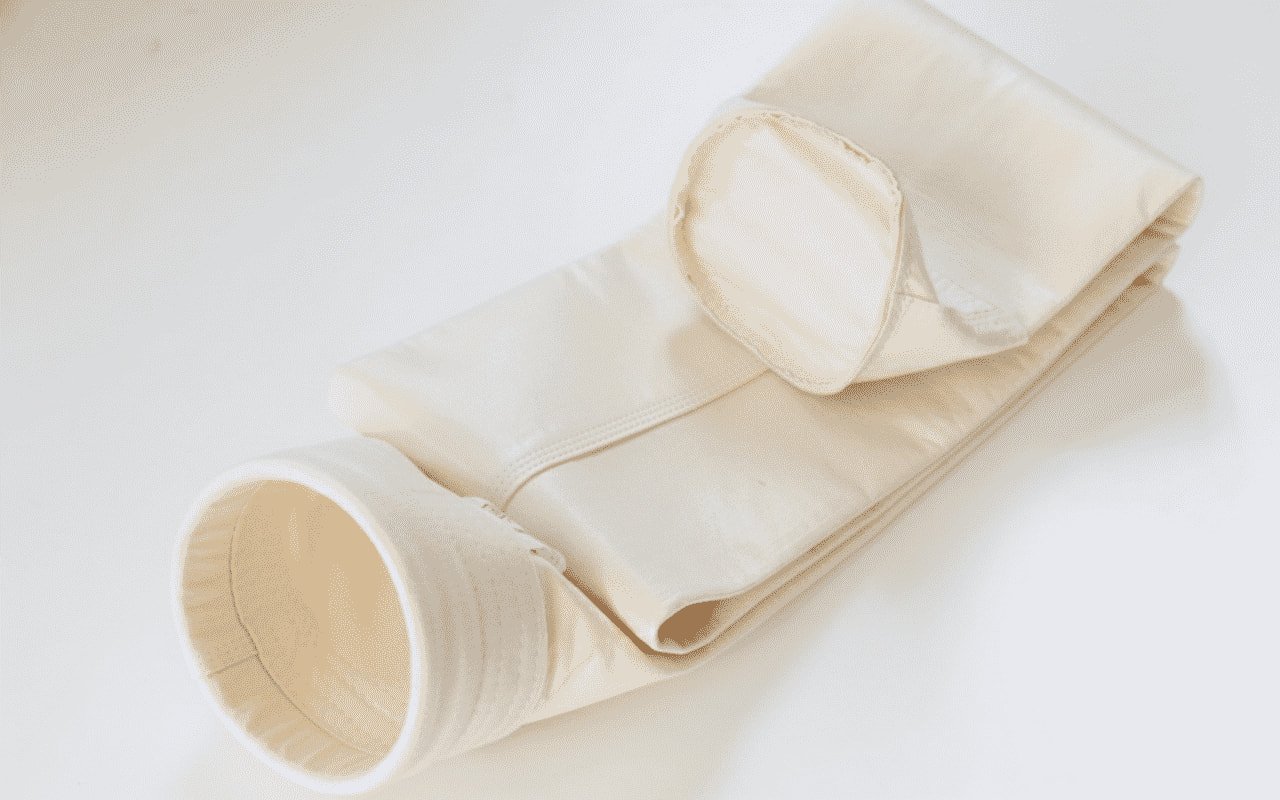
You use a PTFE Filter Bag when you need strong filtration in tough places. This bag stands out because it resists heat and chemicals. You get clean air or liquid, even when the environment is harsh. The filter captures tiny particles, handles high temperatures, and works with many chemicals. You look at key factors like micron rating, flow rate, and dirt holding capacity to choose the right bag.
Key Takeaways
PTFE filter bags trap very tiny particles. They catch things as small as 0.1 micrometers. This helps keep the air clean. It also makes work areas safer. These bags can handle high heat. They also stand up to strong chemicals. This makes them good for hard jobs in factories. Other filters may not work as well. PTFE filter bags last much longer than regular ones. They can last three to five times longer. This means you spend less money on new bags. You also have less time when machines stop. The PTFE bags have a surface that does not stick. This makes them easy to clean. Air can move through better. You also spend less time fixing them. Picking the right micron rating is important. You also need to make sure the bags fit your process. This helps PTFE filter bags work their best.
What Is a PTFE Filter Bag and What Makes It Unique?
A PTFE filter bag is a type of filtration system component made from polytetrafluoroethylene, known for its exceptional durability and chemical resistance. Its uniqueness lies in its ability to withstand high temperatures, resist chemical corrosion, and maintain a long service life, making it ideal for industrial applications.
Material and Construction
PTFE, also called Teflon, is what makes up a PTFE Filter Bag. This material is special because it does not get damaged by heat or chemicals. The bags are made from 100% Teflon fibers. These fibers have a certain size, weight, and thickness. These things help the bag catch small particles and last longer in hard places.
Here is a quick look at the usual construction details:
Specification | Value |
|---|---|
Weight | 750-800 g/m² |
Thickness | 1.1-1.3 mm |
The fibers in a PTFE Filter Bag do not let water stick to them. This means water rolls off and the bag does not get clogged. The smooth surface helps dust fall off easily, so cleaning is faster. The bag can handle high heat and will not melt. You get a filter that keeps working well, even when things are tough.
Key Properties
People pick a PTFE Filter Bag when they want the best results. The bag can catch very tiny particles, even ones as small as 2.5 microns. It does not get ruined by strong chemicals, so it works in harsh gases or liquids. The bag lasts longer than most other filter bags.
Here is a table that shows how PTFE filter bags compare to other types:
Characteristic | PTFE Filter Bags | Other Filter Bags |
|---|---|---|
Collection Efficiency | Varies, often needs dust buildup | |
Chemical Resistance | High, works with corrosive substances | Lower, may degrade in harsh settings |
Longevity | Longer lifespan, less blinding | Shorter, more prone to clogging |
Operational Efficiency | Peak right after installation | Needs pre-coating for best results |
Treatment Type | Membrane or special finish | Usually untreated or standard |
You also get good airflow. Air moves through the bag easily, but dust and dirt stay out. The bag stays strong and keeps its shape, even in hot or chemical-filled places. You do not have to clean or change the bag as often because it does not clog or wear out fast.
Tip: If you need a filter for a tough or hot job, a PTFE Filter Bag is a great choice. It gives you strength, works well, and lasts a long time.
Why Should You Choose PTFE Filter Bags for Challenging Filtration Conditions?
PTFE filter bags are essential for filtration in challenging environments due to their exceptional chemical resistance, high-temperature tolerance, and durability. These attributes make them suitable for handling aggressive chemicals and extreme temperatures, ensuring reliable performance and longevity.

Filtration Efficiency
You want a filter that can catch very tiny particles. This is important when the air or liquid is dirty. PTFE Filter Bag does a better job than most other filter bags. It traps dust and fine particles really well. Tests done by others show PTFE membrane filters work at very high levels. Sometimes, the air that comes out has almost no dust left. The numbers can be as low as 0.0006 gr/ACF (1.3mg/m³). In many cases, the dust is so low that machines cannot even measure it. The filter can catch almost all particles, even the smallest ones. For particles sized 0.3-0.5 μm, it still catches 99.98%.
PTFE membrane filters did well in the EPA’s test program.
PTFE filters with 0.3-μm pores caught over 99% of test aerosols.
PTFE filters with 3-μm pores caught over 99% of 0.35 μm PSL particles and over 96% of MS2 particles.
PTFE filters did better than 1-μm pore size PC filters for MS2 particles.
You can look at this table to compare how well different filter bags work and how long they last:
Filter Bag Type | Filtration Efficiency | Lifespan Comparison |
|---|---|---|
PTFE | Excellent | Can double the life of standard filter bags |
Polyester | Varies | Standard lifespan |
Polypropylene | Varies | Standard lifespan |
Note: PTFE Filter Bag gives you cleaner air and lasts longer, especially when there is a lot of dust or the job is hard.
Heat and Chemical Resistance
You need a filter that works in hot places and does not break when around strong chemicals. PTFE filter bags can work all the time at 240°C (464°F). They can handle short times at 260°C (500°F). This makes them great for very hot jobs. Here is a table that shows how PTFE compares to other materials:
Material | Maximum Continuous Temperature | Peak Temperature |
|---|---|---|
PTFE | 240°C (464°F) | 260°C (500°F) |
NOMEX | 200-240°C (392-464°F) | N/A |
PPS | 190°C (375°F) | N/A |
Fiberglass | Up to 288°C (550°F) | N/A |

PTFE filter bags also do not get damaged by acids or other strong chemicals. You can use them where there are lots of acids. They work well in places with harsh chemicals. This gives you an advantage over other filter bag types.
Tip: If you work with hot gases or strong chemicals, PTFE filter bags keep working when other filters stop.
Durability in Harsh Environments
You want a filter that lasts a long time, even when the job is hard. PTFE filter bags last longer in tough places. Regular filter bags last from one to five years. Most last about two years. PTFE filters can last more than a year, even in places with strong chemicals. Other filter bags usually last one to five years in normal places.
PTFE filter bags last longer in hard jobs.
Other filter bags wear out faster when there is heat or chemicals.
You might see some common problems when the job is tough. The table below shows what can happen:
Failure Mode | Description |
|---|---|
Brittleness | The filter gets stiff and cracks or breaks. |
Fiber breakdown | The fibers get weak from chemicals or stress. |
Discoloration | The filter changes color or gets spots. |
Abrasion | Dust or the cage rubs the filter and makes holes or thin spots. |
Moisture and Condensation | Water causes problems like clogging and germs, which makes the filter work less well. |
Callout: PTFE filter bags do not get damaged easily. You get a filter that keeps working, even when the place is tough.
How Do PTFE Filter Bags Work in Industrial Dust Collection?
PTFE filter bags effectively capture dust particles in industrial settings by using a microporous membrane to trap particulates while allowing air to pass through. This ensures efficient dust collection and cleaner air output, enhancing operational safety and compliance with environmental standards.

Filtration Mechanism
When you use a PTFE Filter Bag in a dust collection system, you get a filter that works with a special microstructure. This structure lets air pass through while it traps fine dust particles. You can count on removal rates that go above 90%. The bag does not just stop large dust; it also catches very small particles that other filters might miss. You see stable performance because the chemical properties of PTFE do not change, even when the air is hot or full of chemicals. The filter keeps its low resistance, so air keeps moving easily. You do not have to worry about the filter clogging quickly or losing its strength. This means you get reliable dust collection for a long time.
Tip: If you want a filter that keeps working well, even when the job is tough, PTFE gives you that peace of mind.
PTFE Membrane Benefits
The PTFE membrane adds extra power to your dust collection. You get more than just basic filtration. The membrane has tiny pores that act like a gatekeeper. These pores catch fine particles but let clean air flow through. You also get a non-stick surface, so dust does not build up. Cleaning becomes easier, and the filter lasts longer. The table below shows how the PTFE membrane helps you:
Feature | Description |
|---|---|
Filtration Efficiency | Extremely high, especially for sub-micron particles. You can reach almost 100% efficiency. |
Non-Stick Surface | Dust releases easily during cleaning, even when the air is moist. |
Surface Filtration | Micropores capture fine dust while keeping airflow strong. |
Pressure Drop | Lower pressure drop means you use less energy and the filter lasts longer. |
Cleaning Efficiency | Easy to clean, so you keep a low pressure drop and high output. |
Humidity Performance | Works well in high humidity. Dust does not clump, so performance stays high. |
You get a filter that works in many conditions. Whether the air is dry or humid, the PTFE membrane keeps your system running smoothly. You spend less time on maintenance and more time getting clean air.
What Key Features Define a High-Performance PTFE Filter Bag?
A high-performance PTFE filter bag is defined by its exceptional chemical resistance, high-temperature tolerance, and excellent filtration efficiency. These features ensure durability and effectiveness in various industrial applications where harsh conditions are present.

Enhanced Particle Capture
You want a filter that catches the smallest particles. A high-performance PTFE Filter Bag gives you that power. You can trap particles as tiny as 0.1 micrometers. This means you remove ultrafine dust, like PM2.5, from the air. The filtration efficiency often goes above 99.99%. You get cleaner air and a safer workspace.
Captures particles down to 0.1 micrometers
Removes ultrafine dust, including PM2.5
Filtration efficiency exceeds 99.99%
Tip: If you need to meet strict air quality standards, choose a filter bag that can handle ultrafine particles.
Cake Release and Maintenance
You want a filter that is easy to clean and maintain. PTFE filter bags have a smooth surface that helps dust cake release quickly. You spend less time cleaning and keep your system running well. Follow these steps to get the best results:
Monitor pressure drop to spot loading or blinding.
Clean bags with the right settings to avoid harm.
Prevent problems like condensation and keep airflow steady.
Replace bags when efficiency drops or damage appears.
Install bags with airtight seals and let them hang freely.
Note: Regular checks and proper cleaning help your filter last longer and work better.
Cost Considerations
You want to save money over time. PTFE filter bags last three to five times longer than standard bags. You replace them less often and avoid frequent shutdowns. You also use less energy because the pressure drop stays low. The table below shows how PTFE filter bags compare to standard bags:
Factor | PTFE Filter Bags | Standard Bags |
|---|---|---|
Lifespan | 3-5 years | 1-2 years |
Efficiency | 99.99% @ 0.3µm | 99% @ 1.0µm |
Downtime | 50% less | Frequent shutdowns |
5-Year Cost | Saves 35-50% | Higher ownership |
You spend less on replacements and energy. You also avoid problems like chemical damage and moisture clogging. Over five years, you can save up to half your total costs.
Callout: Investing in a high-performance filter bag pays off with lower costs and less hassle.
Where Are PTFE Filter Bags Most Commonly Used?
PTFE filter bags are predominantly used in industries requiring efficient dust collection and high-temperature resistance. These bags are essential in environments where chemical exposure and temperature fluctuations are common, ensuring optimal filtration and durability.

Industrial Sectors
PTFE filter bags are used in many types of factories. These bags are chosen because they can handle heat and chemicals. They also work well in places where other filters do not last. Here are some reasons why factories use PTFE filter bags:
They can take high heat, which helps in power plants.
The material does not react with chemicals, so it is good for making medicine.
Factories need different filters for air and liquids.
Safety rules mean factories need filters they can trust.
You can find PTFE filter bags in many kinds of factories. The table below shows some places where they are used:
Carbon Black |
Chemical |
Fertilizer |
Food |
Mineral |
Oil & Gas Industry |
Paint |
Petrochemical & Plastics |
Pharma |
Power |
Spice |
Steel |
Tip: If you work in these factories, you may need a filter that can handle heat or chemicals.
Use Cases
PTFE filter bags are used when the job is hard. They help clean hot gases and strong fluids. They also work with sticky or rough materials. You use them to get back solvents or keep food and medicine clean. Here are some ways people use these bags:
Cleaning hot gases and liquids
Filtering strong acids and bases
Getting back and separating solvents
Cleaning food and drinks like oil, syrup, and juice
Filtering chemicals and medicine
Cleaning rough or sticky stuff
The table below shows how PTFE filter bags are used in different jobs:
Industry | |
|---|---|
Cement & Stone | Kiln Clinker, Cooler Crushing, Grinding, Packing, Material Handling, Coal Mill, Silo Bin Vents |
Food/Pharma | Food Additive Processing, Spray Drying, Pill Coating, Cereal Processing, Animal Vitamins |
Chemical | Fertilizer Dryers, Polyethylene Resins, Catalyst Manufacturing, Detergents, PVC |
Paint/Pigments | Toner Mixing, Pigment Blending, Paint Mixing, Spray Dryers |
Combustion | Boiler, Fly Ash Handling, Incinerators, Waste to Energy, Carbon Black |
Metals | Electric Arc Furnace, Induction Furnaces, Shot Blast, Sintering |
Note: PTFE filter bags work best when you have high heat, strong chemicals, or need things to stay very clean.
How Can You Select the Right PTFE Filter Bag for Your Application?
To select the right PTFE filter bag, first assess your application’s specific requirements, including temperature, chemical compatibility, and particle size. Consider the filtration efficiency needed and the operational environment.

Micron Rating
You have to pick the right micron rating for your filter bag. The micron rating shows what size particles the filter can catch. If the number is smaller, the filter catches smaller things. If you only need to catch big pieces you can use a higher micron rating. For cleaner results, you need a lower micron rating. Here is a table that shows some common micron ratings and what they do:
Micron Rating Range | Filtration Type |
|---|---|
50-200 microns | Coarse filtration (removing visible particles) |
10-50 microns | Medium filtration (removing fine sediment) |
1-10 microns | Fine filtration (high purity processes) |
A lower micron rating means the filter catches smaller things.
Pick the micron rating that matches what you need.
Compatibility
You need to make sure the filter bag works with your process. It is important to check if it can handle the chemicals you use. Some materials do not work well with strong acids or bases. PTFE-coated bags are best for jobs with strong chemicals or when you need things very clean. You also need to think about the place where you use the filter. Things like sunlight, heat, and other conditions can change how the filter works.
Make sure the filter works with your chemicals
Pick the right material for clean or tough jobs
Think about sunlight and heat in your area
Size and Fit
You want a filter bag that fits your machine just right. If the bag is too small or too big, some stuff might get through. The right size keeps the pressure low and saves energy. A good fit helps the bag last longer because it does not move around or wear out fast.
The right size stops leaks
A good fit keeps pressure low
A tight fit helps the bag last longer
Certifications
Some jobs need filter bags with special certifications. These show the filter is safe and meets the rules. Here is a table with some common certifications:
Certification/Standard | Description |
|---|---|
FSSC 22000 Certification | Makes sure food is safe from start to finish. |
SQF Certification | Shows the product follows strict food safety rules. |
FDA Compliance | Proves the filter is safe for food contact. |
Non-Allergen Statements | Helps keep people with allergies safe. |
RoHS Statements | Shows the product does not have harmful substances. |
Tip: Always look for certifications if you work with food, medicine, or other jobs with rules. The right PTFE Filter Bag helps you follow safety rules and keeps your work going well.
Installation and Maintenance

Installation Steps
You want your PTFE filter bag to work well from the start. Begin by checking the bag for any damage. Make sure the cage fits the bag without sharp edges. Slide the bag over the cage and line up the seams. Seal the bag tightly at the top to stop leaks. Hang the bag so it does not touch other bags or the sides of the housing. This helps air flow and keeps the bag from wearing out. Double-check that the bag hangs straight and does not twist.
Tip: Always use the right size and shape for your system. A good fit helps the bag last longer and keeps dust out.
Cleaning Tips
You keep your PTFE filter bag working best when you clean it the right way. Use these steps to protect the bag and keep airflow strong:
Inspect the filter bag often. Replace it if you see tears or holes.
Clean the bag on a regular schedule. This stops dust from building up.
After cleaning, check that no dust or dirt remains.
Hang the bag in a place with good airflow. This stops mildew from growing.
Use a fabric protectant if you want the bag to last longer.
Note: Routine cleaning and careful inspection help you avoid problems and keep your system running smoothly.
Troubleshooting
You may face problems with your PTFE filter bag during use. Here is a table that shows common issues, what causes them, and how you can fix them:
Problem | Causes | Solutions |
|---|---|---|
High pressure, rough particles, wrong chemicals | Use stronger bags, check pressure, match chemicals | |
Blinding (Pore Clogging) | Fine dust, moisture, wrong micron rating | Use treated bags, clean more often, pick right rating |
Leakage or Bypass | Loose seal, broken cage, wrong size | Seal tightly, fix cage, use correct bag size |
High Differential Pressure | Overloaded bag, poor cleaning, hard dust | Clean more, monitor pressure, use hydrophobic bags |
Chemical Degradation | Wrong chemicals, too much heat | Check chemical charts, upgrade to inert materials |
Callout: If you spot a problem early, you can fix it before it causes bigger issues. Regular checks and quick fixes keep your filter working longer.
Picking the right PTFE filter bag helps your system work well and last longer. You get strong protection from heat, chemicals, and water. The table below shows why PTFE filter bags are special:
Benefit | Description |
|---|---|
Longevity | Lasts twice as long as standard bags |
Efficiency | Up to eight times more efficient, reducing emissions |
Easier Cleaning | Slick surface makes cleaning simple |
Lower Energy Costs | Uses less energy during cleaning |
You can find more help from these trusted places:
Clear Filter Pro gives tips on choosing the best filter bag material.
Use these ideas and steps to keep your filter system working well.
FAQ
How often should you replace PTFE filter bags?
You should check your PTFE filter bags every few months. Replace them when you see damage, high pressure drop, or reduced efficiency. Most PTFE bags last three to five years in tough jobs.
Can you wash PTFE filter bags?
You can clean PTFE filter bags with gentle air or water. Avoid harsh chemicals or rough brushes. Always let the bag dry completely before reinstalling.
What makes PTFE filter bags better than polyester or polypropylene?
PTFE filter bags resist heat and chemicals much better. You get longer life, higher filtration efficiency, and easier cleaning. Polyester and polypropylene bags wear out faster in harsh conditions.
Are PTFE filter bags safe for food and pharmaceutical use?
Yes, PTFE filter bags meet strict safety standards. You can use them in food and medicine factories. Look for FDA or FSSC 22000 certifications for extra assurance.
Do PTFE filter bags work with sticky or oily dust?
PTFE filter bags have a slick surface. Sticky or oily dust does not cling easily. You get easier cleaning and less clogging.
Tip: Choose PTFE for jobs with sticky or oily dust.