
You use an oil-water separation filter to remove oil from water. This filter helps keep water clean in factories and ships. It protects rivers and oceans from pollution. You also follow strict rules that require you to treat water before releasing it.
The global market for oil-water separation filters is expected to reach USD 9.55 billion in 2024.
Experts predict steady growth, with the market reaching USD 12.81 billion by 2031.
Key Takeaways
Oil-water separation filters help keep water clean. They take out harmful oil. This protects the environment.
It is important to follow rules about oil in water. Filters help you stay within legal limits. This helps you avoid getting fined.
You need to take care of filters often. This makes sure they work well. It stops oil from leaking into clean water.
There are many kinds of filters. Pick one that fits your needs. Think about how much oil is in the water.
Check and clean filters often. This keeps them working well. It also helps them last longer.
Using oil-water separation filters can save money. You can use water again. You also spend less on getting rid of waste.
Teach workers how to use and care for filters. This keeps everyone safe. It also helps you follow the rules.
Monitoring systems can give alerts for filter care. This helps keep the filter working right.
What is the purpose of oil-water separation filters?
Oil-water separation filters are designed to remove oil and hydrocarbons from water, ensuring cleaner discharge and protecting the environment. These filters are crucial in various industries to comply with environmental regulations.
Environmental Protection
Oil-water separation filters help keep nature safe from oil. Oil in water can hurt animals and bugs. It can also harm fish and birds. Oil stops sunlight from reaching plants in water. Plants need sunlight to make food and oxygen. Without sunlight, plants cannot grow well. When plants and animals die, other animals lose food. This hurts the whole food chain. Oil spills take a long time to clean up. Oil can leak into the ground and get into underground water. This makes water unsafe for people and animals. Chemicals in oil can make kids sick and harm adults. Using oil-water separation filters helps stop these problems.
Tip: Even small oil spills can hurt nature a lot. The right filter keeps water safe for everyone.
Regulatory Compliance
You must follow rules when you handle oily water. Many places have laws about oil in water. These laws say how much oil you can release. Ships must use oil-water separation filters that meet IMO standards. These standards are MEPC 60(33) and MEPC 107(49). Filters must keep oil below 15 ppm. The US Coast Guard checks if systems follow the rules.
Here is a table with some important rules:
Regulatory Aspect | Description |
|---|---|
Safety Regulations | Stop accidents and help people use the system safely. |
Environmental Regulations | |
Industry-Specific Regulations | Special rules for ships, factories, and oil plants. |
You need tamper-proof monitors. These sound an alarm if oil gets too high. Only trained people should use the system. Lock the system when not in use. Keep spare parts ready for fixing.
Applications
Oil-water separation filters are used in many places. Factories, ships, and car shops use them. Here are some common uses:
Petrochemical plants clean oily water before letting it go.
Wastewater plants remove oil from stormwater and dirty water.
Car shops and washing stations clean water before reuse or disposal.
The table below shows where these filters are used:
Industry/Environment | Application Description |
|---|---|
Petrochemical Plants | Clean oily water before it leaves the plant. |
Wastewater Treatment Facilities | Remove oil from stormwater and dirty water to meet rules. |
Automotive Sector | Clean oily water from car washing and repairs. This helps reuse water and control pollution. |
Using oil-water separation filters helps nature, follows the law, and keeps your workplace safe.
What are the components of an oil-water separation filter?
You need three main parts to use an oil-water separation filter. Each part helps clean water and take out oil. It is important to know how these parts work together for good results.


Separator Unit
The separator unit is the first part in the system. It uses gravity to pull oil away from water. Oil floats on top because it is lighter than water. This unit often has a pressure relief vent. The vent lowers pressure and keeps the tank calm. When water goes in, oil rises to the top. Clean water moves to the next part. Gravity separation happens here. Sometimes, special plates or chambers help oil drops join together. This makes it easier for oil to float up and get taken out.
Note: The separator unit works best if water flows in slowly. If water moves too fast, oil and water can mix again.
Filter Unit
After the separator unit, water goes through the filter unit. This part takes out small oil drops that did not separate before. There are different kinds of filters here. The first-stage filter uses polypropylene fibers. These fibers grab oil but let water go through. The main filters use things like activated carbon or organoclay. These filters trap oil by holding it inside. Some systems use chemicals, and some do not. The filter unit makes sure water is safe and clean.
Here is a table with common filter unit parts:
Component | Description |
|---|---|
First-stage filter | Polypropylene fibers grab oil, let water pass. |
Main filters | Activated carbon or organoclay hold oil inside. |
You should check these filters often. Dirty filters slow down the system and let oil get by.
Monitor and Control Unit
The monitor and control unit helps the system run well. This part checks oil levels and how the system works. You get updates right away to see if things are okay. Some units use a traffic light system. Green means everything is good. Yellow means you should check the system. Red means you need to stop and fix something. The monitor gives alerts when you need to do maintenance. You get tips to help you plan repairs and stop problems.
Here is a table showing how the monitor and control unit helps:
Feature | Contribution to Efficiency |
|---|---|
Shows how the system is working. | |
Performance insights | Tells you when to fix the system, saves time. |
Maintenance alerts | Reminds you to clean or change parts, helps it last longer. |
Traffic light system | Gives quick feedback, helps you act fast. |
Tip: Always listen to alerts from the monitor and control unit. Acting fast keeps your oil-water separation filter working well.
When you know about these three parts, you can keep your system safe and working right. Each part has a job, and together they keep water safe from oil.
What is the working principle of oil-water separation filters?
You use an oil-water separation filter to take oil out of water. The filter uses a few steps and tools to make water safe for nature.


Separation Process
Initial Filtration
First, you pour oily water into the separator. The water moves from one side to the other. Heavy sludge falls down into a sludge hopper. This step keeps big pieces out.
Plate Separation
Next, lighter stuff and oil move up through slanted plates. These plates help start the split. Oil starts to float up, and more sludge drops down. The plates help oil drops join and float up.
Polypropylene Fiber Action
After the plates, water goes through special media packs. Polypropylene fibers grab small oil drops left behind. These fibers pull oil and help drops stick together. When drops join, they get bigger. Big drops float up and get taken out.
Gravity and Coalescence
Gravity helps oil float above water. Coalescing media packs help small oil drops join into bigger ones. When enough oil is at the top, you pump or drain it into a tank. Clean water goes through a last polishing pack before leaving.
Tip: If you use soaps, oil can mix with water and be harder to remove. Try not to use too much soap for better results.
Here is a simple step-by-step list of how the process works:
Oil and water go into the separator.
Heavy sludge falls into a hopper.
Lighter stuff moves up slanted plates.
Plates help start the split.
Oil floats to the top.
More sludge drops down.
The mix goes through coalescing media packs.
Small oil drops stick to the media and join others.
Drops get bigger.
Big oil drops float up.
Oil is pumped or drained into a tank.
Clean water goes through a last polishing pack.
Clean water leaves the separator.
Efficiency Factors
Many things change how well your oil-water separation filter works. You need to think about these to keep it working right.
The separator must handle the most water, like during storms.
Regular checks stop leaks and keep it working.
Soaps can make oil harder to remove.
Sludge build-up slows things down and causes trouble.
Note: Studies show the right steps can cut oil in water by over 76%. This means cleaner water and better safety for nature.
Technologies Used
You find different tools in oil-water separation filters. Each one helps take out oil in its own way.
Technology | Description |
|---|---|
OilFree | Takes out hydrocarbons, mixed pollutants, and metals from water. |
OrganoClay | Removes spread out, mixed, and dissolved hydrocarbons. |
MPak® Coalescing Plates | Helps oil drops join and float up. |
Oleophilic Media | Pulls oil for better removal. |
HCA-3 Hydrocarbon Absorbers | Used in ships to get low hydrocarbon levels. |
You can pick the best tool for your needs. Each one helps you follow rules and keep water clean.
What are the types of oil-water separation filters?
Oil-water separation filters come in various types, including gravity separators, coalescing filters, and membrane filters. Each type utilizes a specific mechanism to efficiently separate oil from water, ensuring optimal purification.
Gravity Separators
Gravity separators are the oldest kind of oil-water separation filter. They use the fact that oil is lighter than water. Oil floats up, and water stays at the bottom. The mixture sits in a tank, and oil rises to the top. You can skim or drain the oil away.
Gravity separators work best with big oil drops and lots of oil in the water. You see them in factories and workshops. They do not work well with tiny oil drops or mixed-in oil. If the oil is in small pieces, you need a different filter.
Note: Gravity separators do not work well with mixed or tiny oil drops. They work better when there is a lot of oil and not much mixing.
Here are some features:
Easy to use and simple design
Needs little care
Good for big oil drops
Not good for tiny or mixed-in oil
Plate Separators
Plate separators are better than gravity separators. They have slanted plates inside the tank. You pour oily water in, and the plates help oil drops join together. When oil drops join, they get bigger and float up faster. This makes it easier to remove the oil.
You use plate separators when you want better results than gravity alone. They work with medium amounts of oil and are used in factories. You find them in water treatment plants and on ships.
Tip: Plate separators help you get more oil out by giving oil drops more places to join and making the process faster.
Here is a table that compares gravity and plate separators:
Separator Type | Main Feature | Best Use Case |
|---|---|---|
Gravity | Uses density difference | Big oil drops, simple setups |
Plate | Uses slanted plates | Medium oil, faster removal |
Membrane Filters
Membrane filters use new technology to separate oil from water. Water is pushed through a special membrane with tiny holes. The holes stop oil drops but let clean water go through. There are different kinds, like microfiltration, ultrafiltration, nanofiltration, and reverse osmosis.
Ultrafiltration membranes have holes between 0.01 and 0.2 micrometers. They can remove most oil drops and even very small oil mixes. Membrane filters work well under pressure and clean water very well. You use them where you need very clean water, like in food or chemical plants.
New membrane filters work even better. Some can block almost all oil and let water flow fast. Special blends can block about 99% of oil and let more water through. Some membranes are super water-hating and oil-loving, so they work well and are easy to use.
Callout: Membrane filters help you follow strict rules and clean tough oily water. They work even with tiny oil drops.
Here are some benefits of membrane filters:
Removes tiny oil drops and mixed oil
Blocks most oil
Works well with pressure
Cleans tough water
Has special options like superwetting materials
You should pick a membrane filter if you need the cleanest water. Membrane filters give the best results for hard jobs.
Centrifugal Separators
You use centrifugal separators to take oil out of water fast. These separators spin the oily water very quickly. Spinning makes a strong force called centrifugal force. This force pushes heavy water to the outside. Lighter oil moves to the middle. Oil gathers in the center, and water goes to the edge. You collect oil and water from different places.
Centrifugal separators are good for small oil drops in water. They can clean lots of water quickly. You see these separators in factories, ships, and oil refineries. They help you follow strict rules for clean water.
Tip: Keep the separator clean for best results. Check for clogs and clean the spinning parts often.
Some important things about centrifugal separators are:
They separate oil and water fast.
They work well with small oil drops.
They can handle lots of water.
They need cleaning often.
The table below shows how centrifugal separators compare to other types:
Separator Type | Best For | Speed | Maintenance Needs |
|---|---|---|---|
Centrifugal | Small oil droplets | Very Fast | Medium |
Gravity | Large oil droplets | Slow | Low |
Plate | Medium oil droplets | Medium | Low |
Absorbent Filters
Absorbent filters use special stuff to soak up oil from water. You put these filters where oily water flows. The filter grabs oil and holds it inside. Clean water goes through and leaves oil behind. You use absorbent filters in workshops, car washes, and for spills.
Absorbent filters come as pads, booms, or cartridges. Some use natural fibers, and some use man-made ones. You change the filter when it is full of oil. Absorbent filters are easy to use and do not need power or moving parts.
Note: Absorbent filters are best for small spills or little oil. If there is lots of oil, you need another kind of filter.
Here are some good things about absorbent filters:
They are simple to use.
They do not need power.
They work for small spills.
They are easy to change.
You can use absorbent filters for backup or emergencies. They help keep your workplace safe and follow the rules for clean water.
Which industries are our oil water separators suitable for?
Our oil water separators are suitable for a wide range of industries, including but not limited to manufacturing, automotive, marine, food processing, and wastewater treatment. These systems efficiently separate oil from water, ensuring compliance with environmental regulations and protecting equipment.
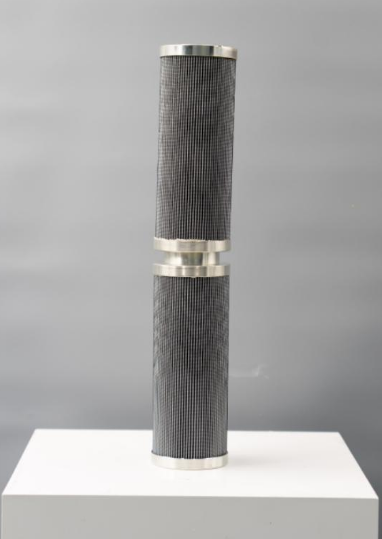

Manufacturing Industry
Factories use oil-water separation filters a lot. These filters help keep the workplace clean and safe. Machines can leak oil into water. If you do not remove oil, it can hurt nature. It can also break important rules. Filters stop oil from getting into rivers and dirt. This shows you care about the environment and follow laws.
Filters also help you save money. Clean water means you pay less for waste removal. You can use water again in your work. Filters keep machines working longer. They stop oil and dirt from building up. This makes your workplace safer. Oil spills can make floors slippery or cause fires. Using a filter lowers these dangers.
Here is a table that shows how filters help in factories:
Benefit | Description |
|---|---|
Regulatory Compliance | Helps you meet oil limits and avoid fines. |
Environmental Protection | Stops pollution and shows you care about nature. |
Operational Efficiency | Makes machines last longer by removing oil and dirt. |
Cost Reduction | Cuts costs for waste and lets you reuse water. |
Enhanced Safety | Makes floors less slippery and lowers fire risks. |
Tip: Check and clean your filter often. This helps it work better and last longer.
Marine and Shipping
Ships and boats need oil-water separation filters. These filters keep oil out of the ocean. When you clean the bilge, water can mix with oil. Oil comes from engines and pumps. If you let oily water go into the sea, you break rules. Laws say oil in water must be below 15 ppm. Filters help you follow these laws and protect sea animals.
Filters work in bilge wells. They separate oil from water before you let it go. You keep oil low so you do not get fined. Inspectors check your ship for clean water. Filters help you follow rules and keep the ocean safe.
You stop oil from hurting the ocean.
You follow rules that limit oil to 15 ppm.
You separate oil from water in bilge wells.
You keep your ship safe and avoid trouble.
Note: Always look at your filter’s monitor. Make sure oil is low before you let water go.
Automotive Sector
Car shops and washing stations use oil-water separation filters. When you wash cars or fix engines, oil can get in water. Dirty water can pollute the ground and streams. You need a filter to clean water before you use it again or let it go.
Filters help you follow local rules. You avoid fines and keep your shop open. Clean water lets you reuse it for washing. This saves you money. Filters also make your shop safer. Oil spills can make floors slippery or cause fires.
Callout: Using a filter in your shop shows you care about safety and nature.
Food Processing
Many food factories have oil in their water. Cooking oils, fats, and grease can get mixed with water when cleaning or making food. If oily water goes down the drain, it can break health rules. It can also hurt the environment. You need an Oil-water Separation Filter to keep water safe.
Food factories use these filters for wash water, floor cleaning, and rinsing equipment. Filters stop grease from getting into rivers and lakes. They help you follow food safety laws. Clean water helps you avoid fines and keeps your business open.
Here are some ways filters help in food processing:
Clean water from washing machines and sinks
Take grease out of floor drains
Treat water before it goes to city sewers
Tip: Check your filter after cleaning big machines. Grease can build up fast and slow things down.
The table below shows how filters help in food factories:
Use Case | Benefit |
|---|---|
Wash water | Stops grease from polluting water |
Floor drains | Keeps drains clear and safe |
Equipment rinsing | Meets health and safety rules |
Oil and Petrochemical Industry
You work with oil every day in this industry. Oil refineries, chemical plants, and storage sites make oily water. If you do not clean this water, it can cause big pollution. You must follow strict rules for water release.
Oil-water separation filters take oil out of process water, cooling water, and rainwater. Filters keep oil out of rivers and soil. They also protect your equipment from damage. Clean water means fewer problems and lower costs.
You use these filters in many places:
Treat water from oil tanks and pipes
Clean water from chemical mixing spots
Remove oil from rainwater in storage yards
Note: Check your filter often when it rains a lot. Storms can bring extra oil into your system.
Here are some good things about using filters at oil and chemical sites:
Follow government rules for water release
Lower the chance of oil spills
Protect pumps and pipes from clogs
Save money on cleaning up
Municipal and Stormwater Management
Cities and towns need clean water for everyone. Rain can wash oil from roads, parking lots, and factories into drains. If you do not treat this water, oil can get into rivers and lakes. Oil-water separation filters stop this pollution.
You put these filters in storm drains, treatment plants, and city work sites. Filters help your city follow clean water laws. They also protect fish, birds, and plants in streams.
Here are some ways cities use oil-water separation filters:
Treat water from parking lots and roads
Clean water before it goes into rivers
Remove oil from water at city plants
Callout: You help your town by keeping stormwater clean. Clean water makes your community safer.
The table below shows how filters help in cities:
Location | Benefit |
|---|---|
Storm drains | Stops oil from reaching rivers |
Treatment plants | Meets clean water standards |
Public works sites | Protects local wildlife |
You can see that oil-water separation filters work in many jobs. They keep water clean, help you follow rules, and protect your workplace and community.
How often do oil separators require servicing?
Oil separators typically require servicing every three to six months. This interval can vary based on the usage intensity, environmental conditions, and manufacturer recommendations.
Factors Influencing Service Frequency
Several things decide how often you need to service your oil separator. You should look at these main factors:
Water Quality
If your water has a lot of dirt, chemicals, or trash, your separator will need more care. Dirty water can clog the system and slow it down. You may need to clean or check your separator more often if your water is not very clean.
Oil Concentration
The amount of oil in your water changes how often you need to service your separator. If you handle water with a lot of oil, you will need to clean the separator more often. For example, systems that treat high-oil or industrial wastewater may need weekly skimming, while others may only need monthly service.
Operating Environment
Where you use your separator matters. If you work in a place with lots of dust, heat, or rain, your separator may get dirty faster. Outdoor systems or those in busy factories often need more checks and cleaning.
Usage Intensity
How much you use your separator also affects service needs. If your system runs all day and night, you must follow a stricter schedule. If you only use it sometimes, you can wait longer between services.
Here is a table that shows these factors:
Factor | Description |
|---|---|
Contamination Severity | High-oil or dirty water needs more cleaning. |
Continuous vs. Intermittent Use | 24/7 use means more frequent service. |
Regulatory Compliance | Stricter rules may require more checks. |
Typical Service Intervals
You should know how often to service your separator in different places. Here are some common intervals:
Industrial Applications
Factories and plants often need to check their separators every month. If you have a lot of oil or dirt, you may need to check every week. Always follow your local rules.
Marine and Shipping
Ships must keep oil below strict limits. You should check your separator before each trip and at least once a month. Some ships check even more often to avoid fines.
Automotive and Workshops
Car shops and washing stations usually check their separators every one to three months. If you see more oil or dirt, check sooner.
Tip: Always keep a record of your service dates. This helps you spot problems early and follow the rules.
Signs That Servicing Is Needed
You can spot when your separator needs care by looking for these signs:
Reduced Separation Efficiency
If you see oil or dirt in the water coming out, your separator may not work well. A thick layer of oil (more than 1 inch) on the water or more than 6 inches of sludge at the bottom means it is time to clean.
Unusual Odors or Visual Cues
Bad smells or cloudy water are warning signs. Trash or debris in the system, or water spilling out, also show you need to act.
Alarm or Monitoring System Alerts
Many systems have alarms or lights. If you see a warning or hear an alarm, check your separator right away. Problems with shop drains or more oil in city lines are also signs.
Discharge water looks oily or dirty
Thick oil layer on water surface
Sediment builds up at the bottom
Trash or debris collects inside
Plates or pipes look cracked or damaged
Water spills out of the lid
Note: If you see any of these signs, service your Oil-water Separation Filter soon to keep it working well.
Consequences of Inadequate Maintenance
If you do not service your oil-water separator, you risk many problems. Dirty separators cannot remove oil well. Oil may leak into clean water. This can harm rivers, lakes, and soil. You may break local laws and face fines. Machines can stop working or break down. Repairs cost more than regular service.
Here are some common issues you may face:
Environmental Damage: Oil can escape into nature. Fish, birds, and plants may die. Water becomes unsafe for people and animals.
Legal Trouble: You may not meet water quality rules. Inspectors can fine you or close your business.
Higher Costs: Dirty separators use more energy. You pay more for repairs and waste removal.
System Failure: Oil and sludge can clog pipes. Pumps may stop working. You may need to replace expensive parts.
Safety Risks: Oil spills can make floors slippery. Fires can start more easily.
⚠️ Alert: If you ignore maintenance, you may lose your business license or face lawsuits. Regular care protects you and your workplace.
The table below shows what can happen if you skip maintenance:
Problem | What Can Happen |
|---|---|
Pollution | Oil leaks into water and soil |
Fines | You pay money for breaking rules |
Equipment Damage | Pumps and pipes break |
Safety Hazards | Slippery floors, fire risk |
Best Practices for Scheduling Maintenance
You can keep your oil-water separator working well by following a good schedule. Start by reading the manual for your system. Write down when you last cleaned or checked the separator. Use a calendar or logbook to track service dates.
Here are some tips to help you:
Set Regular Checks: Look at your separator every month. If you use it a lot, check every week.
Follow Manufacturer Guidelines: Read the instructions. Some systems need special care.
Train Your Team: Teach workers how to spot problems. Show them how to clean and check the system.
Use Monitoring Tools: Pay attention to alarms or warning lights. These tools help you know when to act.
Keep Spare Parts Ready: Store extra filters and seals. You can fix problems quickly.
Record Everything: Write down each service. This helps you see patterns and plan ahead.
💡 Tip: If you notice more oil or sludge, increase your service checks. Quick action keeps your system safe.
The table below shows a sample maintenance schedule:
Task | How Often |
|---|---|
Inspect separator | Every month |
Clean filters | Every 1-3 months |
Check alarms | Weekly |
Replace parts | As needed |
You protect your business and the environment by keeping a good schedule. Regular care saves money and helps you follow the law.
How should oil-water separation filters be maintained?
Oil-water separation filters should be maintained by performing regular inspections, cleaning, and replacing filter media according to the manufacturer’s guidelines. Proper maintenance ensures efficient operation and prolongs the filter’s lifespan.

Inspection
You should inspect your Oil-water Separation Filter often to keep it working well. Start by looking at the outside for leaks or cracks. Check the seals and O-rings for wear. If you see oil or water around the filter, you may need to replace a seal. Look inside the filter for dirt, sludge, or oil buildup. Use a flashlight to see all parts clearly. Inspect the filter element and media for damage or clogging. Make sure the drain valve opens and closes easily. If you use a monitor or alarm system, test it to see if it works. Write down what you find in a logbook. This helps you track changes and spot problems early.
Tip: Inspect your filter every month. If you use it a lot or work in a dirty place, check it every week.
Cleaning
Cleaning keeps your filter working and helps you follow water rules. You need to clean both the inside and outside. Start by turning off the air compressor and releasing any air. Open the drain valve to let out the oil-water mixture. Remove the filter element or media from the separator. Use a spray wash and the right cleaner to remove dirt and oil. Wipe the shell with a cleaning agent to get rid of leftover oil or grime. Let the media dry completely before you put it back. Check and replace worn seals and O-rings to keep the filter sealed tight. After cleaning, inspect all parts again. Lubricate bearings and check other components for wear.
Here is a table with common cleaning methods:
Cleaning Method | Description |
|---|---|
Regular inspection and cleaning | Remove dust and impurities to keep channels clear. |
Replace filter element | Swap out old filters to keep performance high. |
Discharge oil-water mixture | Drain the mix to stop it from re-entering the system. |
Clean shell and media | Wipe and wash to remove oil and dirt. |
Replace seals and O-rings | Change worn parts to keep the filter sealed. |
Remove the media for cleaning.
Use a spray wash with cleaners.
Dry the media before reinserting.
Note: Clean your filter every one to three months. If you see more oil or dirt, clean it sooner.
Troubleshooting
If your filter does not work well, you need to find and fix the problem. Start by checking for clogs in the filter element or media. Clean or replace these parts if needed. Look at the oil skimmer and make sure it moves freely. Test the water coming out of the filter. If you see oil or dirt, your filter may need cleaning or new parts. Use smart sensors to watch how the system works. If you get an alarm or see a warning light, act quickly. Regularly replace or upgrade the separator to keep it efficient. Clean the inside structure and filter element often. If you find leaks or broken seals, fix them right away.
Test water quality to meet standards.
Use sensors for early problem detection.
⚠️ Alert: If you see reduced efficiency, bad smells, or alarms, troubleshoot your filter right away to avoid bigger problems.
Best Practices
You can keep your oil-water separation filter working well by following some best practices. These steps help you avoid problems and make sure your system meets all rules.
1. Set a Regular Maintenance Schedule
You should create a calendar for inspections and cleaning. Write down each service date in a logbook. This helps you remember when to check your filter and spot issues early.
2. Train Your Team
Teach everyone who uses the filter how to inspect, clean, and troubleshoot it. Show them how to spot leaks, clogs, or damage. Good training helps your team act fast when something goes wrong.
3. Use the Right Cleaning Products
Pick cleaners that work with your filter type. Some filters need special solutions. Always read the manufacturer’s instructions before you clean. Using the wrong cleaner can damage your filter.
4. Monitor System Performance
Check the monitor and control unit often. Watch for alarms, warning lights, or changes in water quality. If you see a problem, fix it right away. Quick action keeps your filter working and helps you follow the law.
5. Replace Worn Parts Quickly
Look at seals, O-rings, and filter media during each inspection. If you see cracks or wear, replace the part. Keeping spare parts on hand helps you fix problems fast.
6. Keep Records for Compliance
Write down every inspection, cleaning, and repair. Good records show inspectors that you follow the rules. This helps you avoid fines and keeps your business safe.
7. Avoid Overloading the System
Do not let too much oil or dirt enter the filter at once. If you see heavy oil or sludge, clean the filter more often. Overloading can cause clogs and lower efficiency.
8. Test Water Quality Regularly
Use test kits to check the water coming out of your filter. Make sure oil levels stay below legal limits. Testing helps you catch problems before they get worse.
💡 Tip: Always follow the manufacturer’s guidelines for your specific filter model. These instructions help you get the best results and avoid damage.
Here is a table with quick best practices for easy reference:
Best Practice | Why It Matters |
|---|---|
Regular schedule | Prevents breakdowns |
Team training | Ensures fast problem solving |
Correct cleaning | Protects filter parts |
Monitor performance | Catches issues early |
Replace worn parts | Keeps system running smoothly |
Keep records | Proves compliance |
Avoid overload | Maintains efficiency |
Test water quality | Meets legal standards |
You can keep your oil-water separation filter in top shape by following these best practices. Good habits protect your equipment, your business, and the environment.
You help keep water safe when you use an Oil-water Separation Filter. These filters take oil out and help you follow the rules. They also stop you from getting fined. If you take care of your filter, it works well and saves money. There are different filters for different jobs. Look at the table to see what is important:
Key Point | Why It Matters |
|---|---|
Follow regulations | You avoid fines and keep your business open |
Water stays clean and your system works better | |
Choose the right type | You get the best results for your needs |
Tip: Picking the right filter and keeping it clean helps make water and your workplace safer.
FAQ
How do you know which oil-water separation filter to choose?
Think about what kind of water you have. Check how much oil is in it. Look at the rules in your area. See how much water the filter can clean. Find out what technology the filter uses. Ask your supplier for help. Pick a filter that fits your needs and follows the law.
Can you install an oil-water separator by yourself?
You can put in small units with simple tools. For big systems, get help from an expert. Always read the manual first. Safety is very important. If you install it wrong, it might leak or not work well.
What happens if you do not service your filter?
Your filter can get blocked or stop working. Oil may get into clean water. You could get fined and harm nature. Regular service keeps your system safe and working right.
How do you dispose of collected oil from the separator?
Put the oil in a sealed container. Call a licensed waste company to pick it up. Never pour oil down drains or on the ground. Proper disposal keeps nature safe.
Can you reuse water after filtration?
You can use the water again for cleaning or cooling if it is safe. Test the water before you reuse it. Clean water saves money and helps nature.
What is the lifespan of an oil-water separation filter?
Most filters last five to ten years if you take care of them. Change the filter media and old parts when needed. Check your manual for more details. Good maintenance helps your filter last longer.