
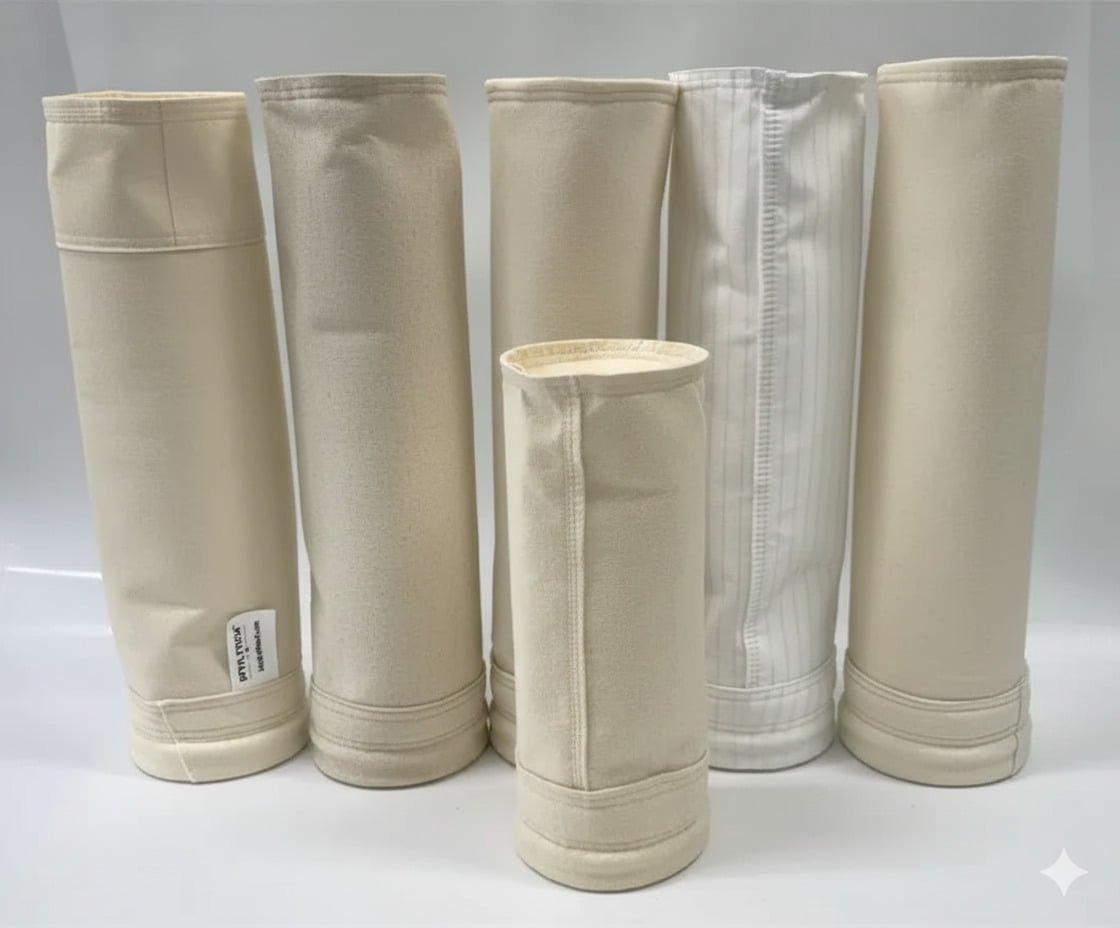
When you pick a Baghouse Filter Bag, you have to think about a few important things. These things are dust type, temperature, moisture, chemicals, and cost. You also need to look at how well it filters, if it works with chemicals, how much heat it can take, and the size or type of dust. Baghouse filter bags help keep the air clean in many places. Make sure you know what you need before you choose one.
Key Takeaways
Know what kind of dust you have. Each dust type needs a special filter material to work well. Think about how hot your system gets. Pick materials that can handle the heat so they last longer. Check if there is moisture or chemicals. Choose filter bags that can deal with these things to stop damage. Think about how much the bags will cost over time. Good bags may cost more at first but save money later. Ask experts if you are not sure. Getting help can make it easier to pick the right filter bag.
What Are the Basics of Baghouse Filter Bags?
Baghouse filter bags are essential components in industrial dust collection systems, designed to capture and remove dust particles from the air. These bags are made from various woven or felted materials that trap particulates while allowing clean air to pass through. They are commonly used in industries like cement, steel, and pharmaceuticals to enhance air quality and meet environmental regulations.
Structure and Components
You need to know what makes up a Baghouse Filter Bag system before you choose the right material. Each part works together to clean the air and remove dust. Here is a table that shows the main components and how they help with dust collection efficiency:
Component | Contribution to Dust Collection Efficiency |
|---|---|
Dust Collection Chamber | This chamber lets dirty air enter and guides it into the system. |
Filter Bags | These bags trap dust particles on their surface or inside the fabric. |
Clean Air Plenum | This area holds clean air before it leaves the system. |
Cleaning Mechanism | This part knocks dust off the bags to keep them working well. |
Fan | The fan moves air through the system, making sure dust-laden air reaches the bags. |
Exhaust Stack | The stack releases clean air safely into the atmosphere. |
Hopper | The hopper collects dust that falls off the bags for disposal or recycling. |
Tip: You should check each component in your system. If one part does not work well, the whole system may lose efficiency.
Working Principle
You can understand how a Baghouse Filter Bag works by looking at the steps below:
Dirty air enters the dust collection chamber.
The fan pushes air through the filter bags.
Dust particles stick to the surface of the bags.
Clean air passes through the bags and moves into the clean air plenum.
The cleaning mechanism shakes or blows air to remove dust from the bags.
Dust falls into the hopper for disposal.
Clean air exits through the exhaust stack.
Baghouse filters use fabric bags to trap dust. Unlike other filters that use different materials or methods, these systems rely on dust building up on the bag surface. When dust collects, the cleaning cycle starts to keep the bags working well. You get cleaner air and a safer environment.
Why Does Material Choice Matter for Baghouse Filter Bags?
Material choice is crucial for baghouse filter bags because it directly influences the filtration efficiency, durability, and cost-effectiveness of the system. Selecting the appropriate material ensures that the filter can withstand the specific operating conditions such as temperature, chemical exposure, and particulate type.

Filtration Efficiency
Picking the right filter bag material helps collect dust better. Each material works best in certain places. Polyester filter bags are good for most dust and can handle some water. Polypropylene bags are best where there are strong chemicals. Aramid bags can take high heat. PTFE (Teflon) bags work well with harsh chemicals and high heat. Fiberglass bags are used when it is very hot and there is a lot of dust.
Polyester Filter Bags: Good for most dust, water, and some chemicals.
Polypropylene Filter Bags: Best for strong chemicals.
Aramid Filter Bags: Can take high heat.
PTFE (Teflon) Filter Bags: Handle harsh chemicals and heat.
Fiberglass Filter Bags: Used for very hot, big jobs.
You also need to think about the dust you collect. The size of the dust, how much air moves through the bag, how much dust there is, and how wet it is all matter. If you pick the right material, you get better airflow and cleaner air.
Bag Life and Maintenance
The material you pick changes how long your filter bags last. It also changes how often you need to get new ones. Most filter bags last two to three years if things are normal. PTFE bags can last three to five years. High-temperature fibers like Nomex or PPS last two to four years. In tough places, bags may only last a few months.
Filter Material Type | Typical Lifespan |
|---|---|
Polyester (PE/PES) | 2–3 years |
PTFE Membrane/Laminated | 3–5 years |
High-Temp Fibers (Nomex, PPS) | 2–4 years |
Corrosion-Resistant Fibers | 2–3 years |
Note: If you use the wrong material, you will need to change bags more often. This costs more money and time.
Risks of Wrong Material
If you pick the wrong Baghouse Filter Bag material, you can have many problems. You might not collect as much dust. You could lose product or break your equipment. You might get fined or have to stop work if you do not follow air rules. Bags can leak, wear out fast, or melt if they cannot take the heat or chemicals. Water can clog the bags and slow down the air. The fabric can get holes from rubbing.
Common problems are:
Not collecting enough dust and losing product
Equipment breaking from dust buildup
Leaks and bags wearing out too soon
Fabric melting or getting hard from too much heat
Fabric getting brittle from chemicals
Holes from rubbing
Less airflow from water
You can stop these problems by picking the right filter bag material for your dust, heat, and chemical needs.
What Criteria Should You Use When Selecting Baghouse Filter Bag Materials?
Picking the right Baghouse Filter Bag material needs careful thought. You must think about the dust you collect. You also need to check the temperature in your system. Moisture and chemicals in the air are important too. The total cost matters as well. Each thing can change how well your system works. It also affects how long your filter bags last.

Dust Type and Properties
Start by looking at the dust in your process. Dust can be sticky, rough, tiny, or even dangerous. Each dust type needs a different filter bag material.
Sticky dust, like in food plants, can clog regular bags. PTFE filter bags work best because dust does not stick to them.
Rough dust, like metal or minerals, can wear out bags fast. Aramid fabrics like Nomex or Kevlar last longer because they resist wear.
Hygroscopic dust takes water from the air. You need smooth, coated, or hydrophobic materials like nylon or glass fiber to stop dust from sticking.
Combustible dust can catch fire or explode. Flame-retardant and conductive materials, like PVC or PPS, help keep your system safe.
Here is a table that shows how dust properties affect material choice:
Dust Property | Influence on Material Selection |
|---|---|
Hygroscopicity | Needs smooth, hydrophobic, and coated filter materials to stop dust sticking and cake formation. |
Combustibility | Needs flame retardant and conductive filter materials to stop ignition and explosions. |
Fluidity and Friction | Needs wear-resistant materials, with special fibers and treatments to make bags last longer. |
Tip: Always check the size and shape of your dust. Fine dust needs tighter fabrics. Large, rough dust needs stronger, thicker bags.
Operating Temperature
Temperature is very important when you pick a filter bag. If you use the wrong material, high heat can shrink, harden, or break the fibers. This lowers filtration and shortens bag life.
Polyester filter bags work up to 275°F (135°C) for daily use. They can handle 300°F (149°C) for short times.
Aramid (Nomex) bags can handle up to 400°F (204°C) for long periods. They can take 425°F (218°C) for short bursts.
P84 polyimide bags work at 475°F (246°C). They can take up to 500°F (260°C) for short times.
Fiberglass bags are best for very high heat, up to 500°F (260°C). They do not last as long if the dust is rough.
Here is a chart that shows the highest short time temperature for common materials:

If your system gets hotter than these limits, you need special materials like fiberglass or ceramic textiles. Heating and cooling again and again can also damage bags faster. Always check your system’s temperature swings.
Moisture and Chemicals
Moisture and chemicals in your air can hurt filter bags. Some materials handle water and chemicals better than others.
Material | Moisture Resistance | Chemical Resistance | Notes |
|---|---|---|---|
Acrylic | Excellent | Moderate | Good for humid places with mild chemicals. |
Polypropylene | Some | Low | Works for jobs with over 10% moisture. |
Fiberglass | Excellent | Excellent | Best for high-temperature and chemical jobs. |
If you have lots of moisture, acrylic or fiberglass bags work well. For strong chemicals, fiberglass is a top choice. Polypropylene can handle wet air but does not resist chemicals as well. Always check for dangerous chemicals like cadmium, arsenic, chromium, lead, or silica. These can harm health and may need special filter standards.
Note: Many chemical dusts can catch fire. Use flame-retardant materials if you have flammable chemicals.
Cost Factors
Cost is more than just the price of the filter bag. You need to think about how long the bag lasts. You also need to know how often you need to replace it. Labor for changing bags is important too.
Cheaper bags may save money at first. They wear out faster and need more replacements.
High-quality bags last longer and need less maintenance. This saves money over time.
Labor and downtime for changing bags can cost more than the bags themselves.
Here is a table that shows how long popular filter bag materials last:
Material Type | Application Conditions | |
|---|---|---|
Aramid | 3-5 | Cement plants, steel mills |
PPS | >4 | Coal-fired power plants, waste-to-energy |
P84 | >4 | Waste incineration, coal-fired boilers |
Glass Fiber | 2-4 | High-temperature applications |
PTFE Membrane | 4-6 | High-temperature applications |
Expanded PTFE | >6 | Aggressive chemical processes |
Tip: Spending more on a strong filter bag can lower your total costs. You will need fewer replacements and less labor.
When you look at all these things—dust type, temperature, moisture, chemicals, and cost—you can pick the best filter bag for your system. This helps you get cleaner air, safer workspaces, and lower costs.
How Do Different Baghouse Filter Bag Materials Compare?
Baghouse filter bag materials differ primarily in terms of temperature resistance, chemical compatibility, and filtration efficiency. Polyester is cost-effective and suitable for low temperatures, while Nomex withstands higher temperatures and offers good chemical resistance. PTFE is highly resistant to chemicals and extreme temperatures but is more expensive.

Polyester
Polyester is used a lot in dust collection. It works for many jobs. Polyester can handle some rubbing and medium heat. It works up to 275°F (135°C). This material lasts a long time and does not cost much. Polyester is not good for very hot places or strong acids.
Polypropylene
Polypropylene is great with chemicals. It works well with acids and bases. Polypropylene is best at lower heat, about 176–194°F (80–90°C). It saves money because it is cheap. Here is a table that shows what it does best and where it does not work:
Aspect | Details |
|---|---|
Chemical Resistance | Very good, especially with acids and bases. |
Temperature Limit | Works only at 80-90°C (176-194°F), so not for high heat. |
Cost-Effectiveness | Cheap, so many people use it. |
Aramid (Nomex)
Aramid, or Nomex, is good for hot places. You can use it in asphalt plants and boilers. It can take heat and flames up to 400°F (204°C). Aramid stays strong but does not like strong acids or wet air. The chart below shows how aramid does compared to other materials:

Tip: Pick aramid if your Baghouse Filter Bag needs to work in hot, dry places.
PTFE (Teflon)
PTFE, or Teflon, is best for tough jobs. PTFE bags do not let water in and do not rust. You can use them where there is water, heat, or strong chemicals. PTFE does not let dust stick, so it is easy to clean. It filters well and lasts a long time. Here are some main things about PTFE:
Catches very tiny dust.
Stays strong in places with harsh chemicals.
Cleaning is easy and you do not need much work.
Fiberglass
Fiberglass is best for very hot jobs. It works up to 500°F (260°C). Fiberglass filters catch fine dust and work well with UV light. The fibers are packed close, so they filter well. Fiberglass does not last as long as other materials. It breaks easily and does not handle rubbing. Here is a table to compare:
Feature | Fiberglass Filters | Synthetic Filters |
|---|---|---|
Filtration Efficiency | Good at catching small dust | Works well in short tests |
Structure | Has tightly packed fiberglass fibers | Has bigger, less packed fibers |
UV Light Performance | Not known for UV work | |
Durability | Not as tough | Lasts longer and saves money |
Specialty Materials
Some jobs need special materials. PPS is good for coal-fired boilers. P84 works with very high heat and chemicals. Acrylic is good with water. Expanded PTFE lasts longest in harsh chemical places. Always pick the material that matches your dust, heat, and chemical needs.
Note: Always check what your system needs before picking a filter bag material. The right choice gives you clean air and saves money.
Material Selection Steps
Assess Application Needs
You should start by looking at your dust collection system and what it needs. Follow these steps to make a smart choice:
Pick the filter media based on your job. Think about the temperature, the type of dust, and if the dust has chemicals.
Check if the filter can handle rough dust that might wear it out.
Look at the filter bags you use now. See if they work well or if you need something better.
Think about how the bags are made. Some use woven or non-woven felts, natural fibers, or synthetics.
Test the material. You can use heat to see if it melts or changes shape.
Narrow your choices. First, cut out materials that cannot take the heat. Next, remove ones that do not work with your chemicals. Last, think about how well the bag filters and how much it costs.
Tip: Write down what you need before you start looking at materials. This helps you stay focused.
Match to Material Properties
Now, match your needs to what each material can do:
Acrylic works well in hot places (up to 265°F) but does not like strong chemicals.
Aramid felt stands up to rough dust and works at 400°F.
Fiberglass handles very high heat (up to 500°F) but does not last as long.
Polypropylene fights off chemicals and water. It is good for places with lots of corrosion.
PTFE gives top chemical resistance and works well with sticky dust.
You should always pick the material that fits your dust, heat, and chemical needs.
Consult Experts
If you feel unsure, talk to a dust collection expert or your filter supplier. They can help you find the best match for your system. Experts know about new materials and can spot problems you might miss. You get better results and save money by asking for help.
Review Total Cost
You need to look at more than just the price tag. Think about how much you will spend over time. Here is a table to help you compare:
Cost Factor | Description |
|---|---|
Initial Purchase Cost | |
Maintenance Costs | Cheap bags need more changes, which costs more in the long run. |
Replacement Costs | Strong bags last longer, so you spend less on labor and disposal. |
Note: Spending more on the right filter bag can save you money and trouble in the future.
You need to match your baghouse filter bag material to your application. This helps you get the best performance, long bag life, and lower costs. Use this checklist before you choose:
Temperature – Check if your bags face extreme heat.
Material – Pick the right filter for your job.
Chemistry – Make sure the filter can handle your dust.
Resistance – See if the filter can resist wear.
If your system is complex or you feel unsure, talk to a supplier or filtration expert. They can help you make the best choice.
FAQ
What is the most common baghouse filter bag material?
You will find polyester used most often. It works well for many jobs. Polyester handles medium heat and normal dust. You can use it in many industries.
How do you know when to replace filter bags?
Look for these signs:
More dust in the air
Lower airflow
Visible damage on bags
Tip: Check your bags every month to keep your system working well.
Can you wash and reuse baghouse filter bags?
Most filter bags are not made for washing and reuse. Washing can damage the fibers. You should replace dirty or worn bags with new ones for best results.
What happens if you use the wrong filter bag material?
You may see:
Problem | Result |
|---|---|
Bag damage | More dust escapes |
Short bag life | Higher costs |
System failure | Unsafe air |
Always match the material to your dust, heat, and chemical needs.